20 years of pioneer in xinjiang tourism for overseas travelers
Born Here, Know Best, Your Journey's Blessed
No Shopping. No Detour, 99% Excellent Review

contact UsOn Wechat
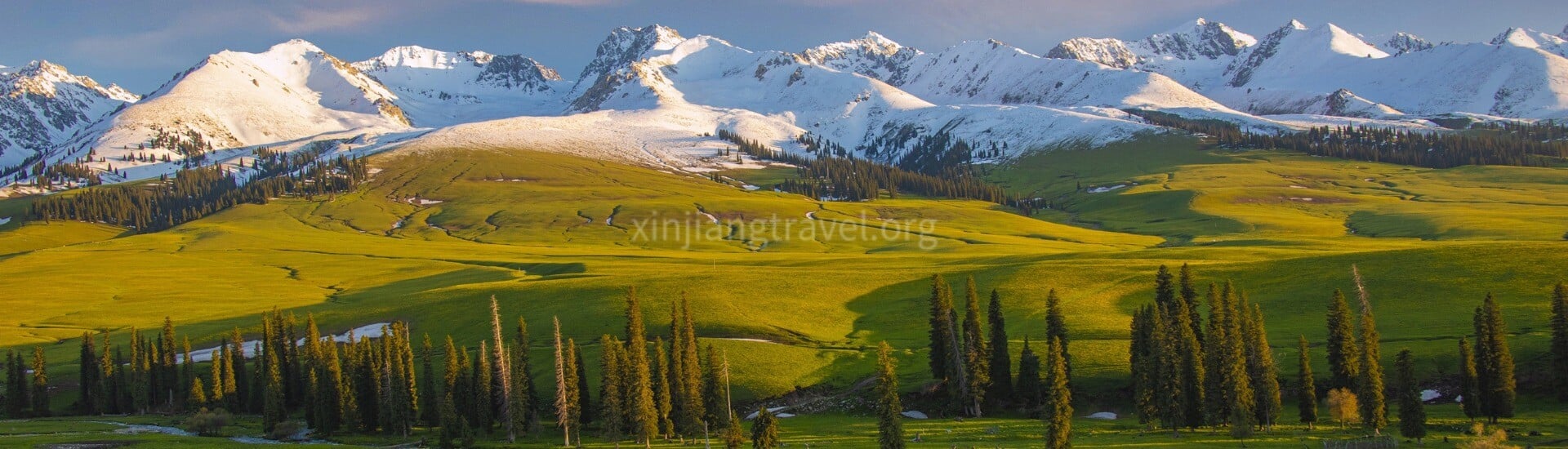
Xinjiang is easiest to plan when you choose a region that fits your available days, travel season and interests. With about a week, focus on the Ili Valley, Kanas and Hemu, or Kashgar and the Pamir Mountains. With two weeks, you can combine a northern landscape route with the south, provided you allow time for the journey between them.
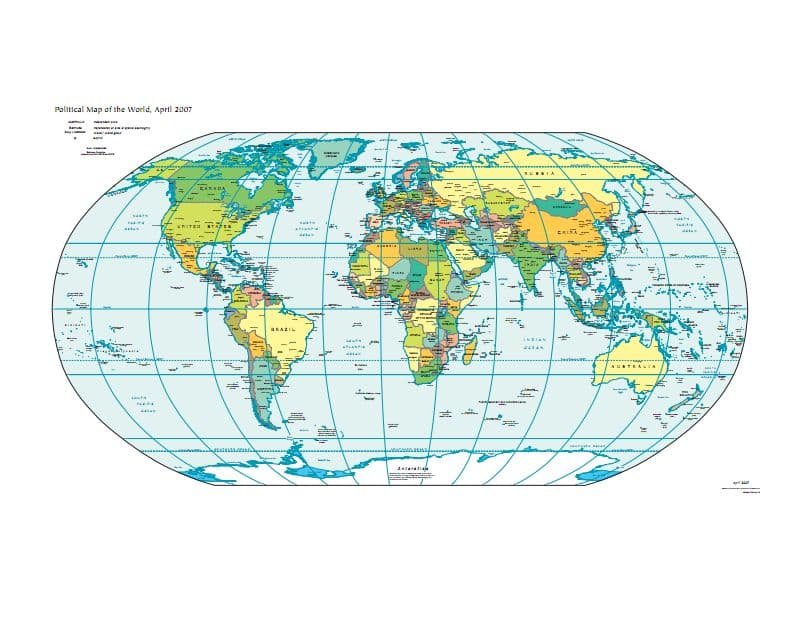
Xinjiang, officially known as the Xinjiang Uyghur Autonomous Region, is an autonomous region in the northwest of China. It is the largest provincial-level administrative region in China, covering an area of over 1.6 million square kilometers. It is bordered by eight countries, including Mongolia, Russia, Kazakhstan, Kyrgyzstan, Tajikistan, Afghanistan, Pakistan, and India.
The important distinction is that northern Xinjiang is not one compact sightseeing area. Kanas and Hemu lie far from the Ili grasslands, while Kashgar and Tashkurgan form another substantial journey. Choose the places you most want to spend time in before adding connections.
Xinjiang at a glance:
| Planning question | A practical starting point |
|---|---|
Where should I go first? | Ili for grasslands and lake scenery; Kanas and Hemu for forests and mountain villages; Kashgar and the Pamirs for old-town visits and highland landscapes |
How long should I stay? | Around 7–10 days for a focused route; about 14 days for selected northern and southern highlights; longer for extensive overland travel |
Where should I arrive? | Compare Urumqi for a broad itinerary, Yining for Ili, Altay for the far north, and Kashgar for the south |
When should I go? | Consider early summer for Ili, summer or September for Kanas and Hemu, and spring or autumn for city-based routes around Kashgar and Turpan |
How should I travel? | Use flights or suitable trains between distant bases, then road transport for countryside and mountain sections |
What needs checking first? | Entry eligibility, access to specific border areas, mountain-road conditions and transport on your dates |
Such vastness and diversity are exactly what make careful planning essential — the distance from Kanas Lake in the north to Kashgar Old Town in the south can stretch across several days of overland travel, and choosing between a North Xinjiang nature loop and a South Xinjiang Silk Road route shapes the entire rhythm of your trip. Rather than piecing together long-distance transfers, border permits, and English-speaking guides on your own, you can browse our handpicked Xinjiang tours, where private itineraries and small group departures cover everything from the alpine meadows of Hemu and Naraty to the Pamir Plateau along the Karakoram Highway. Once your route is in place, the practical tips below — best travel season, climate zones, and ethnic culture — will help you fine-tune the timing and pace of your journey.
Xinjiang is best planned around your travel dates, available days and the places you most want to see. With about a week, focus on the Ili Valley, Kanas and Hemu, or Kashgar and the Pamir Mountains. With two weeks, you can combine a northern route with the south, allowing time for flights and road transfers.
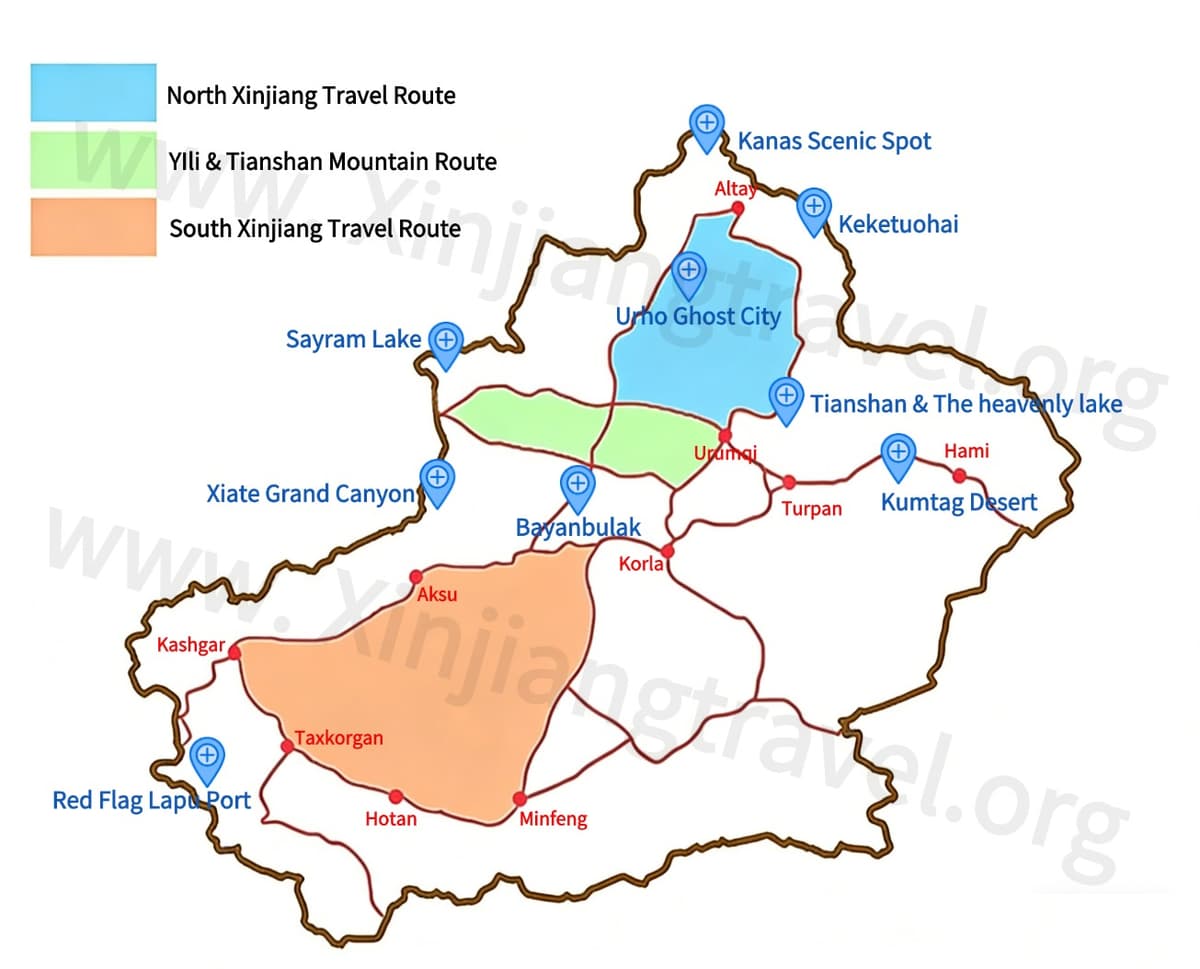
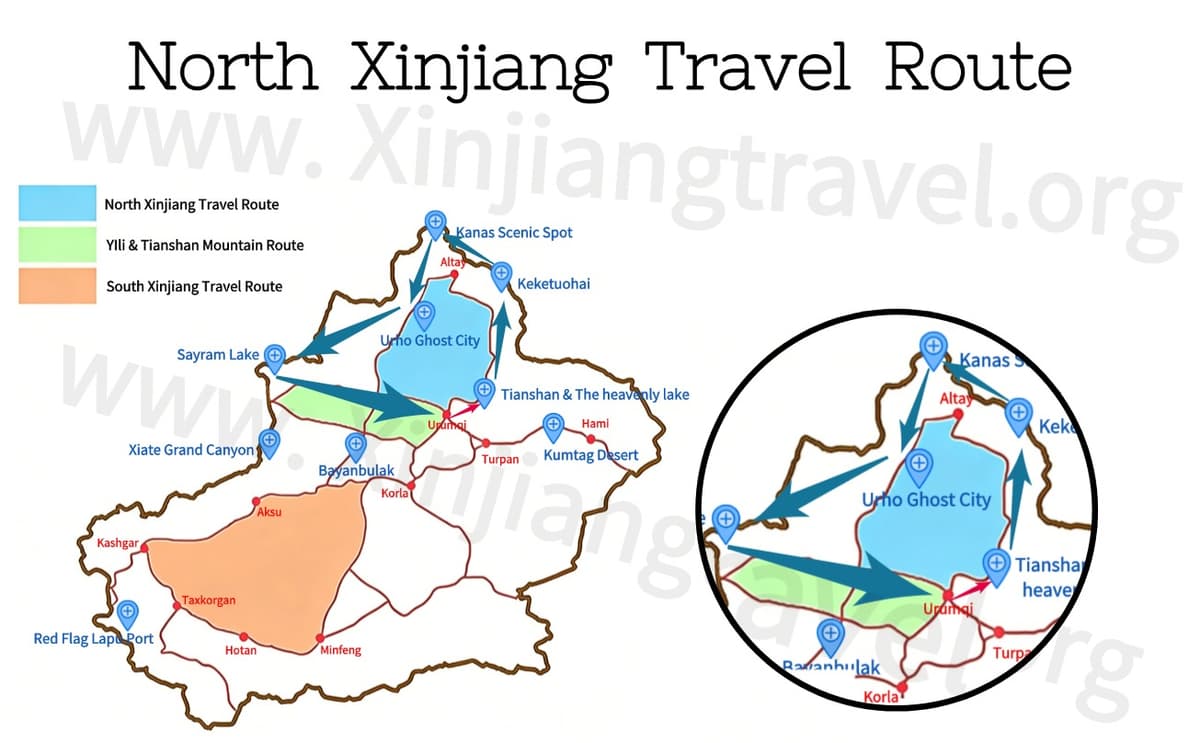
Use this Xinjiang travel map to locate the main cities and attractions before choosing a route. For a first visit, it helps to think in three areas: Ili in the west, Kanas and Hemu in the far north, and Kashgar with the Pamirs in the south-west. Urumqi and Turpan form a separate eastern starting point.
Xinjiang Map for the First Time Travelers
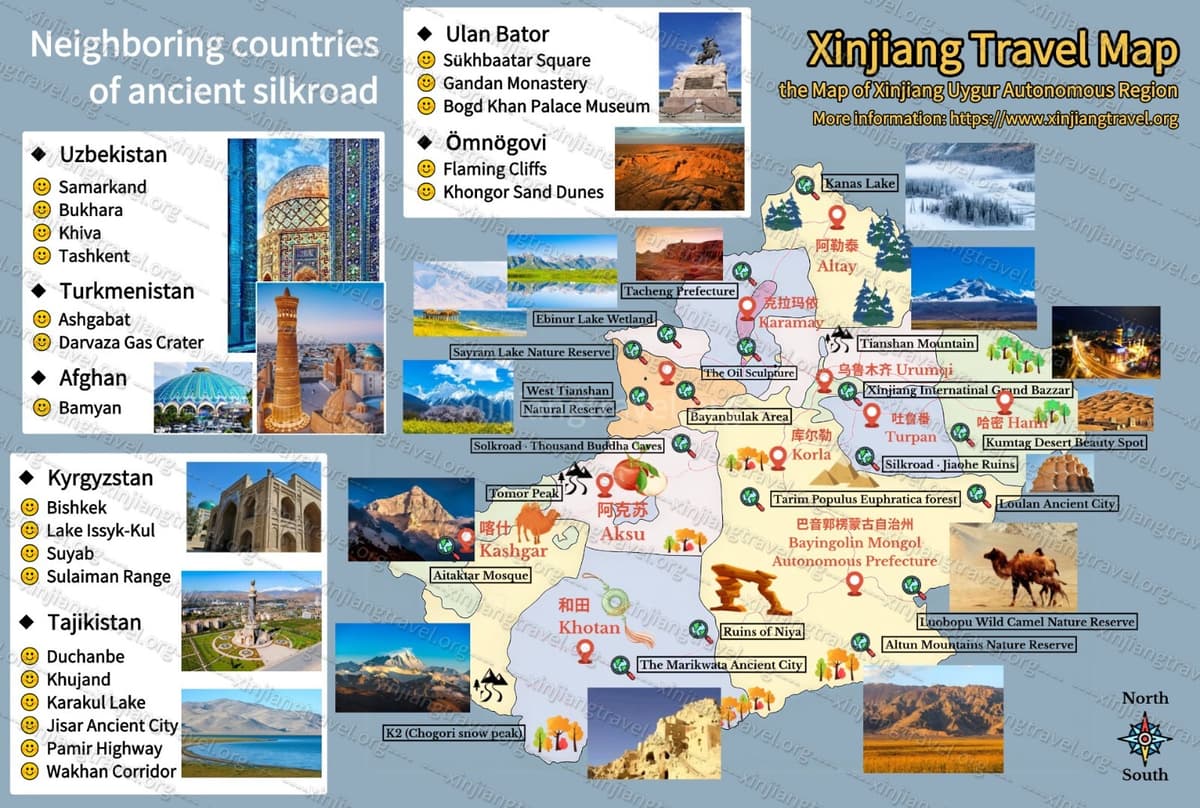
*Xinjiang’s main cities and attractions, with neighbouring Silk Road destinations shown for context. Use this map to understand locations, not to estimate driving times.
Yining is a useful base for Ili, with Sayram Lake and the grasslands reached by road. For Kanas and Hemu, compare access through Altay with an overland journey from Urumqi. Kashgar is the main base for the road towards Tashkurgan and the Pamirs. These are separate travel areas, so allow dedicated transfer time when combining them.
The detailed Xinjiang maps provide more geographical context. The regional comparisons below help you decide which places fit your trip.
Choose Ili if you want meadows, lake scenery and walks interspersed with time in a city. Yining is a useful base for the valley, with urban neighbourhoods such as Kazanqi providing a different experience from the grasslands.
Sayram Lake is commonly combined with Ili, but it is a separate excursion rather than a stop within Yining. Nalati lies farther east; Tekes and Kalajun take you in another direction. A week works better with Sayram Lake and one main grassland area than with every meadow, valley and scenic road on the map.
This is a good option for couples and families who want a landscape-focused trip without changing hotels every night. For older travellers, compare the walking, shuttle journeys and accommodation access at each scenic area before choosing between grassland visits.
Choose Kanas and Hemu if forested valleys, lakeside scenery and village stays are your main reasons for visiting. Summer and autumn offer different experiences, so decide whether green landscapes or autumn colour matters more.
Allow for the journey into the region as well as movement within the scenic areas. Hotel transfers, shuttle services and queues can take time that a simple road-distance estimate misses. An overnight stay also offers more flexibility than arriving for a brief visit and immediately leaving again.
Altay can be a useful gateway when flights suit your dates. Starting in Urumqi is another option, but the overland approach and return need proper space in the itinerary.
Kanas and Ili are separate northern journeys. Combining them means a substantial transfer through western Xinjiang; it should not be treated as a short drive between neighbouring attractions.
Choose Kashgar if you want time for old-town streets, food, workshops and the cultural history of the Silk Road. Give the city at least one full day, preferably more, rather than making it only the place where you collect a vehicle.
The road towards Tashkurgan adds White Sand Lake, Karakul Lake and the mountain scenery of the Pamirs. This is a high-altitude road journey with document checks and weather considerations, not simply an extension of a city walk.
A Kashgar-based trip suits travellers who want a clear contrast between urban visits and mountain landscapes. Those who prefer to avoid high altitude can spend longer in Kashgar or build a different route instead of automatically including Tashkurgan.
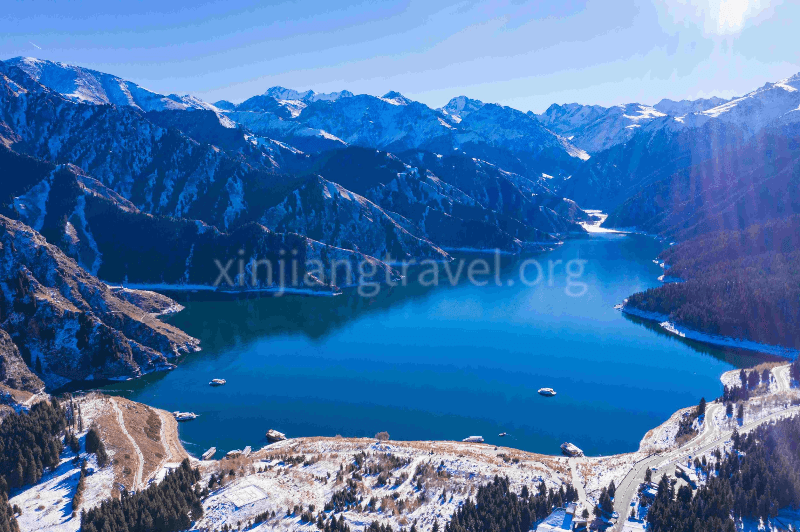
Urumqi works well as a transport base and a place to begin with the regional museum or a bazaar visit. Heavenly Lake is a separate outing into the mountains and needs its own time allowance.
Turpan adds a different landscape and historical focus: Jiaohe’s earthen ruins, karez irrigation heritage and the oasis setting. It pairs naturally with Urumqi, although the railway station, city and attractions are separate locations.
Turpan is often included in Silk Road itineraries alongside southern Xinjiang. For practical planning, however, treat it as an eastern stop near Urumqi, not as a nearby addition to Kashgar.
Choose the season for your main destination first. Conditions in Turpan, an Ili grassland and the Pamirs can be very different during the same week.
| Period | Routes to consider | Main planning trade-off |
|---|---|---|
March–April | Kashgar and Turpan; selected blossom trips where local conditions suit | Mountain and grassland routes may still have winter conditions; flowering dates vary |
May–June | Ili, Sayram Lake and city-based Silk Road routes | Green-up varies with elevation; early-season mountain-road access needs checking |
July–August | Ili, Kanas and Hemu | Popular scenic areas are busy; Turpan and lowland sightseeing can be very hot |
September | Kanas and Hemu for autumn scenery; selected north-and-south combinations | Autumn colour is weather-dependent, accommodation demand can be high, and mountain nights are cold |
October | Kashgar, Turpan and selected southern autumn routes | The National Day holiday affects demand; northern roads and services may move towards winter operation |
November–February | Purpose-planned snow or skiing trips; selected city stays | Shorter daylight, winter transport and reduced services require a different itinerary |
For a first grassland trip, consider June or early summer. For Kanas and Hemu’s autumn scenery, September is the main planning window, but no particular week can guarantee peak colour. October in the far north should not be assumed to offer the same conditions as September.
If your dates fall in July or August and you want to include Turpan, leave room for indoor breaks and avoid filling the middle of the day with exposed outdoor sites. A cool mountain stop elsewhere on the itinerary does not make the entire journey cool.
The best time to visit Xinjiang varies by region; use the monthly information to refine the route after choosing your main area.
Duku Highway planning note: the road entered winter closure at 20:00 on 8 October 2026. The official notice states that the 2027 reopening date will be announced according to weather and road-clearance conditions. Do not book a future trip around a fixed annual opening date.
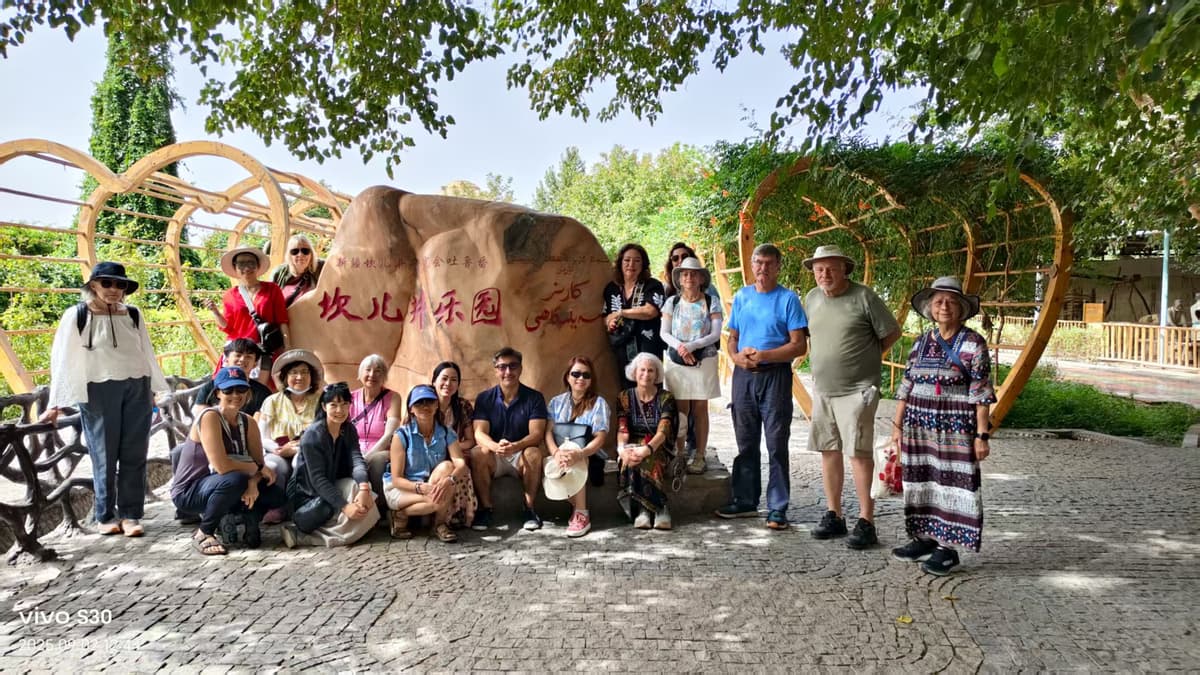
"our cilents in Turpan Karez Scenic Spot"
The following are planning examples, not advertised tour departures. Day 1 is the arrival day and the final day is the departure day. Transfer days are included within each total, so a seven-day trip does not mean seven full sightseeing days.
Start and finish: Kashgar
Best for: old-town visits, food and mountain scenery without crossing the whole region.
Day 1: Arrive in Kashgar and settle in.
Day 2: Spend a full day in Kashgar. Allow time for any required local document procedures before the mountain section.
Day 3: Travel towards Tashkurgan, with planned stops along the Karakoram Highway.
Day 4: Stay in the Tashkurgan area for visits confirmed as accessible for your trip.
Day 5: Return to Kashgar.
Day 6: Keep a further Kashgar day for city visits, rest or flexibility.
Day 7: Depart.
The outward and return mountain-road journeys take the largest share of travel time. Avoid attaching your flight out to the end of the return drive.
If you have less time: remove the extra Tashkurgan day before cutting the Kashgar arrival allowance or the night before departure. If access or altitude makes the mountain section unsuitable, replace it rather than trying to complete it more quickly.
Start and finish: Yining, subject to suitable transport connections
Best for: a summer landscape trip with fewer long-distance relocations.
Day 1: Arrive in Yining.
Day 2: Explore Yining, including time around Kazanqi.
Day 3: Visit Sayram Lake and return to Yining, or use a confirmed lakeside overnight arrangement.
Day 4: Transfer towards Nalati.
Day 5: Spend the day in the Nalati scenic area.
Day 6: Return to Yining.
Day 7: Depart.
The Sayram Lake excursion and the journeys between Yining and Nalati are the main road commitments. If you stay near the lake, recalculate the following day’s transfer instead of assuming the sequence remains unchanged.
If you have less time: choose Sayram Lake or Nalati as the main excursion. Do not add Kanas, Hemu or a Duku Highway crossing to this week.
Start: Urumqi
Finish: Kashgar
Best for: a first Silk Road journey combining city visits, historical sites and an optional Pamir section.
Day 1: Arrive in Urumqi.
Day 2: Explore Urumqi; fit museum visits around confirmed opening and reservation arrangements.
Day 3: Travel to Turpan and begin sightseeing.
Day 4: Spend a full day around Turpan.
Day 5: Return towards Urumqi and connect to Kashgar if the timetable allows. Treat this as a transfer day.
Day 6: Explore Kashgar.
Day 7: Travel towards Tashkurgan, subject to confirmed access.
Day 8: Return to Kashgar.
Day 9: Keep a further city day or weather allowance.
Day 10: Depart Kashgar.
The critical connection is between Turpan and Kashgar. Compare actual flight options and the transfer needed to reach the departure airport. If the connection requires an overnight stop in Urumqi, revise the plan before booking; do not simply remove the margin before your final departure.
If you have less time: omit the Pamir section for a city-and-history trip, or omit Turpan if the mountains are your priority. Kuqa and a desert crossing need additional days.
Start: Urumqi
Finish: Kashgar
Best for: travellers who want northern forest and lake scenery alongside the south.
Day 1: Arrive in Urumqi.
Day 2: Travel to Altay if a suitable flight operates, then continue to the planned overnight base.
Day 3: Transfer towards Hemu, allowing for scenic-area entry and local transport.
Day 4: Spend the day in Hemu.
Day 5: Transfer to the Kanas area.
Day 6: Explore Kanas.
Day 7: Return towards Altay.
Day 8: Travel to Urumqi and stay overnight.
Day 9: Fly to Kashgar.
Day 10: Explore Kashgar and complete any outstanding arrangements for the Pamir section.
Day 11: Travel to Tashkurgan.
Day 12: Return to Kashgar.
Day 13: Keep a further Kashgar day.
Day 14: Depart.
This example gives the north-to-south connection real space. The longest commitments are the road journeys into and out of the northern scenic areas, the flights between regions, and the Kashgar–Tashkurgan return journey.
Flight availability determines whether this sequence works on your dates. If the northern flights do not fit, add time for the overland alternative or shorten the route.
If you have two fewer days: keep the northern section and Kashgar, but leave out the Tashkurgan excursion. Retain a full day in Kashgar and a night there before departure. If the Pamirs are your priority, choose a Kashgar-focused trip instead of shortening every northern stop and transfer.
Book your arrival and departure cities around the route, rather than automatically buying a return ticket to Urumqi.
| Gateway | Most useful for | What to check |
|---|---|---|
Urumqi | Urumqi–Turpan trips and journeys connecting several regions | Whether returning here at the end adds an unnecessary flight or road journey |
Kashgar | Kashgar, the Pamirs and southern itineraries | Connections from your preceding destination and onward flights after the tour |
Yining | Ili, Nalati and a Sayram Lake combination | Available flight or rail connections and the road route between your chosen bases |
Altay | Kanas and Hemu | Seasonal flight availability and the remaining road transfer into the scenic areas |
Urumqi Tianshan International Airport was formerly known as Diwopu. Older guides may use the previous name; check the airport and terminal details on your booking.
For a combined trip, arriving in Urumqi and departing from Kashgar can avoid retracing the route. This does not require an international flight from both cities: either end may connect through another Chinese city.
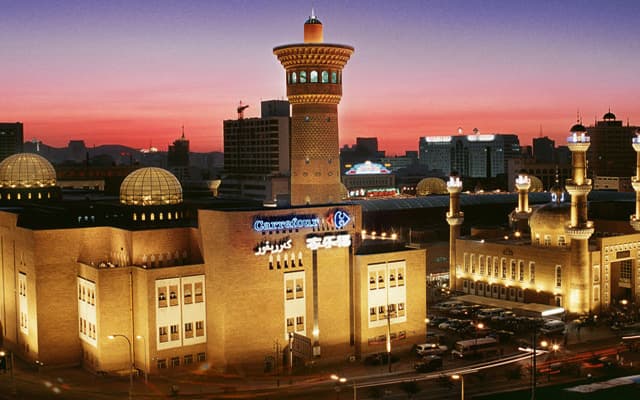
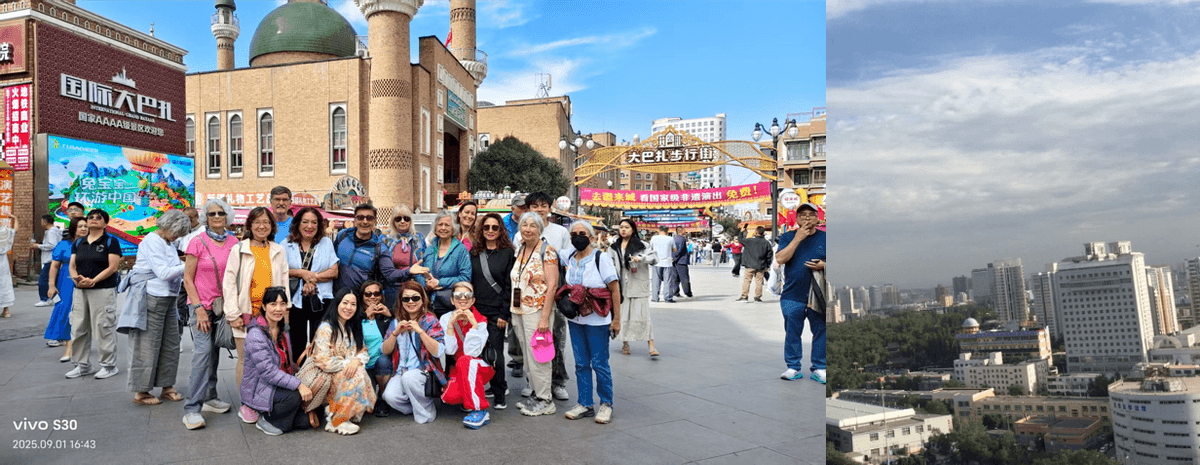 "The International Grand Bazaar In Urumqi taken by our professional tour guide"
Rail can work well between Urumqi and Turpan and for selected longer journeys. Check the exact station name, train type and date rather than assuming all services are high-speed.
A train to Turpan does not deliver you to Jiaohe or the karez sites. Include station transfers and local sightseeing transport when comparing it with a road journey.
Use China Railway’s official booking information to check passport requirements and ticketing. Travel with the document used for the reservation. A booking request made through an intermediary is not the same as an issued ticket.
A vehicle is useful for the Ili countryside, the approach to Kanas and Hemu, and the Pamir road. It provides flexibility between stops, but it does not remove the distance.
Ask for a daily schedule that separates driving, sightseeing, meals and scenic-area shuttle travel. Also confirm whether the quoted service includes a driver only or an English-speaking guide; these are different arrangements.
Inside a scenic area, your road vehicle may not be able to take you to every viewpoint or hotel. Confirm shuttle arrangements and luggage access before choosing accommodation.
Return from a remote mountain section before the day of an important onward flight. Snow, road controls and slow scenic-area transfers can affect a journey even when the flight itself is operating normally.
When combining separate air tickets, check baggage collection and check-in requirements. A short scheduled flight still involves airport transfers, security and waiting time.
Travelling alone and travelling independently are different choices. A solo visitor can join a group, arrange a private journey, or book city stays and transport independently.
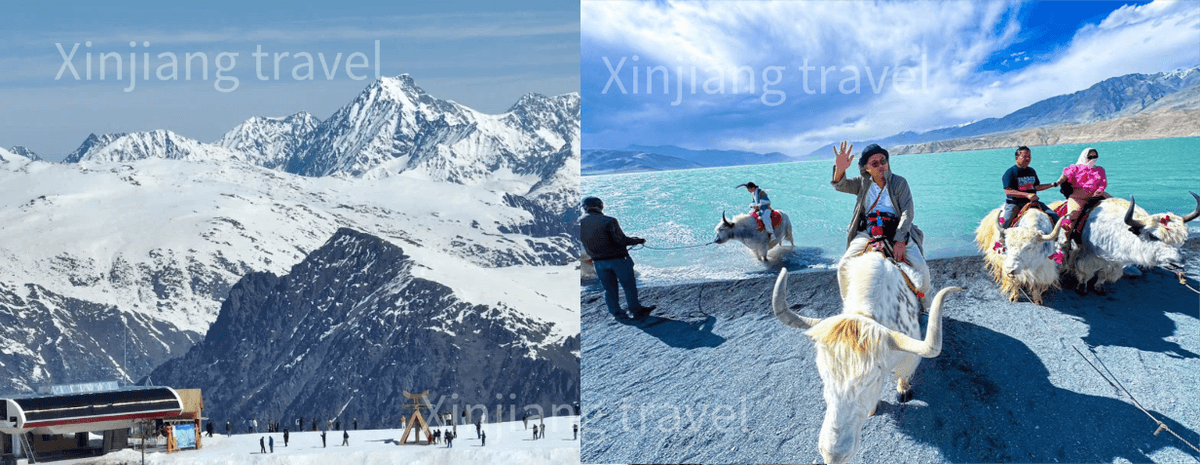
"Xinjiang winter and our happy clients visiting Chaka Lake and Altay Mountain"
Independent arrangements can work well for travellers comfortable booking Chinese transport, using translation tools and checking local procedures. Urumqi, Turpan and Kashgar provide a more straightforward starting point than a route built around remote mountain roads.
You can also combine approaches: arrange your own hotels and city visits, then book transport or local assistance for a particular countryside section.
For self-driving, confirm the Chinese driving authorisation you need before reserving a rental vehicle. An overseas licence alone is not sufficient; official regulations provide for temporary Chinese driving permission for eligible visiting drivers.
A small group can suit solo travellers who want company and shared transport costs, or couples happy to follow a set route. Start with Xinjiang small group tours that match your travel dates and interests.
Before paying, ask:
Is this departure confirmed, and what happens if participant numbers change?
What is the maximum group size?
Is a single room required, optional or available through a room-sharing arrangement?
Which days include an English-speaking guide?
Are domestic flights or trains, attraction tickets and scenic shuttles included?
What happens if a mountain road closes or a planned area is inaccessible?
Compare the total cost for your own booking rather than the headline price alone. A solo traveller’s room choice can change the final amount.
A private itinerary suits families, couples with particular interests, photographers and travellers who need more control over walking and daily pace. The benefit is the ability to choose fewer stops, longer stays or different travel dates.
When considering a private Xinjiang tour, describe the pace you want in concrete terms: how often you are comfortable changing hotels, how much walking suits you, and whether long road days are acceptable.
For a family or mixed-age group, choosing one grassland area and staying longer may be more useful than adding another famous name. Private transport makes the schedule adjustable; it cannot turn a distant destination into a short excursion.
First confirm the Chinese visa or visa-free arrangement applicable to your trip. Then check whether your specific route needs additional local documentation or permission.
Visa-free transit is a separate arrangement with conditions on nationality, onward travel, entry points and permitted areas. Do not assume that permission to enter one Chinese city allows every Xinjiang itinerary. Check the National Immigration Administration’s current transit policy against your full journey.
A city stay in Kashgar and a journey onwards towards Tashkurgan involve different access questions. Before committing to the mountain section, confirm the required documents, application location and which stops are accessible to foreign visitors.
The National Immigration Administration’s current guidance requires foreign applicants for an electronic border-area pass to apply in person at an authorised office. Do not assume that the online application process available to mainland Chinese residents applies to you.
Border-area passes and permission to enter places not open to foreign visitors are not interchangeable. The latter has a separate official procedure. A permit for one area should never be treated as permission for every nearby road or attraction.
Carry your original passport and keep booking information accessible offline. Confirm that each property can complete the registration required for your stay, particularly when booking smaller accommodation away from the main cities.
For Kanas, Hemu and other scenic-area stays, ask about heating, private bathrooms, stairs and the distance from the vehicle drop-off point. These details can matter more than a broad hotel category.
Pack for the coldest overnight stop on your itinerary. Summer in Turpan and an overnight stay in the Pamirs require different clothing. Keep a warm layer accessible during road travel rather than buried in checked luggage.
Test your intended payment method before leaving a main city, carry some cash, and save hotel names and addresses in Chinese. Take water and a few snacks on longer road days, when meal stops may be less flexible.
Build food into the places where you are staying rather than adding long detours for individual dishes.
In Kashgar, leave time around an old-town walk for naan, samsa, laghman or a rice pilaf lunch. For two people, starting with one substantial main dish, bread and a smaller accompaniment helps avoid ordering several large plates at once.
In Yining, a neighbourhood visit gives the grassland itinerary an urban counterpoint. Keep time for a café, bakery or local restaurant instead of using the city only for overnight accommodation.
Turpan’s karez heritage and grape-growing landscape fit naturally into a historical itinerary. Fresh fruit and harvest-related visits depend on season; do not expect the same experience throughout the year.
Vegetarian travellers should explain whether meat stock, animal fat and meat garnishes are acceptable. A dish described as vegetable noodles may still need clarification. For allergies, carry a written explanation in Chinese and confirm ingredients with the kitchen.
Ask before photographing people or entering workshops and religious spaces. In Kashgar, ordinary shops, food stalls and neighbourhood streets can be worthwhile without tying the whole visit to a particular market event.
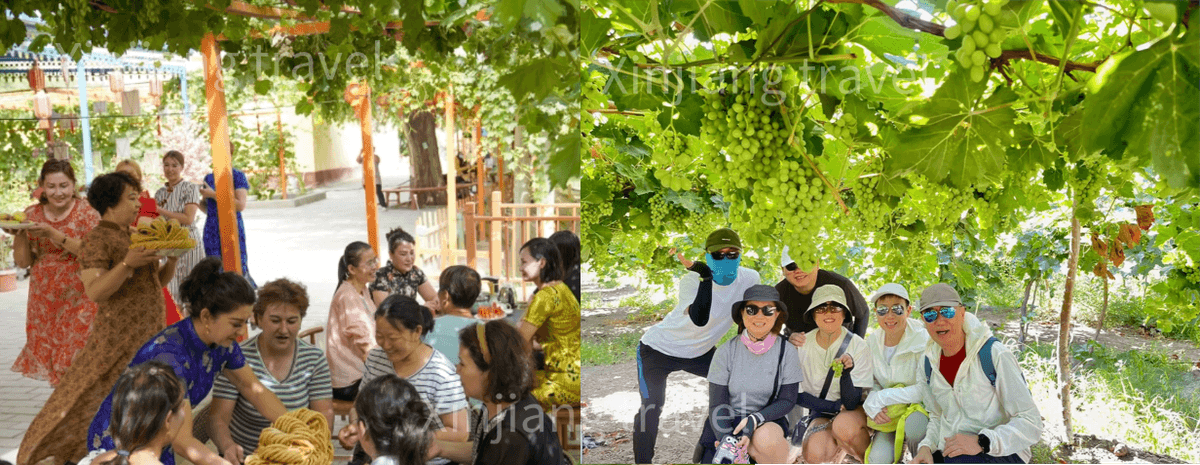
"our guests are taste sweet grapes and have fun in Turpan"
Compare these routes once you know which regions matter most. The northern itinerary focuses on lakes and grasslands; the combined journeys add Kashgar and the Pamirs. Check each departure’s pace, transport, room arrangements and current access before booking.
For travellers who want both the far north and the Ili landscape within one northern journey. The route includes Kanas, Hemu, Sayram Lake and Nalati. Expect substantial road travel between these areas; confirm the seasonal route before booking.
For visitors who want Kashgar and the Pamirs alongside Kanas and Hemu, with Urumqi and Turpan also included. This is a fuller schedule than the slower two-week example above. Check the departure’s transport arrangements and daily pace.
For travellers with longer who want Kashgar, the Pamirs, Turpan, Kanas and the Ili region in one journey. The broader coverage brings more transfers and hotel changes, so review the day-by-day programme against your preferred pace.
Xinjiang Destinations at a Glance
North Xinjiang is defined by alpine lakes, grasslands, and snow peaks. Its must-see highlights include Kanas Lake, Hemu Village, Sayram Lake, the Nalati and Kalajun Grasslands, and the Duku Highway. It is best suited for nature lovers, photographers, hikers, and families. Plan 7 to 10 days, with the best season running from June to September; peak autumn colors arrive between mid-September and early October.
South Xinjiang is defined by desert, oases, and Silk Road ruins. Its must-see highlights include Kashgar Old Town, the Taklamakan Desert, the Pamir Plateau and Karakoram Highway, Kuqa, and Turpan. It is best suited for culture seekers, history buffs, and road-trippers. Plan 7 to 9 days, with the best seasons being May to June and September to October.
Short on time? A 7-day North Xinjiang loop covering Urumqi, Kanas, Hemu, Sayram, and Nalati is the most booked itinerary for first-timers. Culture-first travelers usually choose the 9-day South Xinjiang route from Urumqi through Turpan, Kuqa, and Kashgar to Taxkorgan. Browse all Xinjiang itineraries on our tours page.
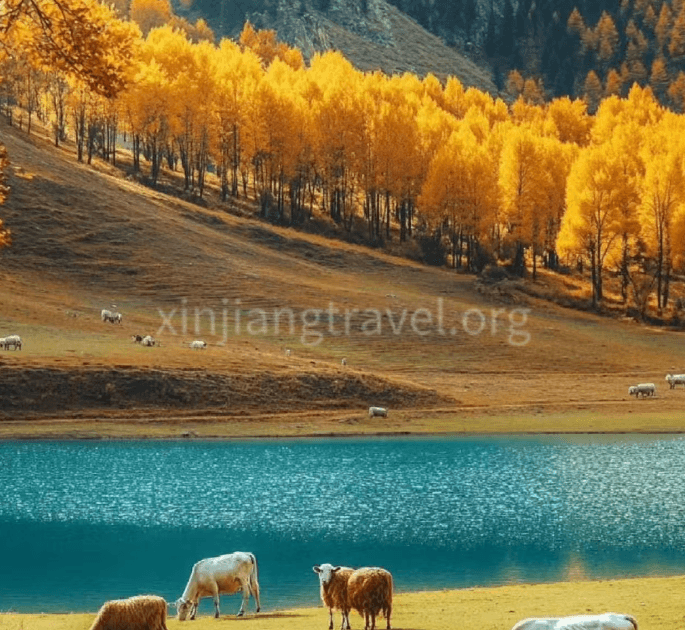
North Xinjiang delivers the postcard scenery that makes Xinjiang famous — turquoise lakes ringed by snow peaks, Kazakh yurt camps, and the golden larch forests of the Altai range in autumn. The region is best explored as a road trip along the Duku Highway, which is open only from early June to mid-October, or on a guided loop from Urumqi.
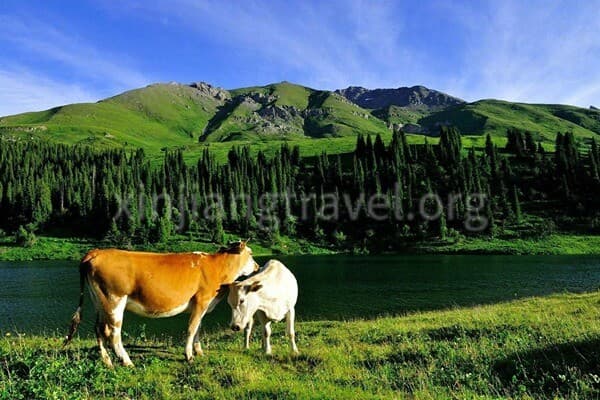
There are beautiful Altay Mountains area and Yili Grassland, which is famous for its picturesque landscape. Mysterious Kanas Lake Nature Park, which is called "Oriental Switzerland". The heavenly blue Sayram Lake, Natural paradise Naraty, and scenic Kalajun which is dressed by the valleys embedded in mountains with beautiful grassland and abundant forests. Those are the top natural wonders in China.
We suggest you take the North Xinjiang Tour from April to late June for the good price and pleasant weather. You can have a wonderful time with your family on our Xinjiang Family Tour. You can also choose the wonderfully adventurous tour to discover this vast land. We welcome you to join us!
We have many Northern Territory tours for you to choose from!
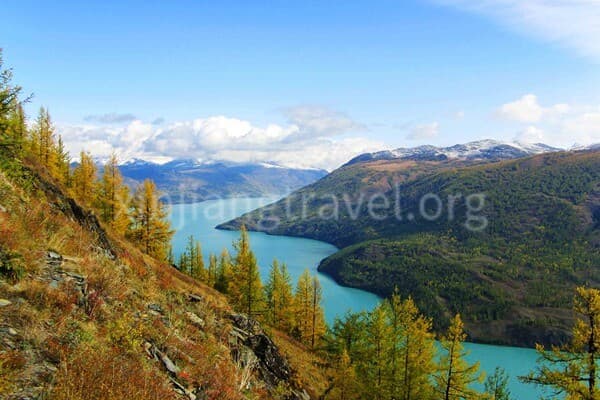
Kanas Lake and Hemu Village — fairy-tale Tuva villages and the “Oriental Switzerland” lake; peak autumn color runs from mid-September to early October.
Sayram Lake — Xinjiang’s largest alpine lake, nicknamed “the last tear of the Atlantic.”
Nalati and Kalajun Grasslands — subalpine meadows best visited in June and July when wildflowers bloom.
Duku Highway — one of China’s most scenic drives, crossing from northern grasslands into southern canyons.
South Xinjiang is where Xinjiang’s Uyghur culture is most alive. The region combines the oasis towns of the ancient Silk Road with the raw landscapes of the Taklamakan Desert and the high-altitude Pamir Plateau on the border with Pakistan and Tajikistan.
South Xinjiang has a continental climate with extreme temperature variations between summer and winter. The region experiences hot, dry summers and cold winters, with limited precipitation. The oases in the region provide fertile land for agriculture and settlement.
South Xinjiang is a popular destination for travelers seeking to explore its unique landscapes and cultural attractions. You can enjoy activities such as camel trekking in the desert, visiting ancient Silk Road sites, exploring traditional Uyghur markets, and experiencing local festivals and customs. Popular tourist destinations in our trip to South Xinjiang include Hotan, Kashgar, Kuqa, and so on. On the trip, you can enjoy the mysterious Taklamakan desert, discover the splendid culture and history of the ancient Silk Road, and experience the colorful customs of the different ethnic groups.
If you want to explore South Xinjiang, we have many South Xinjiang Tours, you don't need to worry even if you want to take a short trip to South Xinjiang, we also arrange short trips for the Xinjiang Day Tours. Those tours include South Xinjiang's famous cities which could bring you an unforgettable experience.
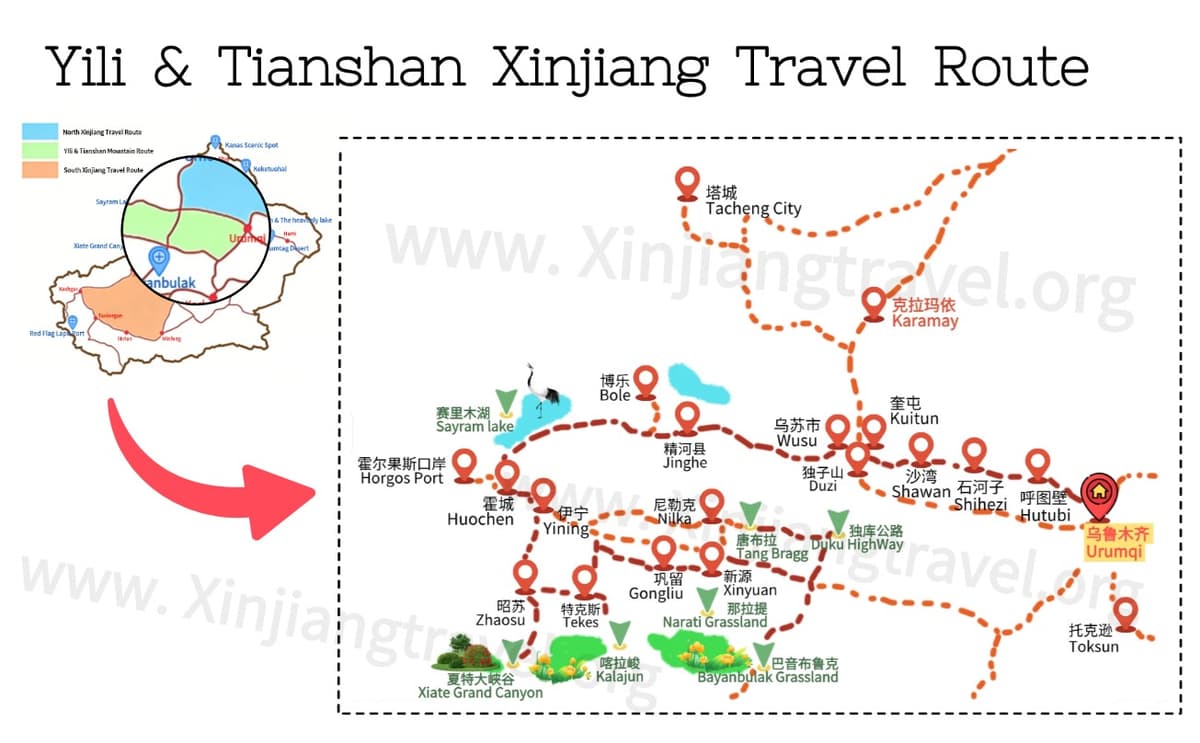
A Itinerary:
Burqin —— Urho Ghost City —— Sayram Lake —— Guozigou Bridge —— Khorgos Port —— Yining —— Zhaosu —— Tekes —— Kalajun Grassland —— Qonkushata —— Narati Grassland —— Bayanbulak
B Itinerary (Qonkushata to Kalajun Trekking Route-2 or 3 days):
Qonkushata Village —— Camping area —— Flower viewing area —— West Kalajun Grassland
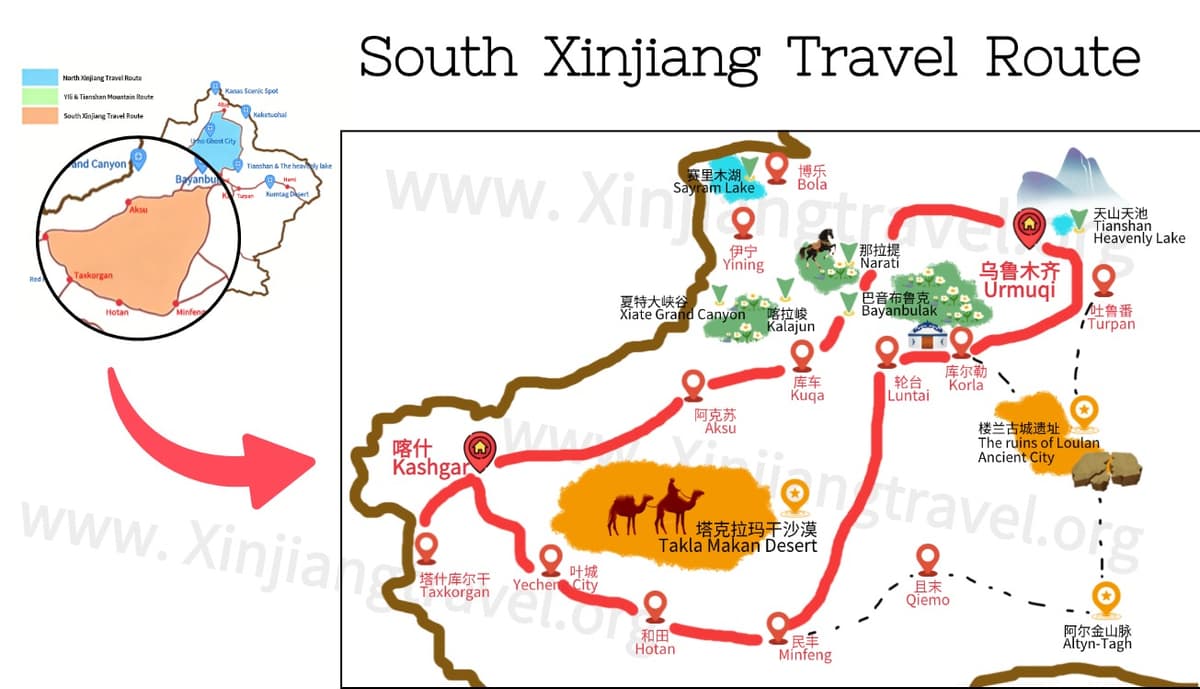
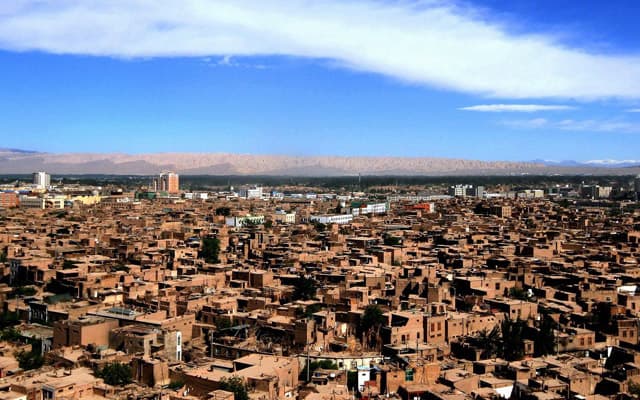
Kashgar Old Town — 2,000-year-old mud-brick lanes, the Sunday livestock market, and Id Kah Mosque.
Karakoram Highway and Taxkorgan — the world’s highest paved international road, passing Karakul Lake beneath Muztagh Ata (7,546 m).
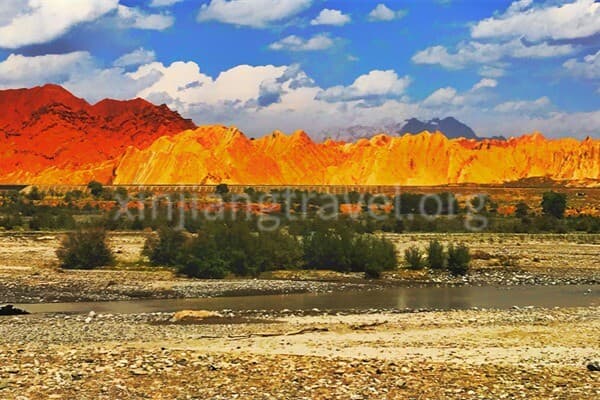
Turpan — the Flaming Mountains, the ancient Karez irrigation system, and grape valleys 154 m below sea level.
Kuqa and the Tarim Basin — the Kizil Thousand-Buddha Caves and the Tianshan Grand Canyon.
If you want photos that look like Switzerland, choose North Xinjiang and explore our North Xinjiang tours.
If you want ancient cities, bazaars, and desert nights, choose South Xinjiang and explore our South Xinjiang tours.
If you want both in one trip, choose a 14 to 21-day panorama route and explore our Silk Road tours
Only if a particular market visit is important to you and its current location, operation and visitor access have been confirmed. Kashgar’s old-town streets and food experiences can be enjoyed on other days.
Do not rearrange an otherwise sensible route solely around an older description of the Sunday bazaar.
No. The accommodation’s location within or outside the scenic area affects transfers, luggage handling and access to sightseeing routes. Ask for the exact property location and how you reach it from the entrance or transport stop.
A booking labelled “Kanas” may not mean the hotel is beside the lake.
Ask for all transport and tour timings in Beijing Time. Local conversation may also refer to Xinjiang time, two hours behind, so confirm explicitly when arranging a meal, meeting or private pick-up.
Keep the time on your flight and railway booking as the reference for those services.
Send your travel dates, available number of days, party size, children’s ages if relevant, likely arrival city and three places or experiences you most want to include.
Also mention room preferences, walking requirements and whether you are comfortable with long drives or high-altitude overnight stays. For a small group, give your date flexibility and whether you need a single room.
Xinjiang Travel Tips
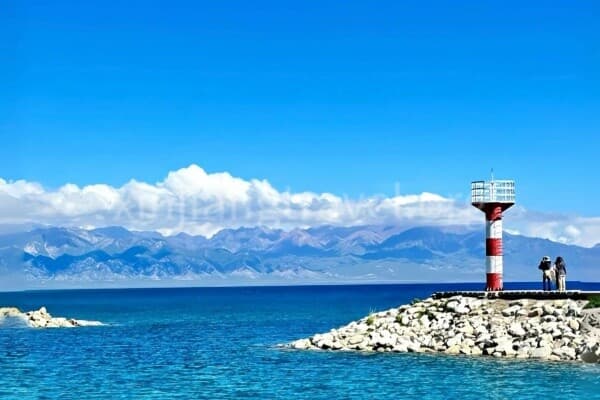
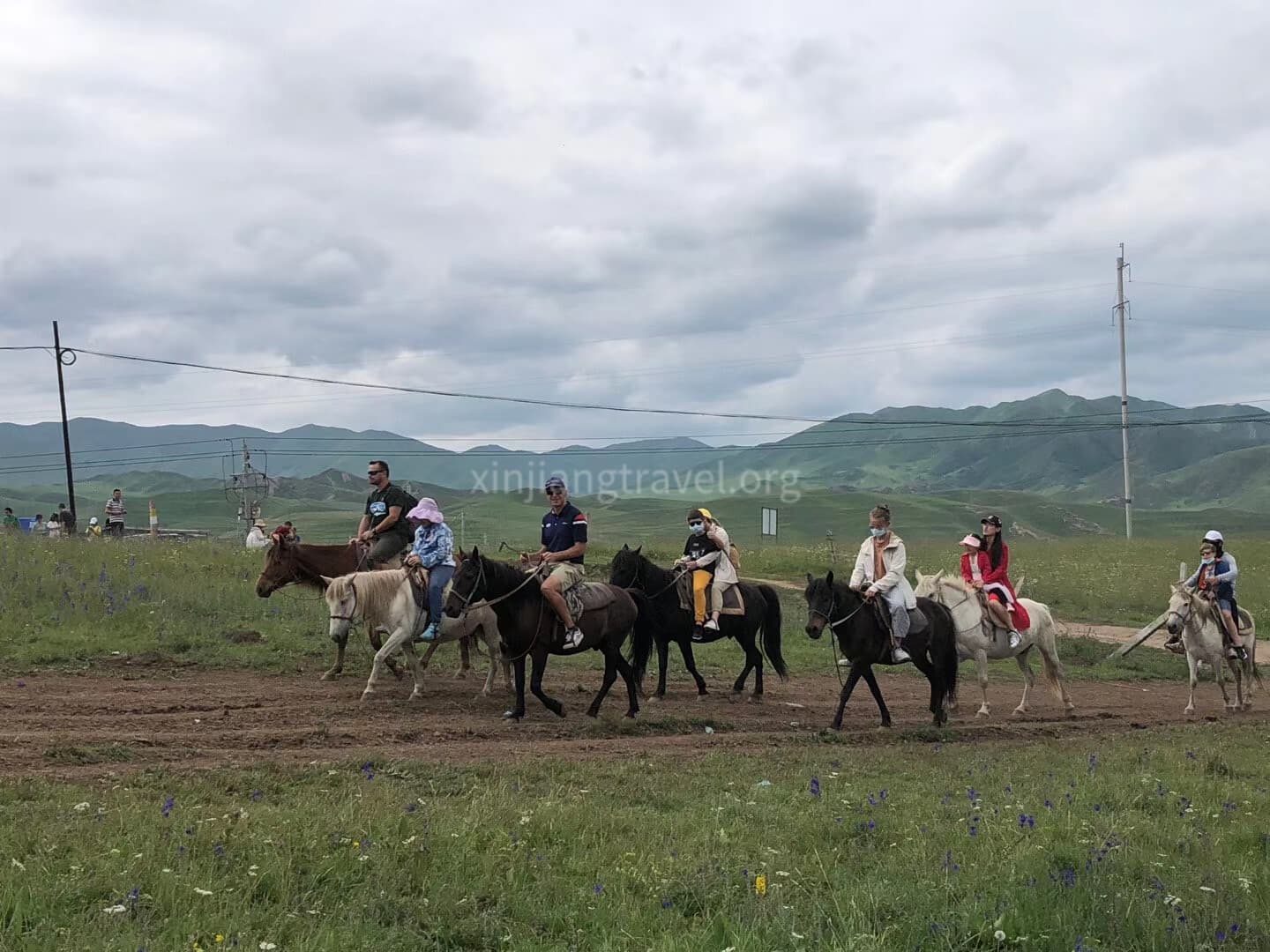
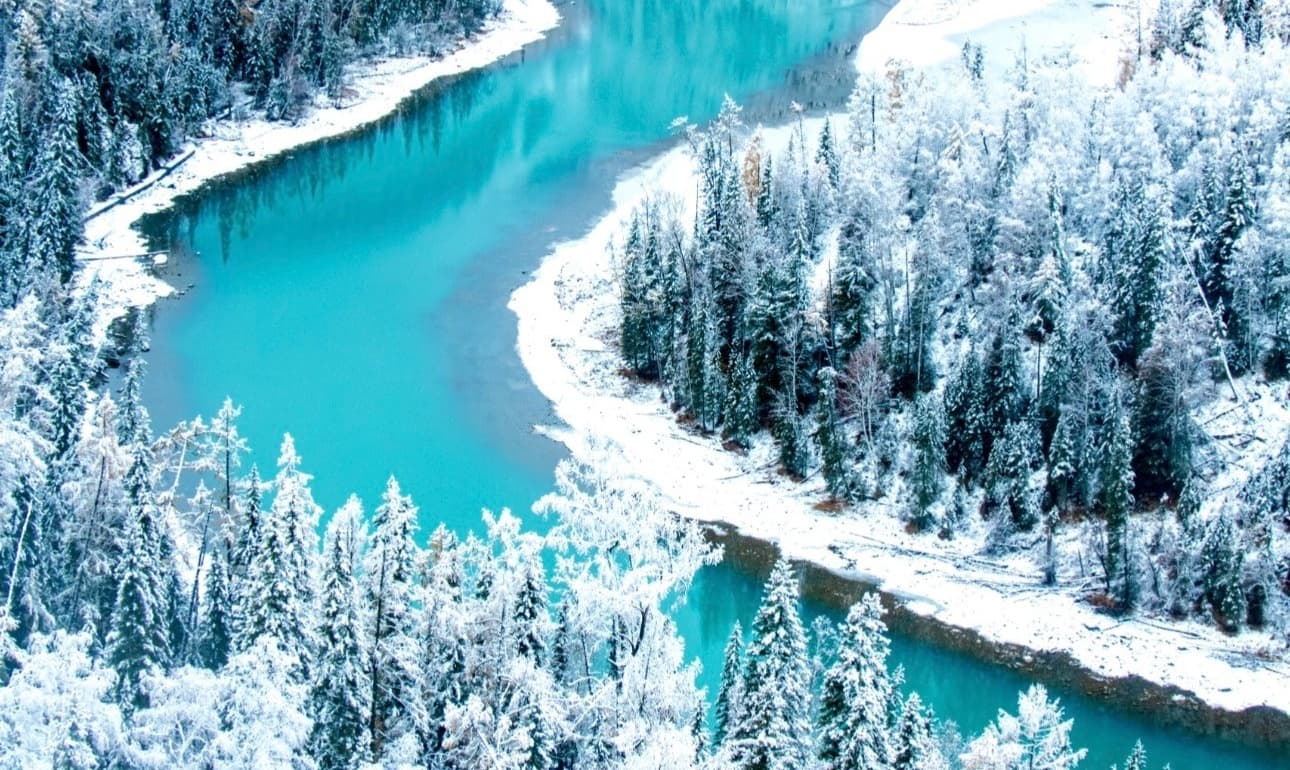
Planning your Xinjiang trip? Find the best time to visit Xinjiang with our detailed travel guide. Learn about Xinjiang weather, seasonal landscapes, the best months for photography, hiking, cultural experiences, and practical travel tips throughout the year.



Dunhuang-Golmud-Ruoqiang-Korla-Kashgar-Tashkurgan
Silk Road Express Dream Tour offers passengers a unique journey through stunning landscapes, combining modern comforts with a nostalgic ambiance. Whether crossing vast plains, majestic mountains, or picturesque countryside, the Express promises a timeless voyage steeped in luxury and charm.
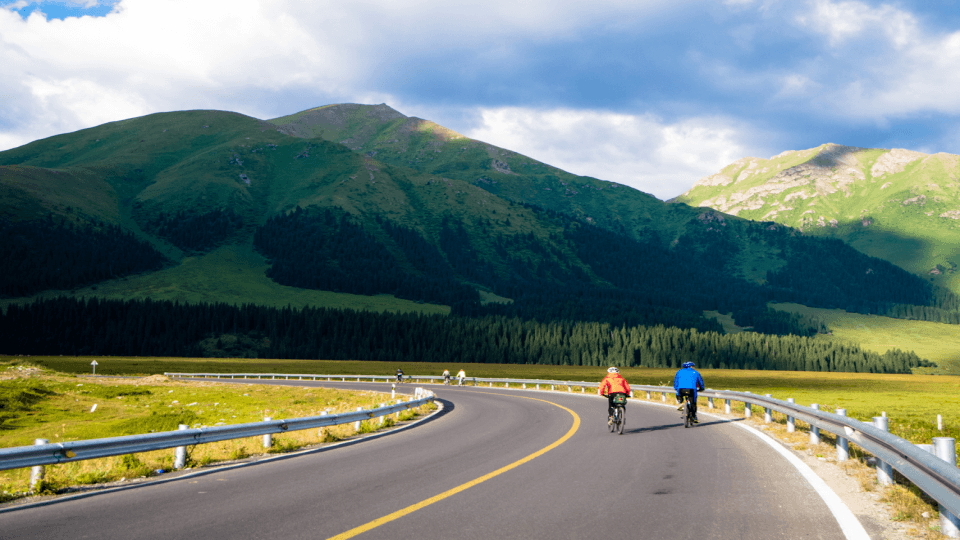
Yining-Zhaosu-Kuerdening-Nalati-Tangbula-Sayram Lake
This 8-day biking tour through Ili blends natural beauty, culture, and adventure. Cycle through Zhaosu Wetland, Sayram Lake, and Tangbula Grassland, explore Tekes (Bagua City), and enjoy horseback riding and sunrise views.
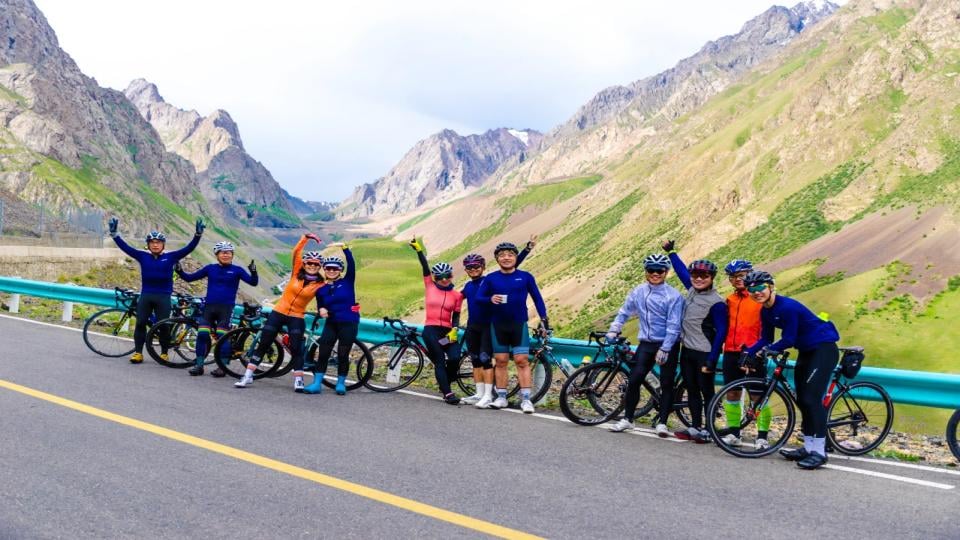
Kuitun-Qiaoerma-Nalati-Bayinbuluke-Kuqa
Embark on a 7-day biking adventure along the Duku Highway, from Kuitun to Kuqa. Enjoy thrilling descents, scenic climbs, and the unique sensation of passing through four seasons in one day. This journey blends adventure, culture, and stunning natural beauty into an unforgettable experience.
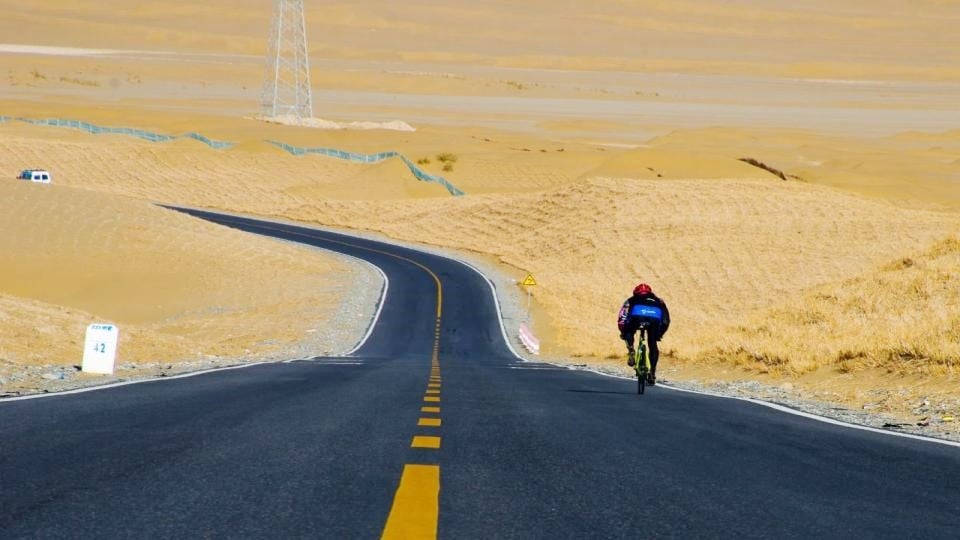
Urumqi-Yuli-Ruoqiang-Qiemo-Tazhong-Korla
Embark on an unforgettable cycling adventure through the breathtaking landscapes of Xinjiang. Discover the mysteries of the ancient Loulan Kingdom when cycling through the legendary Taklamakan Desert, known as the "Sea of Death".
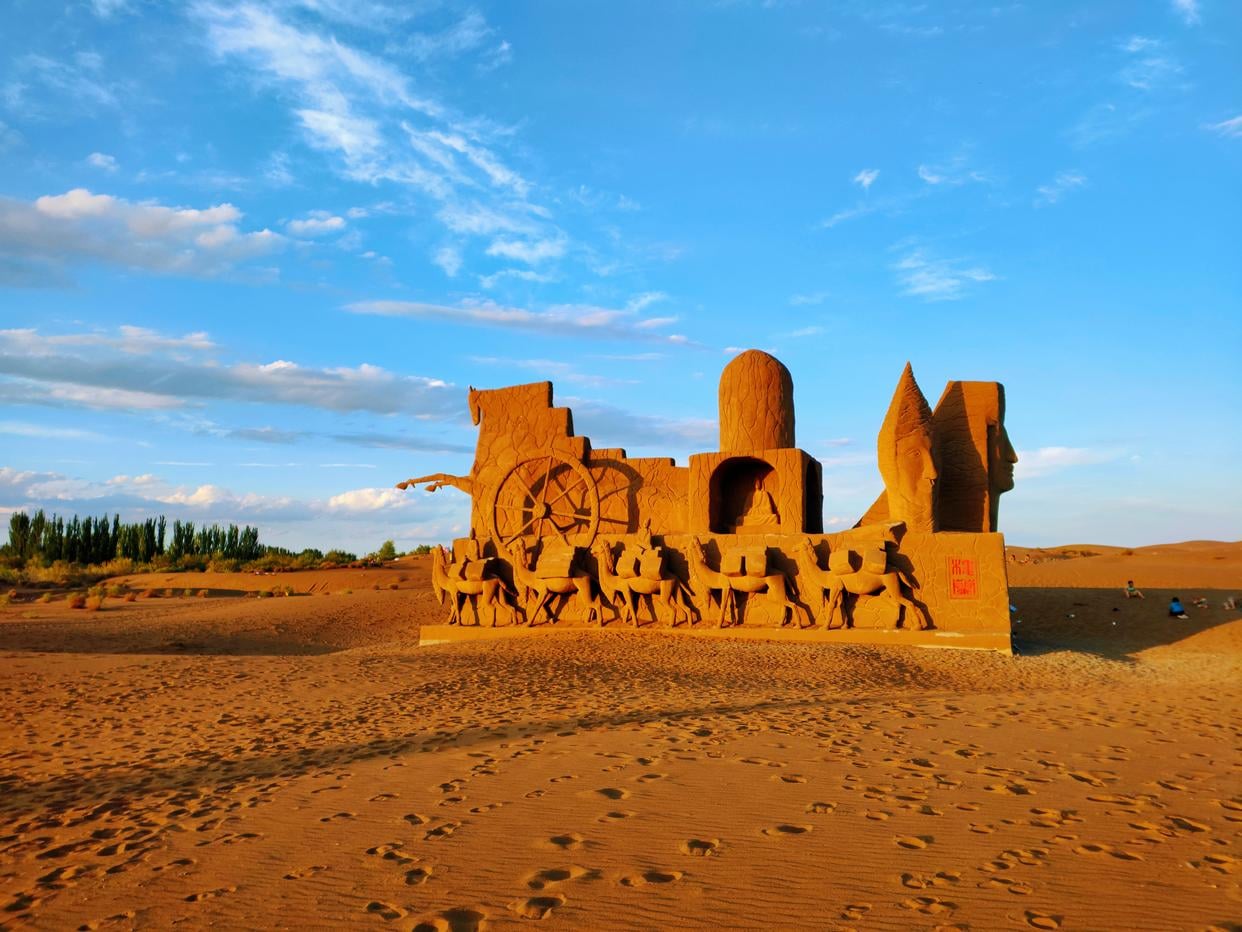
Urumqi-Turpan-Hami-Dunhuang
Embark on an unforgettable 8-day Silk Road adventure from Urumqi to Dunhuang, where history, nature, and culture intertwine. This expedition blends adventure, heritage, and the raw beauty of China's legendary trade route.