20 years of pioneer in xinjiang tourism for overseas travelers
Born Here, Know Best, Your Journey's Blessed
No Shopping. No Detour, 99% Excellent Review

contact UsOn Wechat
Get more practical travel tips and advice before coming to Xinjiang! Explore the Xinjiang Map, Best Xinjiang Travel season and the most popular scenic spotsof north & south Xinjiang! As a local based and experienced travel agency, we have prepared the best travel routes and itineraries according to the feedback from our clients. No matter your age, the travel habit you prefer, or what kind of adventure you want to start. All the answers can be find in this page.
Xinjiang —— A Land of Ancient Silk Road and Rich Culture
Xinjiang, officially known as the Xinjiang Uyghur Autonomous Region, is an autonomous region in the northwest of China. It is the largest provincial-level administrative region in China, covering an area of over 1.6 million square kilometers. It is bordered by eight countries, including Mongolia, Russia, Kazakhstan, Kyrgyzstan, Tajikistan, Afghanistan, Pakistan, and India.
From the snow-capped Tianshan peaks of the Pamir Mountains to the golden dunes of the Taklamakan Desert, Xinjiang offers a once-in-a-lifetime journey through China's wild west. Immerse yourself in vibrant Uyghur culture, taste world-famous fruits and hearty Silk Road cuisine, and explore ancient cities that once linked East and West. Whether you're trekking through alpine meadows, chasing the lucid waters of Sayram Lake, or getting lost in the melodies of Muqam music, Xinjiang is a land of endless wonder waiting to be explored.
Such vastness and diversity are exactly what make careful planning essential — the distance from Kanas Lake in the north to Kashgar Old Town in the south can stretch across several days of overland travel, and choosing between a North Xinjiang nature loop and a South Xinjiang Silk Road route shapes the entire rhythm of your trip. Rather than piecing together long-distance transfers, border permits, and English-speaking guides on your own, you can browse our handpicked Xinjiang tours, where private itineraries and small group departures cover everything from the alpine meadows of Hemu and Naraty to the Pamir Plateau along the Karakoram Highway. Once your route is in place, the practical tips below — best travel season, climate zones, and ethnic culture — will help you fine-tune the timing and pace of your journey.
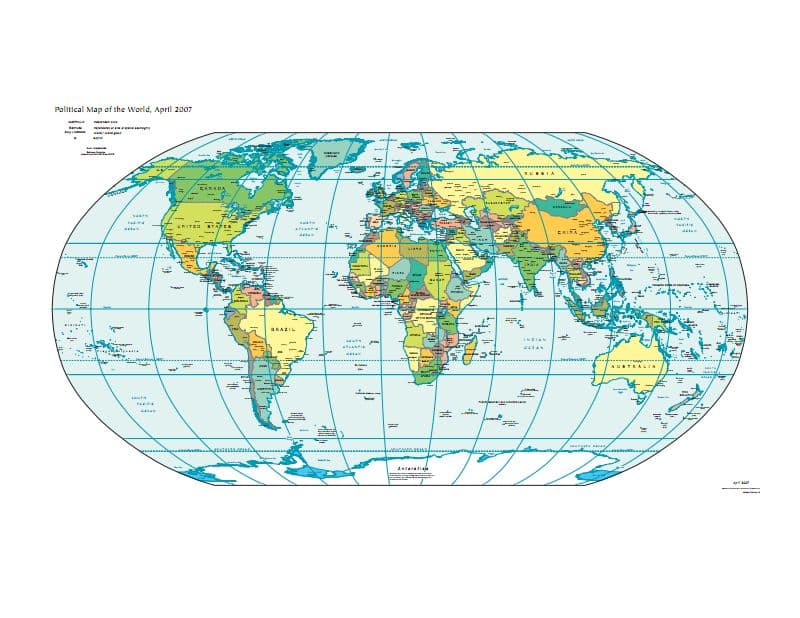
Xinjiang Map for the First Time Travelers
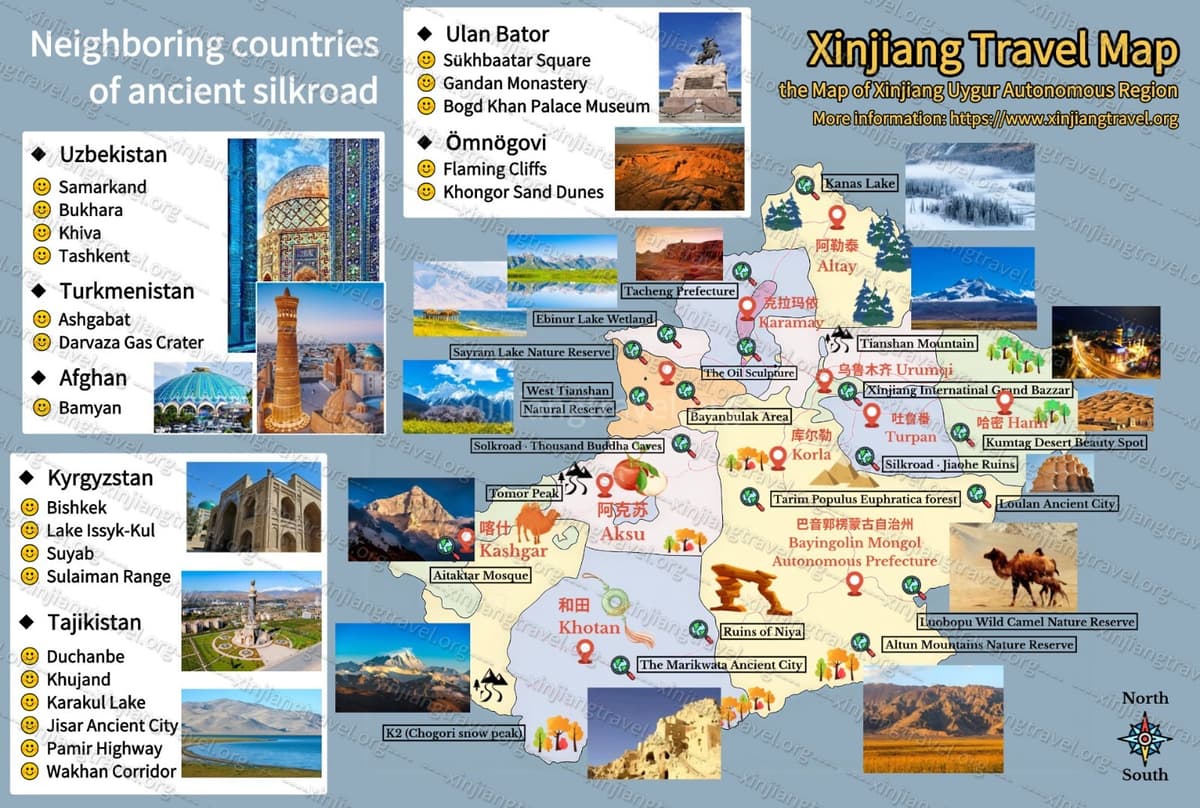
—For most of the foreign travelers, the best month to start your Xinjiang journey is in July, August, September and October.
March- April : The weather during this period of time is windy and a little bit cold. Strong winds and sandstorms with dust are prone to occur in the North Xinjiang. South Xinjiang is a great choice for its increased precipitation, you can see various of peach or apricot flower during this time with awakened wild grassland in spring. (Turpan, Shanshan and many spots in South Xinjiang can view the wild flowers blossom all over the mountains.)
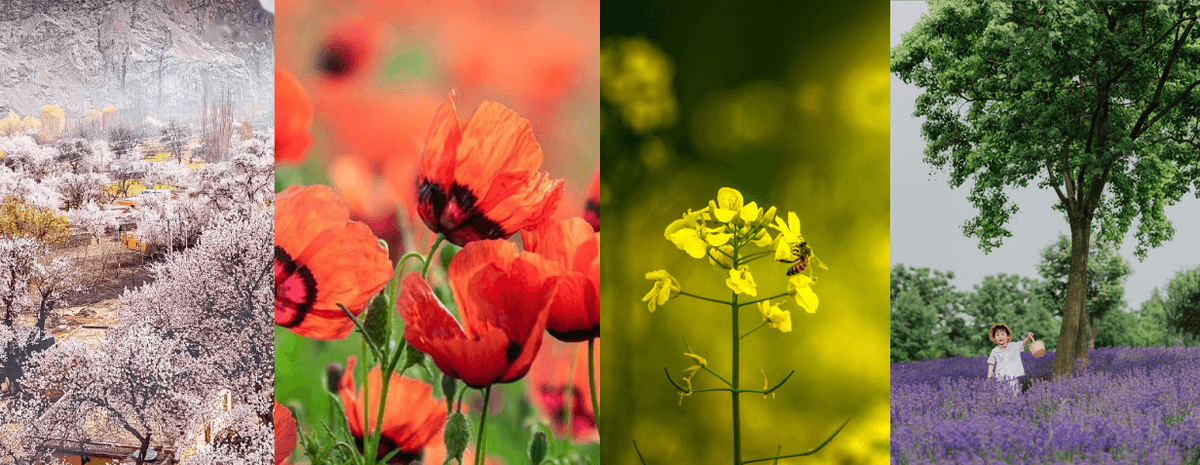
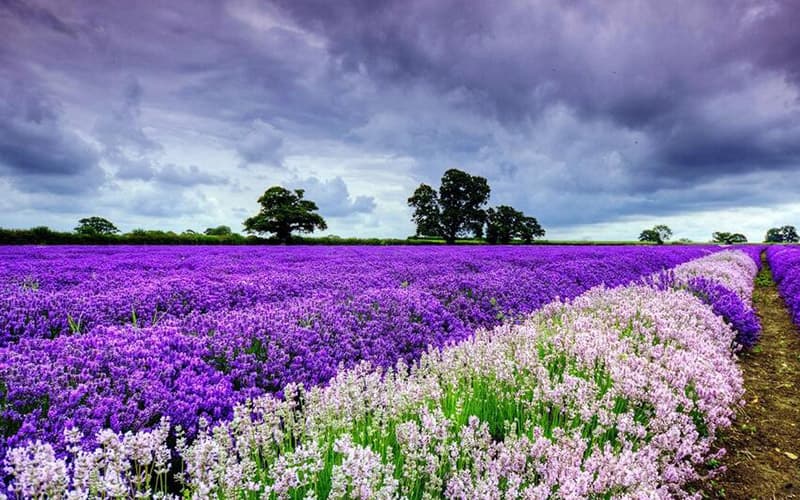
June : Although the sweet fruits are not mature during this time, you can already immerse yourself into the beauty of flower sea and the most be loved lavender fields in Yili, Xinjiang! Here plants the good quality lavender with nearly 95% of lavender output in China. It's also regarded as the "Heaven of lanvender" .
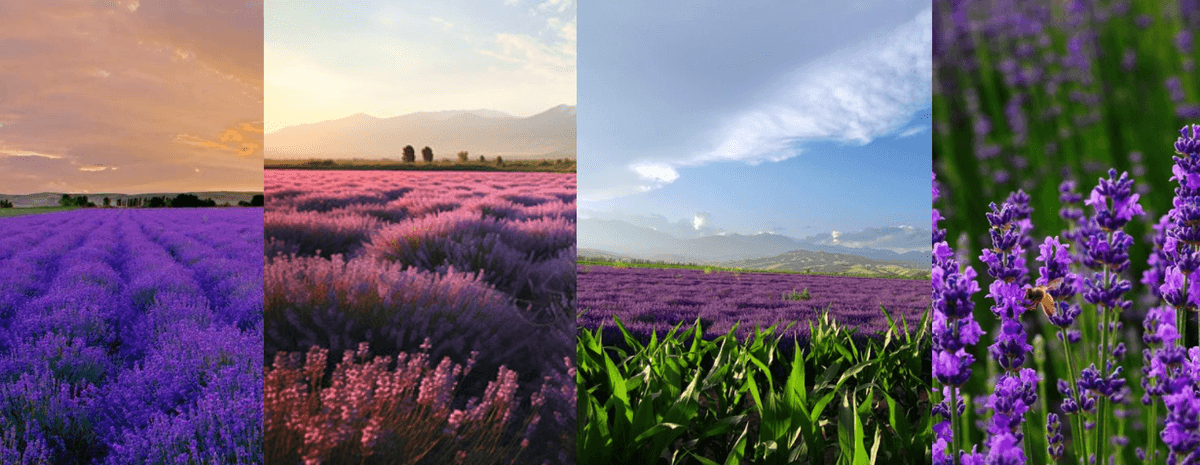
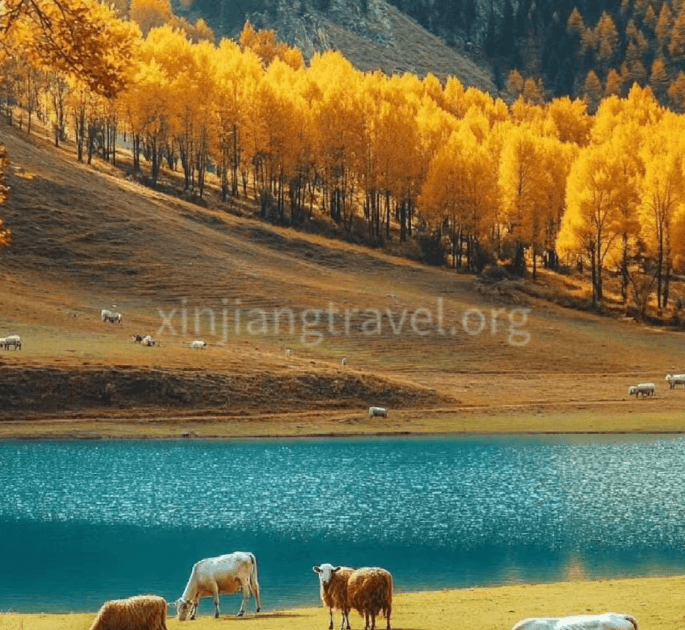
July - August : You can still see the beautiful flower in July, with wild grassland, herds of cattles and sheep, which is a perfect place to avoid the summer heat. In the same time, the Nadamu festival and Tianma horse festival is celebrated during this period, too. And you can taste many sweet and delicious fruits in this wondeful land.
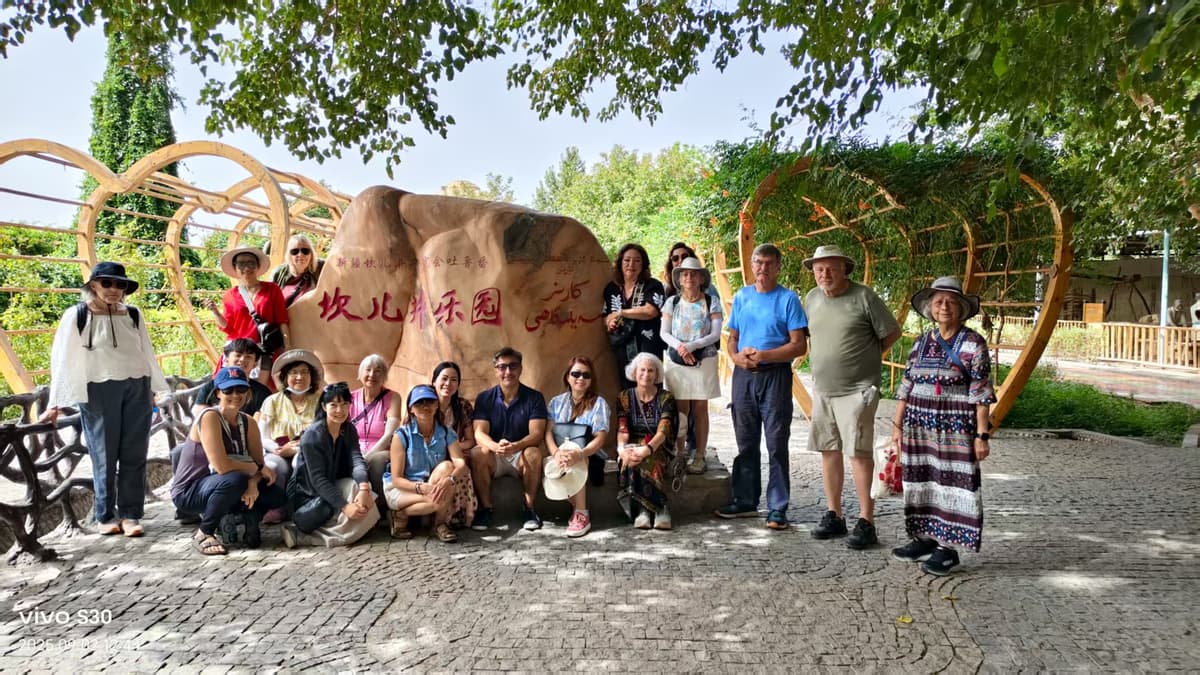
"our cilents in Turpan Karez Scenic Spot"
September - October : Xinjiang's golden autumn has a stunning and gogerous scenery. The weather is cooler than other seasons, and its a perfect time for harvesting. The beautiful autumn Kanas lake is regarded as one of the most wonderful scenic spots that deserves every traveler to step into this heavenly world, it is also the peak season of Xinjiang travel.
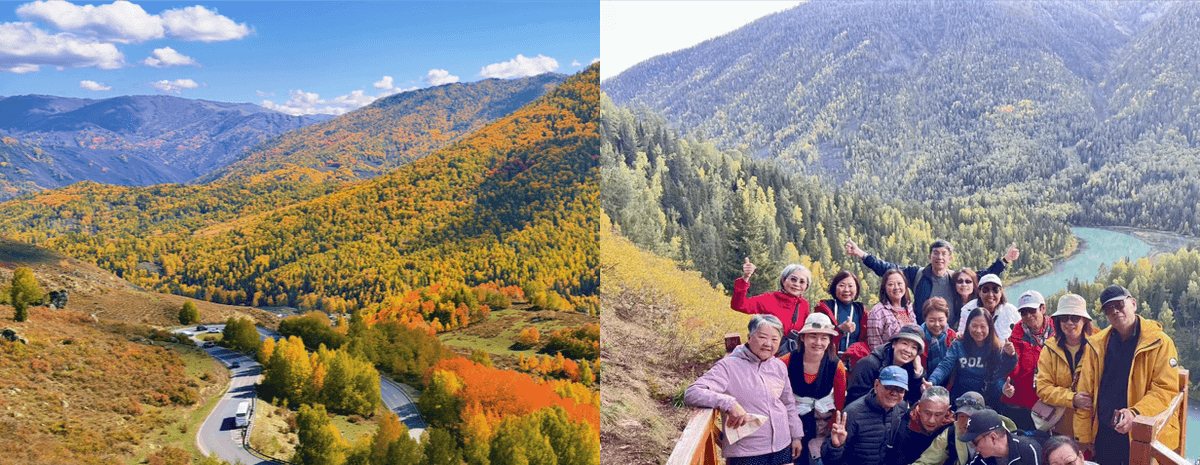
"our cilents are enjoy the beautiful scenery of Kanas in Autumn"
Winter in Xinjiang : Xinjiang's winter is like a fantastic snow kingdom. The tempreture drops to -20℃ - 30℃. Which is very cold, if you choose to come in the winter, the price in some places many decreased, and there're less people in the scenic spots. Viewing the snow-capped mountains and skiing under Tianshan mountain is a great choice during this time. The winter scenery in Kanas and Sayram Lake is gogerous, every year many vistors will come to this wonder land in this cold weather to see the beauty of ice and snow.
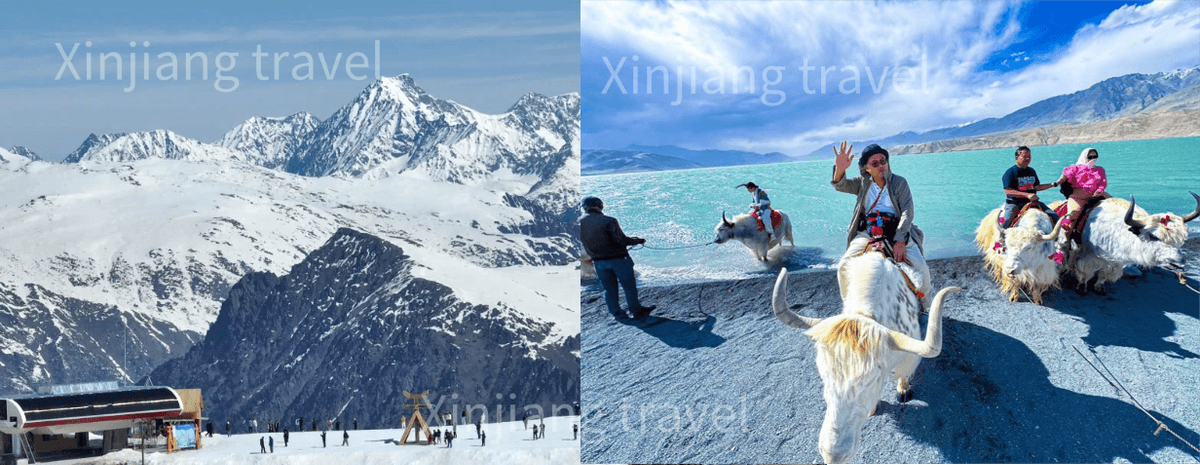
"Xinjiang winter and our happy clients visiting Chaka Lake and Altay Mountain"
Xinjiang is home to a rich tapestry of ethnic groups, with the Uyghur ethnic group being the largest. Other ethnic minorities in Xinjiang include Kazakhs, Hui Muslims, Kyrgyz, Tajiks, Uzbeks, and more. This diversity contributes to the region's cultural richness and heritage.
Xinjiang was a key stop along the ancient Silk Road, facilitating trade and cultural exchange between East and West. The region is known for its traditional music, dance, cuisine, and craftsmanship. The Uyghur culture, in particular, with its unique language, music, dance, and cuisine, plays a significant role in defining Xinjiang's cultural identity.
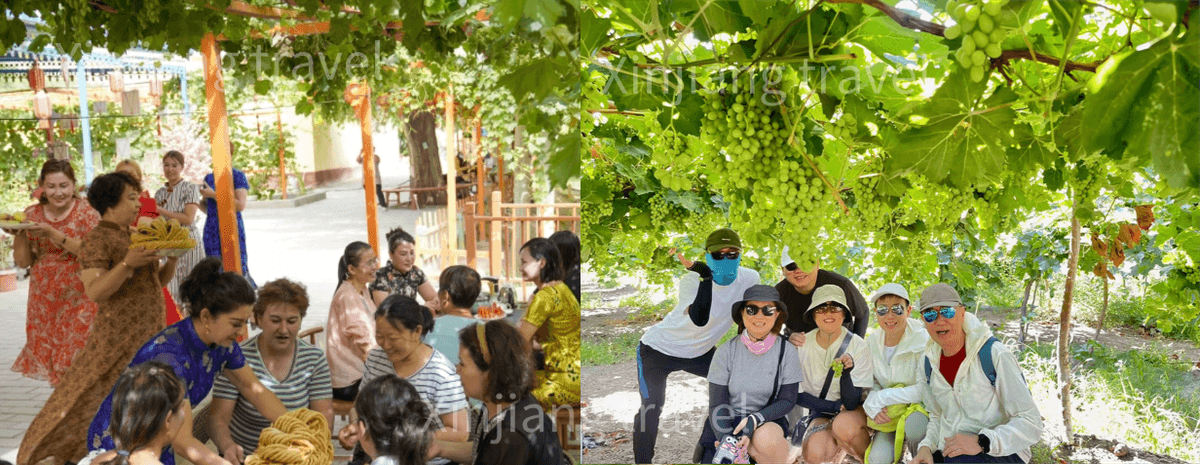
"our guests are taste sweet grapes and have fun in Turpan"
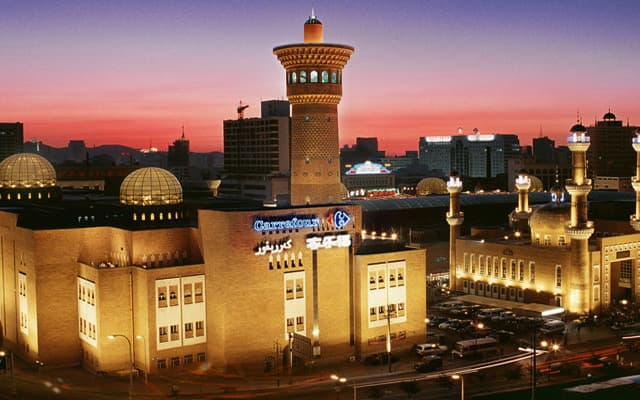
As the capital of Xinjiang, Urumqi is the largest city in the region and serves as a major cultural, economic, and transportation hub. Urumqi has a unique blend of cultures, with a mix of Han Chinese, Uyghur, Kazakh, and other ethnic groups calling the city home.
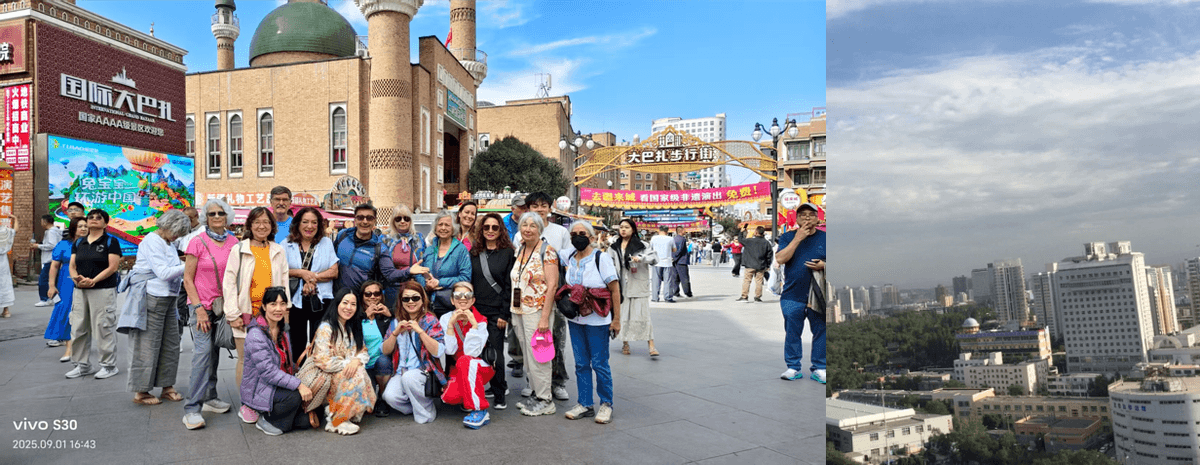
"The International Grand Bazaar In Urumqi taken by our professional tour guide"
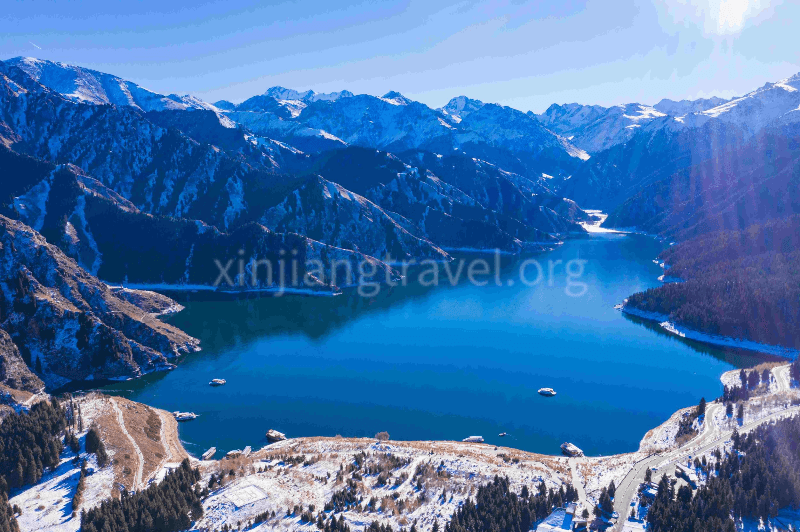
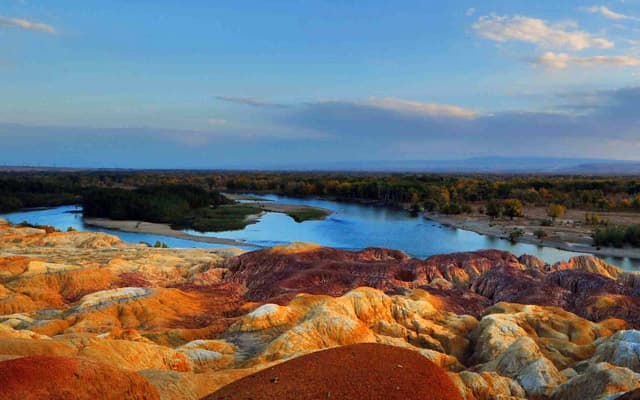
There is the famous bustling market the Grand Bazaar, which offers a vibrant display of traditional crafts, textiles, and local cuisine. Also, there are many stunning natural landscapes, including the Tianshan Mountains and Heavenly Lake, making it a popular destination for outdoor enthusiasts. As for the natural attractions, there is a paradise for natural lovers-- Hemu Village, the fairy tale Kanas Lake. You can marvel at the turquoise Taklamakan Desert, enjoy the red rocks of the Flaming Mountain, indulge in the blue of the last tear of Atlantic-- Sayram Lake, wander through the vast grasslands of Naraty, or walk through the historical Kashgar Old Town. Whether exploring the rugged Mountains or braving the vast Desert, Xinjiang Travel Expert will arrange you an unforgettable and valuable experience.

There are more Top Attractions in Xinjiang you would like to visit.
Xinjiang experiences a continental climate with hot summers and cold winters. In the summer months, temperatures can soar to over 40 degrees Celsius (104 degrees Fahrenheit) in some areas, particularly in the Tarim Basin and Turpan Depression, making it one of the hottest places in China. In contrast, winter temperatures can drop well below freezing, especially in the mountainous regions of the Tianshan and Altay Mountains.
Xinjiang also experiences distinct seasonal changes, with spring and autumn being relatively short but pleasant seasons with mild temperatures. The region receives limited rainfall, with most precipitation occurring in the form of snow in the winter months. The desert regions, such as the Taklamakan Desert, are extremely arid and receive very little rainfall throughout the year.
Xinjiang's climate varies widely depending on the specific location within the region, with the desert regions being hot and dry, while the mountainous areas can be cooler and more temperate. Before you go to Xinjiang, you should be prepared for extreme temperatures and varying weather conditions depending on the season and location within the region.
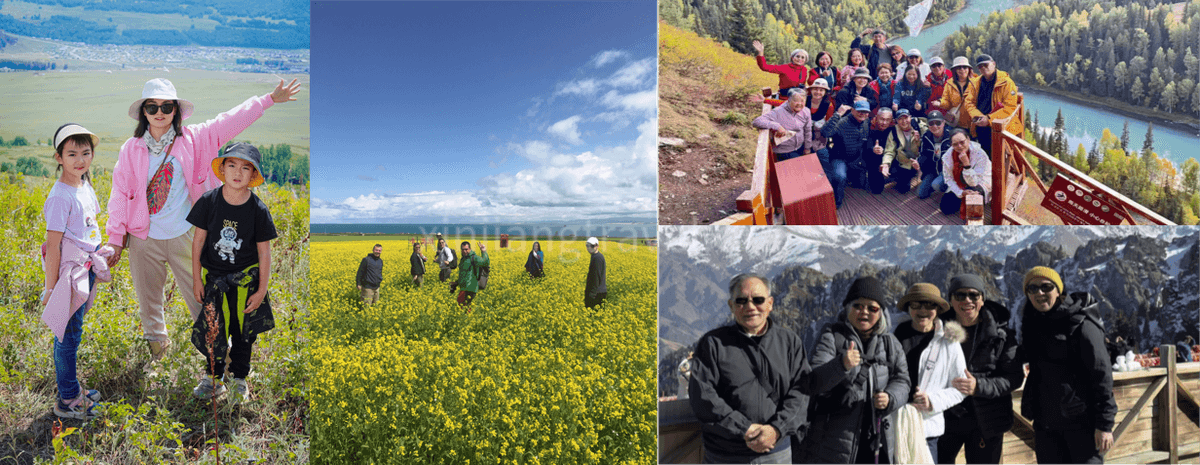
"Four seasons with our dear clients in Xinjiang"
The best places to visit in Xinjiang split into two contrasting regions: North Xinjiang for alpine lakes, grasslands, and hiking, and South Xinjiang for Silk Road cities, deserts, and Uyghur culture. Most first-time travelers need 7 to 10 days to cover one region well, or 14 to 21 days to see both.
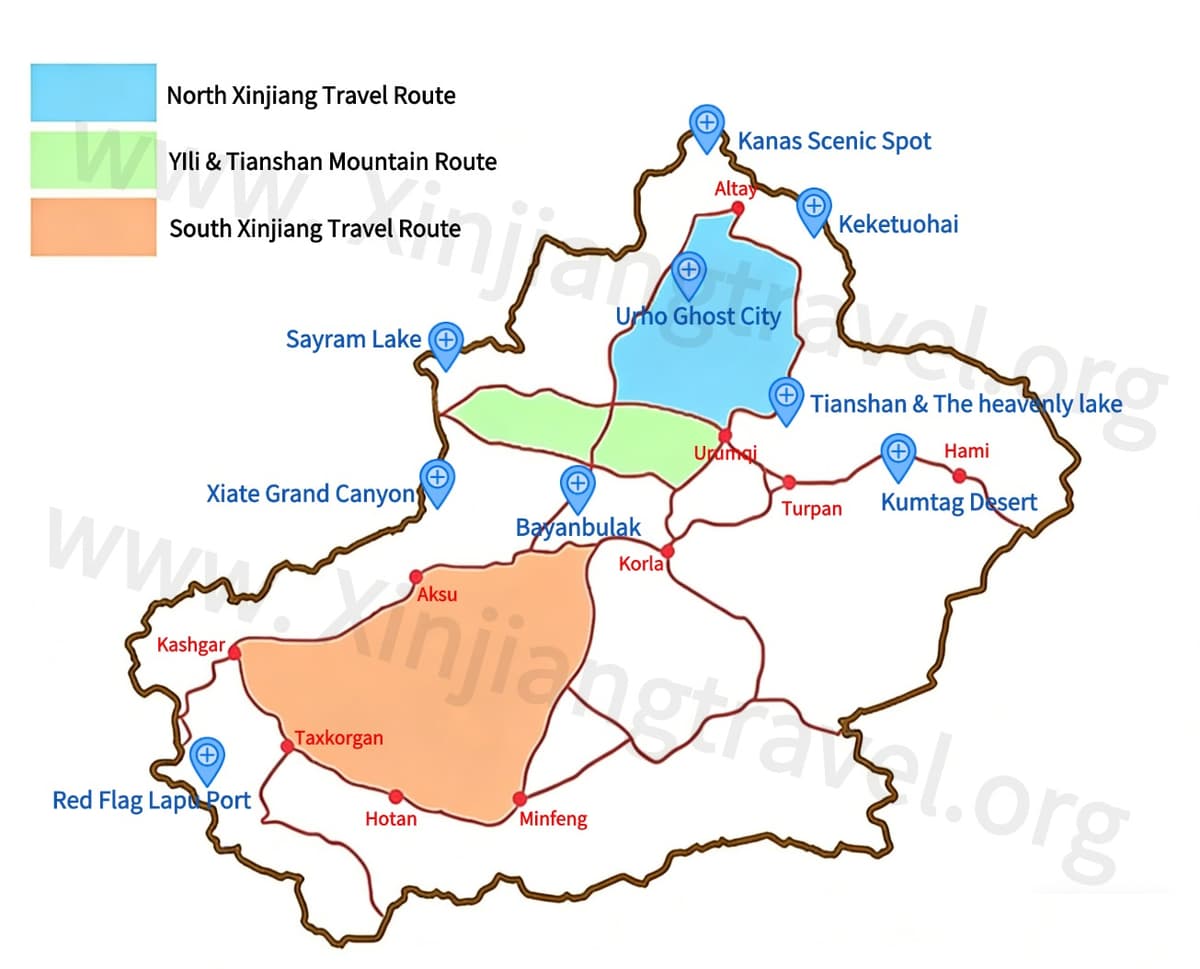
North Xinjiang is defined by alpine lakes, grasslands, and snow peaks. Its must-see highlights include Kanas Lake, Hemu Village, Sayram Lake, the Nalati and Kalajun Grasslands, and the Duku Highway. It is best suited for nature lovers, photographers, hikers, and families. Plan 7 to 10 days, with the best season running from June to September; peak autumn colors arrive between mid-September and early October.
South Xinjiang is defined by desert, oases, and Silk Road ruins. Its must-see highlights include Kashgar Old Town, the Taklamakan Desert, the Pamir Plateau and Karakoram Highway, Kuqa, and Turpan. It is best suited for culture seekers, history buffs, and road-trippers. Plan 7 to 9 days, with the best seasons being May to June and September to October.
Short on time? A 7-day North Xinjiang loop covering Urumqi, Kanas, Hemu, Sayram, and Nalati is the most booked itinerary for first-timers. Culture-first travelers usually choose the 9-day South Xinjiang route from Urumqi through Turpan, Kuqa, and Kashgar to Taxkorgan. Browse all Xinjiang itineraries on our tours page.
North Xinjiang delivers the postcard scenery that makes Xinjiang famous — turquoise lakes ringed by snow peaks, Kazakh yurt camps, and the golden larch forests of the Altai range in autumn. The region is best explored as a road trip along the Duku Highway, which is open only from early June to mid-October, or on a guided loop from Urumqi.
There are beautiful Altay Mountains area and Yili Grassland, which is famous for its picturesque landscape. Mysterious Kanas Lake Nature Park, which is called "Oriental Switzerland". The heavenly blue Sayram Lake, Natural paradise Naraty, and scenic Kalajun which is dressed by the valleys embedded in mountains with beautiful grassland and abundant forests. Those are the top natural wonders in China.
We suggest you take the North Xinjiang Tour from April to late June for the good price and pleasant weather. You can have a wonderful time with your family on our Xinjiang Family Tour. You can also choose the wonderfully adventurous tour to discover this vast land. We welcome you to join us!
We have many Northern Territory tours for you to choose from!
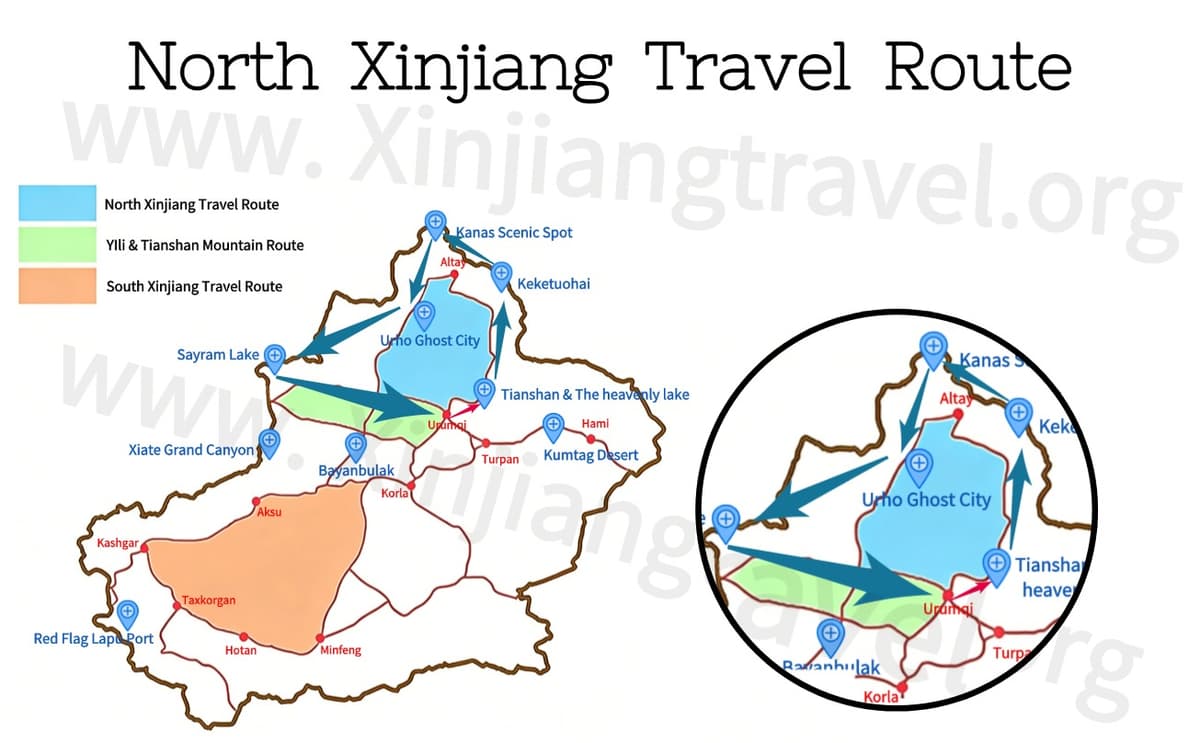
Kanas Lake and Hemu Village — fairy-tale Tuva villages and the “Oriental Switzerland” lake; peak autumn color runs from mid-September to early October.
Sayram Lake — Xinjiang’s largest alpine lake, nicknamed “the last tear of the Atlantic.”
Nalati and Kalajun Grasslands — subalpine meadows best visited in June and July when wildflowers bloom.
Duku Highway — one of China’s most scenic drives, crossing from northern grasslands into southern canyons.
South Xinjiang is where Xinjiang’s Uyghur culture is most alive. The region combines the oasis towns of the ancient Silk Road with the raw landscapes of the Taklamakan Desert and the high-altitude Pamir Plateau on the border with Pakistan and Tajikistan.
South Xinjiang has a continental climate with extreme temperature variations between summer and winter. The region experiences hot, dry summers and cold winters, with limited precipitation. The oases in the region provide fertile land for agriculture and settlement.
South Xinjiang is a popular destination for travelers seeking to explore its unique landscapes and cultural attractions. You can enjoy activities such as camel trekking in the desert, visiting ancient Silk Road sites, exploring traditional Uyghur markets, and experiencing local festivals and customs. Popular tourist destinations in our trip to South Xinjiang include Hotan, Kashgar, Kuqa, and so on. On the trip, you can enjoy the mysterious Taklamakan desert, discover the splendid culture and history of the ancient Silk Road, and experience the colorful customs of the different ethnic groups.
If you want to explore South Xinjiang, we have many South Xinjiang Tours, you don't need to worry even if you want to take a short trip to South Xinjiang, we also arrange short trips for the Xinjiang Day Tours. Those tours include South Xinjiang's famous cities which could bring you an unforgettable experience.
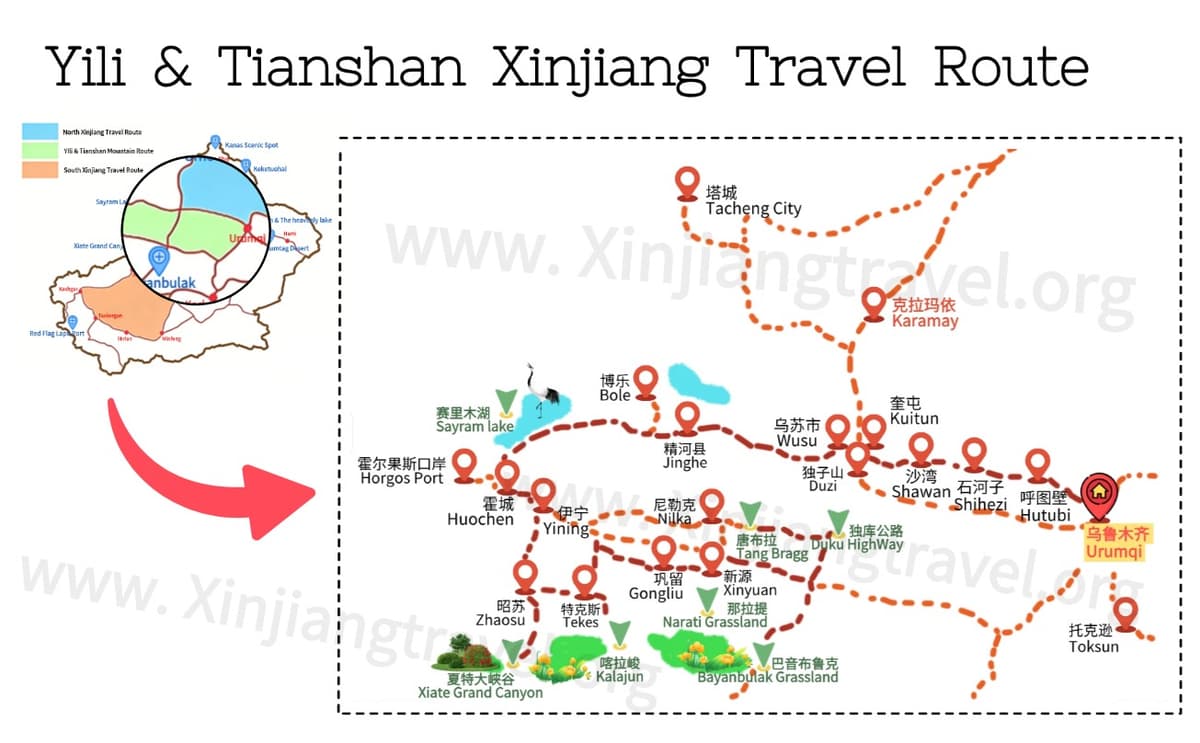
A Itinerary:
Burqin —— Urho Ghost City —— Sayram Lake —— Guozigou Bridge —— Khorgos Port —— Yining —— Zhaosu —— Tekes —— Kalajun Grassland —— Qonkushata —— Narati Grassland —— Bayanbulak
B Itinerary (Qonkushata to Kalajun Trekking Route-2 or 3 days):
Qonkushata Village —— Camping area —— Flower viewing area —— West Kalajun Grassland
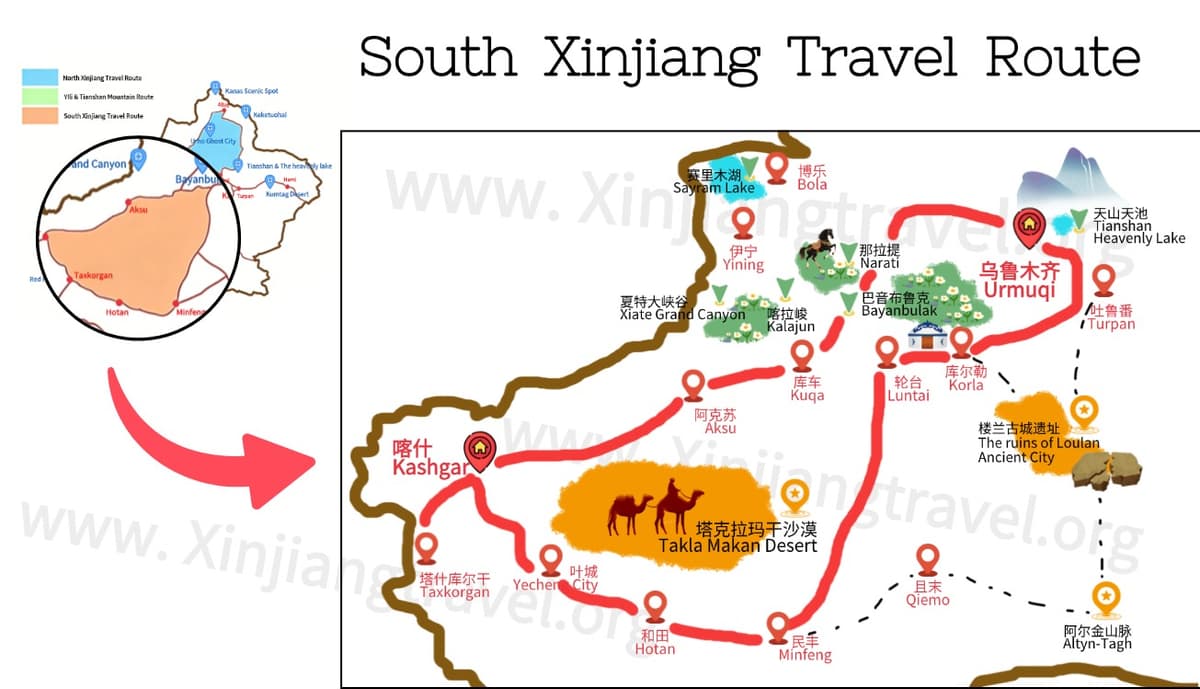
Kashgar Old Town — 2,000-year-old mud-brick lanes, the Sunday livestock market, and Id Kah Mosque.
Karakoram Highway and Taxkorgan — the world’s highest paved international road, passing Karakul Lake beneath Muztagh Ata (7,546 m).
Turpan — the Flaming Mountains, the ancient Karez irrigation system, and grape valleys 154 m below sea level.
Kuqa and the Tarim Basin — the Kizil Thousand-Buddha Caves and the Tianshan Grand Canyon.
If you want photos that look like Switzerland, choose North Xinjiang and explore our North Xinjiang tours.
If you want ancient cities, bazaars, and desert nights, choose South Xinjiang and explore our South Xinjiang tours.
If you want both in one trip, choose a 14 to 21-day panorama route and explore our Silk Road tours.
Getting Around Xinjiang
Xinjiang covers 1.66 million square kilometers — larger than France, Germany, and Spain combined — so you cannot see it all in one trip, and distances of 500 km between attractions are normal. The fastest way to cover long distances is by flight, the most comfortable for medium hops is high-speed rail, and the most flexible for reaching Kanas or the Duku Highway is a private car with driver.
Flights are best for long distances and tight schedules. The Urumqi to Kashgar flight takes about 2 hours with 20 to 35 daily departures, and Urumqi to Turpan takes about 45 minutes. Typical one-way fares in 2026 range from 400 to 1,500 RMB. Book 2 to 4 weeks ahead during July and August.
High-speed trains are best for comfortable medium hops. There is no high-speed rail to Kashgar, but Urumqi to Turpan takes 51 minutes to 1 hour 23 minutes on frequent D-trains. Typical fares range from 60 to 200 RMB. Trains often sell out a week before Chinese holidays.
Overnight sleeper trains are best for budget long-haul travel and saving a hotel night. Urumqi to Kashgar takes between 11.5 and 29.5 hours depending on the train, with fares from 135 to 476 RMB. Bring warm clothes because air conditioning is strong.
Long-distance buses suit small towns without airports or rail. They are the cheapest option but only practical for short rural routes.
A private car with driver offers the most flexibility for the Duku Highway and the Kanas region, costing 800 to 1,500 RMB per day. This is the most practical option for foreign travelers.
Self-drive rentals cost 300 to 600 RMB per day plus fuel, but require a temporary Chinese driver’s license — foreign licenses are not accepted.
A rule that works for almost every Xinjiang itinerary: fly the long legs, drive the scenic ones, and use trains and buses to stitch the two together.
High-speed rail connects Urumqi with Turpan, Hami, Korla, and onward to Lanzhou, Xining, and Dunhuang via the Lanxin HSR line. Trains are punctual, comfortable, and the easiest way to reach Turpan’s Flaming Mountains and Grape Valley on a day trip.
Urumqi to Turpan: about 1 hour, with trains departing every 1 to 2 hours.
Urumqi to Korla: 4 to 5 hours.
Urumqi to Lanzhou: about 11.5 hours, the main rail gateway to and from inland China.
Beyond this corridor, the overnight soft sleeper remains the workhorse — it costs a fraction of a flight and saves a hotel night.
With over 20 civil airports — more than any other Chinese province — Xinjiang runs on a hub-and-spoke network centered on Urumqi Diwopu International Airport. Flying is the only realistic option between far-flung destinations.
Urumqi to Kashgar: about 2 hours, with 20 to 35 flights daily.
Urumqi to Altay or Burqin, the gateway to Kanas: about 1 hour 20 minutes, seasonal.
Urumqi to Yining, the gateway to Sayram Lake: about 1 hour 20 minutes.
Winter fog and snow regularly delay flights on the northern spokes to Altay and Kanas — build in a buffer night if you have a same-day connection.
For international visitors, hiring a private car with an English-speaking driver, costing 800 to 1,500 RMB per day including fuel and the driver’s meals, is the most practical option. Foreign driver’s licenses are not valid in China, and public transport does not reach Kanas, Bayanbulak, or the Duku Highway well. Every Xinjiang China Travel itinerary includes private transfers for this reason.
Self-drive is possible but requires a temporary Chinese driver’s license, which takes 1 to 2 weeks to arrange through a local agency. The reward is total freedom on the Duku Highway — officially open from June 1 to mid-October, daily from 08:00 to 19:00 — and the Karakoram Highway to Taxkorgan. Distances are long, so plan for 400 to 600 km of driving per day, and refuel at Dushanzi or Kuqa before entering the mountain section.
City transport is the easy part. Urumqi has a metro line, metered taxis starting around 10 RMB, and ride-hailing apps that work normally. Kashgar, Turpan, and Hotan rely on hailed taxis with lower starting fares, and in the old quarters walking beats everything.
Two practical notes: security checkpoints are routine, so carry your passport at all times, and mobile payment through Alipay or WeChat Pay is near-universal — small towns can still be awkward for foreign cards.
Book ahead in peak season. Trains and flights to Kanas and Kashgar sell out 2 to 4 weeks in advance during July and August and the October Golden Week.
Check the Duku Highway status. Snow closes it roughly November through May — confirm the current year’s official opening date before building a North plus South loop.
Use Urumqi as your hub. Nearly all internal flights and trains radiate from Urumqi, so even a Kashgar-focused trip usually transits there.
Allow buffer days. Weather delays flights to Altay and mountain roads more often than in eastern China — one buffer day per week of travel is a good rule.
Carry your passport. It is required for flights, trains, buses, hotels, and roadside checkpoints.
Xinjiang Travel Tips
Xinjiang distinct geographical location and mystery culture allow it to share the world's top trekking resource. It has been an important passageway of the ancient Silk Road.
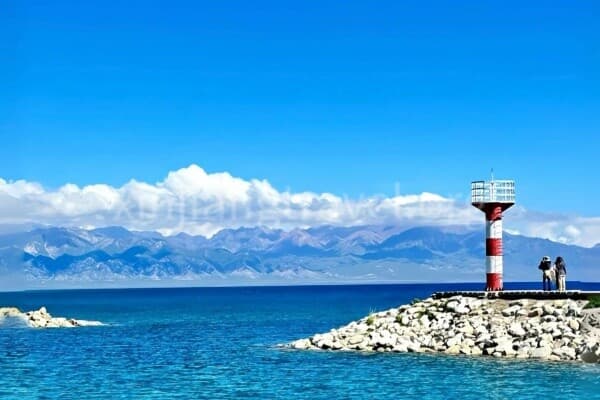
Explore Xinjiang Top fifth lake and Xinjiang Top fifth grassland-part of the Top 5 Xinjiang attractions with stunning scenery and practical travel tips.
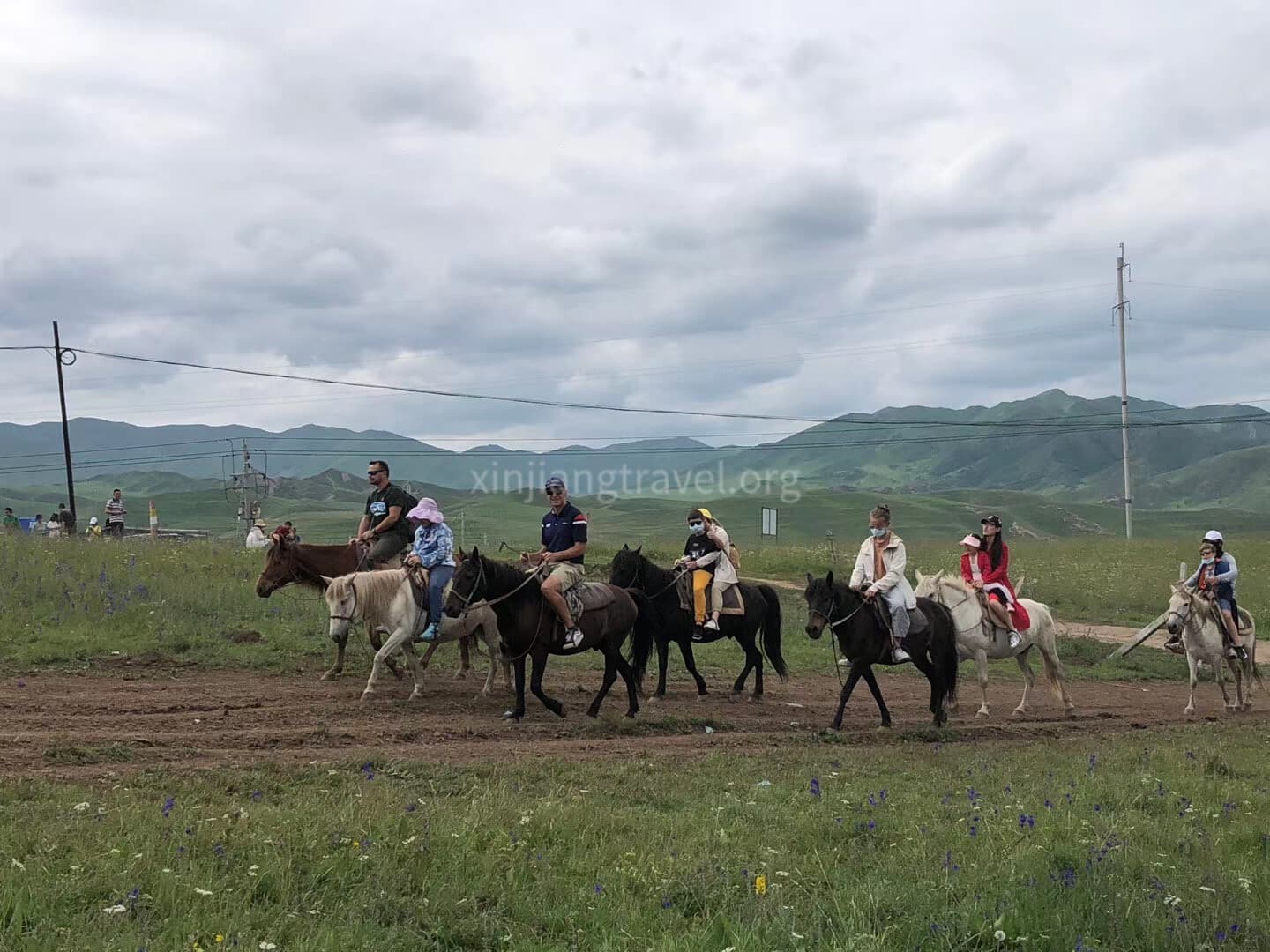
Discover the best horseback travel itineraries in Xinjiang. Ride across Zhaosu, Nalati, Kalajun and Bayinbulak grasslands, enjoy year-round scenery, experience nomadic customs and safe guided riding. Perfect for travelers seeking grassland gallops, Silk Road culture and authentic ethnic experiences.
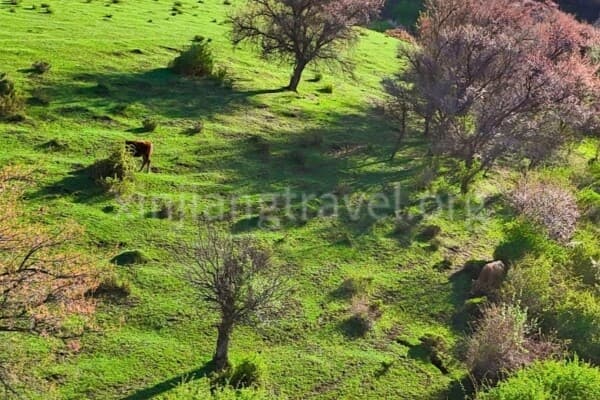
Experience Kurdening flower sea with this Kurdening travel guide—peak blooms, Grassland views, and practical tips for your trip.
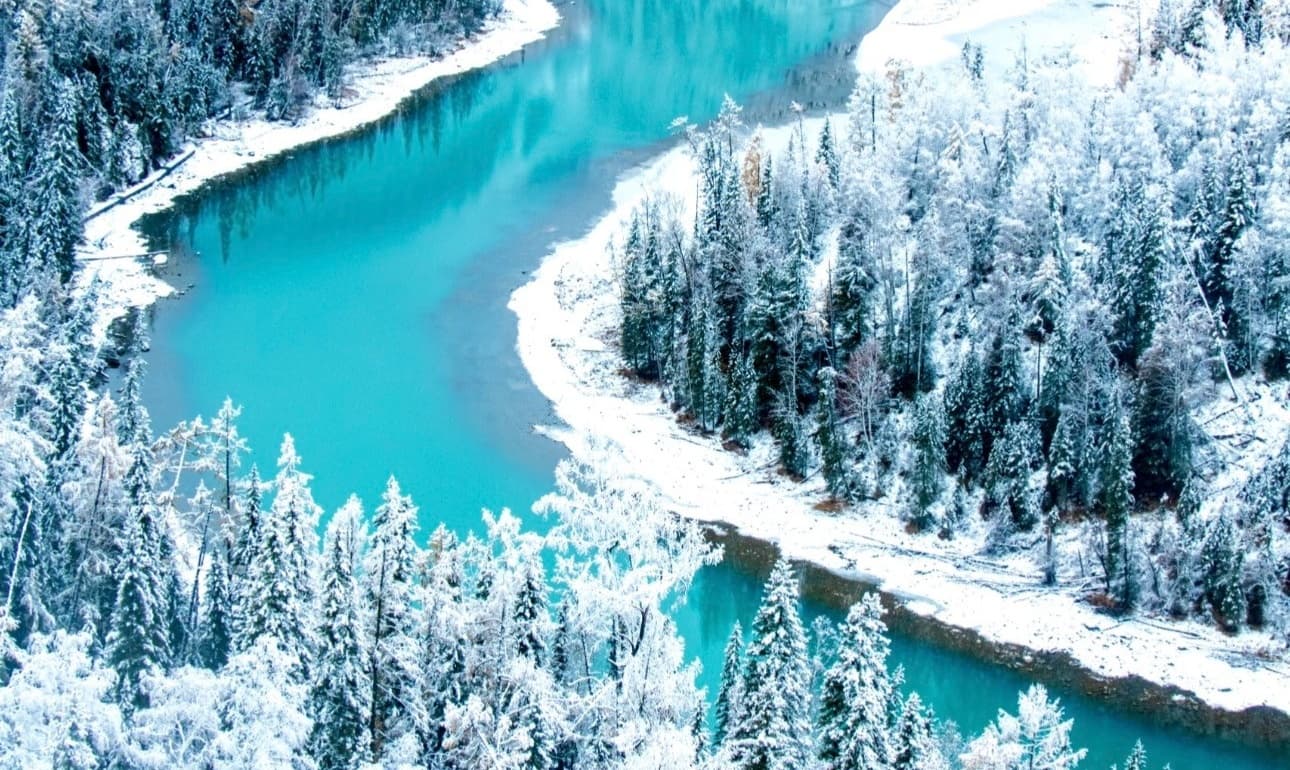
Planning your Xinjiang trip? Find the best time to visit Xinjiang with our detailed travel guide. Learn about Xinjiang weather, seasonal landscapes, the best months for photography, hiking, cultural experiences, and practical travel tips throughout the year.



Dunhuang-Golmud-Ruoqiang-Korla-Kashgar-Tashkurgan
Silk Road Express Dream Tour offers passengers a unique journey through stunning landscapes, combining modern comforts with a nostalgic ambiance. Whether crossing vast plains, majestic mountains, or picturesque countryside, the Express promises a timeless voyage steeped in luxury and charm.
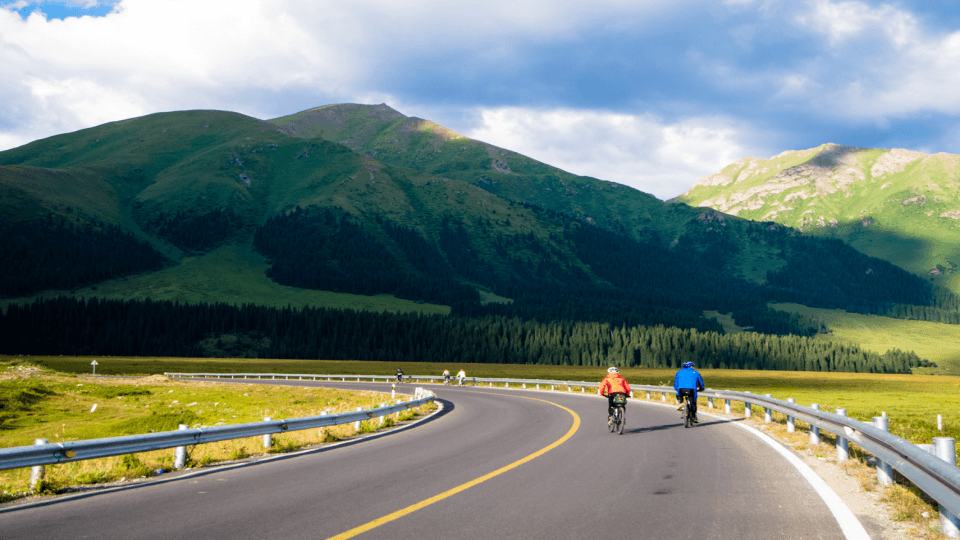
Yining-Zhaosu-Kuerdening-Nalati-Tangbula-Sayram Lake
This 8-day biking tour through Ili blends natural beauty, culture, and adventure. Cycle through Zhaosu Wetland, Sayram Lake, and Tangbula Grassland, explore Tekes (Bagua City), and enjoy horseback riding and sunrise views.
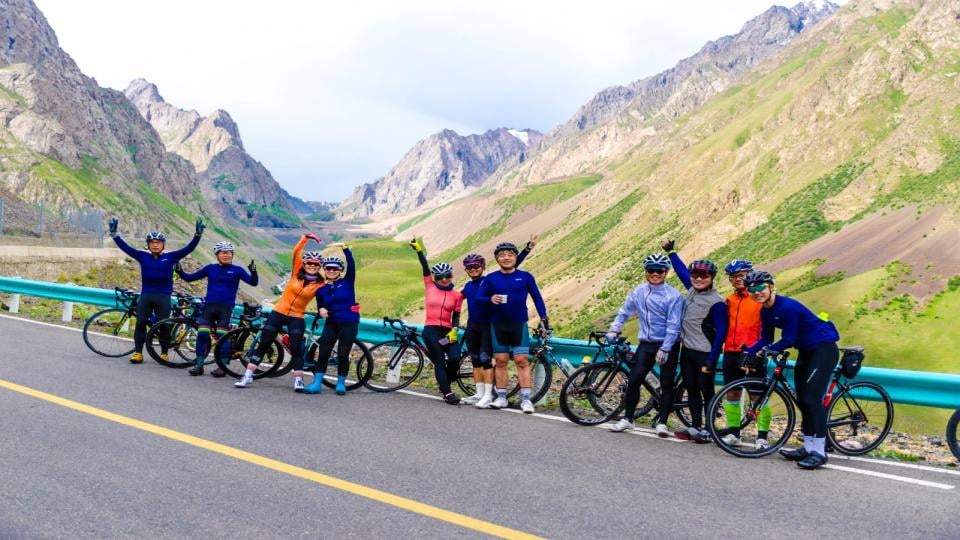
Kuitun-Qiaoerma-Nalati-Bayinbuluke-Kuqa
Embark on a 7-day biking adventure along the Duku Highway, from Kuitun to Kuqa. Enjoy thrilling descents, scenic climbs, and the unique sensation of passing through four seasons in one day. This journey blends adventure, culture, and stunning natural beauty into an unforgettable experience.
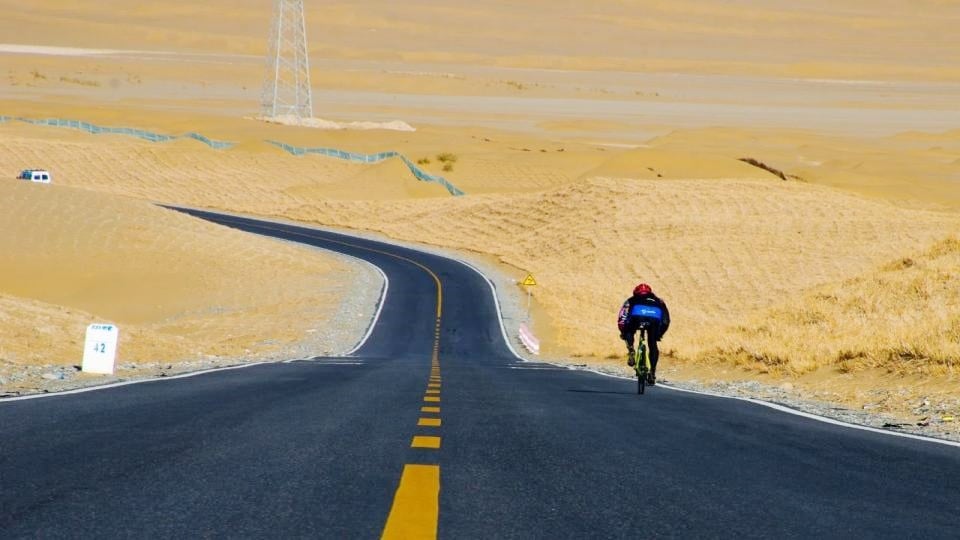
Urumqi-Yuli-Ruoqiang-Qiemo-Tazhong-Korla
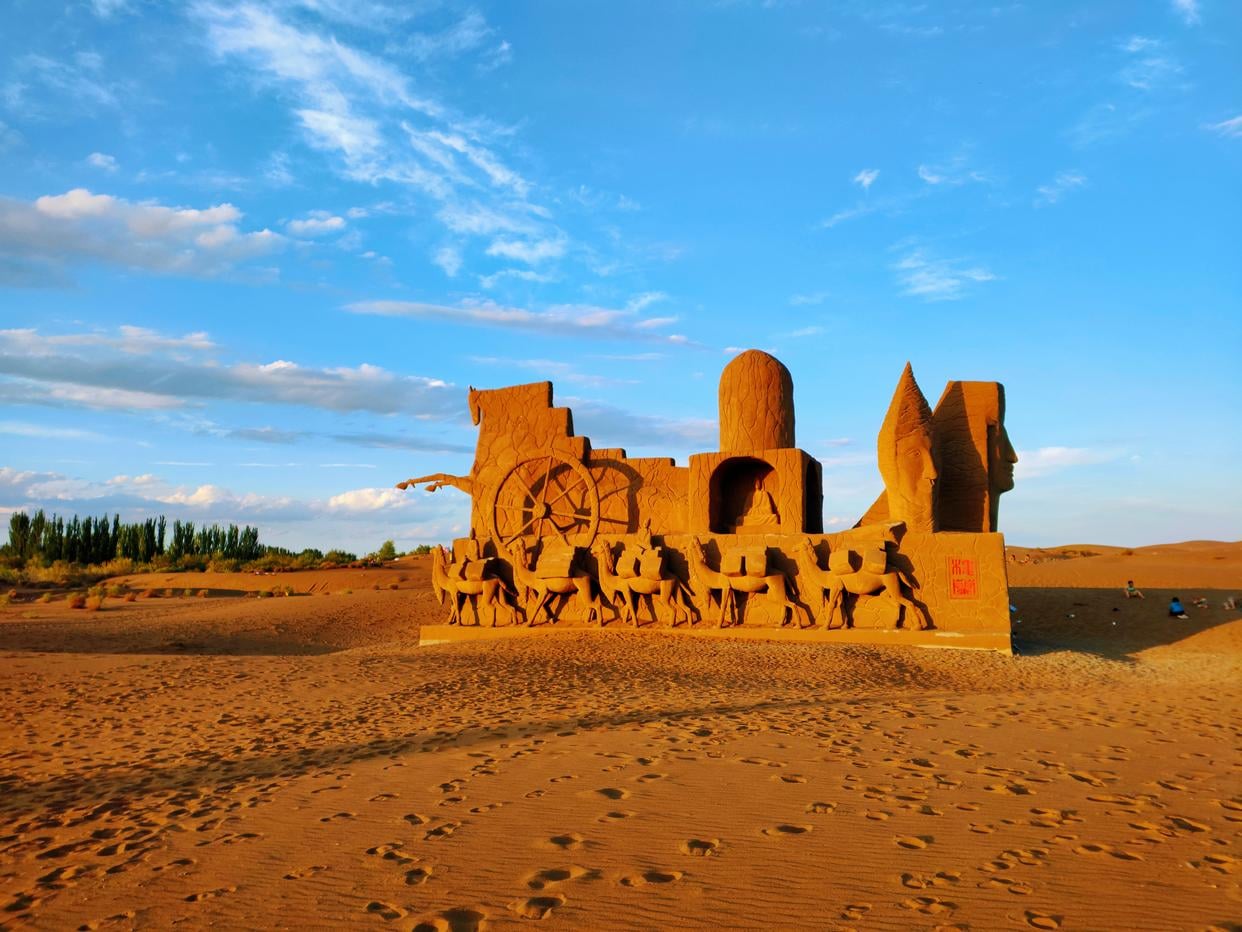
Embark on an unforgettable cycling adventure through the breathtaking landscapes of Xinjiang. Discover the mysteries of the ancient Loulan Kingdom when cycling through the legendary Taklamakan Desert, known as the "Sea of Death".
Urumqi-Turpan-Hami-Dunhuang
Embark on an unforgettable 8-day Silk Road adventure from Urumqi to Dunhuang, where history, nature, and culture intertwine. This expedition blends adventure, heritage, and the raw beauty of China's legendary trade route.