20 years of pioneer in xinjiang tourism for overseas travelers
Born Here, Know Best, Your Journey's Blessed
No Shopping. No Detour, 99% Excellent Review

contact UsOn Wechat
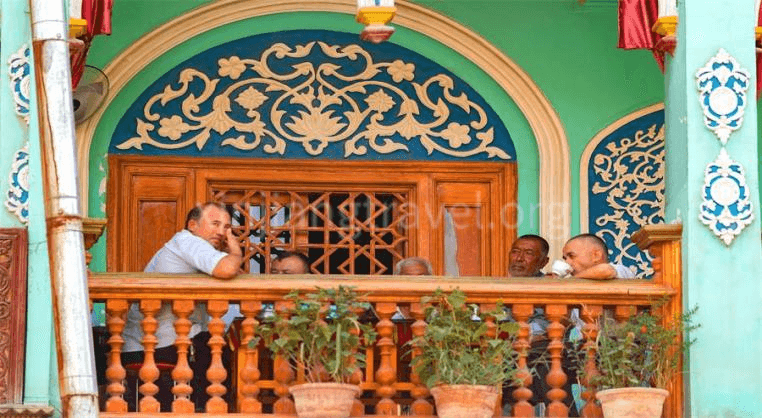
Kashgar-Karakul Lake-Taxkorgan-Kashgar-Turpan-Tuyoq Village-Urumqi-Heavenly Lake-Urumqi
Experience an unforgettable Xinjiang Silk Road journey featuring dramatic Pamir landscapes, ancient oasis cities, rich ethnic culture, alpine lakes, desert scenery, and historic heritage sites.
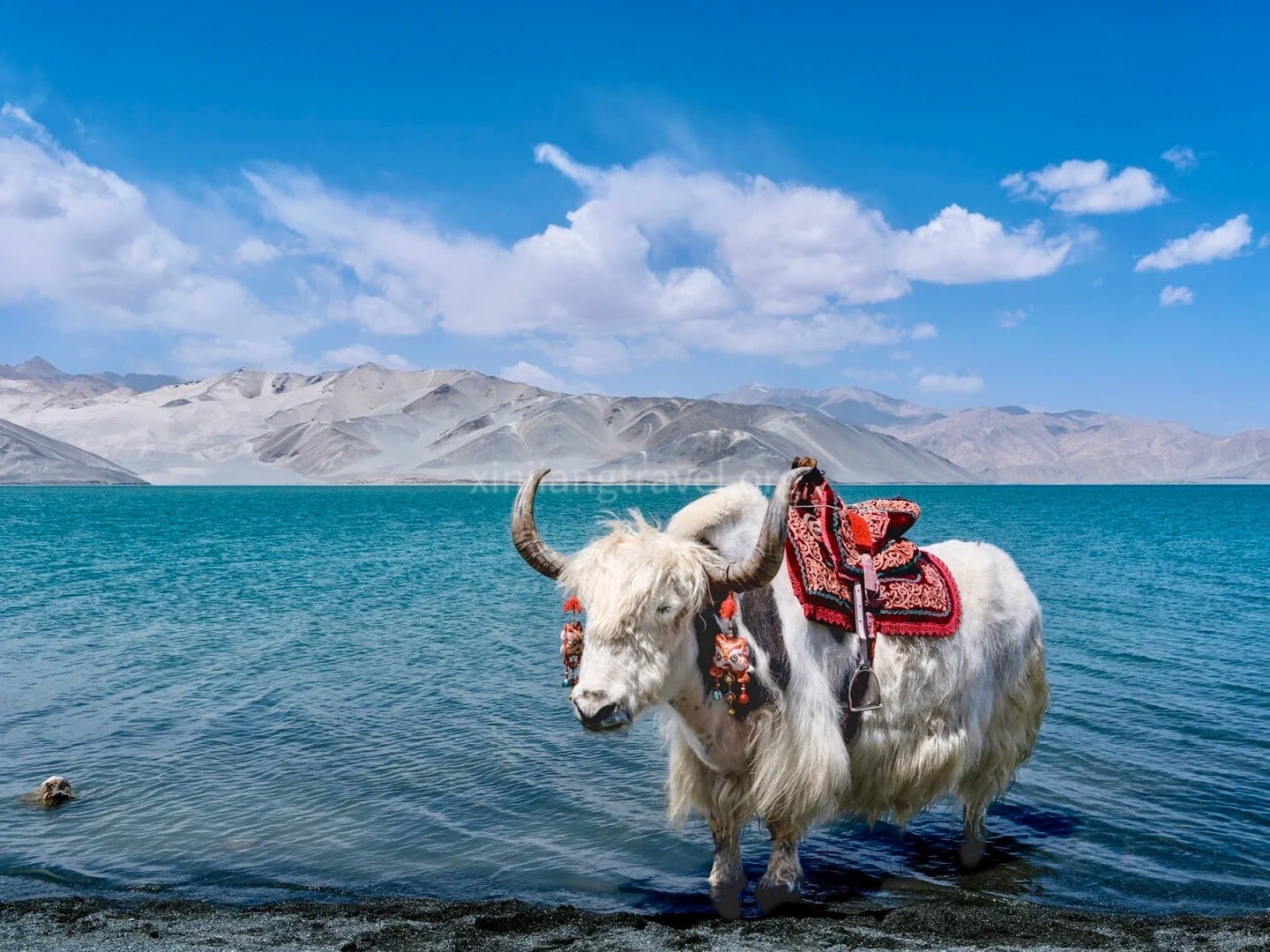
Kashgar - Taxkorgan - Kashgar - Shanghai
A fascinating route that takes you from the vibrant old city of Kashgar to the breathtaking highlands of Taxkorgan. Along the way, experience rich Uyghur culture, explore the legendary Pamir Plateau, and admire stunning snow-capped peaks, alpine lakes, and ancient Silk Road heritage. This short yet unforgettable journey offers a perfect blend of culture, history, and dramatic mountain scenery.
Urumqi - Turpan-Korler- Kuqa- Aksu- Kashgar-Taxkorgan-Kashgar
Embark on a South Xinjiang adventure, exploring the legendary Silk Road towns of Kashgar and Kuche. Experience the stunning landscapes of the Pamir Plateau, where nature and history blend into an unforgettable journey.
Urumqi → Turpan → Khotan → Kashgar
South Xinjiang Tour from Urumqi to Kashgar, passing by the fireland of Turpan, take the flight to Khotan and drive to the kashgar via Yarkent. Discover the local custom of Uighur and the splendid culture of South Xinjiang.
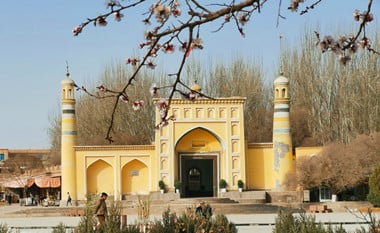
Kashgar - Taxkorgan county (Pamir Plateau) - Kuqa - Turpan - Urumqi
Southern Xinjiang Memorable Tour starts from the famous Kashgar which is the culture center of Uighur people. Take the train to Kuqa with the sightseeing of the vast desert. Discover the fireland of Turpan. We bring you a different Xinjiang Travel Experience.
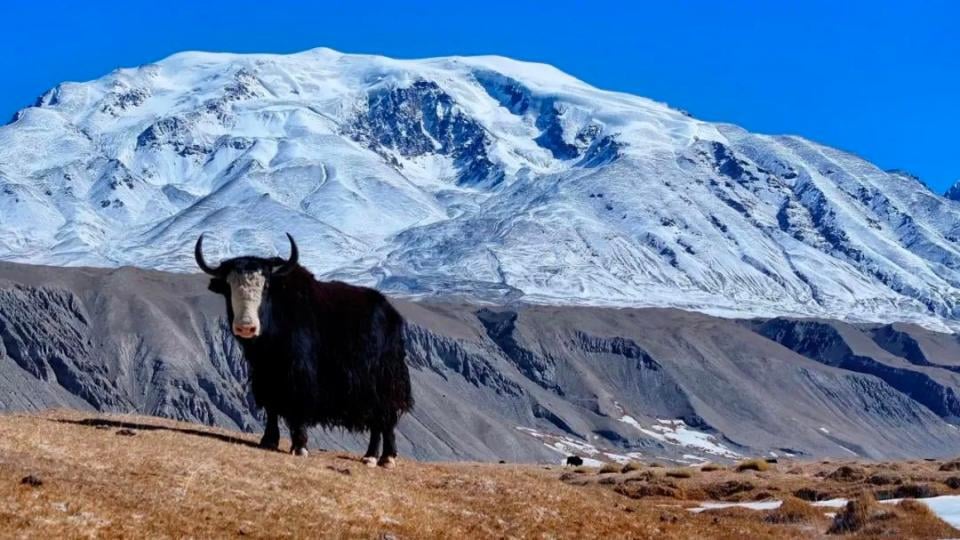
Kashgar-Pamir
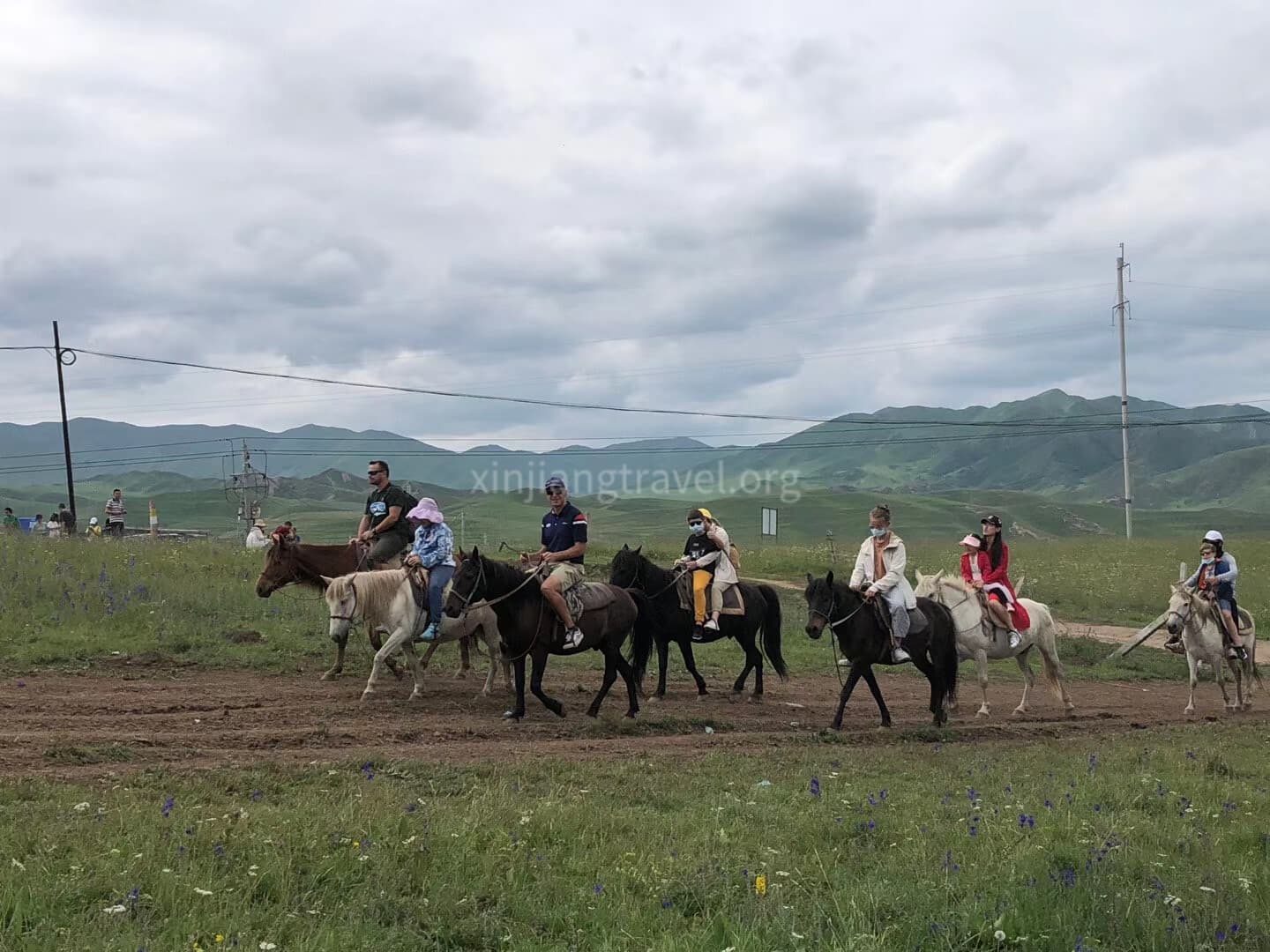
This tour promises not just a journey, but an experience of a lifetime, filled with breathtaking landscapes, cultural immersion, and the thrill of horseback riding in one of the world’s most remote and stunning regions. Get ready to create memories that will last forever!
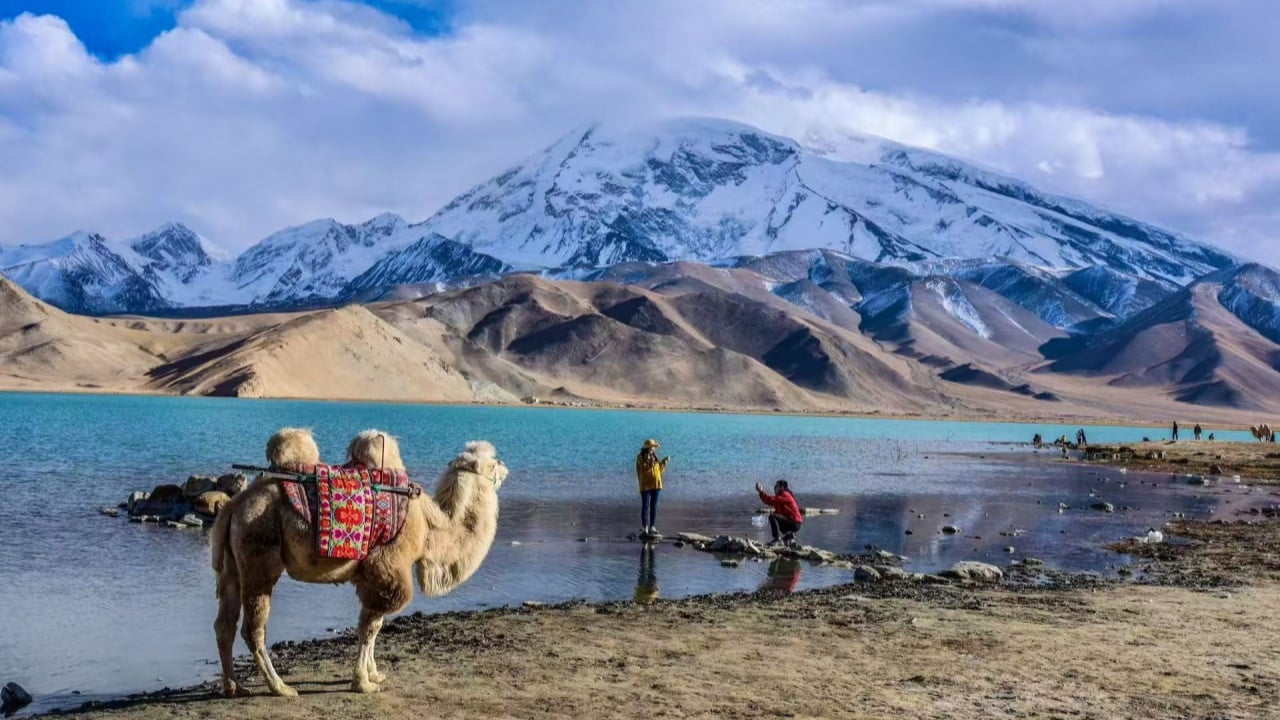
Kashgar-Taxkorgan
Embark on a breathtaking 2-day adventure to Tashkurgan, China’s westernmost frontier nestled in Xinjiang’s Pamir Mountains. Known as the "Roof of the World," this Xinjiang gem offers stunning alpine landscapes, rich Tajik culture, and historical wonders.
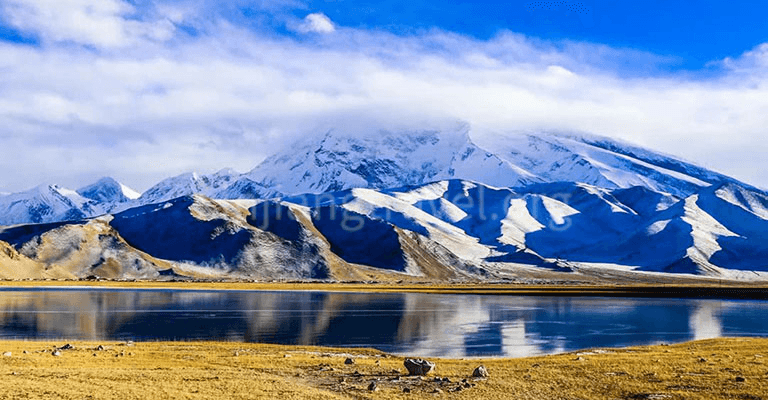
Kashgar - Taxkorgan - Zepu - Dawakun
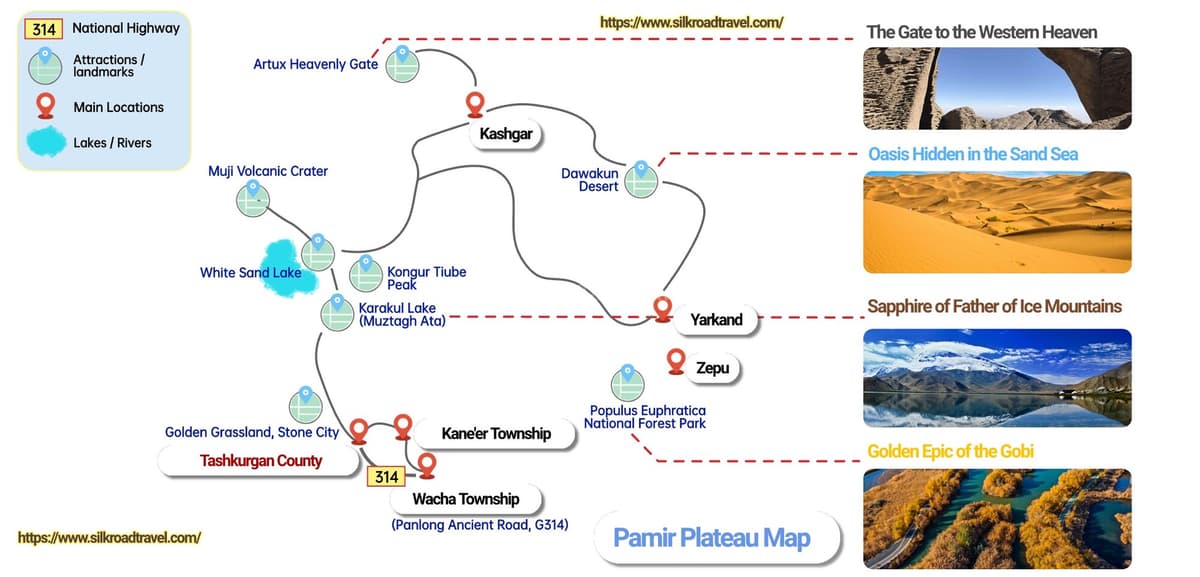
Discover Southern Xinjiang on a 7-day Kashgar & Pamir Plateau tour. Drive the Karakoram Highway past White Sand Lake and Muztagh Ata, conquer Panlong Ancient Road’s 600 bends, admire Zepu’s golden poplar forest in peak autumn, and enjoy the Dawakun Desert before returning to Kashgar’s old town.
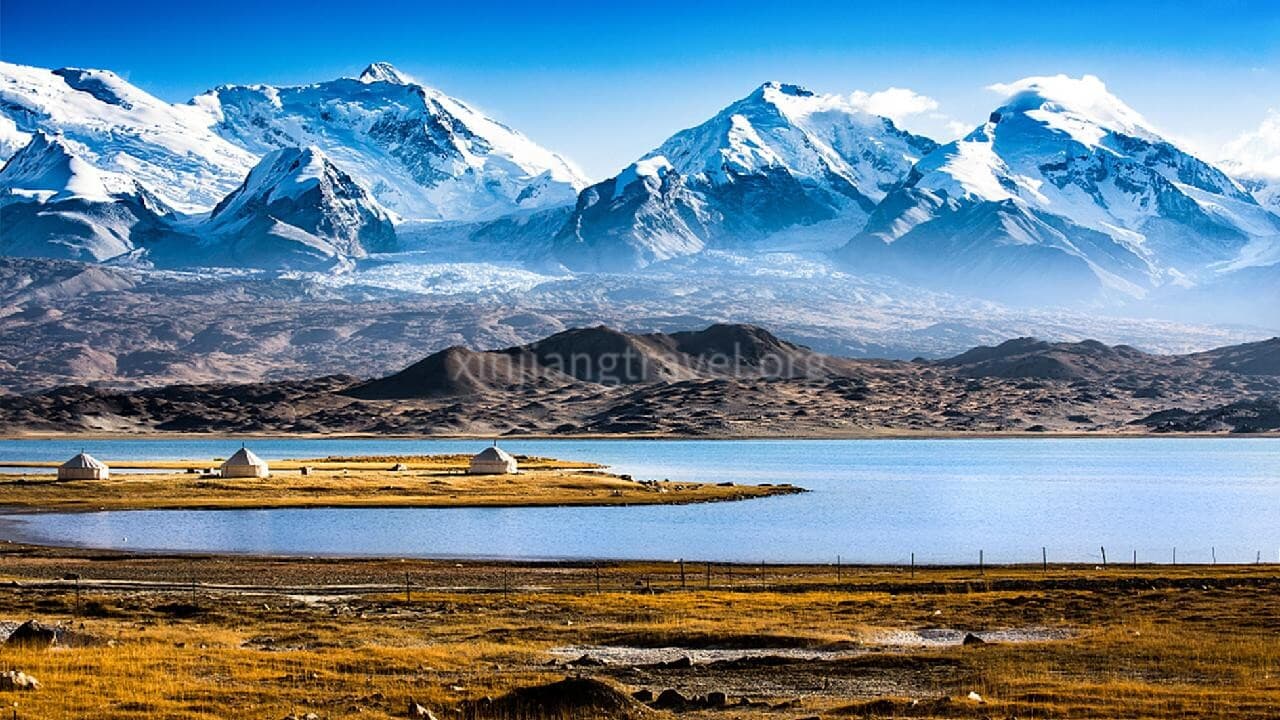
The road from Kashgar to Tashkurgan follows G314 into Xinjiang's eastern Pamirs, linking White Sand Lake, Karakul Lake and views of Muztagh Ata before reaching the plateau town. Give the journey at least one overnight stay, and separate lakeside stops from the mountain excursions that can take most of another day.
This guide covers travel within China along the Chinese section of the Karakoram Highway. It is not a guide to Tajikistan's Pamir Highway or to crossing into Pakistan.
Content›Which Detours Are Worth the Time? ›Where to Stay Along the Route |
The simplest route is an out-and-back journey: Kashgar → White Sand Lake → Karakul Lake → the Muztagh Ata mountain corridor → Taghman Wetland → Tashkurgan, returning along G314. The glacier park and Panlong Ancient Road are additional excursions, not consecutive roadside stops that fit automatically into this drive.
Leaving the Kashgar oasis, the road climbs through rocky valleys before reaching open mountain country. Lakes occupy broad basins beneath snow-covered peaks, while the land around Tashkurgan opens into a valley with wetlands and settlements. That changing terrain also means changing altitude, exposure and driving conditions.
| Part of the journey | What to allow for |
Kashgar to Tashkurgan | A full travel day with checks, meals and selected lake stops, rather than just the navigation app's driving estimate. |
A night in Tashkurgan | Time to rest and visit the town before returning along the same main road. |
Panlong and possible Bandir stops | A separate excursion day, with the vehicle and driving direction agreed in advance. |
Muztagh Ata Glacier Park | A substantial excursion with its own approach, visitor transport and higher-altitude walking. |
Apricot-blossom valleys | A separately planned seasonal route; the relevant villages are not all beside G314. |
For foreign-passport travellers, confirm the full route and border-area paperwork before booking non-refundable transport. The Tashkurgan travel guide explains the in-person permit process, documents and altitude preparation. Carry your original passport and the issued pass throughout the journey.
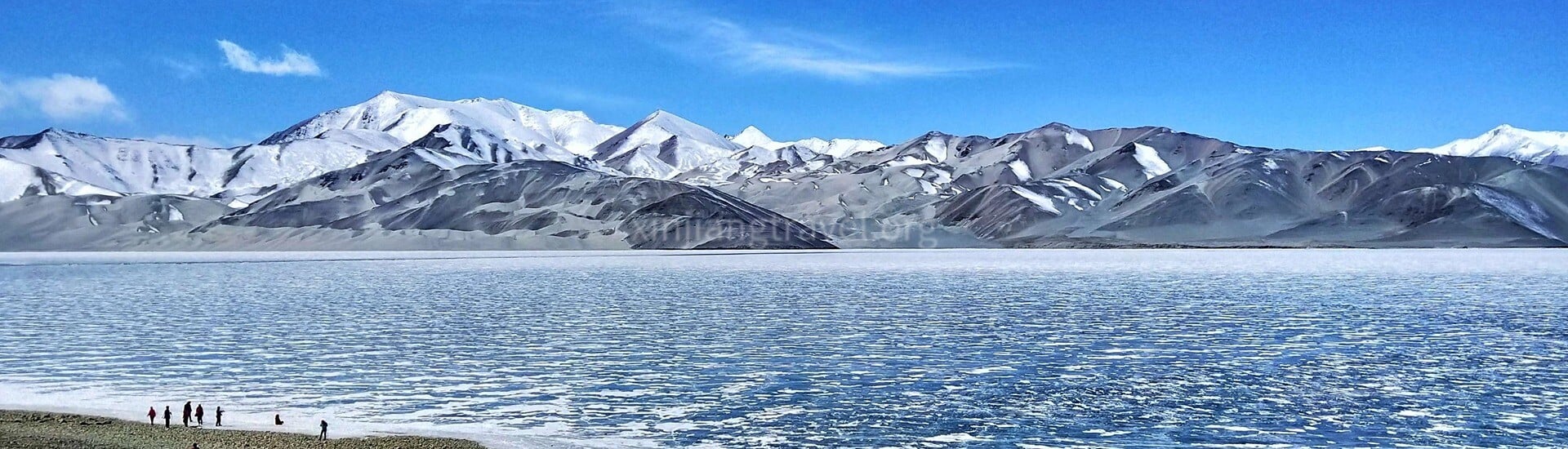
White Sand Lake (白沙湖) is the first major lake stop on the usual drive from Kashgar. Its pale sand slopes and blue-green water make it worthwhile even without a long walk. On a short itinerary, choose one accessible viewpoint rather than trying to collect every lakeside stop.
The north shore is a specific route choice, not simply another name for the main G314 visitor stop. Ask your driver to identify the intended entrance or viewpoint and show how it connects with the onward road. Access varies between locations, so do not assume that every north-shore pin is a free, drive-up stop with parking.
If reaching the chosen north-shore viewpoint would delay the rest of the day, use the established main-road stop and continue. Do not follow an informal lakeside track just because it appears on a travel photograph.
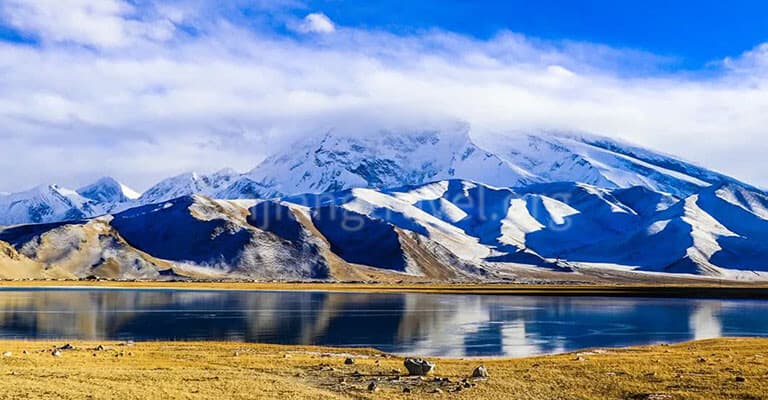
Karakul Lake (喀拉库勒湖) lies farther along G314, beneath the broad, snow-covered form of Muztagh Ata. It is the natural next major stop after White Sand Lake. This is Xinjiang's Karakul Lake, not the larger lake of the same name in Tajikistan.
At around 3,600 metres, the lake is already high enough for altitude to affect your visit. Keep the first stop to an easy walk near the visitor area rather than committing to a long circuit of the shore. If visibility is poor, a shorter visit may leave you better placed to stop again on the return journey.
Use available visitor facilities when you stop and carry your own water and food backup. Do not assume that every roadside viewpoint has toilets, a restaurant or a shop.
Muztagh Ata remains a major part of the landscape as you continue towards Tashkurgan. For most short trips, views from Karakul Lake and permitted roadside stopping areas are enough to appreciate the mountain without leaving the main route.
The glacier park is a different commitment. Its access road, ticketing and internal transport lead towards a higher visitor area, followed by whatever walking route is open. Reserve it for a day when you have the time and are feeling well; a photograph from G314 does not require a glacier-park ticket.
Stop only where vehicles can pull fully off the road. A clear view from a bend or narrow shoulder is not a suitable reason to stop there.
Taghman Wetland (塔合曼湿地) comes later in the journey, north of Tashkurgan town. It is a useful final stop if you want pasture, streams and a broader valley view after the lakes and mountain slopes.
Keep it short on arrival day if the earlier stops have taken longer than expected. The wetland can also fit into the return journey, whereas arriving late and tired leaves little value in adding another viewpoint.
Choose Muztagh Ata Glacier Park when the glacier landscape is one of your main reasons for coming, rather than because it appears as another pin beside the highway. It suits a longer itinerary with time after arrival to assess how you feel at altitude.
Ask the operator to confirm the open visitor route, foreign-passport admission and the ticket's transport arrangements. Leave room for queuing and walking after the vehicle journey. Do not combine the park, Panlong and the long return to Kashgar in one day.
If the park is closed or you feel unwell, remove the excursion. Roadside views of the mountain are a worthwhile alternative; trying a different high trail is not.
Panlong Ancient Road is best treated as an excursion from Tashkurgan, with a return to the same accommodation. The controlled X150 section is one way: vehicles enter from the Bandir township junction on Z710 and leave towards Waqia. A saved route that runs in the opposite direction needs to be changed, not followed until a barrier stops you.
The road permits eligible passenger vehicles with no more than seven seats and also applies vehicle-dimension limits. A seven-seat label alone is therefore not enough to confirm suitability. Ask the transport provider to check the actual vehicle, especially if you are travelling in a larger group.
Published operating windows are 09:00–20:00 in summer and 10:00–19:00 in winter. These are permitted access periods, not a promise that the road will open throughout them: snow, ice, strong wind or road works can interrupt passage. Have the driver confirm the day's access before leaving town.
If Panlong is unavailable, keep the day around Stone City and the open wetland paths instead of searching for an unofficial route around the restriction.
Bandir Blue Lake (班迪尔蓝湖), at the Xiabandi Reservoir, is most appealing when the water catches the sun. Discuss its exact viewpoint with your driver when planning Panlong, so the lake stop fits the authorised direction and the return to G314.
Do not assume the reservoir lies conveniently after Panlong simply because an older itinerary lists it that way. The route needs to work as a whole. On a grey day or a tight schedule, omit the extra stop rather than cutting the time needed for the mountain road.
Toghrum Village (托格伦夏村) is a choice for a slower visit or a rural overnight stay, rather than a necessary diversion on the road from Kashgar. The village covers an area with several accommodation options, so use the exact property or meeting-point pin when calculating the drive.
A village stay works well when the following morning is for local scenery. It is less useful if you arrive after dark and leave immediately for a long return journey, without time to enjoy the setting.
Spring blossom trips towards Datong or the Tashkurgan–Shache valley roads require more planning than the main G314 journey. Late March and early April are the usual period to investigate, but the best village and day depend on that season's flowering and road access.
Choose one valley, confirm that it is accessible for your passport and vehicle, and allow an additional day or overnight stay according to its location. Do not treat all places labelled "apricot village" as interchangeable, or as short diversions on the way back to Kashgar.
Tashkurgan town is the simplest overnight base for a first trip. It keeps dinner and supplies close and allows you to return to the same room after a local excursion. Sleeping beside Karakul Lake offers a different setting, but at a higher elevation and with more dependence on the individual property's arrangements.
A town hotel such as the Wanda Moments property, 万达美华酒店(塔什库尔干帕米尔旅游区店), provides a straightforward base for an out-and-back road trip. Confirm the exact branch and pickup point when arranging your vehicle; a town-centre booking and a camp elsewhere in the county are not equivalent transfer arrangements.
For two or three nights, keeping the same hotel also makes it easier to change the order of a town visit and a mountain excursion. Detailed hotel comparisons and local dining suggestions belong in the Tashkurgan guide rather than in the driving schedule.
Buzhoushan Camp (不周山营地) is in the Karakul Lake area of Subashi Village, Akto County, rather than in Tashkurgan town. Its location makes it a possible base for lake photography, but do not choose it automatically as the first night after leaving low-altitude Kashgar.
Before building the route around a stay, obtain confirmation of seasonal opening, the exact accommodation offered, heating, meals, bathroom arrangements and foreign-passport check-in. A "camp" listing does not tell you whether you are booking a heated room, cabin or another type of accommodation.
Accommodation in the Toghrum village area is more suitable when you want a quiet morning around the local landscape. Ask the host how dinner and breakfast work, where the driver can collect you and whether the approach adds a return drive through town.
Do not book a rural property solely for sunrise photographs. Cloud may hide the peaks, while the practical differences—heating, meals and transport—remain.
For a first visit, use a simple main-road itinerary before adding branches. The following plans start and finish in Kashgar, exclude permit-processing time and assume the main road is open. They involve a rapid ascent, so travellers coming from low altitude should discuss the route with a clinician and arrange a more gradual approach where feasible.
Day 1 — Kashgar to Tashkurgan. Follow G314, choosing one White Sand Lake stop and a gentle visit at Karakul Lake. Continue through the Muztagh Ata landscape, adding Taghman only if time and energy allow. Stay in Tashkurgan; do not enter the glacier park on the initial ascent.
Day 2 — Stay local. Visit Stone City and the open wetland paths at an easy pace, with time for lunch and rest. A prearranged village visit can replace part of the town programme if everyone feels well. Spend a second night in the same accommodation.
Day 3 — Tashkurgan to Kashgar. Return along G314. Use better weather for a lake stop you shortened on Day 1, but keep the journey moving if conditions deteriorate. Sleep in Kashgar before your onward flight or train.
With only two days, remove the full local day and make a shorter town visit before returning. Keep the glacier park and Panlong out of that reduced plan.
Day 1 — Drive from Kashgar to Tashkurgan. Keep the main-road stops selective and the evening quiet.
Day 2 — Explore town and assess how you feel. Visit Stone City and the wetlands without adding a high mountain-road loop. Stay in Tashkurgan.
Day 3 — Choose Panlong or the glacier park. For Panlong, use an eligible vehicle and the permitted entry direction; add a Bandir viewpoint only if it fits the confirmed route. For the glacier park, allow the day for the northward drive, visitor transport and the return to town. Neither option belongs in the plan if you have altitude symptoms.
Day 4 — Return to Kashgar along G314. Keep only the main-road stops that still interest you. This is the day for getting back comfortably, not for adding the excursion you did not choose.
If both major excursions matter to you, add another day rather than combining them. For a blossom-focused trip, replace the excursion with a properly planned valley route, or extend the journey to include its required overnight stop.
It would leave most of the day to driving and checks, with little time for the town or scenery. Stay overnight for Tashkurgan; if you have only one day, discuss a shorter main-road outing with a clear turnaround point.
It depends on the exact viewpoint. Agree on a named pin and its access road before departure; "north shore" alone is not enough to calculate the extra driving or confirm entry.
No. The lake offers mountain views beside the main route. The glacier park is a separate, higher-altitude visit with additional travel, admission and internal transport.
No. The controlled section runs from the Bandir township junction towards Waqia. Plan the approach and return around that direction, rather than reversing a route saved from an older guide.
Not as a default: the lake is higher than Tashkurgan town. Choose sleeping altitude deliberately, and do not assume that a scenic overnight stop provides a gradual ascent.