20 years of pioneer in xinjiang tourism for overseas travelers
Born Here, Know Best, Your Journey's Blessed
No Shopping. No Detour, 99% Excellent Review

contact UsOn Wechat
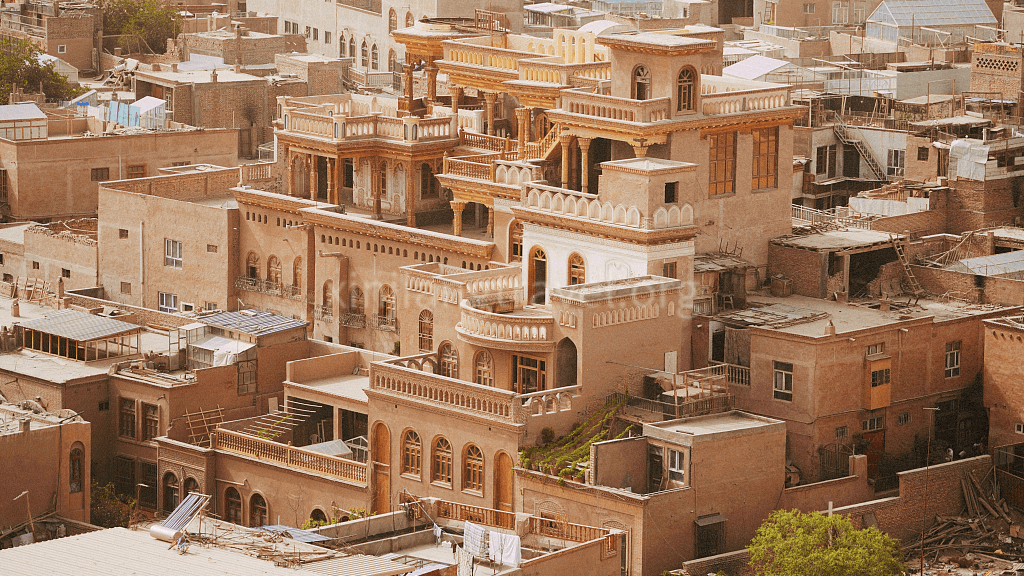
What are the best things to do in Kashgar? Ask a caravan merchant from the year 1400 and he would give you roughly the same list we do today: walk the mud-brick lanes, bargain at the bazaar, pray at the great mosque, drink tea in a shaded teahouse, and set off toward the high mountains.
That continuity is the miracle of Kashgar — the best-preserved living Silk Road city in China, and the cultural heart of the Uyghur people in the far west of Xinjiang. This guide is written by the local team at Xinjiang Travel, a Urumqi-based operator that has been designing Kashgar itineraries for international visitors since 2003 — many of them mature travelers who want their sightseeing slow, comfortable and genuinely enlightening.
Below are the twelve experiences our guests consistently rate as the best things to do in Kashgar, with current tickets, opening hours, timing advice and senior-friendly notes for each. Two or three days covers the city; four or five adds the Pamir Plateau, and both plans appear at the end of this article.
Content›Kashgar Bazaars and Street Food ›Kashgar Landmarks and Living Heritage ›Beyond the City — the Pamir Plateau ›FAQ |
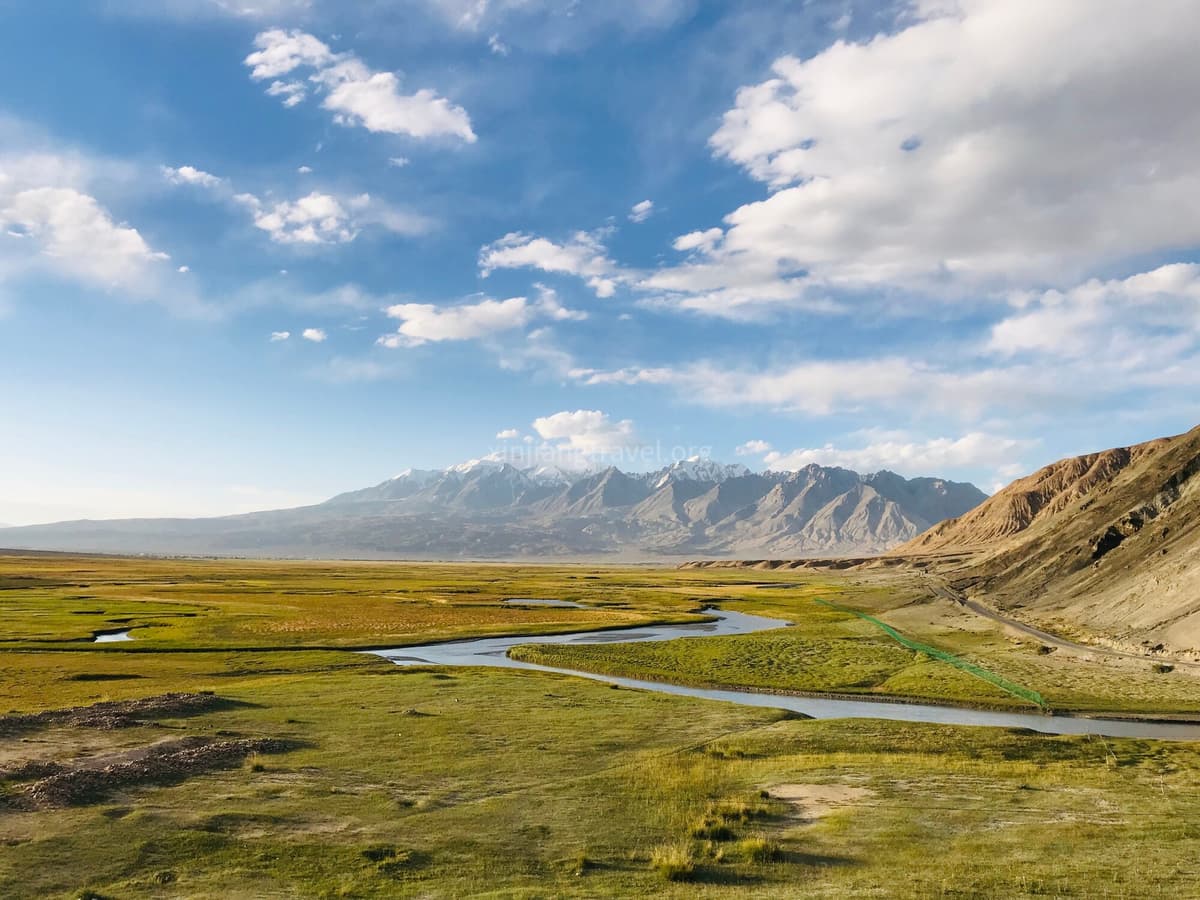
Table 1. The twelve best things to do in Kashgar at a glance
# | Experience | Type | Time needed | Entry cost |
1 | Wander the Kashgar Old City | Living heritage | Half a day | Free |
2 | East Gate opening ceremony | Culture show | 30 minutes | Free |
3 | Tea at the century-old teahouse | Slow travel | 1 hour | ¥30-50 |
4 | Handicraft lanes and workshops | Craft heritage | 1–2 hours | Free |
5 | Sunday Livestock Bazaar | Folk spectacle | 2–3 hours | Free |
6 | Grand Bazaar shopping | Shopping | 1–2 hours | Free |
7 | Eat your way through Kashgar | Food | Every day | ¥50–150/meal |
8 | Id Kah Mosque | Landmark | 1–1.5 hours | ~¥35 |
9 | Apakh Hoja Tomb (Fragrant Concubine Garden) | Landmark | 1–1.5 hours | ~¥60 |
10 | Karakoram Highway to Karakul Lake | Day trip | 1 day | ~¥50 |
11 | Taxkorgan and the Stone City | Overnight trip | 1–2 days | ~¥90 + ¥20 shuttle |
The Old City is where every Kashgar journey begins, and these four experiences all sit within a few minutes' flat walk of one another — the gentlest possible opening to the Silk Road.
The single best thing to do in Kashgar is also the simplest: walk. The Kashgar Old City is a national 5A-rated scenic area — China's highest official rating — yet it charges no entrance fee and is not a reconstruction. It is a genuine, living Uyghur neighborhood of more than 200 narrow lanes, where doors painted in turquoise and pomegranate red open onto family courtyards, and bread emerges hot from clay ovens every few minutes.
Give it half a day, not an hour. The lanes are almost entirely flat, so the wandering is easy on the knees; benches, teahouses and shaded squares appear whenever you need a rest. A local tradition says the hexagonal paving bricks lead you somewhere, while square bricks lead to a dead end — a charming detail your guide can decode, along with the meaning of the painted doors (a new graduate, a new baby, a marriage).
Good to know: open all day, free, no reservation needed. In 2026 the Gaotai (High Platform) quarter is closed for restoration — view it from outside; the rest of the Old City is fully open.
Every morning at around 10:30 — and again at about 18:00 — the East Gate of the Old City stages a short, free ceremony of music and costumed performers welcoming visitors. It is the gentlest possible theater: drums, traditional dress, and a parade of "caravan merchants" re-enacting the arrival of a Silk Road trade mission.
Position yourself by the gate twenty minutes early for a front spot, then let the crowd's energy carry you into the lanes. Seniors will appreciate that this happens at street level with plenty of standing room, and that the whole show lasts only half an hour, leaving the day gloriously uncommitted.
Good to know: free, around 10:30 and 18:00 daily at the East Gate; confirm times with your guide as they shift with the season.
On a creaking wooden floor above a lane near Id Kah Square sits the Ancient Tea House, a Kashgar institution where retired Uyghur men gather for tea, naan, conversation and — on lucky afternoons — spontaneous music on rawap lutes and dutar strings. Order a pot of milk tea or herbal tea, take the low platform seat by the window, and simply watch the street below.
For mature travelers this is consistently the most-loved hour of the trip: no walking, no crowds, just the slow machinery of an old oasis town turning beneath your elbows. Come mid-morning or late afternoon for the best atmosphere, and stay as long as the tea lasts.
Good to know: ~¥10–30 per person; stairs to the upper floor are steep but short — your guide can arrange a ground-level table if preferred.
A few streets over from the main squares, Kashgar still makes things by hand. In the artisan quarter you can stand at the open doors of coppersmiths hammering tea trays, felt-makers rolling wool into carpets, potters, instrument-makers tuning rawaps, and wood-carvers fitting centuries-old lathes. Watching costs nothing; everything is made in front of you, at a human pace.
These lanes are also the most photogenic in the city — golden light on earthen walls, sparks from the forge, walls hung with finished pots. Buy directly from the maker when something catches your eye: prices are fair, and a hand-hammered copper pot or a small embroidered cap is a far better souvenir than anything shrink-wrapped.
Good to know: free to wander; most workshops are open roughly 10:00–19:00 and welcome respectful visitors.
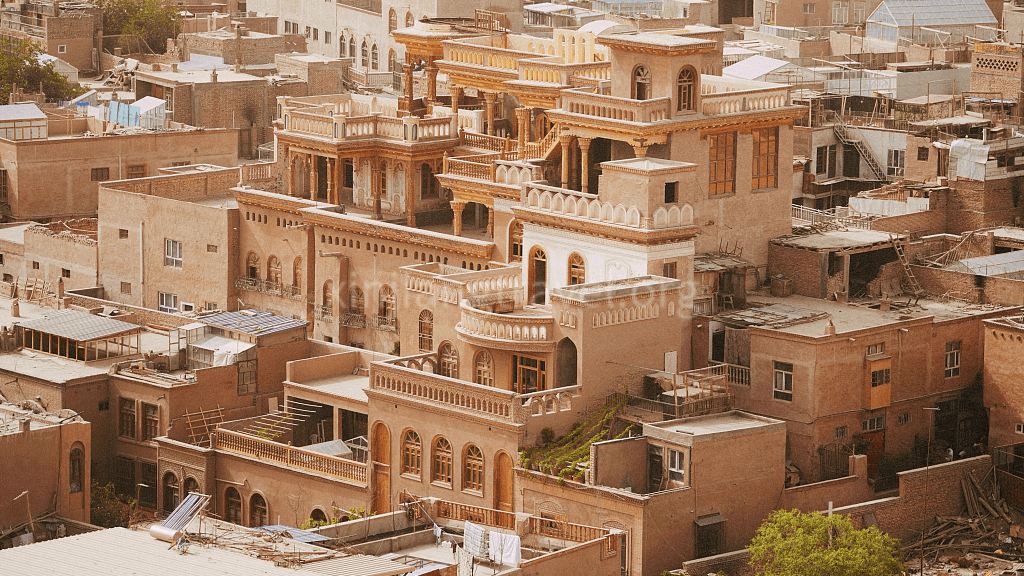
Kashgar's bazaars and food streets are the city's beating heart — at their best from mid-morning and again after sunset, and at their absolute peak on a Sunday.
If your dates allow, plan your whole trip around a Sunday in Kashgar. On the city's edge, the Sunday Livestock Bazaar assembles hundreds of farmers and traders with sheep, cattle, horses, donkeys and the occasional camel — a trading fair that has operated in some form for more than two thousand years and still runs exactly as it always has.
You will see bargaining conducted by fingers shaken inside sleeves, veterinarians with decades of local fame, and enough sheep to fill a small nation. The spectacle peaks between about 08:30 and noon, then melts away by early afternoon. The ground is unpaved and dusty, so wear closed shoes, and be ready for close encounters with large, philosophical animals.
Good to know: free, Sundays only, best before noon; a short drive from the Old City. It is rustic — travelers with limited mobility may prefer to view it from the raised perimeter with a guide.
Every day of the week, the covered Grand Bazaar near the East Gate does what Kashgar bazaars have always done: sell a little of everything. Carpets from Hotan, Atlas silk in ikat patterns, dried fruit towers, spice pyramids, embroidered doppa caps, Uyghur knives (check them into hold luggage, or have them shipped), musical instruments, silver, and rugs of every size and age.
Bargaining is expected and friendly — counter at roughly half the first price, smile throughout, and be ready to walk away. Your guide's presence quietly improves both prices and quality control, which is one reason our mature guests rarely shop alone. Expect to spend one to two hours; the lanes are wide, flat and shaded.
Good to know: free entry, liveliest daily from late morning; some stalls rest on Fridays.
Eating is not a sideshow in Kashgar — it is one of the best things to do in the city, and the cuisine is naturally suited to older palates: roasted, braised and gently spiced rather than fiery.
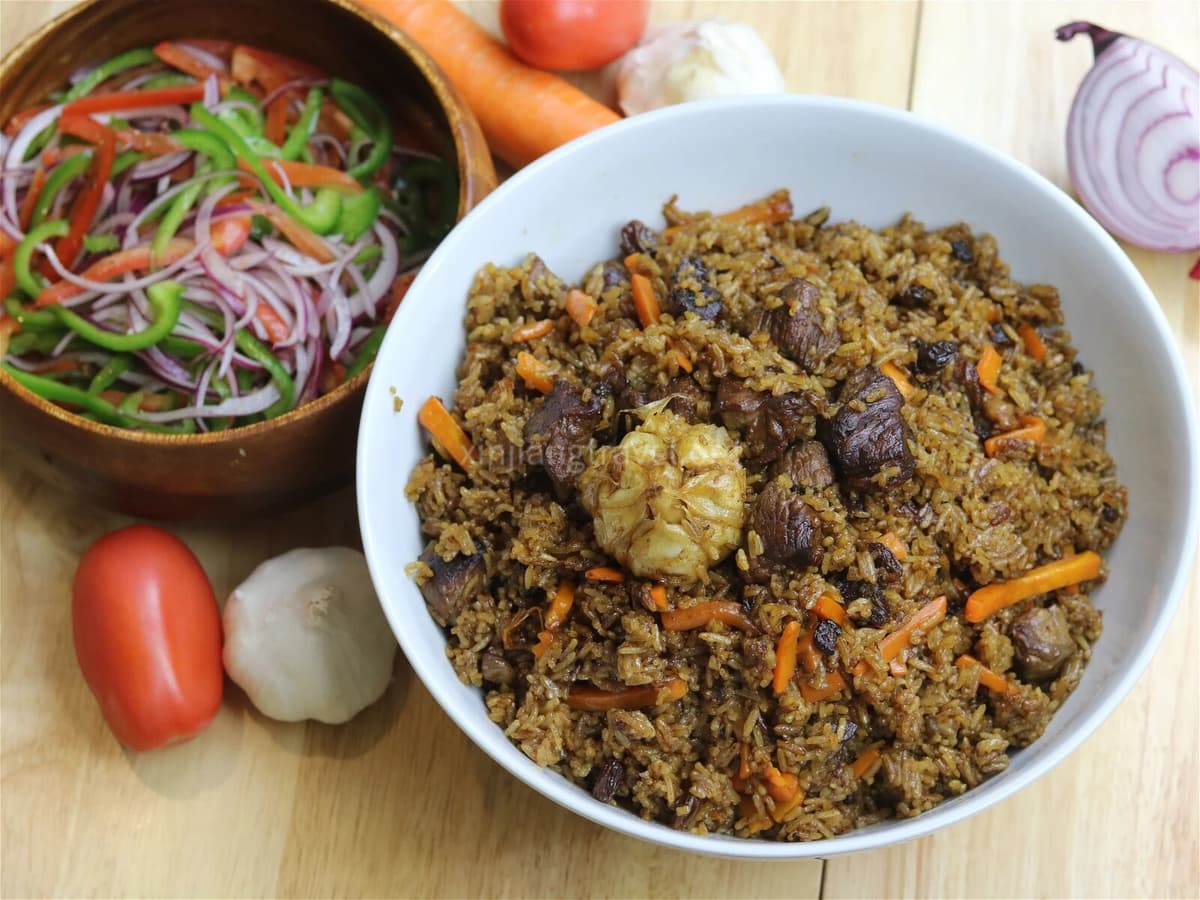
Work your way through the classics: hot naan bread with sesame from a clay oven; kawap, charcoal lamb skewers dusted with cumin (order five per person); laghman, hand-pulled noodles tossed with lamb and vegetables; polo, the golden pilaf of rice, lamb, carrots and raisins served at every celebration.
Then keep going with samsa, tandoor-baked lamb pastries, and fresh-pressed pomegranate juice in autumn. The best spots are tiny: a corner shop with a giant wok, a stall where the skewer man has worked the same corner for decades.
Around the Old City's West Gate, the street-food scene peaks after 20:00, when the day finally cools.
Good to know: ¥50–150 buys a feast per person. Vegetarians are easily fed (vegetable laghman, egg-and-tomato, pilaf without meat) — tell your guide in advance and every meal becomes effortless.
Two landmarks anchor the city's living heritage. Both are easy, flat and unhurried, and both sit within a short drive or walk of the Old City.
The Id Kah Mosque, founded in 1442, is the largest mosque in China and the spiritual anchor of Kashgar. Its yellow-tiled facade and towering entrance face Id Kah Square at the heart of the old town; inside, a courtyard of ancient poplars drops the temperature by several degrees and the city's noise by several centuries.
Visitors of every faith are welcome outside prayer times. Dress modestly — shoulders and knees covered; headscarves are lent free at the entrance — keep voices low, and skip the prayer hall itself, which is reserved for worshippers. On Fridays the mosque opens to non-Muslim visitors only after the midday prayer (after about 14:00).
Time your visit for late afternoon, when the light warms the tiles and the square in front fills with families, pigeon-fliers and ice-cream carts: the most photogenic hour in Kashgar.
Good to know: ~¥35 entry, roughly 10:00–20:00, closed to non-Muslims before ~14:00 on Fridays; allow 1–1.5 unhurried hours.
Five kilometers northeast of town stands the finest piece of Islamic architecture in Xinjiang: the 17th-century Apakh Hoja Mausoleum, a complex of turquoise domes, minarets and tiled facades that locals call the Fragrant Concubine's Tomb, after the legendary Uyghur consort of a Qing emperor who is said to have carried the scent of flowers.
The site has been developed into the Fragrant Concubine Garden, where a combined ticket (~¥60) covers the mausoleum, the gardens and the recreated residence; a fuller package (~¥128) adds cultural song-and-dance performances that many of our guests genuinely enjoy. Go in the morning for the clearest light on the tiles, and give yourself a relaxed hour and a half.
Good to know: ~¥60 (garden) / ~¥128 (with performances), open roughly 10:00–20:30; a 15-minute taxi or short drive from the Old City, flat and easy underfoot.
The greatest experiences lie beyond the city limits, on the road that climbs from the oasis onto the Pamir Plateau. These three are why so many of our guests give Kashgar five days instead of three.
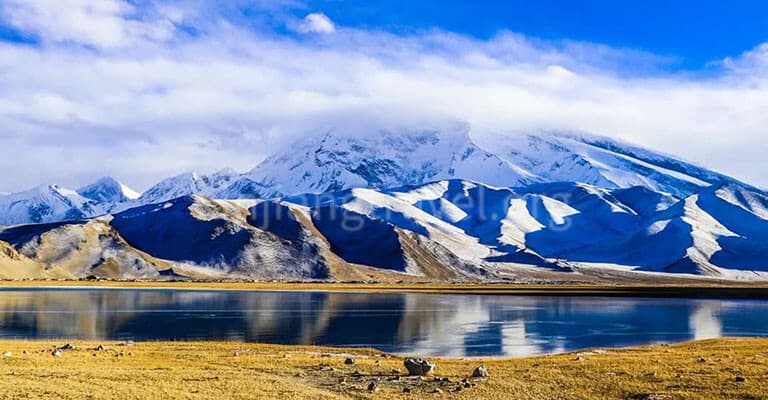
The greatest day trip from Kashgar is also one of the greatest drives on earth. The Karakoram Highway (China National Highway 314) climbs out of the oasis and onto the Pamir Plateau, following the old Silk Route between ranges where more than a hundred peaks exceed 7,000 m. Around 190 km and 3.5–4 hours from Kashgar — with photo stops you will not want to skip — lies Karakul Lake at 3,600 m, a sheet of dark blue water beneath the ice pyramid of Muztagh Ata (7,546 m).
On calm mornings the mountain sits upside-down in the lake; Kyrgyz herders at the shore serve hot milk tea and fresh noodles from their yurt camps. Everything here is roadside scenery — no hiking required, and the few walking bits are flat and short. Most travelers make it a long day trip or, better, overnight on the plateau en route to Taxkorgan; along the way you pass the improbably pale White Sand Lake (~¥40) and the red walls of the Oytak mountains.
Permit note for foreign travelers: the Karakoram Highway beyond the county line — Karakul Lake, Taxkorgan and the Khunjerab Pass — requires a border-area travel permit. You cannot apply for it yourself; a licensed local agency arranges it in Kashgar within a few hours using your passport, and all Xinjiang Travel tours include it automatically. Carry your passport on the drive for checkpoints. |
Good to know: ~¥50 lake entry; see the permit note above. Fill up on water and snacks in Kashgar, and let the driver handle the road.
Roughly six hours up the highway, at 3,100 m, Taxkorgan is the home of China's Tajik minority — a warm, eagle-revering mountain people quite distinct from the Uyghurs of the oasis. The town is small and friendly, with a lively night market and Pakistani traders selling goods hauled over the border.
The essential sight is the Stone City, the ruined walls of a 1,000-year-old fortress on a hill above the golden Alaer Grassland. At sunset the boardwalk through the grassland gives you the classic shot: golden wetland, winding river, snow peaks, and dark stones holding the last light. A combined ticket covers both, and the walk is gentle and optional — the view is visible from the café.
Good to know: most travelers spend 1–2 nights here to break the altitude gently; hotels are simple but heated with private bathrooms. Slow pace, extra water, and no rushing — the plateau rewards patience.
With two relaxed days in the city, you can cover everything except the Pamir; with four to five days, you can have it all.
Table 2. Matching the best things to do in Kashgar to your trip length
Plan | Days | Covers | Best for |
City essentials | 2 | Items 1–9: Old City, ceremony, teahouse, crafts, bazaars, mosque, tomb, food | A stop on a wider China tour |
Kashgar classic | 4–5 | Everything above + Karakul Lake, Taxkorgan, Stone City. | The complete Kashgar experience |
Silk Road deep dive | 7+ | Add Yarkand, Hotan and the Taklamakan Desert highways | History lovers |
A rhythm that works beautifully for travelers over 55: Day 1 arrive, evening stroll around Id Kah Square; Day 2 Old City, ceremony, mosque and teahouse; Day 3 (a Sunday, if you can manage it) livestock bazaar, Grand Bazaar and Fragrant Concubine Garden; Day 4 drive the Karakoram Highway to Karakul and on to Taxkorgan; Day 5 Stone City sunrise, then fly or drive back.
l Everything in the city is flat and walkable, with teahouses and benches everywhere — the pacing is naturally gentle.
l Days run late: sights are best between 10:00 and 20:00, lunch around 13:30, dinner around 20:00. Plan accordingly rather than fighting it.
l The Pamir section touches 3,100–3,600 m (briefly 4,693 m at the pass). Ascend gradually, hydrate, and mention any heart or lung conditions to us in advance so the route can be adapted.
l Money: set up Alipay or WeChat Pay with your international card before flying, and carry ¥200–400 cash for stalls.
l Carry your passport — needed for hotels, stations, some sights and highway checkpoints.
l An English-speaking guide multiplies every item on this list, from bargaining fairly at the bazaar to arranging the border permit and finding the cleanest kitchens. It is the single best upgrade to a Kashgar trip.
These are the questions our guests ask most often about sightseeing and experiences in Kashgar.
What is the number one thing to do in Kashgar?
If you only do one thing, walk the Kashgar Old City slowly — ideally with a guide who can decode the lanes, doors and workshops. It is free, flat, endlessly fascinating, and the essence of everything Kashgar has been for 2,000 years.
How many days do I need for the best things to do in Kashgar?
Two days cover the city's highlights; four to five days add the Karakoram Highway, Karakul Lake and Taxkorgan . Add a week or more if you want to continue to Yarkand, Hotan and the Taklamakan.
Which things to do in Kashgar are free?
The Old City, the East Gate ceremony, the Sunday livestock bazaar, the Grand Bazaar, the handicraft lanes and the teahouse culture (beyond the price of tea) are all free — some of the best experiences in the city cost nothing.
Is Kashgar suitable for older or less mobile travelers?
Yes. City sightseeing is flat and slow-paced, and the Pamir sights are enjoyed mostly from a comfortable vehicle. The livestock bazaar is the only rustic, uneven surface — it can be viewed from the perimeter. Tell us your needs and the itinerary adapts.
Do I need a permit for Karakul Lake and Taxkorgan?
Yes — foreign travelers need a border-area travel permit for the Karakoram Highway beyond the county line. A licensed local agency arranges it in Kashgar within a few hours using your passport; all Xinjiang Travel tours include it automatically.
When is the best time to do these things?
May–June and September–early October for the ideal mix of weather, clear skies and open mountain roads. July–August brings the liveliest bazaars and freshest fruit; time your visit over a Sunday for the livestock market.
Can I do these things independently, without a tour?
The Old City, mosque, tomb and bazaars can be visited independently. The Pamir day trips realistically require a licensed operator for the permit, checkpoints and the long high-altitude drive — and most mature travelers find a guide transforms the whole city experience too.
Xinjiang Travel is a local, Urumqi-based tour operator working with international travelers since 2003. Our private tours and small-group tours (maximum 15 guests) include excellent English-speaking local guides, comfortable 4–5 star hotels, the Pamir border permit, all transfers and 24/7 support — with no shopping stops and no pressure, ever.
Every experience in this article can be built into your itinerary at your pace. Tell us your dates, group size and the things you most want to feel — most of our guests are couples, families and friends aged 50–75 — and we will reply within 24 hours with a personal plan and an honest price.
l Email: info@xinjiangtravel.org
l WhatsApp / WeChat: +86 189 9923 3079
l Website: www.xinjiangtravel.org