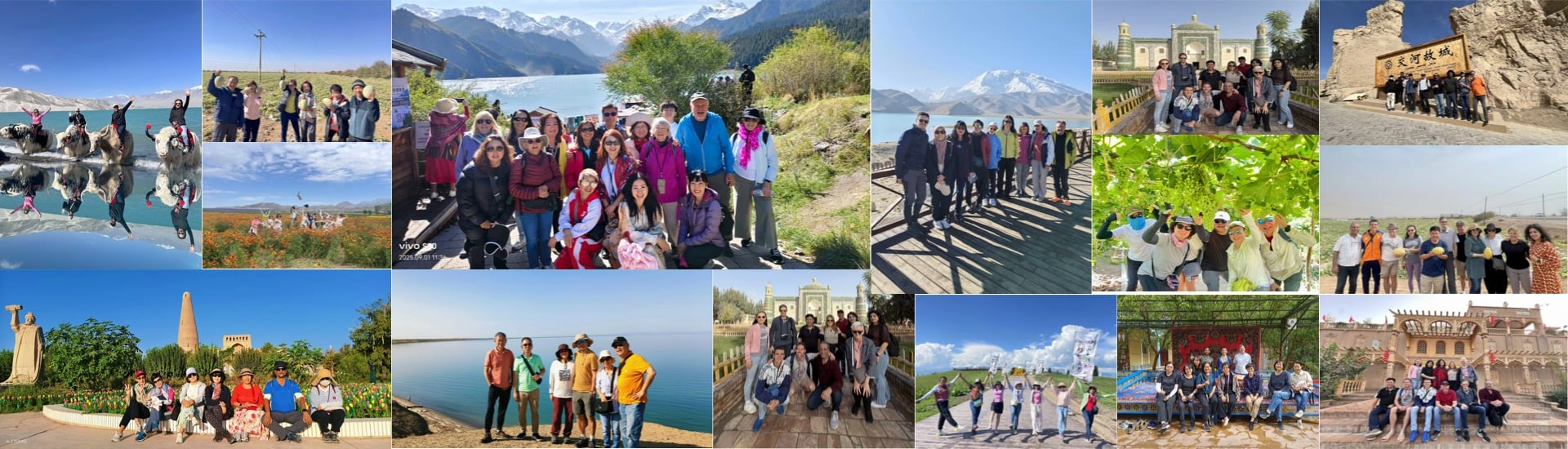
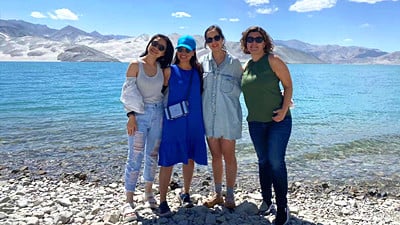
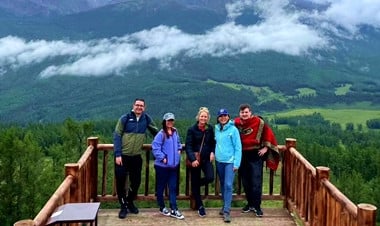
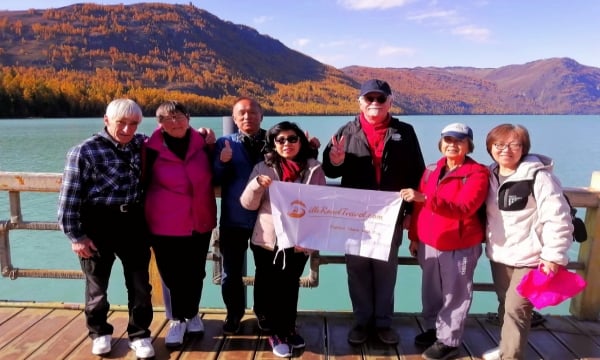
Kanas Lake
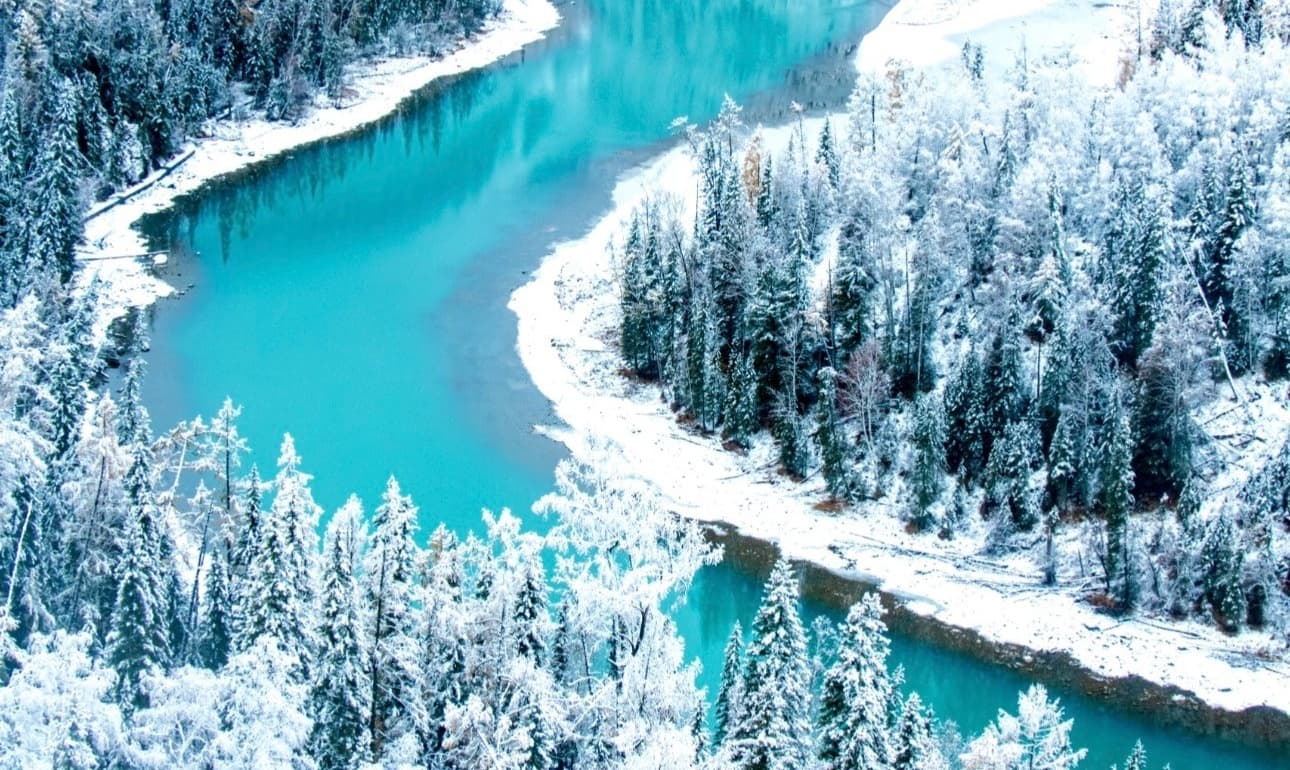
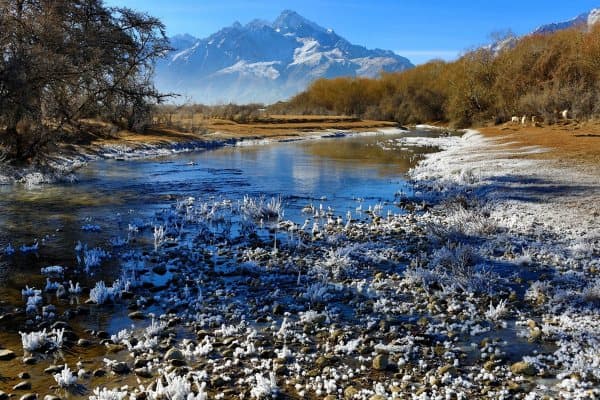
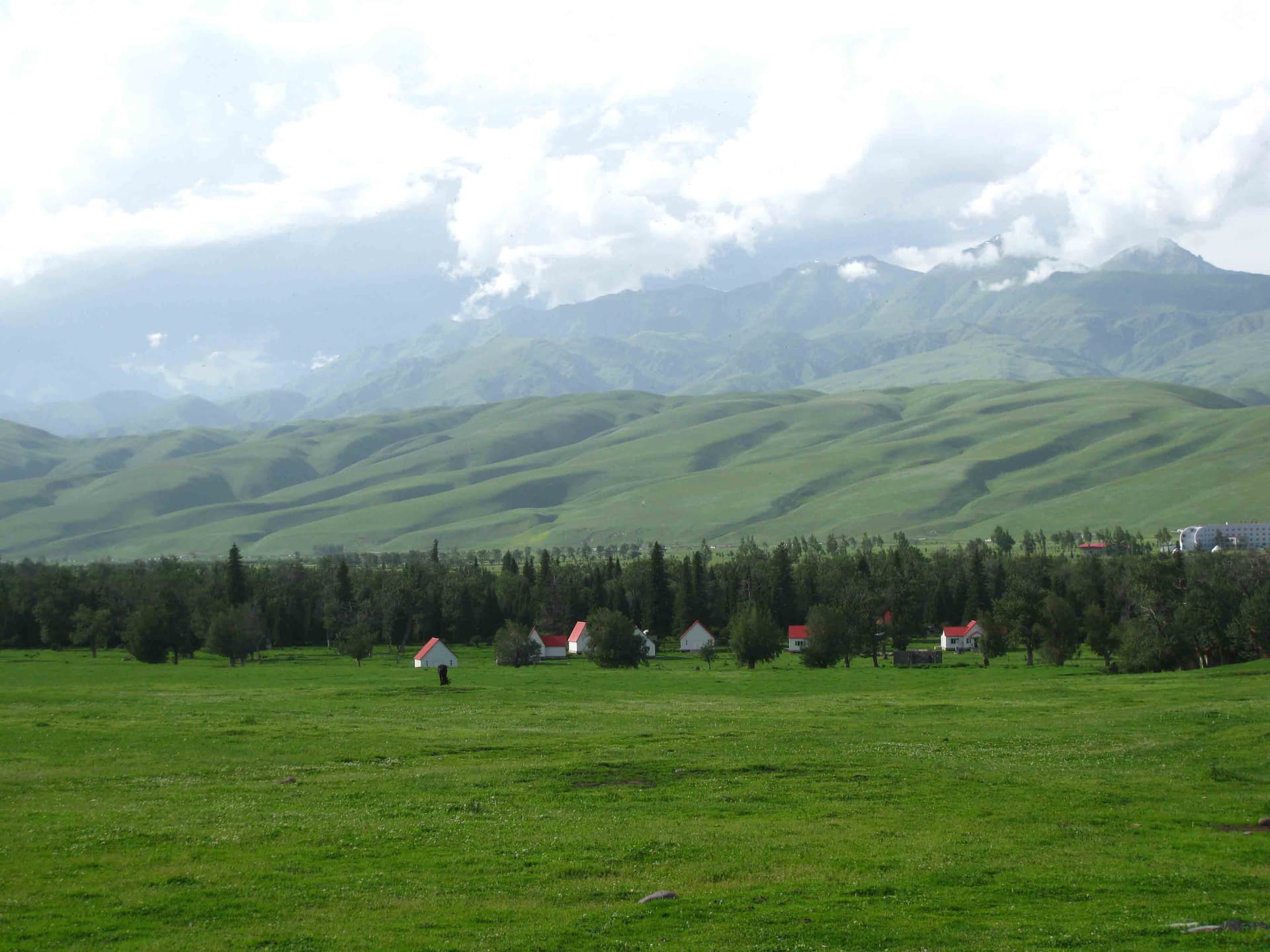
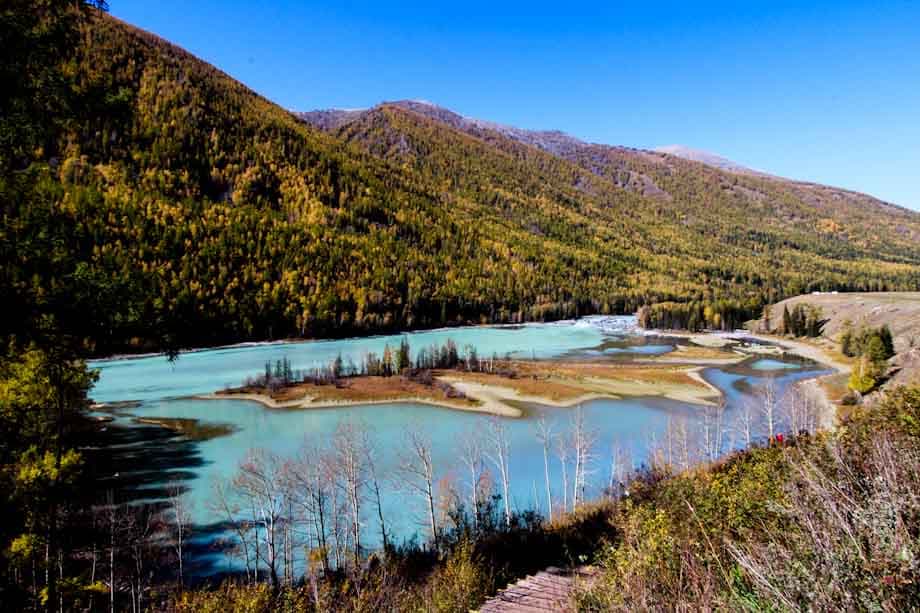
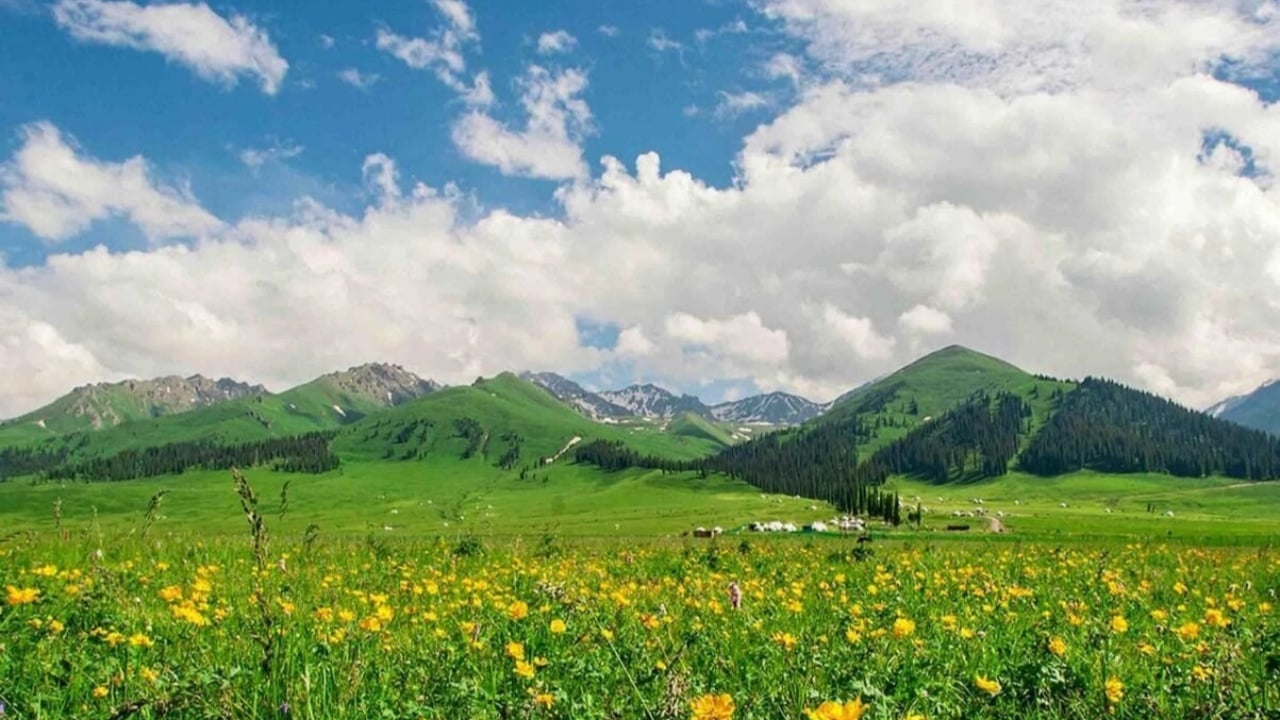
Kanas Lake lies in the Altai Mountains of northern Xinjiang, where forested slopes meet blue-green water and the Kanas River curves through broad valleys. Allow one complete sightseeing day for the lake and selected river viewpoints, or stay overnight for a less hurried visit. The lake is only part of the scenic area. Reaching Jiadengyu, the main summer gateway, still leaves an onward shuttle journey, while Hemu is a separate village requiring another transfer. Your overnight location will determine how much walking, photography and early-morning sightseeing you can realistically fit in. Content ›Understanding the Kanas Area ›What to See at Kanas Lake ›Walking and Visiting the Three Bays ›Kanas Tickets, Opening Hours and Shuttles ›How to Get to Kanas Lake ›Where to Stay in Kanas ›Best Time to Visit and What to Wear ›Kanas Lake Itinerary Ideas ›Kanas in Winter 2026–2027 ›Photography, Food and Practical Details ›Kanas Lake FAQs ›Trips Combining Kanas and Hemu Understanding the Kanas Area Altay Prefecture is the wider region; Altay City is one of its transport gateways. Neither should be confused with Kanas Airport, which is a different airport closer to the scenic area. For a first visit, think of the journey in these stages: Place Its role in your trip Altay City 阿勒泰市 A gateway with an airport, railway station and city accommodation Burqin 布尔津 A town where travellers often break the journey before heading into the mountains Jiadengyu 贾登峪 The main summer entrance and accommodation area outside the Kanas scenic area Kanas Transfer Centre 喀纳斯换乘中心 The internal transport hub for onward sightseeing and village connections Kanas Lake 喀纳斯湖 The lakeshore, boat departure area and surrounding mountain views Kanas Village 喀纳斯村 Accommodation inside the scenic area, with old and new village sections Hemu 禾木 A separate village excursion or overnight stay Baihaba 白哈巴 A border-area village requiring separate access checks On the usual approach from Jiadengyu, the road passes Wolong Bay, Moon Bay and Shenxian Bay before reaching the internal hub. The lake and village connections continue beyond this part of the journey. Hemu is not lakeside accommodation for Kanas. Similarly, a ticket mentioning Baihaba does not establish whether a foreign passport holder can enter that border area. What to See at Kanas Lake Walk beside the lake The lakeshore is the best starting point for understanding Kanas: wooded mountains rise above the water, while changing cloud and sunlight alter its apparent colour. A shoreline walk lets you stop at your own pace without committing to a climb or boat departure. From the transfer centre, follow the signed connection towards the lake. Use the open lakeside paths rather than assuming a continuous walk around the entire lake is possible. With limited time, keep this lakeshore visit and a selection of the Three Bays. Climb to Guanyutai for the wider view Guanyutai, the Fish-Watching Pavilion 观鱼台, offers an elevated view over the lake and surrounding mountains. It involves a separate uphill transport connection followed by a substantial staircase; the vehicle does not deliver you to a step-free viewing platform. Choose Guanyutai if the weather is clear and you are comfortable climbing. Allow a generous part of the day for the branch journey, queues and steps. Travellers with limited mobility may get more enjoyment from the lakeshore than from attempting the full ascent. Decide whether a boat trip adds something A boat trip brings you onto the lake, while Guanyutai shows its wider shape from above. Neither replaces walking beside the river bays downstream. Treat the boat as an optional, separately priced activity. Before paying, ask about the departure time, duration and return point, then make sure the trip leaves enough time for your onward shuttle. Wind or other operating conditions may affect departures. Spend time in Kanas Village The village’s timber houses and forest setting provide a quieter contrast to the transport hub. An overnight stay allows an unhurried walk after the busiest sightseeing hours, although the distance from your room to the lake or a bus stop depends on the property. Kanas has long been home to a Tuva community. Walk on public routes, ask before photographing people and do not enter courtyards simply because a gate is open. Stories about a creature in the lake form part of Kanas folklore. They are best enjoyed as local legends, rather than as an explanation of the lake’s wildlife. The Kanas Lake Monster Legend Stories of a mysterious creature beneath the water are part of Kanas Lake’s popular folklore. They add another layer to the experience of looking across the deep lake, but should be understood as stories rather than proof of an unidentified animal. You do not need a special excursion to enjoy this side of Kanas. Take in the wider lake from Guanyutai or spend time beside the water, where changing light and distant ripples leave plenty to the imagination. Choose a boat trip for the lake views, not the promise of a sighting. Walking and Visiting the Three Bays The Three Bays are bends in the Kanas River, not three separate sections of the lake. From Jiadengyu towards the internal transfer centre, their order is Wolong Bay, Moon Bay and Shenxian Bay; on the return journey, that order reverses. Do not assume an inbound bus offers the same sightseeing stops as an outbound service. At the transfer centre, ask which bus serves your chosen bay and where to board afterwards. Shenxian Bay: broad water and changing light Shenxian Bay 神仙湾, often translated as Fairy Bay, opens across a wider river valley. Its appeal is the combination of water, grassland and forest, with mist possible under suitable conditions. Early mist is not guaranteed, and staying inside the scenic area does not automatically provide transport before the first public bus. Arrange lawful early access before booking accommodation specifically for this photograph. Moon Bay: the river’s distinctive curve Moon Bay 月亮湾 is the most recognisable river viewpoint, with a curved channel framed by wooded slopes. The upper viewing area gives the clearest sense of its shape. Steps lead towards the lower riverside path. Decide whether to descend before committing: returning uphill takes effort, and a walk towards another bay requires a confirmed onward boarding point. Wolong Bay: islands and a lower river walk Wolong Bay 卧龙湾, or Sleeping Dragon Bay, has a broader foreground of water and wooded islands. It works well as the final bay on an outward journey towards Jiadengyu. When the connecting boardwalk is open, the Moon Bay–Wolong Bay section is a useful choice for travellers wanting a proper walk rather than three quick photographs. Allow roughly one to two hours as a planning allowance, including stops, and longer if you walk slowly. Ask about the open path and return bus before setting off. Kanas Tickets, Opening Hours and Shuttles Admission, transport and optional activities are different purchases. Before paying, establish whether your booking covers the entrance, the journeys you need and any second entry after an overnight stay outside the park. Understand the ticket categories The published admission tariffs distinguish summer and winter arrangements: Admission option Published price What to clarify Kanas peak-season admission, 1 May–15 October RMB 160, with a two-day validity period Shuttle inclusion and permitted gate entries Hemu peak-season admission RMB 50 Its separate transport arrangements Kanas–Hemu–Baihaba peak-season combined admission RMB 195, with a three-day validity period Transport charges, visit sequence and Baihaba eligibility Winter combined admission, 16 October 2026–30 April 2027 RMB 100, valid for three days Vehicle arrangements and whether your sightseeing dates fit the validity A validity period is not the same as an unlimited transport pass. A night in Jiadengyu may require leaving and re-entering the scenic area; a night inside Kanas Village creates a different pattern of gate crossings. Guanyutai transport, boat trips and other optional activities should be checked separately. Do not assume that a package described simply as a “Kanas ticket” includes them. Buying tickets with a foreign passport The official booking channels include the WeChat accounts or services named 喀纳斯景区 and 原行网. Staffed visitor-centre counters also assist visitors who cannot complete online booking. Before travelling, ask the ticket office or your booking agent to confirm the passport-booking arrangement and availability for your dates. Carry the original passport used for the reservation. If an online form only accepts a Chinese identity-card number, obtain staff assistance rather than entering an unsuitable document number. Opening times are not all the same The summer operating notice gives an 08:00–20:00 entry and exit transport window, while village buses operate later, until midnight. A late village bus is not a late service back to Jiadengyu. Confirm the final departure from the stop you will actually use, especially before a long walk or boat trip. Guanyutai, boat services and other branches have their own operating arrangements; the general entry window does not guarantee access to every activity until closing. Hemu has the same distinction between village life, ticket checks and transport. Restaurants may still be serving after the practical window for entering or leaving by shuttle has ended. How to Get to Kanas Lake Choose your arrival gateway before booking the mountain accommodation. A flight or train arrival still needs a road transfer, followed in the summer shuttle season by the journey from Jiadengyu into Kanas. From Urumqi Flying to Altay can reduce the long overland journey from Urumqi. Rail services towards Altay or Beitun offer another approach, but neither station is at the scenic entrance. For an overland tour from Urumqi, allow a separate travel day or break the journey with other northern Xinjiang stops. Do not count the day you leave Urumqi as a full Kanas sightseeing day. From Altay City or Beitun Arrange a road transfer from the correct airport or railway station to your overnight base. Confirm whether the booking ends in Burqin, at Jiadengyu, or at a property that needs another connection. Allow much of the day for reaching the mountain area, especially with luggage, meal stops or winter conditions. A driver’s estimate of road time does not include the entrance queue, shuttle wait or final journey to your room. From Burqin or Kanas Airport Burqin works well as a staging point before an early departure towards Jiadengyu. It is less convenient for repeated visits to the lake because each day involves another mountain-road journey. Kanas Airport can be useful when suitable flights are operating on your dates. Check the exact flight and onward transfer together; do not assume an airport bus connects with every arrival or that the airport serves your chosen winter dates. From the entrance to your room In the summer shuttle arrangement, the normal sequence is: Reach Jiadengyu and complete ticket and identity checks. Take the scenic shuttle to the Kanas Transfer Centre. Change to the appropriate lake or village connection. Walk to your accommodation or use an agreed pickup. The main shuttle ride is only one part of this journey. Send your host your arrival time and ask for the correct stop, walking distance and luggage assistance. A private car booking to Jiadengyu does not automatically include delivery to a cabin inside Kanas. Where to Stay in Kanas Stay inside the scenic area if time around the lake matters most. Choose Jiadengyu for a base near the entrance, or Burqin when you need to break a longer journey rather than maximise early sightseeing. Base Main advantage Main compromise Kanas Village More time inside the scenic area before and after day visitors Additional village connection and property-specific access Jiadengyu Convenient for an early start at the main entrance Repeated entrance journeys if visiting on consecutive days Burqin A practical stop on a wider road trip Too far away for convenient early lakeside photography Hemu A separate village stay with its own walks and viewpoints Requires another transfer; it is not beside Kanas Lake Choosing a room inside Kanas Ask whether the property is in the old or new village, then obtain its exact map pin and nearest operating bus stop. “Inside Kanas” is not precise enough to judge the walk with a suitcase. Confirm dinner availability if arriving late and whether breakfast can be prepared before an early outing. In winter, ask about room heating, hot water, private bathrooms and pickup from the permitted vehicle drop-off point. Photographs of a timber exterior do not establish the comfort of the room. When an overnight stay is worth it One night inside Kanas is particularly useful if you want both a lake visit and a longer river walk. It also avoids spending both days travelling through the entrance, although early access to specific photography spots still needs arranging. For a wider trip, consider a separate night or two in Hemu. The Hemu Village guide explains its entrance transfers and accommodation choices in more detail. Best Time to Visit and What to Wear Choose summer for longer walks, September for the possibility of autumn colour, and winter for snow-covered forest and village scenery. Spring and late autumn require more flexibility because the landscape and available services are between seasons. Summer: longer walks and green valleys June to August generally suits lakeside walking and time on open boardwalks. Rain and cool mornings are still possible, particularly beside the water and at higher viewpoints. Wear comfortable walking shoes and carry a waterproof layer. A light fleece is useful for an early shuttle or a breezy boat trip; pack it where you can reach it rather than in luggage left at your hotel. Autumn: colour, cold mornings and busy dates September is the main period to consider for autumn photography, but colour develops differently with altitude, weather and tree species. A particular weekend cannot guarantee the same scene shown in last year’s photographs. Bring insulating layers, gloves and a windproof outer layer for waiting at viewpoints. Shoes with good grip matter on wet leaves and frosty boards. Book your chosen overnight location early if it is essential to the photographs you want. Winter: shorter outings between warm stops Winter sightseeing works better as several manageable outdoor sessions than one long walk. Wear insulated footwear with good grip, thermal layers, a warm coat, gloves and a hat that covers your ears. Keep spare gloves and a warm layer accessible in the vehicle. Remove some insulation indoors to avoid becoming sweaty before returning outside. Summer walking routes and activity lists should not be treated as a winter checklist. Spring and late autumn: plan around what is operating Snowmelt, fresh snow or ice may affect paths and roads during the transition months. Choose these dates for their particular landscape rather than assuming they offer the same itinerary at a lower price. Confirm accommodation, meals and transport together before committing to a stay deep inside the mountain area. Kanas Lake Itinerary Ideas Places to Combine with Kanas Lake Hemu is the most natural addition if you want a separate village stay alongside your lake visit. Allow time for the road journey and its own entrance arrangements. Staying overnight gives you more time for village walks than arriving late and leaving the next morning. Burqin serves a different purpose: it is a useful overnight stop before entering or after leaving the mountains. Choose it to break up the journey, rather than as a convenient base for repeated visits to Kanas Lake. Keketuohai belongs in a longer northern Xinjiang itinerary. It adds a different mountain landscape, but also a substantial transfer; do not squeeze it into a short Kanas and Hemu trip simply because all three places are in Altay Prefecture. Baihaba requires a separate decision. Foreign passport holders should only add the village after the responsible authorities confirm access and the necessary arrangements for their dates and approach route. A Kanas and Hemu itinerary is complete without it. One full day, starting at Jiadengyu Previous night: Jiadengyu. Finish: Jiadengyu or an onward road transfer arranged after the visit. Enter early and take the shuttle to the internal transfer centre. Begin with the lakeshore, then have lunch before travelling outward through Shenxian Bay, Moon Bay and Wolong Bay. Choose either a longer Moon Bay–Wolong Bay walk or an additional activity such as Guanyutai. Trying to include the pavilion, a boat trip and an extended river walk makes the day vulnerable to queues and missed connections. This is a full day beginning at the entrance. It is not the same as leaving Altay City that morning and returning there that night. Two days with one night inside Kanas Day 1: Start at Jiadengyu, enter the scenic area and leave luggage with your accommodation by prior arrangement. Visit the lake and, if conditions and time suit, choose Guanyutai or a boat trip. Stay in Kanas Village. Day 2: Take a short village or lakeside walk, collect your luggage and travel outward through the Three Bays. Arrange luggage handling before committing to a boardwalk walk. Continue to Jiadengyu and your next overnight stop. If staying in Jiadengyu instead, confirm the admission and shuttle arrangements for two separate entries. You gain an entrance-side base but spend more time on repeated transport. Kanas and Hemu over four days Previous night: Jiadengyu, with the journey from your arrival gateway already completed. Day 1 — Kanas Lake: Visit the lake and one additional activity, then stay inside Kanas. Day 2 — Three Bays and the transfer to Hemu: Make selected bay stops while leaving Kanas. Continue by road to the Hemu entrance and complete its separate entry connection. Stay in Hemu. Day 3 — Hemu: Keep a full day for village walks, the river and an open viewpoint. A second night avoids turning the visit into little more than an arrival and departure. Day 4 — Leave the mountains: Travel towards Burqin or Altay, allowing for the entrance transfer and road journey. Day 2 is the most easily overloaded. Choose short bay stops rather than a long walk if the Hemu connection requires an earlier departure. With one less day, shorten the Hemu stay rather than adding another village to an already tight route. Kanas in Winter 2026–2027 The 2026–2027 winter operating season runs from 16 October 2026 to 30 April 2027. Kanas is not simply closed until May, but an operating scenic area does not mean every road, viewpoint or summer boardwalk is available each day. Winter self-drive sightseeing requires a four-wheel-drive vehicle fitted with snow tyres. This is a vehicle requirement, not proof that a road is safe to use in all weather. For visitors unfamiliar with snow-covered mountain roads, arrange a suitably equipped vehicle and an experienced winter driver. Hemu uses a separate vehicle-reservation arrangement. Vehicles without the required reservation must park at the visitor centre and use scenic-area transport. Agree the final accommodation transfer before travelling, particularly if carrying large suitcases. Day Main plan Overnight 1 Arrive in Altay and prepare for the mountain journey Altay City 2 Travel into the Kanas area; keep sightseeing light after arrival Kanas 3 Visit accessible lake, village and river viewpoints with warm breaks Kanas 4 Transfer to Hemu, leaving time for road controls and arrival arrangements Hemu 5 Explore accessible village routes and spend time outdoors according to conditions Hemu 6 Return to Altay, keeping this day free of a fixed onward flight Altay City 7 Depart by the booked flight or train — This example uses four scenic-area days, so do not assume the three-day winter admission product covers the entire stay. Ask for the appropriate admission arrangement when confirming the route. If you have fewer days, choose Kanas or Hemu rather than removing the return buffer. The final night in Altay gives more protection against a delayed mountain departure than a same-day drive from the village to the airport. If snow disrupts the route If a viewpoint or branch road closes, shorten the outing and use accessible village areas instead. If the mountain approach closes before departure, remain in Altay or your current town and postpone the transfer; changing to another mountain village may involve the same affected roads. Do not walk onto an unopened frozen lake or river to replace a cancelled activity. Confirm meals and heating with the booked accommodation, since winter stays depend as much on reliable indoor arrangements as on scenery. For a trip that also includes skiing, the Altay winter travel guide helps separate city-based ski days from the Kanas and Hemu mountain journey. Photography, Food and Practical Details Choose photographs that fit your transport Location What it offers Practical consideration Kanas lakeshore Water, forest and mountain reflections Accessible shoreline sections are a useful alternative to a climb Guanyutai A wider view over the lake Requires branch transport and stairs; visibility matters Moon Bay upper viewpoint The river’s distinctive curve Easier to fit into a short visit than the lower boardwalk Wolong Bay River islands and forested banks Works naturally towards the end of an outward bay visit Shenxian Bay A broad valley, changing light and possible mist Early transport must be arranged before promising dawn photographs Kanas Village Timber buildings in their mountain setting Stay on public paths and ask before photographing residents Use designated viewing areas and keep steps and boardwalks clear when stopping. A drone is not essential for these photographs; do not plan a flight without explicit confirmation of the applicable local rules and permissions. Fit meals and luggage around the route Eat before starting an extended bay walk and carry drinking water and a simple snack. Food availability at an individual viewpoint should not determine whether you can complete the route comfortably. For an overnight stay, tell your host about dietary restrictions and ask when dinner finishes. If leaving before breakfast service, arrange food the evening before rather than assuming a café will be open. Visitor service points offer assistance with luggage storage, but confirm the location and collection hours before leaving bags. Use toilets at staffed centres or established stops before a longer walk; do not assume facilities exist throughout a boardwalk section. With children or anyone who tires easily, use short viewpoint visits and keep the lakeshore as the main walk. Guanyutai and lower riverside steps can be omitted without losing the essential lake-and-river experience. Kanas Lake FAQs Is one day enough for Kanas Lake? One complete day starting at Jiadengyu is enough for the lakeshore and selected bay stops. Stay overnight if you also want a longer walk, Guanyutai or more flexible photography time. Which part of the Three Bays can I walk? The Moon Bay–Wolong Bay boardwalk is a practical option when open. Confirm the path and onward boarding point before descending, rather than assuming every section is accessible in every season. Does staying inside Kanas guarantee access to morning mist? No. It reduces entrance travel, but Shenxian Bay may still require an early transport arrangement. Mist itself depends on the weather. Are admission and shuttle tickets separate? They are different ticket components, although sellers may package them together. Check the inclusions rather than comparing headline prices alone. Can I leave and enter again the next day? That depends on the admission and transport product purchased. Explain that you are sleeping outside the scenic area and need another entry before paying. Is Hemu close enough to include in a Kanas day trip? Treat Hemu as a separate excursion with another road journey and entry connection. An overnight stay is more rewarding than squeezing it into a full Kanas sightseeing day. Can foreign passport holders visit Baihaba? Do not include Baihaba until the responsible local authorities confirm access and the required arrangements for your passport, dates and approach route. A combined scenic ticket is not permission to enter a border area. Can I visit Kanas from Altay and return the same day in winter? It is a poor choice for a first visit. Winter road travel and limited daylight leave little flexibility; stay in the mountain area and allow a separate return day. Can I visit Kanas without driving? Yes. Arrange transport to Jiadengyu or your winter accommodation through a suitable transfer service or tour. During the summer shuttle season, use the scenic buses for the internal journey. Do I need a boat trip to enjoy the lake? No. The shoreline and Guanyutai provide different views without a boat trip. Choose the boat if you want time on the water and its departure fits your remaining transport connections. Trips Combining Kanas and Hemu Explore itineraries combining Kanas Lake and Hemu with other northern Xinjiang stops. Compare the time allowed for mountain transfers, lake walks and village stays, and confirm the overnight locations before choosing a route that suits your pace. The seven-day Kanas and Hemu itinerary also includes Keketuohai and begins and ends in Urumqi. It suits travellers wanting a broader northern Xinjiang road trip. Before booking, confirm whether each Kanas-area night is inside the scenic area or at Jiadengyu, and how much independent walking time the schedule allows.
Read more >