
20 years of pioneer in xinjiang tourism for overseas travelers
Born Here, Know Best, Your Journey's Blessed
No Shopping. No Detour, 99% Excellent Review

contact UsOn Wechat
Xinjiang sits deep in the heart of the Eurasian continent. It's dry with little rain, has big temperature swings between day and night, and a long winter. This environment shaped two main features of the local food culture.
First, food needs to last. Naan bread, smoked horsemeat sausage, raisins, and dried apricots all came from the need to deal with uneven supplies across seasons. Naan can sit for months in the dry air without going bad, making it a reliable food for nomads and long journeys.
Second, people learned to make the most of what they had. Lamb is the main meat, cooked either fast at high heat—grilled, seared—or slow at low heat like stewing and braising. Hand-grabbed lamb is seasoned with nothing but salt, and can be made into dried jerky.
Core Characteristics
Xinjiang's food culture has two clear patterns.
For noodles and bread, naan is the absolute staple, while laghman (hand-pulled noodles) represents everyday meals at home. Naan is more than just food—it has a social role. In Uyghur tradition, breaking and sharing naan is a ritual act of showing closeness and trust.
For meat, lamb dominates completely. It shows up in everything from street kebabs to festive feasts of hand-grabbed lamb, whether on a regular day or during celebrations. Among the Kazakhs, horsemeat (sausage made from horse meat) is a typical part of nomadic tradition and represents the eating habits of the pastoral areas north of the Tianshan Mountains.
Must-Try List
Today, Xinjiang cuisine has become a major flavor in China. On the menu are meat and vegetables, cold dishes and hot dishes, noodles, tea and alcohol, and of course the barbecue.
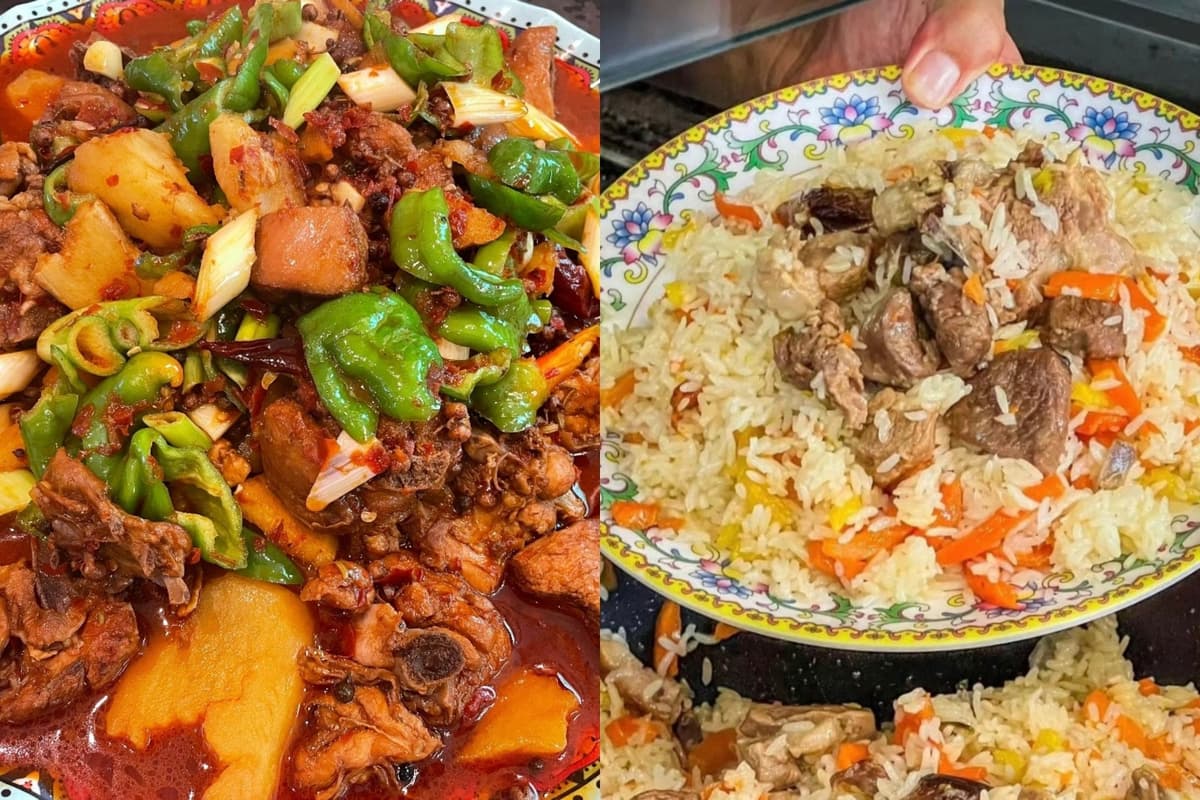
Big Plate Chicken
A signature dish beloved across Xinjiang. Tender whole chicken is cut into pieces, stewed over high heat with potato chunks, green and red peppers, chilies and spices. Wide wheat noodles or starch sheets are added at the end to soak up the sauce. The chicken is soft and flavorful, potatoes are smooth and sweet, with a rich, spicy, brightly colored broth. Generous enough for sharing, it blends Xinjiang’s bold spiciness with Sichuan-style numbing heat, making it a top choice for first-time visitors.
Polo
Known as Polo in Uyghur. Braised with lamb, rice, carrots, onions and spices. The rice glistens, lamb is tender, and carrots lend a natural sweetness. Traditionally eaten by hand (now usually with a spoon), it is highly nutritious and a fine feast for guests, full of warm ethnic character.
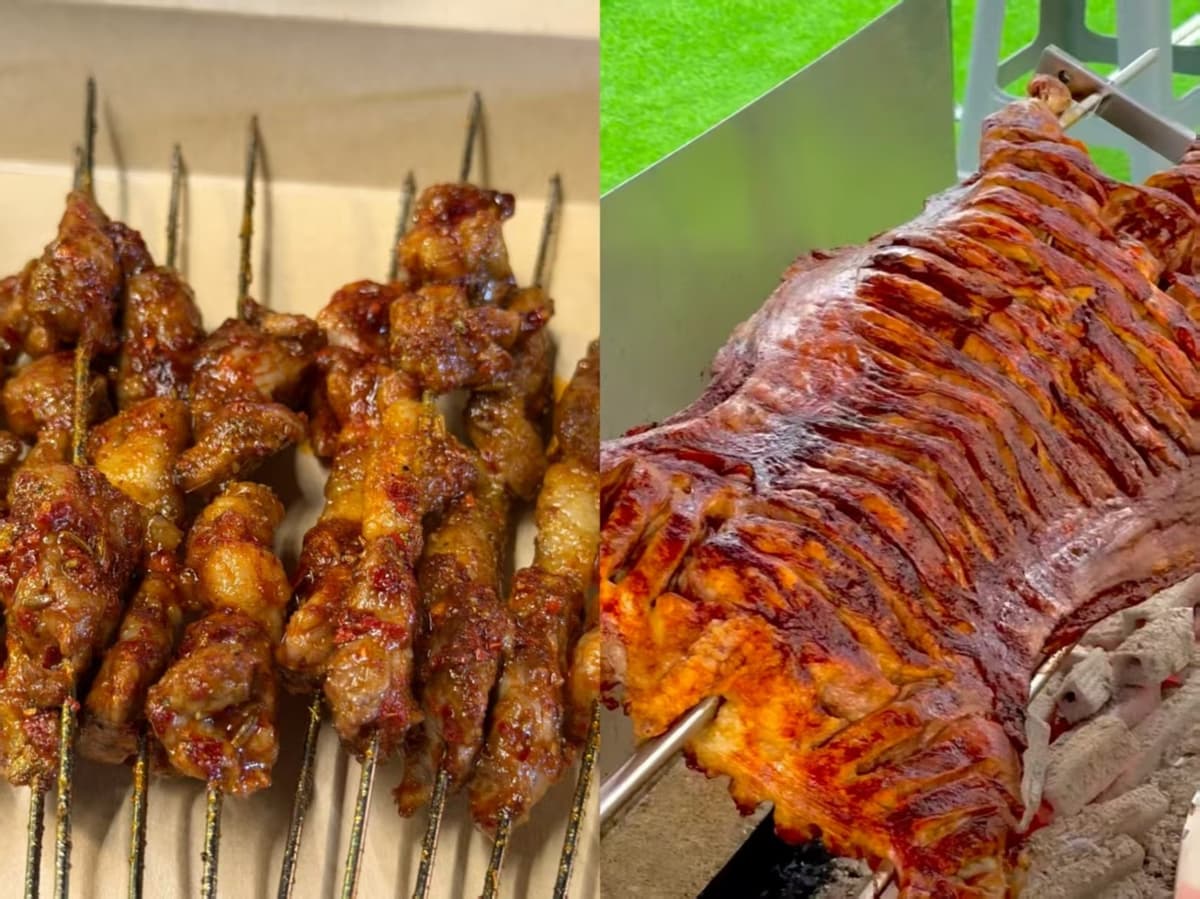
Lamb Kebabs
The taste of street life in Xinjiang. Marbled lamb chunks are skewered and charcoal-grilled until crispy outside and juicy inside, seasoned with cumin, chili flakes and salt. Tender and free of gaminess, with an irresistible aroma. A must-have street food to enjoy the lively vibe of day markets and night bazaars.
Roast Whole Lamb
The highest ceremonial dish in Uyghur hospitality. A whole lamb is marinated with secret spices, then slow-roasted in a naan pit with fruit wood. Golden and crisp on the outside, tender and juicy inside with almost no gaminess. Ideal for groups and festivals, representing Xinjiang’s warmth and generosity.
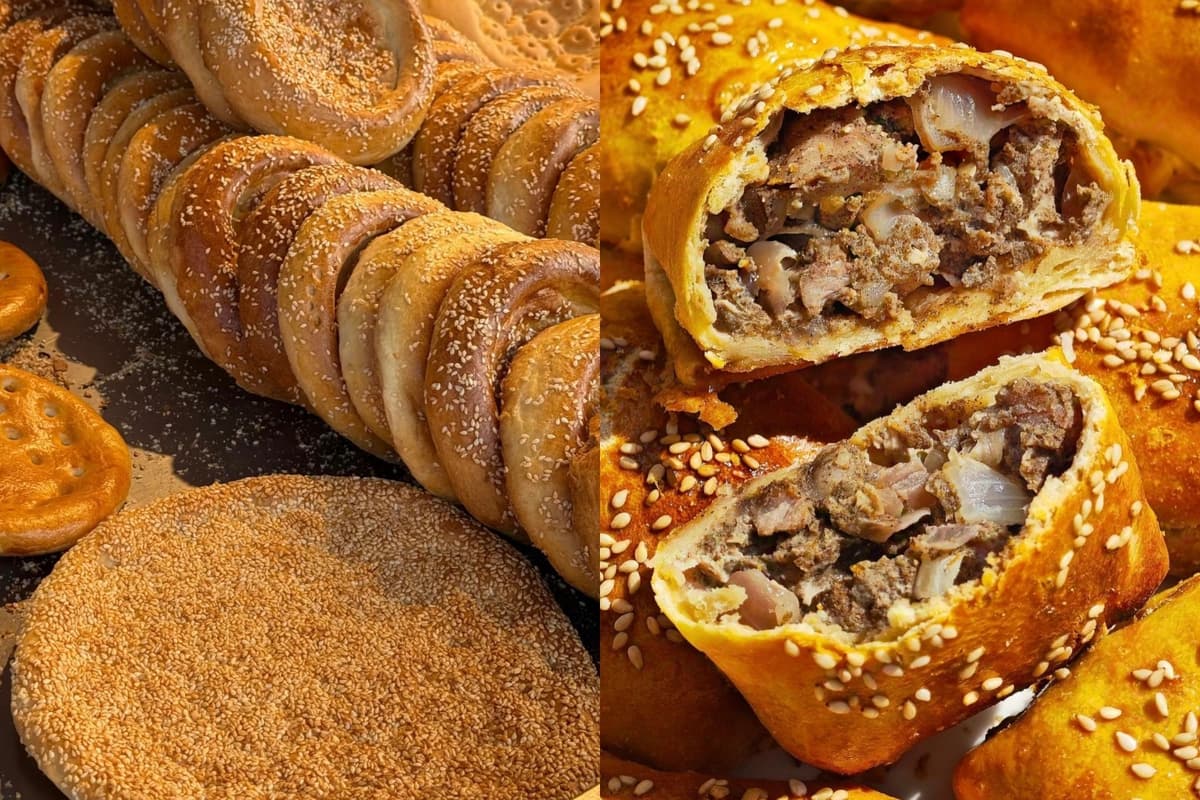
Naan
The “naan” is part of Xinjiang people's ever meal. It looks like an average baked pancake, but is actually made with special procedures, and tastes different. A good naan is made with water, egg and milk. The naan is shaped like a plate, but is thicker on the rim and thinner in the center, with a beautiful texture on the surface. The thick part tastes tender and the thin part is crispy. The mixed taste of tenderness and crispiness is the charm of a naan. As a symbol of Xinjiang cuisine, naans are various-the naan stuffed with meat in Hotan; the thin naan in Keping; the crispy and soft “oil naan”; as well as the fresh-smelling naan made of corn flour.
Samsa (Roast Bun / Kao Baozi)
A classic street snack. Wrapped with lamb, onions and spices in dough, then baked in a naan pit. Golden and flaky outside, juicy and aromatic inside. Rich in texture, portable and satisfying, a common Uyghur flavor found in bazaars and restaurants.
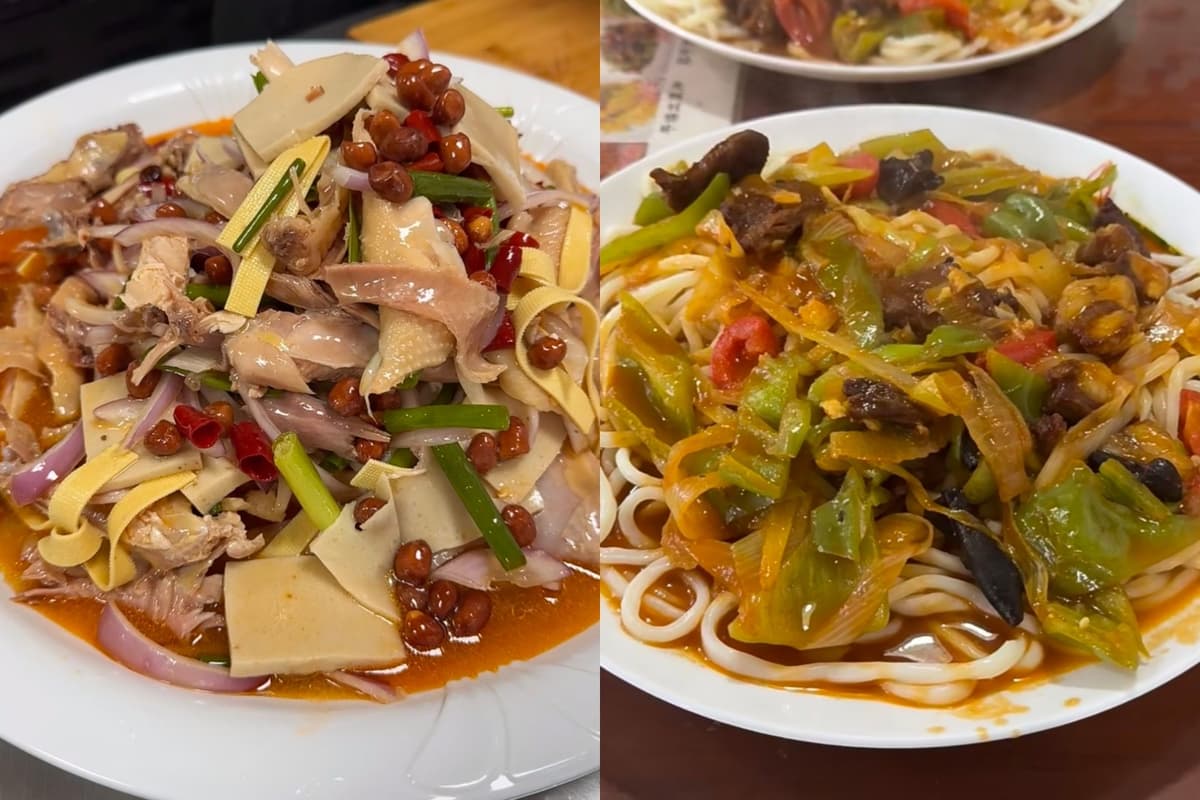
Spiced Chili Chicken
A spicy and appetizing chicken dish. Shredded or chopped chicken mixed with chili, Sichuan peppercorns and other spices, smooth, numbing, spicy and full of flavor. Bold and hearty, often served as a cold dish or side with rice, popular with locals and tourists alike.
Laghman (La Tiaozi /Hand-Pulled Noodles )
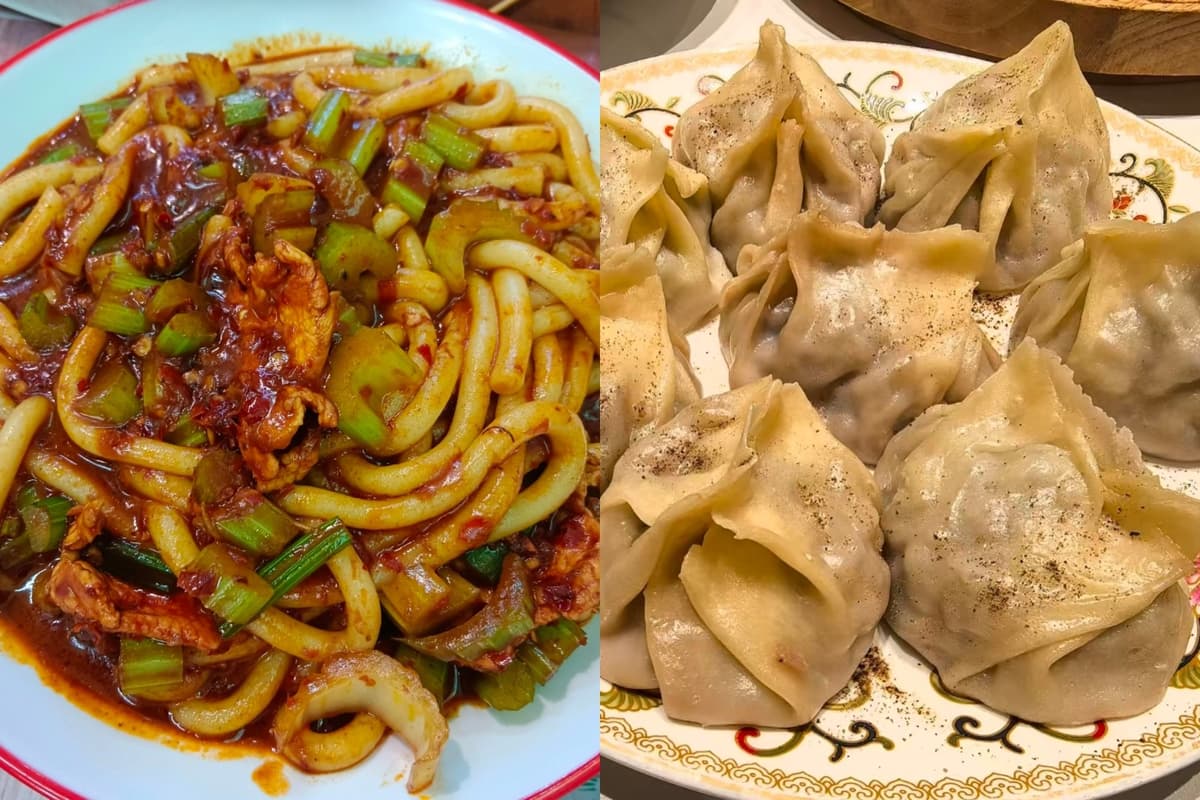
Xinjiang’s signature wide hand-pulled noodles, springy and firm. Served with stir-fried meat, vegetables, lamb sauce or fried pork. Chewy noodles in rich broth, a quick and delicious daily meal. Often paired with big plate chicken or grilled meat, showcasing Xinjiang’s noodle culture.
Stir-Fried Rice Vermicelli
A popular Xinjiang snack. Rice noodles stir-fried over high heat with fresh vegetables and meat. Every strand absorbs the sauce, smooth, flavorful and boldly spicy. Affordable and widely loved at night markets and street stalls, perfect for visitors seeking a lighter local taste.
Thin-Skin Bun
A classic Uyghur steamed bun. Paper-thin wrapper filled with lamb, onions and spices. Thin-skinned with generous filling, juicy and fragrant when steamed. Often eaten for breakfast or as a snack, delicate and iconic among Xinjiang’s buns.
In Xinjiang’s food culture, etiquette is deeply tied to cuisine.
Collectivity: Naan is broken and shared by hand; hearty dishes such as big plate chicken are meant for group eating; pilaf is served in large platters. All reflect a dining ethic centered on sharing. On traditional occasions, the host offers the most prized cuts of lamb—such as the head and ears—to selected guests. This act serves as both a gesture of respect and a tangible expression of social relationships.
Modest Hospitality: It is common for hosts to offer unlimited noodles and refill tea constantly to ensure guests are well-fed. Such warmth involves no unnecessary extravagance, but a sincere wish to never let guests go hungry.

