20 years of pioneer in xinjiang tourism for overseas travelers
Born Here, Know Best, Your Journey's Blessed
No Shopping. No Detour, 99% Excellent Review

contact UsOn Wechat
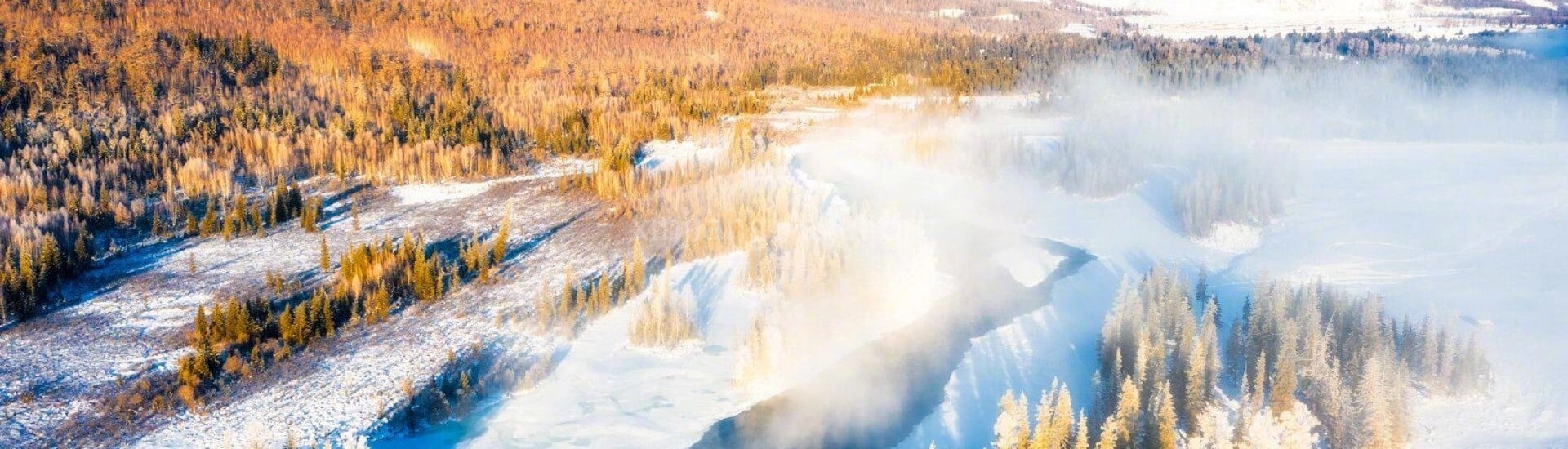
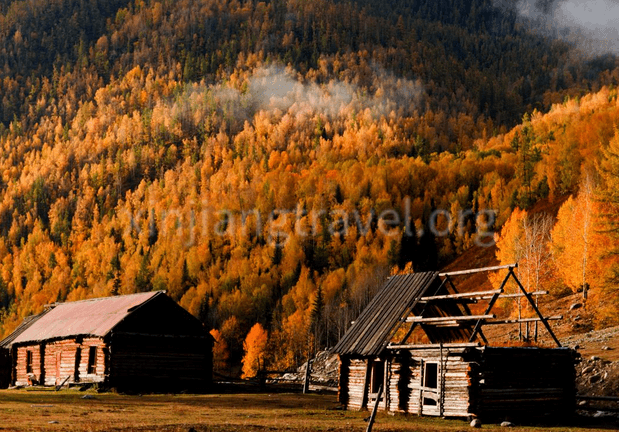
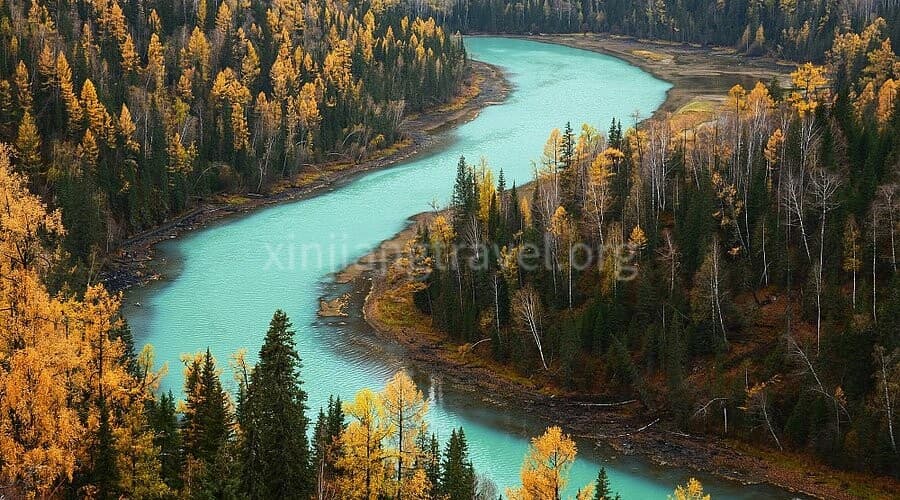
Urumqi - Kuitun - Burqin - Kanas - Hemu - Fuhai - Keketuohai - Urumqi
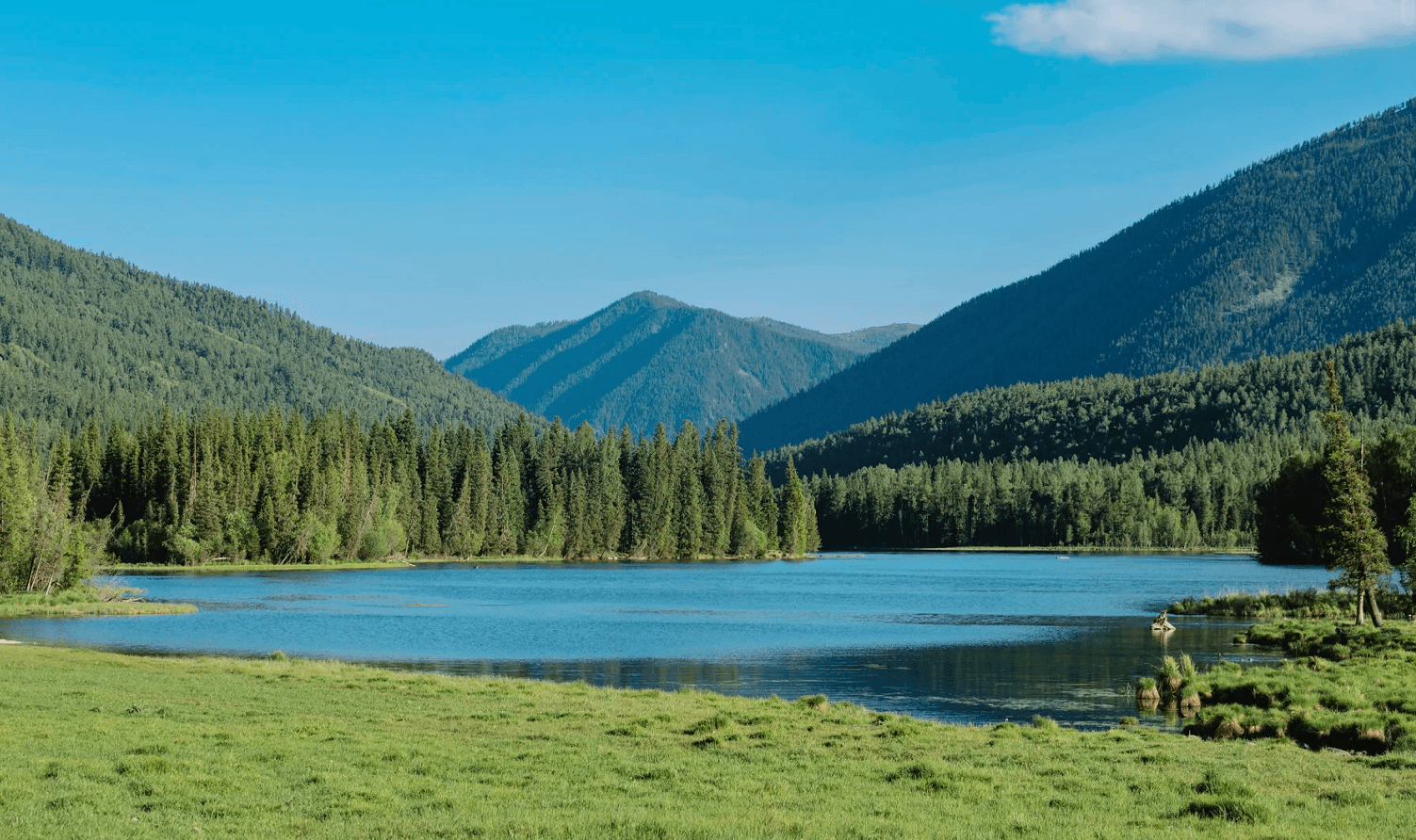
Discover the breathtaking landscapes, colorful geological wonders, alpine lakes, forests, grasslands, and ethnic cultures of Northern Xinjiang on this unforgettable journey through Urumqi, Kanas, Hemu, Burqin, and Keketuohai.
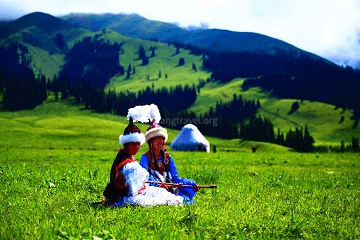
Urumqi - Dushanzi - Yining - Zhaosu - Tekes - Gongliu - Nalati - Kuitun - Urumqi
Explore the best of Northern Xinjiang on a Duku Highway tour featuring Yili, Nalati, Zhaosu and Tekes. Discover grasslands, canyons and stunning mountain scenery.
Urumqi-Kuitun-Burqin-Kanas-Hemu-Fuhai-Keketuohai-Urumqi-Turpan-Urumqi
Explore Xinjiang with this 10-day travel itinerary covering Kanas, Hemu, Keketuohai, Turpan and Urumqi. Discover alpine lakes, forests, grasslands, Silk Road history and unique cultures.
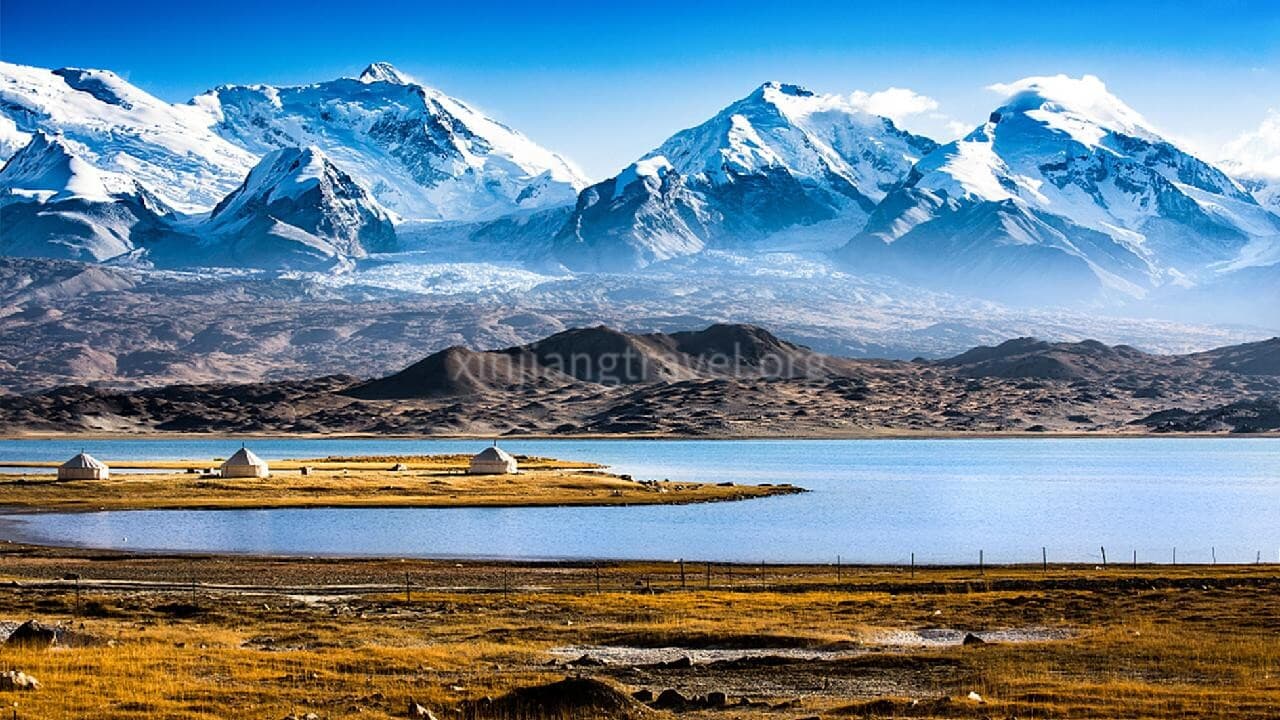
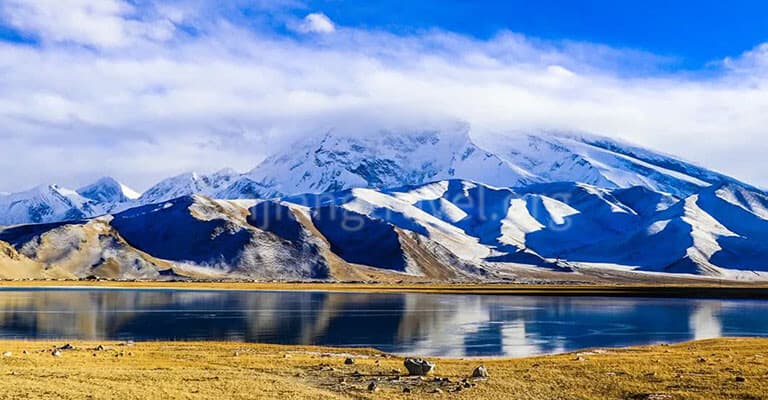
Kashgar-Karakul Lake-Taxkorgan-Nalati-Yining-Jinghe-Urumqi-Turpan
A 13-day Xinjiang tour covering Kashgar, Yili and Urumqi. Discover the Pamir Plateau, Silk Road culture, Ili grasslands, Kanas scenery and the diverse landscapes of Northern and Southern Xinjiang.
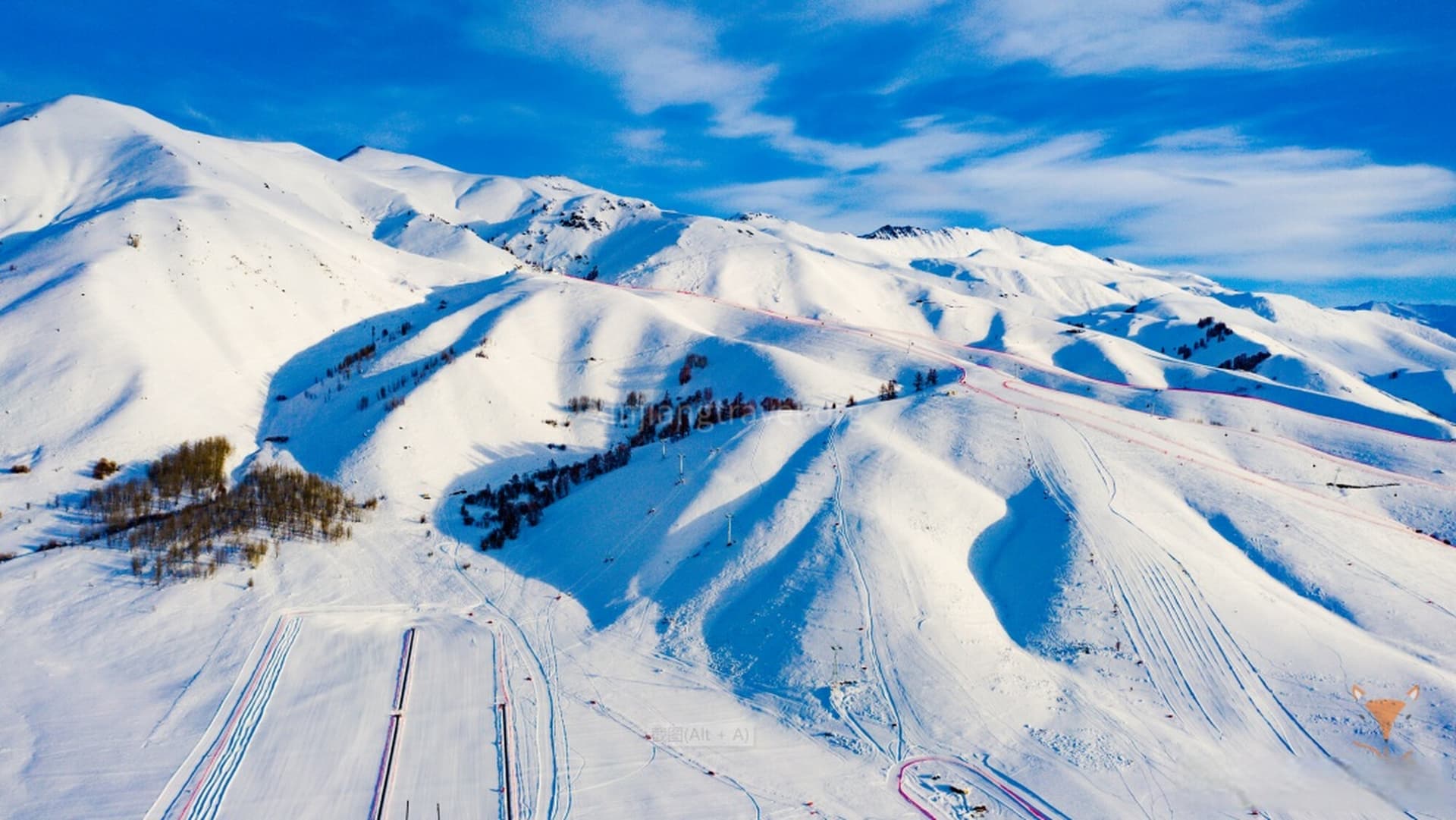
Urumqi - Fuhai - Hemu - Kanas - Urho - Urumqi
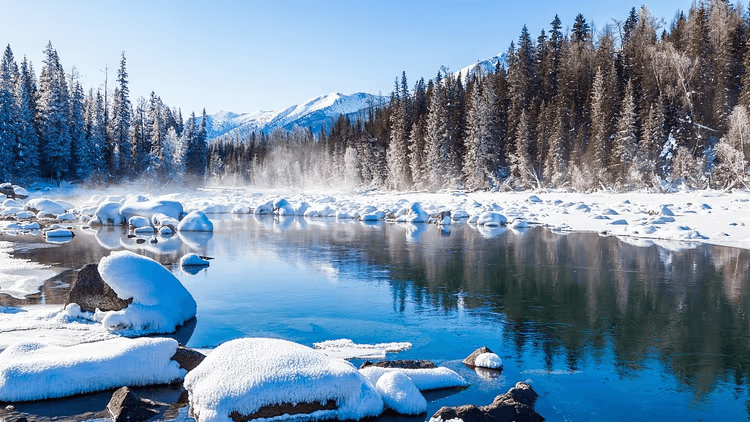
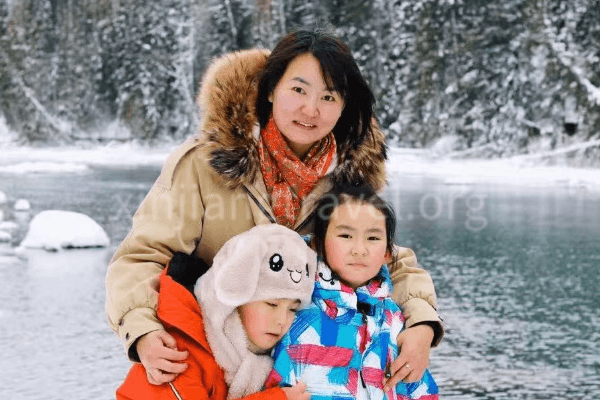
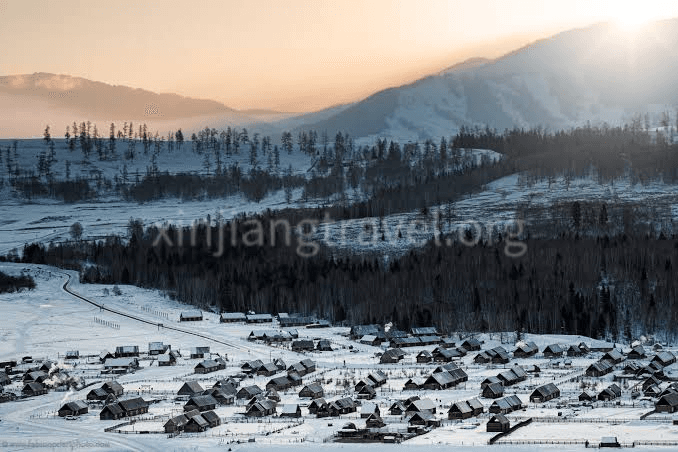
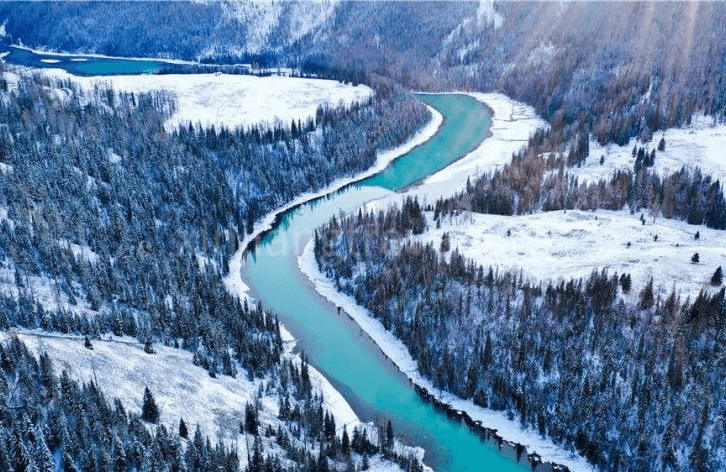
Experience the magic of North Xinjiang in winter on this 8-day tour. Explore the snow-covered Hemu village, hike the icy Three Bays of Kanas, marvel at Ulungur Lake, and discover the Urho Ghost City. A serene winter wonderland awaits you.
Xinjiang is a region of modern cities, oasis towns, mountain pastures and deserts, with daily life that changes noticeably between Urumqi, Ili and Kashgar. It is known for its Silk Road heritage, grasslands, mountain scenery and food, but no single landscape or city tells the whole story.
This is Xinjiang, my beloved hometown.
For a first introduction, it helps to look at three different places. Urumqi shows the scale and pace of a regional capital. Ili brings together valley towns, farmland and high summer pastures. Kashgar reveals another side of Xinjiang through its old-town streets, workshops and long history of trade.
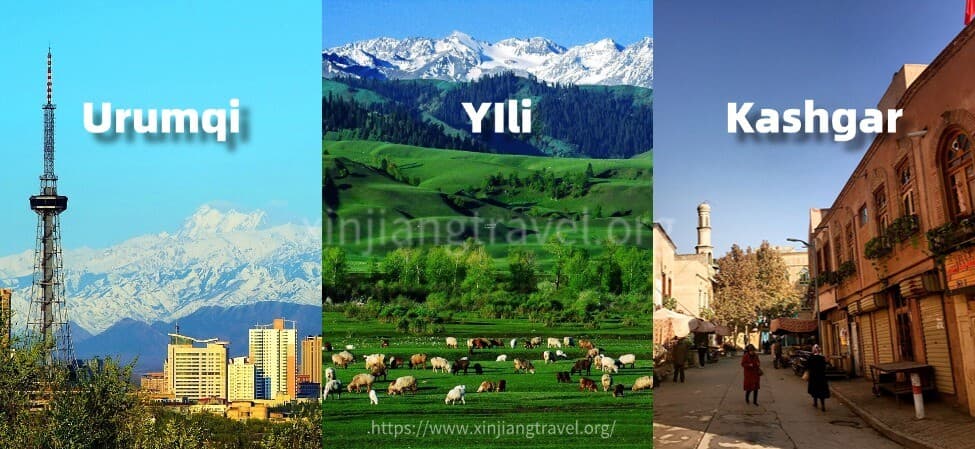
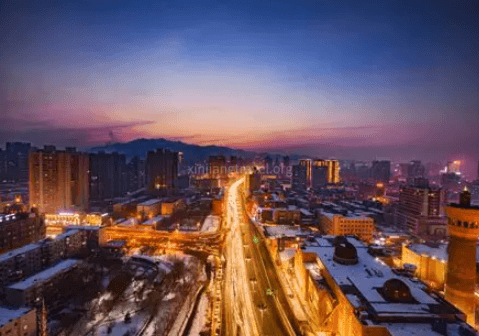
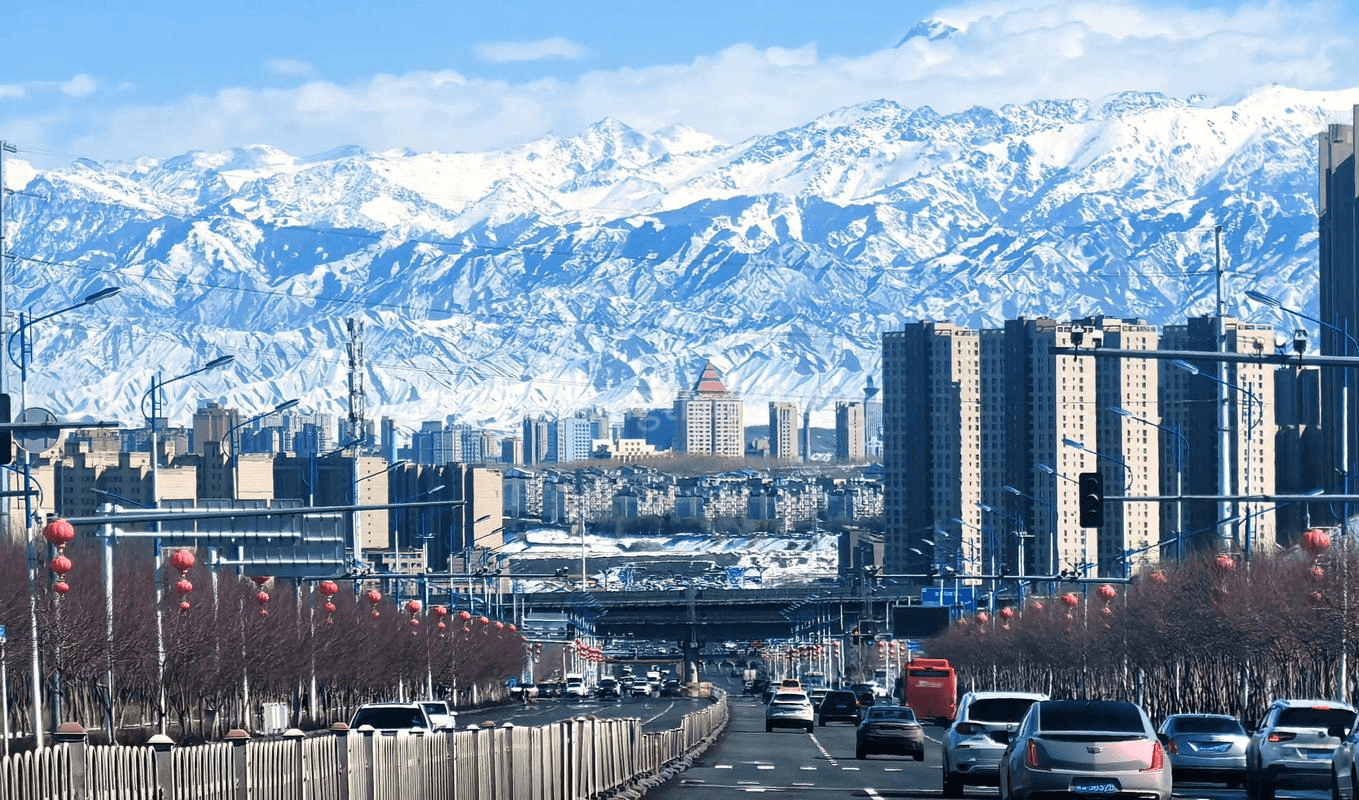
Urumqi is Xinjiang’s capital, with apartment blocks, shopping streets, public transport and the ordinary routines of a large city. Visitors expecting only desert or remote settlements often find that the city changes their first impression of the region.
Around the International Grand Bazaar, stalls and shops bring together dried fruit, bread, textiles and souvenirs. It is a prominent visitor attraction as well as a shopping area, so it offers one view of Urumqi rather than a complete picture of the city. A neighbourhood bakery or a small noodle restaurant adds a different, more everyday perspective.
Urumqi’s mountain setting also matters. The Tianshan landscape is part of the city’s wider surroundings, while the Xinjiang Museum provides context for the region’s history and the routes that connected its settlements. Spending time in the city helps make sense of the countryside that follows.
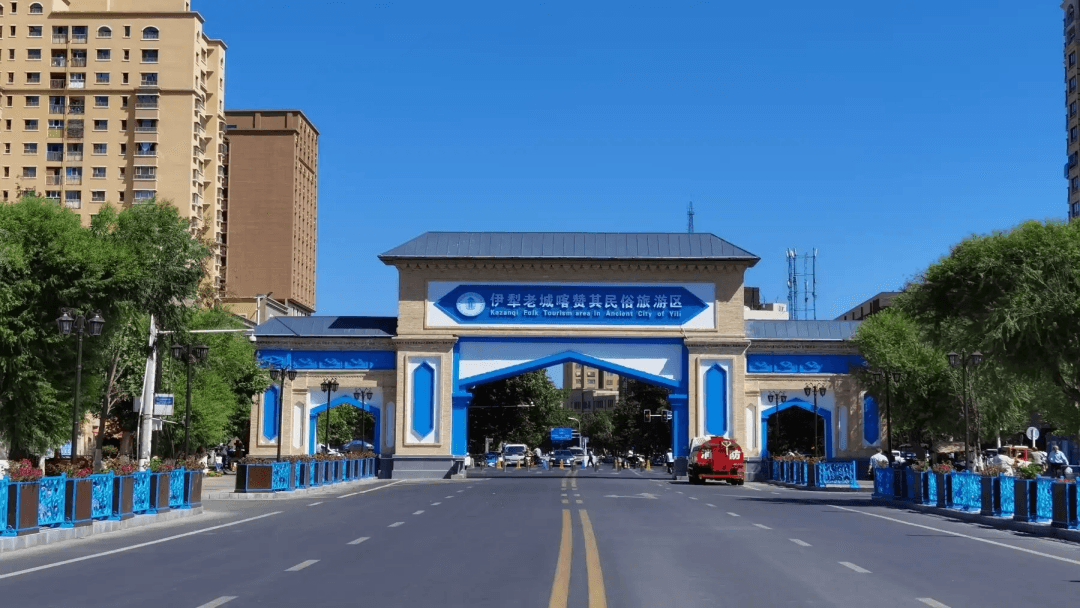
Ili, also written Yili, offers a different landscape from the desert image often associated with Xinjiang. The river valley contains towns, orchards and farmland, with mountain grasslands beyond. Yining, also known as Ghulja, is a city within this wider region; the two names should not be treated as interchangeable.
In Yining, neighbourhood streets, bakeries and small restaurants are as much a part of the visit as the surrounding scenery. Liuxing Street is one place to explore the city on foot, with time to stop for food rather than treating Yining only as an overnight stop on the way to the grasslands.
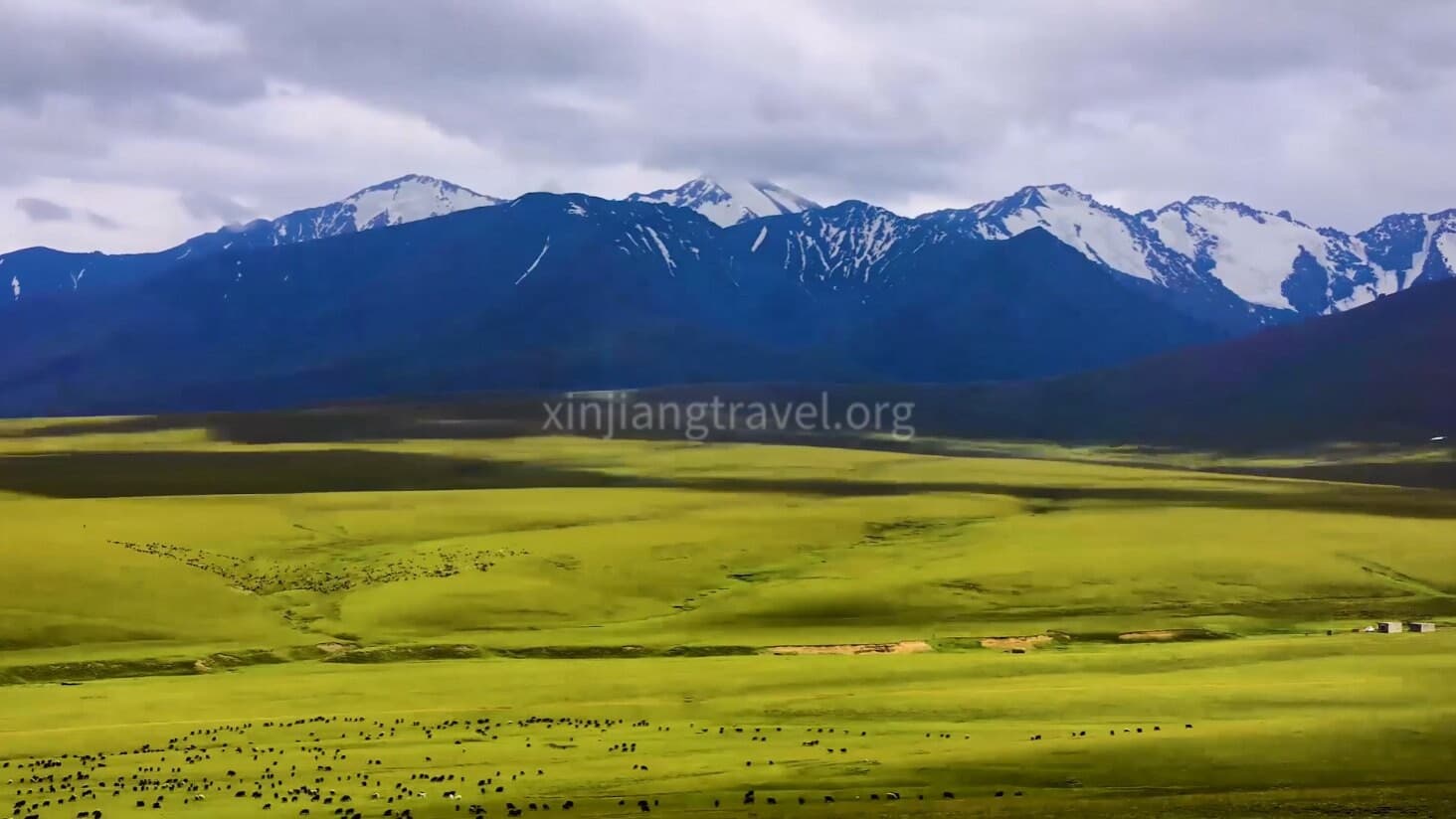
At Nalati and Kalajun, the landscape opens into pastures backed by mountain slopes. Summer grazing, horses and seasonal herding camps help explain how these landscapes are used. Visitor facilities and organised activities are also part of the modern grassland experience; a tourist yurt stay should not automatically be described as a stay in a family home.
Lavender fields around Huocheng add another layer to Ili’s agricultural landscape. They are working fields with flowering and harvesting cycles, not a permanent purple backdrop. Their appeal belongs to Ili itself, without needing a comparison with Provence.
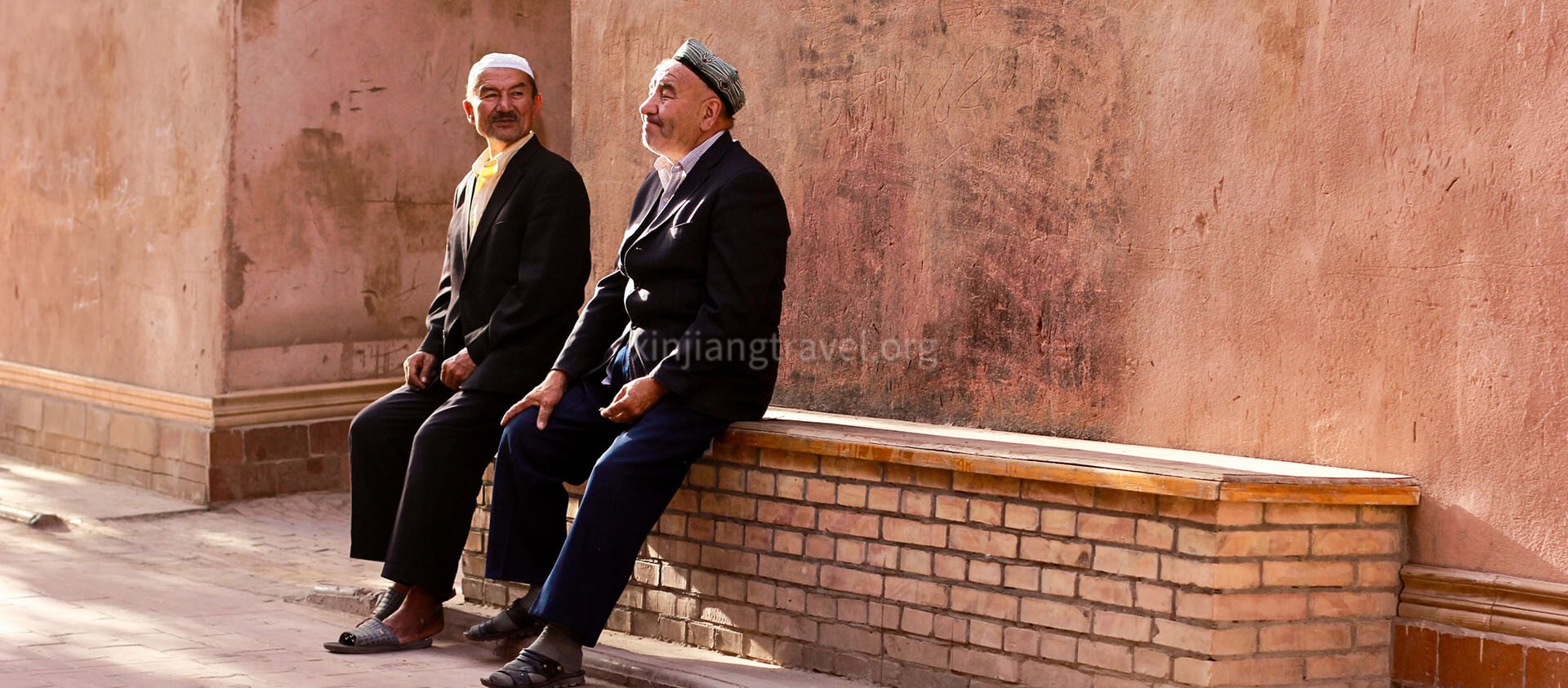
Kashgar is closely associated with the Silk Road, but its interest is not confined to monuments. Bakeries, teahouses, shops and craft workshops give the old town much of its character. A walk can move from a busy shopping street into a smaller lane, then back towards a square or a place to eat.
Trade is a useful way to understand the city. Goods, skills and food traditions travelled through Kashgar’s wider trading networks, and the city remains a commercial centre. Copperware, woodwork and musical instruments connect some of today’s workshops with longstanding craft traditions.
The old town has undergone extensive rebuilding and restoration. It is better understood as a neighbourhood shaped by both heritage and modern tourism than as a place untouched by time. Shops, visitor businesses and residential spaces sit alongside one another.
Leave room to browse and pause rather than trying to photograph every doorway. Ask before photographing people or entering a workshop, and treat residential courtyards as private unless you are invited inside. A welcoming encounter is something to appreciate, not something a visitor should expect from every household.
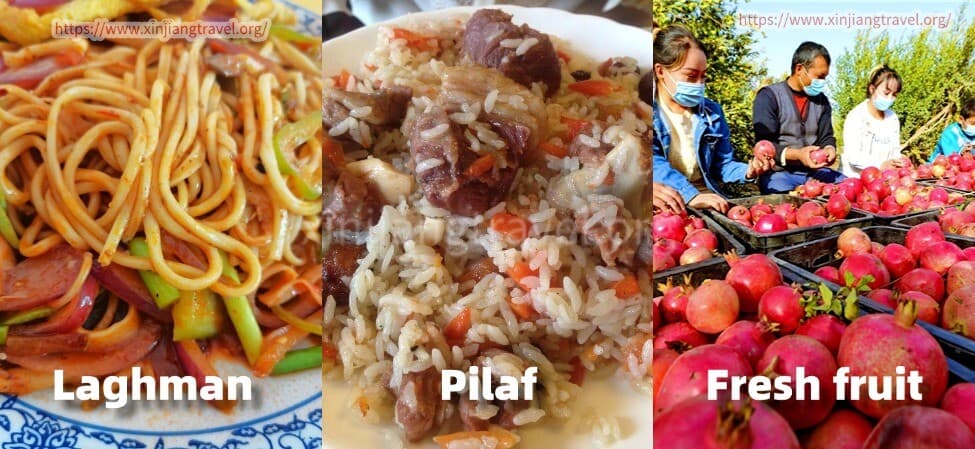
Food provides a familiar thread between Urumqi, Ili and Kashgar, while individual kitchens and local specialities give each stop its own character. Hand-pulled noodles, pilaf, baked pastries and bread are a more useful introduction than a long list of dishes without explanation.
Laghman, often called latiaozi or banmian in Chinese, combines hand-pulled noodles with a meat-and-vegetable topping. The vegetables, seasoning and serving style vary, so the same dish can make a different lunch from one restaurant to the next.
Pilaf, known in Chinese as zhuafan, is a rice dish commonly cooked with carrots, onions and meat. Samsa are baked pastries, often filled with lamb and onion, while nang is a bread found in different shapes and sizes. These dishes belong to everyday meals as well as visitors’ first encounters with Xinjiang food.
Fresh fruit changes with the season and location. Apricots, melons, grapes, figs, apples and pears do not all reach their best at the same time. Summer and autumn offer different market selections, while dried fruit and nuts are available more widely through the year. Ask what is locally in season rather than expecting every famous Xinjiang fruit at every stop.
Urumqi, Ili and Kashgar are useful starting points, not substitutes for the rest of the region. They show why Xinjiang cannot be reduced to desert scenery, grassland holidays or a single version of local life. The differences between a city restaurant, a valley market and a mountain pasture are part of what makes the journey interesting.
If the landscapes and local life described here have helped you decide what interests you, the Xinjiang travel guide explains how to turn those interests into a workable route. For grasslands, flowers, autumn colour or snow, the best time to visit Xinjiang guide helps you choose the month.