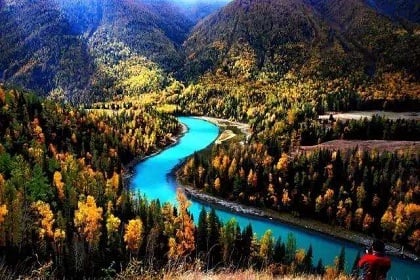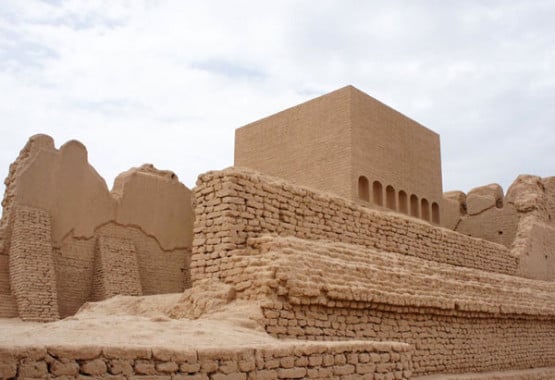
20 years of pioneer in xinjiang tourism for overseas travelers
Born Here, Know Best, Your Journey's Blessed
No Shopping. No Detour, 99% Excellent Review

contact UsOn Wechat
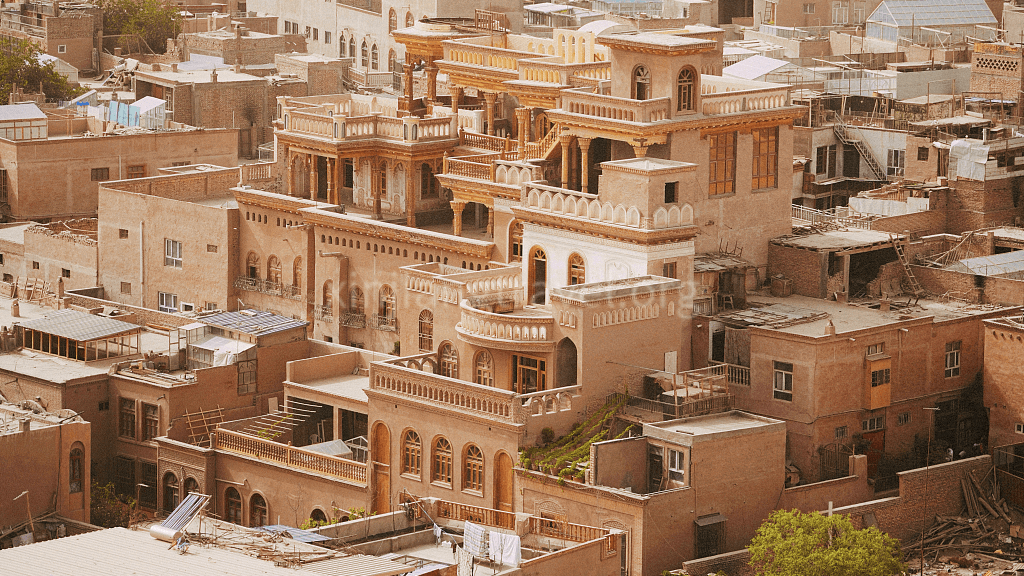
Planning a trip to Xinjiang, China's largest and most captivating region, is exciting — but almost every traveler eventually faces the same question: should you visit North Xinjiang or South Xinjiang?
It is a genuine dilemma. The two halves of this vast region, roughly split by the Tianshan Mountains, could not be more different. The north is a land of alpine lakes, grasslands, and spruce forests; the south is the heart of the ancient Silk Road, where desert, oasis towns, and bazaars have anchored caravan culture for two thousand years.
This complete Xinjiang travel guide is written especially for international visitors — including senior travelers and mature audiences who value comfort, safety, authentic culture, and a well-paced itinerary. By the end, you will know exactly which half of Xinjiang matches your travel style, when to go, and how to plan an unforgettable trip with a trusted local agency.
Xinjiang covers 1.66 million square kilometers — about one sixth of China's territory and roughly three times the size of France. The snow-capped Tianshan Mountains run east–west across the middle of the region and split it into two strikingly different worlds:
l North Xinjiang (northern slope of the Tianshan and the Altai region) — a cooler, greener landscape of mountains, lakes, forest, and steppe, with a climate that resembles Central Asia's Alpine zones.
l South Xinjiang (the Tarim Basin) — one of the driest, most dramatic desert basins on Earth, ringed by the Kunlun Mountains and the Pamirs, dotted with oasis cities that grew up along the ancient Silk Road.
The cultural flavor differs too. In the north you will meet Kazakh herders, Mongol communities, and the small Tuva population of the Kanas area; in the south, Uyghur culture dominates the bazaars, tea houses, and old towns, while Tajik people welcome travelers high on the Pamir Plateau.
If your idea of a dream destination involves snow peaks reflected in turquoise water, wildflower meadows, and cool summer air, North Xinjiang will feel like paradise. This is the cooler, greener half of the region, anchored by the capital city Urumqi and stretching north to the Altai Mountains on the border with Kazakhstan, Mongolia, and Russia.
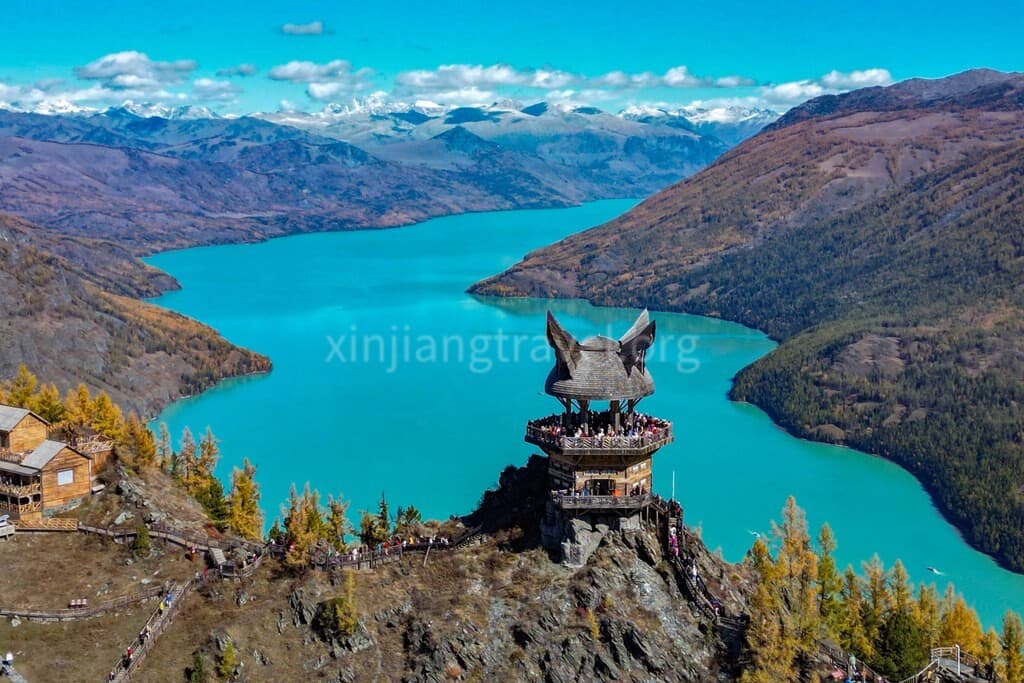
1. Kanas Lake and Hemu Village — The jewel of the north. Kanas Lake, an alpine lake famous for its shifting colors of jade and sapphire, sits inside a nature reserve near the Altai Mountains. Nearby Hemu Village, one of China's most beautiful villages, is a settlement of Tuva log cabins where cattle and horses still roam freely at dawn. In late September, the whole valley turns brilliant gold — it is arguably the single most beautiful autumn scene in China.
2. Sayram Lake — Known as "the last tear of the Atlantic," this high-altitude lake (about 2,070 meters) is ringed by grassland and snow peaks. The lakeside road is flat and scenic, making it an easy, comfortable stop for senior travelers who want big views without strenuous walking.
3. Ili (Yining) and the Nalati Grassland — The Ili Valley is Xinjiang's garden. In June, the lavender fields of Huocheng bloom purple, while the Nalati Grassland and Karajun prairies stretch to the horizon with Kazakh yurts and grazing herds.
4. Heavenly Lake of Tianshan (Tianchi) — A classic, easy day trip from Urumqi. A short shuttle and cable car deliver you to a serene mountain lake beneath the 5,445-meter Bogda Peak — an effortless way to touch the high mountains.
5. Urumqi and the Xinjiang Regional Museum — The regional capital is your likely entry point. The Xinjiang Regional Museum houses the famous ancient Tarim mummies and superb Silk Road artifacts, and the International Grand Bazaar offers a lively first taste of local food and handicrafts.
6. Duku Highway (Kuqa to Dushanzi) — Often called China's most beautiful road, this 561-kilometer mountain crossing threads through glaciers, canyons, and grasslands. Note that it is open only roughly June to early October, and travelers prone to motion sickness should plan a slower pace.
l June to August — the classic summer season: cool weather (much cooler than the south), green grasslands, lavender in the Ili Valley, and the most reliable access to Kanas.
l Mid-September to early October — the golden autumn around Kanas, Hemu, and Baihaba. This is peak beauty season, but also peak crowds and higher hotel prices; book well in advance.
l May and October — shoulder months: quieter, cheaper, but mountain weather is less predictable and some mountain roads may still be closed.
North Xinjiang is ideal for travelers who love natural scenery, photography, cool climates, and relatively comfortable walking. Distances between sights are long, but the roads are good.
For mature and senior travelers, the north offers the gentler introduction to Xinjiang: lower key altitudes at most lakes, well-developed tourist infrastructure around Urumqi and Tianchi, and itineraries that can be paced with rest days. If you have always dreamed of a "Switzerland-meets-Mongolia" landscape without the crowds of Europe, this is it.
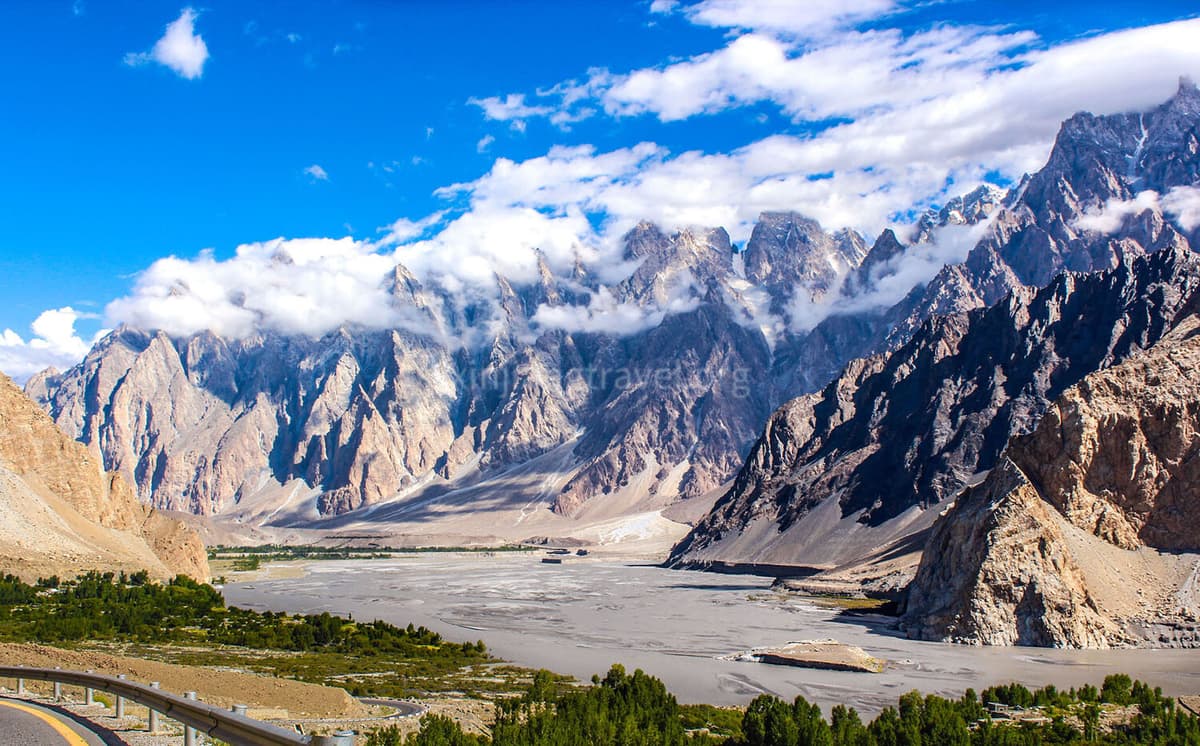
South Xinjiang is a different sensory world entirely. Here the Silk Road is not a museum piece — it is alive in the old alleys of Kashgar, the smell of cumin and roast lamb in the bazaars, the call to prayer echoing over adobe rooftops, and the caravan trail still climbing the Karakoram Highway toward the Pamir Plateau.
If the north is about landscapes, the south is about people, history, and atmosphere. And its highlights are famously friendly to slow, curious travel.
1. Kashgar Old City (Kashgar) — The soul of South Xinjiang. The restored old town of China's westernmost city is a maze of cobbled lanes, carved wooden balconies, and courtyard homes, where artisans still hammer copper pots and bake naan bread in clay ovens. Sunday's livestock bazaar (activity varies by season) remains one of Asia's most authentic market scenes. Most sights here are flat and walkable, and sightseeing can be broken into relaxed half days — very senior-friendly.
2. Karakoram Highway and the Pamir Plateau — One of the world's great drives. From Kashgar the highway climbs past White Sand Lake to Karakul Lake (about 3,600 meters), where camels graze beneath the 7,546-meter ice dome of Muztagh Ata. The overnight stop at Tashkurgan (about 3,100 meters), a Tajik town near the Pakistan border, features the ancient Stone City fortress and the Alar Golden Grassland wetland, glorious at sunset. Important: altitude here is real; a sensible itinerary with gradual ascent and a night in Kashgar (1,300 meters) beforehand makes this route manageable for most healthy older travelers — discuss it with your doctor if you have heart or blood-pressure concerns.
3. Id Kah Mosque and Apak Hoja Tomb — Kashgar's landmarks: the grand mosque at the heart of the old city, and the famous tiled mausoleum long known as the Fragrant Concubine's Tomb.
4. Taklamakan Desert and the Tarim Populus (hu yang) Forests — The shifting dunes of the world's second-largest shifting-sand desert can be experienced comfortably on short scenic stops. In late October, the thousand-year-old poplar forests along the Tarim River turn pure gold — an unforgettable, low-effort spectacle.
5. Kuqa (Kucha) — An ancient Buddhist kingdom on the northern Silk Road rim, with the Kizil Thousand-Buddha Caves (China's earliest large cave complex) and the dramatic red Kuqa Grand Canyon.
6. Hotan (Khotan) — The jade and carpet capital at the southern edge of the desert, famed for its family silk workshops, walnut groves, and the long Sunday jade market.
l April to May — warm, dry spring. Late March to mid-April brings the famous apricot blossoms in the Pamir valleys, one of the most magical (and least crowded) times to visit.
l September to early November — the prime season: stable sunny weather, golden poplar forests from mid-October, and clear skies on the Pamir.
l Summer (June–August) — very hot on the desert plains (often above 35 °C), though Kashgar evenings cool pleasantly. Trips can still work well if you follow the local rhythm: early starts, a long midday rest, and evening strolls.
l Winter — quiet and cold; best avoided unless you specifically want snow scenes and rock-bottom prices.
Choose South Xinjiang if you are drawn to culture, history, and human landscapes more than mountain scenery. It rewards curious, unhurried travelers: tea-house afternoons, craft workshops, old-town photography, and drives through landscapes straight out of a geography documentary.
Many mature travelers tell us the south gave them their most meaningful memories of China — conversations in carpet shops, the silence of the desert at dusk, the warmth of Tajik hospitality. Just build in longer rest days, because the distances (Kashgar to Hotan is nearly 500 kilometers) and the desert climate ask for a slower rhythm.
Factor | North Xinjiang | South Xinjiang |
Signature scenery | Alpine lakes, spruce forests, grasslands, snow peaks | Deserts, oasis towns, Pamir Plateau, canyon lands |
Cultural focus | Kazakh, Mongol, Tuva herding cultures | Uyghur and Tajik bazaar and caravan culture |
Best months | June–August; mid-Sept–early Oct (autumn) | April–May; September–early November |
Entry gateway | Urumqi (Tianshan International Airport) | Kashgar Airport (via Urumqi or direct) |
Pace & comfort | Long drives, cool climate, mountain resorts | Long drives, dry heat or cold, easier flat walking in old towns |
Highest altitude on typical route | Sayram Lake about 2,070 m | Karakul Lake about 3,600 m; Tashkurgan about 3,100 m |
Best for photographers of… | Lakes, forests, autumn color | Portraits, bazaars, desert light, high plateau |
Senior-friendliness | Very good — cooler weather, easy lake viewpoints | Very good — flat old-town walking; mind altitude on the Pamir |
After years of designing tours for international guests, we have learned that the right answer depends on three things: your travel season, your interests, and your preferred pace. Here is our honest advice.
l You are traveling in summer (June–August) and want to escape the heat.
l Your priority is world-class natural scenery: Kanas Lake, Sayram Lake, grasslands, and autumn forests.
l You prefer cooler weather and comfortable walking distances.
l You have 7–10 days and want a scenic loop out of Urumqi at a relaxed pace.
l You dream of the Silk Road, old towns, and living bazaar culture.
l You are traveling in spring or autumn, when the south is at its best.
l You want portraits, food, and human stories more than mountain vistas.
l The idea of driving the Karakoram Highway to Karakul Lake and Muztagh Ata excites you more than another alpine lake (and your health allows the altitude).
If you have 14–18 days, you do not have to choose. A classic grand loop — Urumqi, Tianchi or Kanas, the Ili Valley, a flight to Kashgar, the Pamir Plateau, and back across the desert rim — delivers the complete Xinjiang experience.
For senior travelers, we recommend pacing this over 16+ days with two-night stays in key cities, late morning starts, and a guide and driver who adapt the daily rhythm to how you feel. That is exactly the kind of itinerary our local team specializes in designing.
A few practical points make a big difference in Xinjiang. Here is what international visitors — especially older travelers — should know before booking flights and hotels.
Citizens of many countries — including most EU member states, the UK, Australia, New Zealand, Singapore, Malaysia, Japan, and South Korea — can currently enter China visa-free for short stays under China's unilateral visa-free policy, while others apply for a standard tourist (L) visa. Rules change, so always check the latest entry policy with your local Chinese embassy or a licensed China travel agency before booking flights.
Xinjiang itself is fully open to foreign visitors; no special regional permit is needed for the standard tourist route, though border areas such as Tashkurgan require a border-zone permit that your local operator arranges in advance.
Most international travelers arrive at Urumqi Tianshan International Airport, which has direct or one-stop connections from many hubs. Kashgar is about a two-hour flight from Urumqi.
Within Xinjiang, distances are enormous — this is a region where a "short drive" can be 300 kilometers — so a private tour with a driver and guide is far more comfortable than self-navigation, especially for older travelers. High-speed and conventional trains also link Urumqi with major towns in the north, and the scenic southern railway runs along the desert rim.
China's currency is the renminbi (RMB). Mobile payment is everywhere, but international visitors can pay cash or set up Alipay/WeChat Pay with foreign cards; hotels and restaurants in tourist cities also take major cards.
English is not widely spoken outside tourism businesses, so having an English-speaking local guide transforms the experience — from ordering the right noodle dish to chatting with a Kazakh herder family.
l Standard tourist routes in North Xinjiang stay mostly below 2,500 meters; the main altitude consideration in the south is the Pamir Plateau day (3,100–3,600 meters). A gradual itinerary, good hydration, and a slower pace on the plateau keep it comfortable for most travelers, but consult your doctor if you have cardiovascular conditions.
l Xinjiang uses Beijing time, but local daily life often runs about two hours later in solar time — expect lunches and dinners later than you might at home.
l Hotels in Urumqi, Kashgar, and Ili range up to comfortable international and boutique standards; we book properties with elevators, Western breakfast options, and walkable locations for our mature guests.
l The region is one of China's safest for tourists, with friendly, famously hospitable people; the practical risks are long drives and strong sun — bring sun protection, layered clothing, and comfortable shoes.
Xinjiang rewards expert planning. Distances are vast, seasons matter enormously, and the difference between a rushed trip and a great one lies in the details: which side road avoids the tour buses, which family workshop welcomes visitors, where to find the best hand-pulled noodles, how to time the Pamir drive around the light.
As a locally based Xinjiang travel agency, we design private Xinjiang tours and small-group itineraries for international visitors with English-speaking guides, comfortable vehicles, carefully chosen hotels, and the flexible pacing that mature and senior travelers appreciate — plus 24/7 on-trip support.
Contact us to start planning:
Contact Xinjiang Travel |
l Email: info@xinjiangtravel.org l WhatsApp: +86 189 9923 3079 Tell us your travel month, group size, and interests, and we will send you a tailored itinerary with honest advice on the north–south question for your dates. |
Yes. Xinjiang is generally very safe for visitors, with low street crime and a strong police presence in tourist areas. The practical challenges are distances and climate rather than safety. Traveling with an organized tour adds convenience and peace of mind.
Both halves work well for senior travelers with proper pacing. North Xinjiang offers cooler weather and easy lake viewpoints; South Xinjiang offers flat old-town walking and unforgettable culture, with altitude awareness needed only on the optional Pamir excursion.
Our most popular choice for travelers over 60 is a relaxed 10–12 day route combining Urumqi, Tianchi, Kashgar Old City, and a carefully paced Karakoram Highway day.
For one half of the region, plan 7–10 days. To combine north and south comfortably, plan 14–18 days. Anything under a week is best focused on a single hub such as Kashgar or Urumqi with nearby highlights.
Overall, May–June and September–October are the sweet spots for most of the region: stable weather, great light, and comfortable temperatures. July–August suits the north's mountains and grasslands; late October is prime for golden poplars in the south.
You can travel independently along major routes, but a local guide dramatically improves the experience: language, road timing, food, and cultural access. For mature travelers, a private guide and driver also mean rest stops whenever you need them.
Ready to see both halves for yourself? Email info@xinjiangtravel.org or message us on WhatsApp at +86 189 9923 3079 for a free, no-obligation itinerary proposal from our local Xinjiang team. |