20 years of pioneer in xinjiang tourism for overseas travelers
Born Here, Know Best, Your Journey's Blessed
No Shopping. No Detour, 99% Excellent Review

contact UsOn Wechat

I'm Lesley Lee, founder of Xinjiang Travel. Based in Xinjiang, I began my career as an English-speaking guide in 2003 and later moved into planning and operating tours.
Xinjiang remains central to my work. It is a region where choosing the right route makes a considerable difference: a journey through the forests and lakes of the north has a different rhythm from one through the oasis cities and mountain roads of the south. My role is to help travellers understand those differences and put together a trip that gives them time to enjoy the places they have come to see.
This is the story behind my work, the development of Xinjiang Travel and some of the journeys I have made across China.
In 2003, during my second year at university, I passed the English-speaking tour guide examination. I began guiding during the summer holidays, practising my English while helping to pay my college expenses.
Between 2003 and 2006, I accompanied groups in Xinjiang, along the Silk Road and elsewhere in China. Those early years gave me practical experience of looking after travellers throughout a journey, from explaining a place's history to keeping the day's arrangements running smoothly.
In 2007, I began operating tours. My responsibilities expanded to include itinerary design, quotations, bookings and coordination—the work that turns a traveller's initial ideas into a trip.
Guiding gave me a close view of how an itinerary works on the ground. Tour planning brought a wider set of decisions: how many destinations to include, where to stay between long drives, and how to balance sightseeing with time for meals and rest.
That remains the part of planning I pay particular attention to. In Xinjiang, adding another place to a route also adds travelling time. A well-designed itinerary should make that trade-off clear, so travellers can decide what matters most to them.
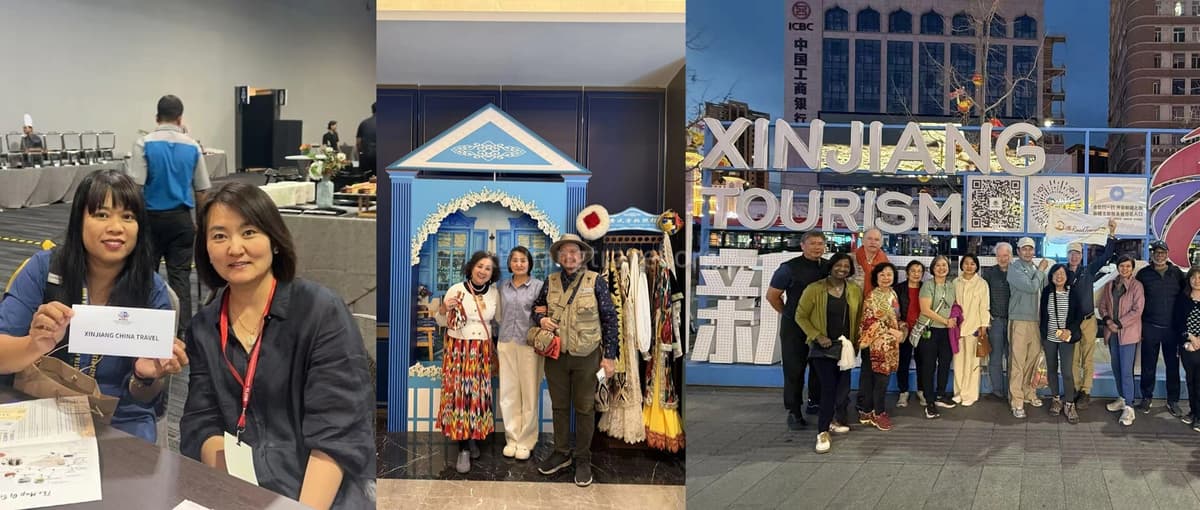
XinjiangTravel.org gives our work a dedicated home. It brings together routes across northern and southern Xinjiang, destination information and practical material for people planning their first visit.
The website now includes private itineraries, scheduled small-group departures and journeys that connect Xinjiang with other regions. These serve different needs: some travellers want a route shaped around their dates and interests, while others prefer a published itinerary with a shared departure.
Alongside the tours, our destination guides help readers understand the places behind the names. Comparing Kashgar, Turpan, Ili and Altay is easier when you can see how their landscapes, history and location affect the journey.
I am the founder of both Xinjiang Travel. Xinjiang Travel gives this region a dedicated focus, while Silk Road Travel presents a broader range of journeys along the Silk Road and across China.
The website reflect connected parts of my work. One allows us to explore Xinjiang in greater detail; the other helps travellers place it within a longer journey, perhaps continuing through Gansu or combining the region with other Chinese destinations.
As the business developed, the work extended across travel consultation, itinerary planning, reservations, guiding and local coordination. Each role contributes something different to the journey.
Today, Xinjiang Travel brings those elements together through our team, our itineraries and the information we publish. My aim is for travellers to arrive with a clear understanding of their route: what they will see, how they will travel and what kind of pace to expect.
I start with the places a traveller most wants to see and the time available. Northern Xinjiang's lakes, forests and grasslands often appeal to people travelling for scenery and photography. Kashgar, Turpan and the southern routes bring a different combination of historic sites, urban life, desert landscapes and mountain journeys.
The next step is to look at the route as a whole. An extra night in one place can give a family a slower morning, a photographer more time outdoors or a history enthusiast longer at a site. Moving every day suits some journeys; for others, fewer overnight stops make the trip more enjoyable.
I also value clear communication about accommodation, transport and costs. Travellers should be able to understand what an itinerary includes and why a particular arrangement has been suggested.
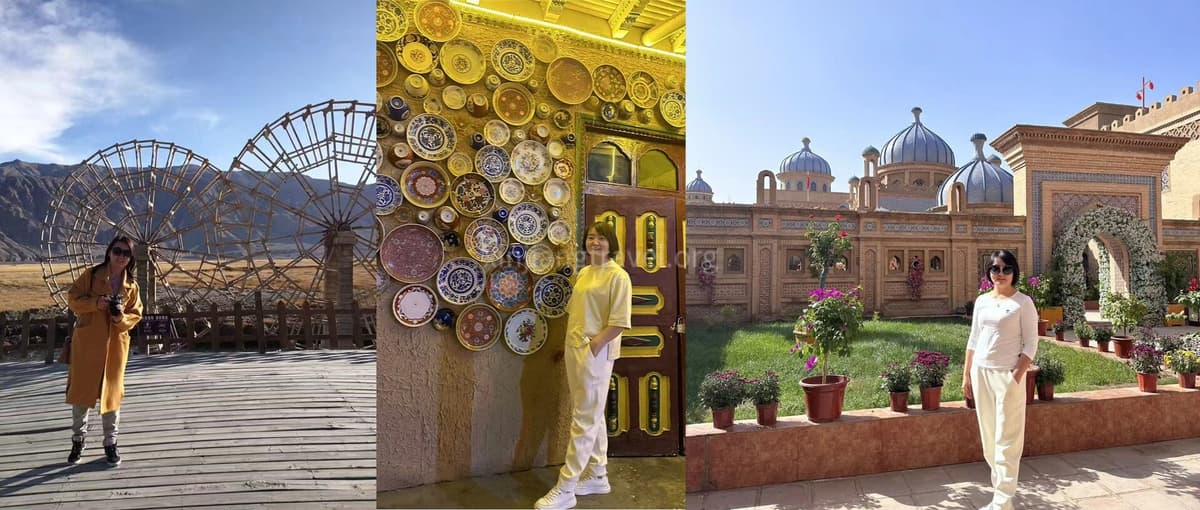
Travel has continued alongside my work. Over the years, I have visited places across China that differ greatly from the landscapes and routes I know in Xinjiang.
In 2011, my travels included Taiyuan, Pingyao Ancient City, Mount Wutai, Chengdu and Xi'an. Beijing and Shanghai followed in 2012. In 2013, I travelled along the Yangtze River and visited the Three Gorges, Chongqing, Zhangjiajie and Fenghuang Ancient Town.
Later journeys took me to Hangzhou and Qiandao Lake in 2016, Yunnan in 2017, and Qinghai and Gansu in 2020. I have also returned to cities such as Beijing and Shanghai, adding to my experience beyond a single visit.
Together, these journeys have broadened the range of places I can discuss with travellers. A trip built around historic streets, a river journey and a route through western China each involve different ways of spending the day. Exploring those differences continues to interest me as both a traveller and a travel planner.
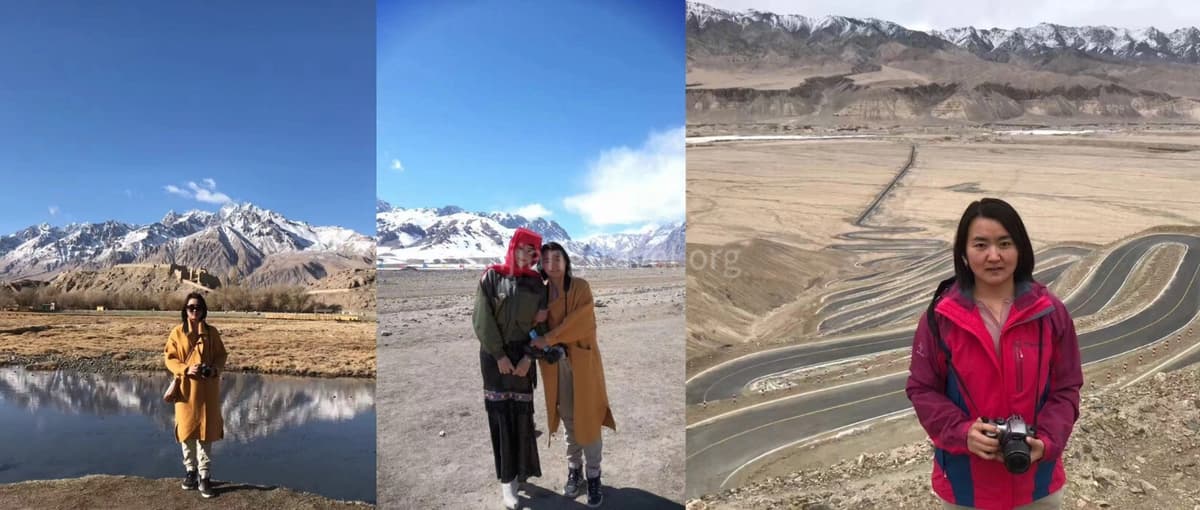
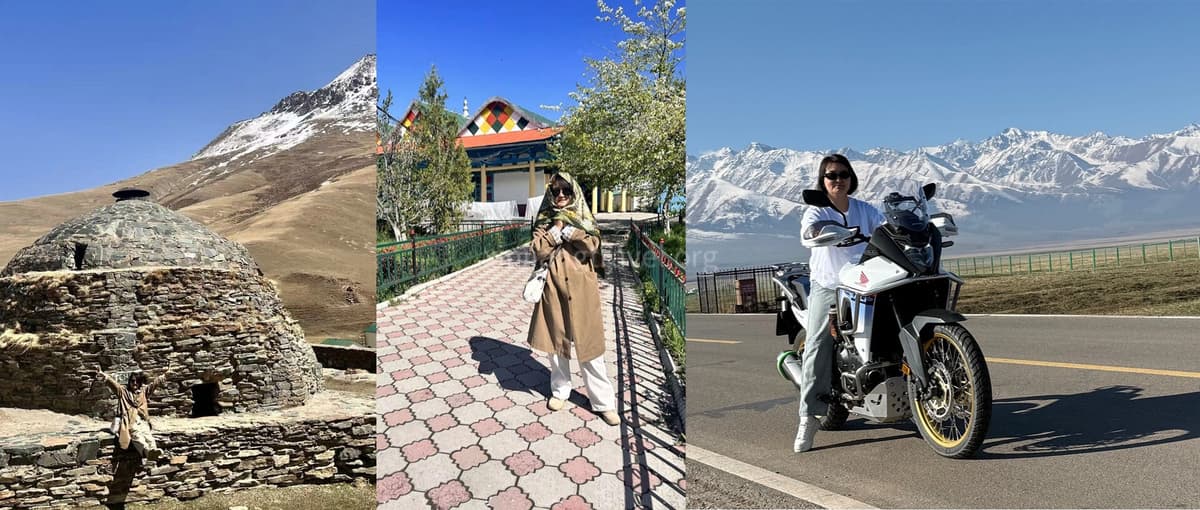
Xinjiang is the centre of my work. Over the years, I have returned repeatedly to its valleys, grasslands, oases and mountain passes. Here are a few entries from those journeys, spanning alpine lakes, ancient oasis towns, desert highways and remote pastoral lands.
In 2010, I travelled through Altay and Ili. This route takes in alpine lakes, forested valleys and rolling grasslands, the landscapes many travellers come to northern Xinjiang to see. Repeated visits help me gauge seasonal changes, driving times and quiet stopping places along these routes.
My travels in 2011 included Turpan and the eastern oasis corridor. These destinations bring together very different aspects of southern Xinjiang: sunken ancient settlements, desert scenery, historic beacon towers and the distinctive oasis life of the Turpan basin.
In 2013, I visited Kashgar and surrounding southern Silk Road sites. Old bazaars, ancient ruins and long desert overland stretches offered a different set of experiences from the grassland journeys that occupy much of my work in northern Xinjiang.
This long north-to-south crossing was among my journeys in 2016. It links the lake landscapes of the north with the oasis towns of the Tarim Basin, teaching me how to pace lengthy drives and plan practical overnight stops for combined north‑south itineraries.
In 2017, I travelled deeper into remote Tianshan mountain valleys. It was another opportunity to explore less crowded parts of Xinjiang and build a fuller sense of the mountain terrain that shapes so many local travel routes.
My travels in 2020 took me to winter Altay, a region closely connected with snow‑season journeys in northern Xinjiang. This trip informs the winter itineraries for travellers who wish to experience Xinjiang’s quieter, snow‑covered landscapes.
The questions behind a good trip are often quite specific. Is there time for both northern and southern Xinjiang? Which overnight stop makes a long route more manageable? Does an itinerary leave enough time to explore, or mainly to move between places?
These are the questions I want our travel information to help answer. My background in guiding and tour planning shapes that approach: explain the choices clearly, give the practical details that affect a day and help travellers decide where to spend their time.
Through this website, I want to make Xinjiang easier to understand before you arrive—and give you a useful starting point for conversations with our team.
Xinjiang Travel is also the work of the people who help plan and organise each journey. Our company and team background introduces the business behind this website and its connection with Silk Road Travel.
Our destination guides provide a starting point for comparing places such as Kashgar, Turpan, Ili and Altay. If you prefer travelling with a shared departure, our Xinjiang small-group tours set out the routes and dates available.
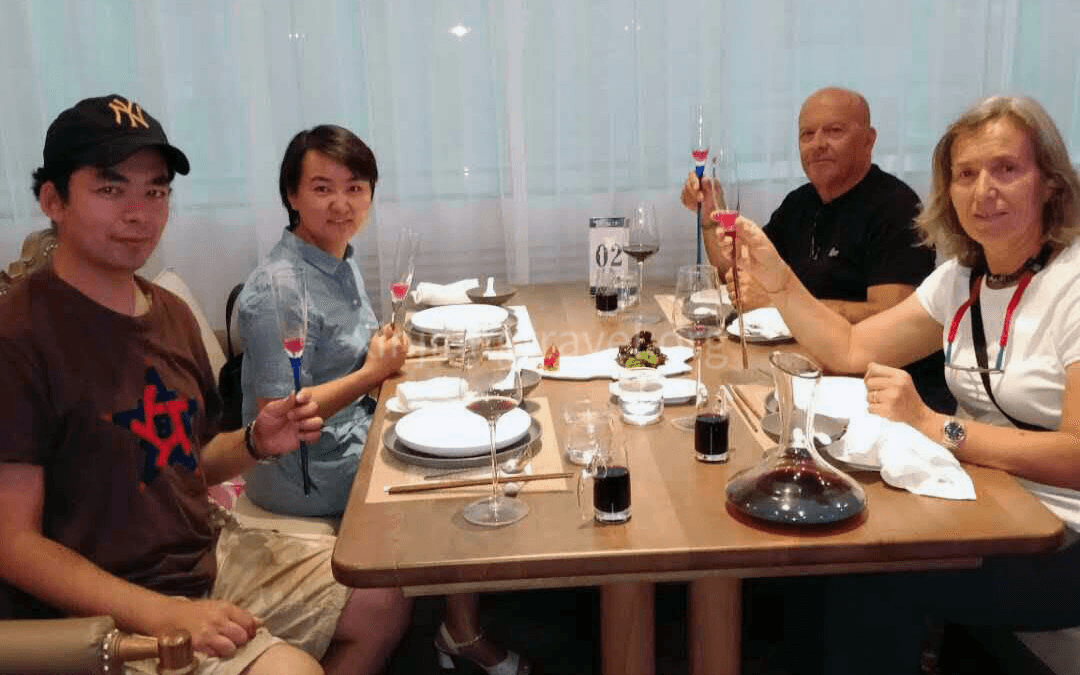
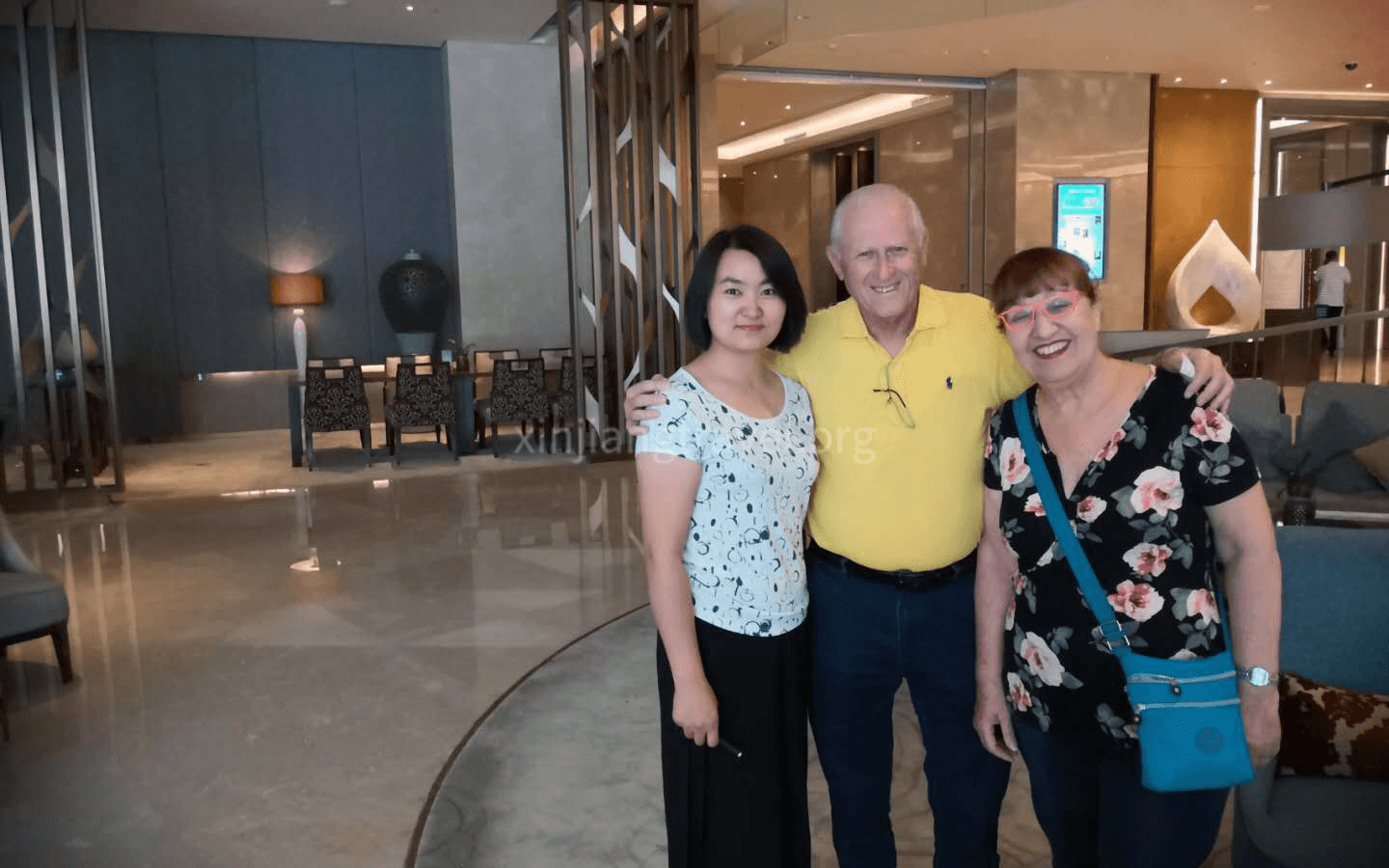
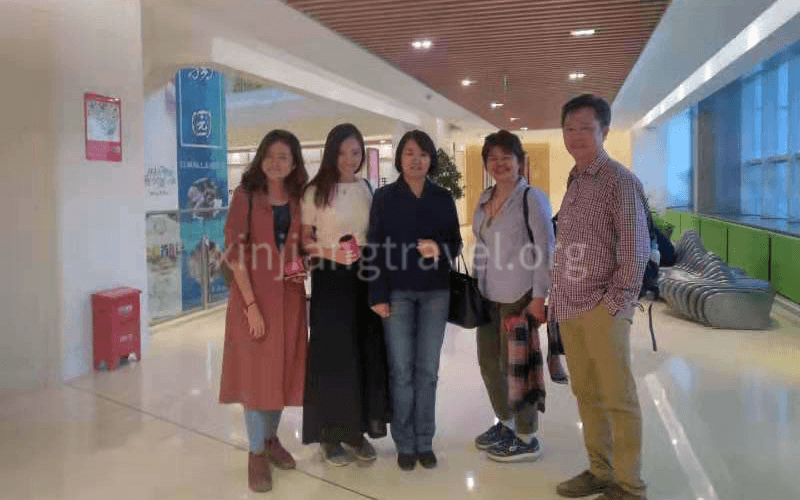
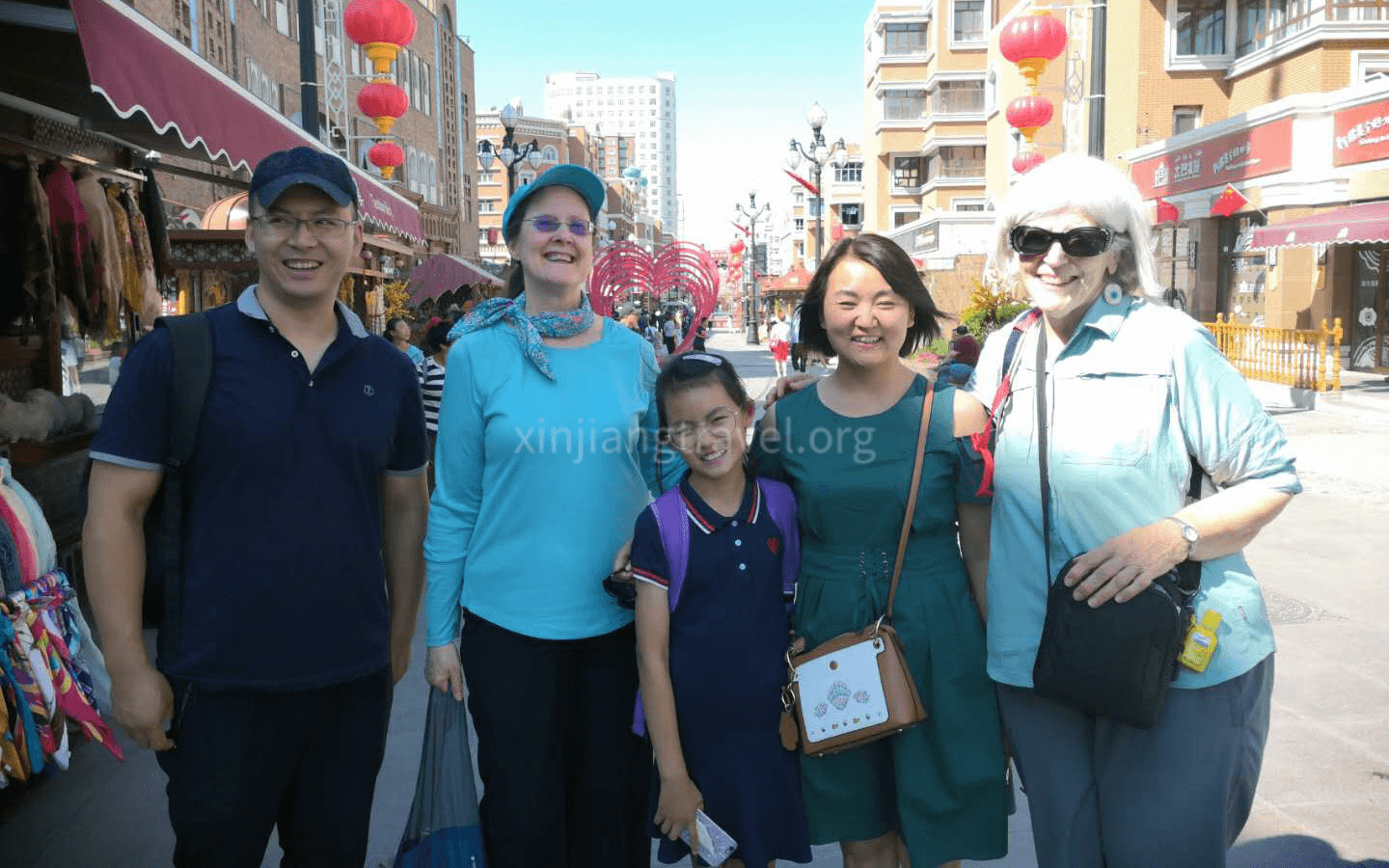
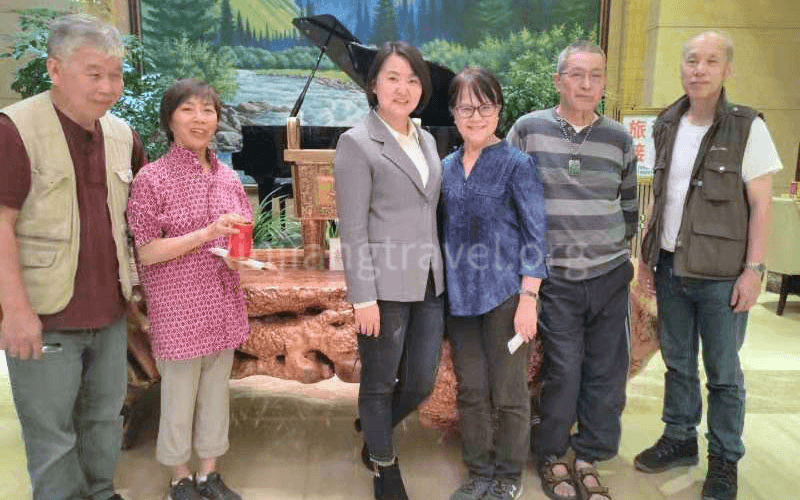
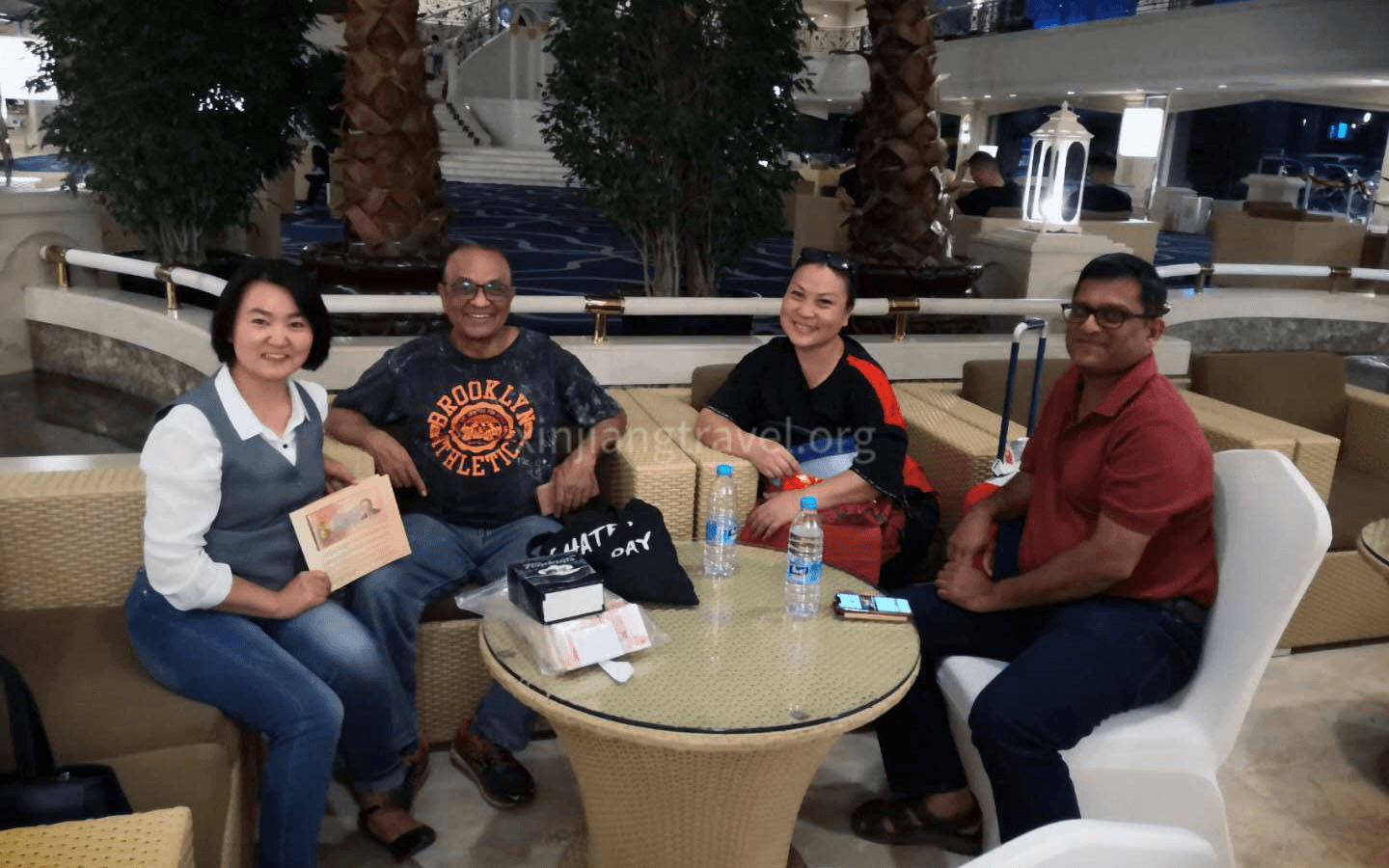
The accounts shared by our travellers add another perspective, describing their journeys and the people who helped arrange them.
If you are starting to plan, tell us your travel dates, available days and the places that interest you most. Those details give us a practical starting point for discussing your Xinjiang journey.
After more than two decades in tourism, I still enjoy hearing what draws someone to a place. It might be a particular landscape, an interest in history or the wish to share a journey with family. That first conversation gives us a starting point.
If you are planning a trip, tell us where you hope to go, how much time you have and what you would like to experience. My team and I would be glad to help you shape the journey. I look forward to welcoming you to China—and, perhaps, travelling part of the way together.
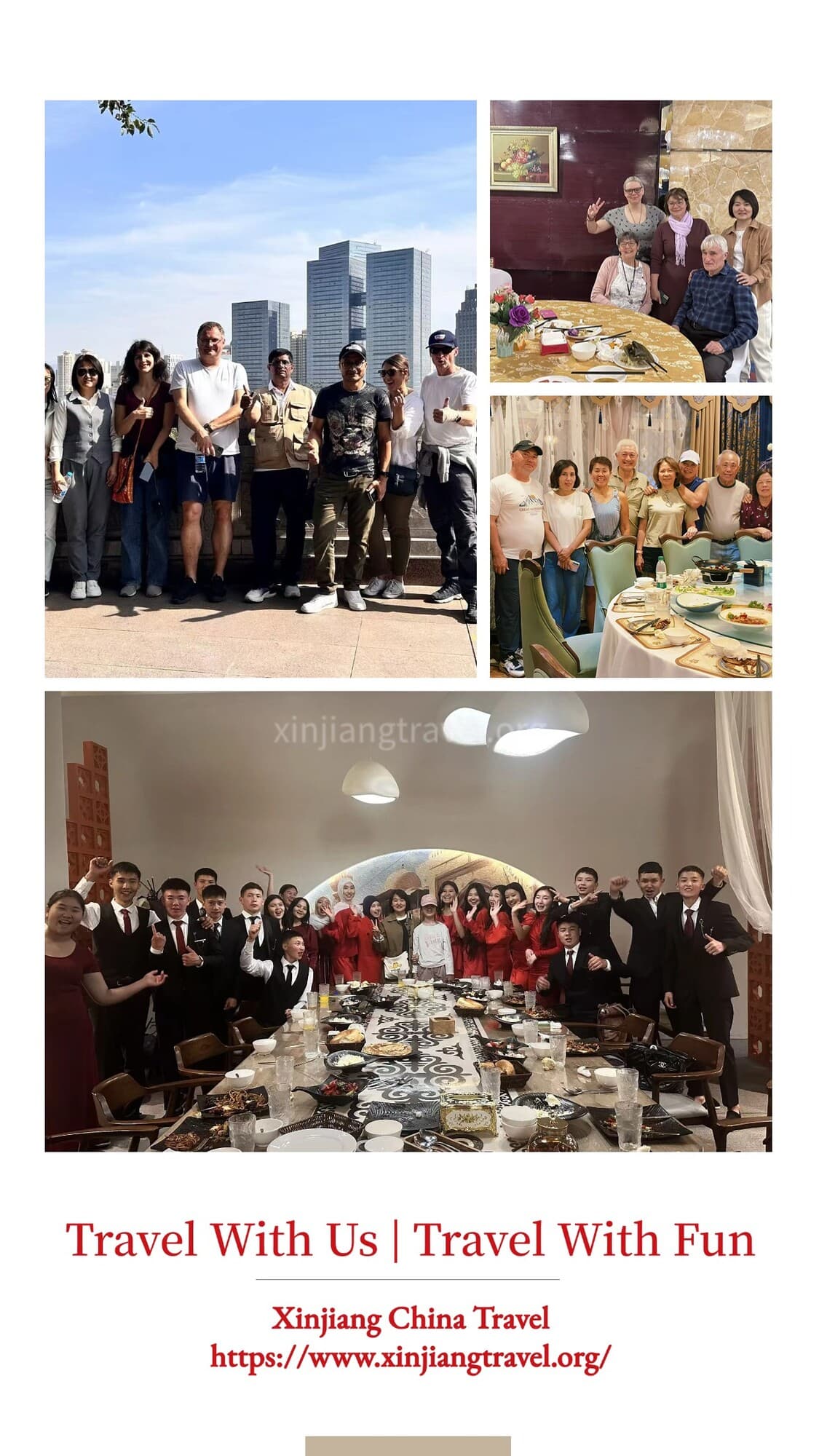

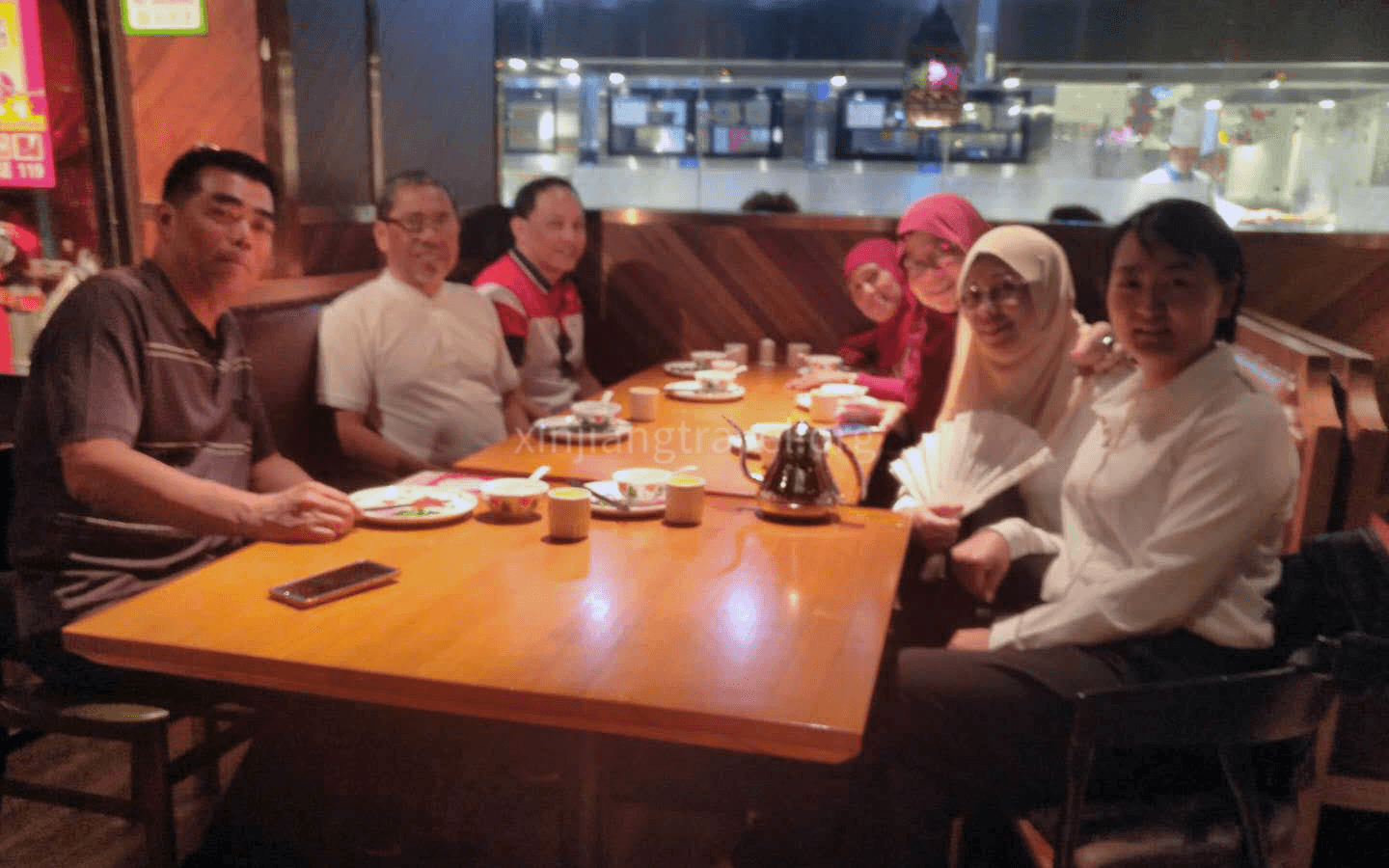
20+ years of experience in Xinjiang Travel travel
Based in Urumqi. Real local knowledge and service.
100% pure travel experience. No hidden shopping.
Competitive price and no hidden charges.
Thousands of happy travelers and 5-star reviews.