20 years of pioneer in xinjiang tourism for overseas travelers
Born Here, Know Best, Your Journey's Blessed
No Shopping. No Detour, 99% Excellent Review

contact UsOn Wechat
Starting from the "Three Mountains and Two Basins", Encounter the Ultimate Picture of Northern and Southern Xinjiang
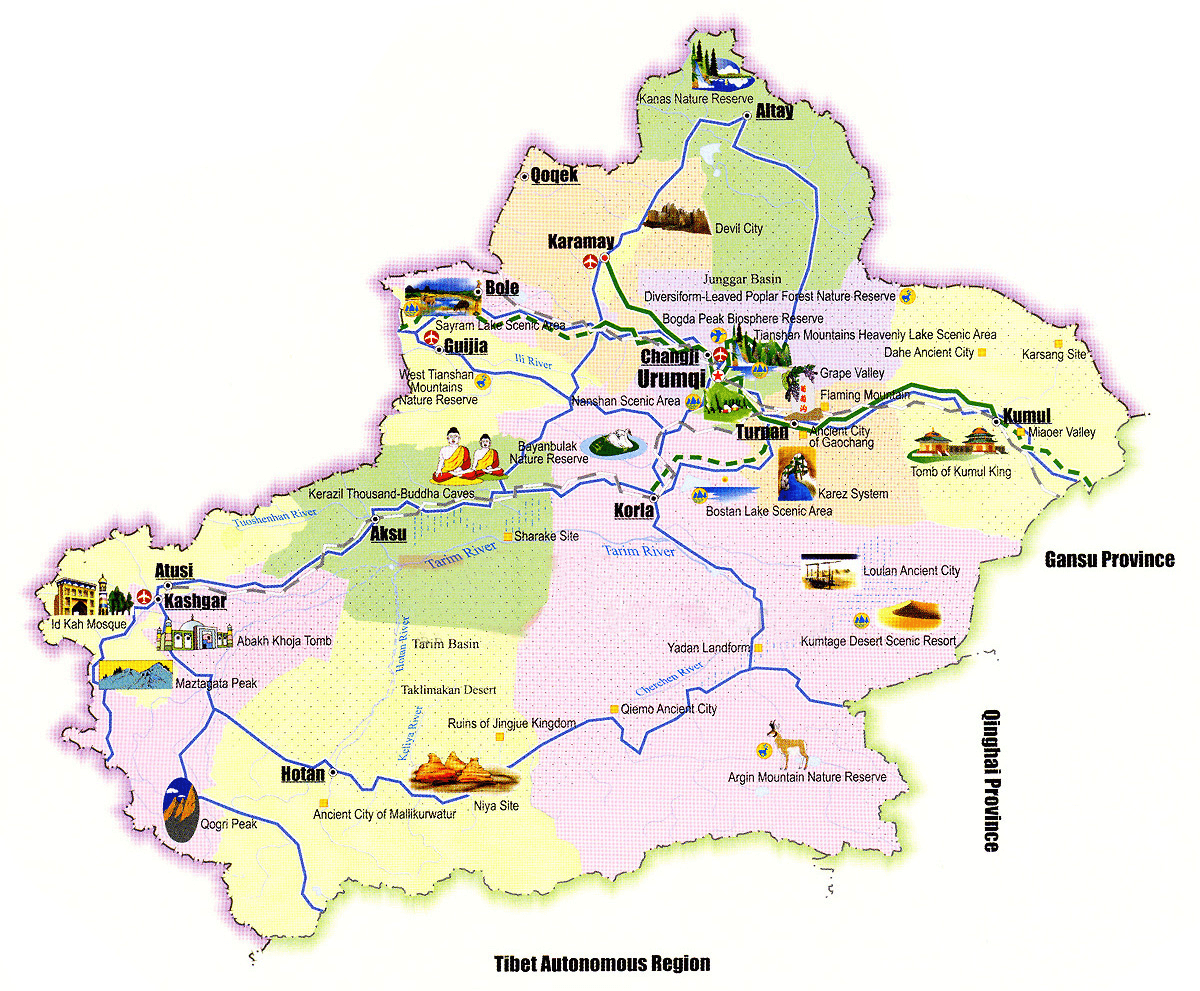
In the northwestern corner of China's territory lies a vast land covering about one-sixth of the country's total area—Xinjiang. For travelers, the Xinjiang Map is more than just a geographical concept; it is a magnificent testament left by the Creator. To understand Xinjiang, one must first comprehend its "skeleton" and "texture". Today, let us take this Xinjiang Map in hand and, following our professional perspective, explore this mysterious and splendid land together.Every detail on the Xinjiang Map tells a story—from the towering Tianshan Mountains to the vast Taklamakan Desert, from the ancient Silk Road cities to the crystal-clear lakes hidden in the mountains. By studying the Xinjiang Map, you can trace the routes of ancient traders, discover the best trekking paths, or simply find the most scenic drives across the region. Whether you're planning a journey or already on the road, the Xinjiang Map will be your most reliable guide, revealing layer by layer the beauty and diversity of this incredible land.
Reading Xinjiang's "Big Map": Three Mountains and Two Basins
The landscape of Xinjiang can be summed up in one phrase: three mountains and two basins. This unique geological structure sets the stage for the region's grand scenery.
Seen from above, Xinjiang looks like an open geological book. To the north stands the renowned Altai Mountains, to the south rise the majestic Kunlun Mountains, and running right through the middle is the mighty Tianshan Mountains, splitting Xinjiang in two. South of the Tianshan is Southern Xinjiang; north of it is Northern Xinjiang. This is the most basic division of the region.
The basin in Northern Xinjiang: Nestled between the Tianshan and Altai Mountains lies China's second largest basin—the Junggar Basin.
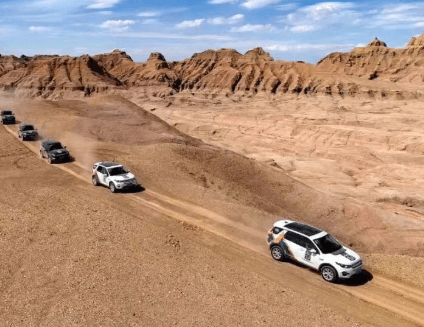
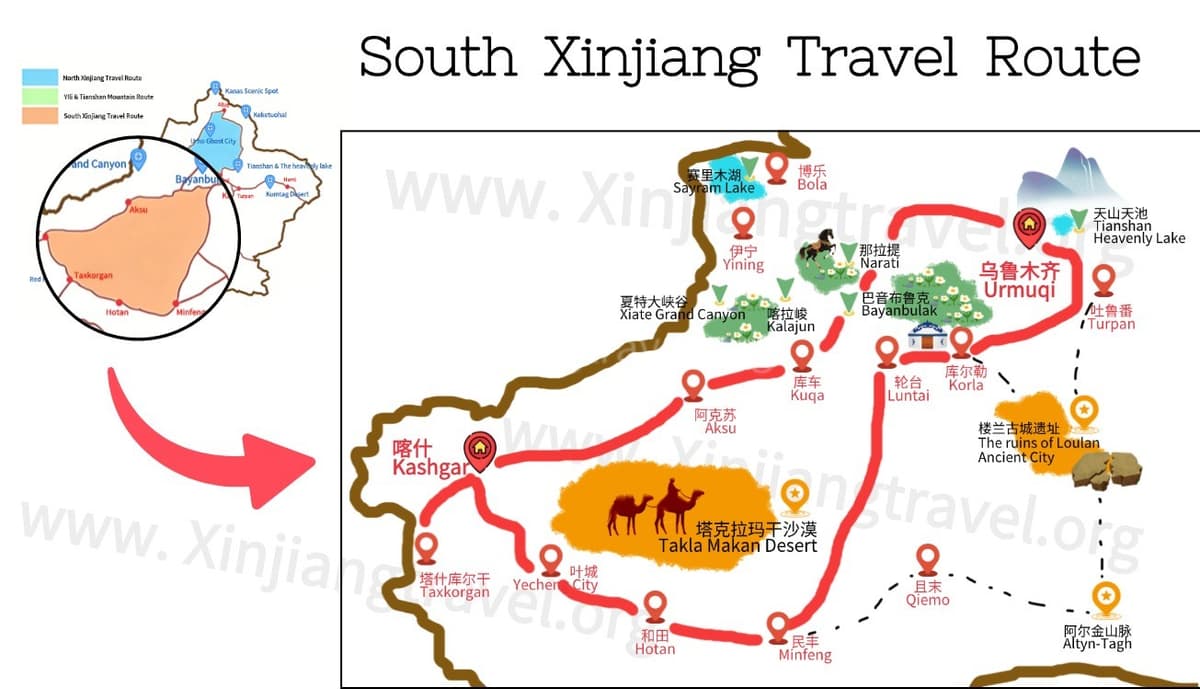
The basin in Southern Xinjiang: Between the Tianshan and Kunlun Mountains sits China's largest basin—the Tarim Basin. At its heart sprawls the vast Taklamakan Desert, while life-giving water flows along the oases fringing its edges.
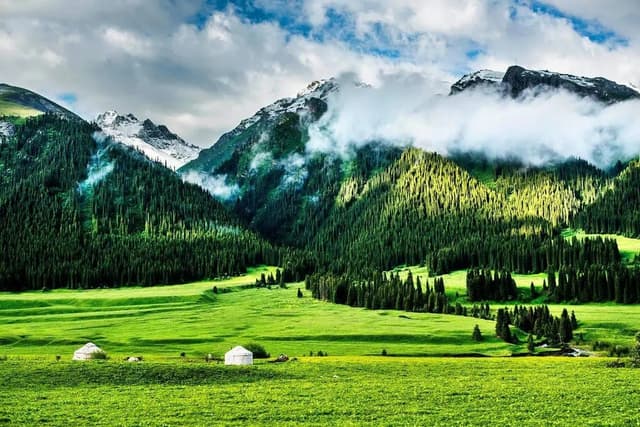
It's this very pattern of mountains and basins alternating that creates the strikingly different landscapes between Northern and Southern Xinjiang: the north has year-round snowcapped peaks and lush grasslands, while the south showcases mighty deserts and time-honored oasis civilizations.
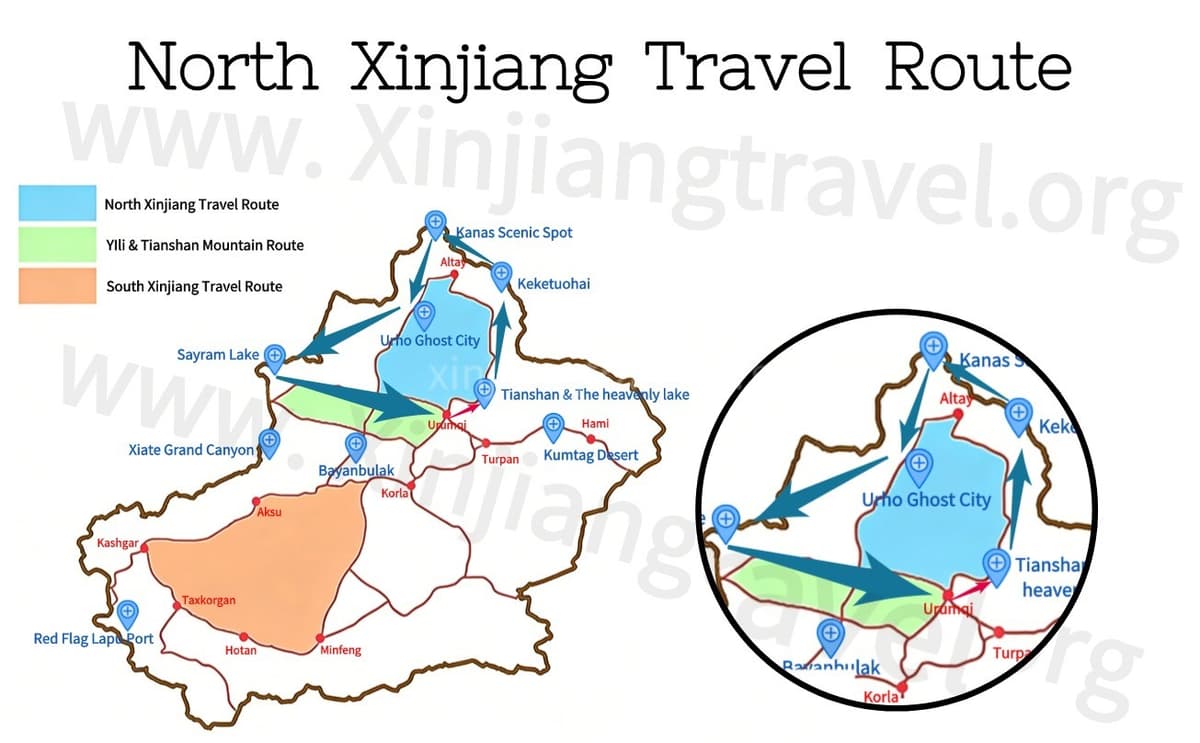
A Guide to Northern and Southern Xinjiang: Snowy Peaks, Grasslands, Desert Ruins
Spread out the map along the Tianshan Mountains—this natural dividing line—and you'll see Northern and Southern Xinjiang painted in completely different travel colors.
Northern Xinjiang: A Rhapsody of Nature Painted in Vivid Hues.
The landscapes here are lively and ever-changing. You'll find dreamy scenery that could transport you straight to Northern Europe.
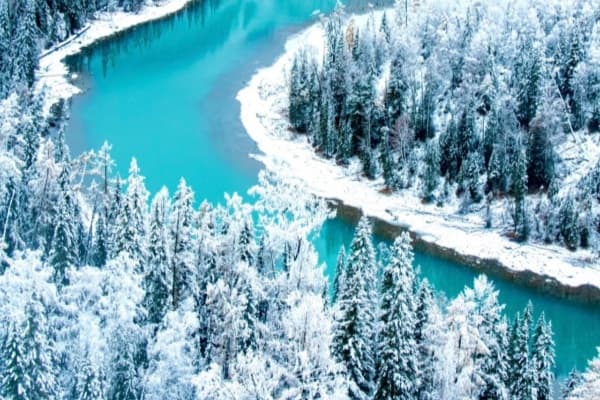
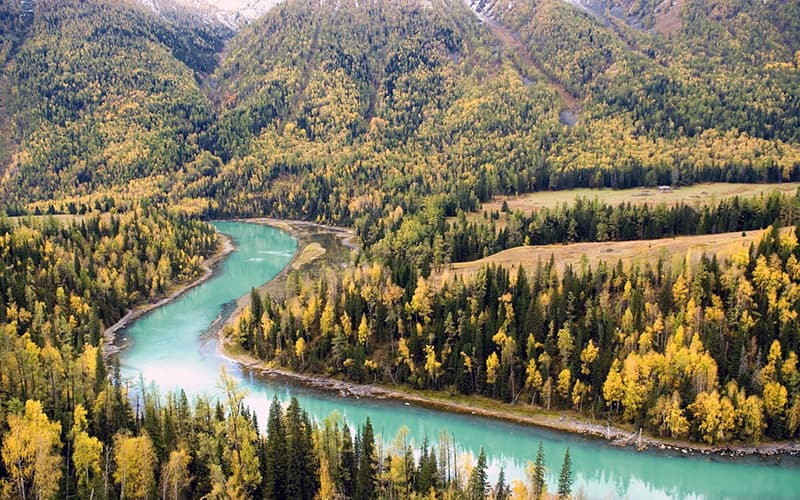
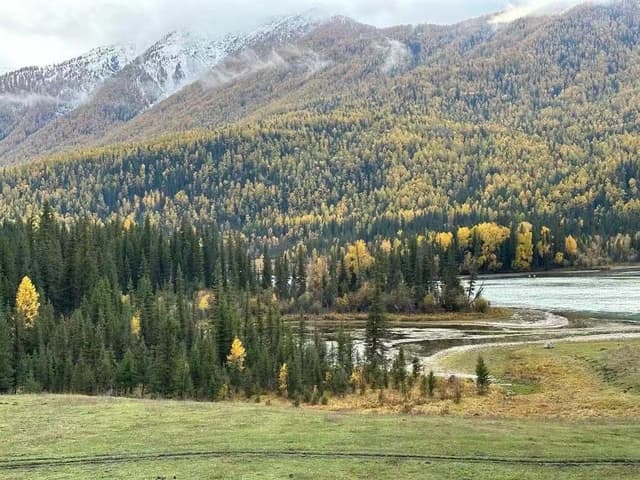
Autumn and Winter in Altay: If Kanas Lake is called the "Garden of the Gods", then winter turns it into an ethereal world woven in blue and white. The lake mirrors snow-dusted peaks and frost-covered trees like a sheet of glass. In Hemu Village, wooden cottages emerge from the morning mist like something out of a fairy tale.
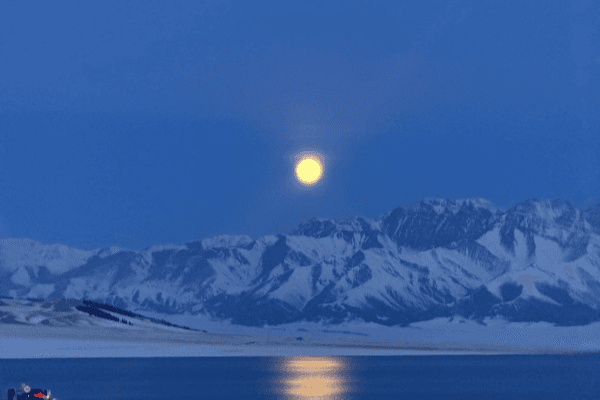
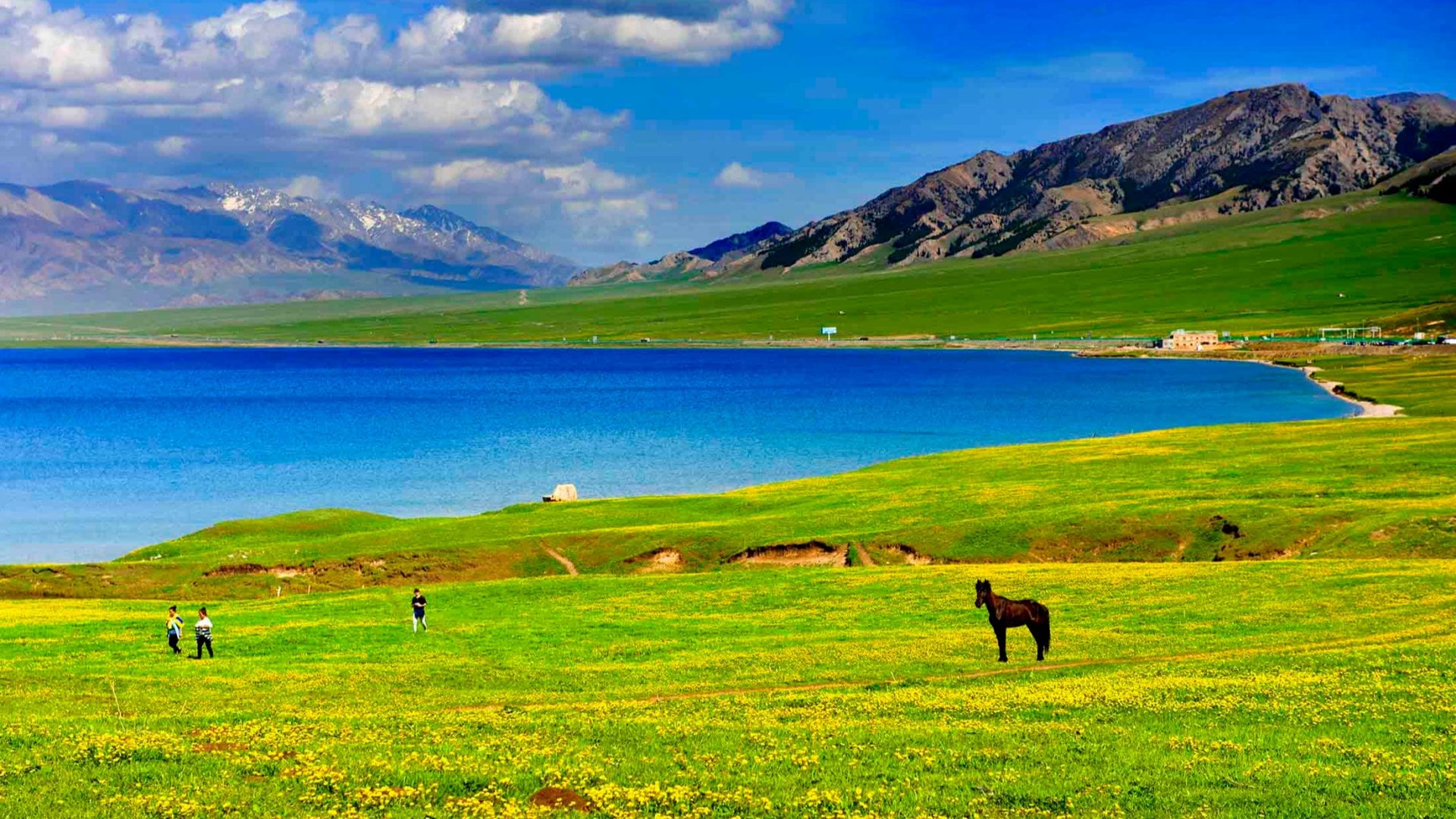
Summer in Bortala: Here lies Sayram Lake, known as the "last tear of the Atlantic". Its waters shift through countless shades of blue as the light changes.
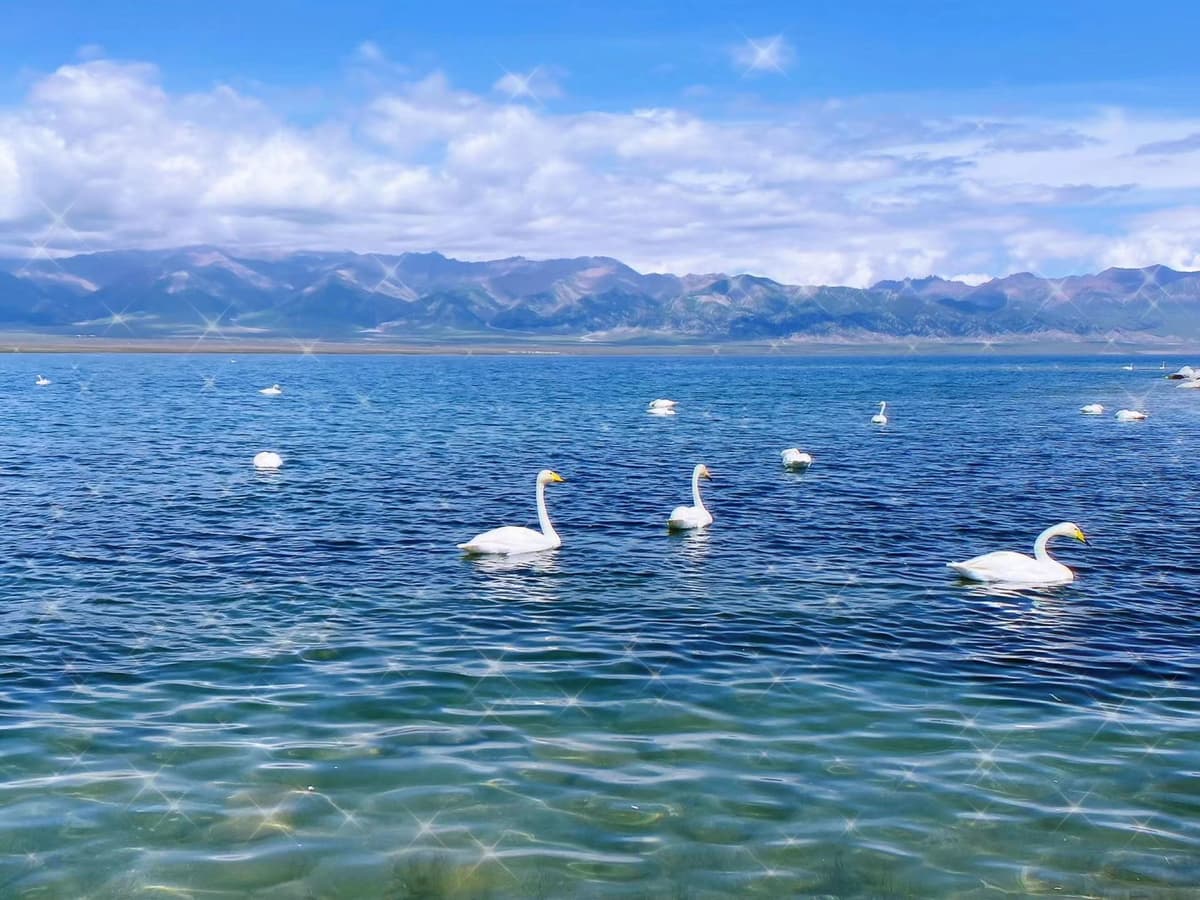
Autumn in Ili: If the Nalati grassland is nature's poetic gift floating in the sky, then autumn in Ili is a canvas where gold and green melt into one another. The meadows slowly take on touches of yellow, dotted with wild chrysanthemums. When the wind blows, gentle ripples roll across the grass.
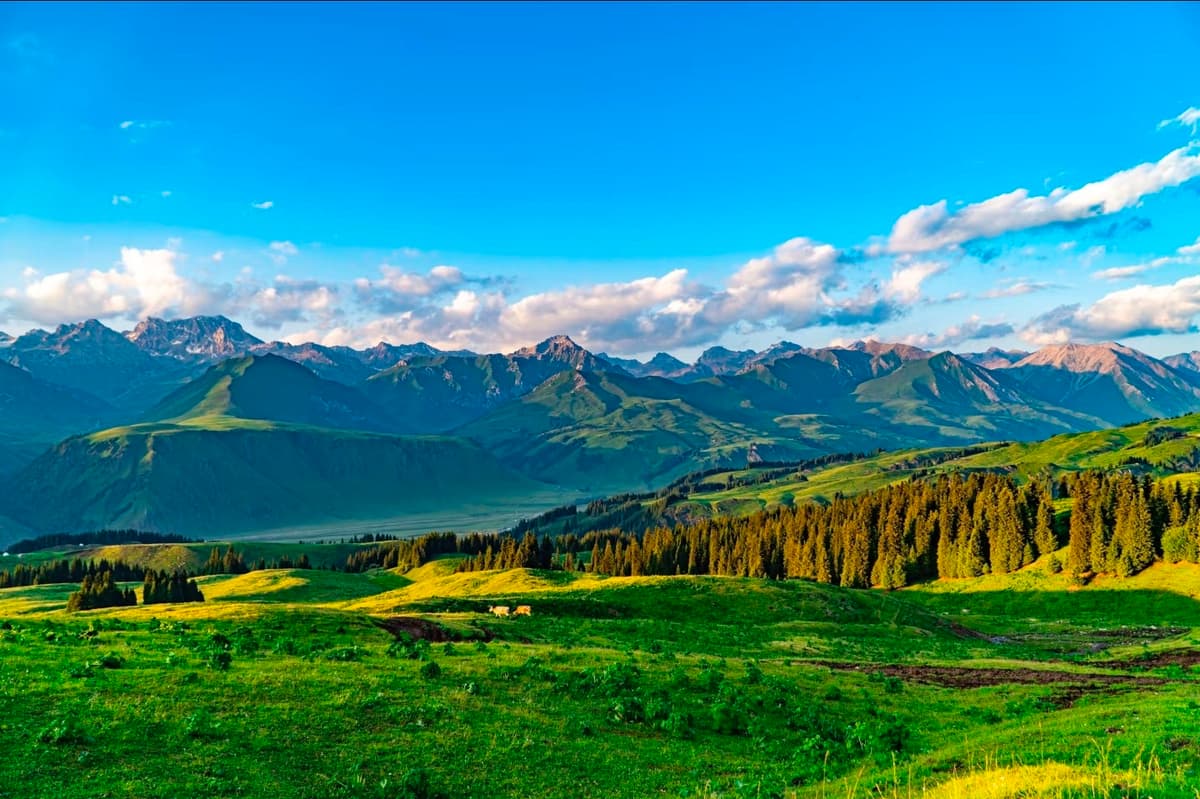
Southern Xinjiang: Where History Speaks Through Vast Lands
The beauty of Southern Xinjiang is something else entirely—wilder, deeper. It's not just in the landscapes but carved into the pages of history itself.
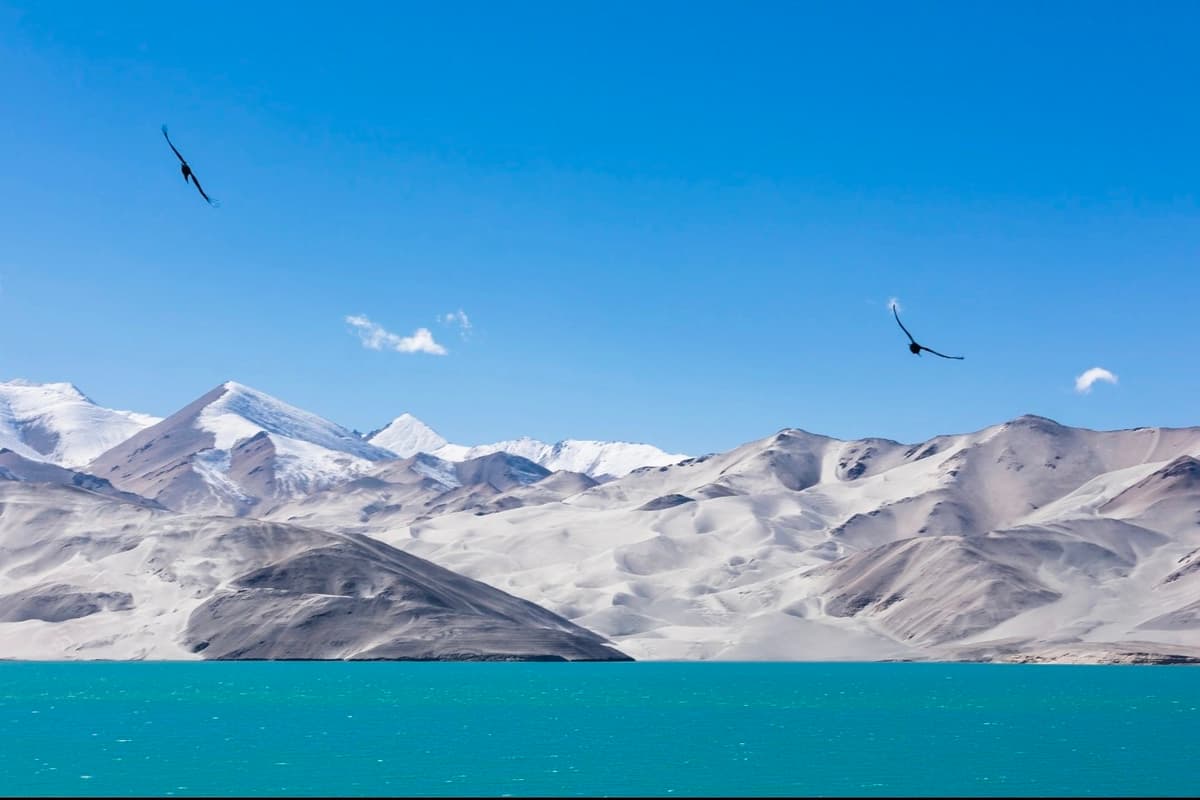
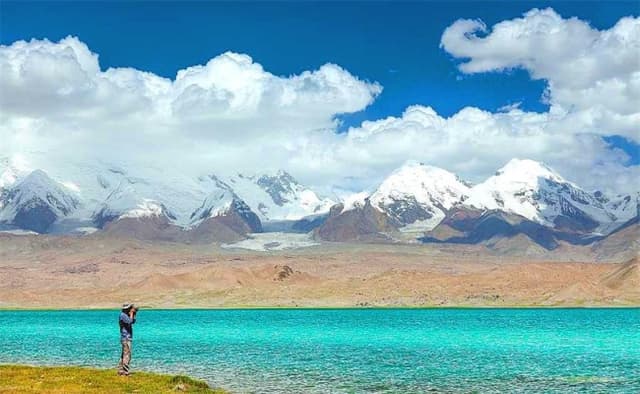
The Pamir Plateau: Hit the China-Pakistan Friendship Highway and you'll come across Baisha Lake, often called the most beautiful lake on the Pamir Plateau. Its water shimmers in a shade of Tiffany blue that hardly looks real. Not far off, the Panlong Ancient Trail twists and turns through more than 600 switchbacks. Locals say: "Take all the detours today, and the road ahead will be smooth sailing".
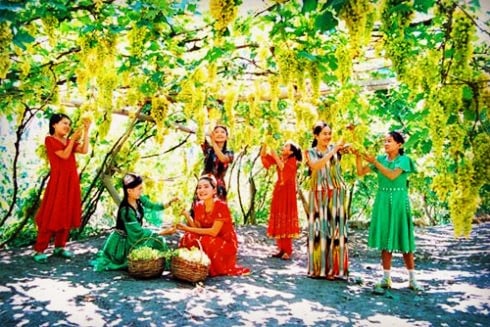
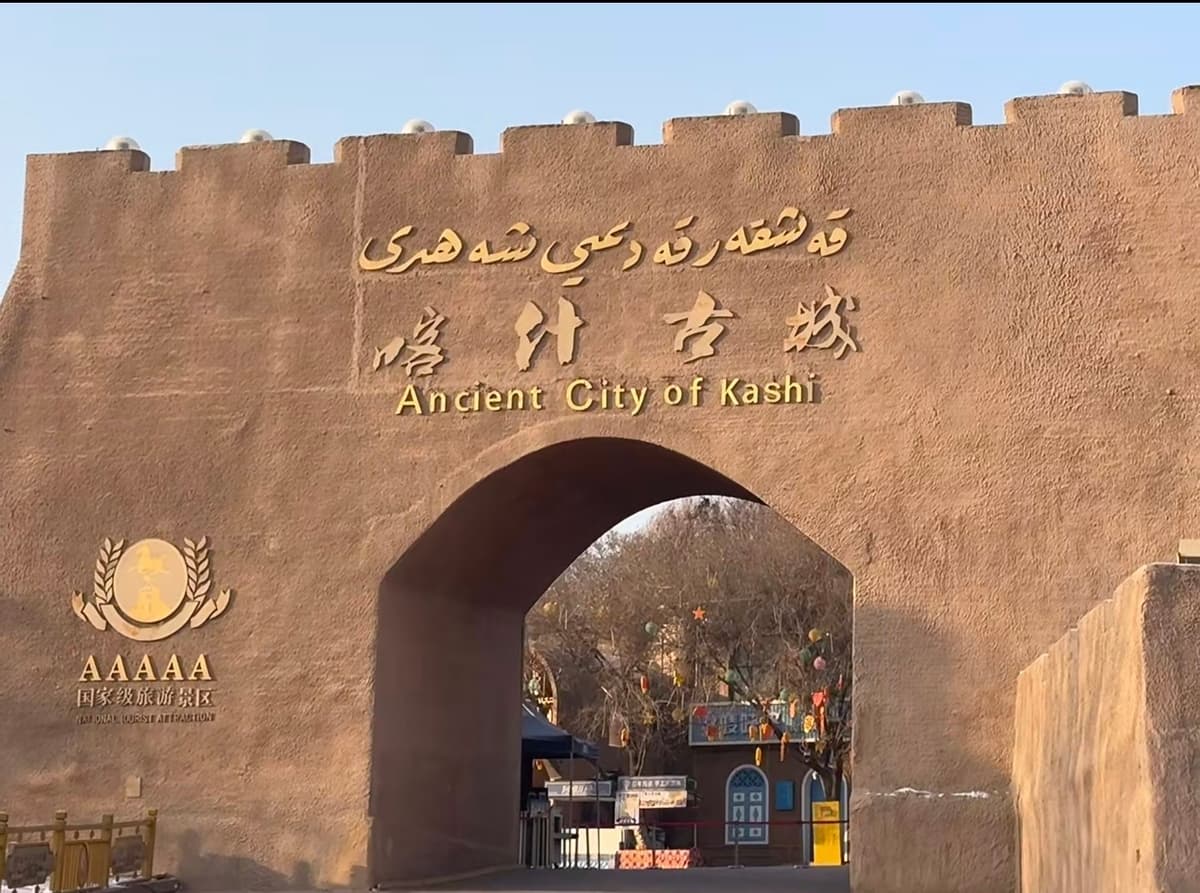
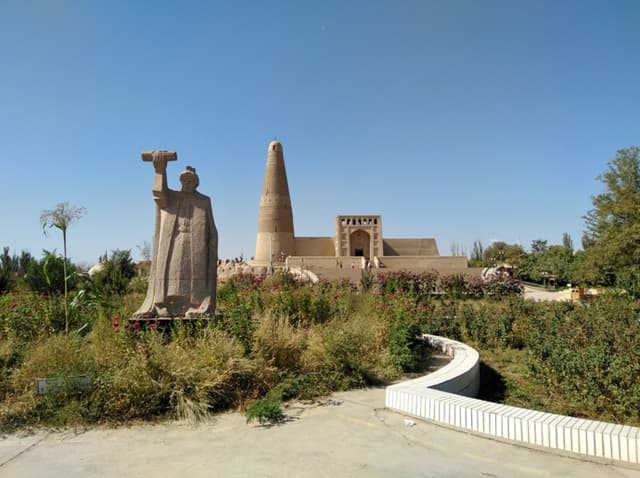
Silk Road Memories: Walking into the ancient city of Kashgar, with its maze of winding lanes, feels like stepping back into the Western Regions of a thousand years ago. Out on the western frontier stands the Artux Celestial Gate—the world's tallest natural stone arch at over 500 meters high, a breathtaking work of nature's own hands.
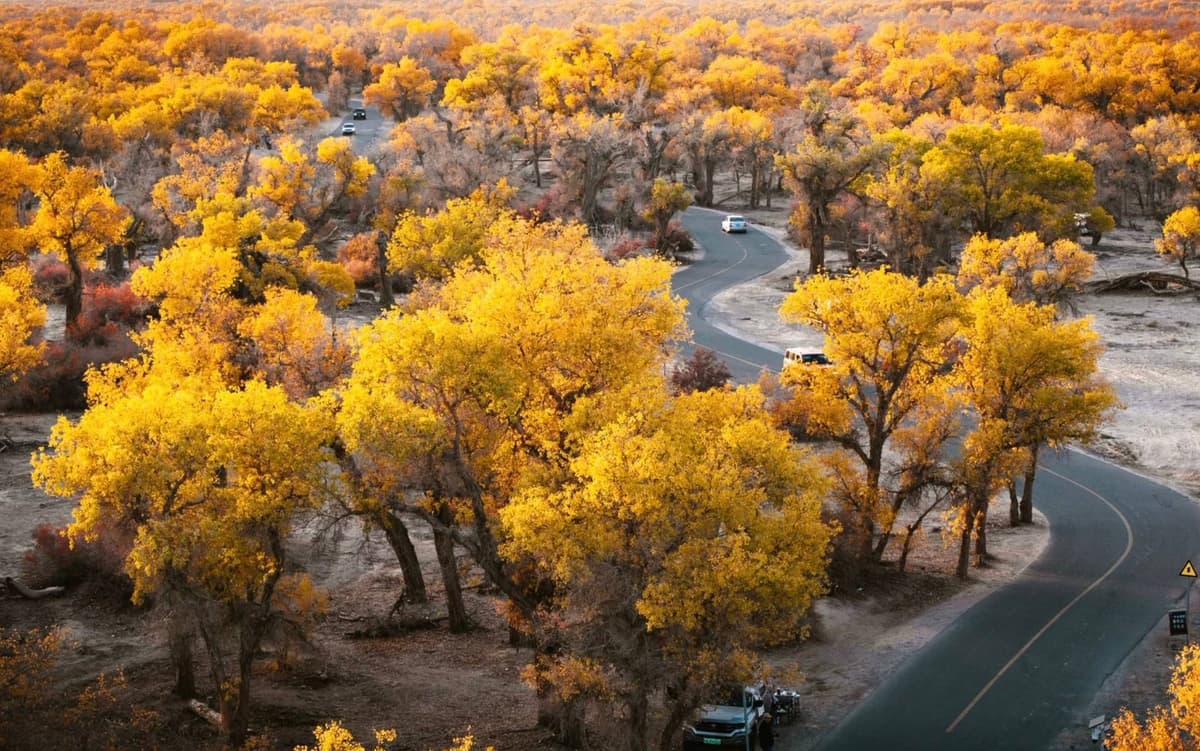
The Spirit of Populus Euphratica: In autumn, the Tarim Populus Euphratica Forest in Luntai bursts into a golden ocean, bearing witness to the legendary tree that "lives a thousand years without dying".
Northern Xinjiang
12 Days North Xinjiang Tour: Kanas Lake, Naraty GrasslandUrumqi-Heavenly Lake-Fuyun-Burqin-Kanas-Hemu-Kuitun- Sayram Lake-Naraty (2026)900+ booked From US$ 2420 |
13 Days North Xinjiang Panoramic Tour to Kanas and YiliUrumqi-Fuyun-Burqin-Kanas- Karamay-Sarym Lake-Naraty pastureland-Bayinbuluk-Korler- Turpan-Heavenly Lake (2026)600+ booked From US$ 2790 |
13 Days Xinjiang Tour to Ili PasturelandUrumqi-Sayram Lake-Zhaosu-Shate Valley-Kalajun Prairie-Tangbula Prairie-Narat Prairi-Bayinbuluk (2026)600+ booked From US$ 2680 |
Southern Xinjiang
9 Days South Xinjiang TourUrumqi-Turpan-Korler-Kuqa-Aksu- Kashgar-Taxkorgan-Kashgar (2026)800+ booked From US$ 1460 |
5 Days Xinjiang TourUrumqi-Kashgar-Yarkent-Kashgar (2026)600+ booked From US$ 800 |
12 Days Southern Xinjiang Memorable TourKashgar-Taxkorgan county (Pamir Plateau)-Kuqa-Turpan-Urumqi (2026)600+ booked From US$ 2228 |
This Xinjiang Map is more than just a guide to the land—it's an invitation to explore. From the snow-capped peaks of the Altai Mountains to the towering majesty of the Kunlun range, from the vast expanse of the Junggar Basin to the sweeping horizons of the Tarim Basin, every corner of Xinjiang is waiting for you.
Take this map and go. Let Xinjiang become the most unforgettable chapter in your travels!!!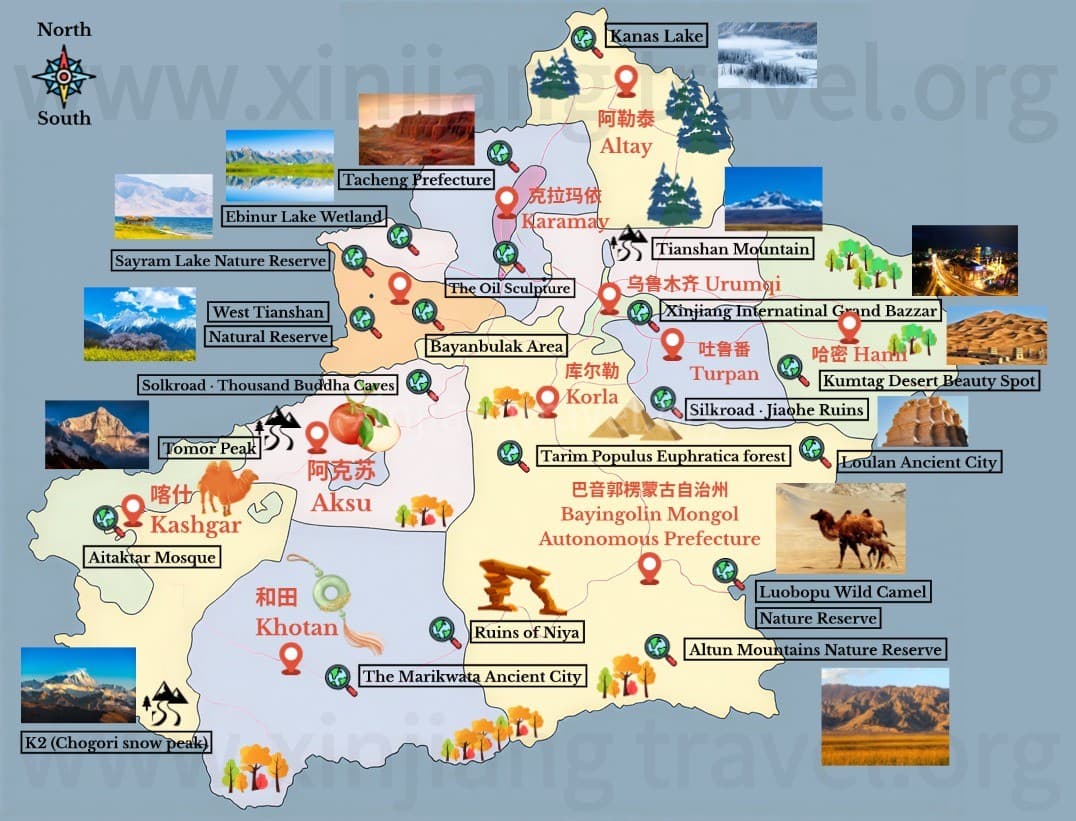
Urumqi-Heavenly Lake-Fuyun-Burqin-Kanas-Hemu-Kuitun-Sayram Lake-Naraty
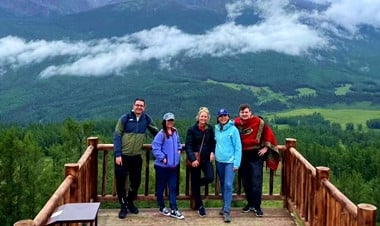
North Xinjiang Tour in Sept is the super best time for the golden autumn view. this full inclusive group tour will take you to Kanas Lake, Hemu Village, Sayram Lake and Narat Grassland, Travel with locals, big deal
Kashgar - Taxkorgan - Turpan - Urumqi - Beitun - Hemu - Kanas - Burqin - Urho
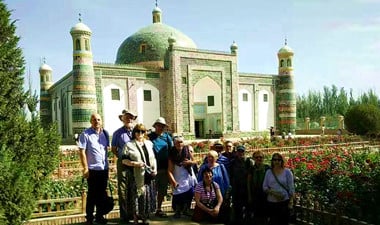
Best Xinjang Tour to Kashgar and Kanas includes the most beautiful natural landscapes in northern Xinjiang like Kanas and Hemu and the Kashgar livestock market and old city are all in the package.
Kashgar - Taxkorgan - Urumqi - Turpan - Fuhai - Hemu - Kanas - Urho - Jinghe - Yining - Tekes - Naraty
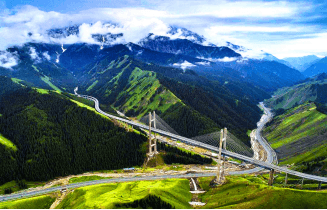
Experience all the essential sights in Xinjiang. No matter what you want from a trip in Xinjiang, you can find it here! From plateau to grassland, oasis to desert, mountains to lakes, villages to relics.
 |  |  |
 |  |  |