20 years of pioneer in xinjiang tourism for overseas travelers
Born Here, Know Best, Your Journey's Blessed
No Shopping. No Detour, 99% Excellent Review

contact UsOn Wechat
Xinjiang—A Safe and Vast land waiting for your exploration
If you're wondering "Is Xinjiang Safe?", the answer is a resounding yes. The region has comprehensive security measures in place, and both locals and tourists enjoy a peaceful and welcoming environment. Whether you're exploring bustling bazaars, remote mountain villages, or desert highways, you'll find that Is Xinjiang Safe is a question easily answered by the friendly faces and well-maintained public spaces you encounter daily. For any traveler concerned about Is Xinjiang Safe, rest assured that Xinjiang has always been a safe and welcoming destination for all travel lovers, where safety and hospitality go hand in hand. Xinjiang is a vast, beautiful and extremely safe region in China, perfect for every traveler who wants to take a memorable travel to China, embark on an unforgettable journey to Xinjiang, and fully experience the unique charm and wonderful travel experience that only Xinjiang can bring.
In recent years, social stability in Xinjiang has remained strong, and tourism has grown rapidly. Since its establishment, Xinjiang Travel has welcomed more than 60,000 international visitors, maintaining a customer satisfaction rate of 99%. Our agency focuses on recommending suitable travel routes and providing professional advice based on each traveler’s customized itinerary. After every journey, we also make a point of collecting timely feedback from our guests to continually improve the quality of our services.
Based on feedback from our clients and insights from our experienced local guides, we would like to share some practical suggestions with you.
Overall Assessment of Travel Safety in Xinjiang: Stable and Secure
From the perspective of people who have lived here for a long time, the first impression of Xinjiang is often not the "remoteness and mystery" that some might imagine, but rather a sense of order, security, and openness. In recent years, with the rapid development of tourism and improvements in urban governance, Xinjiang has become one of the most popular travel destinations in western China. Whether for first-time visitors or travelers returning for deeper exploration, a common impression is that Xinjiang is vast—and very safe.
Overall, the sense of safety in Xinjiang is reflected in five main aspects.
1.Stable public security
In the major cities and tourist areas of Xinjiang—such as Urumqi, Kashgar, Turpan, and Yining—visitors can generally feel a strong sense of order and safety, whether they are sightseeing during the day or strolling through night markets, taking walks, and enjoying local food in the evening.
Public spaces in the cities are usually well managed, with clean streets and orderly traffic. During peak tourist seasons, major scenic spots and commercial districts also increase patrols and service management to ensure that visitors can travel with peace of mind. Many travelers have shared that they felt relaxed and comfortable walking around, taking photos, or visiting night markets in Xinjiang after dark.
For example, in popular evening destinations such as the Grand Bazaar in Urumqi, the night market in Kashgar Old City, or Liuxing Street in Yining, it is common to see visitors from different countries and regions enjoying food, listening to music, shopping, and socializing together. Nighttime commercial activities often continue until late, which also reflects the stable and reassuring local environment.
Some international visitors have even commented that the streets at night in Xinjiang are orderly and public spaces are clean and well maintained, offering a sense of safety comparable to that of many well-known international tourist cities.
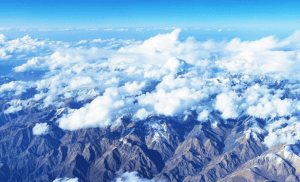
2.Well-managed cities and tourist attractions
Xinjiang is home to numerous world-class natural and cultural attractions. With the growth of tourism, the management of these scenic areas has become increasingly mature and professional. Many popular sites are equipped with comprehensive facilities and safety systems, allowing visitors to explore the vast natural landscapes with greater peace of mind.
Take popular destinations such as Kanas, Sayram Lake, Tianchi in the Tianshan Mountains, and Kashgar Old City as examples. These places generally offer a complete set of tourism services, including:
Scenic area police stations: Responsible for visitor safety and handling emergencies
Visitor service centers: Provide information, maps, guided tours, and language assistance
Smart navigation systems: Help tourists plan their routes more conveniently
Medical and first-aid points: Address altitude sickness or sudden health issues
Organized traffic and parking systems: Reduce congestion and safety risks
At cultural attractions like Kashgar Old City, visitors often see patrolling police officers or volunteer guides proactively offering directions, helping with photos, or giving safety reminders. This friendly and efficient service environment makes many first-time visitors feel very secure.
In addition, most scenic areas strictly manage visitor capacity and traffic, ensuring order and a good experience even during peak tourist seasons.

3.A mature and well-developed tourism environment
Although Xinjiang is vast, its transportation and tourism infrastructure are well developed, providing visitors with convenient and safe travel conditions.
Currently, Xinjiang has formed a modern transportation network covering the entire region, including:
Highway networks connecting major cities and scenic areas
High-speed and regular rail lines linking Xinjiang with China's main cities
Multiple international and domestic airports with extensive flight routes
Dedicated scenic area routes and self-driving roads
For example, Urumqi Diwopu International Airport operates numerous daily flights to major cities across China. Railways and highways between northern and southern Xinjiang make long-distance travel safer and more efficient.
In terms of accommodation, Xinjiang offers a wide range of options, from international star-rated hotels to boutique inns with local ethnic characteristics, catering to different types of travelers. Many inns are located in scenic areas, such as the Ili Grasslands or around Kanas Lake, offering both comfortable lodging and a closer experience of local life.
At the same time, Xinjiang's nightlife and night market culture are very active. Whether at the International Grand Bazaar in Urumqi, the night market in Kashgar, or the music and café scene on Liuxing Street in Yining, the cities remain lively at night. Night markets often operate until late or even past midnight, and this vibrant nighttime life itself reflects the safety and social stability of the cities.
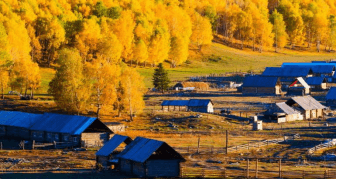
4.Kindly reminder in Xinjiang and How to Handle Them
Like any popular destination, Xinjiang travel becomes even more enjoyable with a little preparation. Most of the points visitors should keep in mind are common travel reminders found in destinations across China, such as planning routes in advance, paying attention in busy sightseeing areas, and preparing for Xinjiang's diverse natural landscapes.
Keep your belongings safe in crowded areas
Attention: In busy markets, night markets, or transportation hubs, valuables can be lost or stolen in crowded situations.
Solution: Keep your belongings secure, use a anti-theft bag or waist pouch; keep valuables in front or close to your body in crowded places; avoid carrying unnecessary cash or valuables.
Challenges associated with the natural environment
Attention: Xinjiang is vast, and some scenic areas are on plateaus or in mountainous regions, with complex natural conditions including strong sunlight, dry climate, high-altitude effects, rivers, and lakes.
Solution: Bring sunscreen, hats, and skin protection; stay hydrated; first-time visitors to high-altitude areas should adjust gradually and prepare altitude medicine if necessary; pay attention to safety instructions and warning signs in scenic areas.
Long-distance travel between destinations
Attention: Cities and scenic areas in Xinjiang are far apart. Long-distance driving or traveling can be tiring and increases the risk of accidents.
Solution: Plan transportation carefully and choose reliable transport; avoid long continuous driving or travel; take sufficient breaks; carry water and light snacks.
Pre-departure preparation and safety checklist
Before traveling to Xinjiang, it is recommended to prepare the following:
Identification documents: Carry a valid ID or passport and keep a copy.
Essential luggage and gear: Prepare clothing according to the season, as well as sun, wind, and rain protection; bring necessary electronic devices and chargers.
Health precautions and travel insurance: Prepare common medications and altitude medicine; purchase travel insurance covering medical and emergency assistance.
Well-planned itinerary: Plan your route in advance and book transportation and accommodation; consider distances and travel time between destinations to avoid fatigue.
These preparations and precautions help travelers enjoy Xinjiang's landscapes and culture more safely and comfortably.
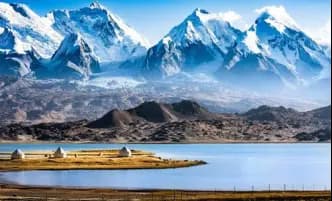
5.Safety Tips for Different Travel Scenarios
As a local, our travel agency usually give visiting friends practical safety advice based on different travel scenarios, helping them have a comfortable and secure trip:
1. City travel (Urumqi,Kashgar, Yining)
When visiting major cities, travelers often spend time in commercial areas, scenic spots, and night markets. Safety tips include:
Follow local traffic rules: Traffic in Xinjiang cities is generally orderly, but be cautious at busy intersections, especially at night.
Choose reputable accommodations and restaurants: Most hotels and inns are well managed, and city streets are relatively safe at night, but it is best to choose highly rated lodging.
Carry necessary identification: ID or passport is needed for hotel check-ins, purchasing tickets, or accessing certain services.
Stay connected: Download maps and local travel apps in advance for navigation and emergency contact.
Be mindful of nighttime safety: Night markets, bars, and pedestrian streets are crowded at night, so pay attention to your belongings.
Many travelers report that places like Urumqi International Grand Bazaar or Kashgar Old City night market are safe and orderly, making solo travel comfortable.
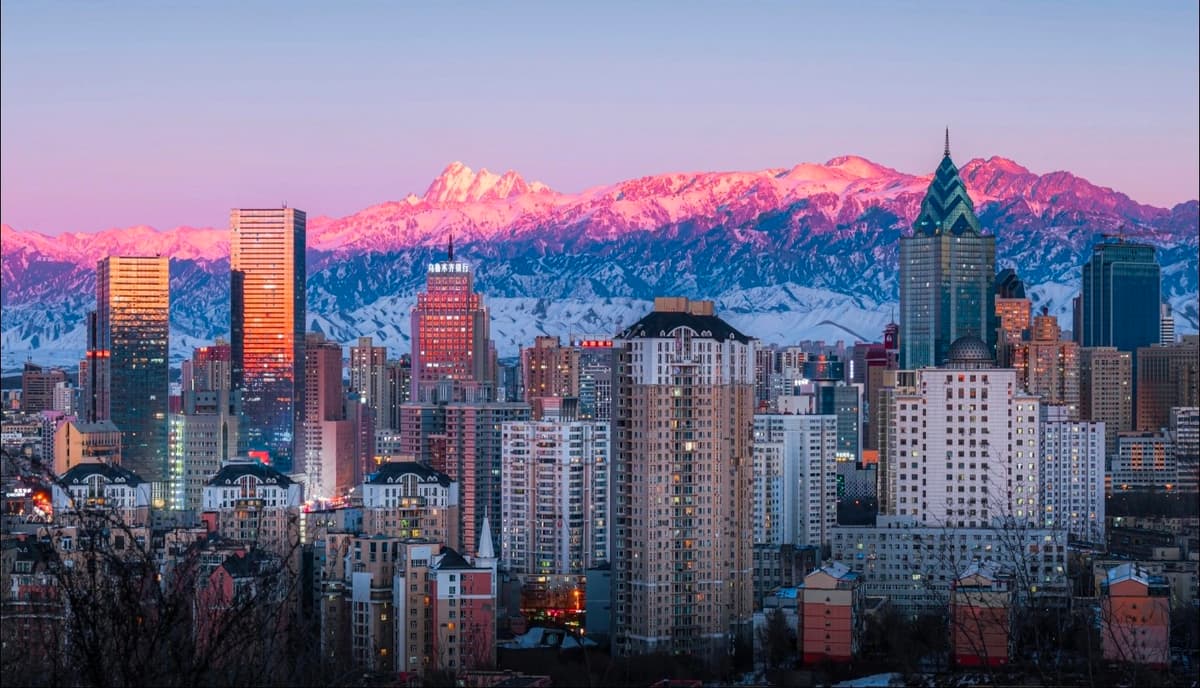
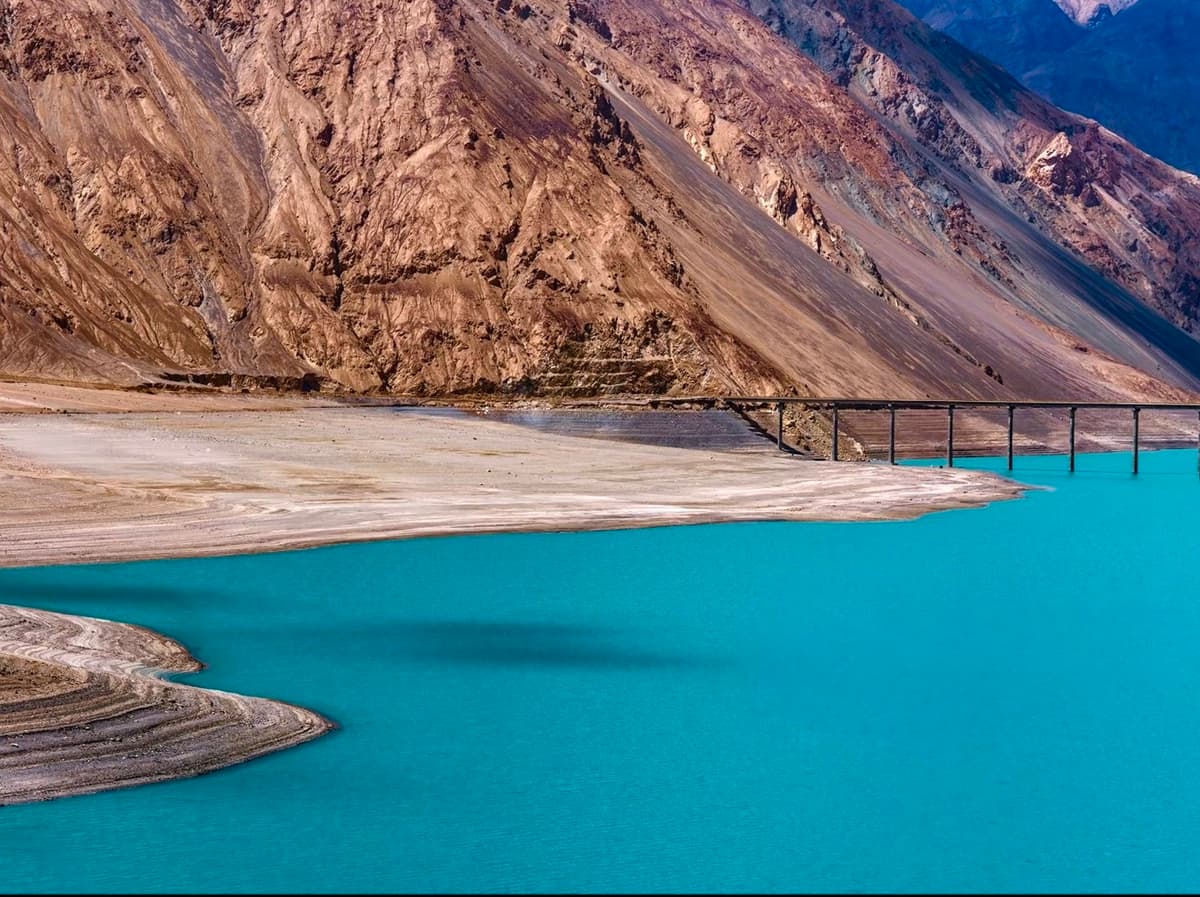
2. Self-driving trips (Duku Highway, Yizhao Highway)
Xinjiang's self-driving routes offer spectacular scenery, but long distances and complex environments require careful preparation:
Check your vehicle in advance: Fuel, brakes, tires, spare tire, and emergency tools should be ready.
Plan routes and rest stops: Some sections of Duku and Yizhao Highways are remote, and road conditions may vary, so plan breaks and fuel stops.
Monitor weather and road conditions: Mountain, canyon, and desert roads can experience sudden weather changes; follow updates from meteorological and traffic authorities.
Carry emergency communication tools: Signal may be weak in remote areas; consider GPS or in-vehicle emergency devices.
Drive safely and stay focused: Mountain roads have many curves; obey speed limits and watch for oncoming traffic.
Most self-driving visitors find that with preparation and cautious driving, traveling in Xinjiang is safe and memorable.
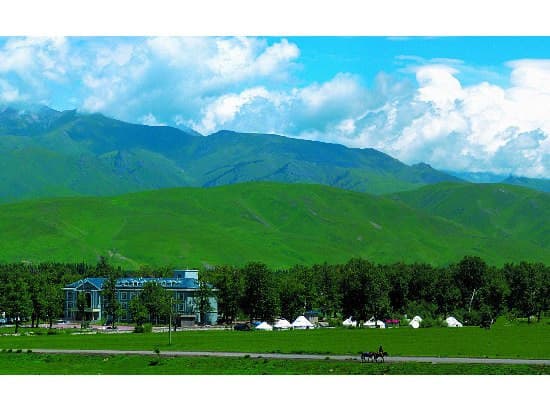
3. Grassland and pastoral area travel (Ili, Altay)
The northern grasslands and pastoral areas of Xinjiang are vast and sparsely populated, requiring attention to specific safety matters:
Respect local customs and herder life: Notify or get permission from locals before entering pastoral areas.
Protection from sun, wind, and insects: Grasslands have strong sun and large temperature differences; bring sunscreen, hats, and insect repellent.
Vehicle and road safety: Many pastoral roads are unpaved; rain or snow can make them slippery or muddy.
Bring emergency supplies: Water, dry food, basic medicines, and warm clothing are essential.
Maintain communication and travel in groups: Travel with friends when possible, and inform family or accommodation of your plans.
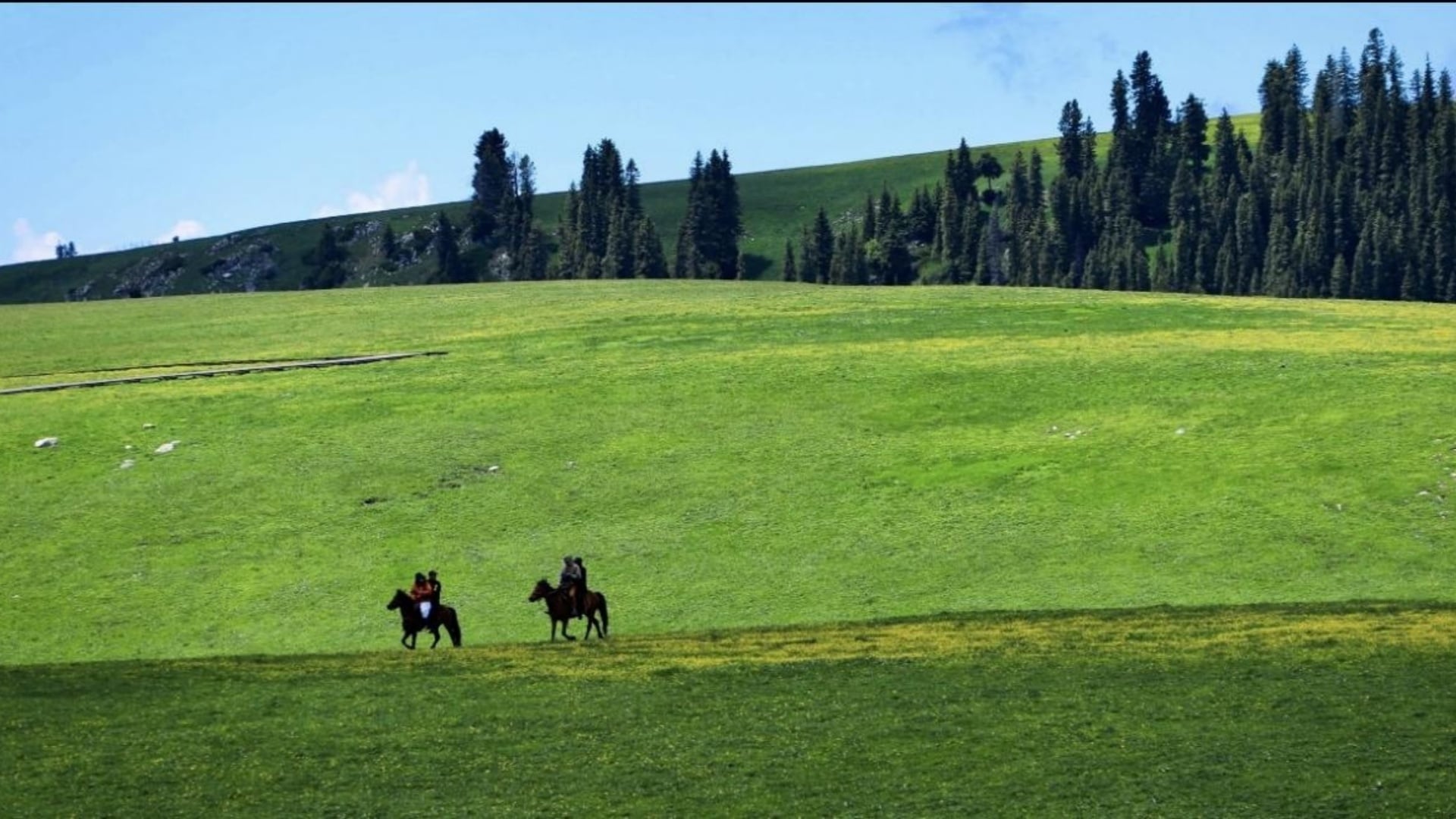
Many visitors to Ili and Altay report that following these safety principles allows them to enjoy horseback riding, camping, and photography safely while avoiding getting lost or unexpected situations.
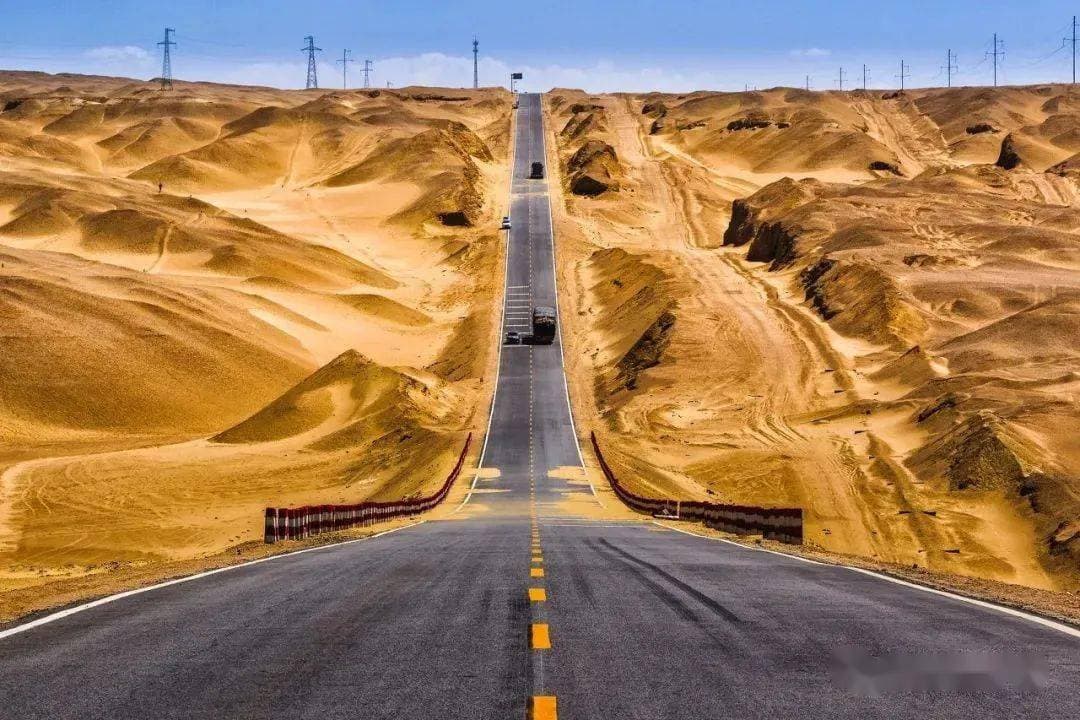
4. Desert travel (Taklamakan Desert, Kumtag Desert)
The deserts of southern Xinjiang are fascinating but extreme environments that require extra caution:
Join a professional team or guide: Desert terrain is complex with few landmarks; experienced guides or travel agencies are recommended.
Bring sufficient water and food: The dry and hot climate increases the risk of dehydration.
Sun and temperature protection: High daytime temperatures and large nighttime temperature differences require sun-protective clothing and warm layers.
Use navigation and communication devices: GPS, satellite phones, or tracking devices enhance safety.
Have an emergency plan and evacuation route: Know the nearest supply points, campsites, and evacuation routes before setting out.
Most travelers who follow these guidelines can safely enjoy off-road driving, camping, and sunrise or sunset photography, while fully experiencing the grandeur of the Taklamakan and Kumtag deserts.
Traveling in Xinjiang Is Very Safe — Make an Informed Decision
If you ask a local in Xinjiang,
"Is Xinjiang worth visiting?"
The answer is often reflected in the experiences shared by travelers themselves. As some customers wrote after the trip:
"We will never forget all these wonderful views and experiences!!!" "We were very happy and satisfied with the arrangements for our pleasant and enjoyable trip, and we highly recommend their service to anyone who is planning their Xinjiang trip." "Xinjiang is the best place I've ever go in my life!"
Here!
You can see the snow-capped Tianshan Mountains, the Ili grasslands, the Taklamakan Desert, and ancient Silk Road cities. More importantly, you will feel the warmth of the people of Xinjiang: a cup of milk tea, a skewer of barbecue, a simple "Welcome to Xinjiang." Safety is not an abstract concept—it is what you feel walking the streets, enjoying food at night markets, or gazing at the stars on the grasslands. Xinjiang is not only safe but also magnificent.
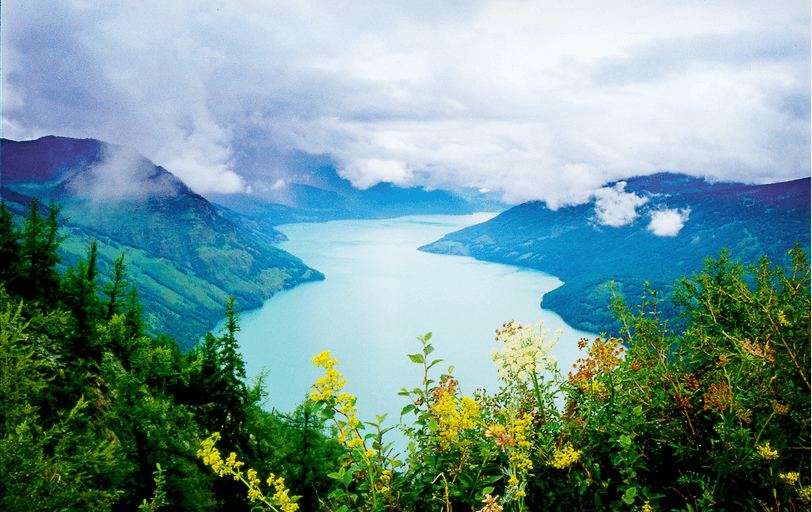
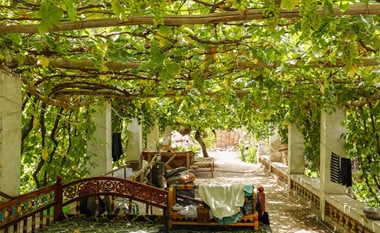
Urumqi → Turpan → Kanas → Karamay
9 Days Xinjiang Impressive Tour bringy you to The extraordinary Kanas is a fairyland. Snow-capped mountain,forest,grasslands and lake there make an intoxicating painting. Fireland-Turpan where you will know the Silk Road History and local Uighur folklore.The Tianchi,or"Heavenly Lake" is like a lake in heaven indeed.
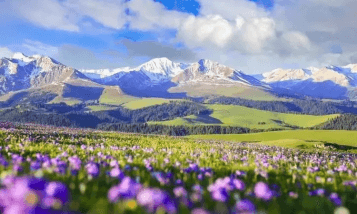
Yining - Sayram Lake - Naraty - Zhaosu - Qiongkushitai - Kalajun
Join in our north Xinjiang group tour to travel through beautiful snow mountains, grasslands and crystal-like lakes. Sayram Lake, Naraty Grassland, Xiata Grassland and Kalajun Grassland. You will also enjoy a trekking tour in the fairyland Qiongkushitai and feel the exotic atmosphere in Yining city.