20 years of pioneer in xinjiang tourism for overseas travelers
Born Here, Know Best, Your Journey's Blessed
No Shopping. No Detour, 99% Excellent Review

contact UsOn Wechat
Yining - Sayram Lake - Naraty - Zhaosu - Qiongkushitai - Kalajun
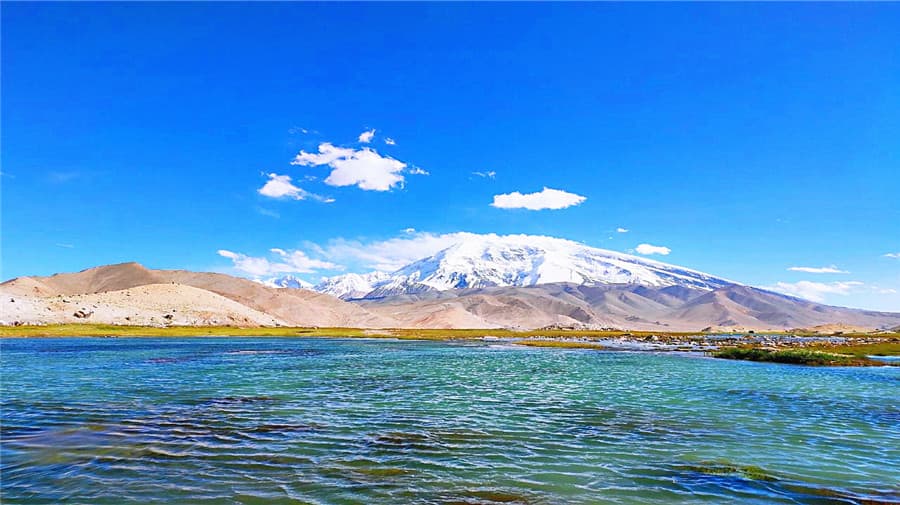
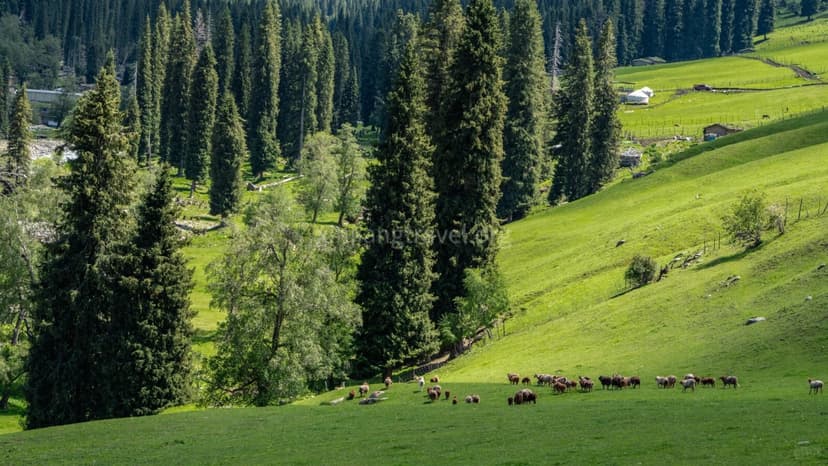
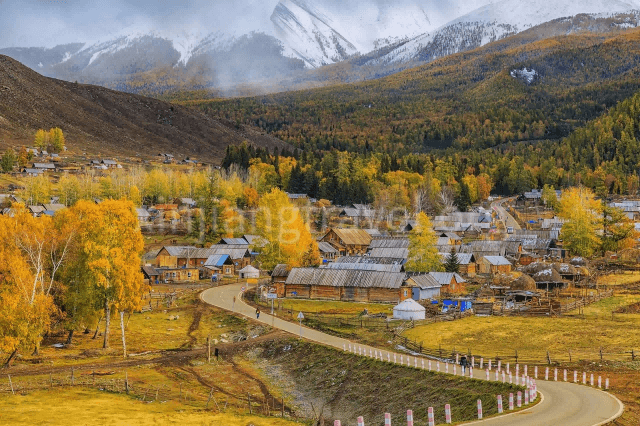
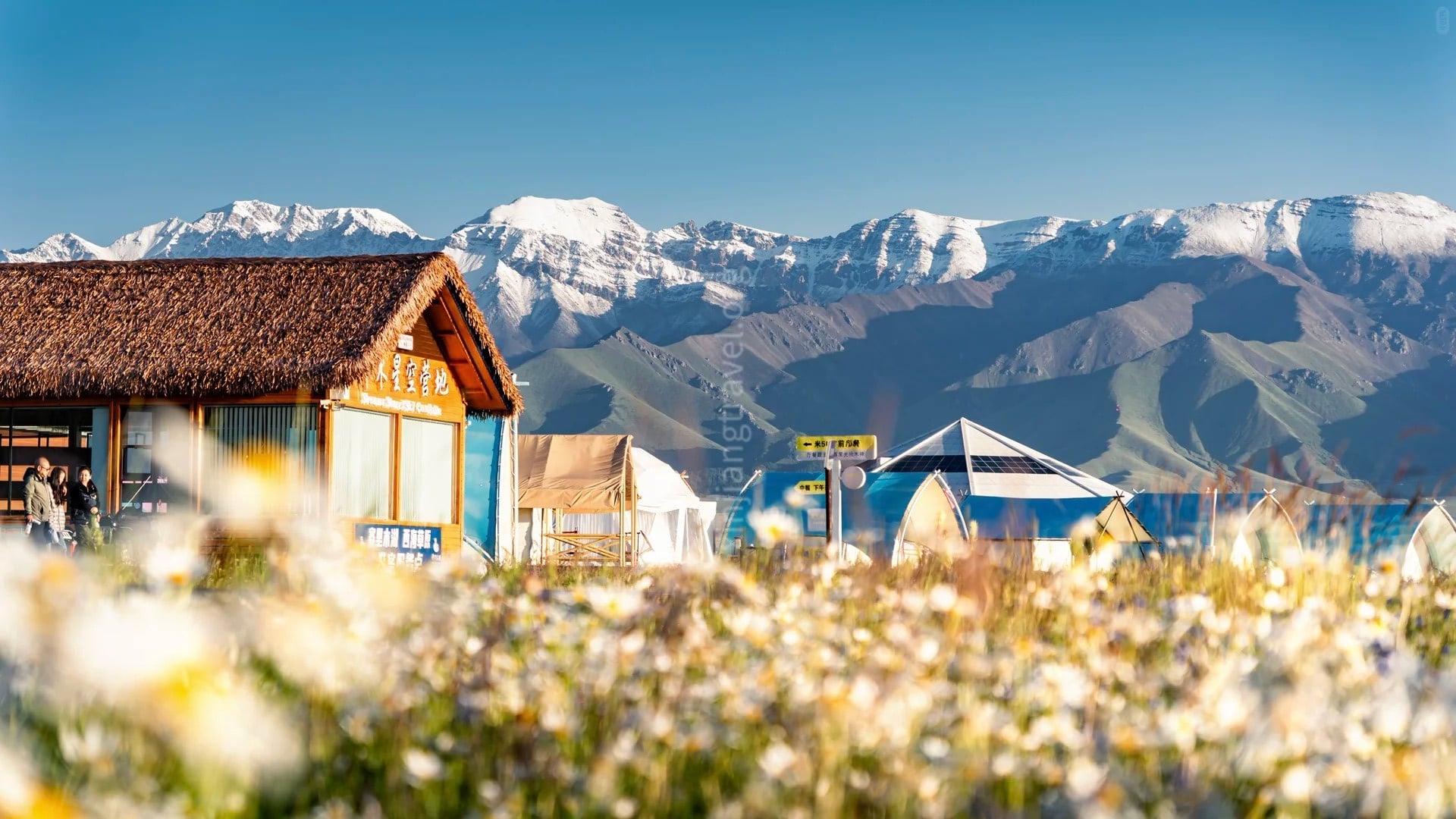
Join in our north Xinjiang group tour to travel through beautiful snow mountains, grasslands and crystal-like lakes. Sayram Lake, Naraty Grassland, Xiata Grassland and Kalajun Grassland. You will also enjoy a trekking tour in the fairyland Qiongkushitai and feel the exotic atmosphere in Yining city.
Yining - Xinyuan - Naraty Gongliu - Daxigou Valley - Qingshuihe - Kuitun - Urumqi
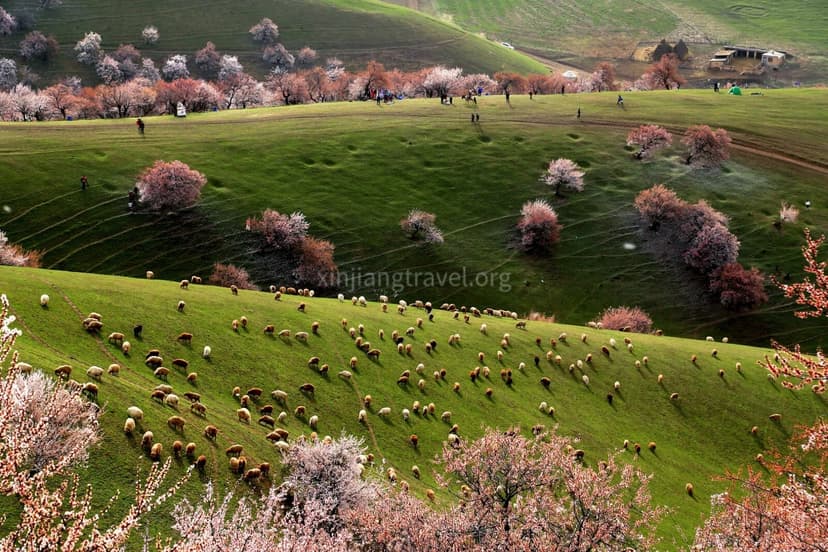
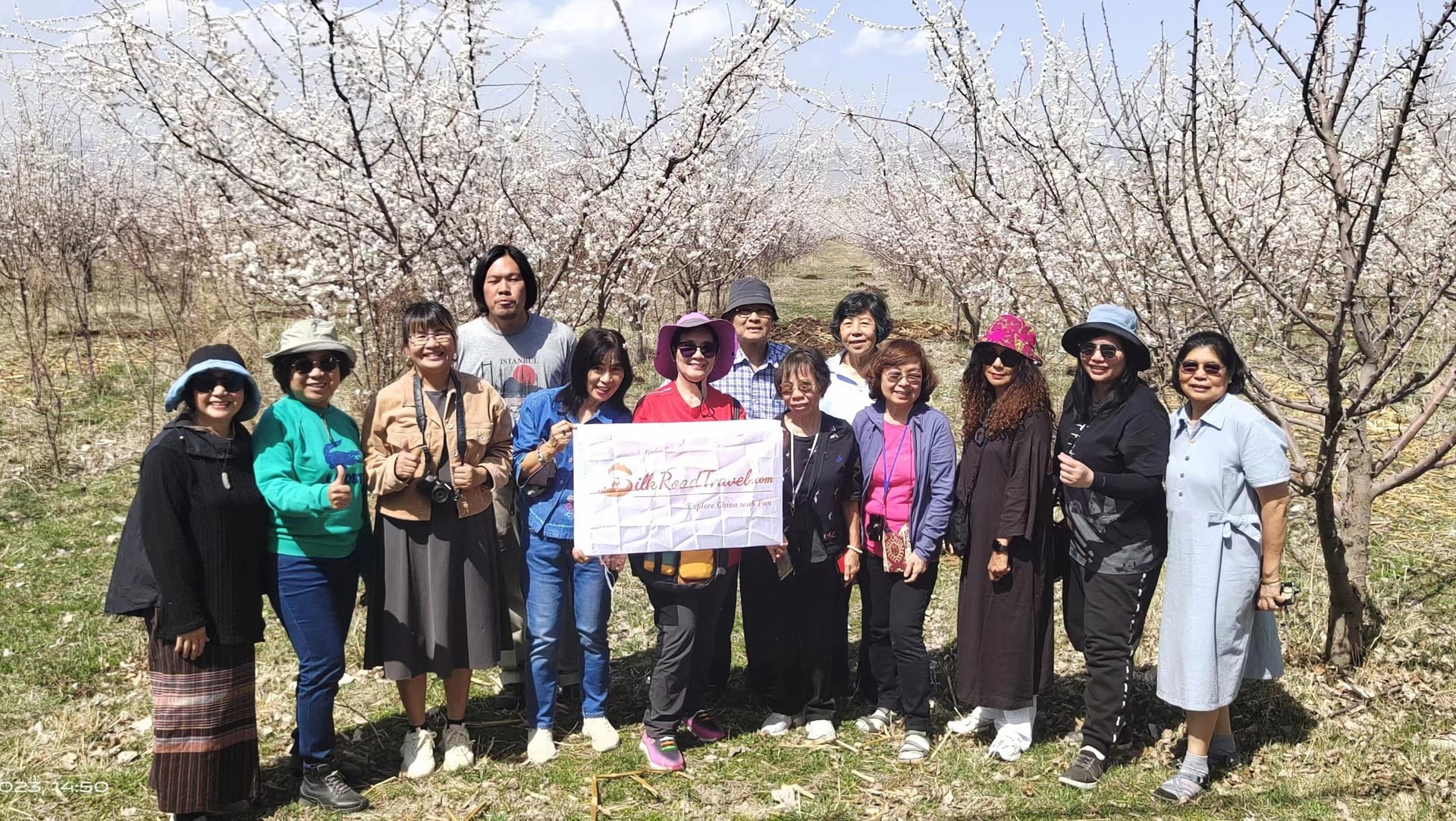
Join in our Xinjiang apricot blossom in Spring. In Yili, go to Tuergen village and Daxigou valley, immerse yourself in the ocean of apricot flowers. Then go to Yining city to experience the exotic Liuxing Street. Visiting Naraty and Kalajun grassland is also enjoyable in spring!

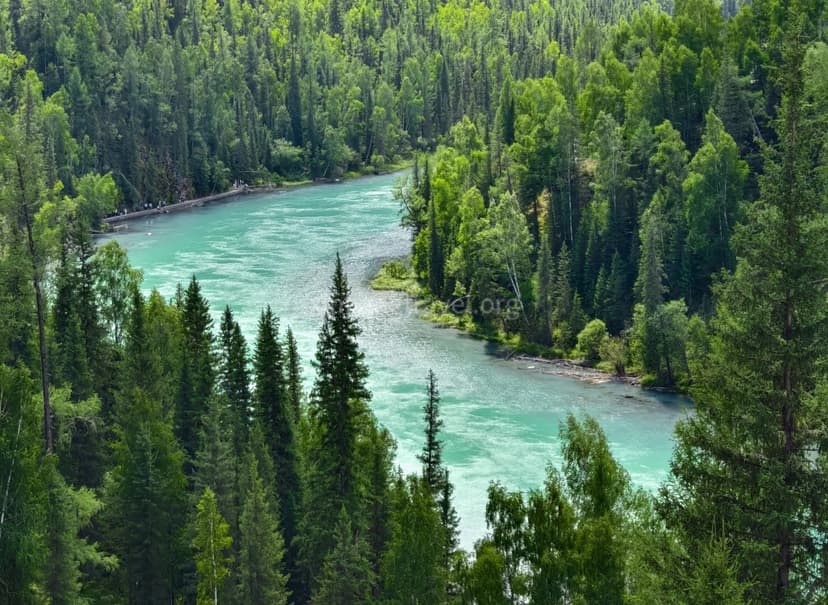
Altay - Keketuohai - Burqin - Kanas - Hemu
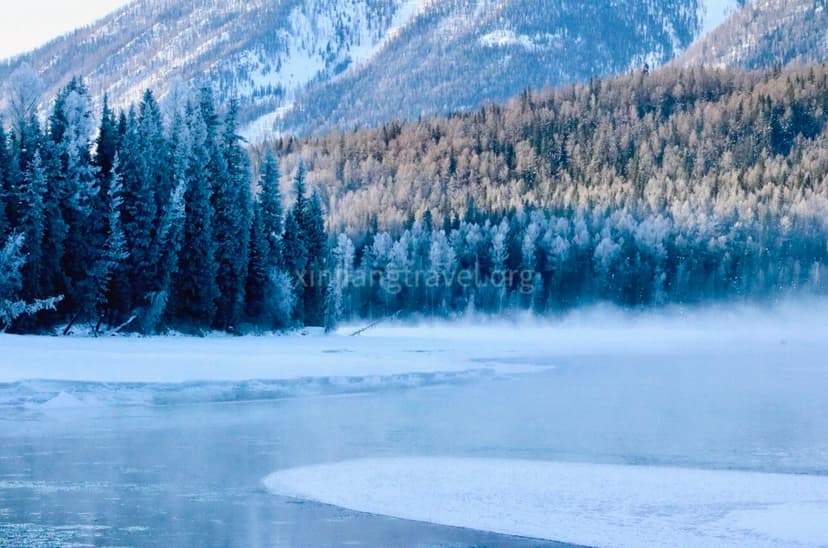
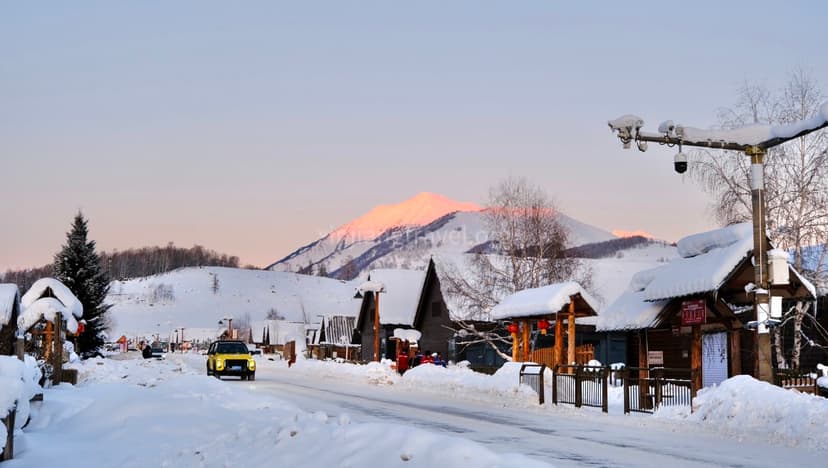
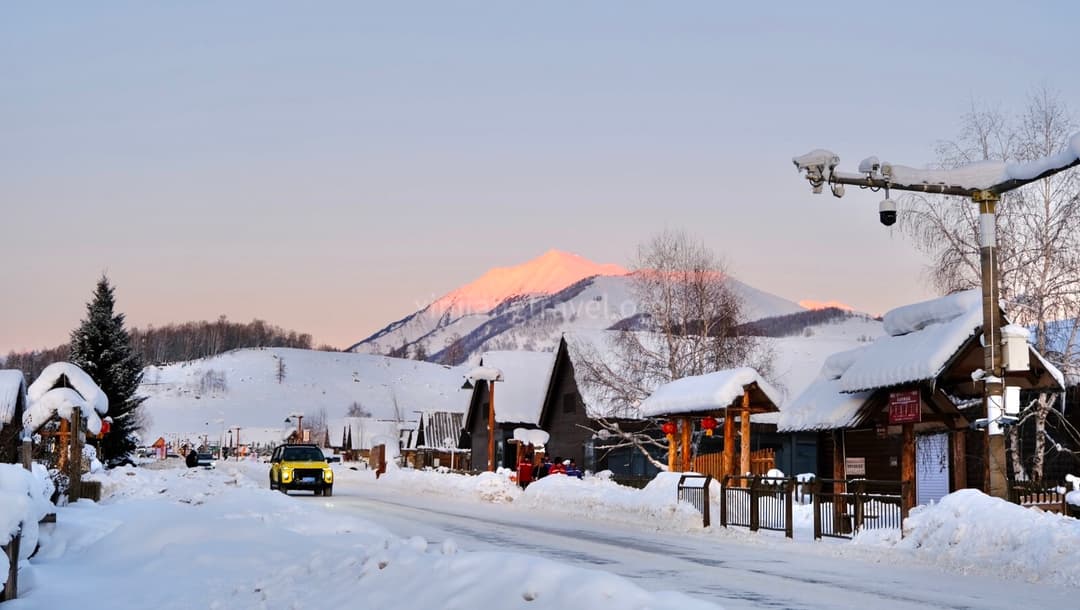
Book a 10-day winter skiing tour to Kanas, Hemu, Altay, Xinjiang, China. Spend 10 days in northern Xinjiang, visit the well-known Kanas Nature Reserve and Hemu village. Try the newly-built 4300-square-meter ski equipment hall in Keketuohai. It's a wonderful tour to Altay Prefecture.
The best time to visit Xinjiang depends on where you want to go and what you want to see: June to July is a strong starting point for Ili’s green grasslands, September for Kanas and Hemu’s autumn colours, spring or autumn for Kashgar and Turpan sightseeing, and December to February for an Altay snow holiday.
These are planning windows, not guarantees of flowers, foliage or snow conditions. A comfortable day in Kashgar does not mean a high mountain road is open, and summer in Ili feels very different from summer in the Turpan Basin.
Choose Your Travel Window
| Your main interest | Start with these months | The main trade-off |
|---|---|---|
Green grasslands in Ili | June–July; late May can suit lower areas | High pastures develop later than the valley floor. July brings more summer-holiday demand. |
Autumn colour in Kanas and Hemu | September, often the middle to later part of the month | The colour window is short and popular. Cold nights and early snow can affect plans. |
Kashgar old town and city sightseeing | April–May or September–October | Summer is hotter; winter visits require warmer clothing and shorter outdoor sessions. |
Turpan’s ruins and oasis sights | April or October; May and September can also work | Summer heat makes exposed sites harder to explore comfortably. |
Altay snow scenery and skiing | December–February for a winter-focused trip | Severe cold, holiday demand and weather-related road or lift interruptions need allowance. |
Ili apricot blossom | Usually late March–April, depending on the site | A short flowering period can shift with temperature and elevation. |
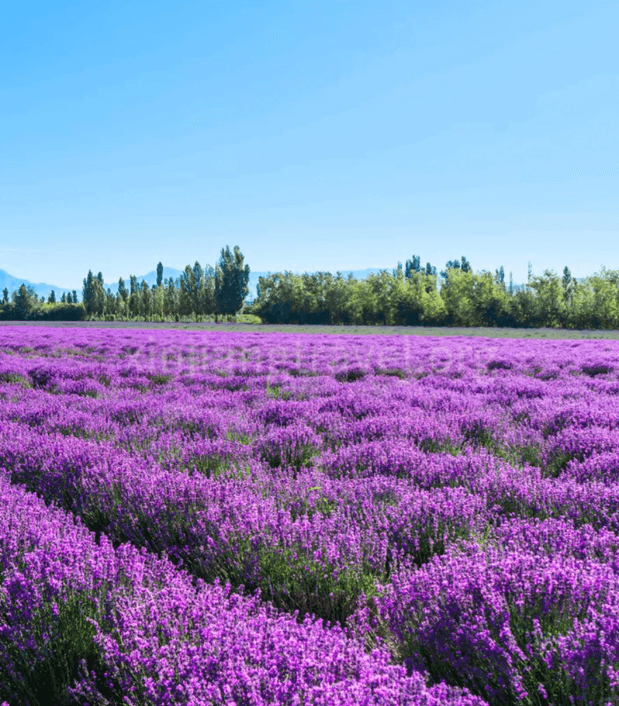
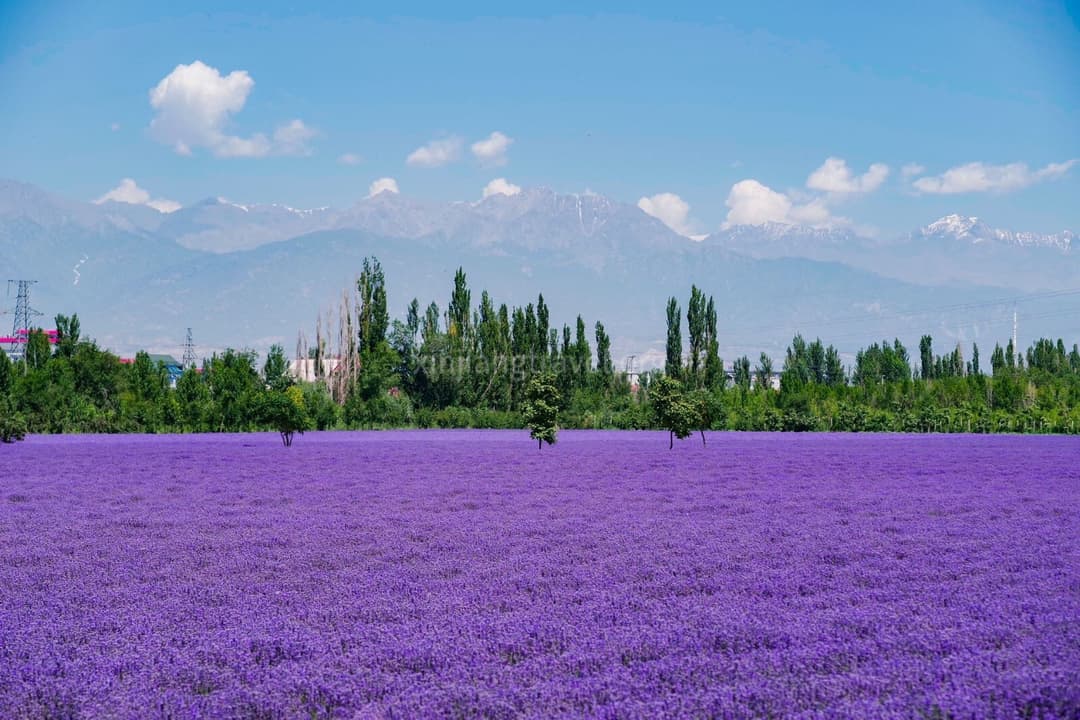
Ili lavender | June for the main flowering season | Harvest dates and field management affect what remains in bloom. |
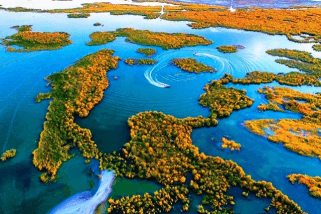
Tarim River desert poplars | October, often the middle to later part | Colour varies between groves; do not expect the same peak as Kanas. |
Instead of asking whether one month is the "best," I recommend choosing your travel month according to what you want to see.
Here is how I would describe Xinjiang throughout the year:
March: Apricot blossoms in Southern Xinjiang 13 Days Xinjiang Tour: Kashgar, Yili & Urumqi
April: Apricot blossoms in Yili and Tuergen 9 Days Xinjiang Spring Tour to Kashgar and Ili Grassland
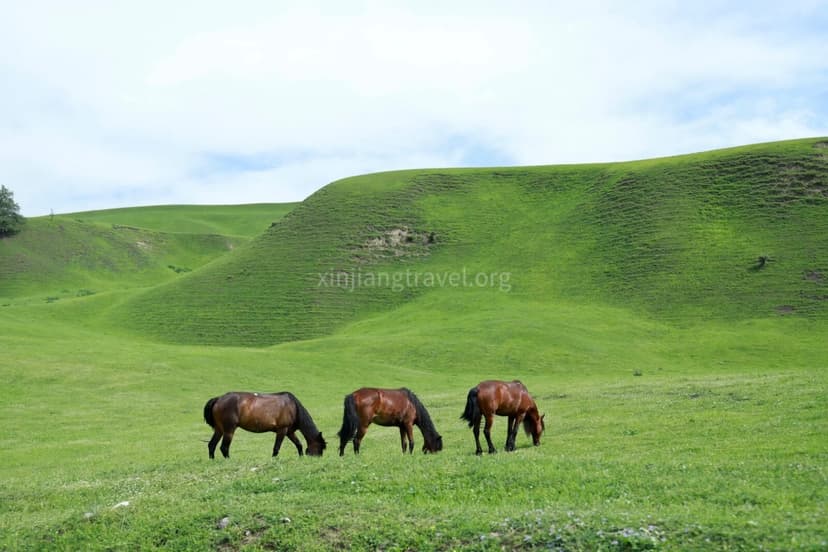
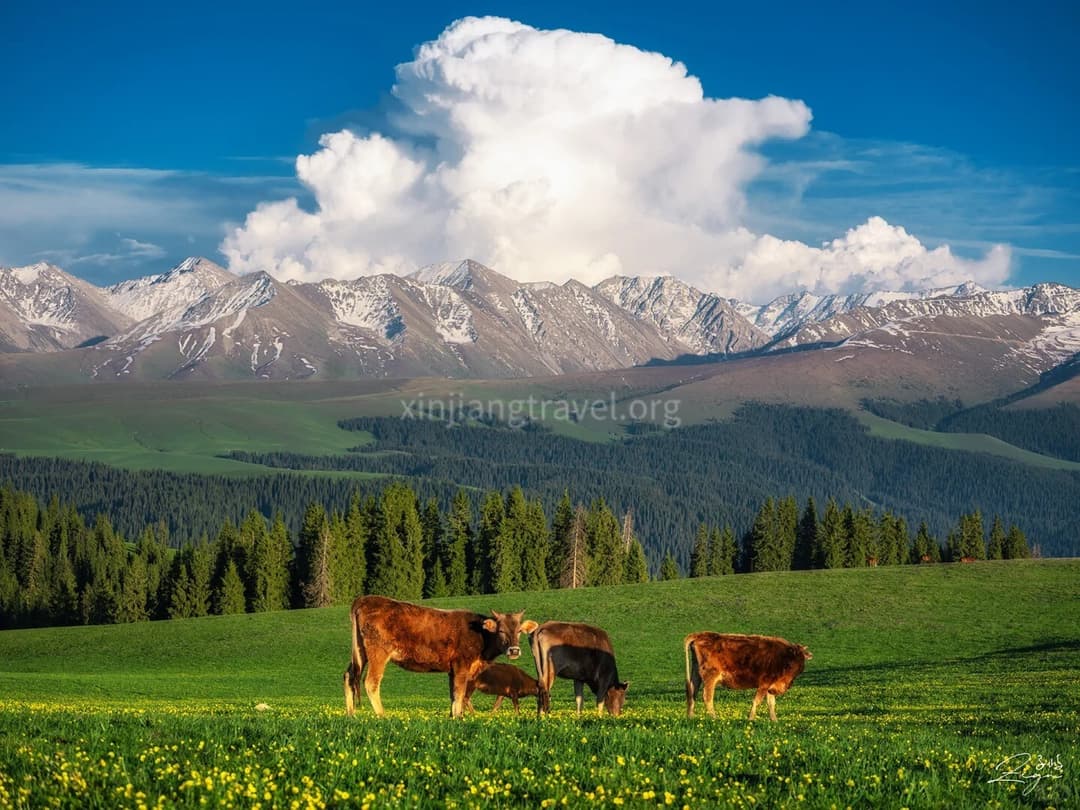
May: Yili grasslands turn green covering by the wild flowers 13 Days Xinjiang Tour to Ili Pastureland
June: Flowers, lakes and grasslands in Northern Xinjiang , All Xinjiang Tours
July: Peak summer scenery in Northern Xinjiang 12 Days North Xinjiang and Duku Road Trip Adventure
August: Xinjiang's famous fruit season North Xinjiang Tours: Kanas, Hemu, Yili & Sayram Lake
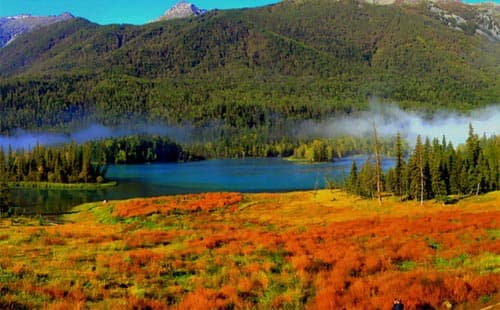
September: Golden autumn in Kanas and Hemu 11 Days North Xinjiang Tour to Kanas and Yili
October: Golden poplar forests in Southern Xinjiang . 10 Days South Xinjiang autumn Tour
November: Quiet low season but still recommend to our 7days Classic Xinjiang
December–February: Snow and skiing in Northern Xinjiang 10 Days Wonderland Kanas & Altay Skiing Tour
By now you have a clear sense of "when" to visit Xinjiang, but a great trip depends on more than just the right season. Our Xinjiang Travel Guide covers everything else you need — how many days to spend, which regions to prioritize, what to pack, how to get around, and the local dishes you shouldn’t leave without trying.
For green grasslands around Nalati and Kalajun, June to July offers a useful balance of developed summer scenery and access to higher landscapes. Late May can be rewarding in lower parts of Ili, but it is less dependable if your main aim is the fully green mountain-pasture scenery shown in summer photographs.
Ili’s valley floor and high grasslands do not reach the same stage together. A warm afternoon in Yining can be followed by a cold, windy visit at elevation. Carry a warm layer and waterproof outerwear even on a summer grassland trip.
Choose June if you want to combine grasslands with the main lavender season around Huocheng. Flowering and harvesting vary between farms; a field photographed earlier in the month may already have been cut by the time you arrive. Later displays at particular attractions should be checked individually rather than assumed across Ili.
For apricot blossom around Tuergen and other Ili sites, use late March and April as the initial planning window, then follow the current flowering reports for the exact location. An April blossom trip is not the same as a June grassland trip: snow may still remain on higher slopes, and the pastures may not yet be green.
August remains an option for Ili, particularly when school holidays determine your dates. Expect busier popular sites, and understand that grass colour varies with altitude, rainfall and grazing rather than staying uniformly bright green all summer.
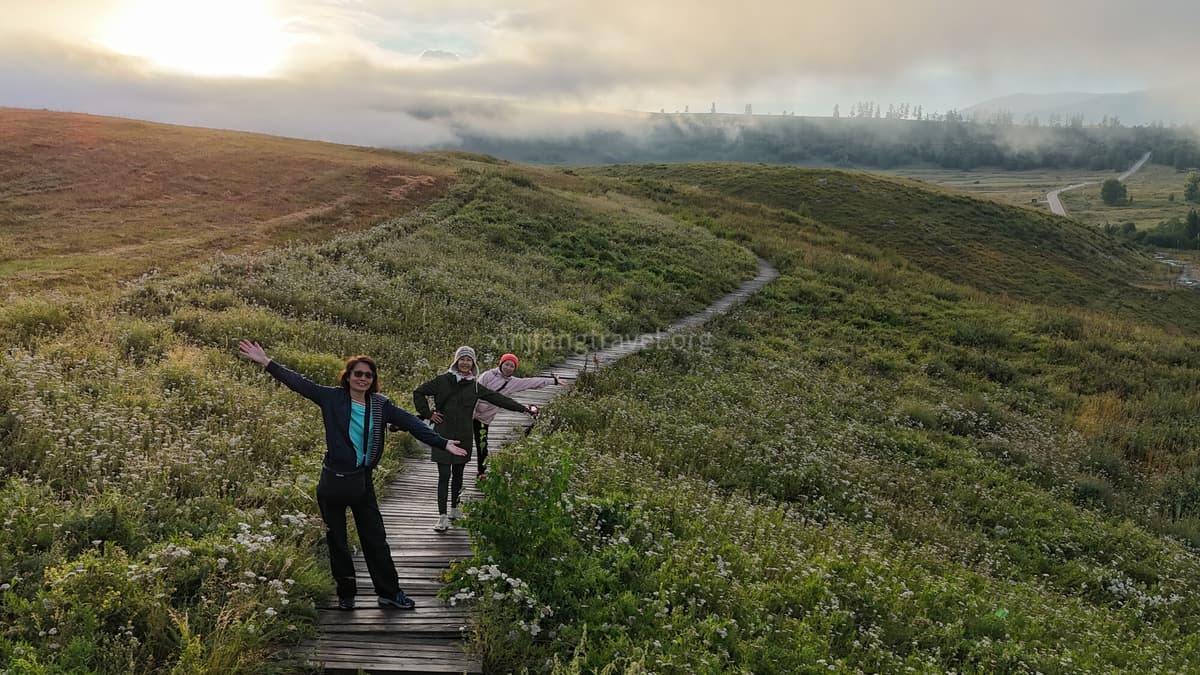
September is the main month to consider for autumn colours around Kanas and Hemu, with mid-to-late September a common planning window. The forests change at different rates, and wind, frost and snowfall can shorten the best viewing period.
Choose your dates around the northern colour season if it is the main reason for your trip. Some colour may continue into early October, but moving a visit later to avoid crowds can also mean arriving after leaves have fallen. September itself is a sought-after photography season, not a reliably quiet alternative to summer.
Allow more than a brief stop if photography matters to you. Extra time gives you another opportunity when rain, cloud or wind affects a viewpoint. Early mornings can be cold even after a pleasant afternoon, so autumn sightseeing needs warmer clothing than the photographs may suggest.
Kanas and the Tarim River poplar forests have different autumn calendars. The southern poplars are usually an October priority. A short holiday is unlikely to catch the best colour in both areas simply by travelling quickly between them.
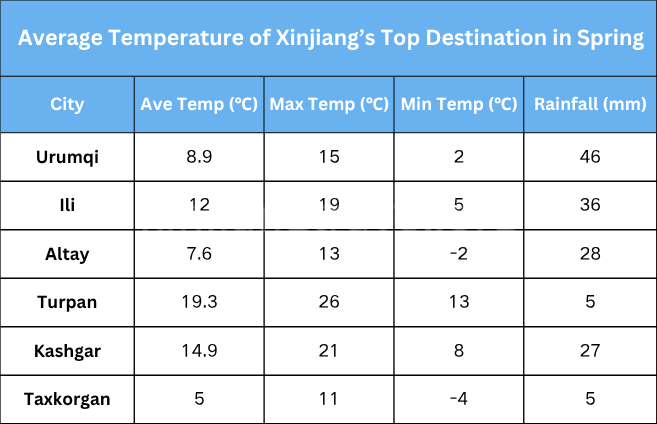
By May, temperatures across northern Xinjiang are comfortable, usually between 12°C and 25°C. The grasslands near Nalati start turning fresh green. At the same time, southern cities like Kashgar and Turpan have warm, sunny days with temperatures between 18°C and 30°C — perfect for walking through the old town streets before the summer heat begins.
In a typical year, Xinjiang welcomes more than 2.5 million visitors during spring. The apricot blossom season alone brings tens of thousands of people to the Pamir region.
Recommended Xinjiang Tours in the Best Time
When to Visit Kashgar and Turpan
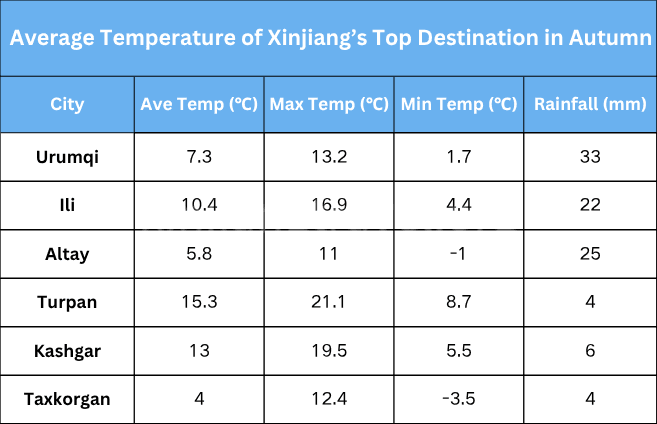
April–May and September–October are useful starting points for walking around Kashgar, browsing shops and spending time in the old town. These months generally avoid the strongest summer heat without committing you to a winter itinerary. Spring can still bring wind and dust, while autumn evenings become cooler.
For Turpan, April and October are particularly worth considering if exposed historical sites such as Jiaohe and Gaochang are your priority. May and September can also work, but hot days remain possible. Turpan’s summer heat is a significant planning consideration rather than a minor inconvenience.
Summer visitors to Turpan can enjoy the grape-growing landscape and seasonal fruit, but should place exposed sightseeing in the cooler parts of the day. Leave room for a substantial midday break rather than filling every hour with outdoor visits.
Winter city visits are possible, but Kashgar and Turpan should not be presented as warm winter escapes. Cold mornings, short days and exposed sites favour a slower pace, with meals and indoor stops between outdoor visits.
A Kashgar city visit and a Pamir excursion also need separate seasonal decisions. Mild weather in the city does not establish road conditions, temperatures or access arrangements in the mountains.
Recommended Xinjiang Tours in the Best Time
When to Visit Altay for Snow and Skiing
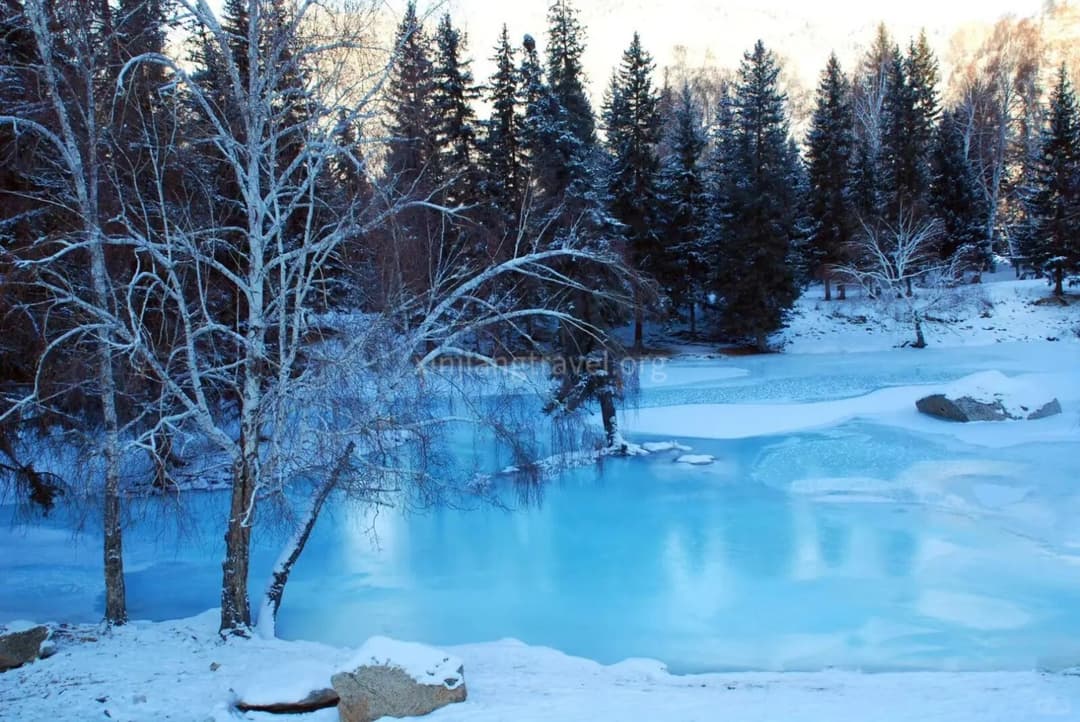
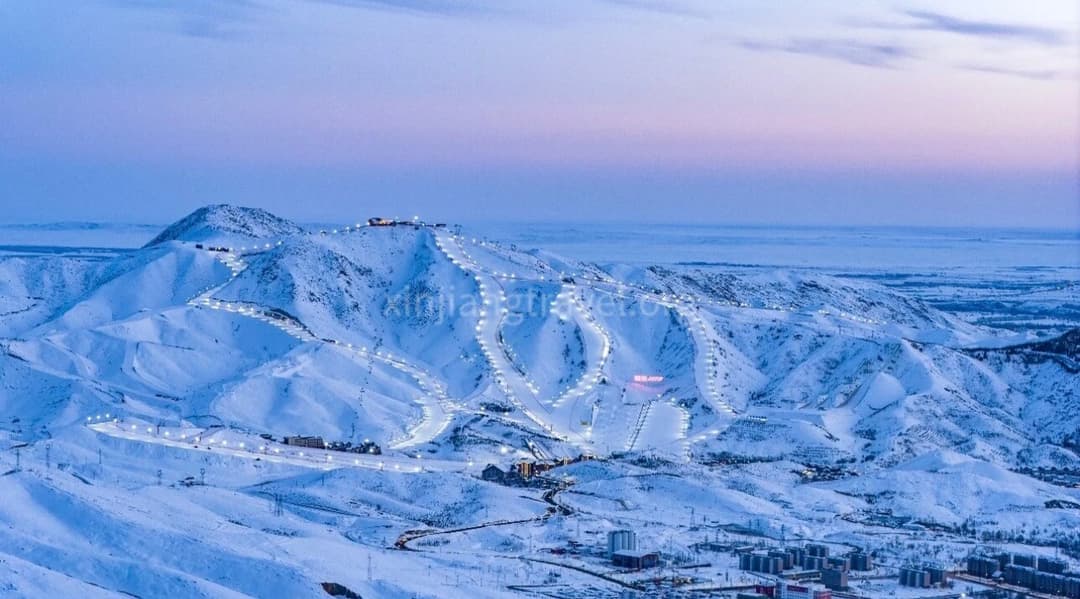
December to February is a practical starting window for an Altay holiday combining winter scenery with skiing. Hemu and Kanas appeal to visitors interested in snowy landscapes, while resorts such as Koktokay, Jiangjunshan and Jikepulin offer different skiing settings.
Resort opening dates are not interchangeable. A high-altitude resort may begin operating before others, and an announced opening may cover only selected slopes and lifts. If you are a beginner, confirm that suitable runs, instruction and equipment are available on your dates rather than relying on the opening headline alone.
A snow-scenery trip also needs different planning from a ski holiday. Consider how much time you want outdoors, whether you are comfortable walking on snow, and how many transfers you want between accommodation bases. Allow flexibility when snowfall or wind affects roads and activities.
Do not assume winter means empty resorts or cheaper rooms everywhere. Chinese New Year and popular skiing dates can bring strong demand, while severe cold can limit the time families and older travellers want to spend outside.
Monthly Guide to the Best Time to Visit Xinjiang
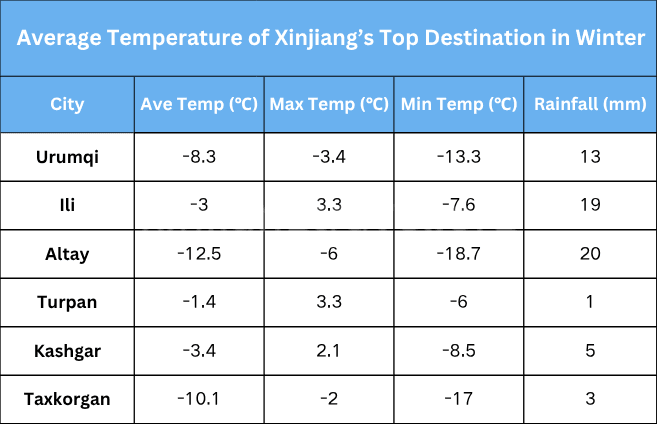
This monthly overview describes usual seasonal patterns, not a forecast for your travel dates. Check the weather for your actual overnight stops and highest excursions; a single "Xinjiang temperature" cannot describe both a low desert basin and a mountain village.
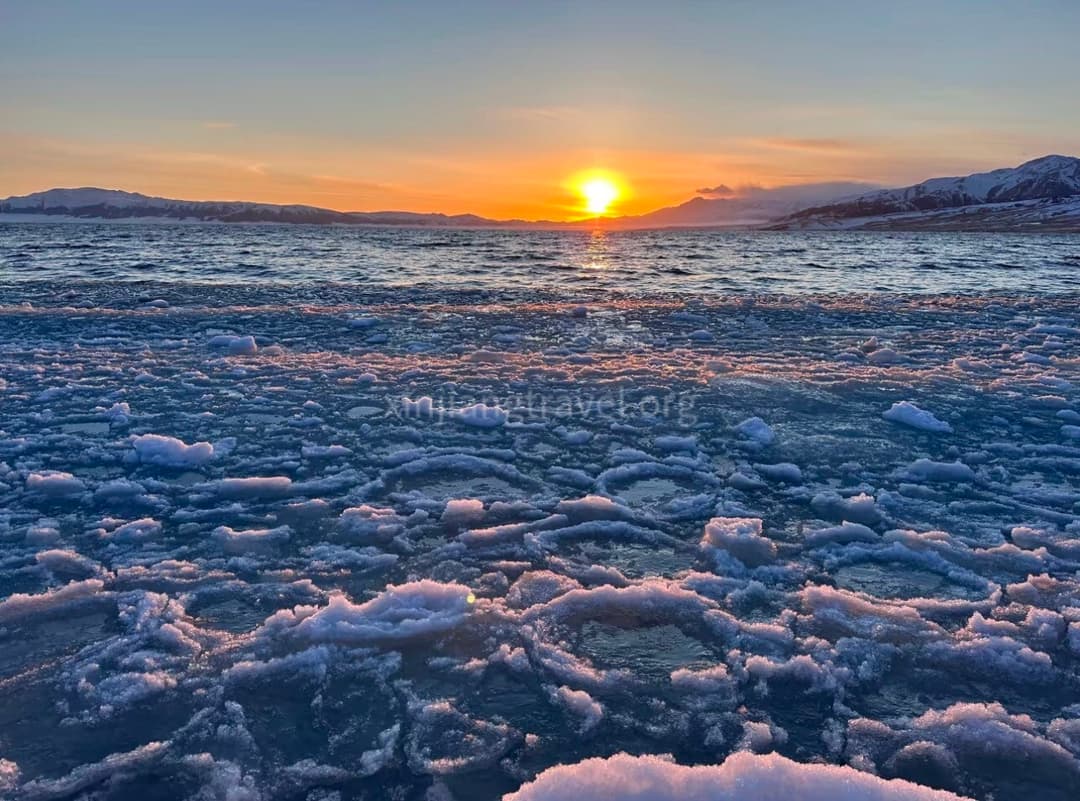
January suits Altay skiing and snowy village scenery if you are prepared for deep cold. Plan warming breaks and leave flexibility around long road transfers. Kashgar is an alternative for a city-focused visit, but winter sightseeing there still requires warm clothing; it is not a substitute for a mild-weather holiday.
Recommended Xinjiang Tours in the Best Time
 | Xinjiang Weather in January |
February remains a winter month in Altay, Kanas and Hemu. It can work for skiing or snow photography, but check whether your dates overlap Chinese New Year. In Kashgar and Turpan, increasing daylight does not guarantee warm afternoons, and exposed historical sites can still feel cold.
Recommended Xinjiang Tours in the Best Time
 | Xinjiang Weather in February |
March can suit travellers interested in the first spring changes around southern cities and selected lower valleys. Some apricot-growing locations begin flowering in late March, but the timing is local and weather-dependent. Do not extend a blossom report from one valley to the whole Pamir Plateau or assume northern grasslands are ready for summer-style touring.
April is worth considering for Ili’s apricot blossom and sightseeing in Kashgar or Turpan. The flowering window at an individual site is much shorter than the month, so choose several possible dates if flowers are the main purpose. Higher grasslands and mountain roads may still have winter conditions.
Recommended Xinjiang Tours in the Best Time
9-Day Xinjiang Spring Tour: Apricot Blossom in Yili & Grasslands
7 Days Kashgar and Taxkorgan Tour with Datong Apricot Village
 | Xinjiang Weather in March & Xinjiang Weather in April |
May brings more greenery to lower parts of Ili and is a useful month for Kashgar sightseeing. Choose late May over early May if green grasslands matter most, while accepting that higher pastures develop later. The Labour Day holiday can increase demand, and a May itinerary should not depend on the Duku Highway being open.
Recommended Xinjiang Tours in the Best Time
 | Xinjiang Weather in May |
June is a strong choice for an Ili trip centred on grasslands, mountain views and lavender. Build the route around the fields and pastures you actually want to visit, since flowering, harvesting and high-altitude conditions differ. Add Sayram Lake for contrasting lake scenery, with warm layers for wind and cooler evenings.
Recommended Xinjiang Tours in the Best Time
 | Xinjiang Weather in June |
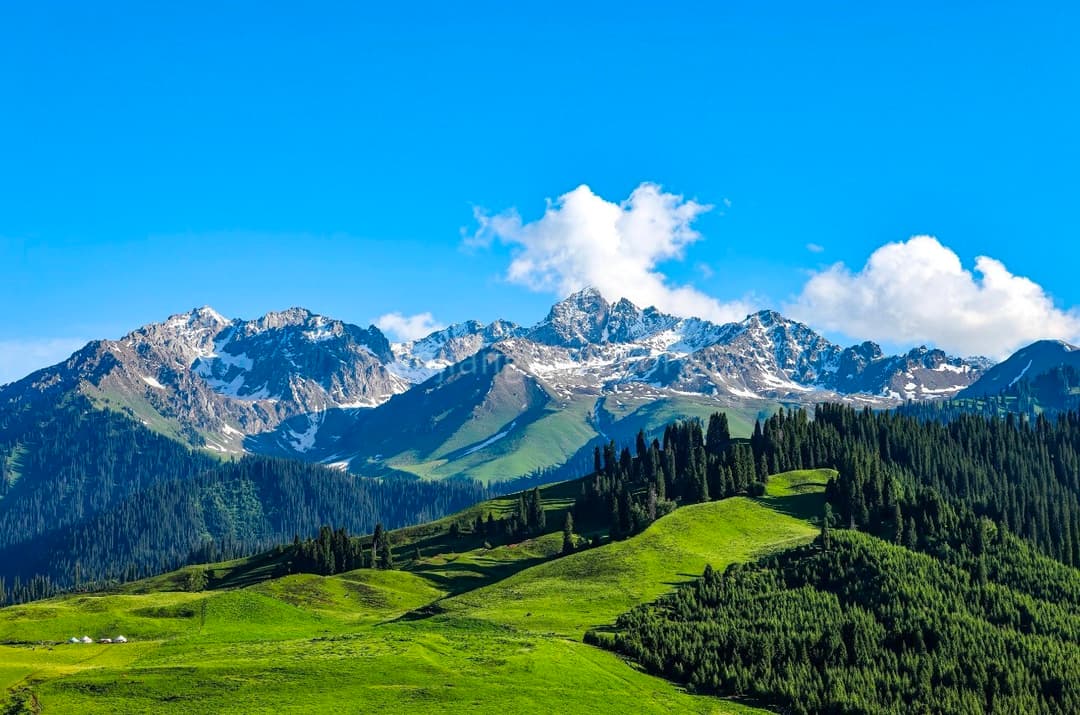
July offers summer conditions for many northern grassland and mountain trips, alongside school-holiday demand. It is a reasonable choice when Ili or Kanas is your priority, provided you plan accommodation and the busiest scenic visits ahead.
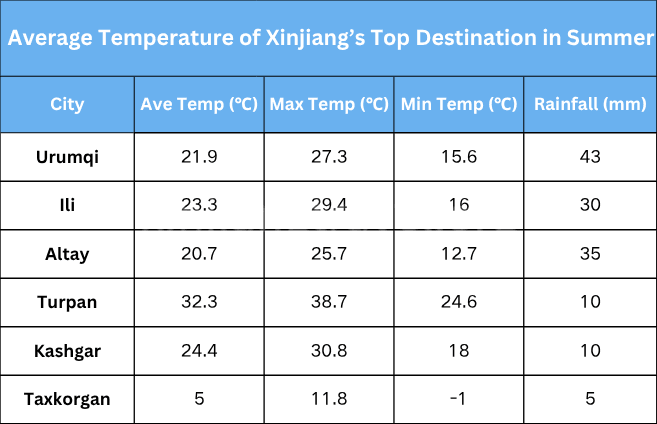
Temperatures in Turpan often go above 40°C, making it one of the hottest places in China.
If Turpan is part of a July route, shorten exposed visits and reserve the hottest hours for rest. Travellers who dislike heat may prefer a more focused northern trip.
Recommended Xinjiang Tours in the Best Time
 | Xinjiang Weather in July |
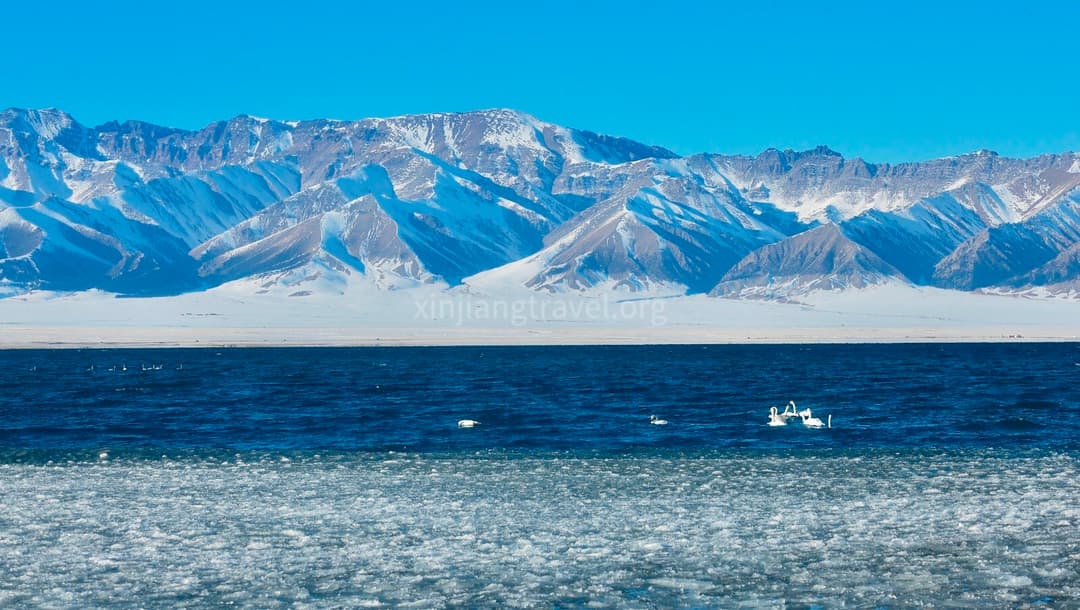
August suits travellers combining northern landscapes with an interest in Xinjiang’s fruit harvest. Grapes and melons are part of the appeal, but varieties and growing areas have different seasons. Turpan remains hot, and popular northern destinations remain busy; fruit season does not make an all-day outdoor city itinerary comfortable.
Recommended Xinjiang Tours in the Best Time
 |
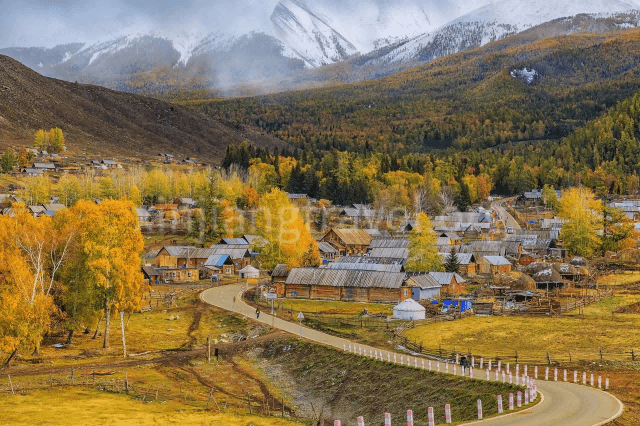
September is the clearest choice if northern autumn colours are your main interest. Place Kanas and Hemu near the centre of the trip rather than adding them as an afterthought. Grasslands in Ili begin to take on a different, less uniformly green appearance, while Kashgar and Turpan become more appealing for city sightseeing as summer heat eases.
Recommended Xinjiang Tours in the Best Time
 |
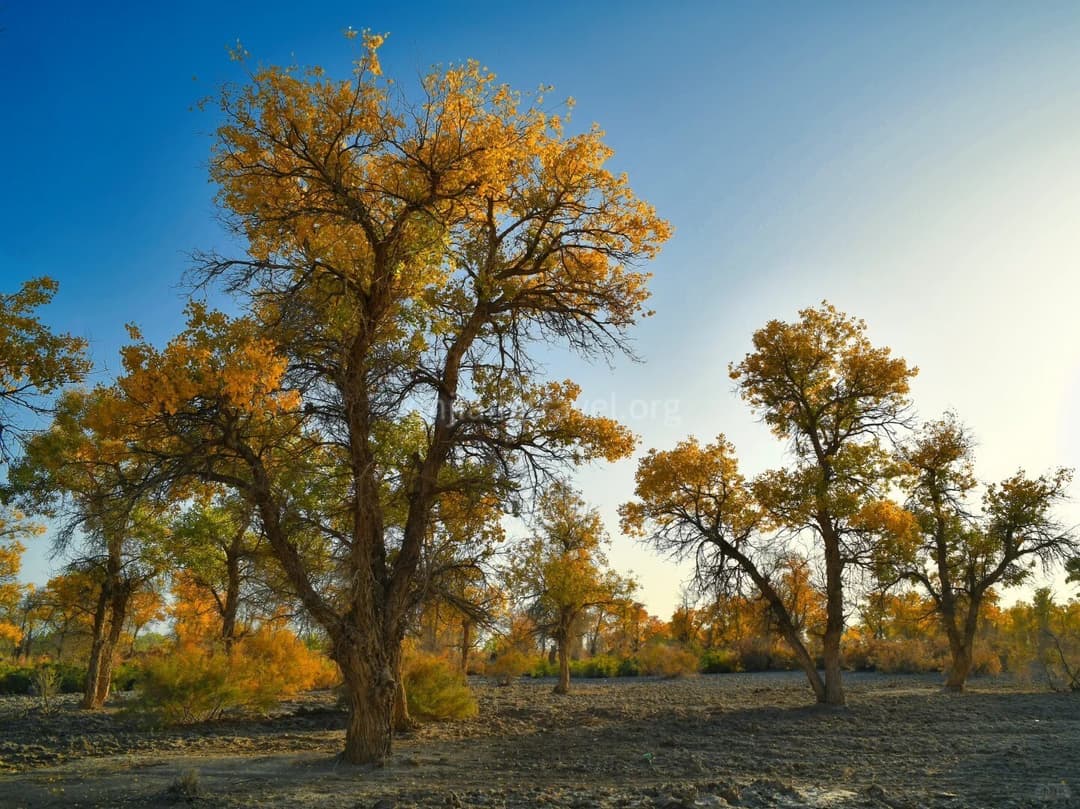
October shifts the seasonal emphasis towards Kashgar, Turpan and the desert poplars along the Tarim River. Around Luntai, mid-to-late October is a useful starting point for planning, subject to the year’s colour reports. Northern mountain areas can already experience snow and road disruption, so October is not simply an extension of September’s Kanas season.
The first week of October includes China's National Day holiday, when many Chinese tourists travel.
Travelling after the holiday can reduce some pressure, but popular poplar-viewing sites may still be busy during their best colour.
Recommended Xinjiang Tours in the Best Time
11 Days West China Adventure to Taklamakan Desert
 |
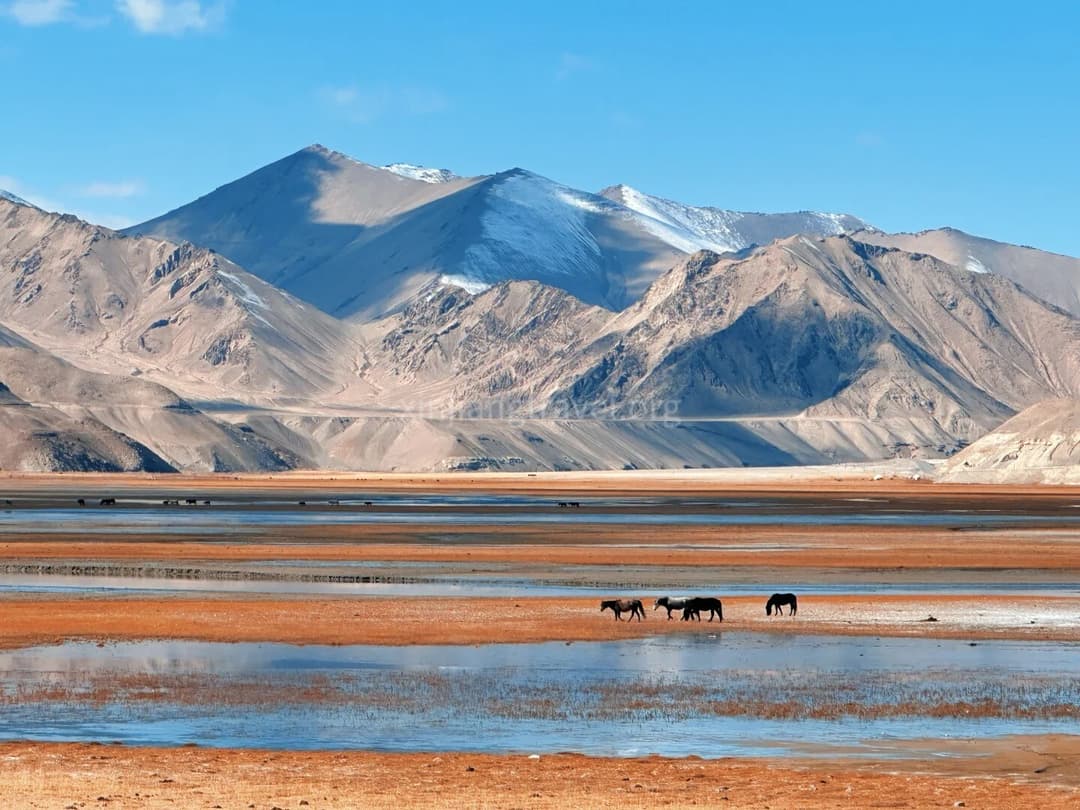
November is a transition month. Kashgar and Turpan can suit travellers who accept colder weather and prefer a city-focused itinerary, but it is too late to rely on summer grasslands or northern autumn foliage. For skiing, choose a resort only after checking its operating announcement and the slopes available for your ability.
Recommended Xinjiang Tours in the Best Time
 |
December suits a winter-focused Altay trip, subject to resort and road operations. Combine activities at a manageable pace rather than trying to cover every snow destination. Kashgar offers a different winter visit centred on the old town, food and short walks, with warm indoor breaks rather than a promise of mild weather.
Recommended Xinjiang Tours in the Best Time
Recommended Xinjiang Tours in the Best Time
 |
For flowers and autumn colour, check a report for the named site and the current year. A regional season gives you a starting point; it does not establish what a particular hillside, farm or grove will look like on your arrival date.
For the Duku Highway and other mountain routes, use the current official road announcement rather than a standard "June–October" opening claim. An early-summer opening can be delayed, and temporary closures can occur during the operating season. Ask how your route would change if the road were unavailable.
For skiing, distinguish the resort’s opening date from the opening of the lifts, runs and services you need. For snow sightseeing, confirm transport and accommodation arrangements separately from ski operations.
For festivals, use the organiser’s announcement for the year you are travelling. A past grape festival or blossom event does not establish the dates or programme of the next edition.
Once you have chosen your seasonal priority, the Xinjiang travel guide helps you decide how many days to allow and which regions to combine. If you are still deciding what interests you, True Xinjiang introduces the differences between Urumqi, Ili and Kashgar through local life and food.
The best of Xinjiang reveals itself when you travel to the right place at the right time.
For general sightseeing tours across Xinjiang, the ideal windows are April to May and September to October, when temperatures are comfortable, and rainfall is minimal. During these months, the landscapes—from the apricot blossoms of the Pamir Plateau to the golden Populus euphratica forests along the Tarim River—are at their most accessible and visually striking.
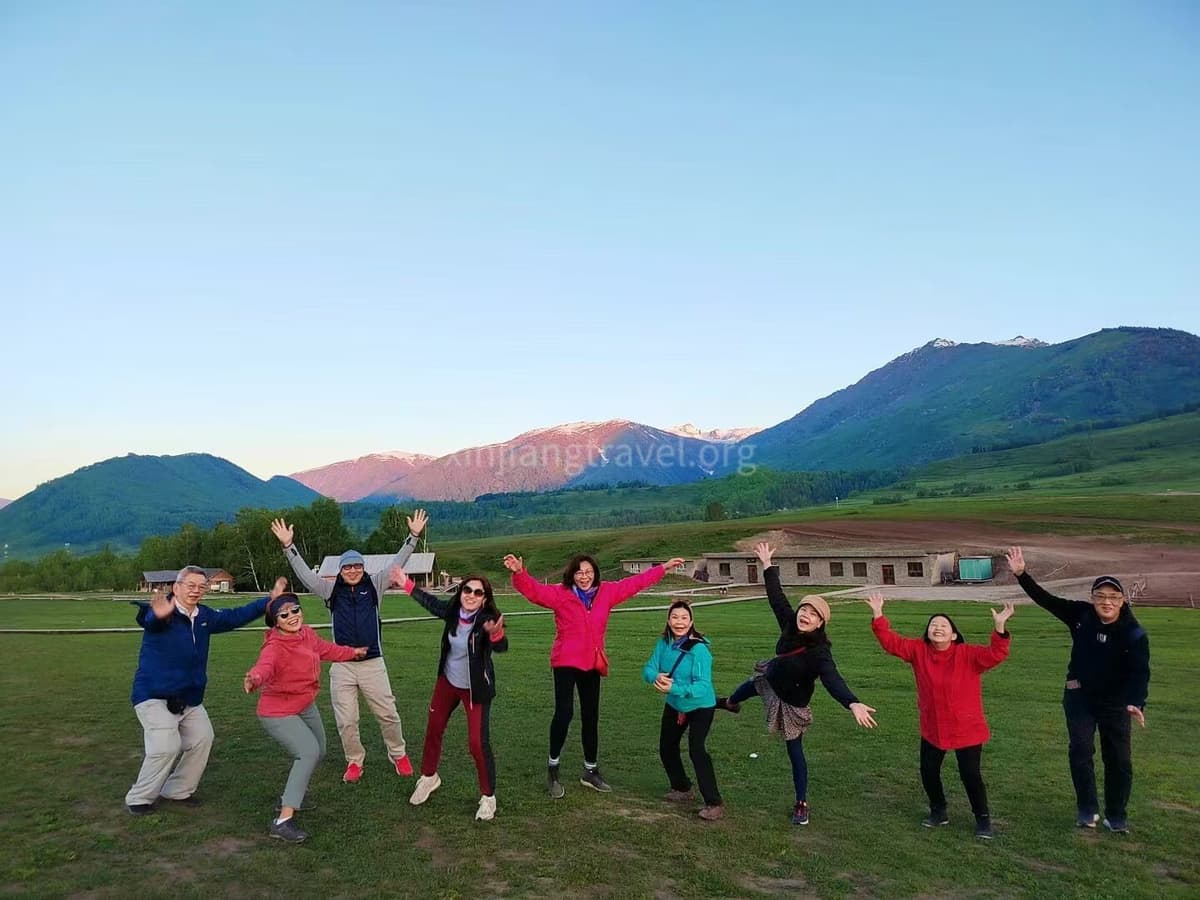
Summer is the peak season for travel in Xinjiang, as summer holidays bring families and adventurers alike. While daytime temperatures in places like Turpan can soar, the northern grasslands—Nalati, Sayram Lake, and the Ili Valley—offer cool escapes with lush green pastures, clear blue skies, and long, sunlit evenings. Summer is also the best time to experience local festivals, such as the Turpan Grape Festival, when the region's famous fruits are at their sweetest.
Winter is far from a closed season. In the north, the Altay Mountains transform into a world-class skiing destination with uncrowded slopes and pristine powder. In the south, cities like Kashgar and Turpan remain mild enough for comfortable exploration, offering a quieter, more intimate experience of Silk Road history and culture—often at lower travel costs and without the crowds.
Now that you have a clearer sense of when to visit Xinjiang, we invite you to reach out for more personalized advice on crafting a journey that suits your interests. With over a decade of experience organizing customized tours across Xinjiang, we are ready to work with you to create your perfect travel experience.