20 years of pioneer in xinjiang tourism for overseas travelers
Born Here, Know Best, Your Journey's Blessed
No Shopping. No Detour, 99% Excellent Review

contact UsOn Wechat
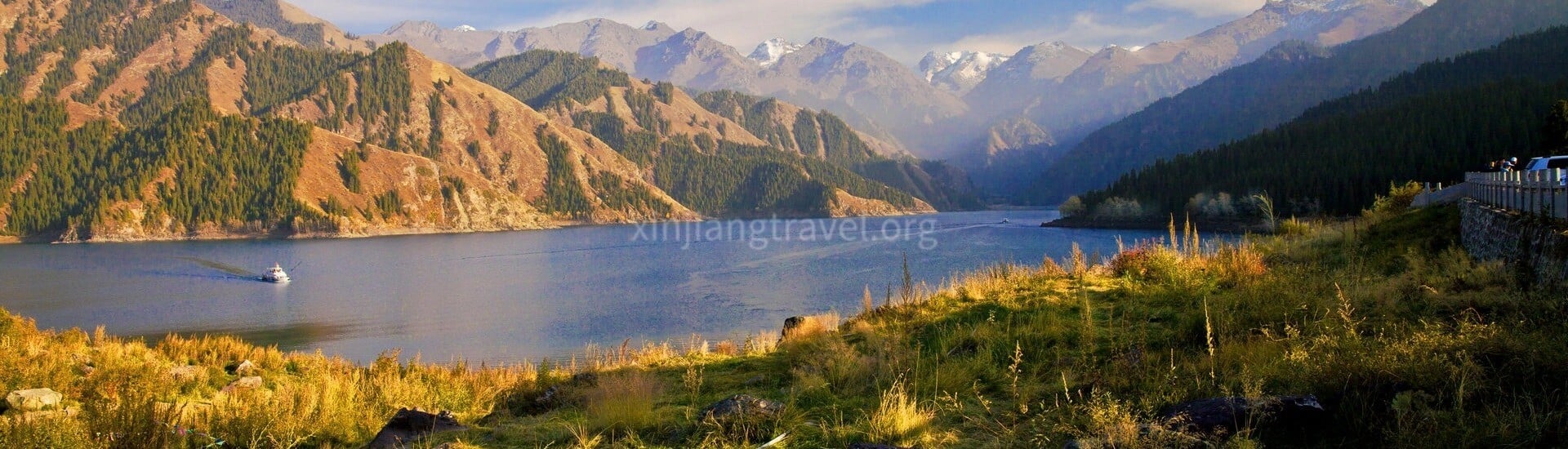

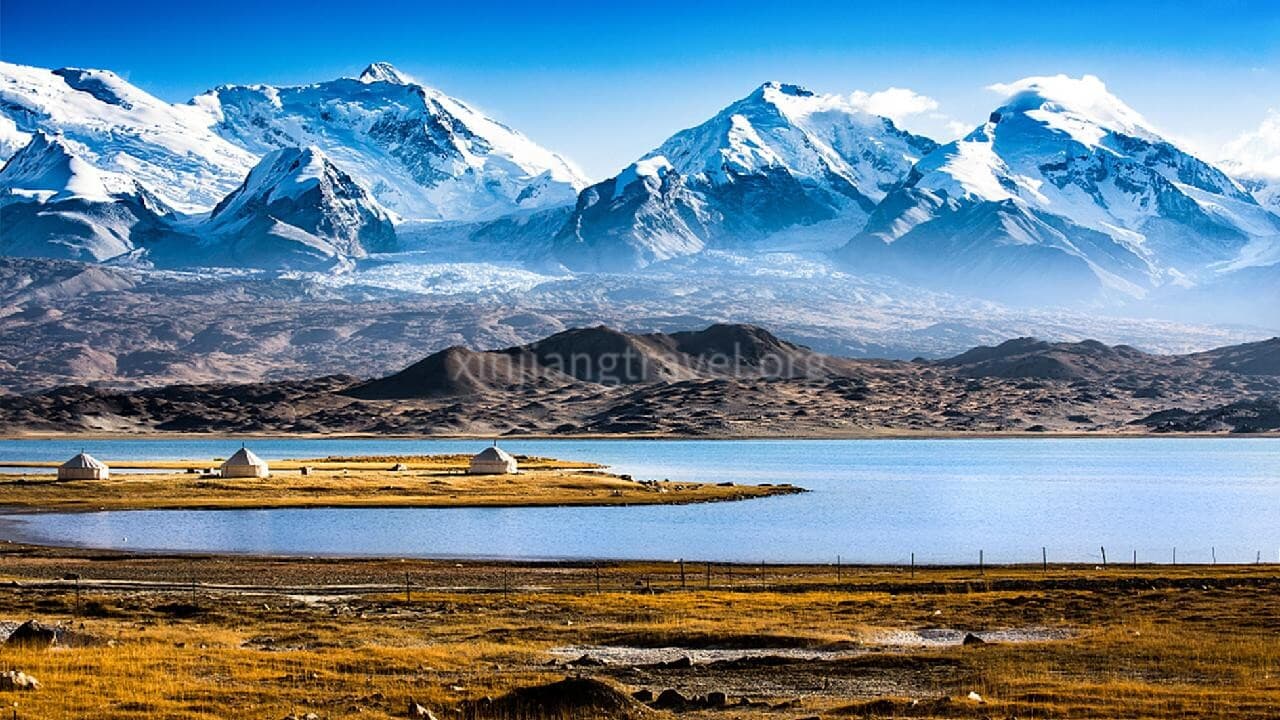
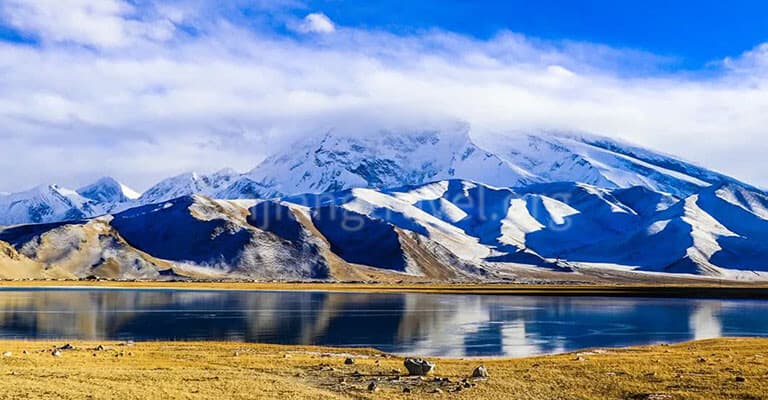
Kashgar-Karakul Lake-Taxkorgan-Kashgar-Turpan-Tuyoq Village-Urumqi-Heavenly Lake-Urumqi
Experience an unforgettable Xinjiang Silk Road journey featuring dramatic Pamir landscapes, ancient oasis cities, rich ethnic culture, alpine lakes, desert scenery, and historic heritage sites.
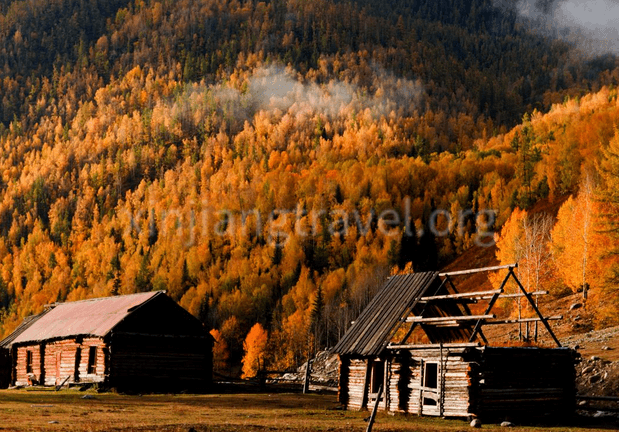
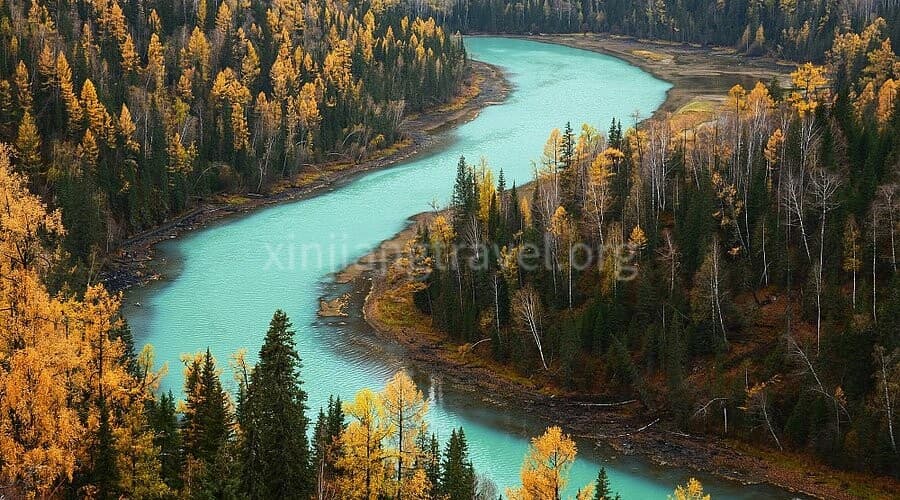
Urumqi - Kuitun - Burqin - Kanas - Hemu - Fuhai - Keketuohai - Urumqi
Discover the breathtaking landscapes, colorful geological wonders, alpine lakes, forests, grasslands, and ethnic cultures of Northern Xinjiang on this unforgettable journey through Urumqi, Kanas, Hemu, Burqin, and Keketuohai.
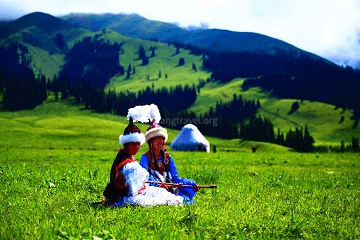
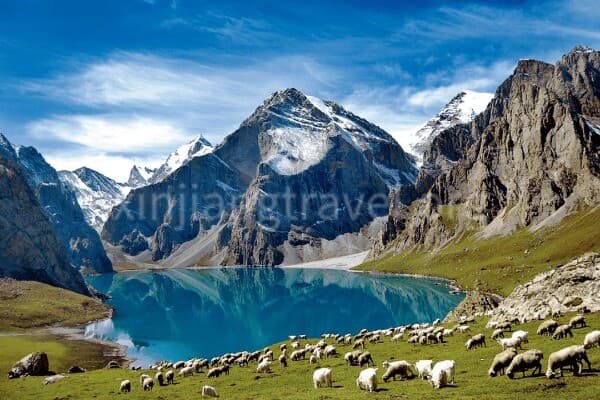
Urumqi - Dushanzi - Yining - Zhaosu - Tekes - Gongliu - Nalati - Kuitun - Urumqi
Explore the best of Northern Xinjiang on a Duku Highway tour featuring Yili, Nalati, Zhaosu and Tekes. Discover grasslands, canyons and stunning mountain scenery.
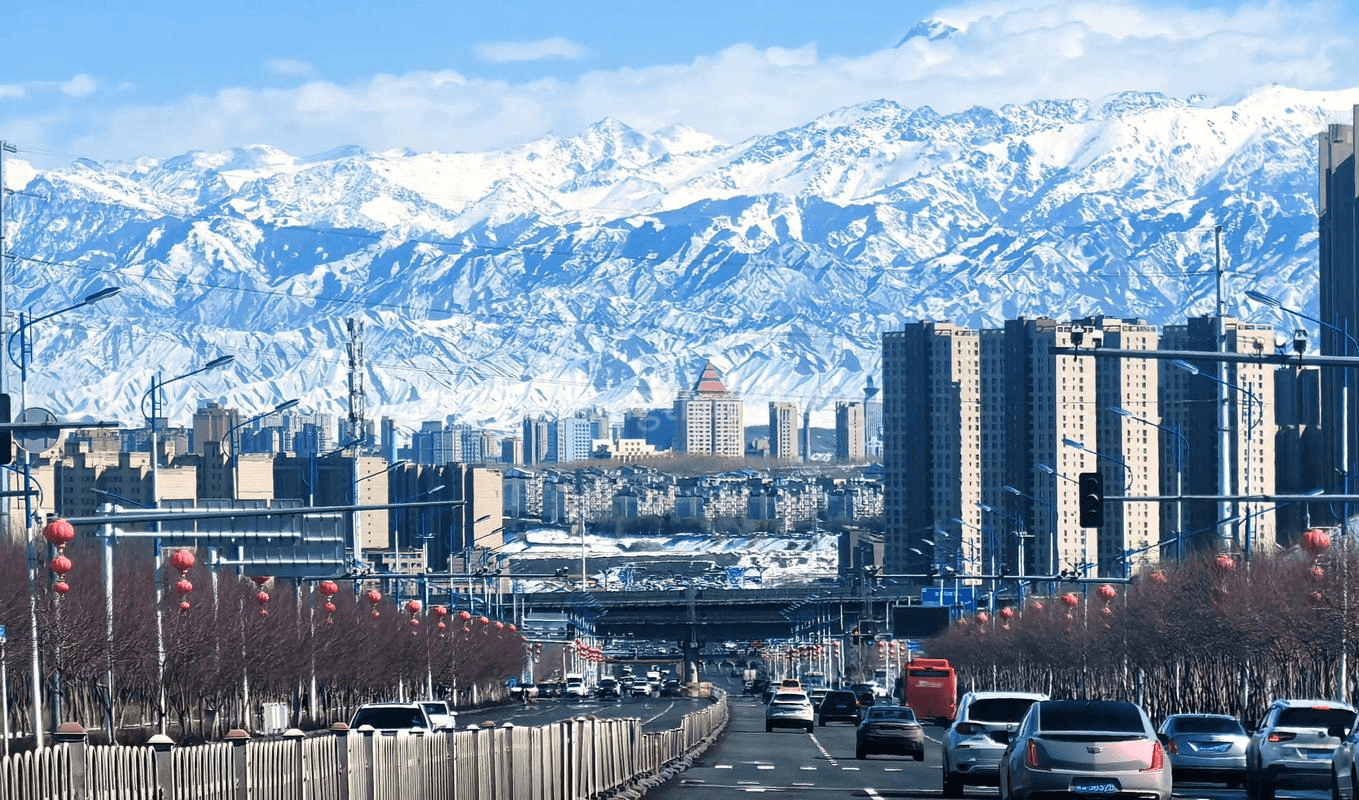
Urumqi-Kuitun-Burqin-Kanas-Hemu-Fuhai-Keketuohai-Urumqi-Turpan-Urumqi
Explore Xinjiang with this 10-day travel itinerary covering Kanas, Hemu, Keketuohai, Turpan and Urumqi. Discover alpine lakes, forests, grasslands, Silk Road history and unique cultures.

Kashgar-Karakul Lake-Taxkorgan-Nalati-Yining-Jinghe-Urumqi-Turpan
A 13-day Xinjiang tour covering Kashgar, Yili and Urumqi. Discover the Pamir Plateau, Silk Road culture, Ili grasslands, Kanas scenery and the diverse landscapes of Northern and Southern Xinjiang.
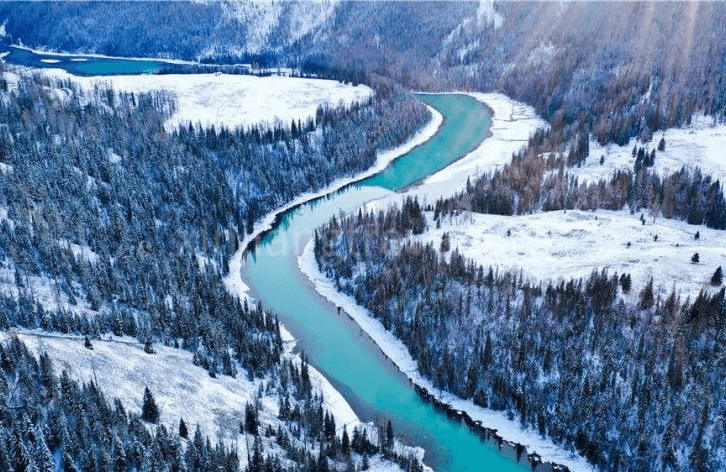
Urumqi - Fuhai - Hemu - Kanas - Urho - Urumqi
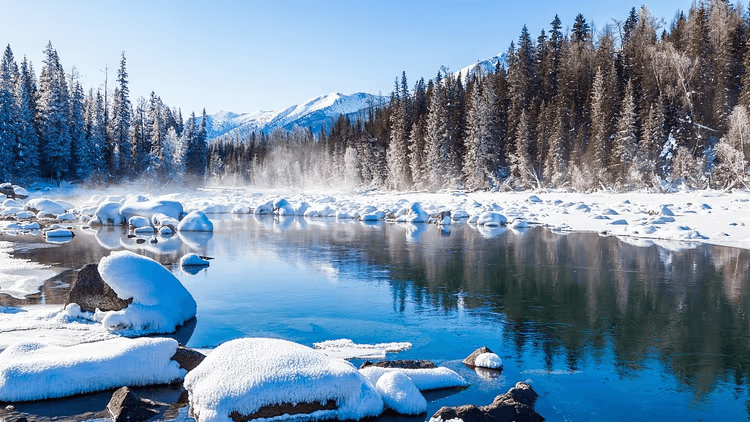
Experience the magic of North Xinjiang in winter on this 8-day tour. Explore the snow-covered Hemu village, hike the icy Three Bays of Kanas, marvel at Ulungur Lake, and discover the Urho Ghost City. A serene winter wonderland awaits you.
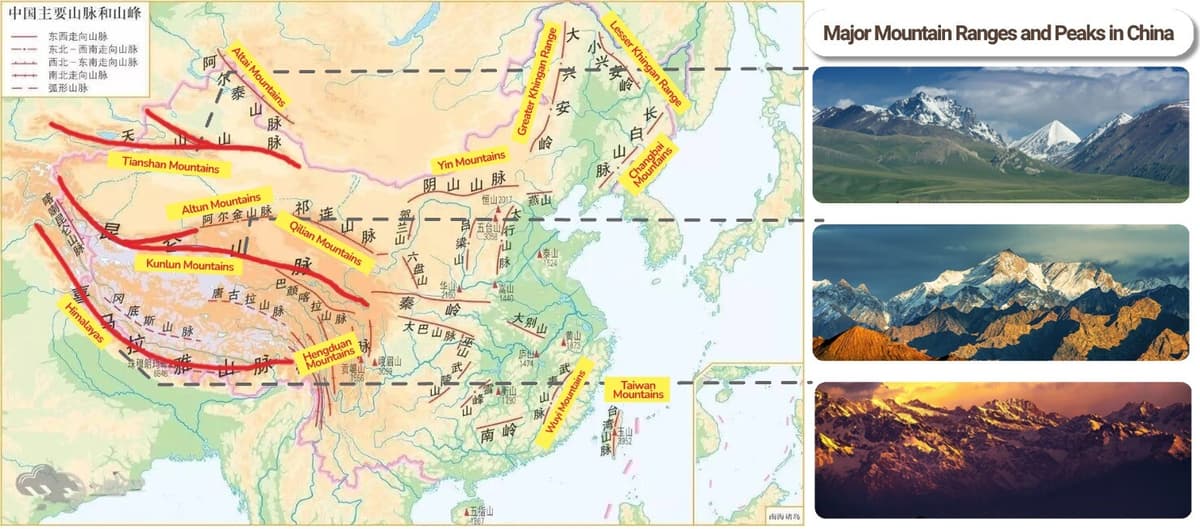
The Tianshan Mountains run across central Xinjiang, separating the northern Junggar Basin from the Tarim Basin to the south. For visitors, the most useful choices are a lake excursion from Urumqi, a grassland journey through Ili, or a visit to the drier mountain landscapes above southern oasis towns.
Choose one part of the range that fits your arrival city and available days. Heavenly Lake works as an outing from Urumqi; the grasslands around Tekes deserve several days with a closer overnight base. Neither should be treated as a quick stop on the way to the other.
Content›Where Are the Tianshan Mountains? ›What Is the Xinjiang Tianshan UNESCO Site? ›Best Places to Experience the Tianshan Mountains |
The Tianshan, also written Tian Shan, is a mountain system extending across Central Asia into China. Its Xinjiang ranges form a broad east–west belt through the region, rather than a single ridge or one national park.
Urumqi lies on the northern side of the eastern ranges. Farther west, the Ili Valley provides access to grasslands, forested slopes and mountain valleys. On the southern side, towns such as Kuqa sit below a much drier mountain front. These different approaches explain why photographs labelled “Tianshan” can show very different landscapes.
The mountains also help explain the position of Xinjiang’s settlements. Snow and glacier melt feed rivers flowing towards surrounding valleys and oases. The contrast between cultivated land, dry basin margins and high mountain terrain is part of what you see while travelling between cities.
Tomur is the highest peak in the range, but a summit is not the default destination for a sightseeing trip. Most visitors experience the Tianshan through managed lake, grassland and canyon areas well away from mountaineering routes.
Xinjiang Tianshan is a World Heritage property inscribed in 2013. It consists of four separate components: Tomur, Kalajun-Kuerdening, Bayinbukuke and Bogda. The designation does not cover the whole Tianshan mountain system.
These components protect different mountain environments, including glaciers, forests, meadows and wetlands. They are geographically separated; there is no single entrance or ticket that takes you through all four.
Tourist names and heritage boundaries also serve different purposes. Heavenly Lake is a visitor destination in the Bogda area, while Kalajun and Kuerdening have their own visitor arrangements. A scenic-area ticket does not grant unrestricted access to the surrounding protected mountains. Nalati and every other grassland in Xinjiang should not automatically be labelled part of this World Heritage property.
Start with your existing route. Choose Heavenly Lake if you have one free day in Urumqi, Kalajun if grassland scenery is a main reason for travelling to Ili, or Kuqa’s canyon if you are already exploring southern Xinjiang. Travelling across the region solely to collect another mountain viewpoint can take more time than the visit itself.
| Starting point | Suggested experience | Time to allow | Best suited to |
Urumqi | Heavenly Lake and its mountain setting | A full day including the return journey | First-time visitors with limited time |
Yining, continuing to Tekes | Kalajun grasslands and an optional separate canyon visit | Several days, with nights near Tekes | Travellers who want time outdoors and fewer rushed transfers |
Kuqa | Tianshan Grand Canyon’s red-rock corridors | A dedicated outing from town | Visitors already following a southern Xinjiang route |
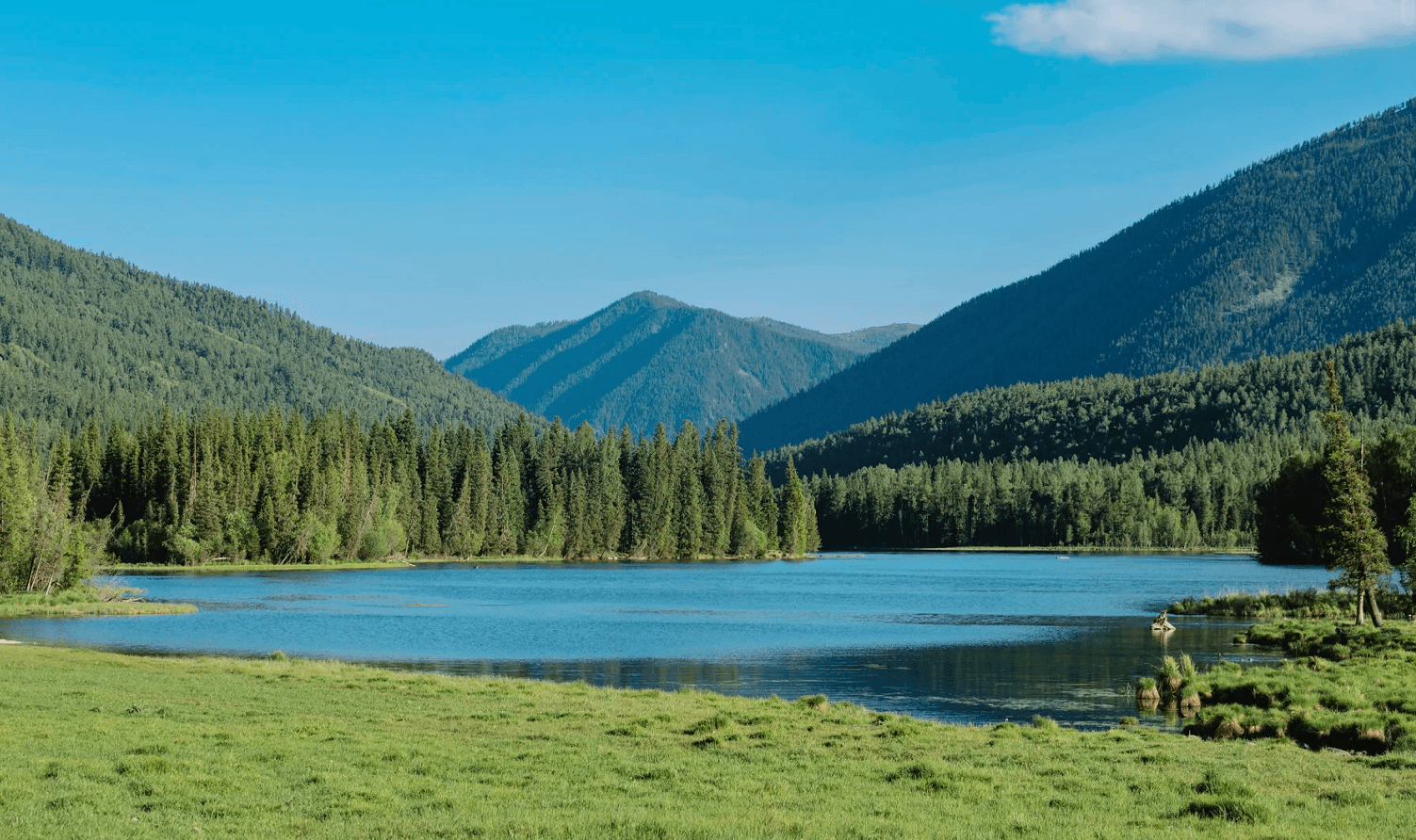
Heavenly Lake, or Tianchi (天池), is the straightforward choice for a first encounter with the eastern Tianshan. The lake sits below the Bogda mountains, with spruce-covered slopes around the water and higher peaks beyond. Clear views of the peaks depend on the weather, but the lake and forest still give the visit a focus.
Plan the journey in stages: Urumqi to the scenic-area visitor centre, admission and the park shuttle, then the final approach to the lakeside. The drive from your hotel does not take you directly to the water. Allow time for queuing, transfers and the walk after getting off the shuttle.
For a relaxed visit, concentrate on the lakeside paths that are open and suitable for your group. A boat trip or a mountain cableway is an optional extra, with separate operating conditions and ticket arrangements. Adding both can turn a manageable outing into a day spent moving between transport queues.
Stay in Urumqi before and after the excursion if you want the simplest arrangement. The Heavenly Lake page introduces the lake and nearby sights; decide on the extent of your walk before adding activities.
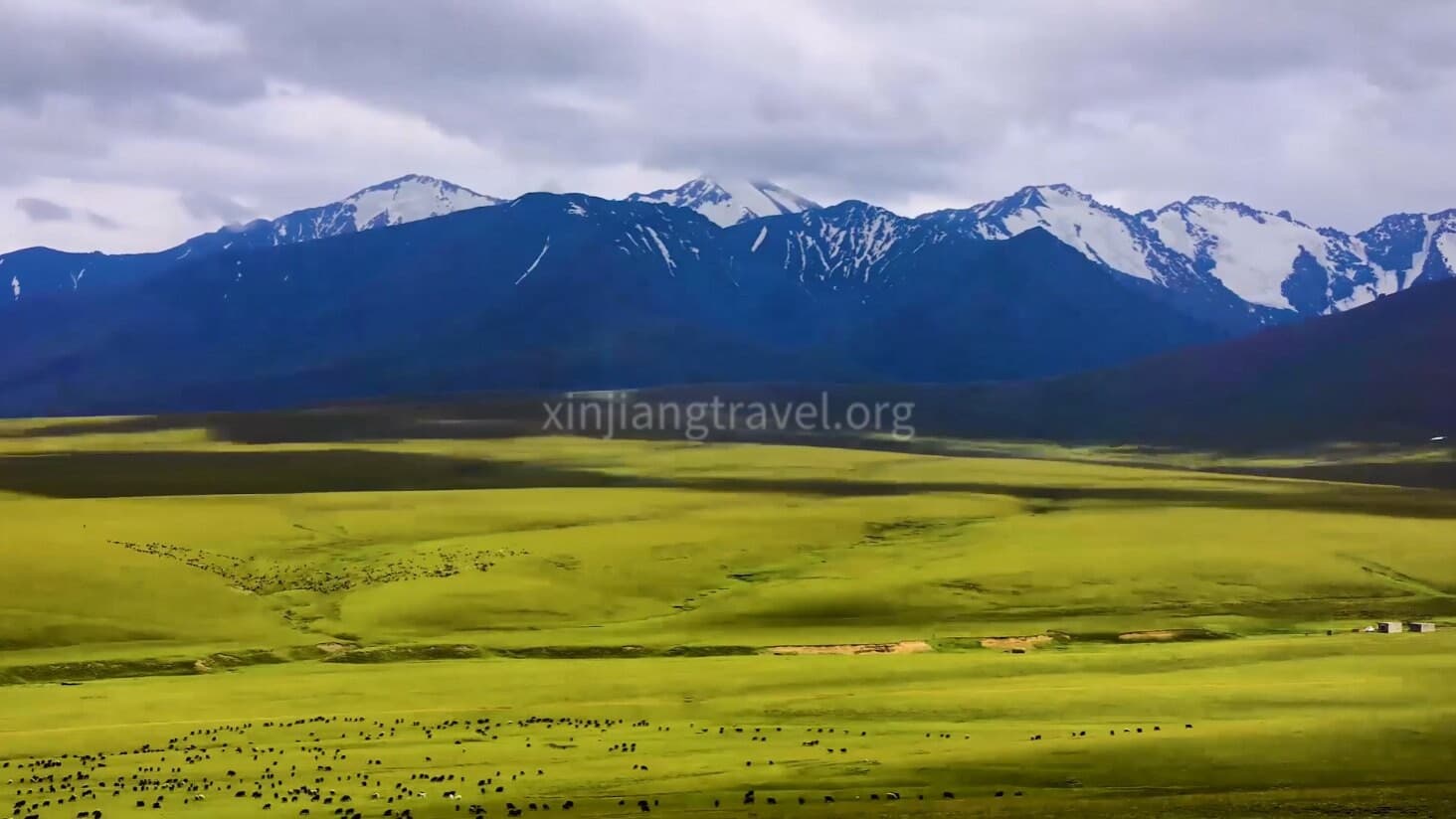
Kalajun (喀拉峻), near Tekes in Ili, suits travellers who want broad grassland views, wooded folds in the landscape and mountain backdrops. It rewards a slower visit more than a hurried journey out from Yining followed by an immediate return.
Use Yining as your arrival gateway, then stay in Tekes for easier access to the next day’s sightseeing. A room in town gives you a straightforward place for meals and supplies. Accommodation closer to the grassland can reduce some travel, but confirm the exact location, access arrangements and facilities before booking.
Kalajun’s grassland and Kuokesu Canyon are distinct visitor experiences. Choose the grassland for open views and time at meadow viewpoints; consider the canyon as an additional day if its visitor route interests you. Do not assume that buying a broader ticket makes both areas quick to cover.
Scenic transport connects visitor stops, but you still need to walk between drop-off points and viewing areas. Ask which ticket and entrance match the route you want, particularly if you are choosing between shuttle-based sightseeing and an authorised self-drive option.
The wider Ili destination guide helps place Tekes among the region’s other stops. Add Nalati, Zhaosu or another valley only when you have allowed for the transfer, rather than treating the grasslands as neighbouring viewpoints.
Kuqa’s Tianshan Grand Canyon, also called Tianshan Mysterious Grand Canyon (天山神秘大峡谷), offers a different mountain experience: red-brown rock walls and narrow corridors on the southern side of the range. Choose it for the shapes and scale of the rock, rather than expecting a grassy valley or close glacier views.
Approach from Kuqa and keep time for the walk inside the permitted visitor area. This is not the similarly named Tianshan Grand Canyon near Urumqi. Give your driver the Chinese name and Kuqa location to avoid confusion.
The canyon visit depends on the open walking route and weather conditions. Wear shoes with a good grip, and turn back at the designated endpoint rather than following a dry channel beyond the visitor area. During rain or a closure, replace the outing with time in Kuqa instead of searching for another entry.
The Kuqa Grand Canyon page provides more background on the rock scenery. A visit from Kuqa does not require you to complete the Duku Highway across the mountains.
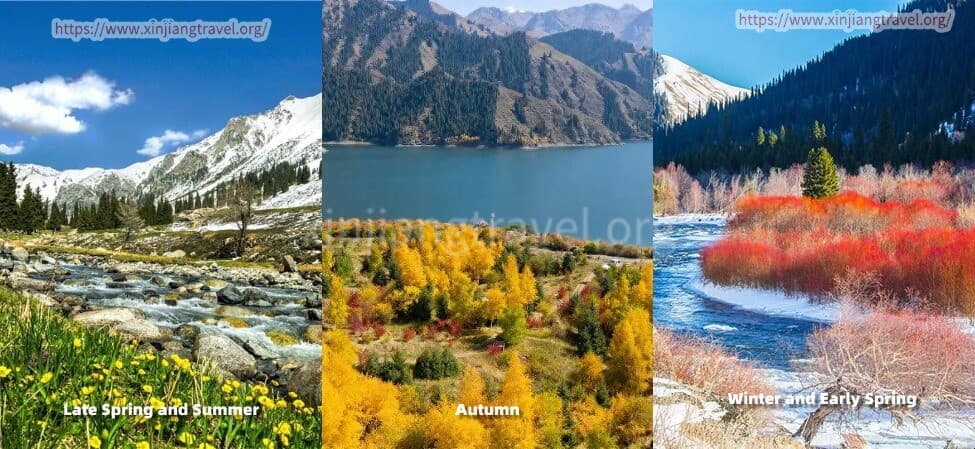
Choose the season for the landscape you want, not for “the Tianshan” as a whole. A lake visit near Urumqi, a summer grassland stay and a drive through a high pass have different requirements.
June and July are useful starting points for an Ili grassland trip, when green meadows and wildflowers are often part of the experience. Growth and flowering vary with elevation and the year’s weather, so choose dates for the wider landscape rather than one promised flower display.
Summer also suits a lakeside visit at Tianchi. Take a warm layer and protection from rain even when Urumqi is hot. For families or travellers who prefer less walking, choose fewer stops and use the available scenic transport instead of trying to reach every viewpoint.
An overnight stay near your chosen grassland gives you more flexibility than repeatedly returning to Yining. Confirm whether the accommodation is inside a controlled visitor area and how you will reach it after normal sightseeing transport finishes.
Autumn can suit travellers who prefer tawny grass, cooler walking conditions and less emphasis on flowers. The timing of colour varies across valleys and elevations; the green scenes used in summer advertising should not be your expectation for every September or October visit.
Higher stops become colder earlier than the towns. Keep extra layers close at hand, and do not build a late-season itinerary around a mountain pass without confirming that specific road. A scenic area may remain accessible from one side even when a through-route is closed.
For a short winter stay, investigate an operating lake or mountain excursion from Urumqi rather than attempting a summer-style circuit through Ili. Snow changes walking conditions and the range of activities available; a scenic-area opening does not guarantee that boats, cableways and every footpath are running.
Early spring in a valley does not mean that higher grasslands have turned green. If your priority is meadows and outdoor walking, travelling later is generally a better choice than relying on low-season photographs or promises of fewer visitors.
The following plans concentrate on one area at a time. Arrival and departure days are included where stated; they are not counted as full sightseeing days.
Start from your Urumqi hotel after breakfast and travel to the Tianchi visitor centre. Complete admission and take the scenic shuttle towards the lake. Keep the first part of the visit for the lakeside rather than immediately committing to an additional attraction.
Have lunch or bring suitable food, then continue along an open lakeside path at a pace that suits your group. Add one optional activity only if its operating hours, queues and remaining time work with the return journey.
Take the shuttle back to the visitor centre and return to Urumqi for the night. Do not pair the excursion with a tightly timed evening flight. If you have only part of a day, shorten the visit rather than assuming the park transfers can be skipped.
Day 1 — Arrive in Yining.
Use the arrival day to settle in, eat and organise the onward transfer. Stay in Yining, especially if your flight or train arrives late.
Day 2 — Travel to Tekes and stay locally.
Move to Tekes, check in and confirm the next day’s scenic-area entrance and transport. Keep the remainder of the day light rather than starting a large grassland circuit late in the afternoon. Stay in Tekes.
Day 3 — Spend the day at Kalajun.
Focus on the grassland visitor route, with time for walking and selected viewpoints. Return to the same accommodation instead of adding a long onward drive after the visit.
Day 4 — Return to Yining.
Allow time for the road journey and your onward arrangements. If your departure is early, move back to Yining the previous evening only after checking that the combined sightseeing and drive are manageable; otherwise add a final night there.
With an extra day, consider Kuokesu Canyon as a separate visit before returning to Yining. If you have only three days and your arrival allows it, travel to Tekes on Day 1, visit Kalajun on Day 2 and return on Day 3. Remove the canyon before cutting the grassland visit into a rushed stop.
This plan does not depend on crossing the Tianshan through the Duku Highway. Adding that road, Nalati or the Zhaosu area creates a different itinerary and needs additional transfer time.
Yes. They are alternative English spellings of the same mountain system. This page uses Tianshan consistently for the Xinjiang travel context.
No. Heavenly Lake is one visitor destination within the eastern Tianshan. The mountain system extends far beyond the lake and Urumqi.
Choose Heavenly Lake for one free day in Urumqi, or Kalajun if you have several days in Ili and want grassland scenery. Choose Kuqa’s canyon when southern Xinjiang is already the focus of your trip.
Yes, Heavenly Lake is a suitable day-trip option. This does not make distant areas such as Kalajun realistic day trips from Urumqi.
No. It covers four defined components. A place being in the Tianshan does not automatically put it inside the listed property.
No. Scenic transport and short walks can provide a rewarding visit at several managed destinations. Confirm the final walking distance, steps and surface at your chosen stops rather than assuming that a shuttle reaches every viewpoint.
No. A closure affects the specified road section, not the whole mountain system. Check your actual approach road; an outing from Urumqi or Kuqa may have a different access situation.
Compare Xinjiang itineraries by the mountain region they visit, not just the number of stops. Choose a shorter Urumqi-based trip or a longer Ili journey, then look closely at overnight locations, scenic-area transport and the walking involved.