20 years of pioneer in xinjiang tourism for overseas travelers
Born Here, Know Best, Your Journey's Blessed
No Shopping. No Detour, 99% Excellent Review

contact UsOn Wechat

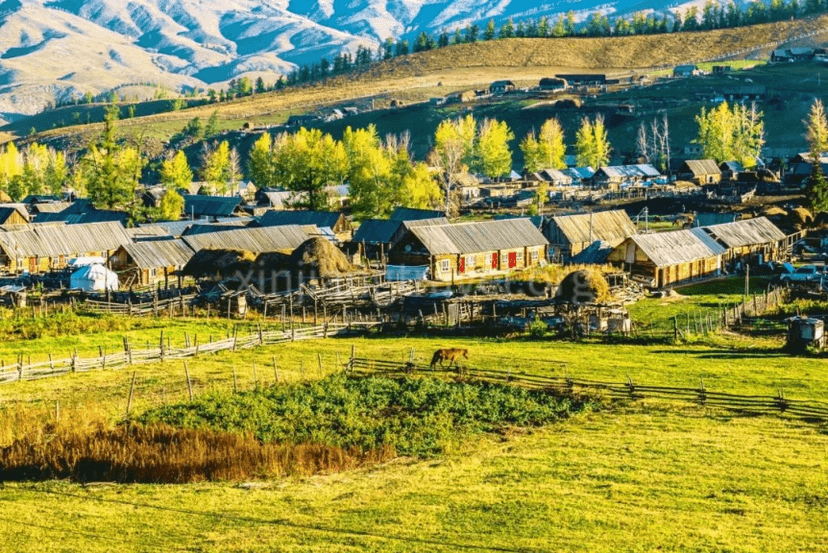
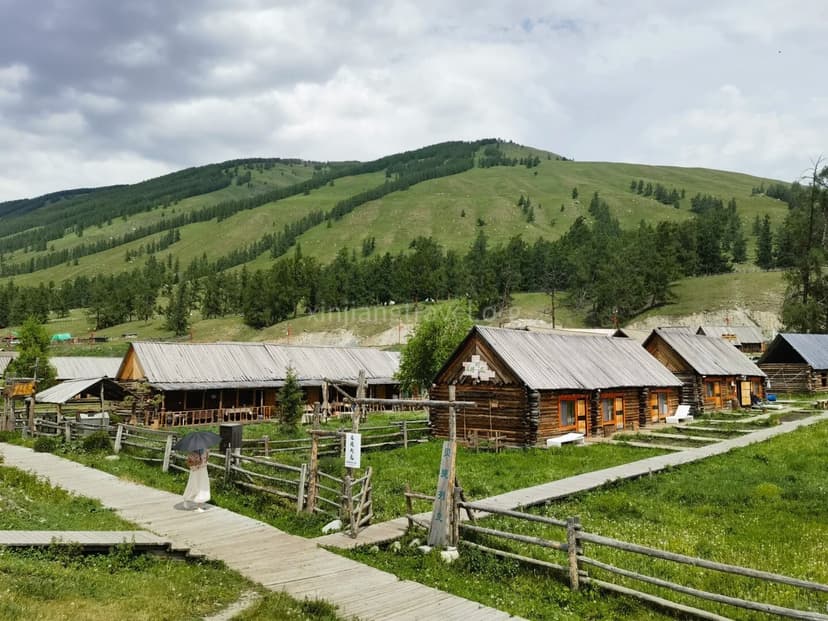
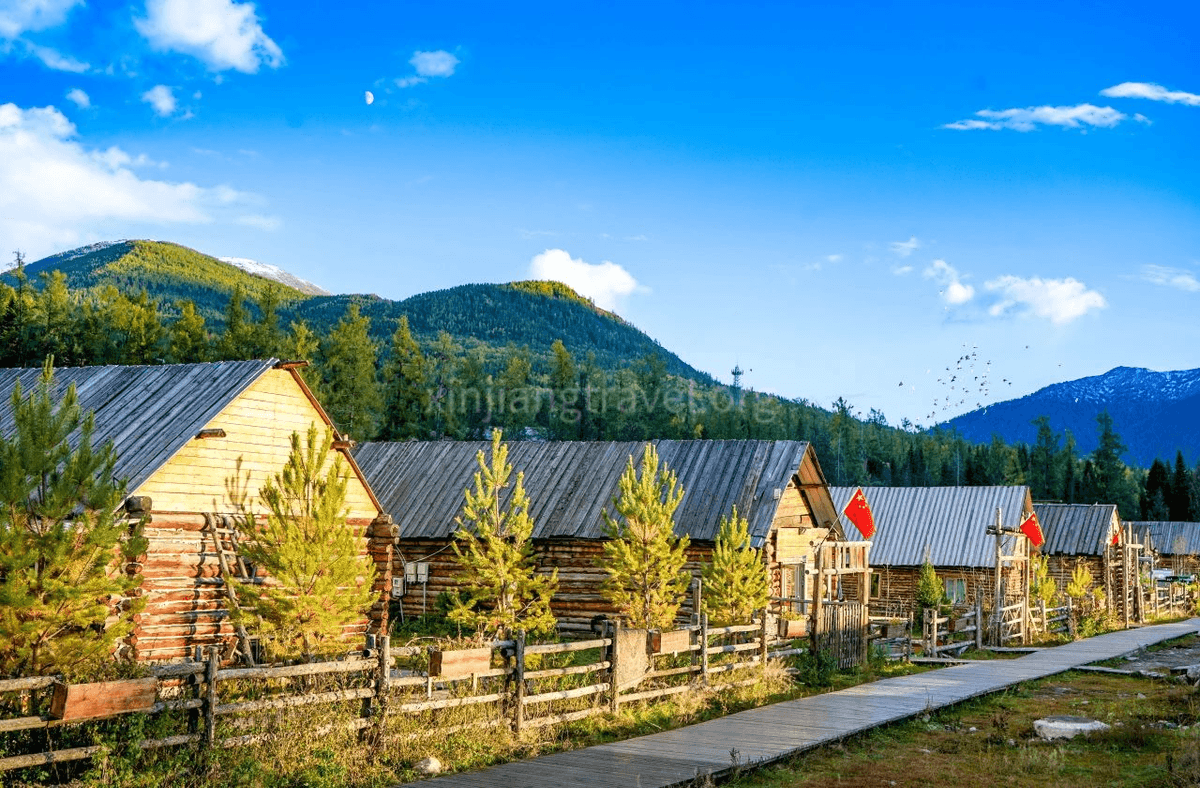
Hemu is in Burqin County, Altay Prefecture, Xinjiang. Hemu is a small village tucked deep in the Altay Mountains of northern Xinjiang. It belongs to the Tuvan people — a small ethnic group who have lived in these valleys for centuries. Think log cabins scattered across a wide valley, a clear river running through it, birch forests, and smoke curling from chimneys at sunrise.
A few years ago, hardly anyone outside China knew this place. Even today, it stays quiet compared to the big tourist hotspots. The road to get here is long, but that's part of the charm — it keeps the crowds away.
Hemu is not a place with big attractions. You come here to slow down, to watch the light change over the mountains, to sit by the river with a cup of tea, and to let your mind go quiet. It's a place that rewards patience.
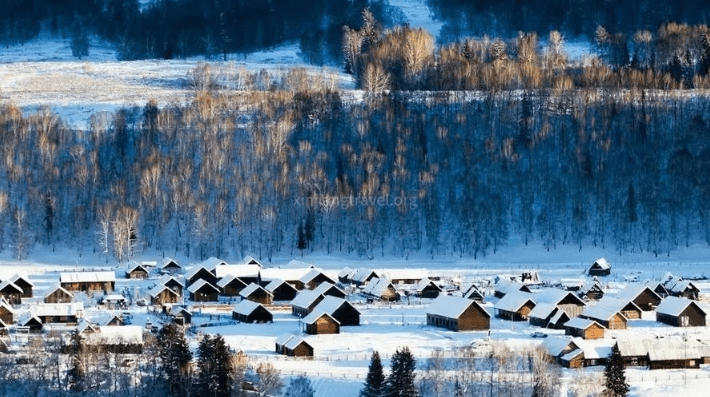
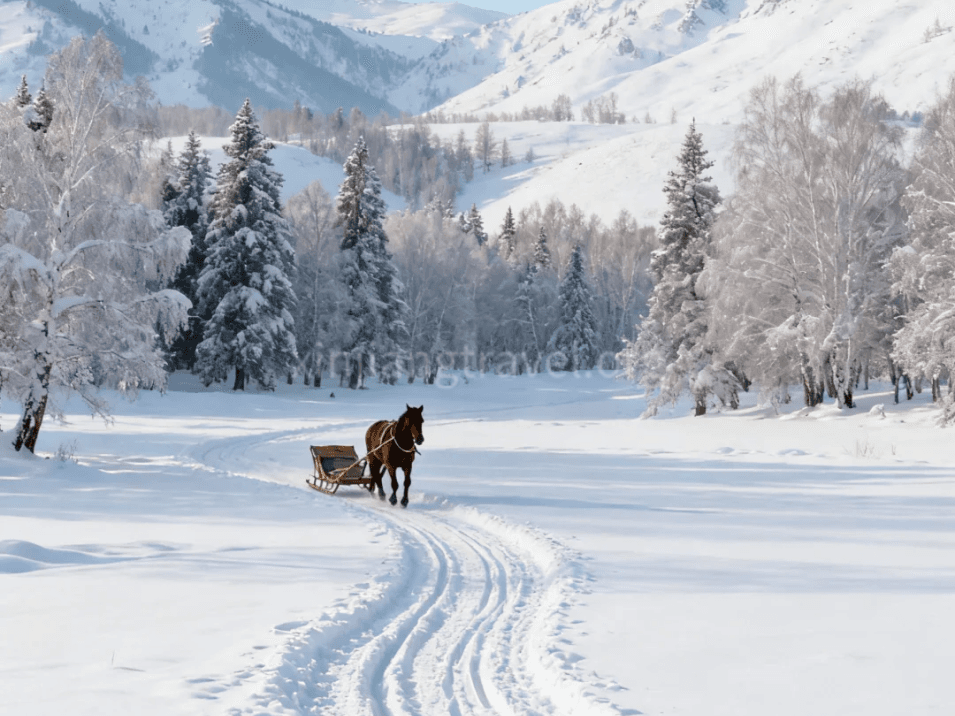
Some people call Hemu "China's winter fairy tale," and if you visit between December and February, you will see why. The snow can get knee-deep, the river steams in the cold air, and the whole valley feels like a black-and-white photograph with just a touch of warm light from the cabin windows. But honestly, every season has its own magic here.
Content›Top Things to Do in Hemu Village |
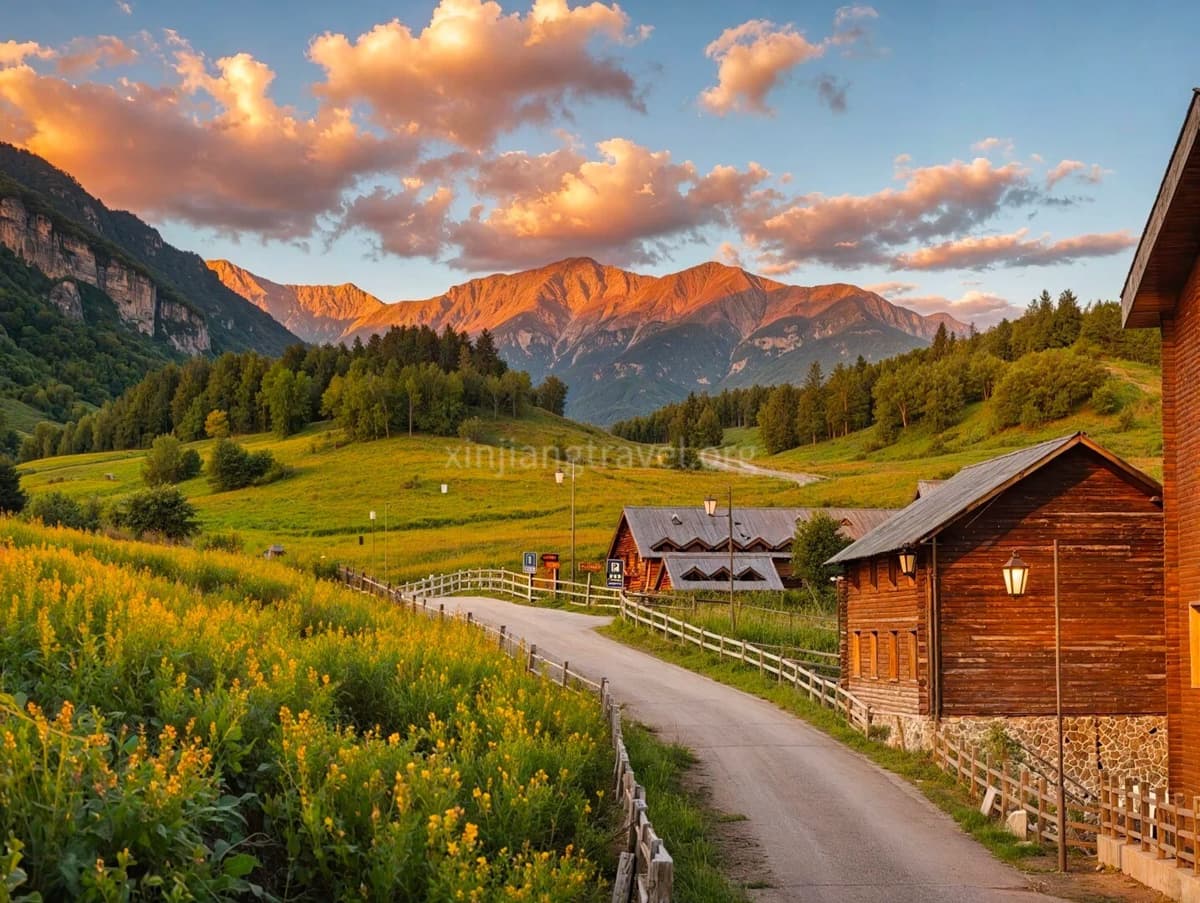
Watch the Sunrise at Haden Viewing Platform
This is the one thing you absolutely should not skip. Wake up early — in winter, sunrise is around 9:00-9:30 AM; in autumn, closer to 7:00 AM. Hike up to the viewing platform. It's about a 30-minute walk uphill. You can also hire a horse or a horse-drawn sleigh (in winter) to take you up.
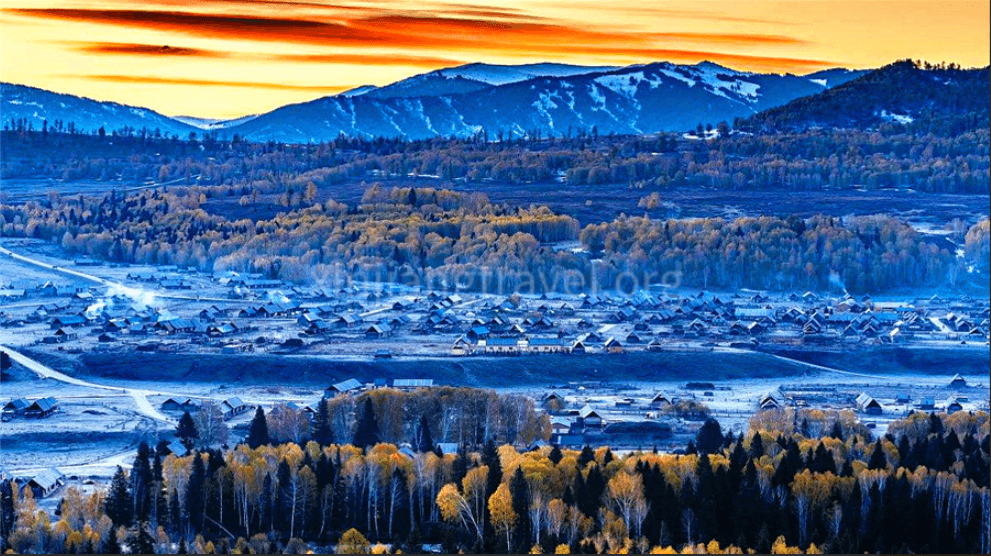
Once you reach the top, you'll see the entire valley spread out below you. The wooden cabins, the river, the birch forest — all of it slowly waking up as the light hits. In winter, mist rises from the river and drifts through the village like something out of a dream.
Walk Along Hemu Bridge and the River
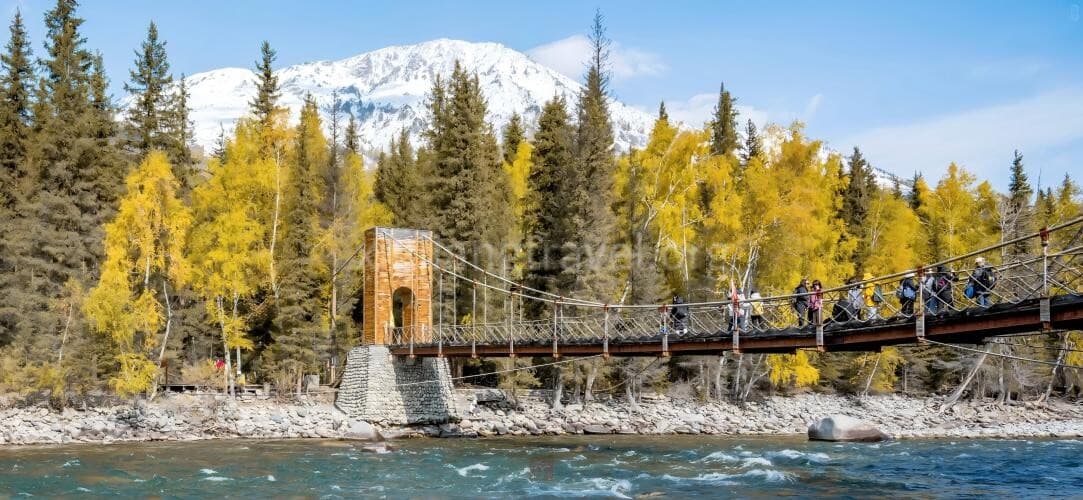
Hemu Bridge is the heart of the village. It's a simple wooden bridge, but it has a quiet charm. In winter, the river beneath it never fully freezes — steam rises from the water, and frost clings to the trees on both banks. In summer and autumn, the water runs clear and cold, reflecting the birch trees along the shore.
Walk along the river path. Don't rush. Sit on a rock by the water. Listen to the sound of the current. Let yourself just be there.
Good to know: About 1 km upriver, there's another bridge called the Yuanjiang Bridge (or "Aid Bridge"). It's a quieter spot with a different view of the valley.
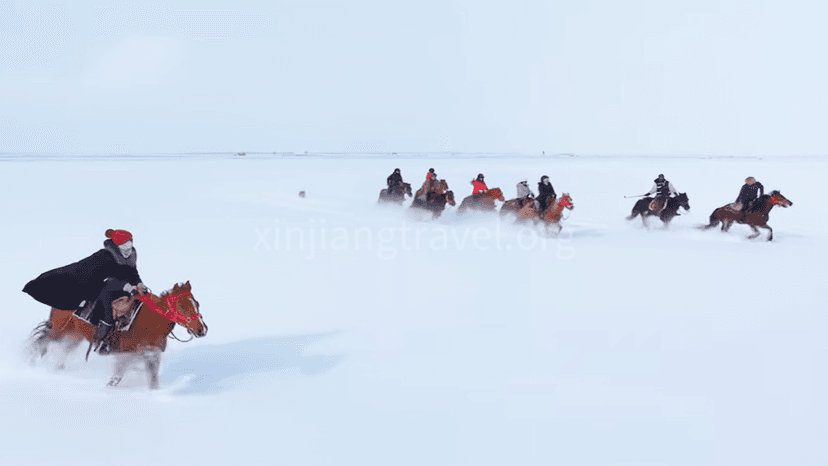
Horseback Riding Through the Valley
This is how the locals have traveled for centuries, and it's still one of the best ways to experience the landscape. You can book a horse ride from the village center. Popular routes include:
Haden Viewing Platform: About 120 RMB / 1.5 hours
Little Meili Peak: About 200 RMB / 2 hours
Big Meili Peak: About 300 RMB / 3 hours (highly recommended if you have time — the view is stunning)
The horses are well-trained and the local guides know the terrain intimately. Even if you've never ridden before, they'll take good care of you.
Important: Always use the official village horse team — they have insurance and fixed prices. Avoid anyone offering rides outside the designated areas.
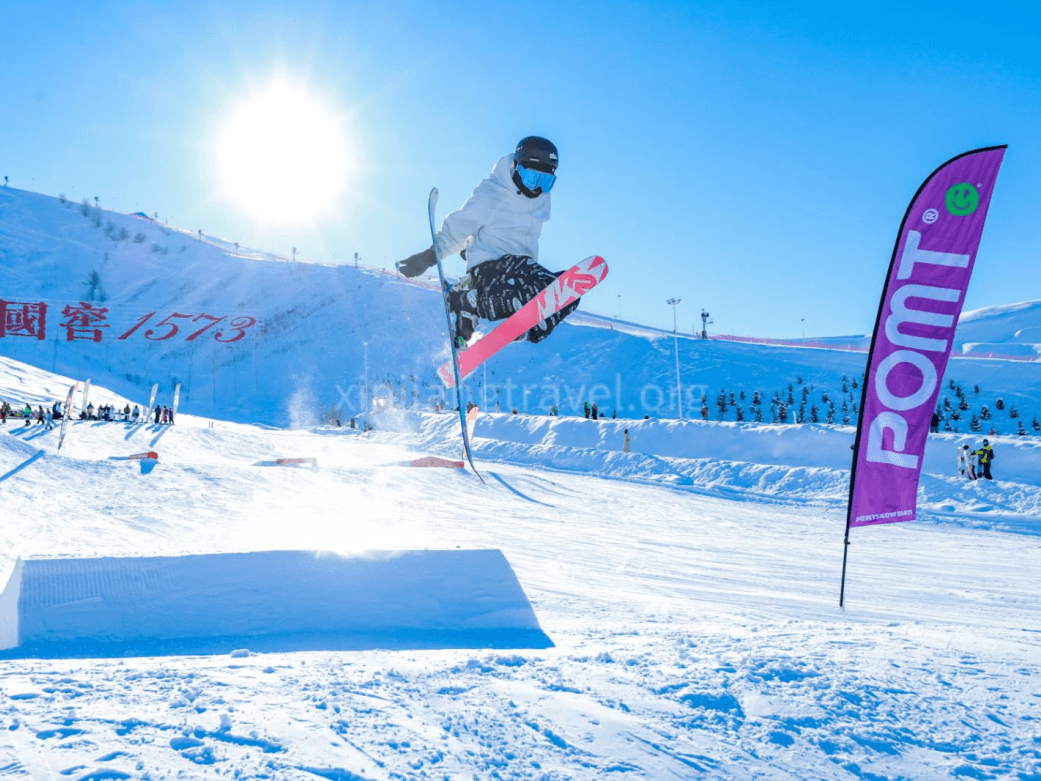
Skiing at Jikepulin — Asia's Largest Powder Snow Resort
If you visit in winter and you ski, this is a no-brainer. Jikepulin International Ski Resort is just outside the village, and it's massive — Asia's largest off-piste ski area. The snow here is famous for being light and fluffy. It's called "powder" for a reason.
Even if you don't ski, you can take the cable car up to 2,800 meters for panoramic views of the snow-covered Altay Mountains. It's absolutely worth it.
Cost: Ski passes start around 300 RMB per day. Plan to spend at least half a day here, if not a full one.
Explore Hongbas Grassland and Stargaze at Night
Hongbas Grassland sits on the other side of the Hemu River. It's a wide, open space with birch forests at its edges. In summer, it's green and dotted with wildflowers. In winter, it becomes a snowy playground.
This is the best place in the village for stargazing. Walk a bit away from the cabin lights, find a spot, and look up. On a clear night, the Milky Way is visible to the naked eye. Bring a tripod if you're into astrophotography.
Also, if you want to try the viral "splash hot water into ice" trick, this is the spot. Just make sure it's below -20°C and you have someone to film it.
Take a Horse-Drawn Sleigh Ride (Winter Only)
This is a classic winter experience in Hemu. You sit in a wooden sleigh wrapped in blankets, and a local villager guides the horse through the snow-covered birch forest. All you hear is the crunch of snow under the horse's hooves and the jingle of bells. It's peaceful in a way that's hard to describe.
Cost: About 80-100 RMB per hour, depending on the route.
1. Route Overview
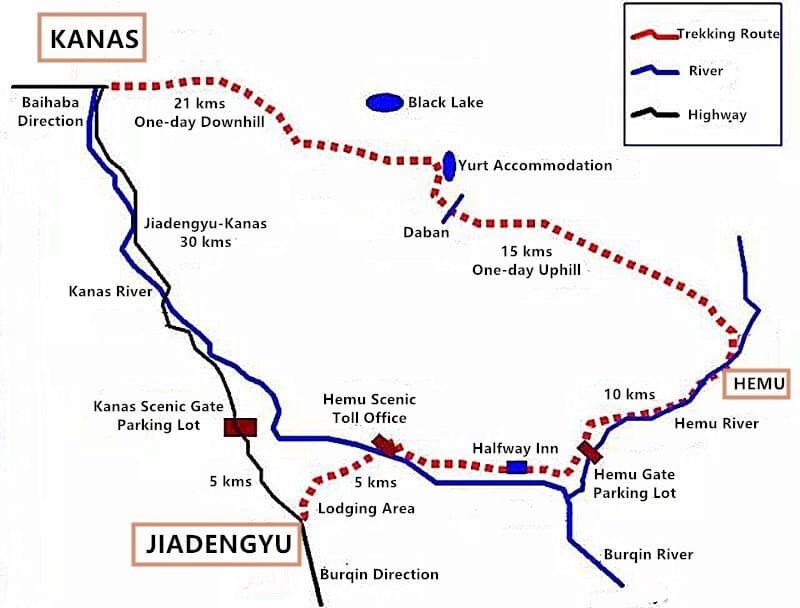
Hemu is located in Burqin County, Altay Prefecture, at the northernmost tip of Xinjiang. There's no direct train or flight that takes you straight to the village — you'll need to reach a gateway city first, then continue by road. The main access points are Urumqi (capital of Xinjiang), Altay City, and Burqin County. From any of these, the final leg into the mountains takes about 2 to 5 hours by car, depending on where you start.
2. Transportation Options
Option 1: Fly to Altay (Recommended)
This is the smoothest and fastest option. Fly from Urumqi to Altay Snow Capital Airport (AAT) — the flight takes about 1.5 hours. From the airport, you can take a shuttle bus or join a shared car to Hemu. The drive from Altay to Hemu takes about 2 to 3 hours.
If you're flying from outside Xinjiang, Urumqi is well-connected to major Chinese cities like Beijing, Shanghai, Guangzhou, Chengdu, and Xi'an. From Singapore, Malaysia, or Europe, you'll typically connect through one of these hubs.
Option 2: Train to Beitun or Altay (Budget-Friendly)
If you want to save money and don't mind a longer journey, take an overnight train from Urumqi to Beitun or Altay. The train ride takes about 8 to 12 hours — book a sleeper berth and you'll wake up in northern Xinjiang. From Beitun or Altay station, you can find shared vans or book a private car to Hemu. This is a good option for backpackers and students.
Option 3: Self-Drive (Experienced Drivers Only)
If you are driving yourself, especially in winter, you must have a 4WD vehicle with snow tires. The mountain roads can be icy and tricky. Do not attempt this unless you have experience driving on ice and snow — the conditions here are not like normal roads.
Option 4: Charter a Car / Join a Shared Ride
From Altay Airport or Beitun/Altay train stations, the most common way to reach Hemu is by shared van or private charter. A shared 4-person van from Altay Airport to Hemu costs about 300+ RMB per person. Make sure the vehicle has snow tires and 4WD in winter — this is non-negotiable for safety. Avoid unlicensed "black cars" and stick to official operators.
3. Internal Transport Inside the Scenic Area
Once you arrive at the Hemu entrance, here's what you need to know about tickets, shuttles, and getting around inside.
Tickets and Booking
Hemu, Kanas, and Baihaba collectively form a scenic area. During the winter season (October 16 to April 30), a single 100 RMB-per-person ticket gives you access to all three areas for 3 days. This is excellent value — you can explore Hemu, Kanas Lake, and Baihaba Village on the same ticket.
During the summer season (May 1 to October 15), ticket prices are higher and the shuttle system is separate. Hemu entrance ticket alone is around 50-60 RMB, with additional shuttle fees for each segment.
How to buy: Book in advance through the official WeChat mini-programs "Kanas Zero Distance" (喀纳斯零距离) or "Yuanxingwang" (原行网). You'll need to show your passport and the booking confirmation at the entrance.
Seasonal Entrance Gates
Summer (May 1 - Oct 15): Enter through the Hemu Ticket Station. Opening hours are 8:00 AM to 8:00 PM (Beijing time).
Winter (Oct 16 - Apr 30): Enter through the 72km Checkpoint. Opening hours are 9:00 AM to 8:00 PM (Beijing time).
Shuttle Buses (Scenic Area Coaches)
Once you pass the entrance gate, you'll transfer to the scenic area shuttle bus system. These are the main routes:
Route | Frequency |
Hemu Ticket Station → Hemu Village | 8:00 AM - 8:00 PM (summer) |
Jiadengyu → Hemu Transfer Center | 8:00 AM - 8:00 PM |
The shuttle bus from the entrance to Hemu Village takes about 45 minutes to 1 hour. In summer, shuttles run every 15-20 minutes during peak hours; in winter, they may run less frequently — plan extra time.
Driving Your Own Vehicle Into the Village
Summer (May-Oct): Private vehicles are not allowed inside the village. You must park at the entrance and take the shuttle bus.
Winter (Oct-Apr): You may drive in, but a reservation is required. Apply through the "Yuanxingwang" WeChat mini-program. Vehicles must have snow tires and 4WD — this is strictly enforced.
If you don't have a reservation, you can park for free at the Hemu Visitor Center and take the free shuttle bus into the village.
Getting Around Inside the Village
Once inside Hemu, the village is suited to go for a stroll — most guesthouses, the bridge, and the main viewing platform are within a 15-30 minute walk. In winter, you can hire a horse-drawn sleigh for about 50-80 RMB per hour to get around or go up to the sunrise viewing platform.
Important Winter Notes
The winter season runs from October 16 to April 30 each year. Daily visitor capacity is limited to 12,000 people during winter — another reason to book ahead. Shuttle buses inside the village are free during winter if you park at the visitor center.
Travel Hotline: 400-111-0906 (for any questions or emergencies)
Hemu is a four-season destination, but each season offers something completely different. There's no "wrong" time to come — it just depends on what you want to see.
Spring (April - May): The snow melts, the valley turns green, and wildflowers start to appear. This is the quietest time of year. Few tourists, low prices. If you want Hemu all to yourself, come in the spring.
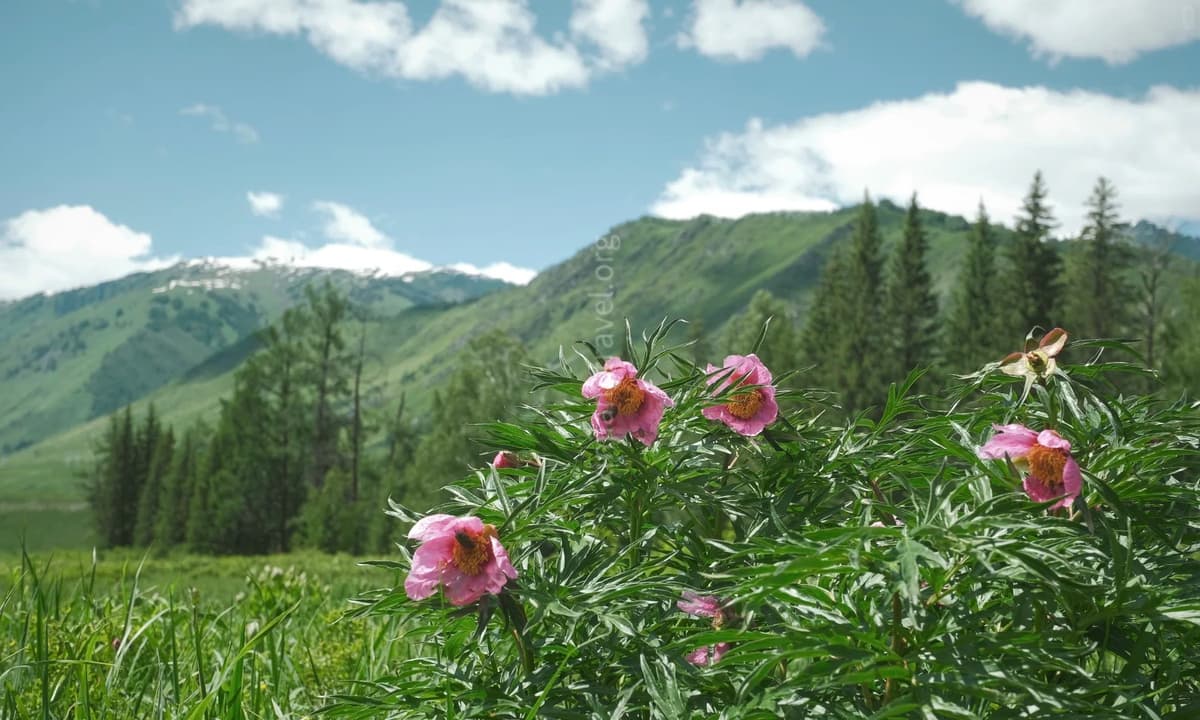
Summer (June - August): Lush green meadows, grazing cattle, and comfortable temperatures (around 20-25°C during the day). Great for hiking and horseback riding. Evenings are cool — bring a light jacket.
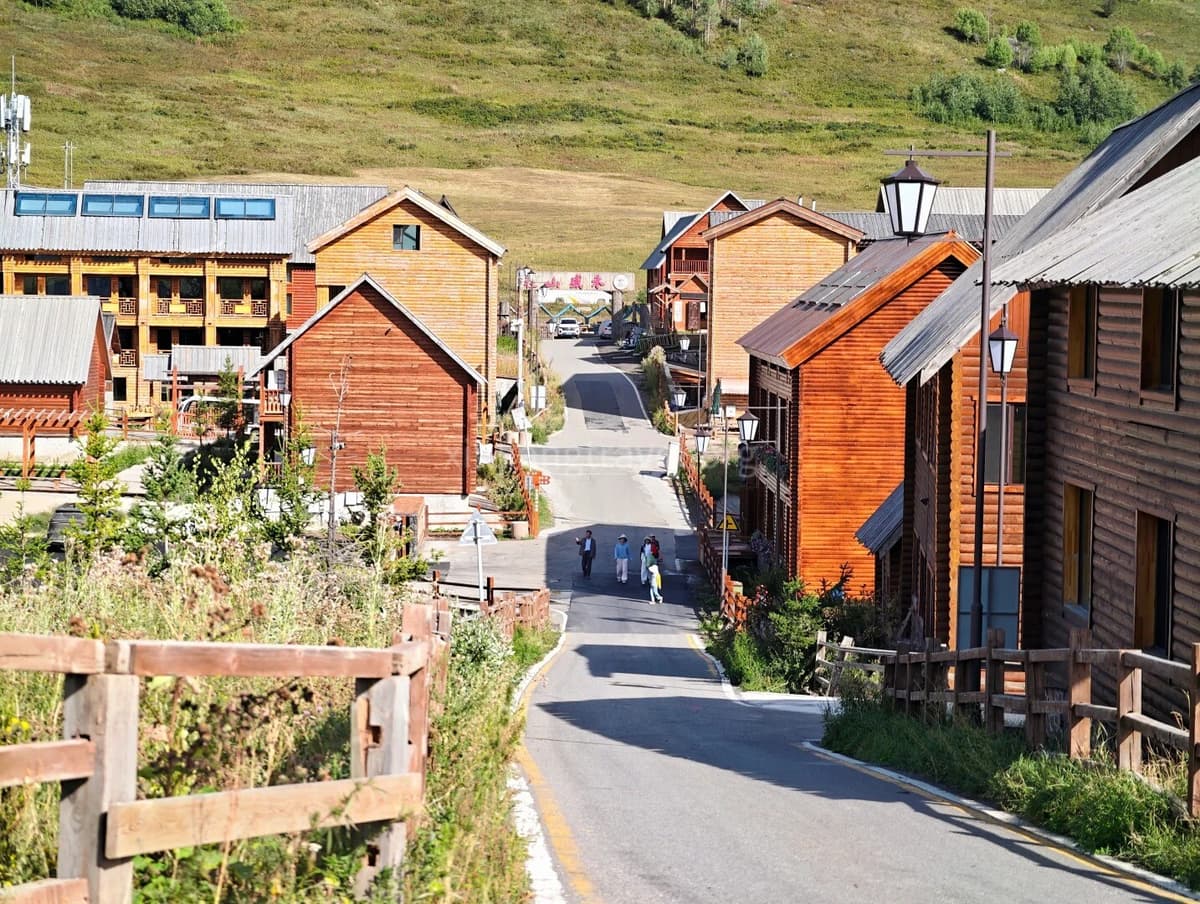
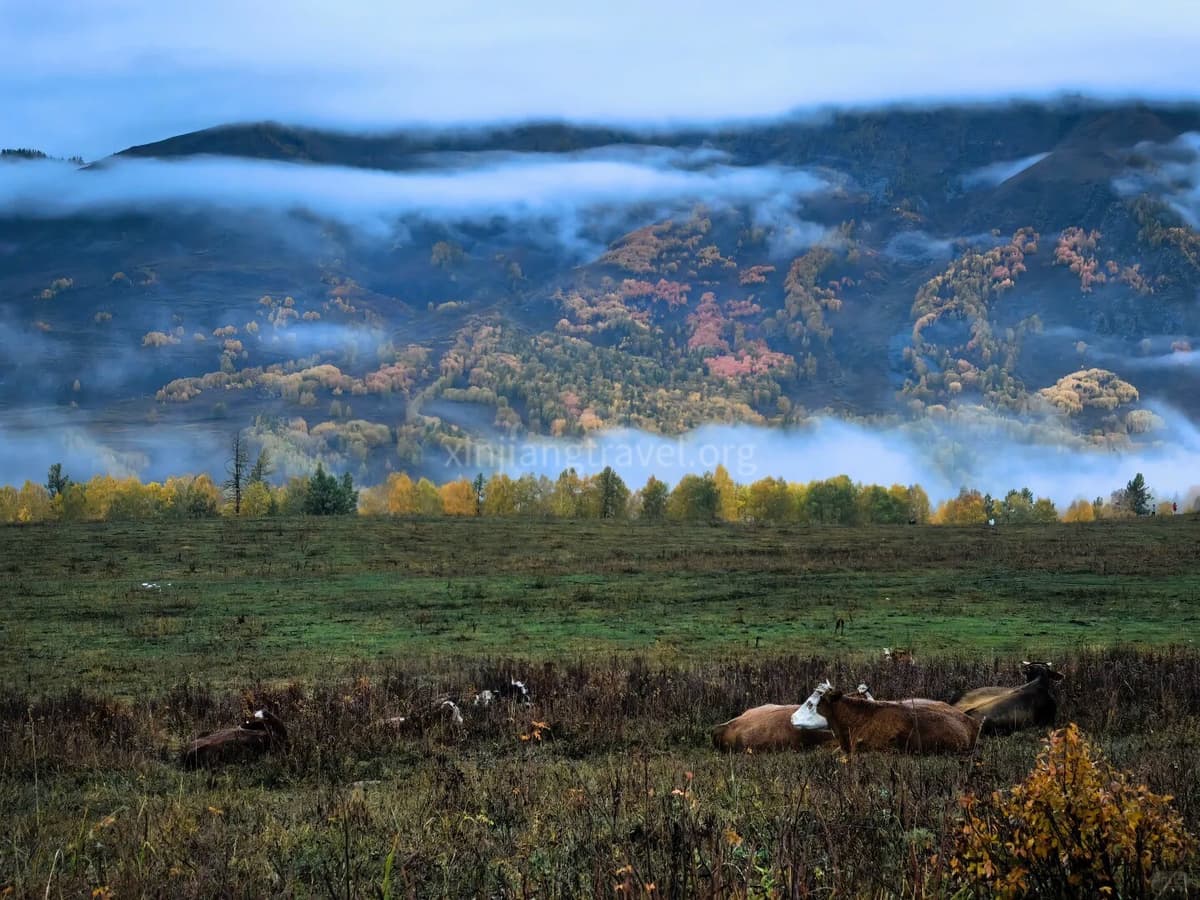
Autumn (Mid-September to early October): This is peak season for a reason. The birch forests turn brilliant gold. Mornings bring mist over the river. Photographers love this time. But be warned — it‘s busy, and you need to book accommodation 1-2 months in advance. If you want the autumn colors without the biggest crowds, aim for late September to early October.
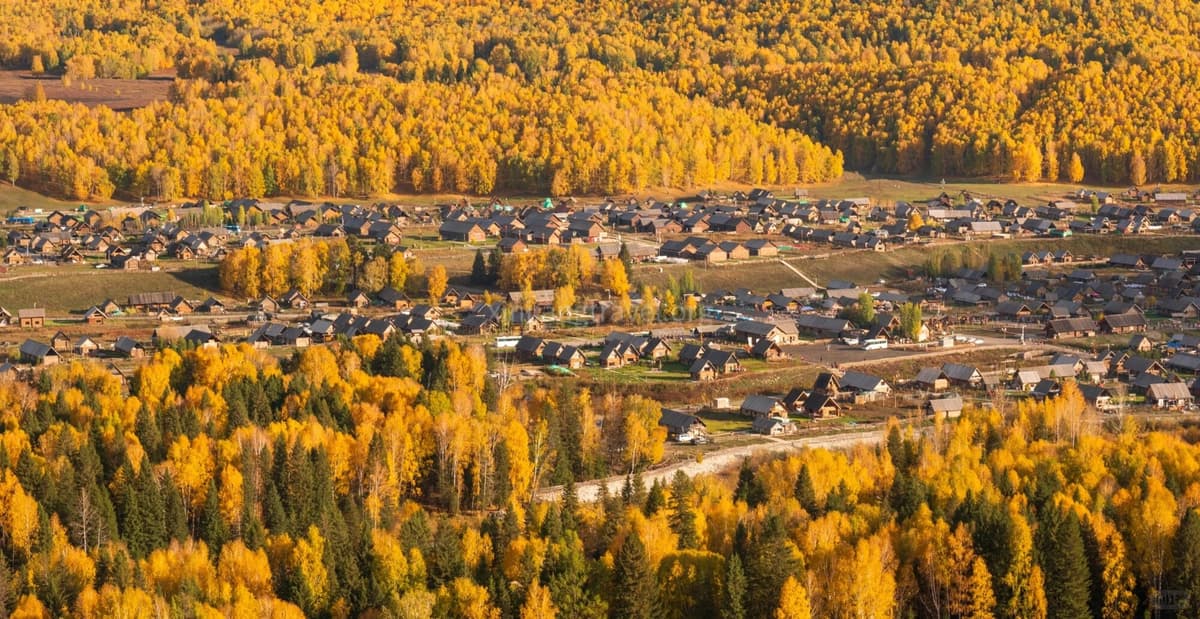
Winter (December - February): Winter's snow is deep and powdery. The village turns into a quiet, white dreamscape. Temperatures drop to -20°C to -5°C, but with proper clothing, it's totally manageable. You get 8 hours of sunshine per day, even in deep winter. Fewer tourists, lower prices, and a unique, almost Nordic atmosphere. Plus, you can ski at Asia's largest powder snow resort just nearby.
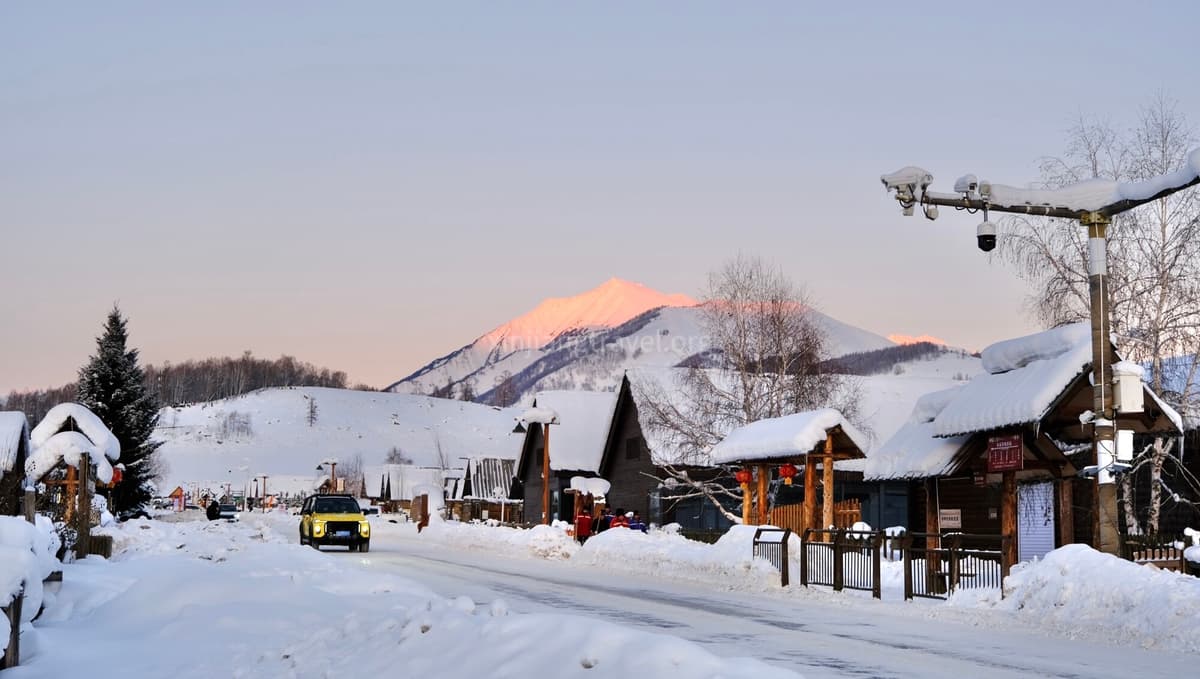
Tips: If you want a classic postcard Hemu, come in autumn. If you want a quieter, more intimate experience, winter is magical. Summer is perfect for hiking and horseback adventures.
Accommodation in Hemu is all about traditional wooden cabins. There are no big hotels, no high-rises. That's the whole point.
Old Village (Lǎocūn):
This is where you want to be if it's your first visit. You're close to everything — Hemu Bridge, the hiking trails, and the Haden Viewing Platform for sunrise. You can roll out of bed and be at the river in five minutes. The cabins here are older, more rustic. Some have shared bathrooms. Check carefully when you book.
New Village (Xīncūn):
About a 20-minute walk from the old village. The cabins here are newer, with better insulation, private bathrooms, and sometimes small courtyards. Good choice if you're traveling with kids or older family members, or if you just want more comfort.
Near the Ski Resort:
If you're here for skiing in winter, some accommodations near the Jikepulin Ski Resort allow ski-in/ski-out access. Expect to pay 1,500-2,000 RMB per night in peak season.
A Few Things to Keep in Mind
Seasonal demand: This is a remote mountain area, and accommodation is limited. During the busiest months — autumn foliage season and the heart of winter — rooms fill up fast. If you're planning a trip during these peak times, book as far in advance as possible. Prices also shift with the seasons, so locking in early gives you more options.
Food and dining: Most guesthouses and local eateries serve Chinese cuisine, with a strong focus on Xinjiang-style dishes. If you have specific dietary needs or prefer Western-style food, be aware that options are very limited. If you are particular about your diet, please make sure to inquire about the availability of Western food, etc. When you book your hotel, or tell our travel consultant your dietary requirements when booking with us.
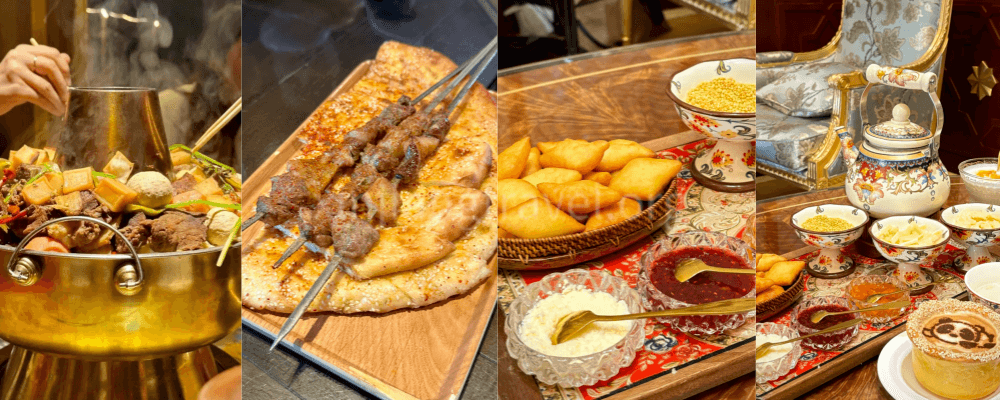
Food in Hemu is hearty, warm, and designed for cold mountain weather.
Breakfast: Milk tea with boortsog — a traditional fried dough that's crispy on the outside and soft inside. Dip it in the tea. Simple and satisfying.
Lunch/Dinner:
Lamb hot pot: A bubbling pot of lamb, vegetables, and noodles. Perfect after a cold day outside.
Roasted lamb skewers: You'll smell them before you see them. Juicy, smoky, and seasoned simply with cumin and salt.
Big plate chicken: A classic Xinjiang dish — chicken stewed with potatoes and peppers, served with wide noodles that soak up the sauce.
Cold-water fish hot pot: Fresh fish from the local rivers.
Snacks and drinks:
Naan: Baked flatbread. Take one with you on a hike.
Cream yogurt: Rich, tangy, and refreshing.
Hot milk tea: Salty, not sweet. Warms you from the inside.
Clothing and Gear:
Winter: Dress in layers. Thermal underwear, fleece, down jacket, and waterproof outer shell. A hat that covers your ears. Gloves (touchscreen-compatible are useful). Waterproof snow boots. Bring hand warmers — you can stick them on your phone to keep the battery from dying in the cold.
Summer/Autumn: Days are warm (20-25°C), but nights get cold. Bring a light down jacket or a warm fleece. The temperature can drop 15°C from day to night.
All seasons: Sunglasses and sunscreen. The sun at this altitude is strong, even in winter.
Staying Connected:
Mobile signal is spotty, especially in remote areas. Download offline maps before you arrive.
China Mobile generally has the best coverage in the area.
Payment:
Most places accept WeChat Pay and Alipay. Cash is rarely used. Make sure you have these apps set up before you travel.
Respect Local Customs:
The Tuvan and Kazakh people are warm and hospitable. A smile goes a long way.
Ask before photographing people. This is just basic courtesy.
Remove your shoes when entering someone‘s home.
Alcohol consumption is best kept moderate in the village — it's a quiet place.
Altitude and Health:
Hemu is at about 1,100-1,300 meters above sea level. Altitude sickness is not typically an issue at this elevation, but stay hydrated and take it easy on your first day.
Booking and Timing:
For autumn visits (mid-September to early October), book everything 1-2 months in advance — accommodation, transport, everything. Winter is less crowded, but still book ahead for weekends and holidays.

Urumqi - Fuyun - Keketuohai - Burqin - Jiadengyu - Kanas - Jiadengyu - Hemu- Burqin
Kanas and Hemu tour starts from Urumqi. Our Professional guided trekking to Kanas, enjoy the very best landscape. This is a Tour you can take any time for its multiple sceneries style.

Urumqi - Fuyun - Burqin - Kanas - Hemu - Karamy - Bole - Shihezi - Turpan - Urumqi
Northern Xinjiang Tour: Keketuohai, Kanas Lake, Hemu Village with Turpan Adventure. Enjoy the natural wonders of majestic mountain and vast grassland. Experience the nomadic life of local Kazakhs. Xinjiang China Travel Promise you the Best Holiday.

Altay - Keketuohai - Burqin - Kanas - Hemu
Book a 10-day winter skiing tour to Kanas, Hemu, Altay, Xinjiang, China. Spend 10 days in northern Xinjiang, visit the well-known Kanas Nature Reserve and Hemu village. Try the newly-built 4300-square-meter ski equipment hall in Keketuohai. It's a wonderful tour to Altay Prefecture.