20 years of pioneer in xinjiang tourism for overseas travelers
Born Here, Know Best, Your Journey's Blessed
No Shopping. No Detour, 99% Excellent Review

contact UsOn Wechat

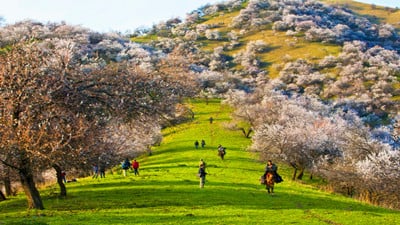
Urumqi-Sayram Lake-Zhaosu-Shate Valley-Kalajun Prairie-Tangbula Prairie-Narat Prairi-Bayinbuluk
Xinjiang Tour to Ili Pastureland of Narat, Kalajun and Bayinbuluk where are the wild natural wonders in China. You will not only enjoy the vast grassland, but also experience the nomadic life of local Kazakhs in modern Times. Xinjiang China Travel Promise you the great Holiday.
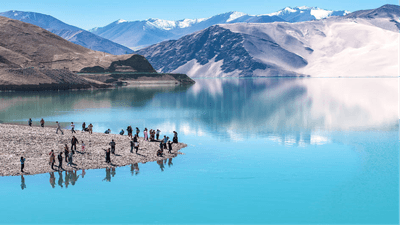
Kashgar - Karakul Lake - Urumqi - Burqin - Hemu - Kanas - Urho - Sayram lake - Nalati - Yining
Enjoy the vast grassland, clear lake and beautiful village of Xinjiang, pass through the Karakorum Highway to admire the majestic views of the Sand dunes, mountains, as well as sandstone valley, and have an intimate dialogue with nature.
Urumqi - Kuitun - Yining - Xinyuan - Nalati
Start the trip from Urumqi to soak into its vitality and busyness; be amazed at the picturesque Heavenly Lake, Sayram Lake and the famous Guozigou Bridge; experience the folk-style elegance and immersed in the vast grassland and flower sea in Nalati and Xinyuan.
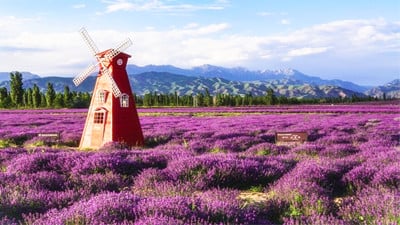
Yining - Nalati - Zhaosu - Xianhuatai - Qiongkushitai - Jinghe - Urumqi
Walk into Kazanqi Folk Village to experience folk culture; hike from Xianhuatai to Qiongkushitai, breathe the fresh air, enjoy the beautiful flowers and grassland along the way, and feel surrounded by snow-capped mountains; visit Xinjiang Grand bazaar to buy some interesting and unique souvenirs for family and friends.
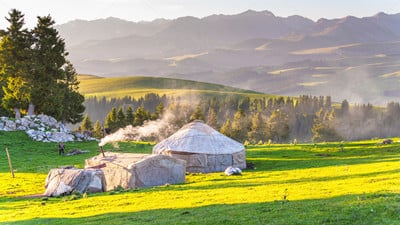
Urumqi - Sayram Lake - Zhaosu - Xiata - Tekes - Kanas - Nalati - Bayinbuluk - Kuqa - Korla - Urumqi
14-day Prairie Culture Tour takes you on a stroll through charming Nalati, Karajun and Bayinbuluk grasslands with a vast sea of flowers, flocks of cattle, sheep, horses, and Kazakh yurts. Experience unique folk cultural activities here and have an intimate dialogue with nature.
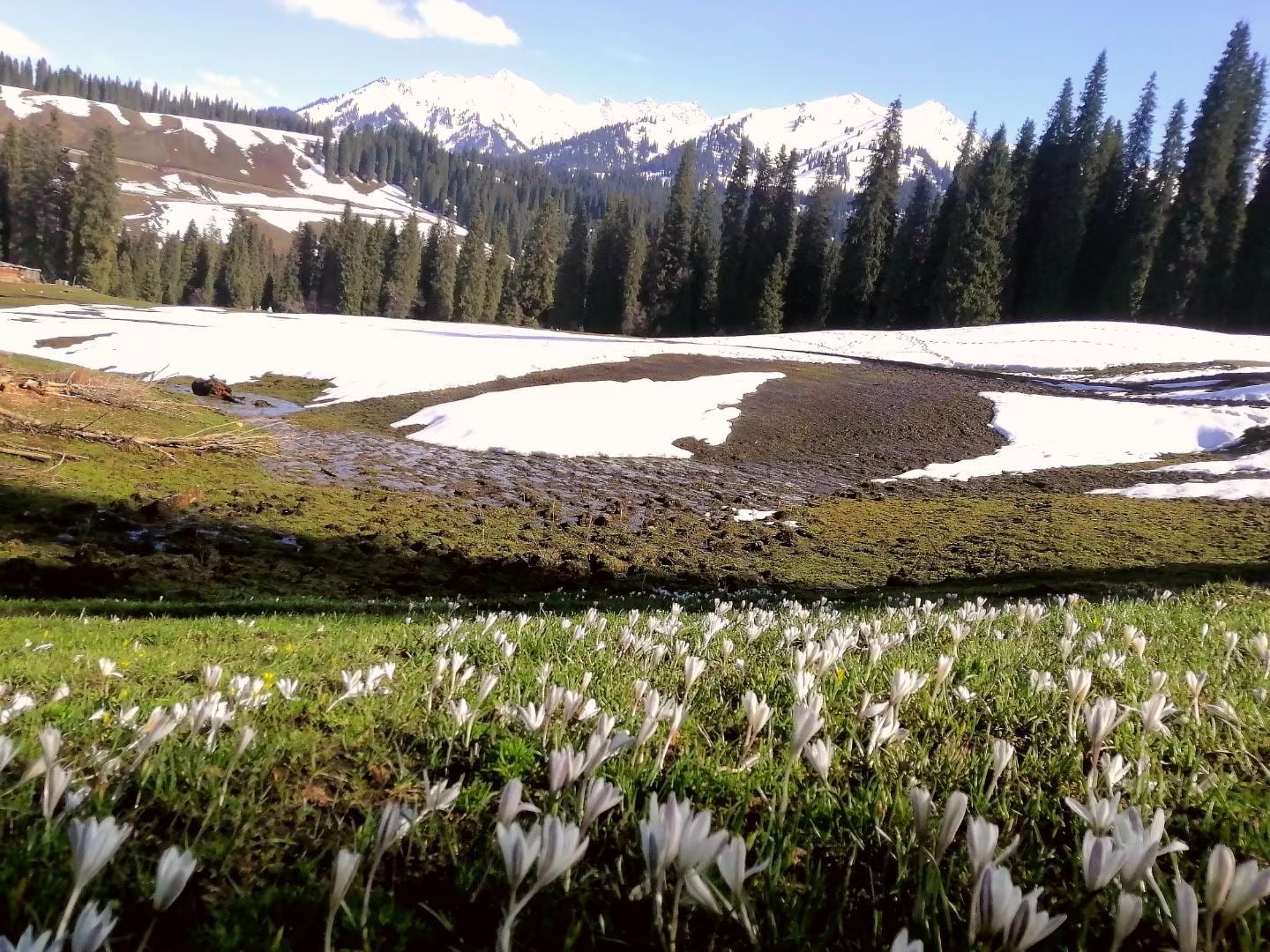
Urumqi - Kuitun -Yining - Naraty - Kashgar - Taxkorgan
Plan your unforgettable Xinjiang tour in April or spring! Experience nature's renewal with melting snow, alpine lakes, Yili's vibrant blossoms, and Kashgar's rich heritage in southern Xinjiang.
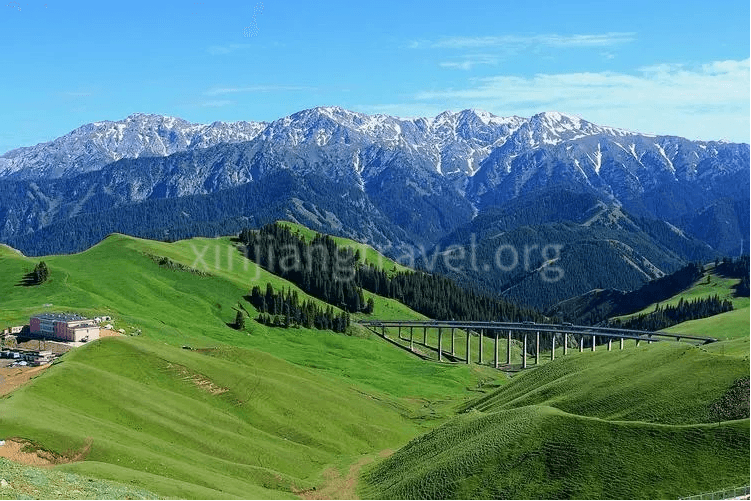
Urumqi-Turpan-Kuitun-Tangbula Grassland-Nalati-Sayram Lake-Urho-Kanas-Hemu-Altay-Urumqi
Explore the breathtaking landscapes, ancient Silk Road ruins, alpine lakes, grasslands, and ethnic villages of Northern Xinjiang on this unforgettable 15-day private journey through Kanas Lake, Hemu Village, Nalati Grassland, and the legendary Duku Highway.
Urumqi - Dushanzi - Yining - Zhaosu - Tekes - Gongliu - Nalati - Kuitun - Urumqi
Explore the best of Northern Xinjiang on a Duku Highway tour featuring Yili, Nalati, Zhaosu and Tekes. Discover grasslands, canyons and stunning mountain scenery.

Kashgar-Karakul Lake-Taxkorgan-Nalati-Yining-Jinghe-Urumqi-Turpan
A 13-day Xinjiang tour covering Kashgar, Yili and Urumqi. Discover the Pamir Plateau, Silk Road culture, Ili grasslands, Kanas scenery and the diverse landscapes of Northern and Southern Xinjiang.
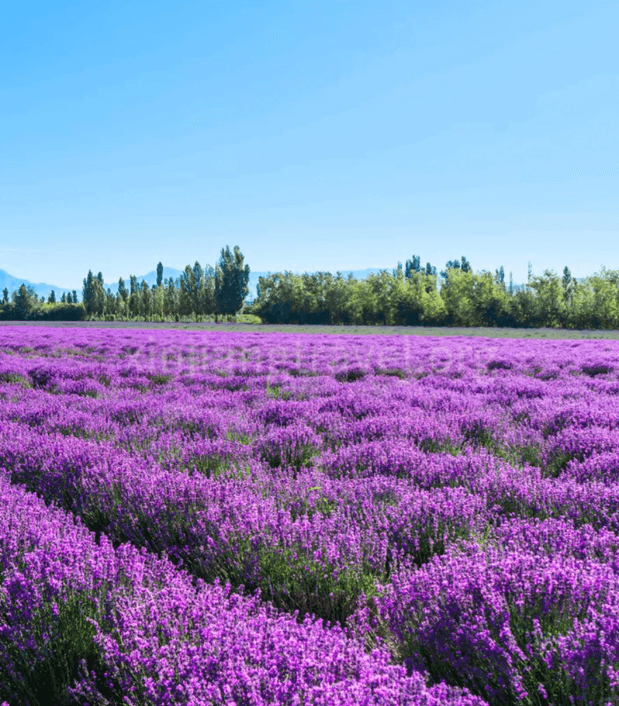
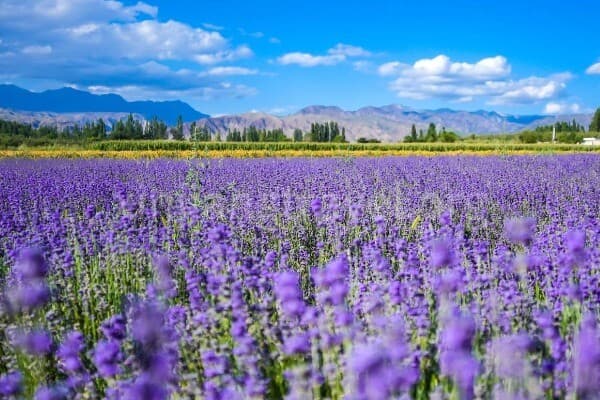
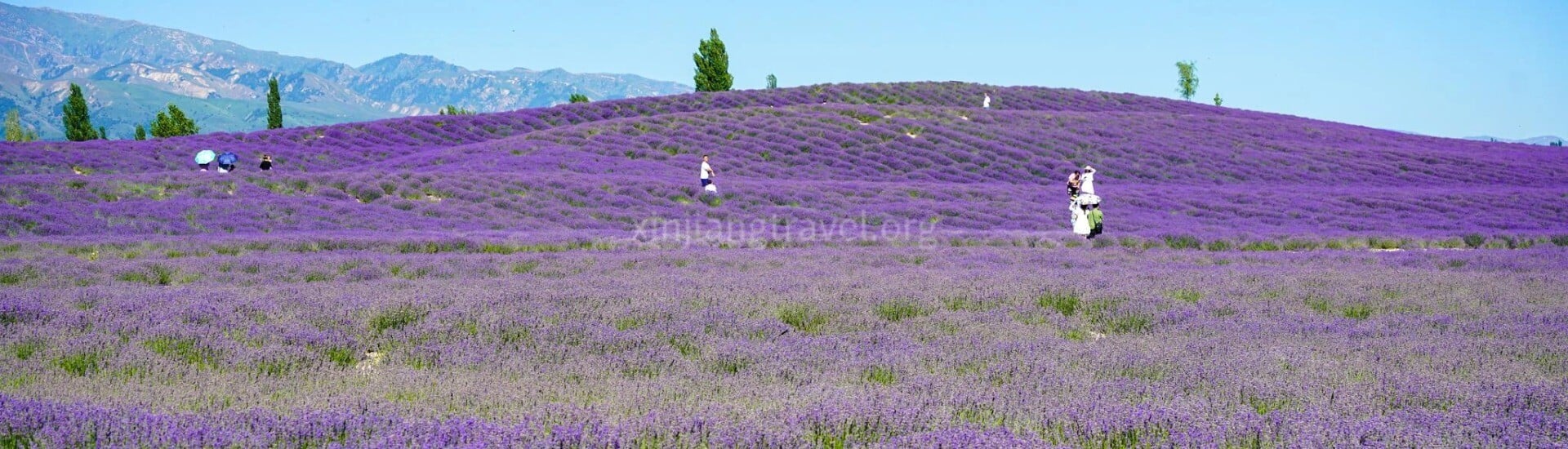
Ili's lavender fields are spread across the valley, with established visitor gardens and farming villages in Huocheng County to the northwest of Yining. For a first visit, choose one named place with flowers still standing, rather than asking a driver to find "the lavender fields". June is the main month to plan around, but the condition of the particular plot matters more than a general flowering calendar.
A garden can remain open after its lavender has been cut. Before arranging a separate outing—or adding a stop on the way from Sayram Lake—confirm which field you will see and whether it will still be in bloom.
Ili, also written Yili, is the wider valley and regional name. Yining City is the main urban base; Yining County is a separate administrative area. Huocheng County contains several lavender-growing and visitor areas, including Qingshuihe and Lucaogou. These names cannot be used interchangeably as a destination address.
For most first-time visitors staying in Yining, the useful choice is between an organised garden in the Qingshuihe area and a field-focused visit around Lucaogou and Huanghuang Village. Both lie in the broader Huocheng direction, but they are not one attraction with a shared entrance.
Send your driver the Chinese name and a map pin for the entrance, then ask the venue to confirm it. A brand search may produce a shop, a museum, a growing site or another branch. The fact that a place sells lavender products does not mean that visitors can walk beside flowering rows there.
If you are considering a garden in Yining County instead, treat it as a separate route choice. Do not add it to a Huocheng outing merely because both are described online as "Ili lavender".
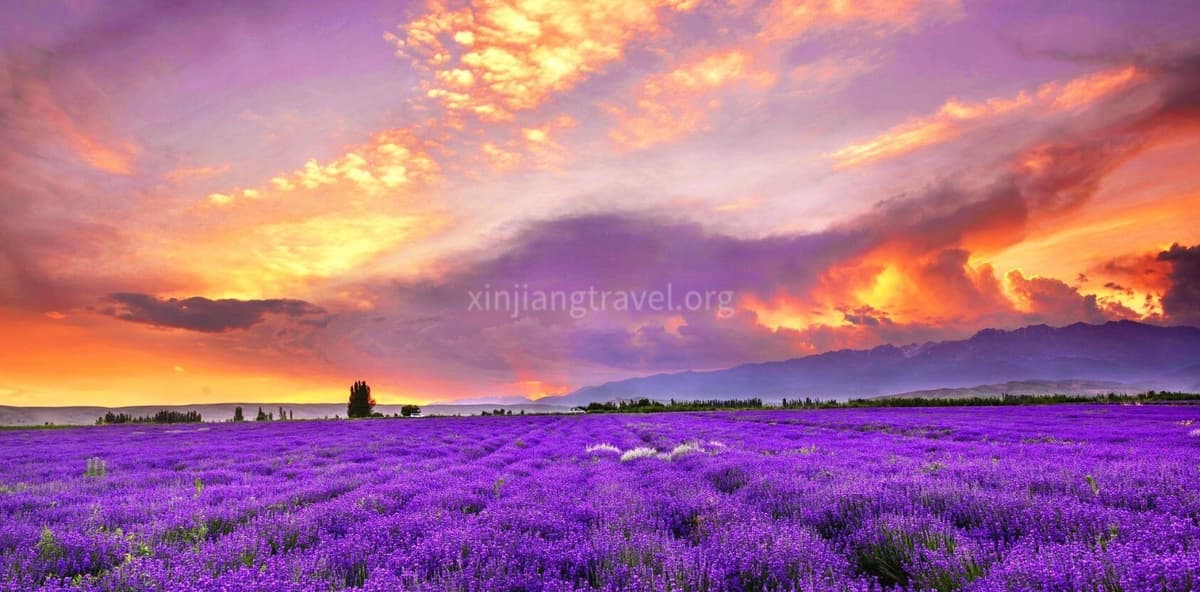
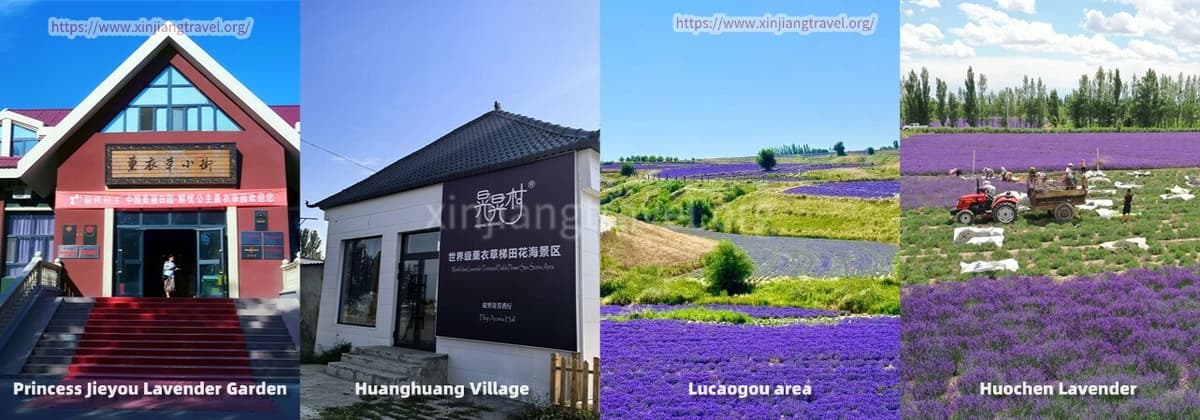
Princess Jieyou Lavender Garden—解忧公主薰衣草园—in Qingshuihe is the clearest starting point for visitors who want a defined venue rather than an informal search for fields. The Qingshuihe complex combines lavender cultivation with museum and industry-related displays, making it a useful choice when members of the group have different interests.
Ask for the Qingshuihe location specifically. The Princess Jieyou name also appears in descriptions of farms elsewhere in Huocheng, so a booking labelled only "Jieyou lavender" is not sufficiently precise. Confirm that the entrance pin leads to the garden or industrial tourism complex you intend to visit, not a retail outlet.
Choose this option if you want flowers plus an introduction to how lavender is used. For a short visit, find out where the flowering plot is in relation to the entrance and museum. Do not assume that the indoor displays, production areas and outdoor fields are all included in the same visit or operating on the same schedule.
Huanghuang Village—晃晃村—is associated with Sigong Village in Lucaogou Town, Huocheng County. It is a village destination with surrounding cultivation, accommodation and visitor businesses, rather than one enclosed lavender garden. The appeal is the relationship between the planted slopes and the village setting.
This area suits travellers who want to spend time beside a particular field and perhaps stop in the village afterwards. It is less suitable for an unplanned drop-off where the driver leaves before you have identified a field that is open to visitors.
Ask your host or field operator for the exact plot and permitted access point. Roads through a village do not make the adjoining crops public space. A photograph taken from a nearby hill or private field is not proof that the same position is available to every visitor.
For a named attraction in the same broad area, ask about the lavender garden listed locally as 芦草沟慢心忘优谷薰衣草园. You may also encounter the spelling 漫心忘忧谷 in promotional material. Use its Lucaogou/Sigong location to distinguish it from the Qingshuihe Princess Jieyou site.
This is an alternative to searching among separate village plots, not a compulsory second stop. Compare the current flowers and walking arrangements before choosing between it and another field. With only one stop available, the best choice is the venue that can show you the crop and access you want on that day.
Huocheng County, sitting at a similar latitude to Provence in France, is nicknamed "China's Provence" and ranks among the world's three‑major lavender‑growing regions, alongside Provence (France) and Furano (Hokkaido, Japan)Xinhuanet. When blossom season arrives, endless blue‑purple lavender waves roll across wide valley farmlands, carried on gentle breezes that spread a soft, soothing floral scent across the countryside. Walking among the flowering rows, visitors are wrapped in this mild, calming fragrance. The general viewing window runs from early June through late July.
June is the strongest starting point for planning an Ili lavender trip. Early in the flowering cycle, green stems and buds can dominate; as the flower heads develop, the rows show more continuous purple. The change is gradual, and neighbouring plots need not reach the same stage together.
Bear in mind a key practical distinction: commercial farm fields generally begin harvest from late‑June onward, while managed tourist lavender gardens often retain their display blooms until late July. Avoid treating a broad "June to July" recommendation as a guarantee that every field will remain untouched until July. Some plots are grown primarily for production, while visitor gardens may manage their displays differently. Weather, variety and the grower's harvest schedule all affect what is standing.
Photography guidanceLavender plants grow low and form dense clustered clumps. For portrait‑focused shots, position yourself within flower‑row corridors. Shoot along the length of vertically aligned planting rows, and favour medium‑focal or telephoto lenses for best results. Though drone flights are not formally banned during peak bloom, heavy tourist crowds often clutter frames and detract from clean wide‑angle imagery. Always stay on permitted paths and avoid trampling growing crops.
Transport noteThere is no regular public bus service running directly out to the lavender zones. Most travellers arrange a chartered car departing Yining or join a local small‑group tour to reach the fields.
Lavender is an agricultural crop, and cutting changes a field more abruptly than the flowers simply fading. A recent photograph may show long purple rows, while the same plot a few days later may have been harvested. A venue advertising its lavender season may still have only part of the field in flower.
Before booking, ask three specific questions: which plot will visitors enter, how much of it is flowering, and whether cutting is planned before your visit. Request a wide photograph or short video taken within the last few days, rather than a close‑up of one remaining row.
For an outing arranged well in advance, make the final field selection close to departure. Keep the transport plan flexible enough to use another confirmed venue in the same area, but do not replace one uncertain field with a long drive around several unconfirmed ones.
Later flowering is reported at some Huocheng farms, but it is not a second valley‑wide season that can be booked with the same expectations as June. The relevant questions are the specific plot, the extent of flowering and whether visitors can reach it.
If you will already be travelling through Ili in autumn, a confirmed flowering field may justify a stop. If your purpose is a broad purple landscape, do not change flights or add a long detour on the strength of a general claim that lavender "blooms twice a year".
For a half-day outing from Yining, choose one garden or field and arrange the return before leaving the city. Allow roughly one to two hours at the selected venue for walking and photographs, with additional time if a museum visit or a confirmed activity matters to you. These are sightseeing allowances, not driving times.
A simple plan is Yining hotel → Princess Jieyou's Qingshuihe entrance → flowering area → optional museum visit → Yining. Ask the driver to quote the complete return journey with waiting time. If the flowers are your main interest, visit them first rather than spending most of the available time indoors.
Alternatively, choose a specific Lucaogou field, followed by a short stop in Huanghuang Village. This works best when the field operator or a local host has supplied a precise meeting point. The village name alone should not be the end of your transport instructions.
For travellers not hiring a car for the full outing, confirm the first and last local connections separately. A bus or taxi to a town does not necessarily reach the garden entrance, and a successful ride out from Yining does not establish that a return car will be available when you finish.
Have breakfast or lunch in Yining and carry drinking water. Adding a leisurely meal at the destination can be pleasant, but it should be a choice within the day rather than something you discover you need after the driver's waiting time has expired.
A Huocheng lavender stop can fit the journey from Sayram Lake towards Yining after descending through the Guozigou area. It still requires leaving the through route for a particular entrance, parking and visiting the field. "On the way" does not mean that every garden adds the same amount of time.
For a straightforward one-stop plan, ask the driver to price: Sayram Lake departure point → Princess Jieyou Lavender Garden in Qingshuihe → Yining hotel. Confirm the Qingshuihe entrance and flowering plot before settling on that venue. If a Lucaogou field has better verified flowers, compare the revised route and detour before switching.
Keep the lake visit as the first substantial activity, then leave enough daylight for the drive and an unhurried flower stop. Around an hour to ninety minutes beside one good field is more useful than brief visits to several similar plots. Add museum time only if it is something your group actually wants.
Arrange luggage storage in the vehicle and agree where it will be parked while you walk. Keep passports, medication and valuables with you. The driver should know whether you are visiting just the outdoor field or adding an indoor attraction, because that affects the waiting time and arrival in Yining.
For late-afternoon photographs, work backwards from the venue's last admission and closing arrangements, not from sunset alone. Xinjiang's long summer evenings do not mean that a ticketed garden remains accessible until the light disappears. If the lake visit runs late, shorten or omit the flower stop rather than rushing through it before closure.
The same approach works in reverse when leaving Yining for Sayram Lake: select one confirmed field, then protect enough time for the lake itself.
There is no single "Huocheng lavender ticket". A visitor garden, a privately managed field and a village business may have different admission arrangements. Before buying, identify exactly what the ticket covers: outdoor flowers, museum access, a guided activity or something else.
Carry your passport and ask the selected venue how foreign visitors should purchase admission. Do not assume that a booking form designed around Chinese identity cards will accept a passport, or that buying a product from a shop grants access to its growing fields.
For anyone who walks slowly, the useful question is the route from the drop-off to the flowering rows. Ask about steps, unpaved sections, seating and toilets at that particular entrance. A developed garden may be easier to organise than dispersed village plots, but "garden" is not a guarantee of step-free access.
Photograph the rows from permitted paths and field margins. A slight angle across the planting can show their depth without entering the crop. Avoid stepping between plants simply to reproduce an online pose, especially where the apparent gap is part of the cultivated bed rather than a visitor path.
Wear shoes suited to dry soil or uneven farm paths, and bring sun protection for the exposed fields. If you want portrait photographs, choose clothes you can walk in comfortably; elaborate outfits are of little use when they prevent you from reaching the permitted viewing area.
For a working distillation visit, ask whether production will actually be taking place and whether visitors are admitted to it. A museum exhibit, a demonstration and an operating production workshop are different experiences. Book the one you want rather than assuming that an essential-oil shop includes all three.
Lavender in Huocheng is grown for more than photographs. The flowers also supply an industry producing essential oils, soaps, scented gifts and other goods. After visiting the fields, a museum, shop or organised workshop can help connect the landscape with what is made from the crop.
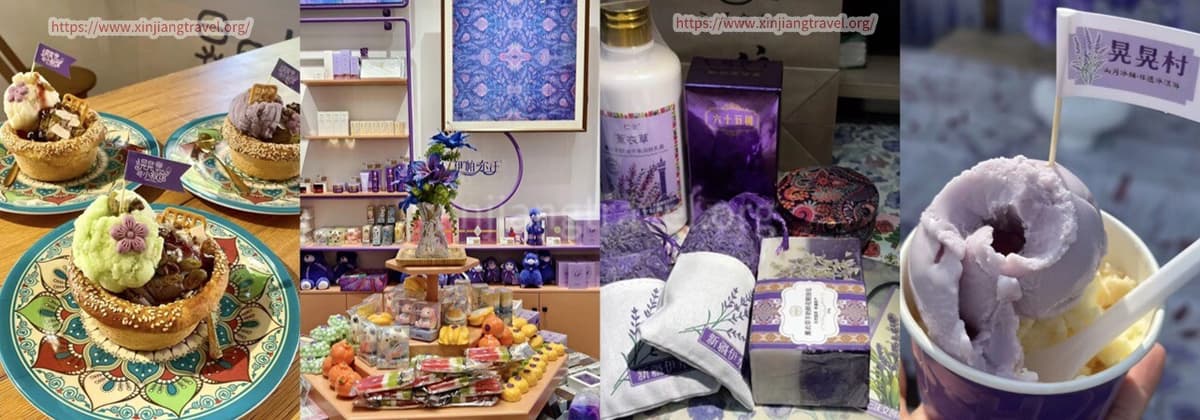
Lavender-flavoured ice cream, including mixed-flavour versions, is one of the treats to look for in Huocheng. It makes a short refreshment stop after walking around the fields, rather than a reason to add another garden to your route. Ask what is available at your chosen venue; it is not a standard offering at every farm or village café.
If you have food allergies or dietary restrictions, ask about the ingredients rather than judging by the colour or product name. A purple dessert does not tell you how it has been flavoured, whether it contains dairy or whether it was made with locally grown lavender.
Around Huocheng's lavender visitor sites and the Sigong Village area, products include essential oils, soaps, dried-flower crafts and scented gifts. A bar of soap or a small sachet can be a practical keepsake if you want something simpler than a bottle of concentrated oil. Lavender-themed bookmarks and other small crafts offer alternatives for people who prefer a decorative souvenir.
For something specifically connected to Ili, read the manufacturer and place of production on the label. A product sold beside a flower field is not necessarily made from that field's crop. Look for clear ingredients and instructions, and distinguish pure essential oil from a blended fragrance, massage oil or finished cosmetic.
Keep products in their labelled packaging. If buying dried flowers or plant-filled sachets to take overseas, check your destination's plant-product import requirements before purchasing.
The Princess Jieyou complex in Qingshuihe includes museum and industry-related facilities, making it a useful choice if you want more than a field visit. The most interesting distinction is between seeing equipment on display and watching flowers being processed: a museum can be open when production is not taking place.
Ask specifically whether your visit includes a working distillation process, a demonstration or an exhibition. Sachet-making experiences are also promoted in Huocheng, but the venue, booking arrangements and availability need to be agreed separately. If this interests you, allow extra time at one suitable venue instead of adding a second garden with similar flower views.
Lavender is widely used to scent soaps, perfumes, bath products and sachets. Some people enjoy its fragrance as part of a relaxing evening routine, but that is different from a proven treatment for insomnia or anxiety. Choose a souvenir for its scent and intended use, rather than a promise that it will improve your sleep.
Follow the product instructions, particularly for essential oils. Do not add a souvenir oil to food or drink unless it is specifically intended for food use. Fragranced skincare can also irritate sensitive skin, so "natural" should not be taken to mean suitable for everyone.
Choose according to how you intend to use it. Soap is a straightforward everyday purchase; a sachet or small craft suits someone who wants a reminder of the fields without handling concentrated oil. For essential oil, look for a clearly labelled product with a named manufacturer, ingredients and instructions—not simply the strongest fragrance or the most elaborate bottle.
If taking gifts abroad, keep the packaging and check the rules for dried plant material before buying flower bundles or filled sachets. A locally made product with clear information is a more useful purchase than one sold with vague promises about sleep or health.
Most visitors can see one field without moving hotels from Yining. Keeping the same room is usually simpler for a short outing, especially when you want the city's dining choices and have another destination planned the following day.
A night around Lucaogou or Huanghuang Village makes more sense if the village setting and a slower pace are part of the attraction. It can also reduce driving after an evening visit, but proximity alone does not grant access to private fields or a garden outside its opening hours.
Before booking a room for its flower view, ask for a recent photograph from that property and the expected harvest schedule of the visible field. "Lavender-view accommodation" may overlook a planted area that will already be cut during your stay. Confirm dinner, breakfast and transport as well, particularly if you will arrive without a car.
If the fields have been harvested and your only aim is purple-row photography, keep your Yining accommodation and drop the detour. If you are interested in the industry, an operating museum or prearranged production visit may still justify going—but it should replace the flower experience explicitly, not be presented as the same thing.
For a single stop between Sayram Lake and Yining, a named entrance and a recent wide view of the crop are enough to make the final choice. If the field is still flowering, reserve time to walk it properly and agree the onward departure with your driver. You do not need a second garden simply to make the day look fuller.
If the chosen plot has been cut, ask whether another accessible field on the same route is genuinely in flower. If not, continue to Yining unless the museum, production visit or village itself interests you. Arriving in the city with time for dinner and an evening walk is a better outcome than spending the afternoon chasing photographs of fields that no longer look that way.
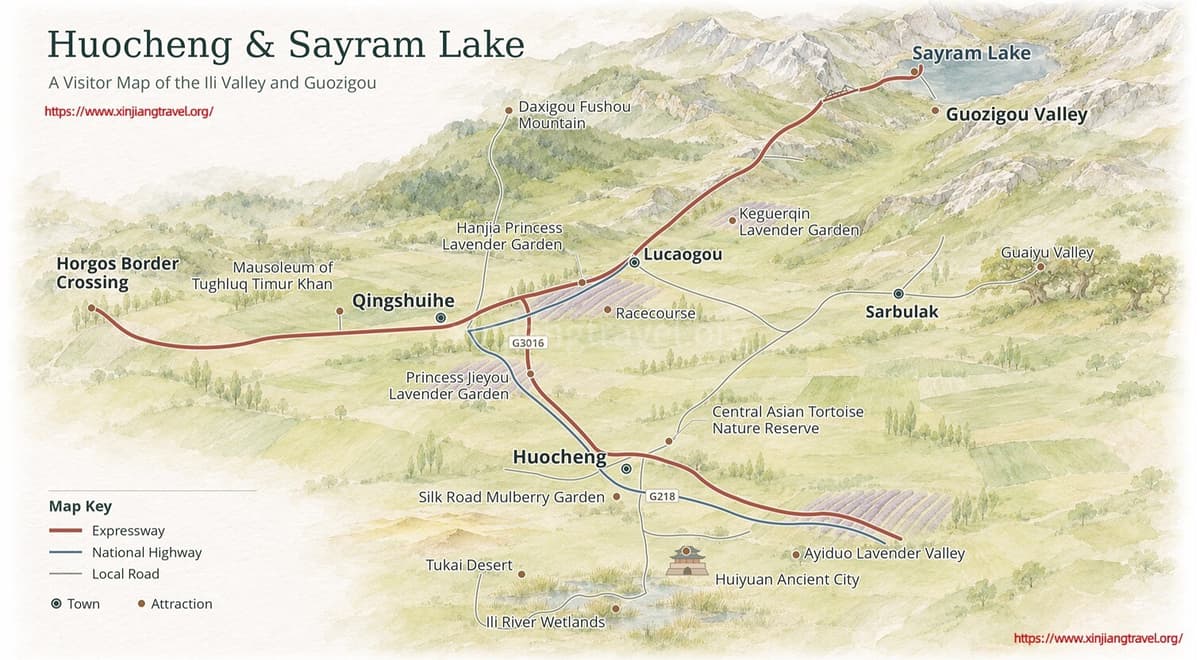
No. Huocheng is a county containing several growing and visitor areas. Give the driver a named venue, its town and an entrance pin. For the Qingshuihe option, specify 解忧公主薰衣草园 in 清水河镇 and have the venue confirm that the pin is for visitor admission.
If choosing the Lucaogou area, identify the actual garden or field near 芦草沟镇、四宫村 or 晃晃村. Do not send only a Princess Jieyou brand result: similarly named farms, displays and shops can lead to different places.
Harvest can remove the flowers from whole rows between the date of a photograph and your arrival. A social-media post may also use older pictures, or show a different plot from the one included in your visit. The upload date is not necessarily the shooting date.
Ask for a current wide view and the name of the field, then ask whether cutting is scheduled. If the answer is only "the park is open", that confirms admission—not that the purple landscape in the picture is still there.
Usually one well-chosen field is enough. Moving between two similar gardens uses time that could be spent waiting for people to move, trying different angles or simply walking without rushing. Choose according to actual flowering, permitted access and the fit with your route.
A second venue makes more sense when it offers something genuinely different, such as a confirmed museum or production visit. In that case, allocate time for that experience rather than treating it as another quick photograph stop.
Provide the lake departure point, the confirmed lavender entrance and your Yining hotel—not just the two cities and "flowers on the way". Ask for the extra driving time separately from your chosen sightseeing allowance, and agree whether parking and waiting are included.
Keep the luggage in the vehicle by arrangement, take valuables with you and set a departure time from the field. If you want evening light, check that the venue will still admit visitors and that the driver is available for the later arrival in Yining.
Not without evidence from a specific field. Some farms report later flowering, but that does not tell you how extensive it is, whether it matches June's appearance or whether the public can enter the relevant plot.
Treat it as a possible addition to an existing autumn journey. Before changing accommodation or transport, ask for recent photographs and confirmation of access. If the reply consists only of a general "September lavender season" advertisement, keep your original route.
Yes, but organise the return as carefully as the outward journey. A taxi drop-off at a named garden is easier to manage than being left in a broad farming area to search for flowers. Arrange a collection time or a reliable local pickup before leaving Yining.
If using intercity transport to Qingshuihe or another town, work out the final connection to the entrance and back to the departure point. Do not assume that the bus stops at the flower field or that a car will be waiting when you leave.
It can be, if you want the museum, cultivation background or an activity that is actually operating. Ask what remains available and whether it requires a separate ticket or booking. Seeing displayed distillation equipment is different from watching a working batch being processed.
If your only interest is a photograph among long purple rows, skip a harvested plot. A shop full of lavender products does not replace that experience, and you do not need to justify the detour simply because it was on the original plan.
Yes, if the selected venue has a suitable route from the drop-off to a flowering area. Ask for the walking distance, surface and any steps, along with the location of seating and toilets. These details matter more than whether the attraction is described as family-friendly.
Choose one accessible view and leave time to sit down afterwards. In the Lucaogou village area, avoid a plan that depends on following rough farm tracks between several separate plots. A shorter, organised garden visit may suit the group better.
Only when the work is taking place and visitors are permitted to observe it. Harvesting is scheduled around the crop and production needs; it is not a performance that runs whenever tourists arrive. Distillation may happen at a separate facility.
If either is a priority, ask the operator which activity is available on your date, where to meet, whether booking is needed and whether an explanation in English can be arranged. Do not assume that an exhibition labelled "lavender processing" includes a live demonstration.