20 years of pioneer in xinjiang tourism for overseas travelers
Born Here, Know Best, Your Journey's Blessed
No Shopping. No Detour, 99% Excellent Review

contact UsOn Wechat
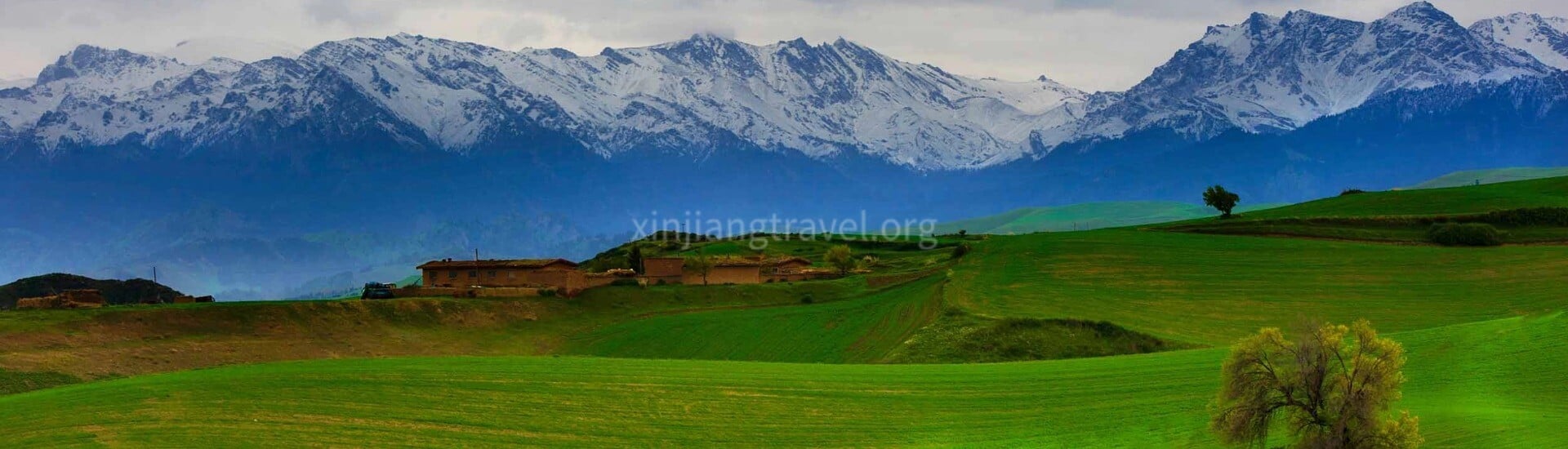
Urumqi - Kuitun - Burqin - Kanas - Hemu - Fuhai - Keketuohai - Urumqi
Discover the breathtaking landscapes, colorful geological wonders, alpine lakes, forests, grasslands, and ethnic cultures of Northern Xinjiang on this unforgettable journey through Urumqi, Kanas, Hemu, Burqin, and Keketuohai.
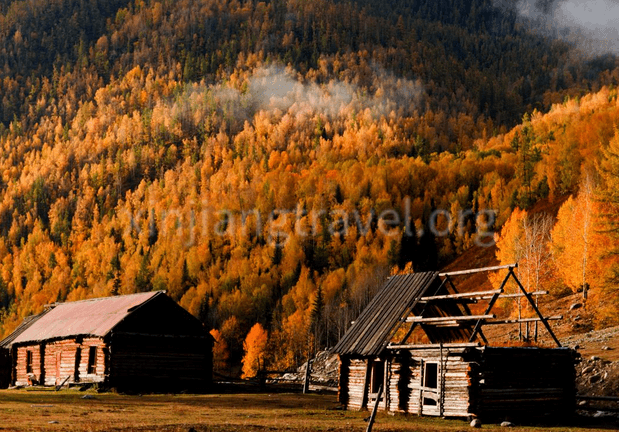
Urumqi-Heavenly Lake-Hemu-Kanas-Burqin-Urumqi-Kashgar-Taxkorgan-Kashgar-Naryn-Kochkor-Bishkek
Explore the Silk Road from Kyrgyzstan to China, visiting Bishkek, Issyk Kul Lake, Kashgar, Taxkorgan, Urumqi, Turpan, and Kanas–Hemu with stunning mountains, lakes, deserts, and rich cultural heritage.
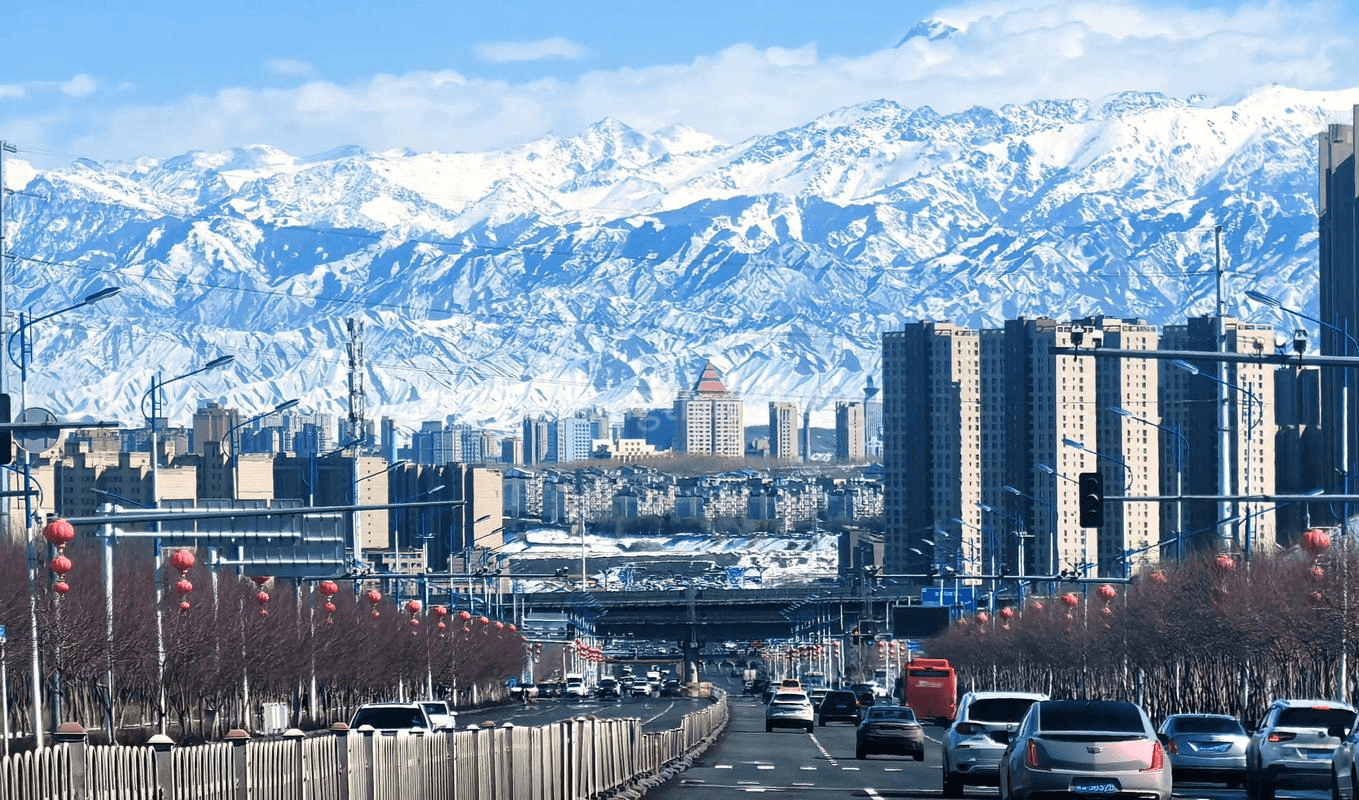
Urumqi-Kuitun-Burqin-Kanas-Hemu-Fuhai-Keketuohai-Urumqi-Turpan-Urumqi
Explore Xinjiang with this 10-day travel itinerary covering Kanas, Hemu, Keketuohai, Turpan and Urumqi. Discover alpine lakes, forests, grasslands, Silk Road history and unique cultures.
Kashgar-Karakul Lake-Taxkorgan-Nalati-Yining-Jinghe-Urumqi-Turpan
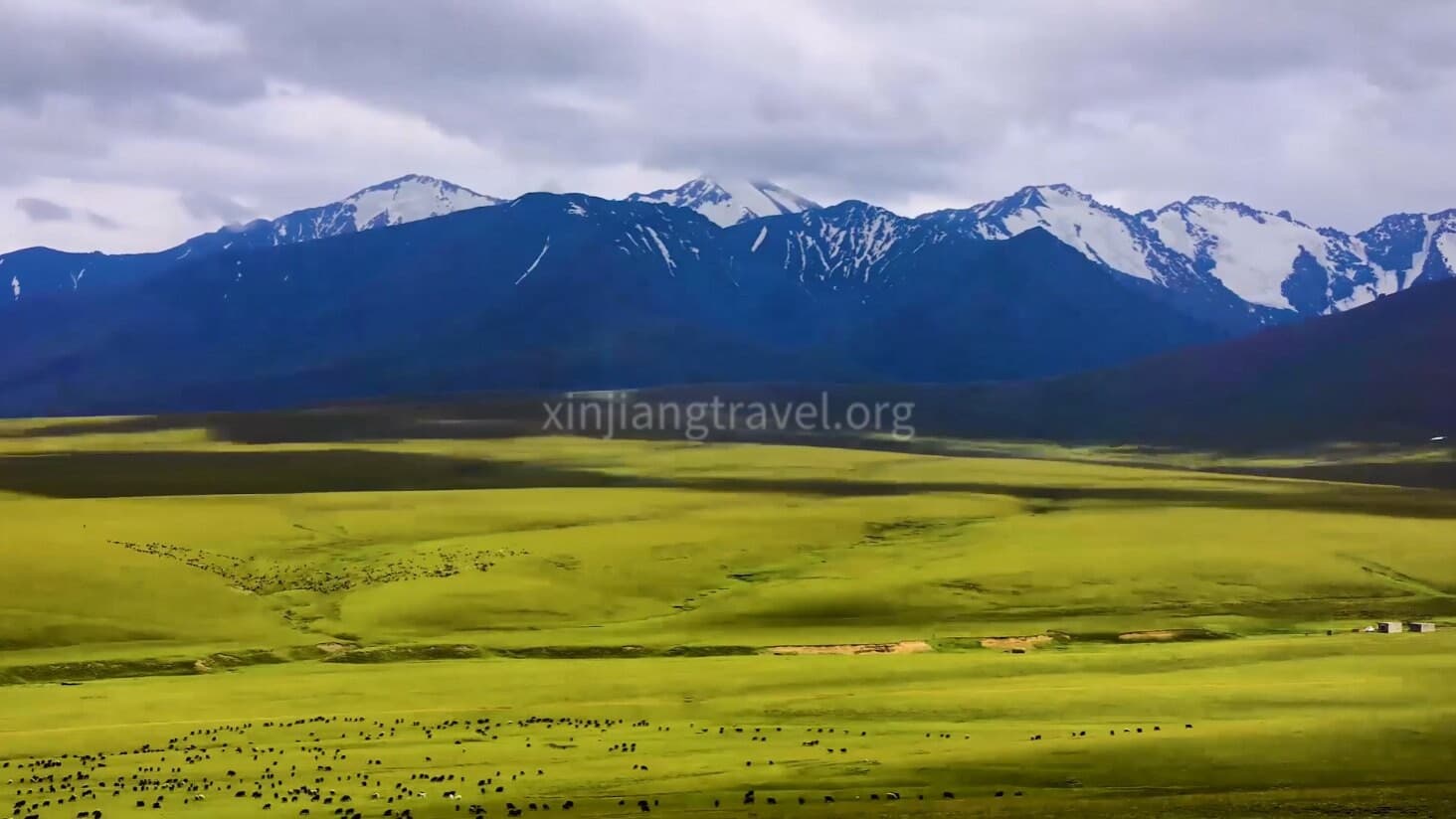
A 13-day Xinjiang tour covering Kashgar, Yili and Urumqi. Discover the Pamir Plateau, Silk Road culture, Ili grasslands, Kanas scenery and the diverse landscapes of Northern and Southern Xinjiang.
Urumqi - Fuhai - Hemu - Kanas - Urho - Urumqi
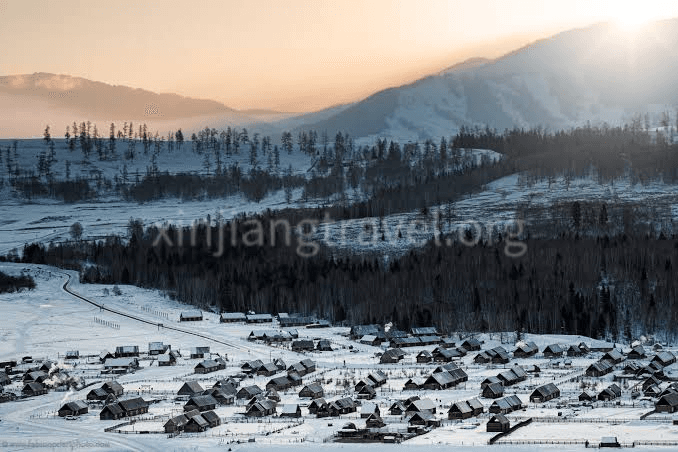
Experience the magic of North Xinjiang in winter on this 8-day tour. Explore the snow-covered Hemu village, hike the icy Three Bays of Kanas, marvel at Ulungur Lake, and discover the Urho Ghost City. A serene winter wonderland awaits you.
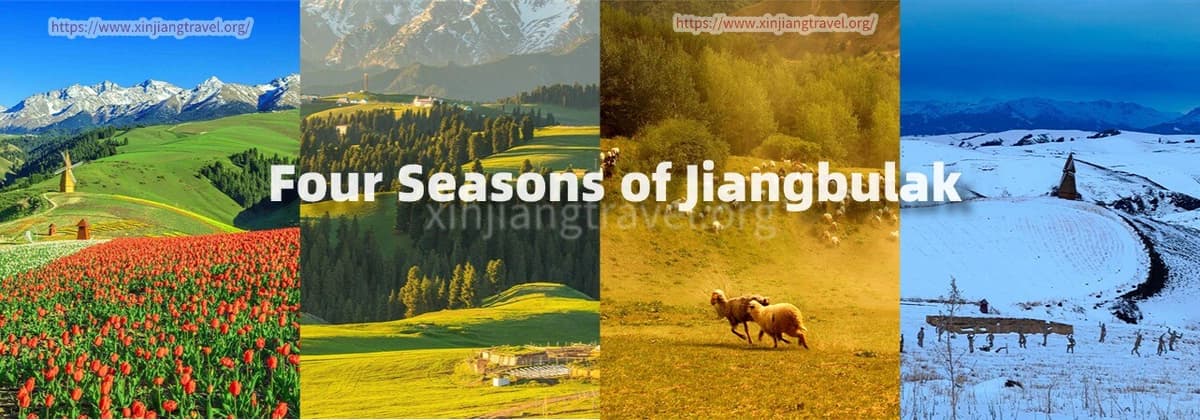
Jiangbulak lies south of Qitai in Xinjiang's northern Tianshan foothills, where cultivated wheat fields follow the curves of the hills below meadows and spruce forest. The fields give this landscape its particular character: green crops, standing golden wheat and harvested slopes can make the same viewpoint look quite different.
Allow half a day from Qitai for a focused visit, or a full day for the fields and a longer walk. From Urumqi, the outward and return journeys make this a substantial day trip. Before choosing your date, decide whether you want a particular wheat-field photograph or a broader day in the mountains.
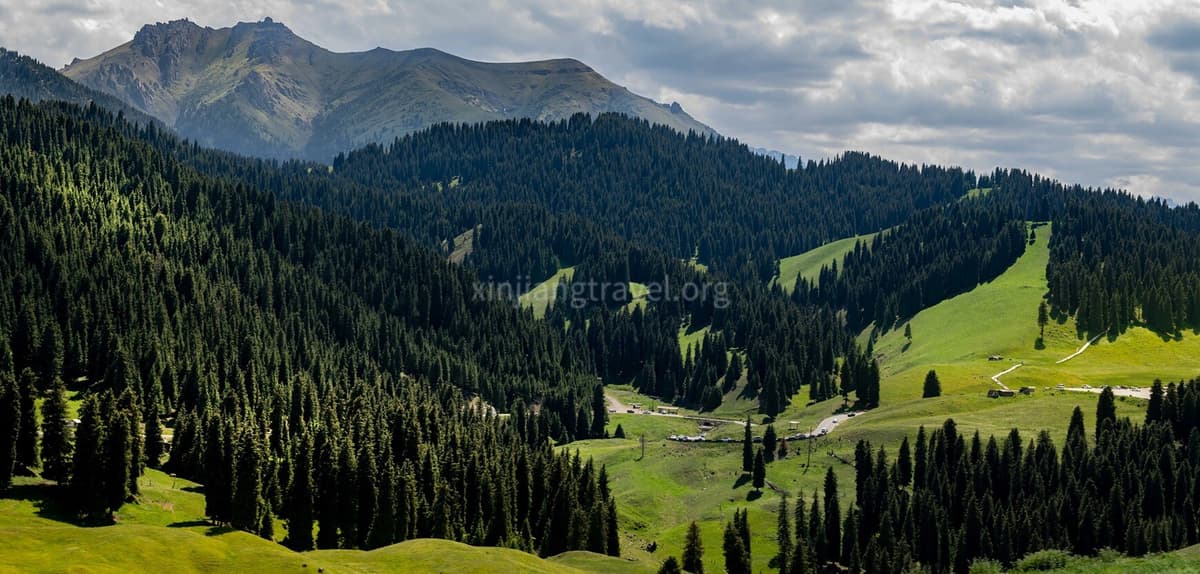
Jiangbulak is worth considering if you want to see how farmland meets the mountains, rather than another stretch of open grazing country. From the wheat viewpoints, the boundaries between cultivated plots draw lines across the slopes. Farther into the scenic area, grass and trees replace those agricultural patterns.
For travellers already staying in Qitai, it is a straightforward destination around which to organise a half-day or full-day outing. For someone based in Urumqi, it requires a more deliberate choice: much of the day will be spent travelling, so the visit works best when the fields or walking are a priority.
It is not a convenient side trip from the Ili Valley. Qitai lies east of Urumqi, whereas Yining and the main Ili grassland routes lie far to the west. Give Jiangbulak its own place in an eastern Tianshan itinerary instead of squeezing it between Ili destinations.
On maps, use 江布拉克景区. English pages also spell the name Jiangbulake or Jiangbrak; they refer to the same scenic area.
Early summer is the better choice for green wheat, fresh grass and time on the walking routes. The attraction is the contrast between cultivated hillsides and the darker forest, rather than harvest colour. Flowering in the meadows varies with weather and elevation, so it should be a welcome addition rather than the sole reason for booking.
If you enjoy walking more than waiting for a particular photograph, this is a useful alternative to the shorter mature-wheat window. Carry a rain layer: open fields and sheltered forest can feel quite different on the same day.
The mature-wheat period falls in late summer, but it ends when each field is harvested, not on a fixed date in a tourism calendar. Different plots can be green, golden or already cut during the same visit.
For photographs of wheat moving in the wind, ask specifically about standing, unharvested wheat at Tian Shan Wheat Sea. A photograph of golden ground does not answer that question: stubble can also look yellow from a distance. Request recent pictures of the actual viewpoint you intend to visit.
September is not a reliable promise of standing golden wheat. Harvesting may already have removed the crop from the slopes featured in promotional photographs. What remains can still be interesting: cut rows, field boundaries and the shapes of the hills become easier to see.
If you are already in Qitai, a September visit can combine these agricultural patterns with meadow and forest scenery. If you would be making a long detour solely for ripening wheat, establish that it is still standing before committing to the drive.
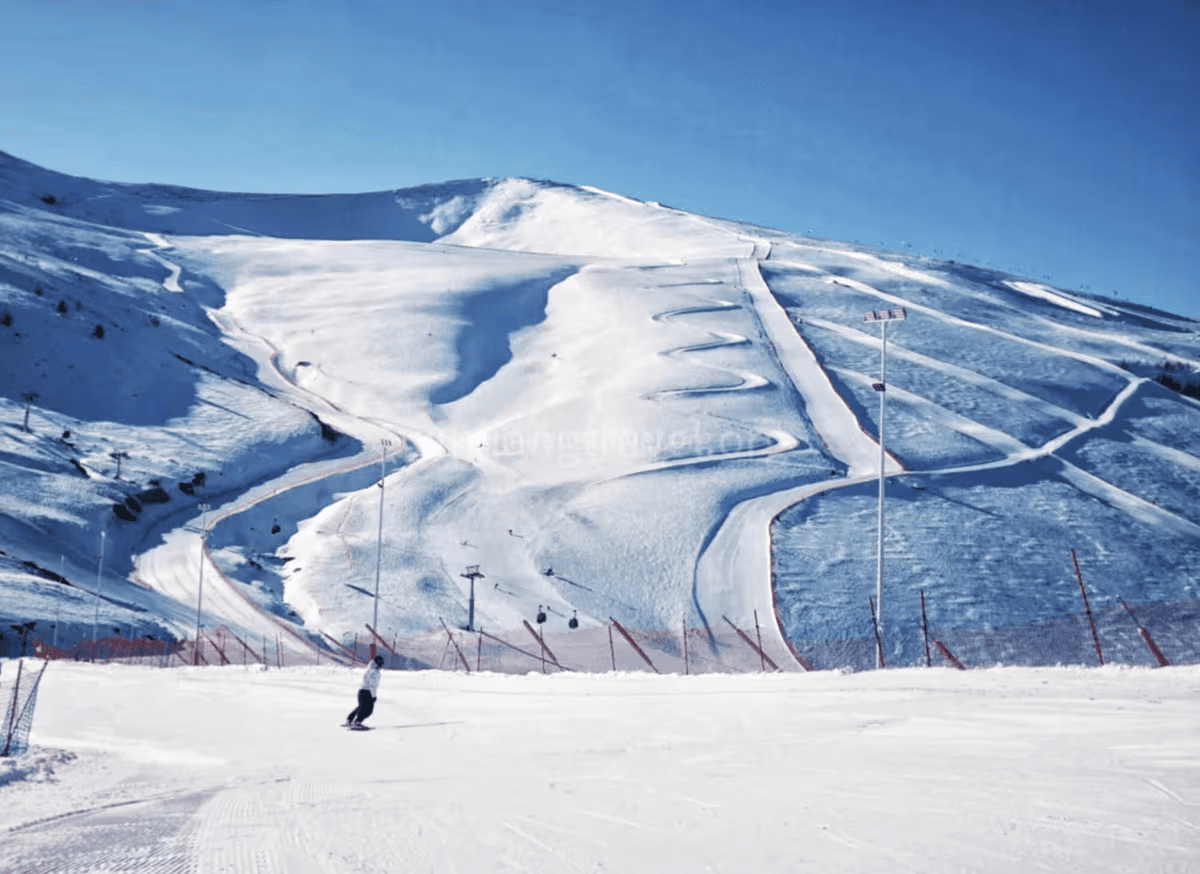
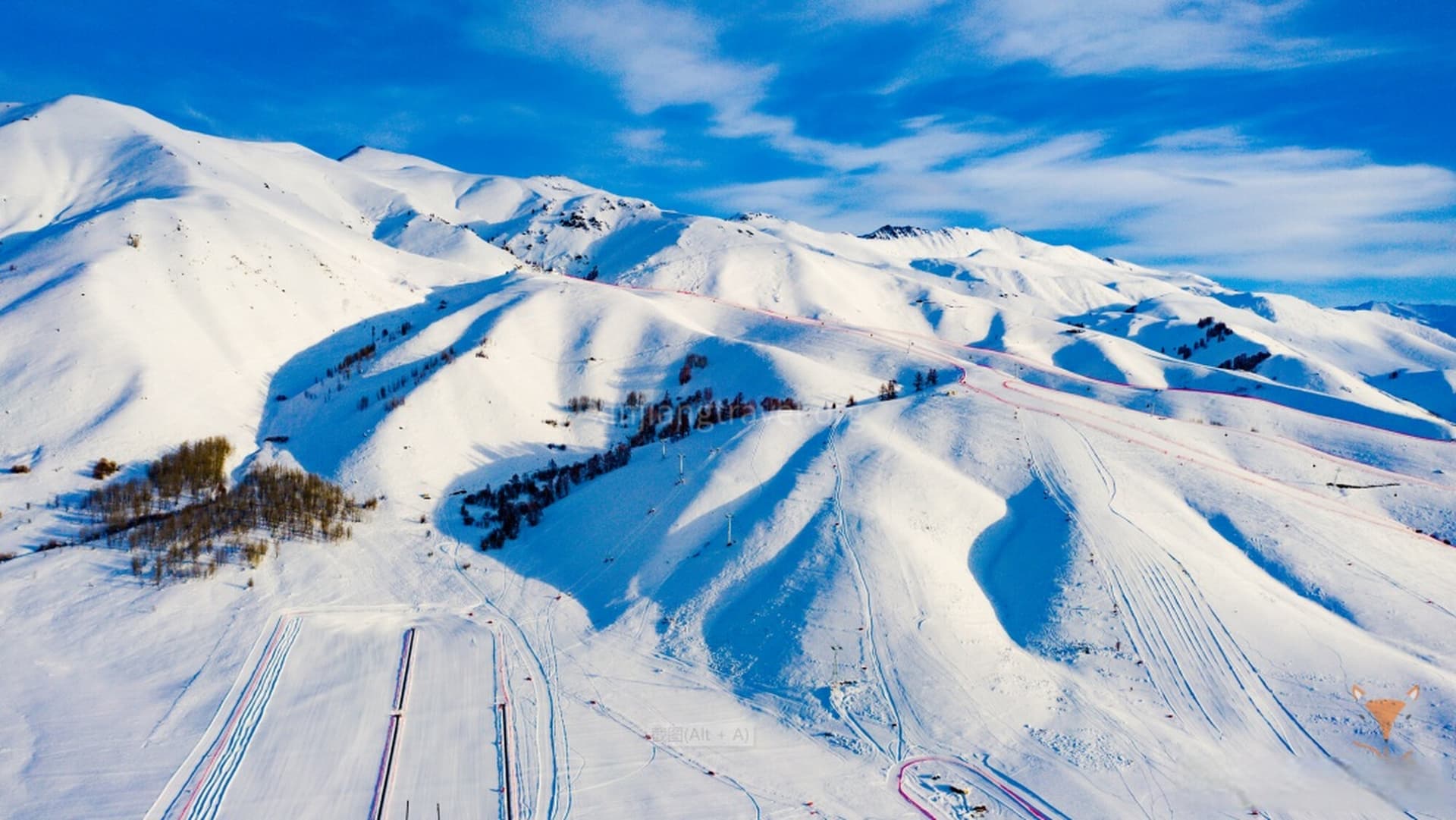
Winter turns Jiangbulak into a snow-covered mountain landscape, but a winter visit needs its own transport and access plan. Do not assume that the summer driving circuit, walking routes or visitor facilities are all available. Ask which entrance and stops will operate on your date; do not book on the assumption that a ski area or organised snow activity will be running.
From Qitai town, the road heads towards Banjiegou and the scenic area in the southern foothills. The approach is approximately 45 km, but reaching an entrance is only the first part of the outing. Ticketing, any change of vehicle and the journey to the viewpoints come afterwards.
For visitors without a car, a prearranged return transfer from the hotel is the simplest arrangement. Give the driver the scenic-area entrance, not merely "Jiangbulak", and establish whether the booking covers transport inside or only the journey to the gate. Agree the return meeting point before leaving the vehicle.
From Urumqi, travel east towards Qitai before turning towards the mountains. Choose between a long return day and a night in Qitai. Staying in Qitai removes the Urumqi approach from the sightseeing morning and makes a slower visit easier.
An intercity coach to Qitai does not deliver you to the wheat viewpoints. If using public transport for that first leg, arrange the Qitai-to-entrance journey separately, including the return. Do not build the day around an assumed scenic shuttle from the county bus station without confirming its operation for your date.
For a private transfer, ask for an estimate from your Urumqi hotel to the selected entrance, then add the sightseeing time and return drive. A quotation describing only "Urumqi to Qitai" leaves out the mountain approach and the movement inside the park.
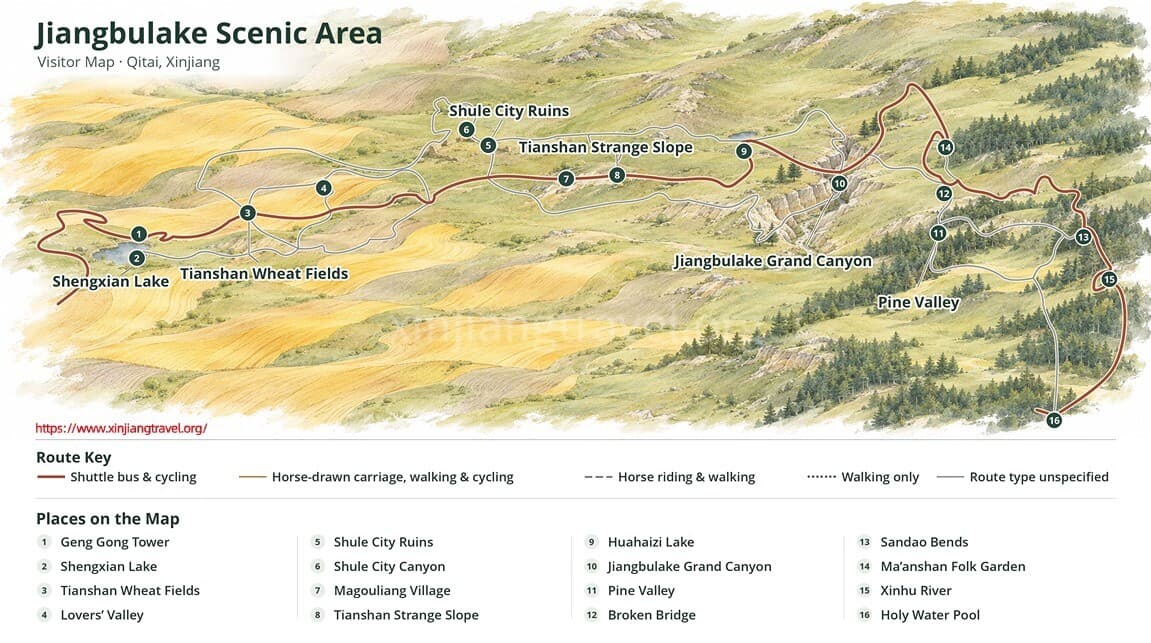
Admission, scenic transport and permission for a vehicle to enter are separate matters at Jiangbulak. Paying for a driver from Urumqi does not automatically mean that the same vehicle can take you between viewpoints.
Eligible vehicles can enter under the scenic area's vehicle-ticket arrangements, but the booking must match the vehicle and visit. Larger vehicles, motorhomes and multi-day visits should not be treated as the same purchase as a single-day small-car visit. Ask the driver to confirm the vehicle category and whether entry charges are included in the quotation.
If taking the park shuttle, start at the designated boarding point after admission. Before boarding, identify the stops you want, the direction of travel and the return boarding arrangement. Do not assume that you can step off anywhere along the road or immediately catch a bus travelling back the other way.
The main visitor centre is the clearest meeting point for a first visit unless your driver has arranged another entrance. The scenic area also uses western and eastern access points, including the West Loop entrance and Yiwanquan. These are not interchangeable drop-off points for a visitor who still needs tickets or a particular shuttle route.
Bring your original passport. Before paying through a booking platform, establish how the ticket will be issued against it and where it will be checked. If the form accepts only a Chinese identity-card number, ask the scenic area or your organiser to arrange an appropriate purchase rather than entering another person's details.
For a second day, confirm the validity of both admission and transport. An overnight booking outside the gate does not itself provide re-entry, an additional shuttle journey or early-morning access.
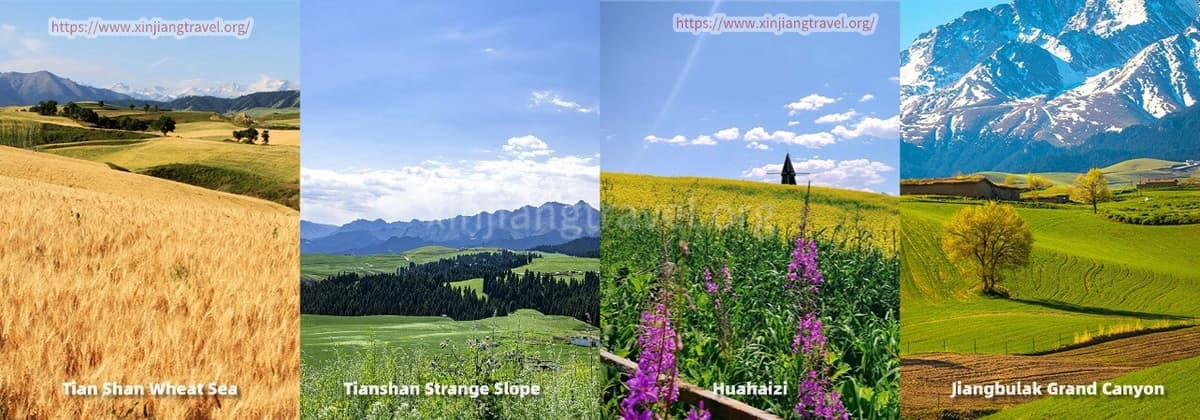
Make Tian Shan Wheat Sea the priority if the cultivated hillsides are your main reason for coming. The view is about the contours of the land: neighbouring fields rise, dip and curve below the mountain backdrop. You do not need to walk through the crop to appreciate it.
Use designated viewpoints and paths. For someone who does not want a long climb, choose a view near the vehicle or shuttle stop and spend time there instead of trying to reach every platform. Ask about steps between the drop-off and the platform before committing to a particular stop.
The Strange Slope is a short curiosity rather than the centrepiece of the day. The surrounding landscape makes the gradient difficult to judge, creating the impression that objects move uphill. It is a visual illusion, not a reversal of gravity.
Include it if the designated visitor activity is operating and your group is interested. Follow the supervised arrangements; do not stop or release a vehicle on a working road to test the effect. If time is short, keep the wheat views and omit this stop.
Huahaizi offers a change from cultivated fields to meadow scenery and walking paths. Its flower displays are seasonal, so choose it for the landscape and a short walk rather than expecting the same flowers throughout summer.
Start from the signed visitor area and take a manageable section of the boardwalk. Look at the steps and gradient before descending or climbing farther: an easy outward section may require an uphill return. There is no need to complete a long circuit to enjoy this part of Jiangbulak.
The Grand Canyon area shifts attention towards the wooded mountain landscape. It is the better addition when you want a different setting after the open wheat slopes, rather than another similar photograph.
Begin at the designated viewing area. If the walking route is open, choose an out-and-back section and turn around while everyone still has energy for the return. A boardwalk is not necessarily level or step-free; visitors with limited mobility can keep to the accessible viewing area and omit the longer walk.
Start after a night in Qitai and travel to the agreed entrance. Complete ticketing and the vehicle or shuttle arrangements, then prioritise Tian Shan Wheat Sea. This is a half-day sightseeing plan from Qitai, not a half-day return trip from Urumqi.
After the fields, choose one contrasting stop. Huahaizi suits a short meadow walk; the Grand Canyon viewing area suits travellers who would rather see the forested landscape. Add the Strange Slope only if it fits the authorised route without taking time away from your main stop.
Return to the agreed exit for your transfer to Qitai. With a shuttle, have staff confirm that the selected stops and return service fit your available time before setting off. Avoid treating a sightseeing circuit as a road you can reverse whenever you wish.
For a September group with someone who dislikes climbing, keep the wheat viewpoint for its field patterns, then take a short, comfortable section at the second stop. If the crop has been cut, there is little reason to spend the afternoon searching repeatedly for the same unharvested scene.
With a full day from Qitai, visit the wheat area first, then continue through the permitted circuit towards Huahaizi and the Grand Canyon area. Make one of these your longer walking stop rather than taking several hurried walks.
Arrange lunch around an operating catering point, or carry food for a picnic in a permitted rest area. Leave enough time for internal transport back to the exit; a walk should end according to the return service, not simply when you feel ready to leave.
If you want photographs in softer afternoon light, reduce the number of stops. Returning to a favourite viewpoint is useful only when the road direction, ticket and transport arrangements allow it. It is better to stay longer at one good location than to plan a late dash across the scenic area.
A night in Qitai works well when you want a full sightseeing day without driving back to Urumqi afterwards. Accommodation near the entrance can shorten the approach, while an address inside the ticketed area may change how you reach your room and move around the following morning.
For sunrise photography, ask the property which named viewpoint you can legally reach before normal daytime entry, and how you will get there. "Near Jiangbulak" and "inside Jiangbulak" are not equivalent. Book the overnight stay for confirmed access and a slower schedule, not for a promise of mist or sunrise colours.
Qitai is the practical base if you want a choice of restaurants, straightforward hotel access and an uncomplicated return after sightseeing. Staying near Banjiegou or the entrance reduces the next morning's approach, but meals and transfers deserve more attention. Ask whether dinner will still be available at your expected arrival time.
For accommodation inside the scenic area, obtain the exact location and luggage arrangements before booking. Establish whether you can arrive in your own vehicle, need to change transport or must meet a property transfer. A room booking should not leave you trying to move suitcases between sightseeing stops.
Eat breakfast before the mountain journey and carry water and a simple lunch or substantial snack. Food outlets may not operate at every stop or throughout the day. Save a longer restaurant meal for Qitai if you want to keep the visit focused on the fields and walking.
Wear shoes with grip for boardwalks and uneven paths. A windproof layer is useful at the open wheat viewpoints; a waterproof layer matters when cloud or showers reach the walking areas. Keep the extra layer with you rather than in a vehicle waiting outside the park.
If standing golden wheat is the reason for your journey, make the crop report your first decision. A longer stay cannot restore a harvested field. When the wheat is still standing and access suits the light you want, reducing the driving and staying nearby can give photography the time it needs.
If you are already in Qitai and want an easy mountain outing, the harvest need not decide everything. Take the field viewpoint for its shapes, add a short meadow or forest walk and return to town for dinner. Stay longer when you want to walk farther or avoid the same-day journey back to Urumqi—not simply because a checklist contains more stops.
Plan for the possibility of harvested fields. Standing wheat and golden stubble can look similar in a distant photograph, but they are different subjects: one has ears moving in the wind, while the other reveals cut rows and the shape of the land.
Ask for photographs taken within the last few days at Tian Shan Wheat Sea, and ask whether those particular fields will remain uncut until your visit. If nobody can confirm that, do not make a long detour solely for wheat waves. A shorter visit from Qitai can still be worthwhile for the wider landscape.
Yes, provided you choose viewpoints rather than a walking circuit. The wheat-field landscape is visible from designated viewing areas, so a long hike is not essential. The practical issue is the distance and steps between the parking or shuttle stop and the platform you select.
Tell the driver or guide that you need short walks and minimal steps. Keep Huahaizi to a manageable section, and treat the Grand Canyon walk as optional. Do not use "wooden boardwalk" as shorthand for wheelchair access or a level path.
Only if that vehicle is admitted under the applicable entry arrangement. A transfer booking and a scenic-area vehicle ticket are separate purchases, and a larger touring vehicle may not have the same options as a small car.
Before accepting a quotation, ask whether it includes travel between the named viewpoints or only a drop-off at the entrance. If you must change to a shuttle, agree where the driver will wait, how you will contact them and how the return time will be handled if queues delay you.
It is enough for a convenient daytime visit, but it does not establish sunrise access. The important questions are when you may enter, which viewpoint you may reach and whether transport will be available at that hour. Driving out of Qitai early solves only the first stretch of the journey.
Ask for those details before reserving an extra night for photography. If early access cannot be arranged, plan for daytime or permitted late-afternoon light instead of arriving at a closed gate.
Keep Tian Shan Wheat Sea, then choose according to what would make the visit feel different. A short forest or meadow walk adds another landscape; the Strange Slope adds an optical curiosity. For most visitors coming specifically for scenery, the walk is the stronger second stop.
If your group cannot manage much walking, use a second viewing area instead. Do not spend the half-day travelling between every attraction and leave only a few minutes at the fields.
Yes. You can separate the Urumqi–Qitai journey from a locally arranged return transfer to Jiangbulak. The essential booking is the final connection from your Qitai accommodation to the correct entrance and back again.
If someone proposes a public bus or seasonal scenic service, obtain its departure point and return arrangements before relying on it. An outward ride alone is not enough, especially when your last sightseeing stop is some distance from the gate.
Not automatically. Confirm the admission product, vehicle access or shuttle entitlement for both days. These may have different validity conditions, particularly if you stay outside the ticketed area.
Ask the accommodation to explain the arrangement for your exact location. Keep the booking confirmation and ticket details together, rather than assuming that a hotel reservation will be accepted as permission to enter.
Light cloud can still suit the fields and shorter walks, but low visibility, persistent rain or slippery paths reduce the value of a full walking day. Choose the open viewing areas that remain suitable and shorten the route rather than trying to complete the original circuit.
For a wheat-photography trip from Urumqi, consider moving the visit to another day before setting off. For travellers already in Qitai, a shorter outing may be reasonable if the access road and chosen stops are operating. Winter requires confirmation of the actual accessible route, not just whether the scenic area is nominally open.