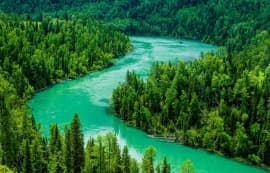
20 years of pioneer in xinjiang tourism for overseas travelers
Born Here, Know Best, Your Journey's Blessed
No Shopping. No Detour, 99% Excellent Review

contact UsOn Wechat
What is Xinjiang like in May?
May in Xinjiang is the transition period between spring and summer, and one of the best times of the year for an in-depth visit. This month, you can go trekking and ride horses, and experience the local culture.
The grasslands in Northern Xinjiang begin to turn green, wildflowers start to bloom here and there, melting snow from the mountains forms streams, and the air is fresh with fewer tourists. In Southern Xinjiang, the climate is mild, ancient cities and oases enter a comfortable season, and fruits begin to ripen.
Locals call May the “transition season”, as days are perfect for outdoor activities, nights are cool, UV rays are strong, but rainfall is low. It is an ideal time for travelers to slowly experience the real Xinjiang — where nature and culture blend — without the crowds of peak summer.
Content›Xinjiang Weather in May– Quick Overview ›Best Places to Visit in Xinjiang in May ›Northern Xinjiang Recommendations |
 Xinjiang Weather in May– Quick Overview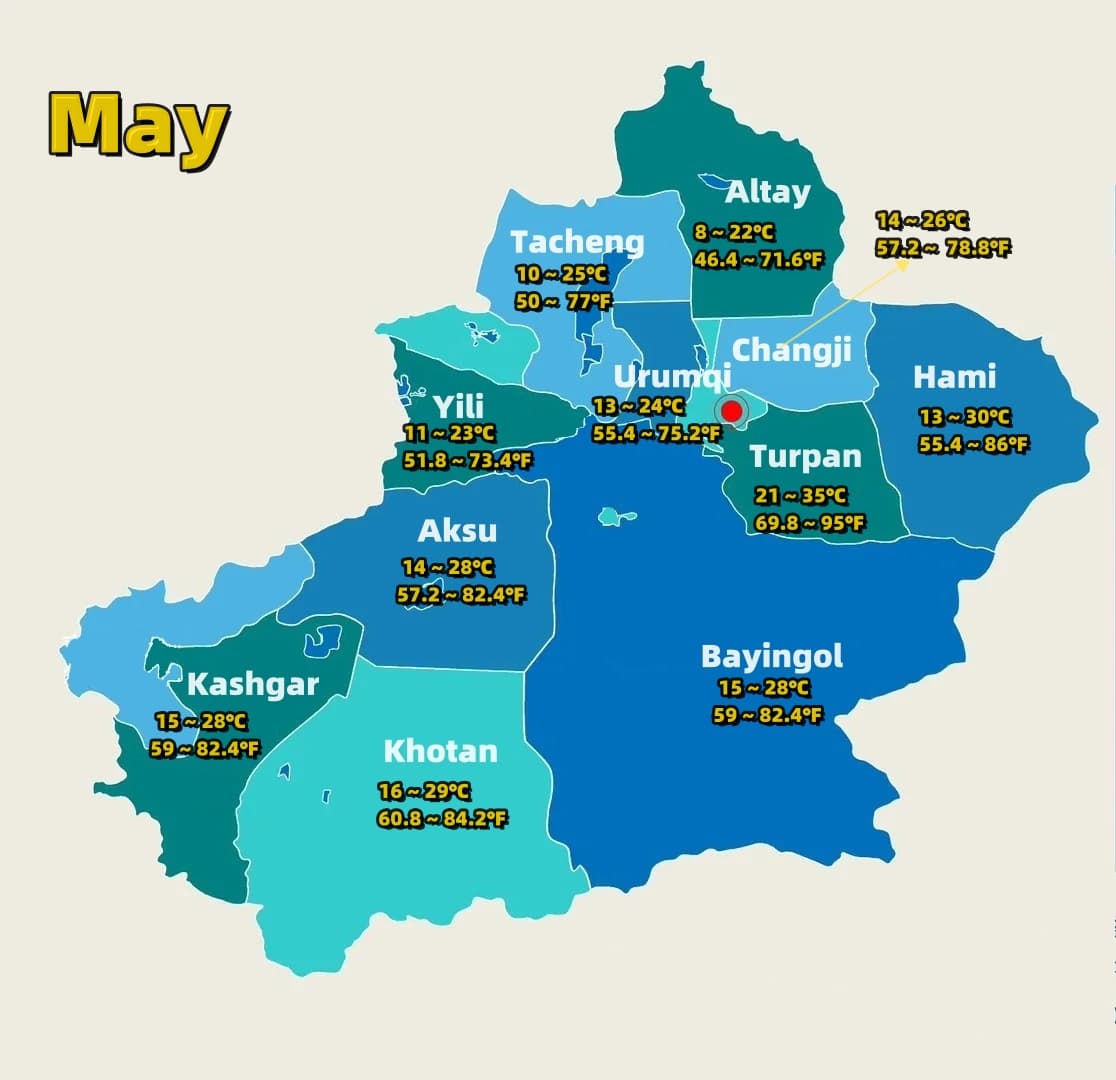
Xinjiang Weather Condition in May
 Best Places to Visit in Xinjiang in May
May is an excellent time to enjoy Xinjiang’s seasonal transition scenery. Attractions feature early green landscapes and comfortable cultural experiences, with low visitor numbers, making photography and exploration more relaxed.
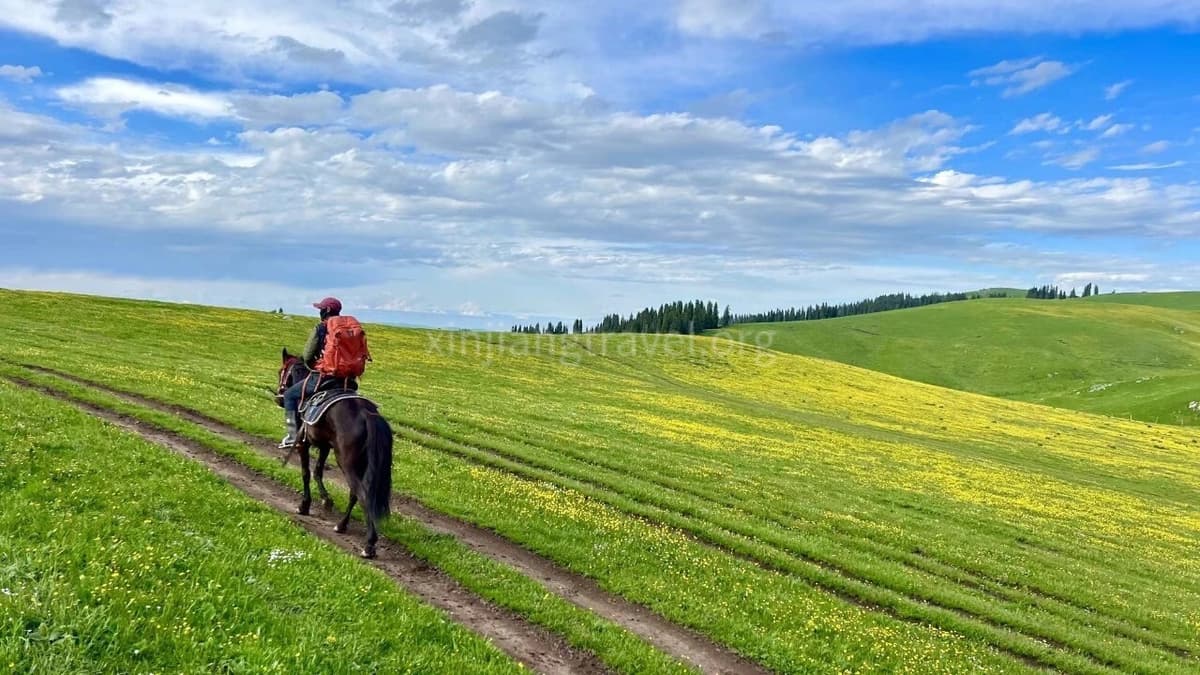
Northern Xinjiang Recommendations
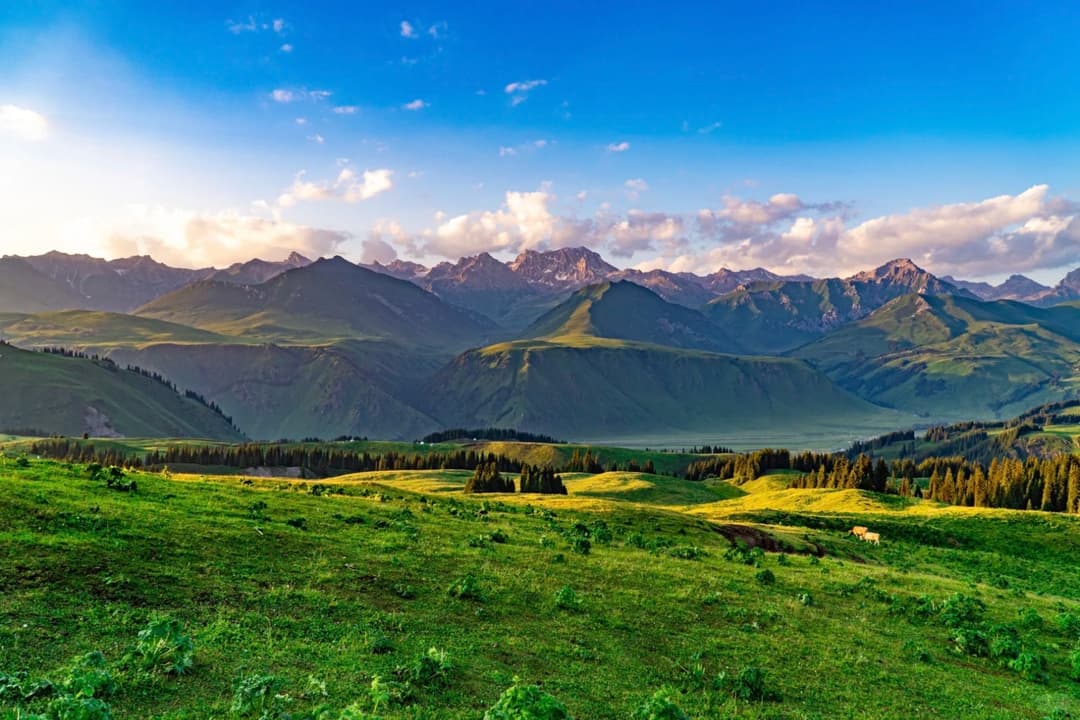
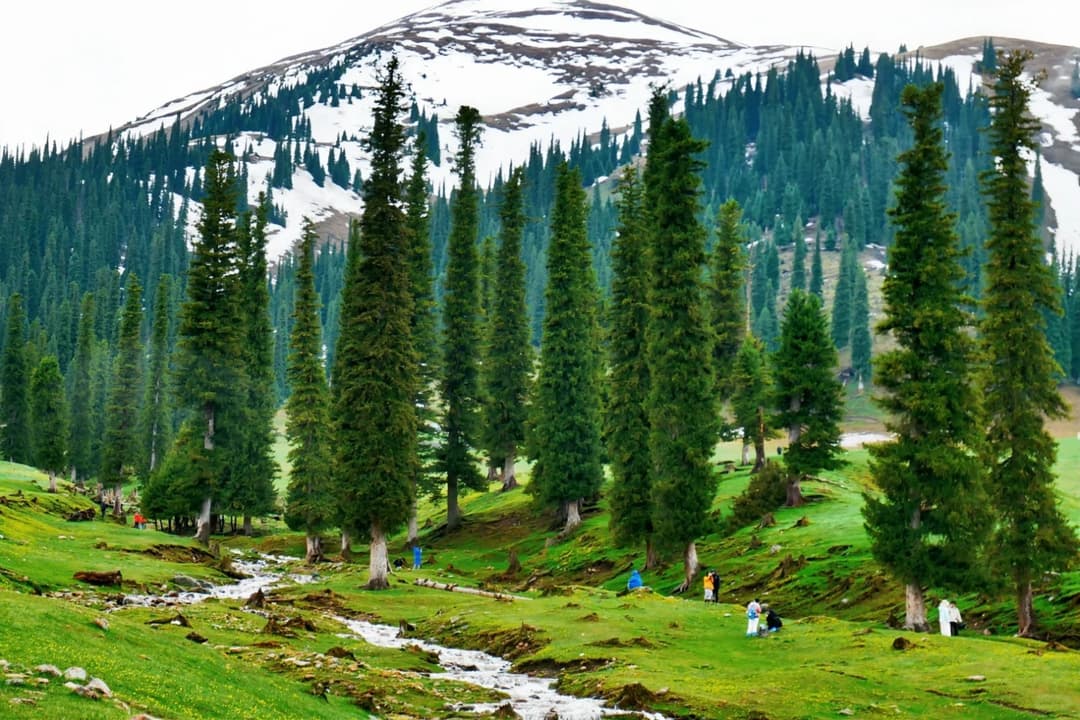
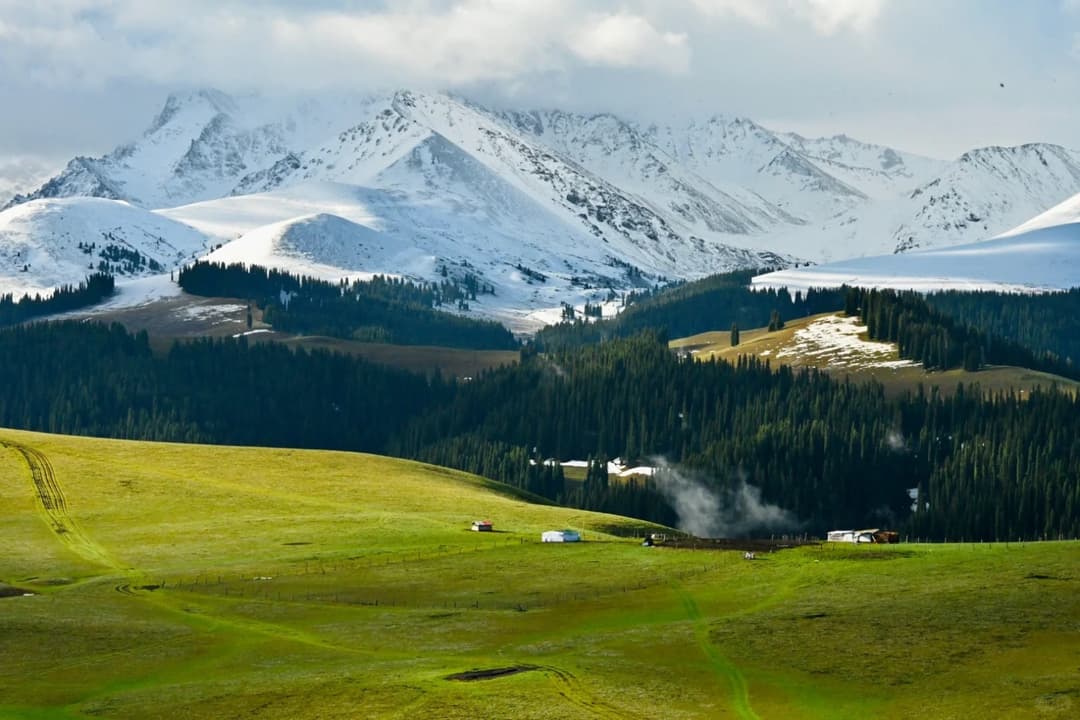
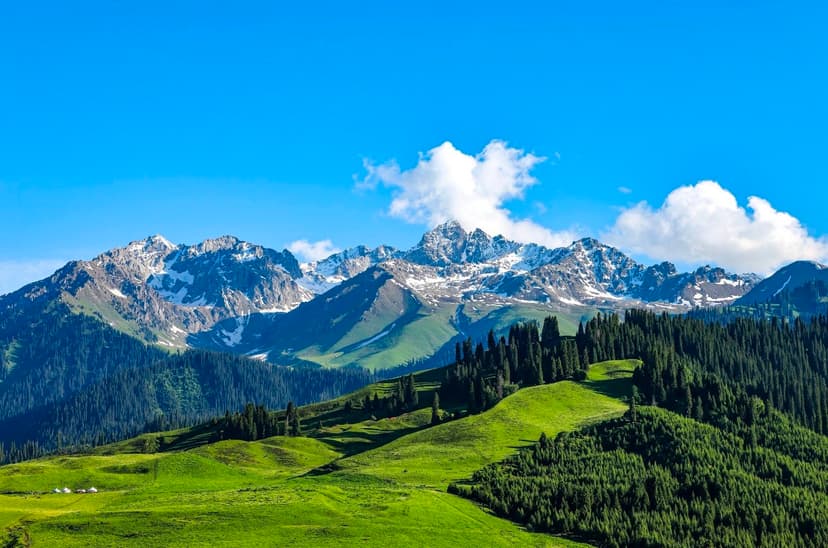
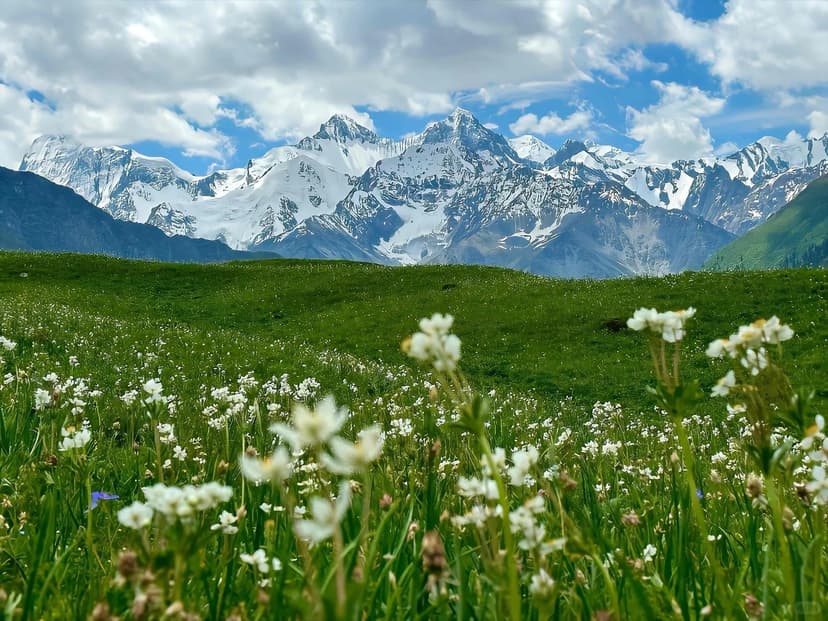
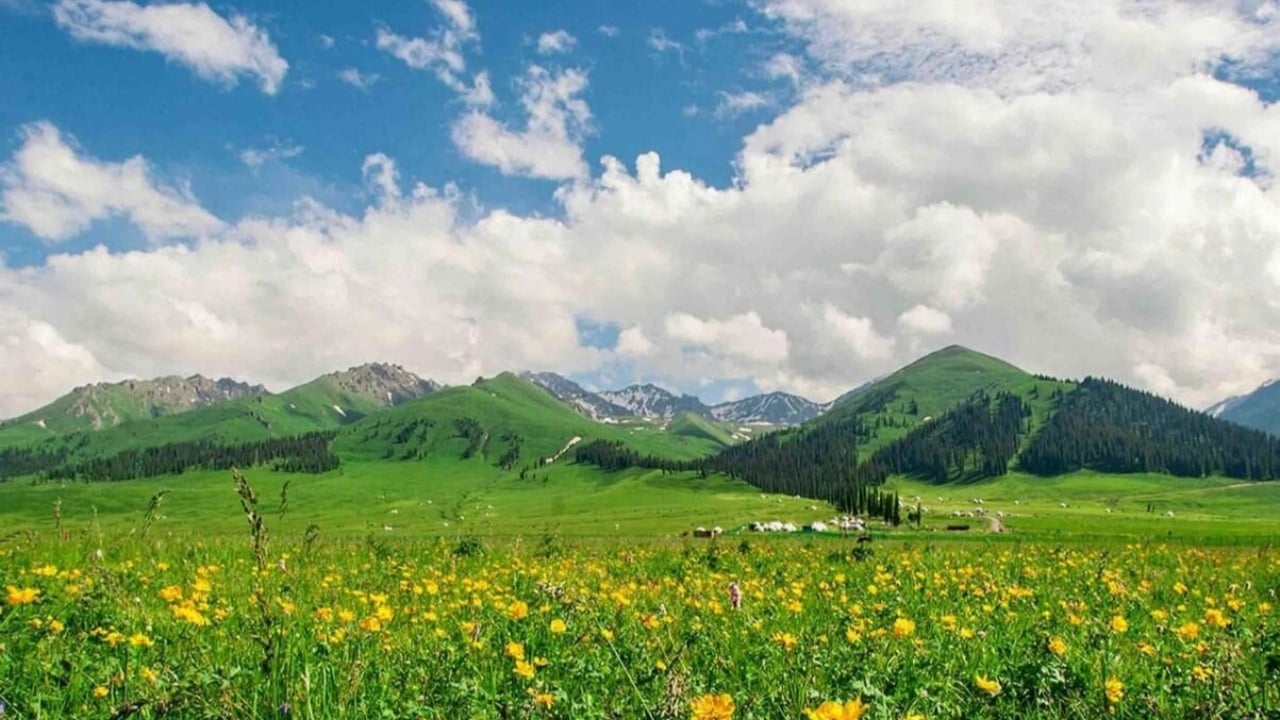
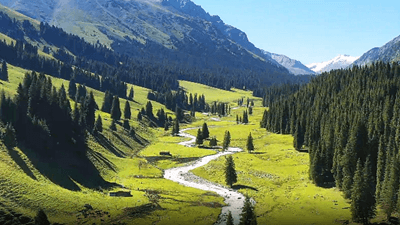
May is exactly the season when the grasslands of Northern Xinjiang “wake up”: the grass is just above ankle height, fresh green with a touch of spring, and wildflowers are scattered here and there (mainly purple primroses, yellow buttercups, and dandelions). In the distance, the snow-capped mountains have not yet fully melted, and the remaining snow forms a natural contrast with the green grass.
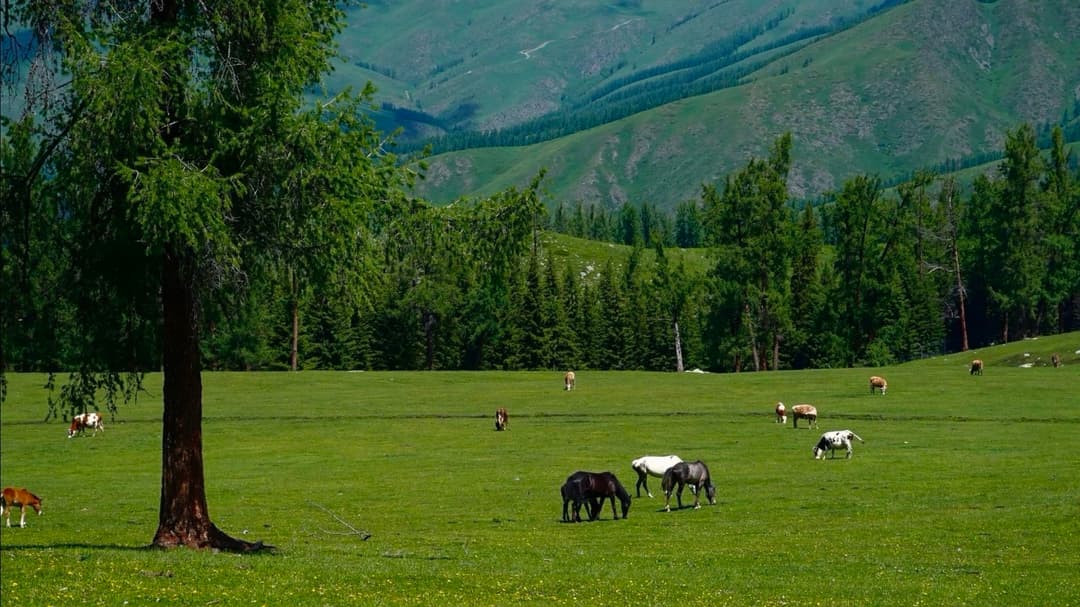
There are far fewer tourists than in June and July, the roads are in good condition, and the herders are just beginning their seasonal migration. This is the best time to see the most authentic Kazakh nomadic life.
There is no sea of golden flowers like in summer, but this transitional scenery of “early green + snow-capped mountains + streams” is better suited for slow walking and taking photos at a relaxed pace, without rushing or crowding.
 Sayram Lake
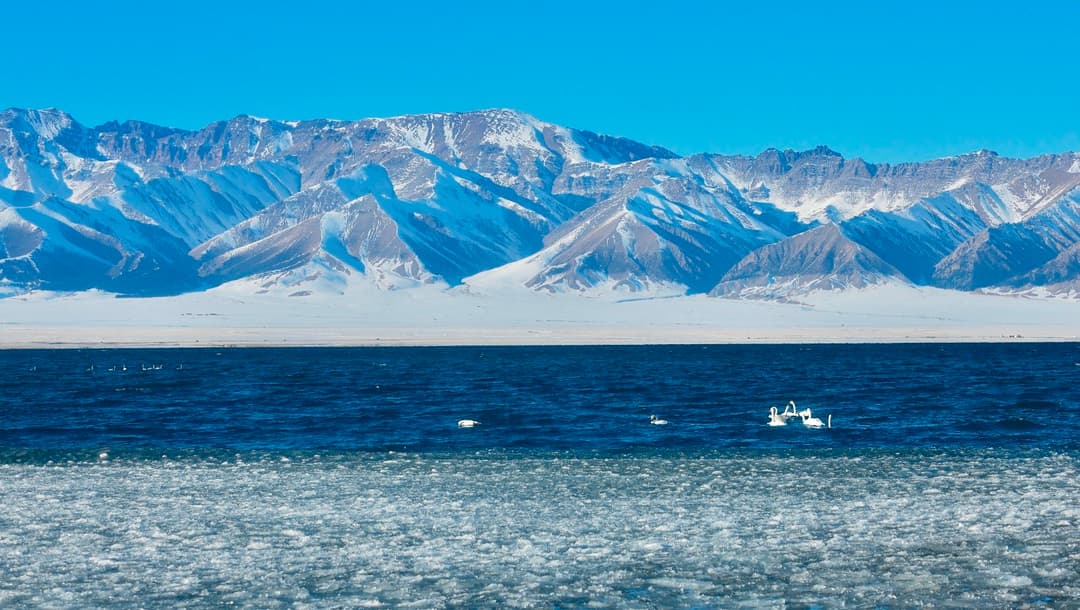
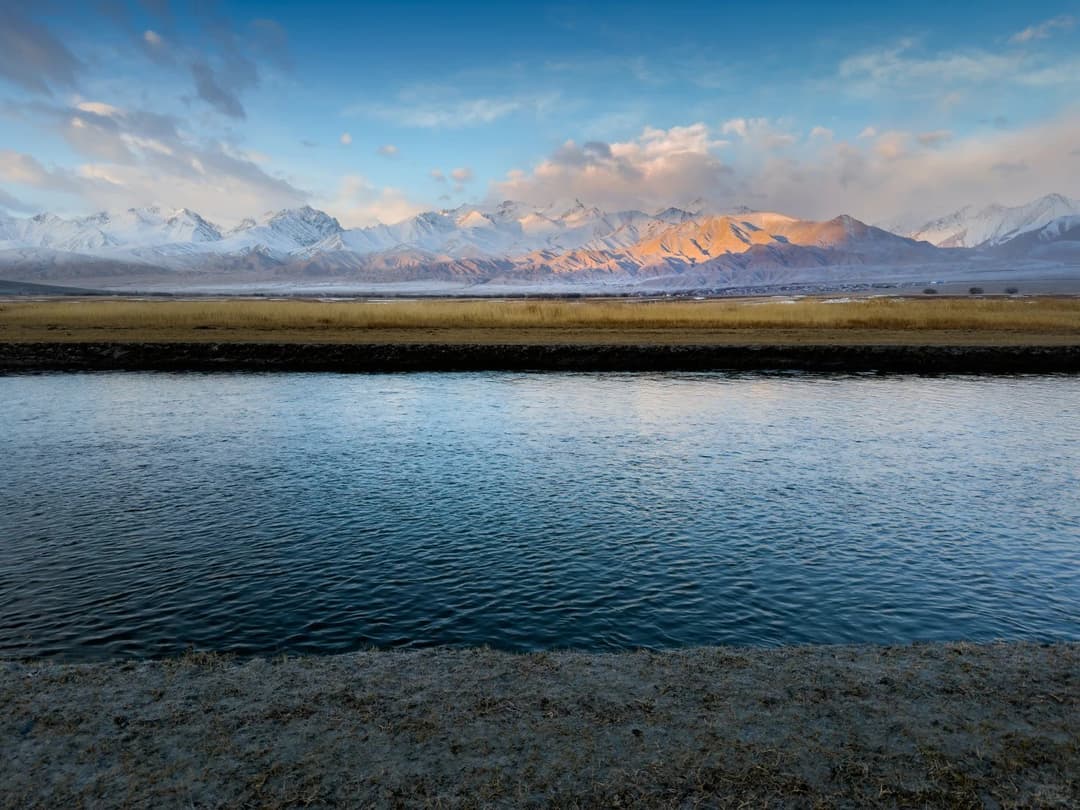
In May, the lake surface is fully thawed, the water is crystal clear, reflecting the snow-capped Tianshan peaks. The lakeside meadows have just begun to turn green, dotted with scattered golden lotus flowers and small yellow flowers. The ring road around the lake is fully open. Mornings often have light mist, and the sunset light is soft, making it ideal for a slow self-drive or horseback ride around the lake.
There are far fewer tourists than in summer, so you can truly enjoy the quiet. It is recommended to stay in a lakeside Mongolian yurt or guesthouse. Get up early to watch Kazakh herders driving sheep and drinking mare’s milk. At night, lie on the grass and watch the stars.
If you want a deeper experience, stay 1-2 extra days. Walk along the lakeside paths, breathe the fresh air, and take your time without rushing.
For photography, use a wide-angle lens from a low angle to capture the snow mountains, the lake, and the riding horses. The light is most natural in the early morning and evening.
 Nalati Grassland
Nalati is one of the world’s four major grasslands. It consists of the aerial grassland, river valley grassland, and the Panlong Valley trail. There are many Kazakh yurts, and the nomadic culture is strong. The terrain is open, surrounded by snow-capped mountains on three sides, with streams flowing everywhere.
The grassland is freshly green, and Kazakh herders are beginning their seasonal migration, so you can see real herding scenes. Streams are increasing, and wildflowers (such as dandelions, ice-top flowers, and small yellow flowers) dot the meadow. It is not the full mountain flower sea of June, but the sharp contrast between the tender green and leftover snow is also a rare sight.
There is no summer crowding in May. You can stay in a highland yurt, watch the herders moving camp, and milk in the evening. In the morning, ride horses up to the aerial grassland and walk slowly along the Panlong Valley trail to feel the vastness of “vast sky and boundless wild land”.
Do not just take the shuttle bus. Walk a few hundred meters into the meadow, and you will find quiet corners.
 Photography Tips:
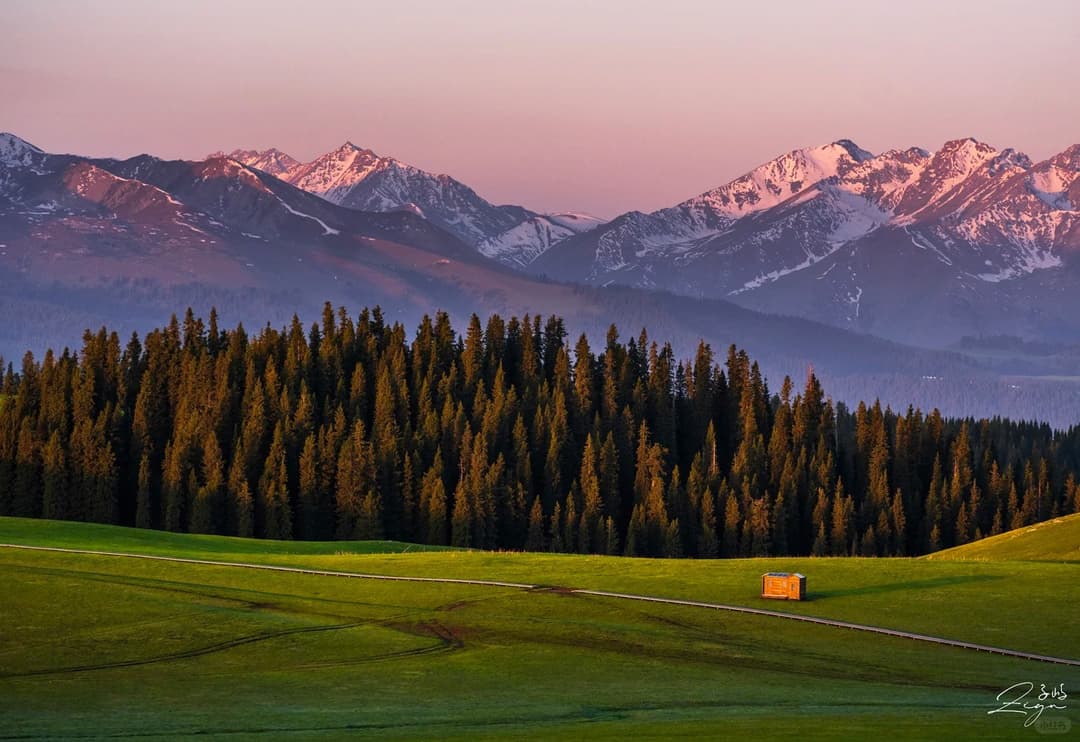
The best time for shooting is in the evening (5-8 pm). The setting sun dyes the grass orange and turns the snow mountains pink, allowing you to comfortably enjoy the beauty of the sunset.
 Qiaxi Grassland
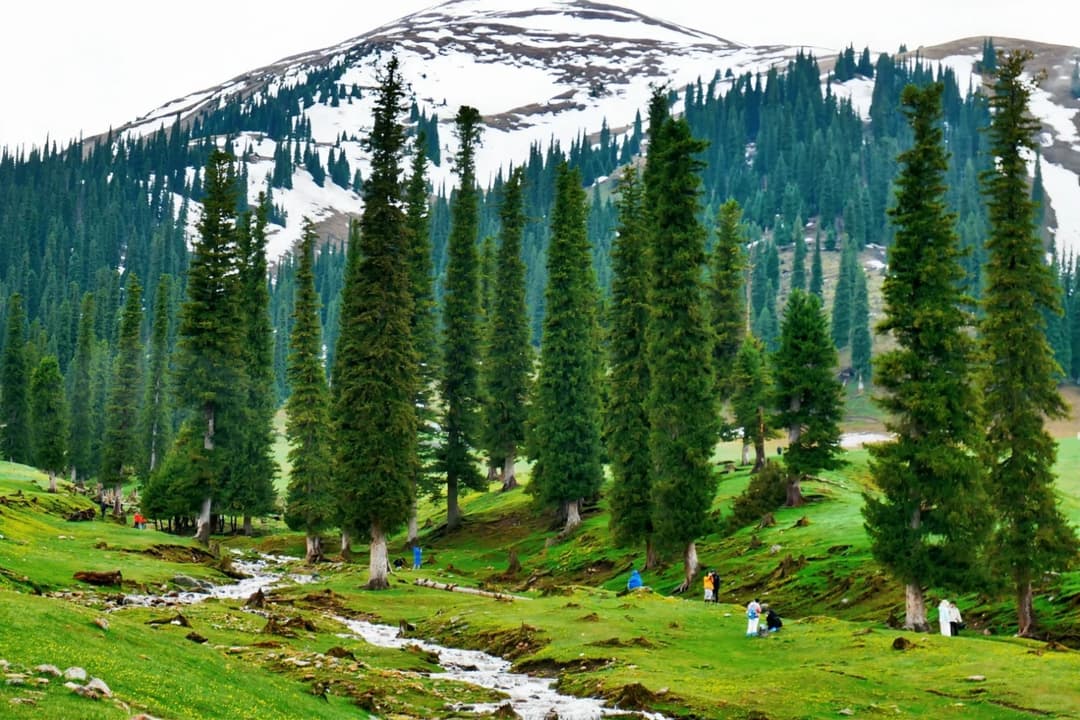
Qiaxi is not a vast flat grassland. It is a combination of forest, grassland, and river valley. The spruce forests are dense, the Qiaxi River flows through, and the dry-land “onion-pulling” landform makes spruce trees appear to grow directly out of the grass.
There are a few Kazakh herders, giving it a strong sense of untouched nature, like the edge of a quiet fairy-tale forest. Qiaxi is the earliest place in Ili to turn green. In early to mid-May, the grass is already fresh green, with scattered wildflowers (mainly small yellow and white flowers). The snow-capped mountain background is clear.
There are very few tourists. You can drive or ride horses and have large areas almost to yourself. You can stay in nearby Kazakh wooden houses or yurts. Get up early to milk with the herders and watch them drive sheep during seasonal migration. Take a light 2-3 hour hike along the river valley, breathe the fresh air, and when tired, sit by the stream and relax.
Do not only take photos at the entrance. Go deeper into the forest section to get the feeling of “stepping into a painting”.
 Photography Tips:
The best shooting times are from 9-11 am in the morning or 5-7 pm in the evening. The light is soft, allowing you to enjoy the sunrise and sunset over the grassland and experience the quiet moments.
 Kuerdening
Kuerdening is adjacent to Qiaxi but is more forested. It combines snow-capped spruce forests, streams, and small grasslands. The terrain has gentle ups and downs, making it suitable for people who do not like climbing slopes. Kazakh villages are scattered throughout, full of local life and warmth.
It is a lesser-known grassland area. In May, the snow-capped mountain background is clear, and the streams flow gently. You can drive into the scenic area, stop at the wooden house zone, and eat freshly made yogurt and hand-grabbed rice prepared by the herders. In the afternoon, ride horses or hike for 1-2 hours into the canyon section to see the reflections of the snow mountains. At night, gather around the campfire and listen to the elders tell stories of seasonal migration, truly joining the rhythm of nomadic life.
 Karajun Grassland & Qiongkushitai Village
Kalajun is a three-dimensional grassland selected by National Geographic. Its terrain rises and falls like the curves of the human body (Crocodile Bay and the Nine Bends and Eighteen Turns).
Qiongkushitai is a nearby primitive wooden-house village and the starting point of the ancient Wusun Road. Traditional Kazakh life is well preserved here.
In late May, the meadows turn green again, primroses and yellow buttercups begin to bloom, and the lines of the snow-capped mountains are clear. As you walk deeper into Kalajun, the scenery keeps changing (it is not something you can see at a glance). Qiongkushitai has very few people and feels like a village beyond the world. The roads are easy to walk on and suitable for exploration.
You can do a light 3-5 hour hike on the flower terraces in Kalajun (there are boardwalks, so it is not tiring) to see the changes in terrain. In Qiongkushitai, stay in a wooden house, experience milking, bake naan, and watch the Milky Way at night. Learn to ride horses from the herders and feel the busy rhythm of seasonal migration.
 May Photography Tips:
Light: The best light is from 9:00–12:00 and 16:00–19:00. Days are long in May, with soft sunlight. A tripod helps for sunrise and sunset shots, especially for reflections of snow mountains.
Gear: A wide-angle lens and a mid-range lens are enough. Use a polarizer or ND filter to reduce glare. Drones are allowed in permitted areas (check local rules in scenic spots).
Shooting style: Use a low angle to show layers in the grassland. Avoid wearing pure green or white; choose colors that stand out.
Practical tip: Walk more and explore more. Light and shadow in May look natural, and photos will feel real and unforced.
Southern Xinjiang Recommendations
In Southern Xinjiang, daytime temperatures in May range from 15–28°C, which is comfortable and not too hot. Nights are cool. Dust is rare, and after mid-May, it is almost absent. Fruits begin to ripen, making it a great time to visit old towns and oases. There are fewer tourists, and local bazaars are lively and authentic.
 Kashgar Old Town:
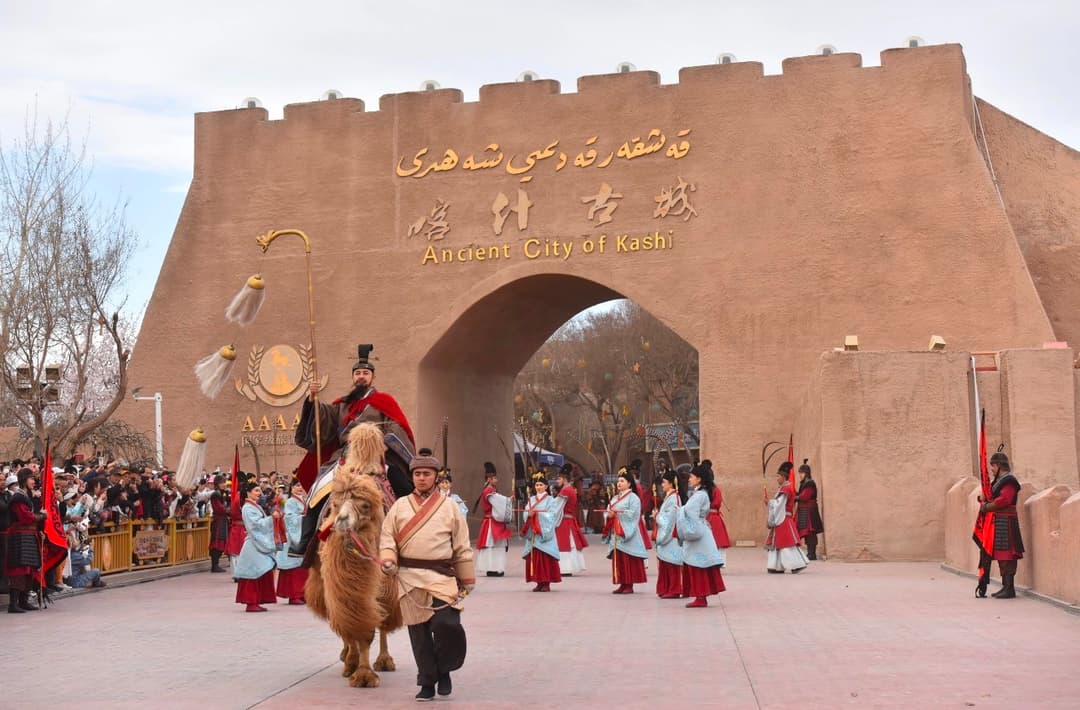
In May, the weather is warm and dry. The old streets are full of local life. At the East Bazaar, fresh fruits such as apricots and cherries are just coming into season. You can visit pottery and copper workshops to see craftsmen at work. In the morning, you can watch the opening ceremony of the old city. In the evening, sit in a teahouse, drink milk tea, and listen to Uyghur music to experience daily life along the ancient Silk Road.
Turpan Grape Valley & Karez Wells
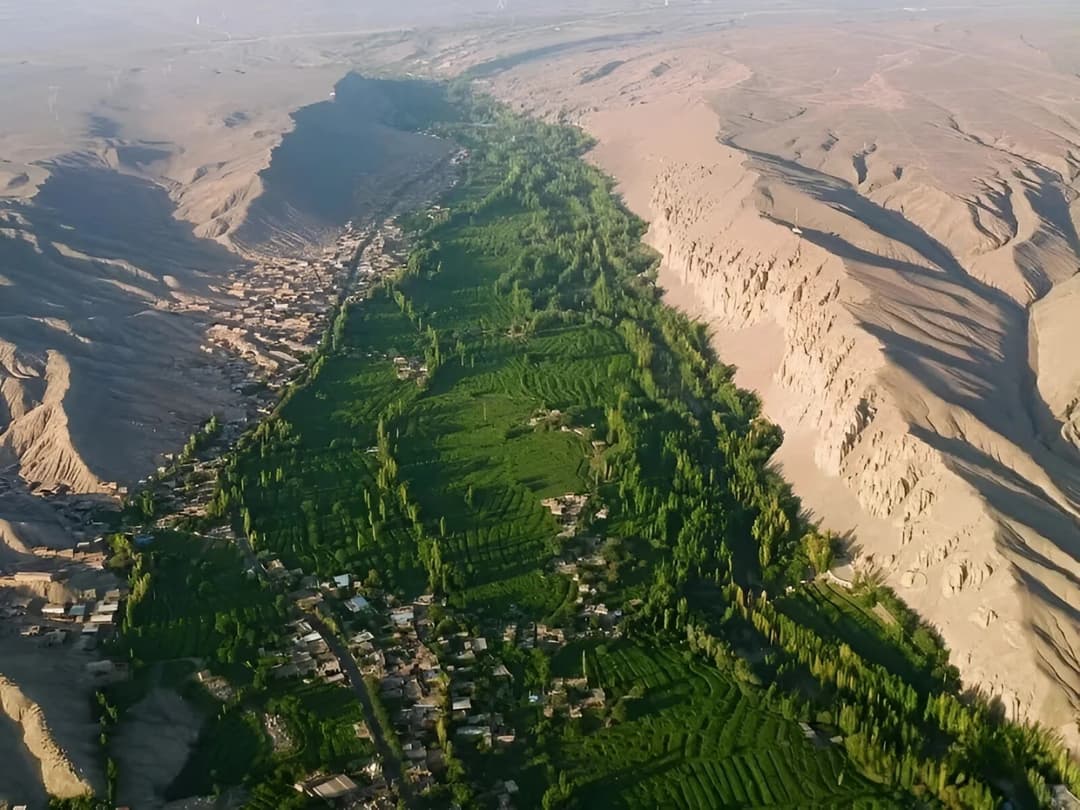
Grapevines begin to bud, and Uyghur courtyards in the valley turn green. The underground Karez channels stay cool at a stable temperature, even in summer. Under the mild sunlight, the red rock layers of the Flaming Mountains are clear, without the intense heat of peak summer.
Pamir Plateau
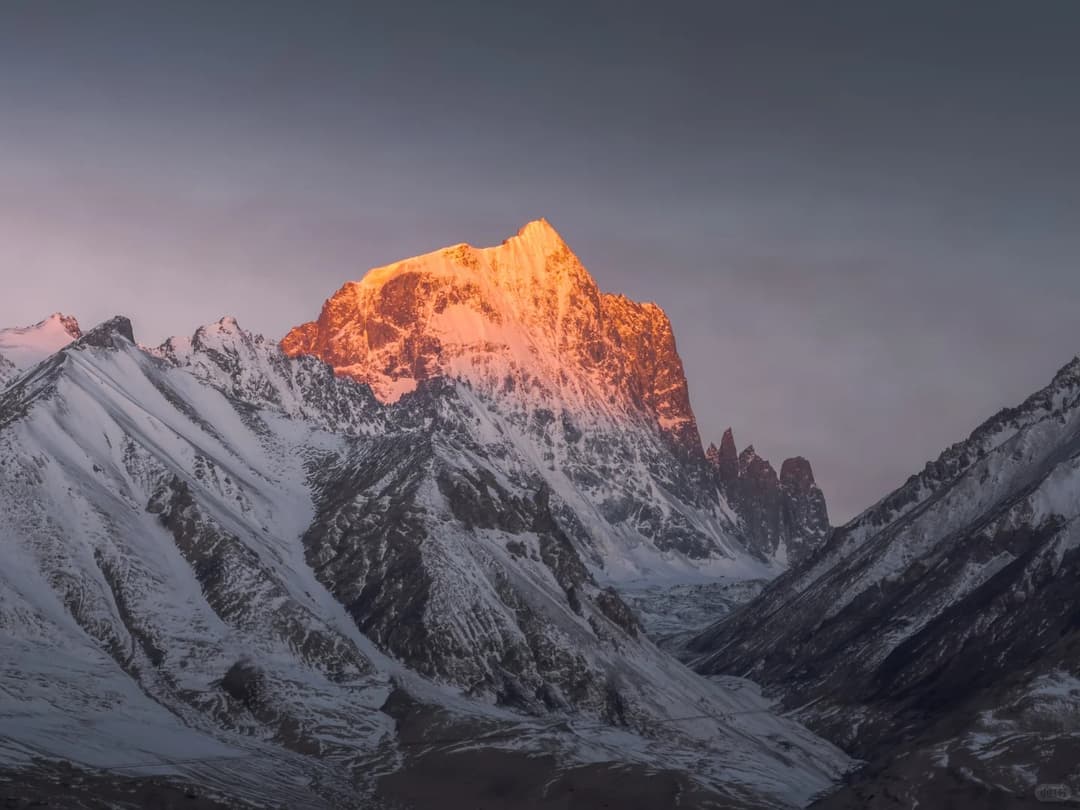
Spring has reached the plateau, with clear views of snow mountains and glacial lakes. In Tajik villages, you can see daily life, such as milking and drinking milk tea. Roads are stable in May, making short trips by private car or self-drive easy. Stay in a guesthouse in Tashkurgan, relax and watch the sunset over the mountains, and enjoy the Milky Way at night in a quiet, remote setting.
Tarim Poplar Forest Edge
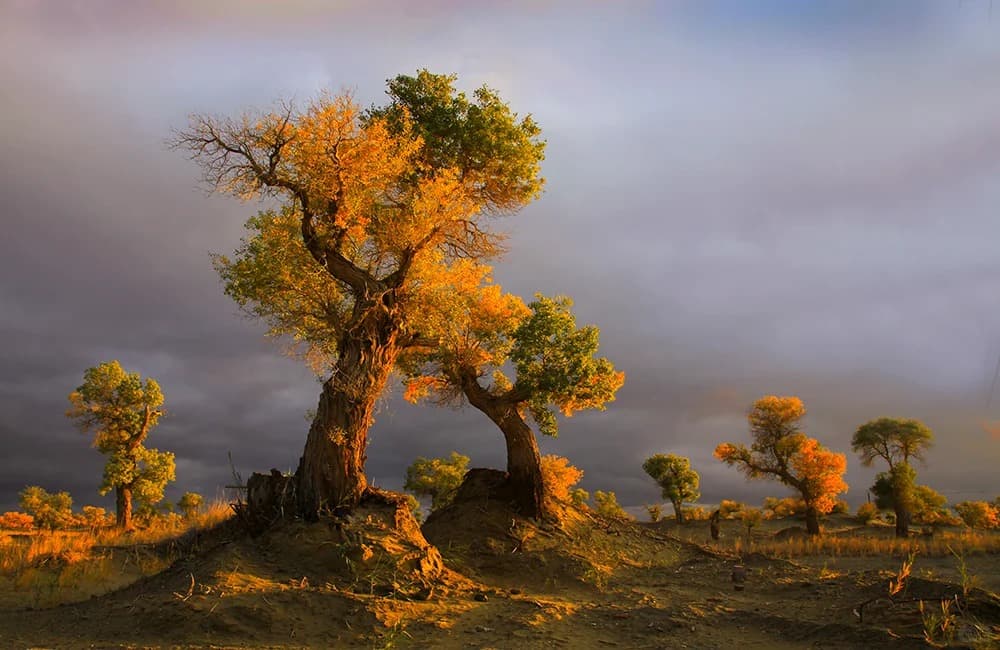
Young poplar leaves begin to grow, with a clear contrast between desert and oasis. The weather in May is comfortable, and a 2-3 hour walk along the boardwalk is enough to experience their strong vitality. Sit under the trees at sunset, listen to the wind, and relax. It is much less dry and intense than in summer.
Clothing: Large day–night temperature differences. Bring a light down jacket or shell jacket (essential for northern mountain areas), long-sleeve T-shirts, quick-dry pants, and comfortable hiking shoes.
Sun protection: Sunscreen (SPF 50+), hat, sunglasses, and lip balm (strong UV and dry air).
Others: Moisturizing spray, raincoat or windproof hat, multi-purpose backpack, power bank, and cash (for remote areas).
Medicine: Cold medicine, digestive medicine, and insect repellent (for grassland areas). Foreign visitors should carry a passport copy and a translation app.

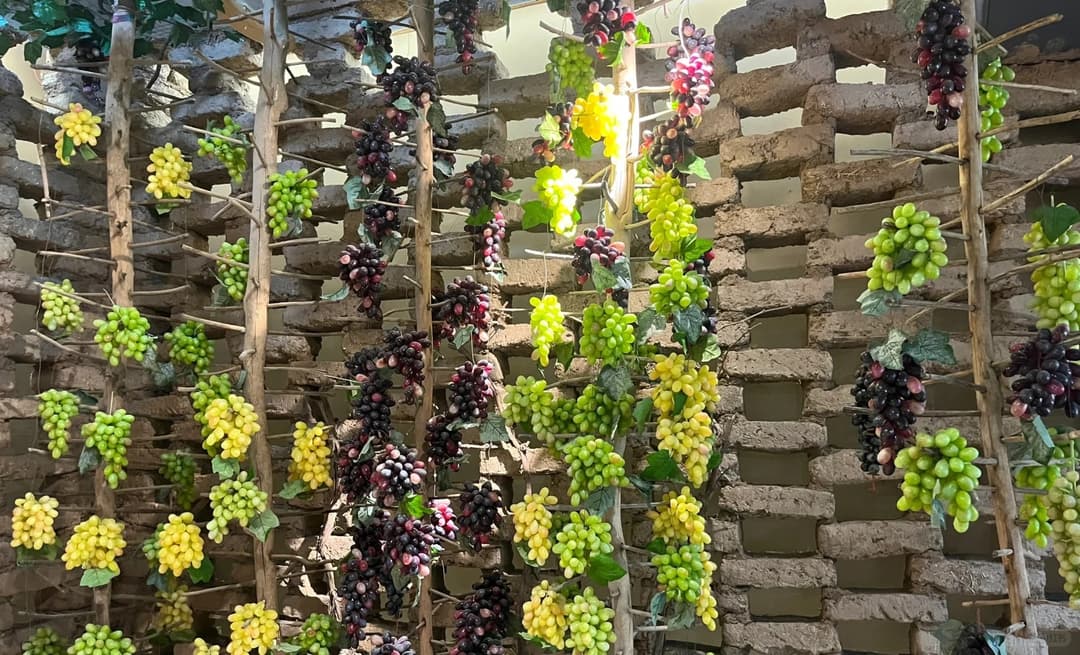
May is the early fruit season, with fresh produce available:
Mulberries (mainly in Turpan): Purple-red or white, sweet with slight tartness, can be eaten fresh or made into juice.
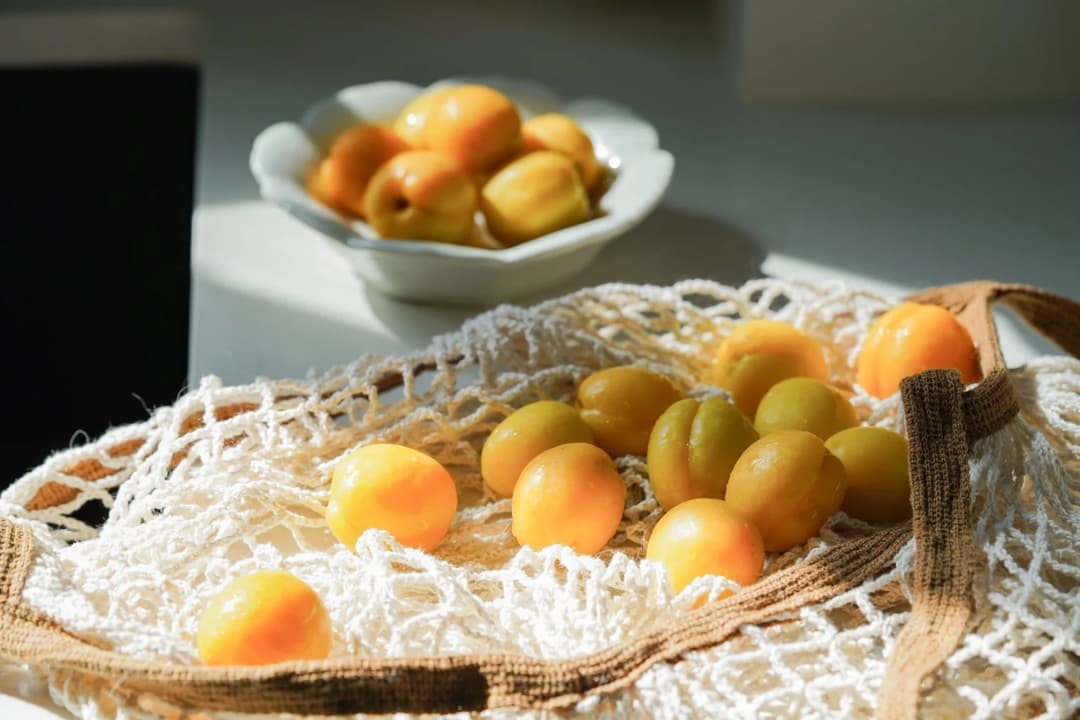
Apricots and cherries (Kashgar): Available from late May. Apricots are juicy and sweet, cherries are fresh and crisp.
Early nectarines and Hami melons (Hami/Turpan): Thin skin and juicy, available by late May.
Local dishes: Pilaf (with seasonal lamb), lamb skewers, fresh yogurt, dried milk curds, and thin-skinned buns. In southern bazaars, you can also find fresh naan and wild fruit jam. Food is mainly halal. Vegetarian options include cold dishes or vegetable pilaf. Buying and eating at local markets is the best way to experience seasonal flavors.
Q: Do I need a down jacket in May?
A: Yes. It is necessary, especially in places like Sayram Lake, the Ili grasslands, and the Pamir Plateau. Temperatures in the early morning and at night can be close to 0°C. A light down jacket or a shell jacket with lining is recommended.
Q: Is it crowded during the May Day holiday?
A: May 1-5 is a public holiday in China. Popular sites such as Kanas, Nalati, and Sayram Lake will have more visitors. It is better to avoid these dates or book accommodation and transport in advance.
Q: Can I see lavender in May?
A: No. Lavender in Ili usually blooms from mid-June to early July. In May, you will only see green plants.
Q: Is it safe to visit Southern Xinjiang at this time?
A: Yes. The travel environment in Xinjiang is safe. Cities and major scenic areas have strict security management, and it is fine to travel normally.
Q: Is Kanas suitable to visit in May?
A: Yes. In May, the ice melts, and the lake becomes clear. Spruce forests start to turn green. The scenery is calm, with morning mist and reflections of the snow mountains. There are fewer visitors. If time is limited, you may choose the Ili Valley first. If you prefer lakes and mountains, you can visit Kanas after the roads open in mid to late May.
Urumqi-Fuhai-Kanas-Burqin-Kuitun-Yining-Nalati-Urumqi
Xinjiang Summer Tour across the Ili Grasslands and traverse the legendary Duku Highway. From the flower-filled meadows of Kanas to the serene beauty of Hemu Village and the sparkling Sayram Lake, this journey offers an unparalleled escape into Xinjiang’s wild nature
Urumqi - Kuitun - Yining - Gongliu - Naraty - Kuqa - Alar - Makit - Kashgar - Taxkorgan
Yili Grassland and South Xinjiang Adventure to Kuqa & Kashgar, Stroll around the lakes and mountains in west Xinjiang and then drive accross Duku Highway to run into southern Xinjiang. Taste the flavor of the unique culture and customs of Kashgar. Then visit the magnificent Pamir Plateau along the Karakoram Highway!
Urumqi - Korla - Bayinbuluk - Nalati - Xinyuan - Yining - Jinghe
With mysterious ethnic culture, the natural views of north Xinjiang, and the fabulous experience of flower sea, this tour leads you to 7 destinations you can’t miss for your trip.
Yining - Tekes - Qiongkushitai - Karajun Grassland - Tarim Grassland - Qiaxi - Mohur
Villages, grasslands, snowy mountains and lakes coexist here. Flowers and meadows adorn the forest like hand-woven carpets. Let’s stay away from the hustle and bustle of the city, and immerse ourselves in nature.
Xinjiang Weather in May– Quick Overview Best Places to Visit in Xinjiang in May Sayram Lake Nalati Grassland Photography Tips:
Qiaxi Grassland Photography Tips:
Kuerdening Karajun Grassland & Qiongkushitai Village