20 years of pioneer in xinjiang tourism for overseas travelers
Born Here, Know Best, Your Journey's Blessed
No Shopping. No Detour, 99% Excellent Review

contact UsOn Wechat
What is Xinjiang like in June?
June in Xinjiang marks the golden transition from spring to summer. North of the Tianshan Mountains, grasslands turn lush and tender, with wildflowers blooming in sequence. South of the range, temperatures rise across deserts and oases, yet mornings and evenings remain cool, while historical and cultural sites stand out vividly under the clear, dry skies.
This month, the Duku Highway typically opens to traffic, the Ili River Valley welcomes its most beautiful flowering season, and the ancient city of Kashgar basks in extended daylight.
Overall, June offers one of the most comfortable travel experiences in Xinjiang—visitor numbers have not yet peaked as they do in July and August, while the scenery is already at its best.
Content›Xinjiang Weather in June– Quick Overview ›Best Places to Visit in Xinjiang in June ›Northern Xinjiang Recommendations ›Safety and Practical Tips for Horseback Riding |
 Xinjiang Weather in June– Quick Overview
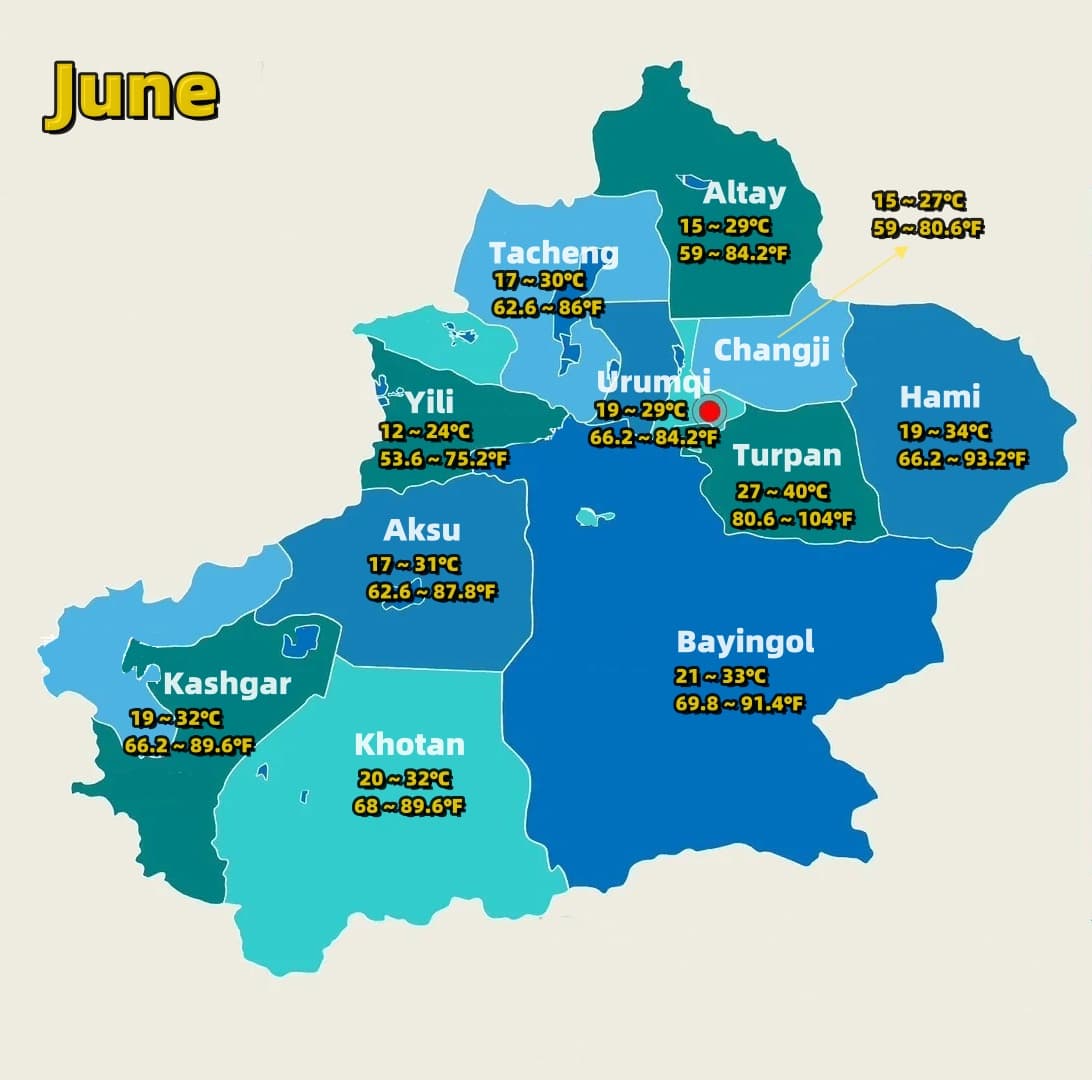
Xinjiang Weather Condition in June
 Best Places to Visit in Xinjiang in June
Northern Xinjiang Recommendations
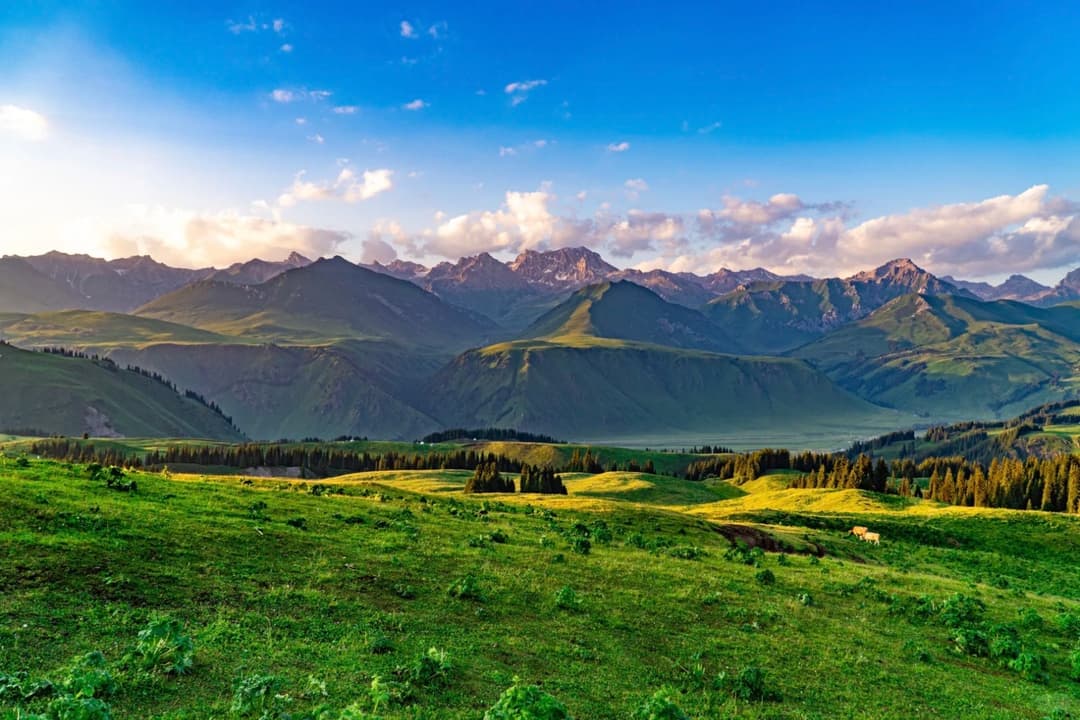
June in northern Xinjiang is defined by two things: green grass and purple lavender. The grasslands are at their peak, the wildflowers are out, and the temperatures make it easy to spend full days outdoors.
 Huocheng Lavender Fields (Ili)
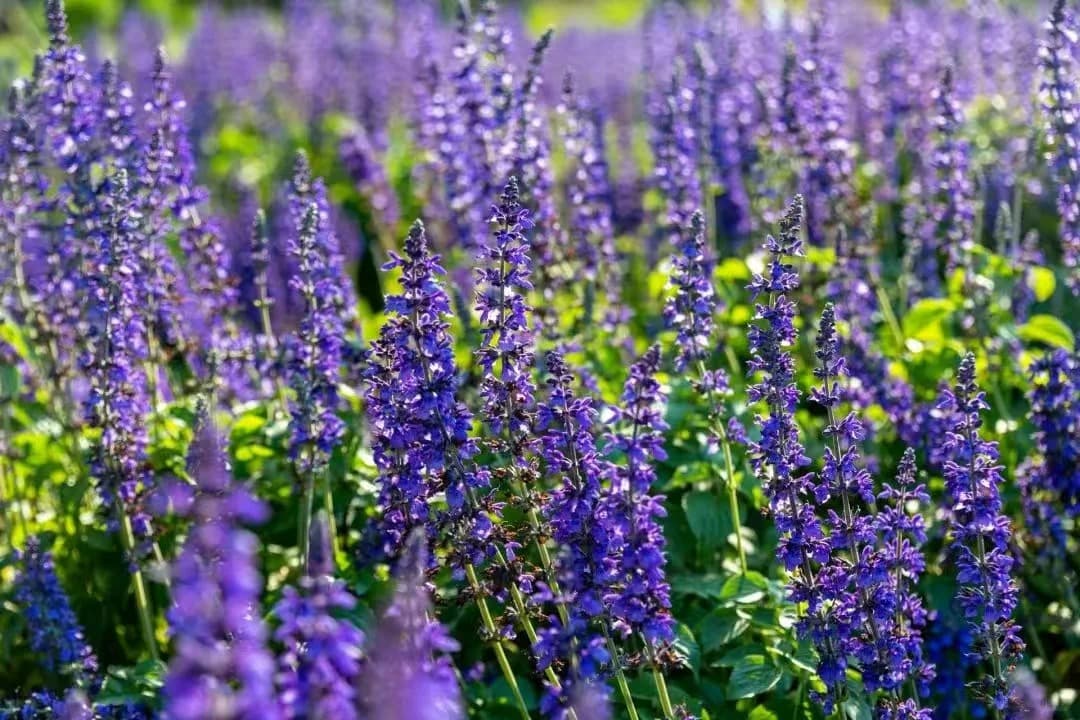
If there's one image that defines June in Xinjiang, it's the lavender fields of Huocheng. By early June, thousands of acres turn a deep purple, stretching all the way to the snow-capped Tianshan Mountains. The air is thick with fragrance—you'll smell it before you see it. Most visitors drive through the fields, stop at family-run farms, and spend time walking between the rows of lavender. It's not a polished tourist attraction; it's working farmland that happens to be stunning. Bring a hat and sunscreen—there's no shade out in the fields.
Nestled in Huocheng County, the lavender fields boast moderately fertile soil with a well-structured topsoil layer, creating the ideal environment for lavender cultivation. Here, the lavender is renowned for its rich, full-bodied fragrance, elegant leaf and flower forms, and slender, graceful lavender-blue flower spikes—earning it the reputation as an "aromatic herb."
The scent of lavender helps ease mental fatigue and promotes blood circulation, making it wonderfully calming and sleep-inducing—an excellent natural filling for pillows. It is also widely used in skincare and beauty products. The essential oil extracted from lavender helps balance skin oils, brighten the complexion, and tighten the skin, making it a superb natural skincare ingredient.
Around the Huocheng Lavender Garden, visitors can find a wide range of high-quality lavender products, such as essential oils, sachets, and calming incense. Many tourists are drawn here for these exceptional products.
Sayram Lake (Ili)
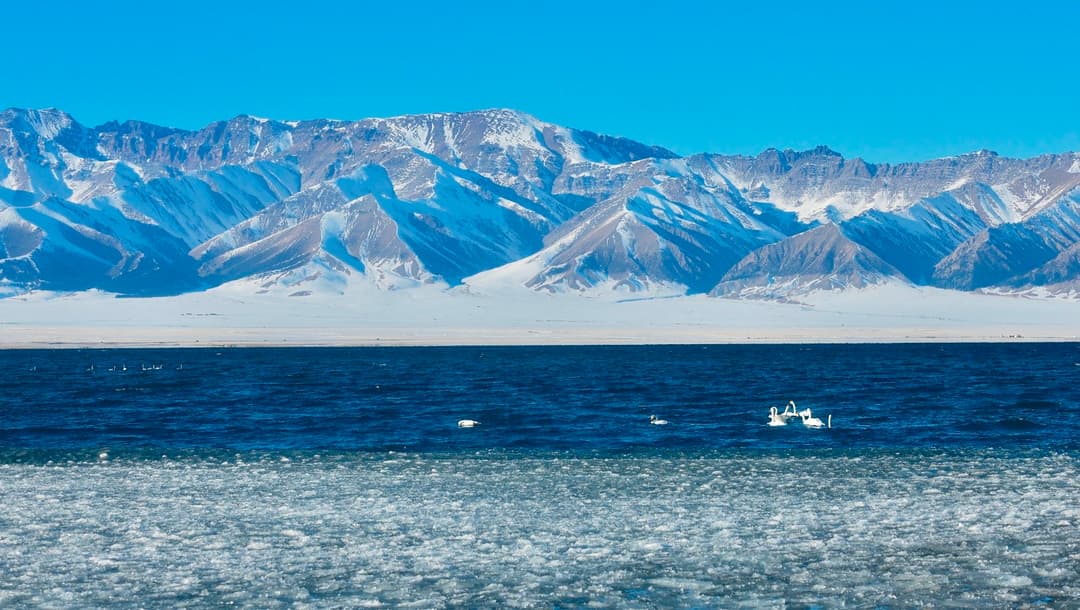
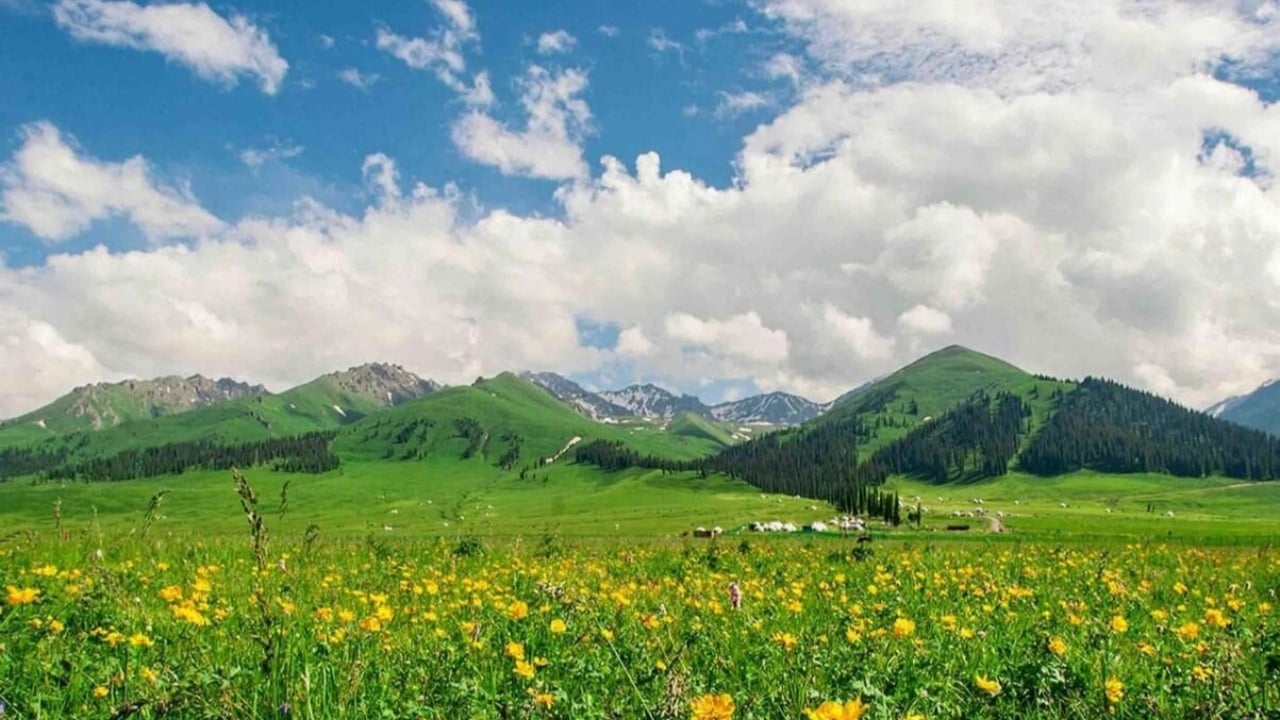
Sayram Lake is one of those places that looks almost too perfect to be real. By June, the ice has been gone for weeks, and the water takes on a deep turquoise color that changes with the light. The road around the lake is fully open, and you can drive the entire loop, stopping wherever the view catches your eye. What makes June special here is the wildflowers—globe flowers and forget-me-nots cover the lakeside meadows, and if you're lucky, you'll see herders moving their sheep and cattle up to the summer pastures in late June. The combination of blue water, green grass, and white yurts is classic Xinjiang.
Naraty Grassland (Ili)
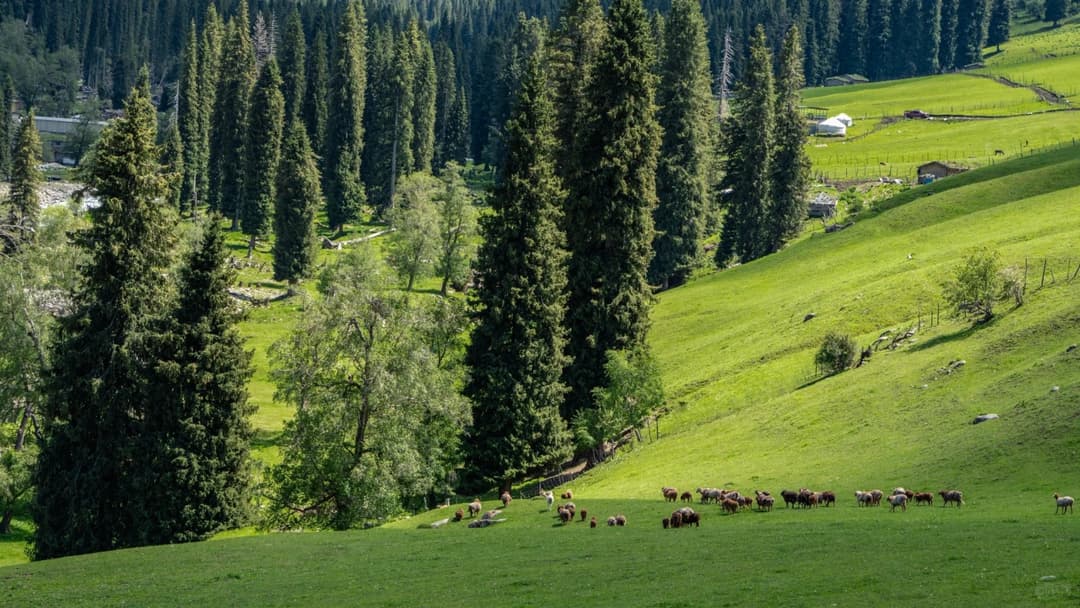
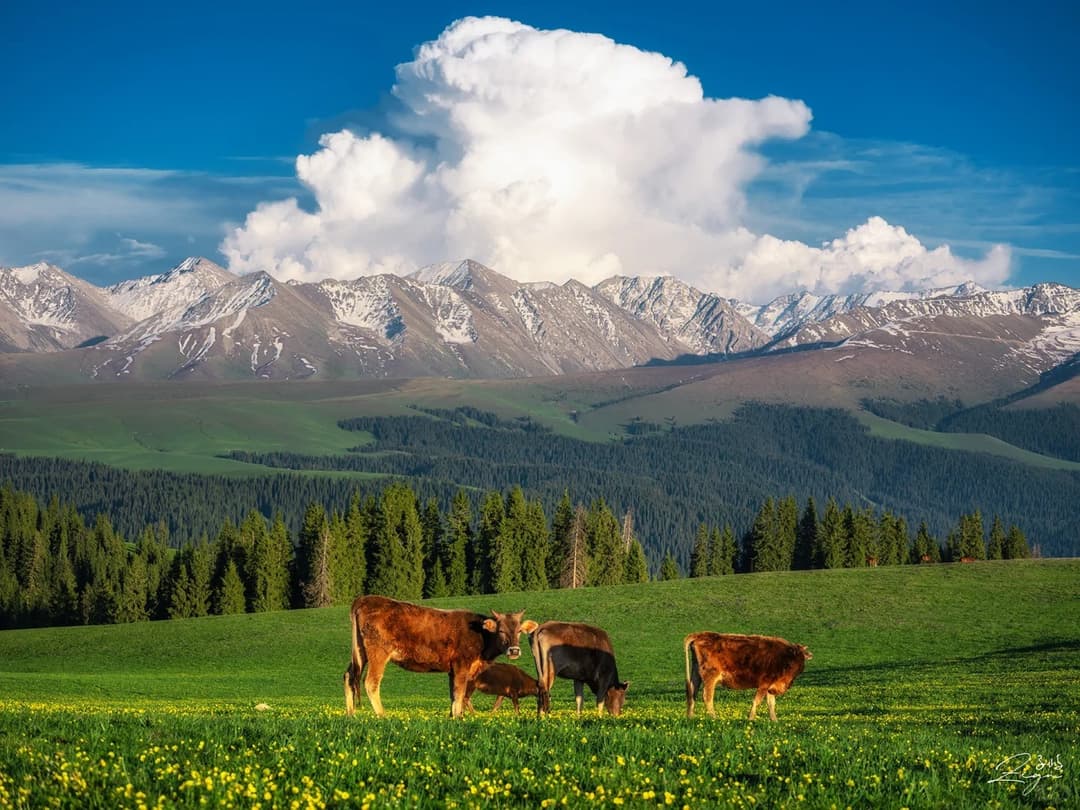
Naraty is one of the most accessible and well-developed grasslands in Xinjiang, and June is when it looks its best. The grass reaches knee height, the northern slopes still show patches of snow, and the light—often filtering through clouds—creates a moving patchwork of sun and shadow across the valley. You'll see Kazakh yurts dotted across the hillsides, with herds of sheep and cattle grazing nearby. If you're interested in horseback riding, this is the place to do it. Local herders offer rides ranging from an hour to a full day, and they know the terrain well.
A few practical notes: the altitude is around 2,200 meters, so you might feel a bit winded on steep walks, and the weather can change quickly—bring a jacket even on sunny mornings.
Duku Highway (Northern Section) (Ili)
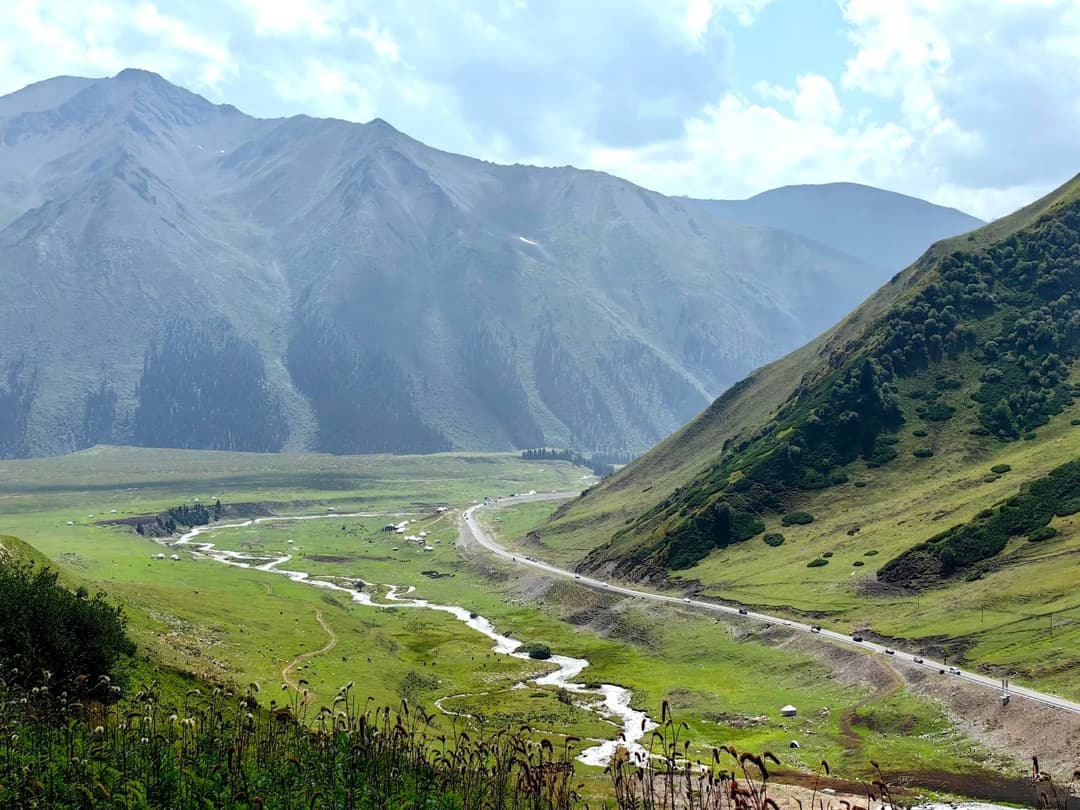
The Duku Highway is one of the most celebrated mountain roads in China, typically opening in early June. The exact date varies depending on snowmelt and road conditions, so check official announcements if you're traveling early in the month. Once open, the northern section from Dushanzi to Qiaoerma takes you through three distinct landscapes: deep canyons, alpine meadows, and snow-covered passes. At the highest point—Haxilegen Pass—you'll still see ice walls in June, a striking contrast to the green valleys below.
The Duku Highway is open from early June to mid-October, operating for only about four months each year. The best times to visit are the first 20 days after it opens, late August to mid-September, and around the National Day holiday in October.
Although it is only open for a few months each year, this short window marks the season when the Duku Highway is at its most breathtaking—capturing the essence of Xinjiang's most stunning landscapes.
Be prepared for temporary closures due to weather, and note that vehicles with more than seven seats are not permitted.
Kuerdening (Ili)
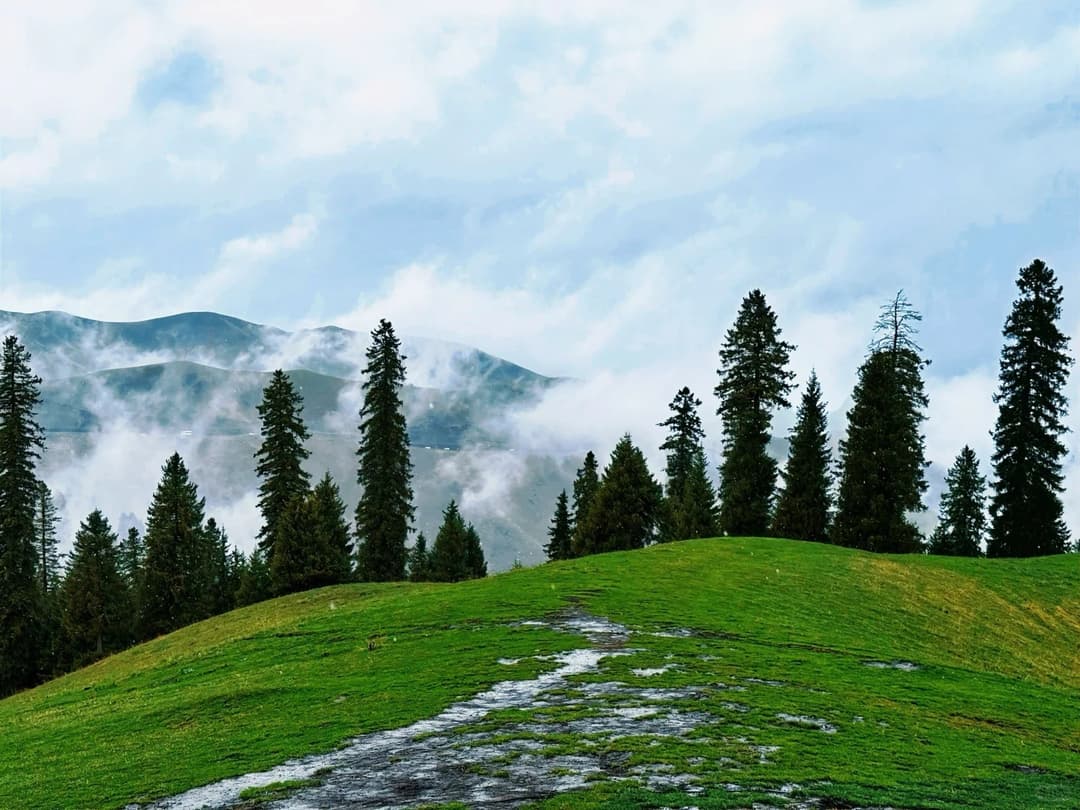
Kuerdening is less famous than Naraty or Karajun, but that's part of its appeal. It's one of the first grasslands to turn green in spring, and by June, the spruce forests and alpine meadows are in full color. The Kuerdening River runs through the valley, and the hiking here is excellent—trails are less crowded, and the scenery feels more intimate. The distant Kabanbay Peak remains snow-covered year-round, providing a constant backdrop of white against green. If you prefer quieter trails and don't mind basic facilities, this is a good choice.
Karajun Grassland & Qiongkushitai Village (Ili)
Karajun is often called the "human body prairie" because of its rolling, curving hills—in June, those curves are covered in dense grass and scattered wildflowers. The terrain here is more dramatic than Naraty, with steeper slopes and deeper valleys. Qiongkushitai, nearby, is a small village with traditional wooden houses and a slower pace. It's a good base for hiking, and the locals are used to visitors who want to explore on foot. If you're looking for a place to spend a couple of days away from the hustle and bustle, this area fits the bill.
Kanas & Hemu Village (Altay)
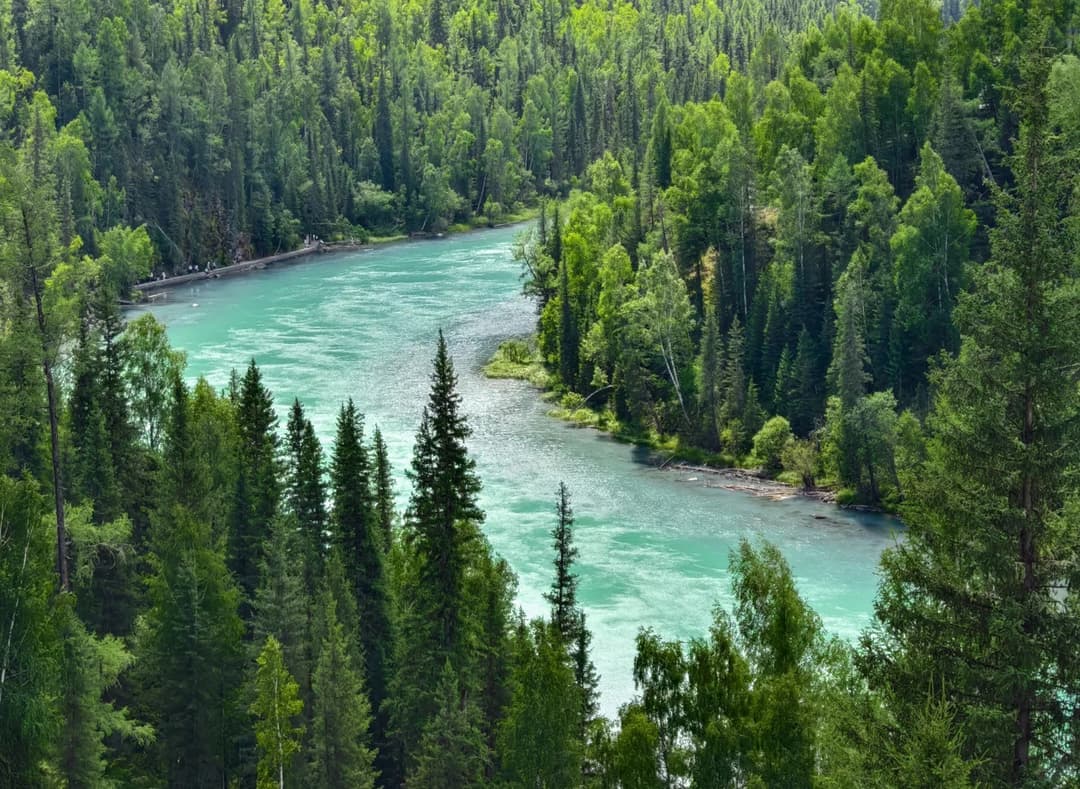
Kanas is cooler in June than Ili or Turpan, with daytime temperatures in the low 20s and nights that can drop to single digits. The lake is clear and blue, framed by dense spruce forests. Hemu Village, about an hour away, is known for its morning mist—on clear days, the wooden houses and surrounding hills are shrouded in fog that burns off by mid-morning. This area is less crowded in June than in July or August, making it a good option for travelers who prefer mountains and forests over open grasslands.
Heavenly Lake (Tianchi)
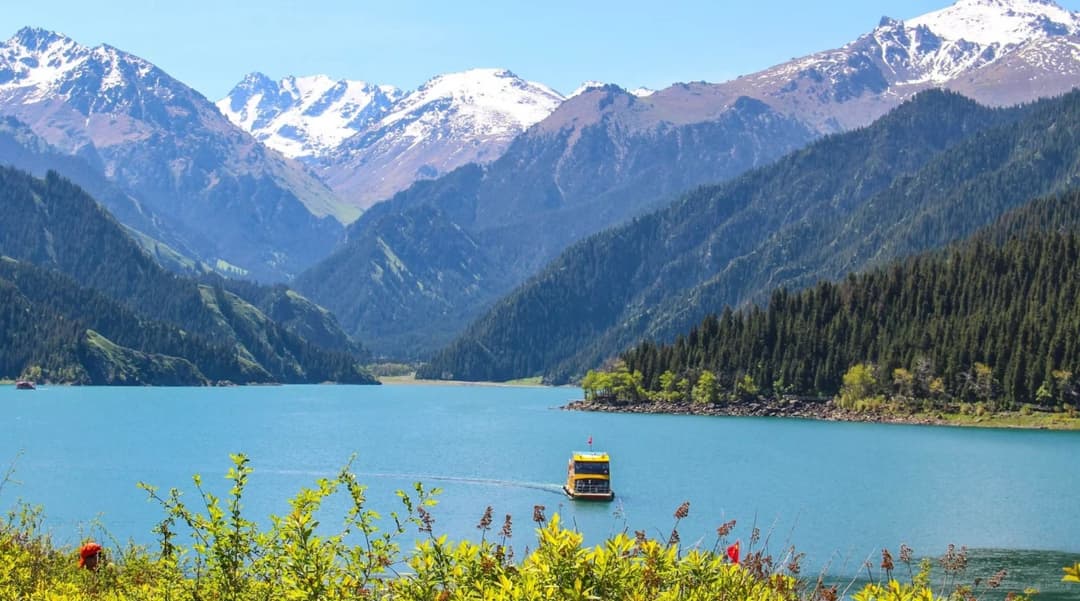
Located near Urumqi, Tianchi is a convenient option for travelers short on time. The lake sits at the foot of Bogda Peak, and on a clear June day, the combination of blue water, green spruce, and snow-capped mountain is striking. It's a popular spot for weekend trips from the city, so if you're visiting on a Saturday or Sunday, expect crowds. Go early in the morning to avoid the rush.
 Safety and Practical Tips for Horseback Riding
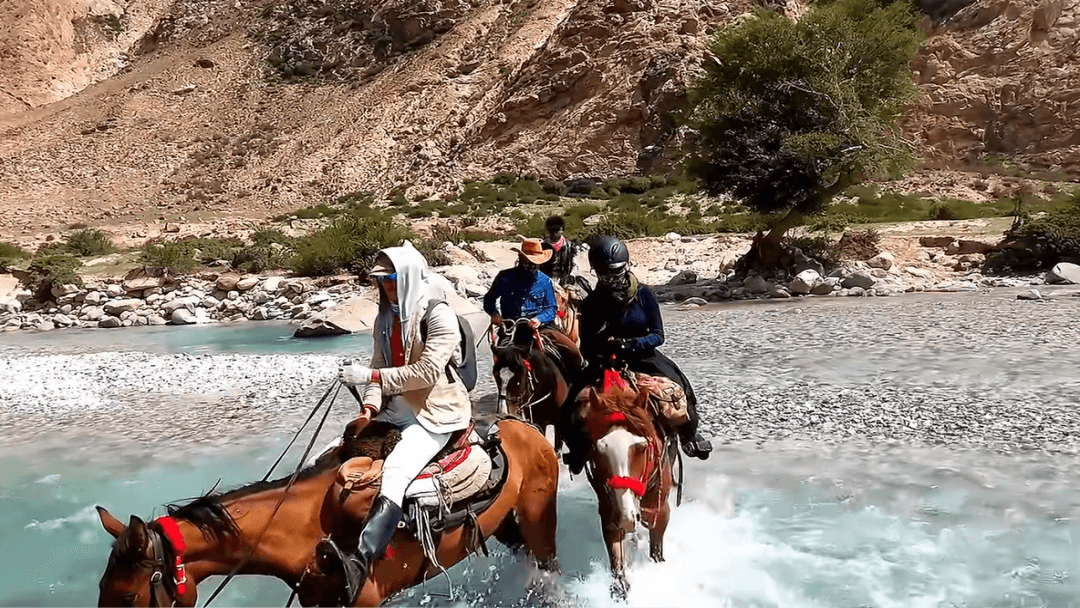
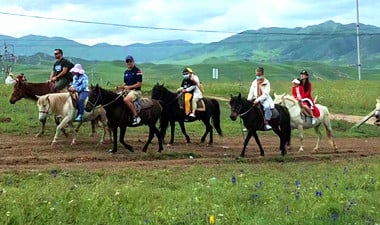
Horseback riding is a popular activity in the grasslands, and June is a good time to try it—the ground is dry, and the horses are well-fed after winter. Here are a few things to keep in mind:
Safety First: Follow the herder's instructions. When mounting or dismounting, hold the saddle firmly and use the stirrups. Don't make sudden movements or use flash photography near the horse. Never stand directly behind a horse.
What to wear: Long pants and closed-toe shoes with grip. Shorts and sandals are not safe for riding. A sun hat and sunglasses are useful, and a light jacket is a good idea—temperatures can drop quickly, especially if you're out in the late afternoon.
Health: Most riding areas are at 2,000–3,000 meters. You may feel slightly winded, especially if you're not used to altitude. Drink water, and if you have back problems or a fear of heights, stick to shorter, gentler routes.
Respect Local Customs: Take off your shoes before entering a yurt. If offered tea or fermented mare's milk, it's polite to accept with both hands. Ask before taking photos of people or their homes.
How to arrange: The most authentic experience is to find herders directly at the scenic area—look for families with horses near the entrance or at yurt clusters. You can also arrange through your hotel.
Southern Xinjiang Recommendations
If you have already experienced the lush greenery and colorful flower fields of the June grasslands in the northern Xinjiang region, then June in the southern Xinjiang will offer you a completely different experience. In short: In June of northern Xinjiang, you can enjoy nature - grasslands, lakes, and flower fields; while in June of southern Xinjiang, you can explore the culture and landscapes - ancient cities, deserts, plateaus, and oasis life.
Kashgar Old Town
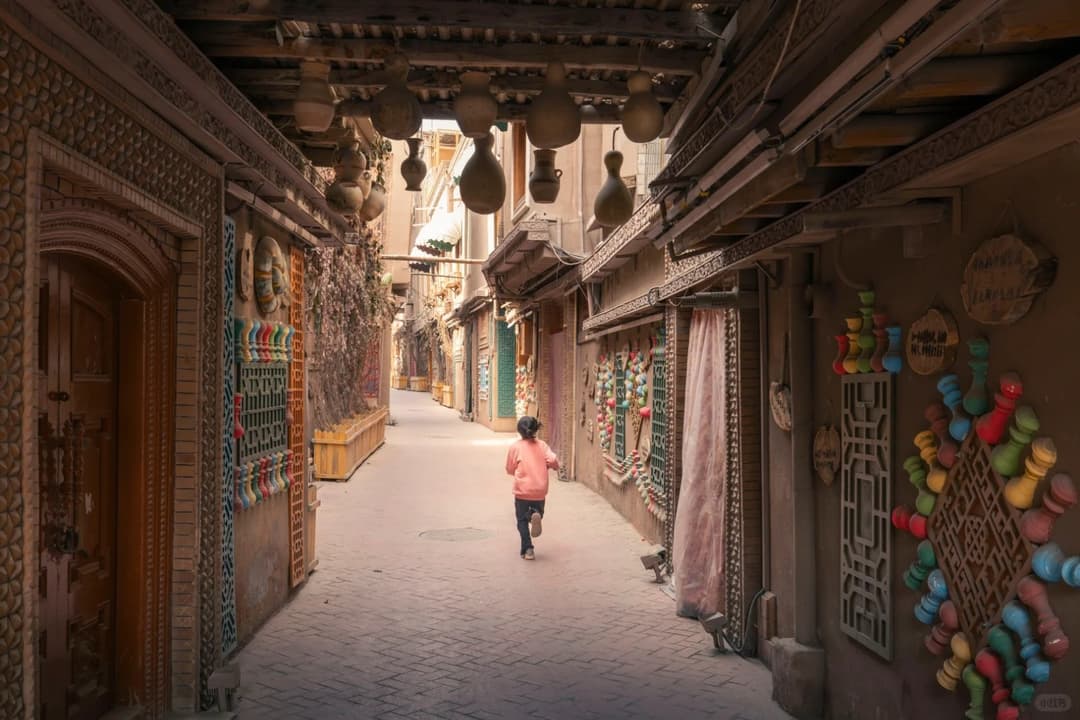
The old town is a maze of narrow alleys, earth-brick buildings, and small workshops where craftsmen still make copperware and musical instruments by hand. June temperatures are high, but the alleyways offer plenty of shade. Go in the morning, when the streets are lively but not yet hot, and spend the afternoon in a tea house or resting at your hotel. The Etigeer Mosque, the bazaars, and the food stalls selling roasted buns and pilaf are all worth your time.
Flaming Mountains & Turpan Grape Valley
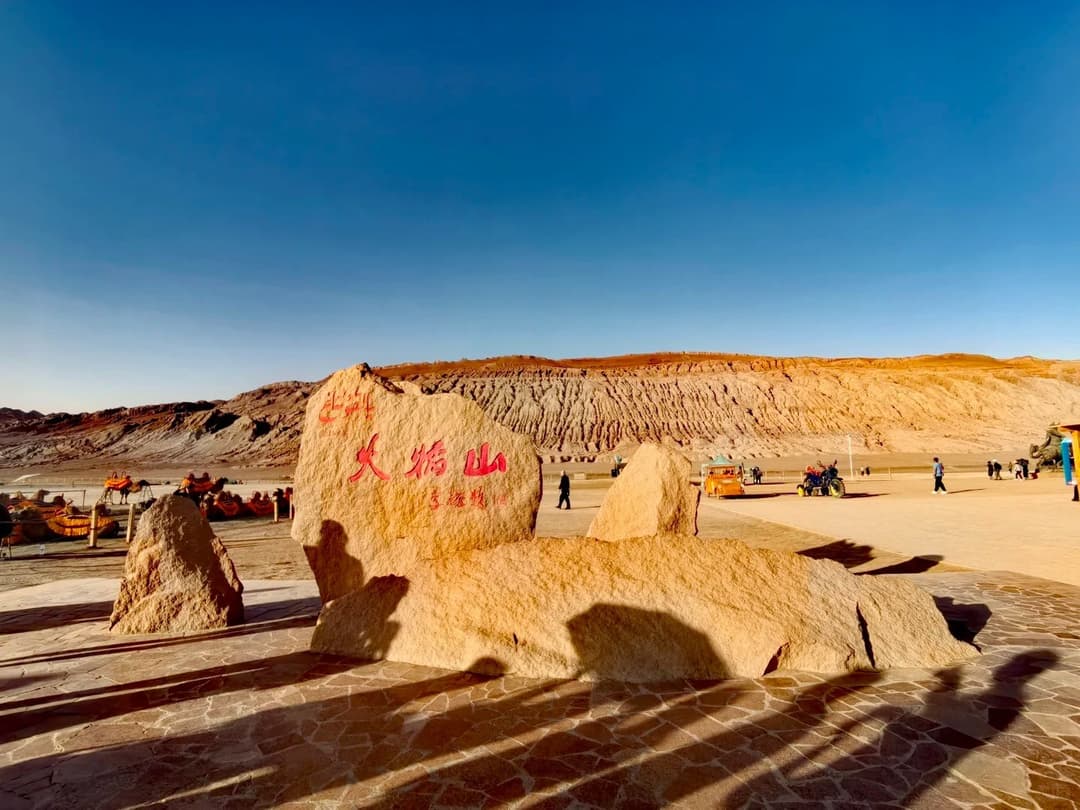
Turpan is the hottest place in Xinjiang, and June is when the heat becomes part of the experience. The Flaming Mountains live up to their name—the red sandstone hills shimmer in the heat, and you can feel the temperature rise as you approach. It's not a place to spend hours outdoors, but a short visit gives you a sense of why this landscape has been famous for centuries. Grape Valley is the opposite: shaded, cool, and green. By June, the vines are in full leaf, and the pathways are covered. It's a good place to escape the midday heat.
Pamir Plateau
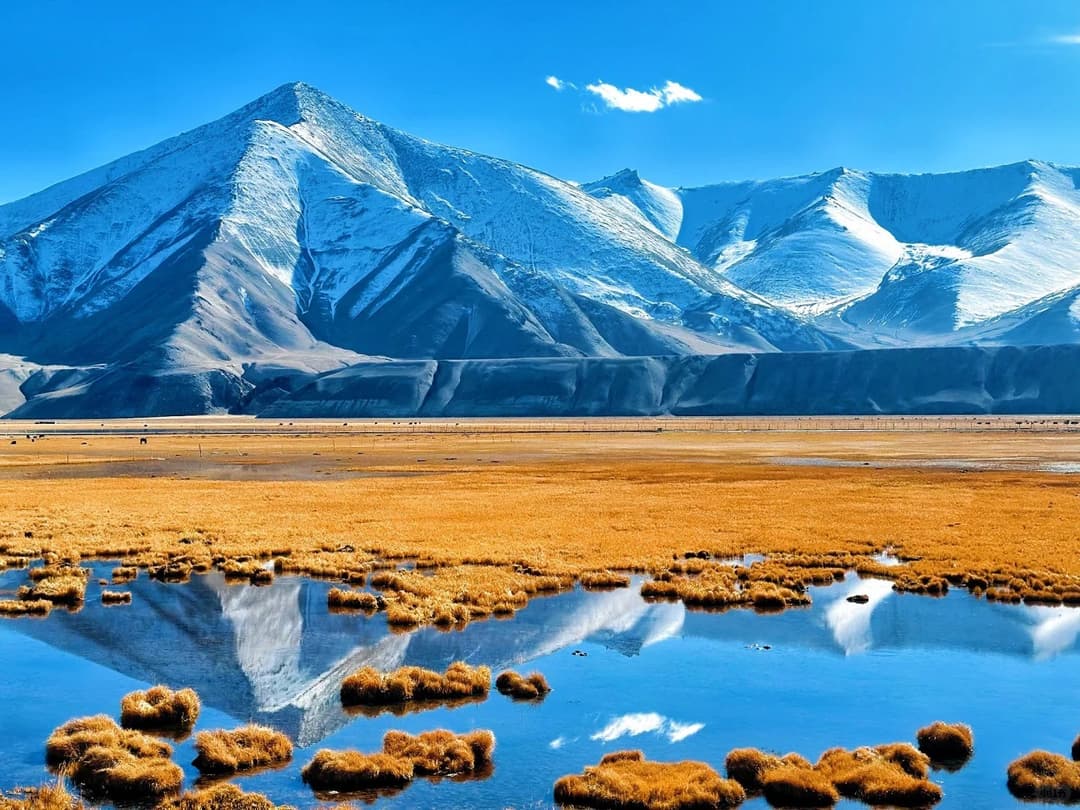
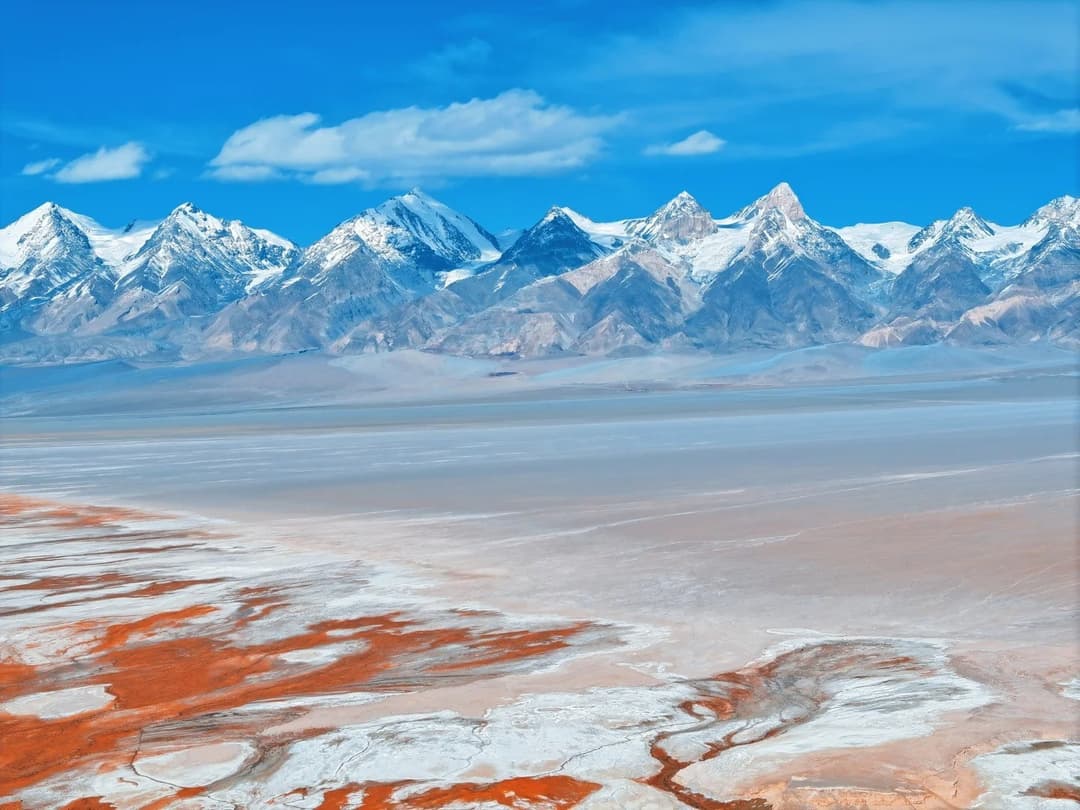
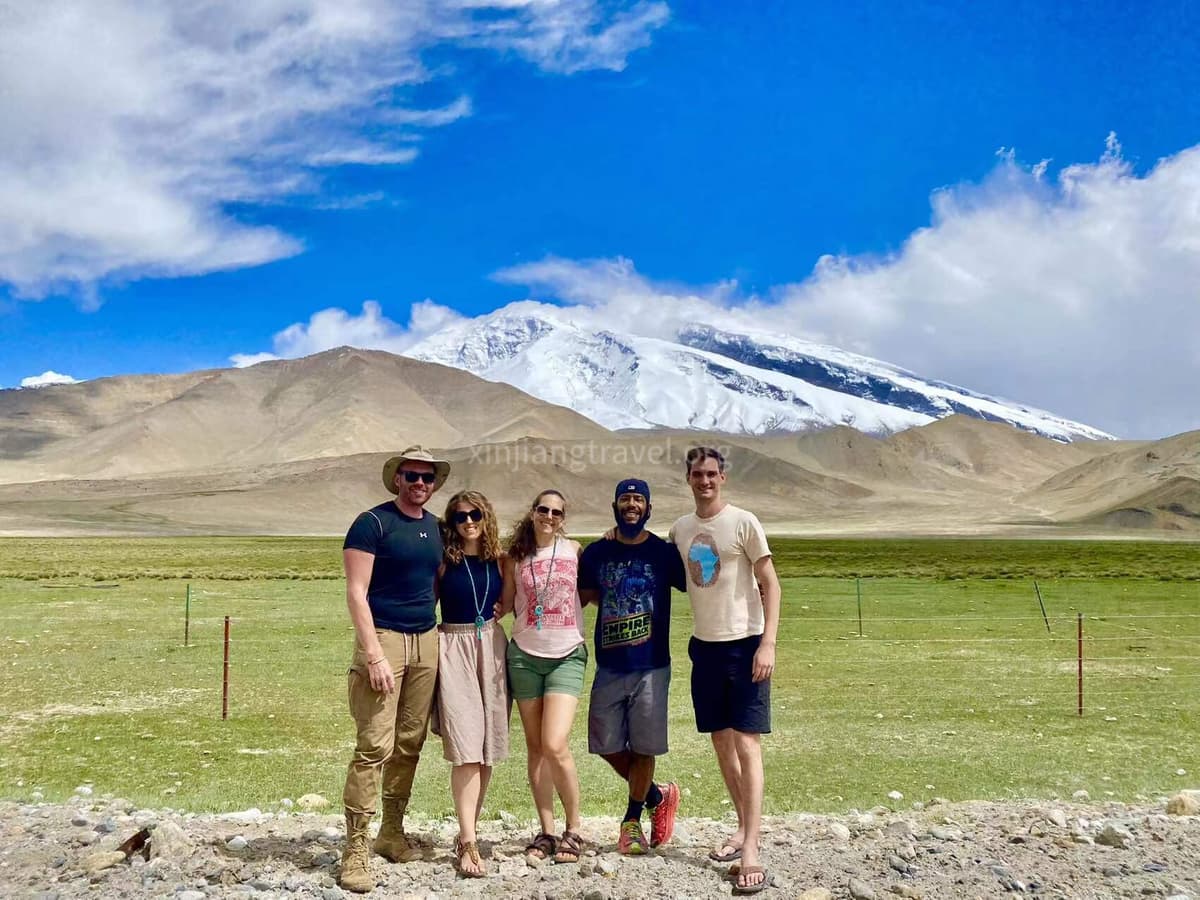
The Pamir Plateau is a different world from the rest of southern Xinjiang. At over 3,000 meters, the air is thin and cool, even in June. The main draw is the scenery: Muztagh Ata, a 7,500-meter peak, dominates the skyline, and Karakul Lake and Baisha Lake offer mirror-like reflections of the surrounding mountains. The drive from Kashgar to the plateau takes about four hours, and the landscape changes dramatically along the way—from desert to alpine grassland to snow-capped peaks. If you're planning to visit, you'll need a border permit (available in Kashgar), and it's a good idea to spend a night in the town of Taxkorgan to acclimatize to the altitude.
Bayanbulak Grassland
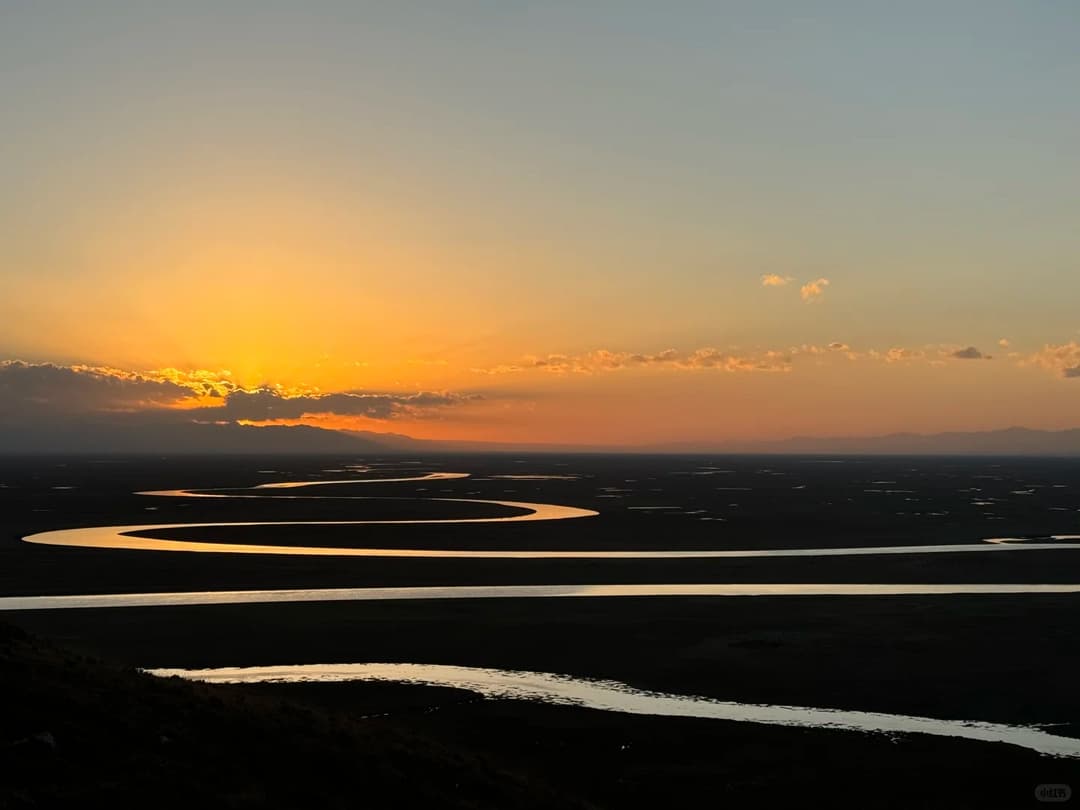
Bayanbulak is one of the largest grasslands in China and sits at a higher elevation than those in Ili. June is when it fully turns green, and the famous Kaidu River's "Nine Bend Eighteen Turn" section offers one of the most photographed sunset views in Xinjiang. The sun sets at an angle in June, creating multiple reflections on the river—locals call it "nine suns." It's a real phenomenon, though it depends on clear skies and calm water. Bring insect repellent; the mosquitoes here are persistent in summer.
Bosten Lake (Bayingolin)
Bosten Lake is the largest inland freshwater lake in China, and it's a different kind of experience from the mountain lakes in the north. In June, the reeds are thick, water lilies are blooming, and the lake is calm. You can take a boat tour, watch birds, and eat fresh fish from the lake. It's a good stop if you're traveling between southern Xinjiang and Ürümqi.
June in Xinjiang requires preparation for three things: strong sun, big temperature swings, and occasional rain (mostly in the north).
Tops: short-sleeve T-shirts for daytime, long-sleeve quick-dry shirts for sun protection, and a lightweight fleece or soft-shell jacket for evening or mountain areas.
Bottoms: Long pants—jeans or outdoor pants work well. Shorts are less practical due to sun exposure and insects in the grasslands.
Outer layer: A windproof/waterproof jacket or lightweight down jacket is essential for Kanas, Bayanbulak, and the Pamir Plateau, where nighttime temperatures can drop below 10°C.
Footwear: Hiking shoes or sturdy sneakers with good grip. Sandals are fine for towns and night markets but not for hiking or horseback riding.
Sun protection: Sunscreen (SPF 50+), a wide-brimmed hat, sunglasses, sun-protective face cover or mask (useful in sandy areas of southern Xinjiang).
Others: Moisturizing spray, lip balm, body lotion, multi-purpose backpack, power bank, and cash (for remote areas).
Medicine: Basic cold medicine, digestive aid (if you're not used to rich meat-based food), and insect repellent (for grassland areas).
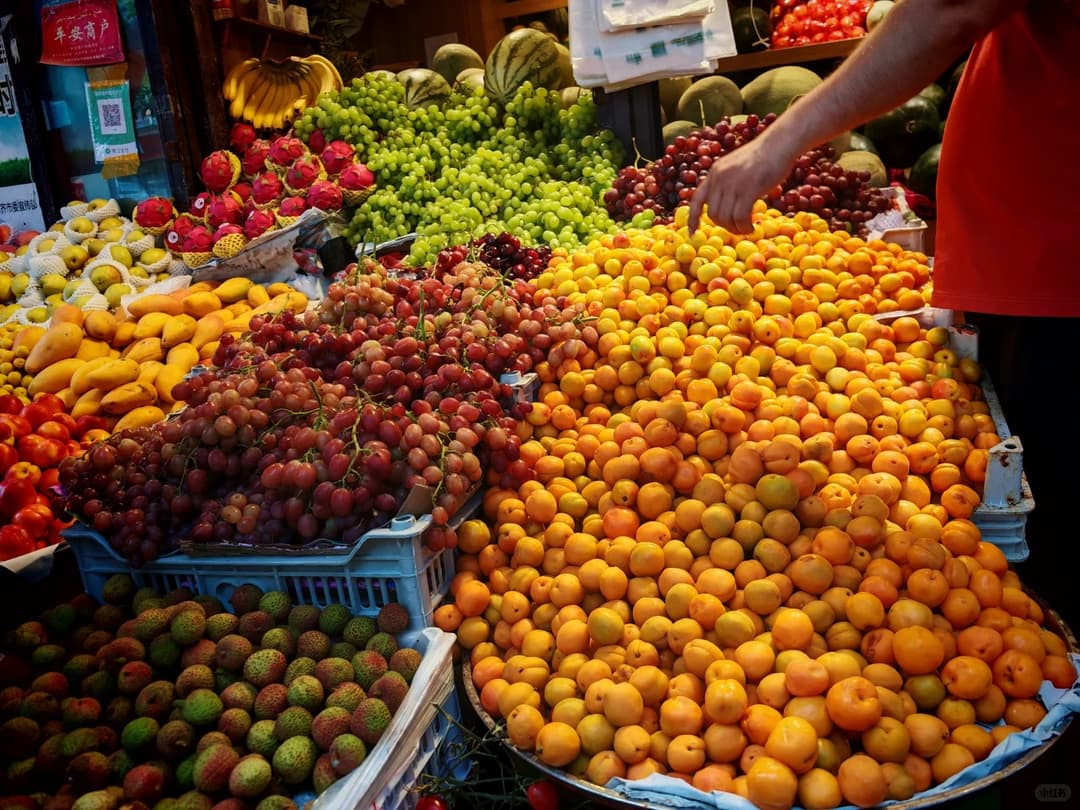
June is when Xinjiang's fruit season begins. The first apricots and mulberries appear in the markets, and they're worth seeking out.
Mulberries: Available in Turpan and other southern cities. They come in white and purple varieties—sweet, slightly tart, and best eaten fresh.
Luntai small apricots: These ripen in early to mid-June. They're small, soft, and intensely sweet.
Early nectarines and Hami melons: Available by late June. The melons from Hami and Turpan are particularly good.
Local dishes: Lamb pilaf, lamb skewers, fresh yogurt, dried milk curds, sea-buckthorn juice, and lavender flower tea (more of a local specialty than a traditional drink, but worth trying).

FAQ – Xinjiang Weather in June
Q: What is the best month to visit Xinjiang?
A: June to September is the prime travel window. June is ideal for northern Xinjiang—lavender, grasslands, and comfortable temperatures with fewer crowds. July and August are peak season, with everything in full bloom but more tourists. September is perfect for autumn colors in Kanas and Hemu.
Q: How hot is Xinjiang in June?
A: It depends on where you are. Northern Xinjiang is mild, with daytime highs around 22–28°C and cool nights. Southern Xinjiang is hotter—daytime highs from 30–38°C, with Turpan regularly exceeding 40°C. The heat is dry, which makes it more bearable than humid heat, but sun protection is essential.
Q: Is June a good month to go to?
A: Yes. June offers the best combination of good weather, beautiful scenery, and manageable crowds. If you want to see lavender, green grasslands, and alpine lakes without the peak-season rush, June is the time to go.
Q: Is it safe to visit Southern Xinjiang at this time?
A: Yes. The travel environment in Xinjiang is stable and safe. Major cities and scenic areas have good security, and foreign travelers are common. Standard precautions—keeping your passport handy, respecting local customs—apply as they would anywhere.
Q: Is Kanas suitable to visit in June?
A: Yes. In June, the ice has melted, the lake is clear, and the surrounding forests are green. It's less crowded than July and August. If you have limited time, many travelers prioritize Ili in June and save Kanas for later in the summer, but if you prefer mountain and lake scenery, Kanas is a solid choice.
If you're looking for the sweet spot in Xinjiang's travel calendar, June is it. The lavender is in bloom, the grasslands are green, the mountain passes are open, and the summer crowds haven't yet arrived. The weather is comfortable across most of the region, the fruit is starting to ripen, and the days are long enough to fit in plenty of exploring.
What you'll find here is real—working farms, herders moving their animals, local families running small shops and homestays. It's not a curated tourist experience, and that's exactly what makes it worth the trip. Pack for sun and cool nights, give yourself time to move between places (distances here are no joke), and be ready to adjust your schedule to the local rhythm. If you do that, June in Xinjiang will give you some of the most memorable landscapes you'll ever see.
Urumqi-Fuhai-Kanas-Burqin-Kuitun-Yining-Nalati-Urumqi
Xinjiang Summer Tour across the Ili Grasslands and traverse the legendary Duku Highway. From the flower-filled meadows of Kanas to the serene beauty of Hemu Village and the sparkling Sayram Lake, this journey offers an unparalleled escape into Xinjiang’s wild nature
Urumqi - Kuitun - Yining - Gongliu - Naraty - Kuqa - Alar - Makit - Kashgar - Taxkorgan
Yili Grassland and South Xinjiang Adventure to Kuqa & Kashgar, Stroll around the lakes and mountains in west Xinjiang and then drive accross Duku Highway to run into southern Xinjiang. Taste the flavor of the unique culture and customs of Kashgar. Then visit the magnificent Pamir Plateau along the Karakoram Highway!
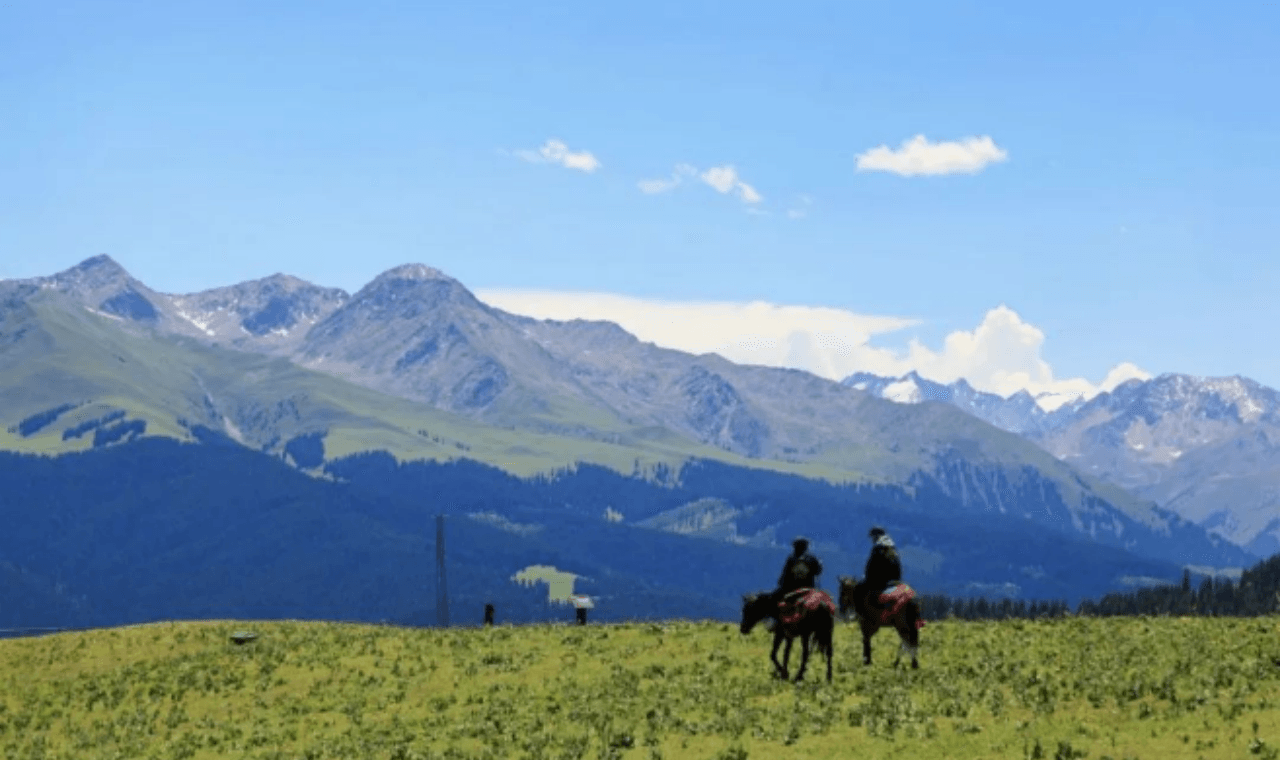
Yining-Xiata
Embark on an unforgettable 6-day Ili horseback adventure, where riding takes center stage! Traverse the enchanting Zhaosu Grassland on horseback, immersing yourself in the stunning natural beauty and experiencing the authentic charm of the nomadic lifestyle.
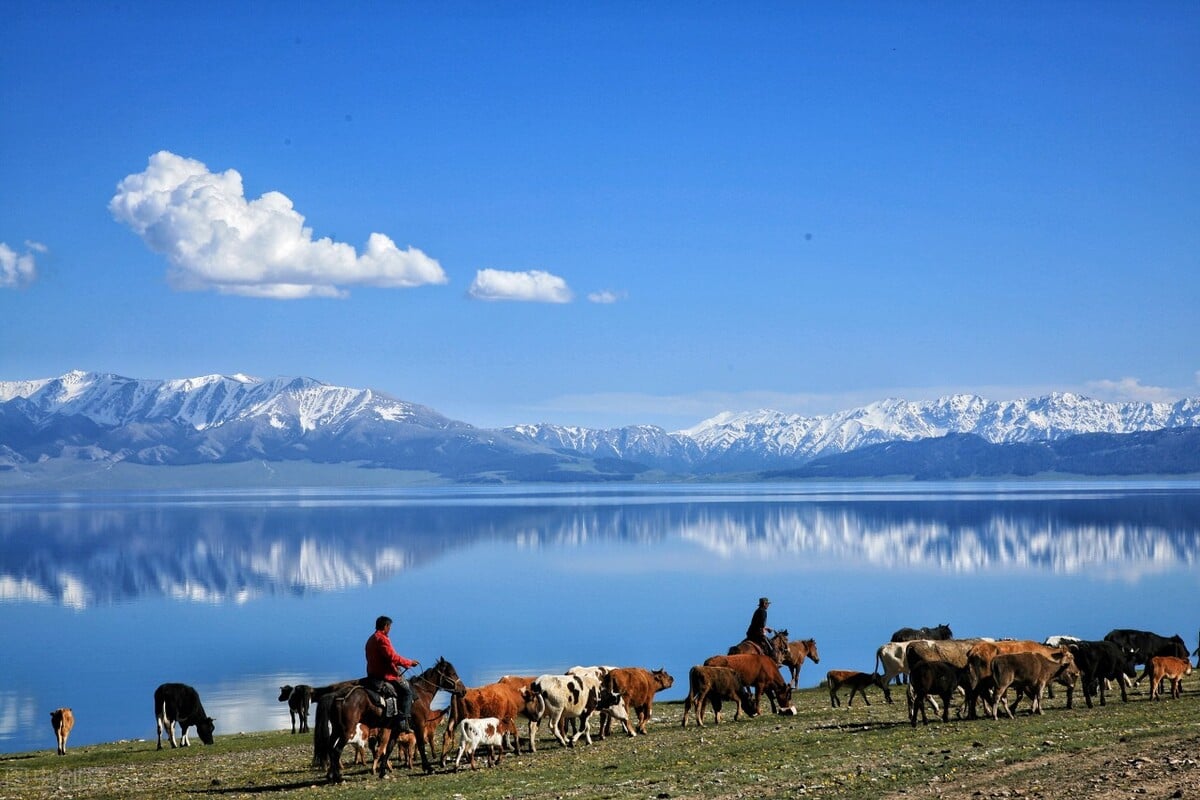
Yili-Sayram lake
The Sayram Lake horseback riding tour is a gentle, elegant maiden—her beauty will leave an indelible mark on your soul. We are delighted to present one of our most beloved horseback riding tours—the Sayram Lake horseback riding tour.
Xinjiang Weather in June– Quick OverviewBest Places to Visit in Xinjiang in JuneHuocheng Lavender Fields (
Kuerdening (
 What to Pack