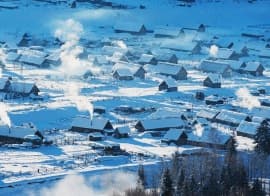
20 years of pioneer in xinjiang tourism for overseas travelers
Born Here, Know Best, Your Journey's Blessed
No Shopping. No Detour, 99% Excellent Review

contact UsOn Wechat
What is Xinjiang like in August?
August is the height of summer in Xinjiang, but it doesn't feel as overwhelming as in many other parts of China. The air is dry, the sky is usually clear, and even on hotter days, the heat is often easier to handle.
In northern Xinjiang, this is when grasslands are fully green, and lakes like Sayram and Kanas are at their best. It's also the season when fruits start to ripen across the region, so local markets become much more lively.
That said, Xinjiang is huge, and conditions vary a lot depending on where you go. You might feel cool in the mountains in the morning and warm by midday. Planning with these differences in mind will make your trip much smoother.
Content›Xinjiang Weather in July– Quick Overview ›How to Travel Xinjiang Comfortably in August ›Must-Visit Destinations in August ›August Festivals and Seasonal Experiences |
Xinjiang Weather in August– Quick Overview
August is one of the warmest months in Xinjiang, but the experience depends heavily on the region.
In northern areas such as Altay and Kanas, daytime temperatures are usually comfortable, around 20–28°C, while evenings can cool down to around 10–15°C. It’s a good escape if you want to avoid intense summer heat.
The Ili Valley tends to be slightly more humid compared to the rest of Xinjiang, and occasional light rain helps keep the grasslands green.
Southern Xinjiang, including Kashgar and Turpan, is noticeably hotter. Daytime temperatures often reach 30–35°C, and in Turpan, it can get close to 40°C. If you plan to visit these areas, it's better to go out early in the morning or later in the evening.
One thing many travelers underestimate is the temperature difference between day and night. In some areas, it can easily drop by 10–15°C, especially in higher elevations.
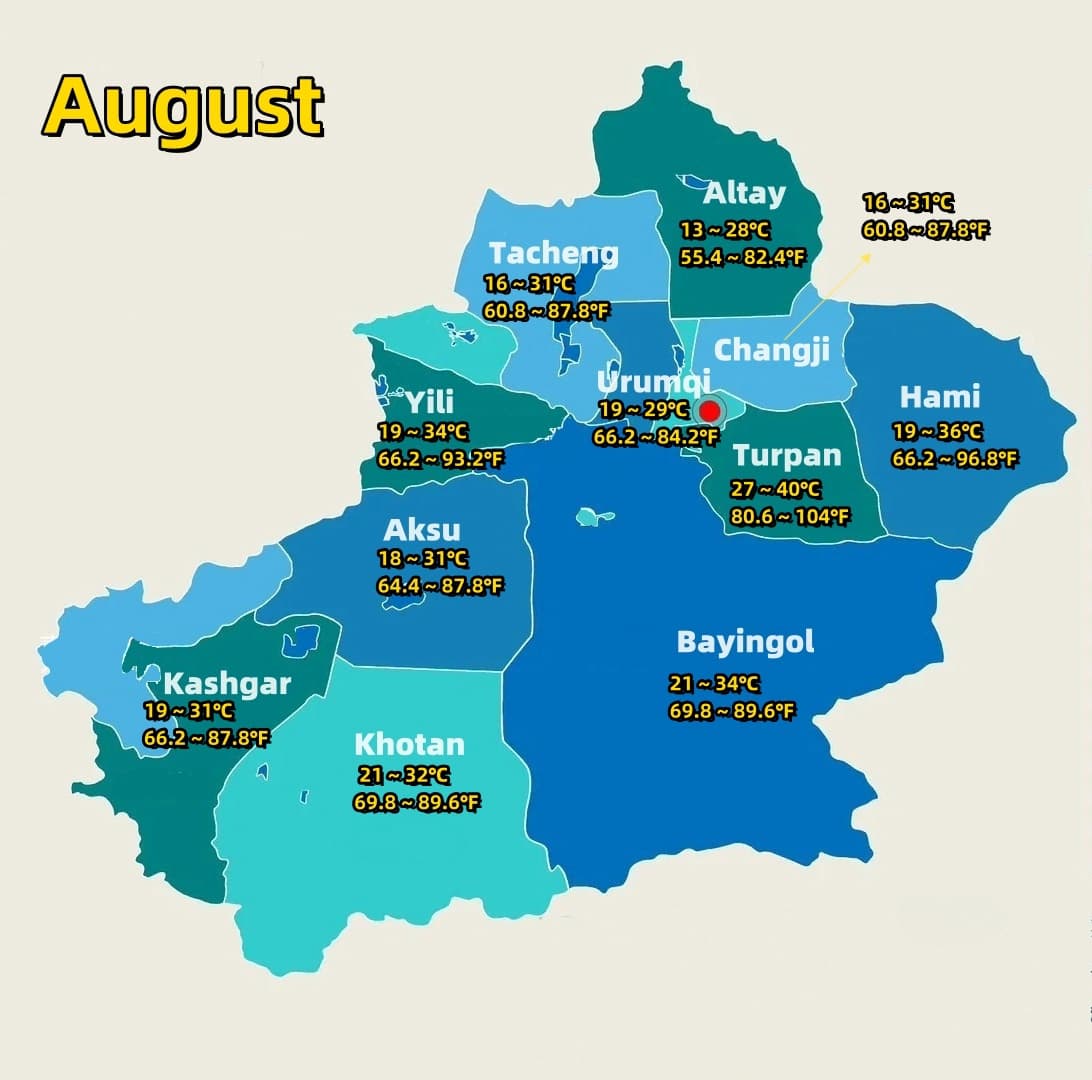
Weather Condition in Xinjiang
How to Travel Xinjiang Comfortably in August
Traveling in Xinjiang comfortably in August is about working with the climate, not fighting it.
Option 1: Prioritize northern Xinjiang's natural cool zones. Destinations like Kanas, Hemu, Keketuohai, and Sayram Lake enjoy pleasant August temperatures (daytime highs of 20℃–28℃ / 68℉–82℉)—nature's own air conditioning. If southern Xinjiang (e.g., Kashgar) is on your itinerary, schedule outdoor visits before 10 a.m. or after 5 p.m.
Option 2: Time your sightseeing for golden hours. August sunrises in Xinjiang fall between 6:30 and 7:30 a.m., with sunsets between 8:30 and 9:30 p.m. The sweet spots for photography and comfort are 8–10 a.m. and 4–7 p.m. Use the midday hours (12–3 p.m.) for lunch, rest, or indoor attractions like museums.
Option 3: Pace your itinerary realistically. Xinjiang is roughly four times the size of France, and distances between highlights often stretch hundreds of kilometers. Limit yourself to no more than two in-depth attractions per day. A northern Xinjiang loop deserves at least 7–10 days; southern Xinjiang merits 5–7 days. If self-driving, check road conditions in advance—especially for the Duku Highway. For a more relaxed experience, consider hiring a private car or joining a small group tour.
Must-Visit Destinations in August
Northern Xinjiang Grasslands and Lakes Loop (Kanas–Hemu–Sayram Lake): August marks the absolute peak of northern Xinjiang's natural beauty.
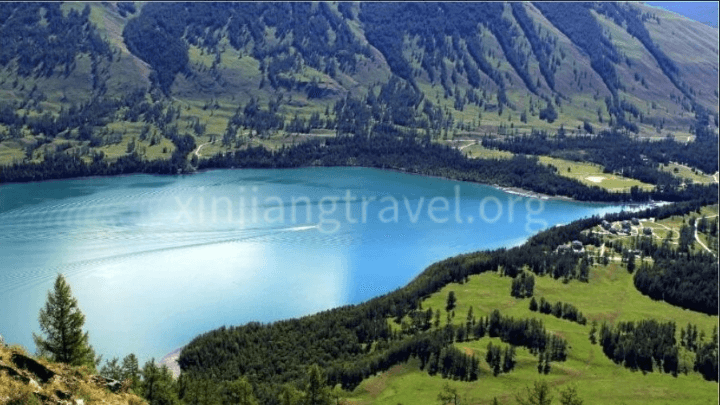
Kanas Lake
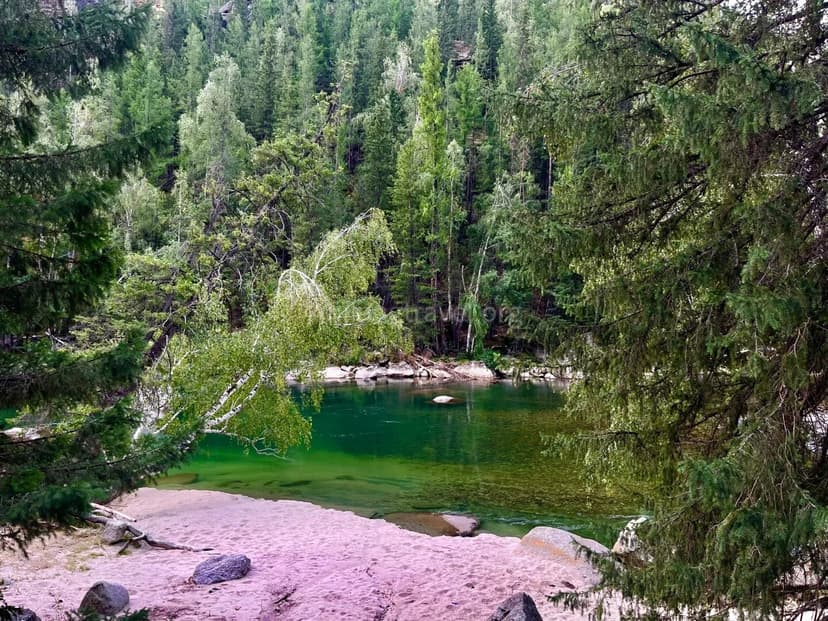
August at Kanas Lake sheds spring's youthful blush yet hasn't yet donned autumn's golden mantle, presenting instead a poised, brimming midsummer serenity. Under the midday sun, the lake glows an emerald green, shifting hue with the light—earning it the name "Color-Changing Lake."
The unmissable experience is an early-morning ascent to Fish-Watching Pavilion: 1,068 steps lead to a panorama of snow peaks, forest, and jade waters swathed in drifting mist. Go between 7 and 9 a.m., when the temperature gap between water and air is widest, and the mist is at its most ethereal. A boat ride into the lake's heart reveals its mysterious depths.
Downstream, three newly developed bays—Fairy Bay, Moon Bay, and Sleeping Dragon Bay—are easily accessed via complimentary shuttle buses, each offering a distinct, photograph-worthy view.
Hemu Village
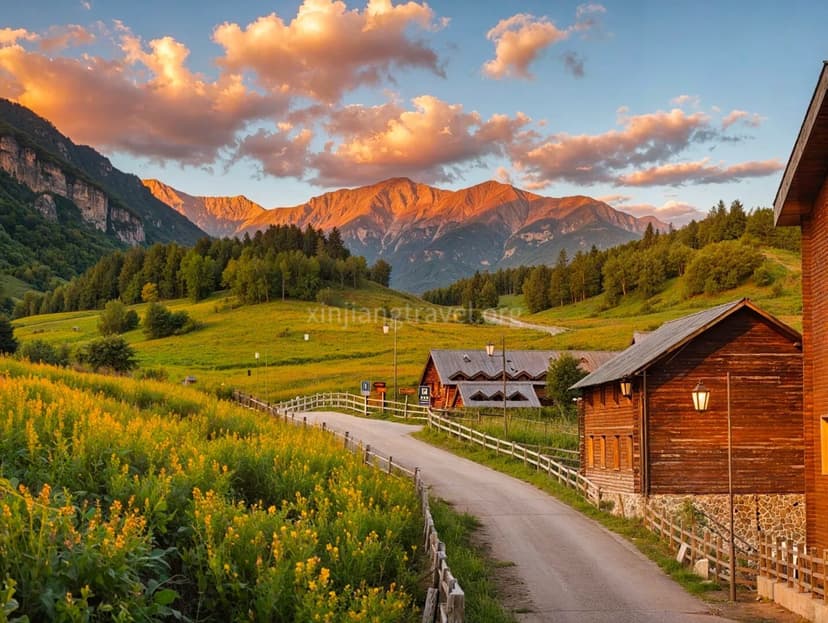
Hemu Village, known as "China's No.1 Village," is a Tuvan settlement cradled by mountains and birch forests, its log cabins scattered like a Nordic fairy tale. August sees the birches at their lushest and the Hemu River murmuring alongside distant peaks.
The most magical moment is dawn: before sunrise, visitors flock to the highland viewing platform, watching the first light spill over mist-shrouded cabins as hot-air balloons drift lazily above and distant mountains wear veils of light fog. Staying overnight in a century-old log cabin lets you wake to a living canvas of mist and chimney smoke. In the evening, sitting on the grassland watching the Milky Way rise over the ridge is pure romance.
Sayram Lake
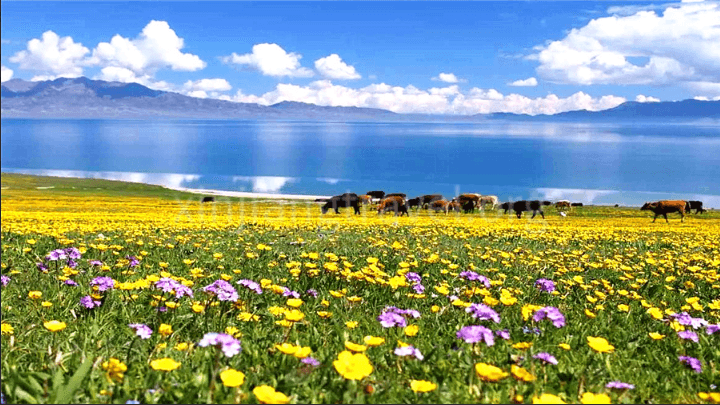
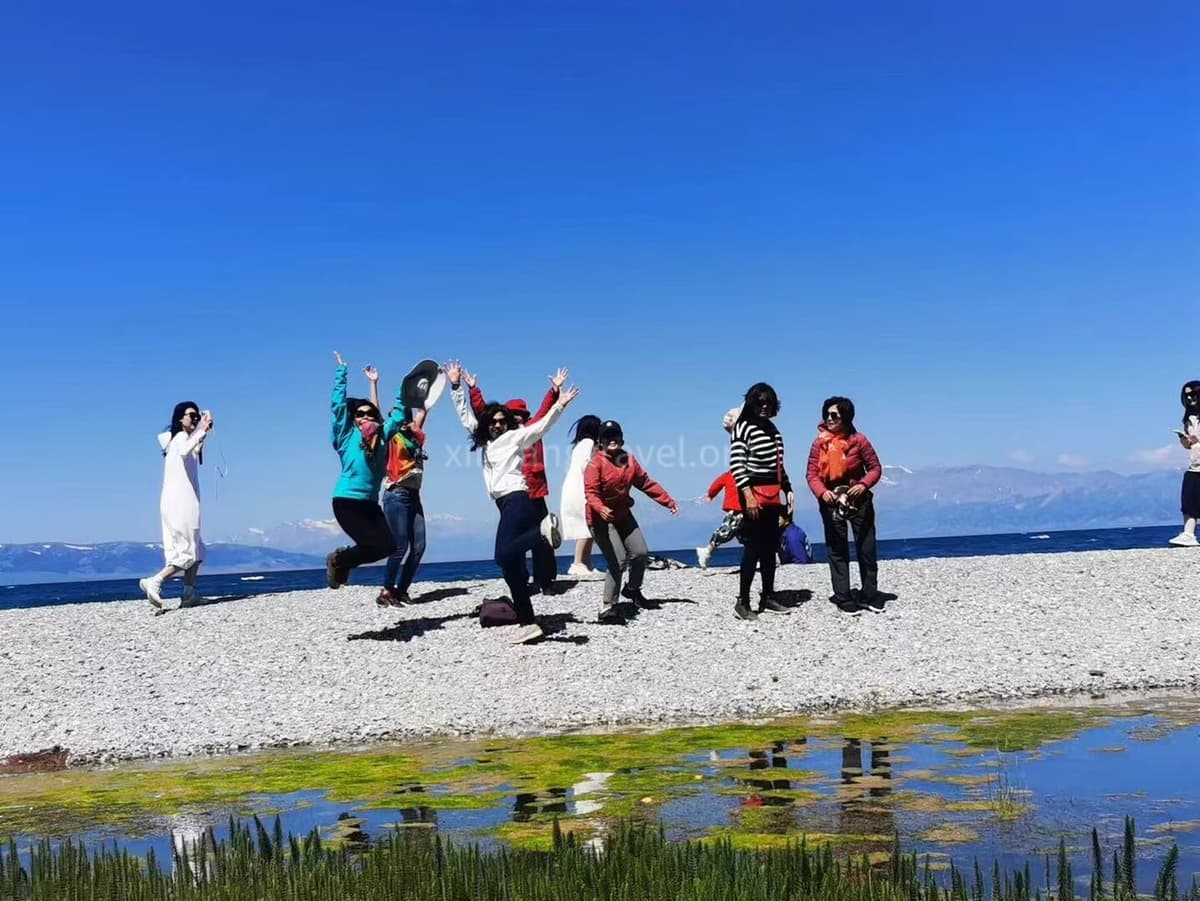
Sayram Lake, called "the last tear of the Atlantic," is Xinjiang's highest alpine freshwater lake. In August, its waters are so piercingly blue they seem to have swallowed the sky—clouds mirrored on the surface blur the line between water and heaven.
A 60-km road encircles the lake, and cycling is the best way to experience it (bike rentals about 50 RMB/hour). The stretch from the East Gate to the South Gate offers the finest scenery. Pause at Qinshuitan Beach, stand on a rock, and let a friend shoot from a low angle to create the illusion of "cycling on water." The 7 p.m. sunset bathes the lake in orange-pink hues. For a deeper immersion, book a spot at one of the lakeside campsites for a night under the stars.
Ili Valley—the "Jiangnan Beyond the Great Wall"
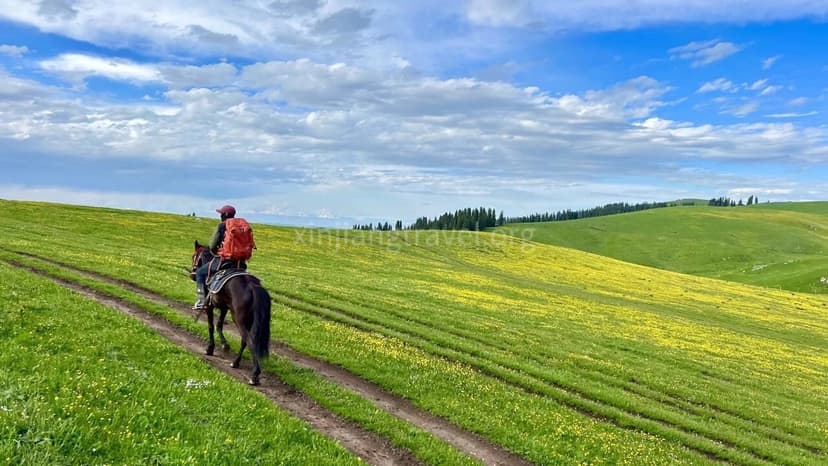
Nalati, one of the world's four great valley grasslands, lies cradled in the Tianshan hinterland at an average elevation of 1,800 meters—hence its name "Sky Grassland." August sunlight on the Ili Valley turns Nalati into a living oil painting, its green uniform and pure.
Unlike Hulunbuir's vast flatness, Nalati's 1,848-square-kilometer vertical landscape zone delivers the spectacle of "four seasons on one mountain, different weather every ten miles." Don't fixate on the famous "internet-famous bridge"—walk a little farther, and you'll find equally stunning views with far fewer crowds. At dusk, eagles circle overhead as Kazakh herders' yurts dot the grassland—a living tableau of nomadic life.
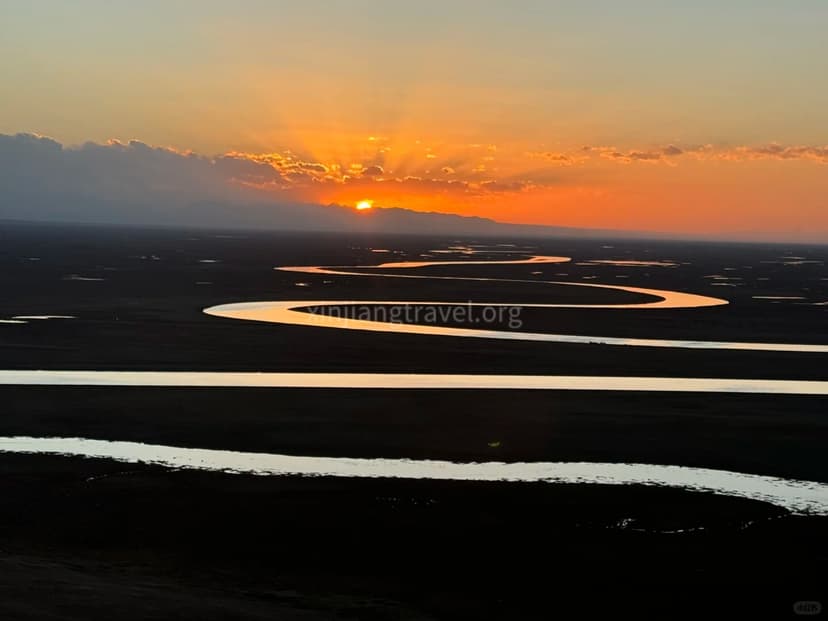
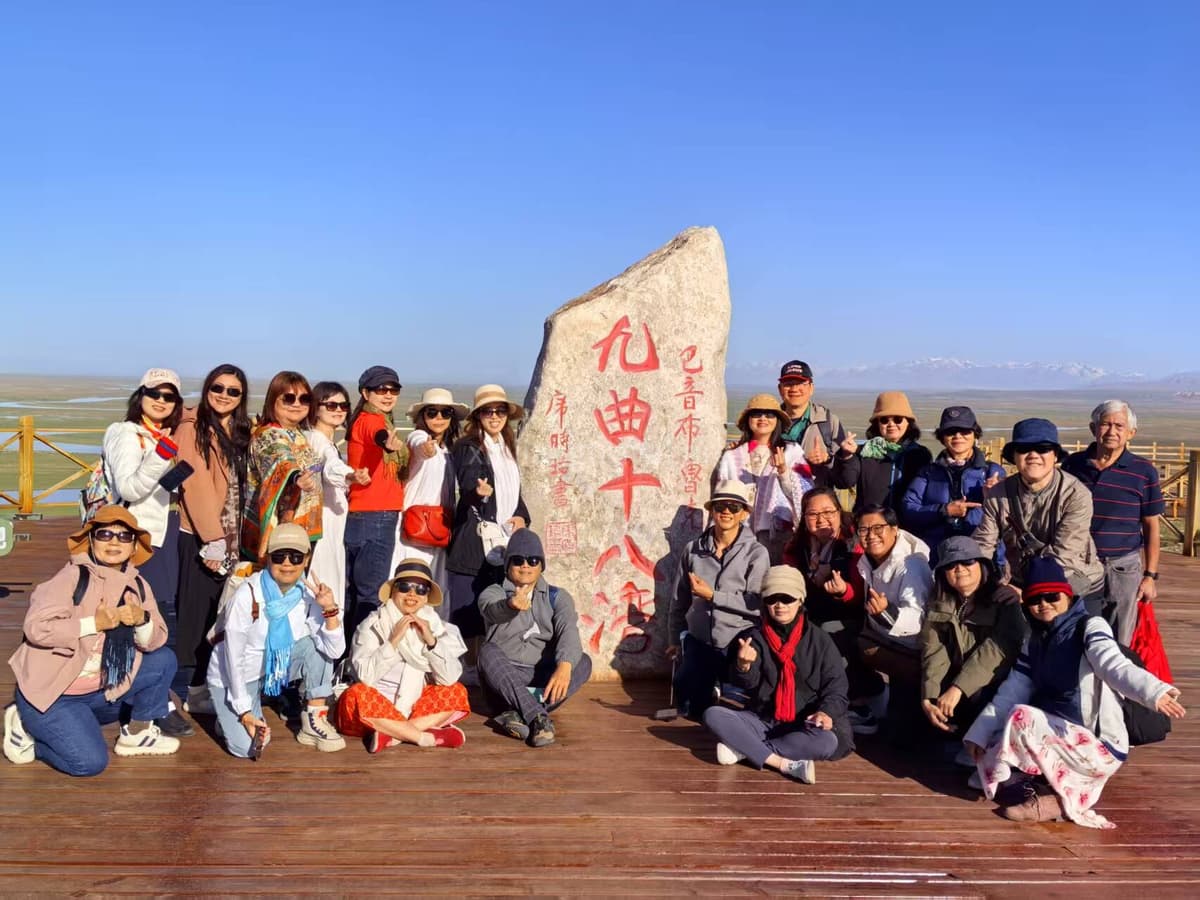
Bayinbulak, nestled deep in the Tianshan, is a vast, flat grassland ringed by green mountains, its shifting light more dramatic than Nalati. The August highlight is the sunset at Nine Bends, and Eighteen Turns—the Kaidu River coils like a dragon across the grassland, its curves gilded by the setting sun. June through August is the golden window for photography; at sunset, the "nine suns in a row" phenomenon appears (visible only about 20 days per year).
The best vantage is the Baxilike Viewing Platform. Stake out a prime spot before 8 p.m.—watching the river reflect nine suns like a golden ribbon winding through the grassland is unforgettable. The Kaidu River Wetland boardwalk leads into reed beds where you can capture swans alongside flocks of black-headed sheep.
Duku Highway—Four Seasons in One Day
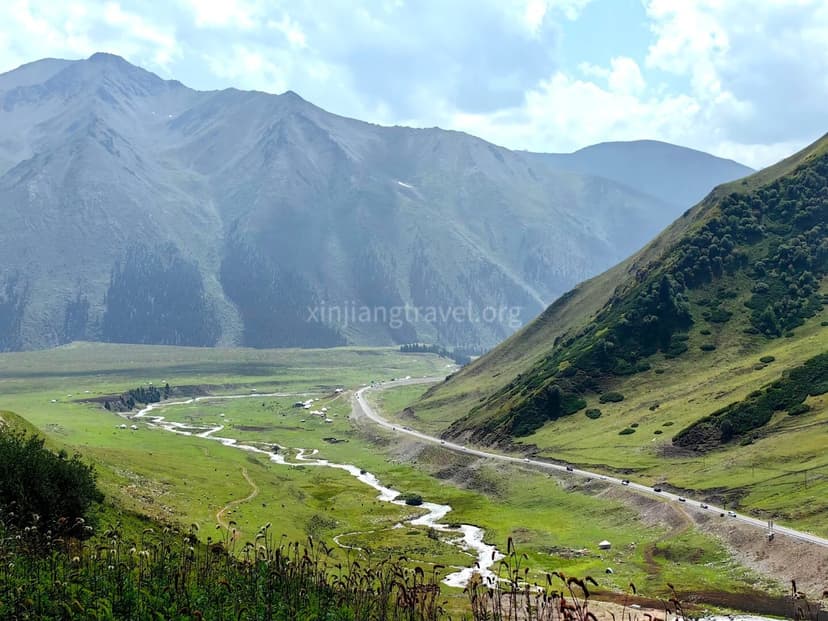
The Duku Highway spans 561 kilometers from Dushanzi in the north to Kuqa in the south, cutting across the spine of the Tianshan and hailed as "China's Most Beautiful Road." Open only from late May to early October due to high altitude and harsh weather, August is the golden window—average temperatures around 22℃, abundant fruit harvests, and peak scenery.
The road's greatest marvel is experiencing "our seasons in a day, different weather every ten miles." Starting from northern canyons and deserts, you climb snow-capped passes (the highest exceeding 3,400 meters), then descend into Bayinbulak's grasslands and the Tianshan Mysterious Grand Canyon—grasslands, snow peaks, gorges, Yardang formations, and Danxia landscapes unfold with every turn. Allow 2–3 days; don't rush. Multiple viewpoints dot the route, and you can camp under the stars at Nalati or Bayinbulak.
Note: speed limits are 40–60 km/h in mountainous sections, and only vehicles with seven seats or fewer are permitted.
Southern Xinjiang:
Kashgar and Beyond: August days are hot, but early mornings in Kashgar's old town alleys are magical, and the Han Bazaar night market buzzes with life after sunset. From Kashgar, extend to Tashkurgan for a taste of the Pamir Plateau's stark grandeur.
Kashgar:
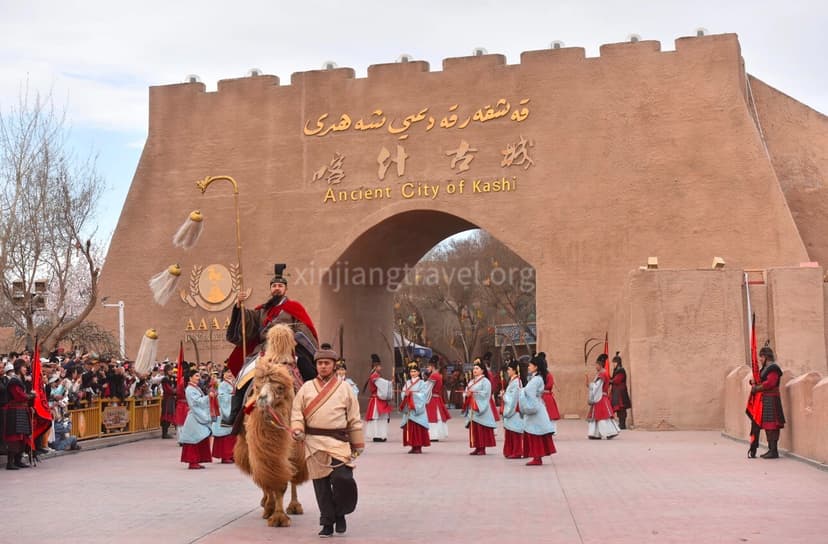
August days in Kashgar are bright and hot, but early mornings and evenings reveal the old city's truest charm. Kashgar's day begins at 10:30 a.m. with the grand City Gate Opening Ceremony: "General Ban Chao" appears in armor, dancers in Atlas silk whirl, a "Silk Road caravan" ambles past with camels, and historical figures like Zhang Qian and Xiang Fei cross time through song and dance.
After the ceremony, wander the old town's alleys—shops brim with Atlas silk, artisans' hammers ring, and vendors' calls echo. As dusk falls, the Han Bazaar Night Market comes alive with sizzling kebabs and fragrant herbal tea, offering the most authentic taste of southern Xinjiang life.
Pamir Plateau
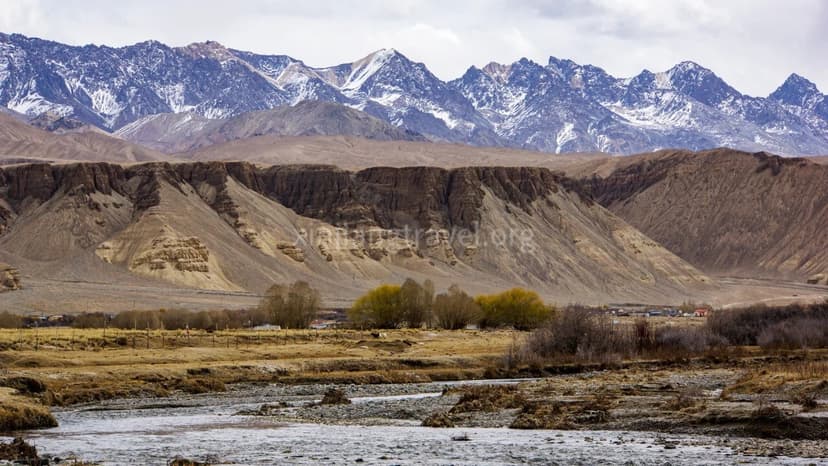
From Kashgar, follow the G314 National Highway toward Taxkorgan, and you enter the Pamir Plateau. In August, snow and ice have largely melted, temperatures range from 10℃ to 25℃, and road conditions are stable—the most welcoming and lovable season of the year.
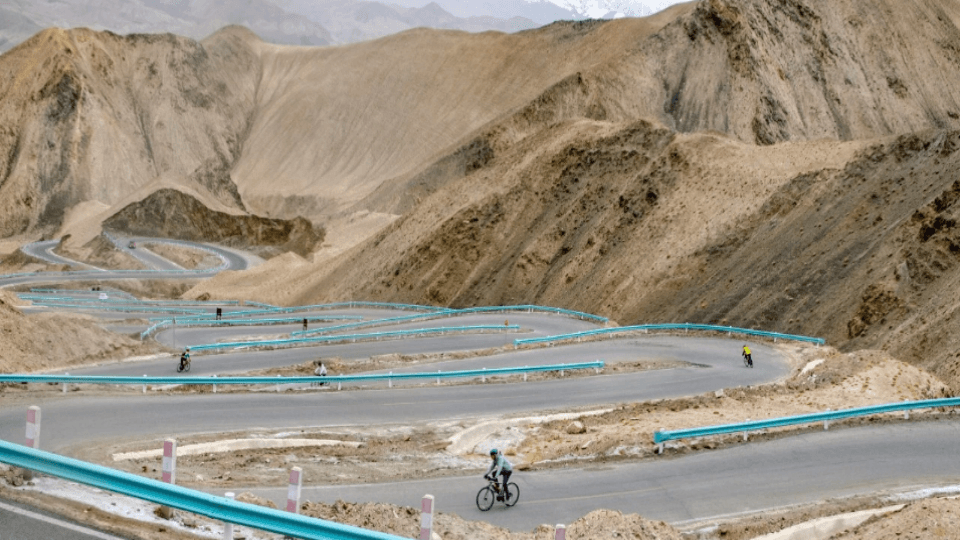
En route, Baisha Lake spreads like white silk across the desert, mirroring the distant white-sand mountains. Further along, Karakul Lake lies beneath the "Father of Ice Mountains," Muztagh Ata (7,546 meters), with its reflections in the deep blue water forming the Pamirs' most iconic tableau. After reaching Taxkorgan, Panlong Ancient Road's 600-plus hairpin turns offer a pilgrimage for driving enthusiasts—each bend offers a new vista. This journey through snow peaks, lakes, deserts, and grassy flats is a tribute to the Roof of the World at every step.
Altay Summer Escape:
Altay is officially recommended by the China Meteorological Administration as a summer escape destination and is honored as "China's Summer Resort Capital" and "China's Natural Oxygen Bar." From June through August, average temperatures hover around just 20.9℃—while the rest of the country swelters, Altay stays spring-cool.
The core summer experience is the "One Lake, One Forest" duo: Birch Forest Park and Swan Lake Park, both free and lush with shade and cool waters. For a more elevated retreat, head to Jiangjun Mountain Cloud Camp at 1,300 meters: beneath the canopy, city lights twinkle; above, the Milky Way spills across the sky—an open-air cinema under the stars that soothes body and soul. August 2025 also saw the Altay Mountain Grassland Music Festival at Mengke Pasture, blending music and nature into a summer highlight.
August Festivals and Seasonal Experiences
August in Xinjiang offers more than stunning landscapes—it brims with vibrant ethnic culture and seasonal festivities.
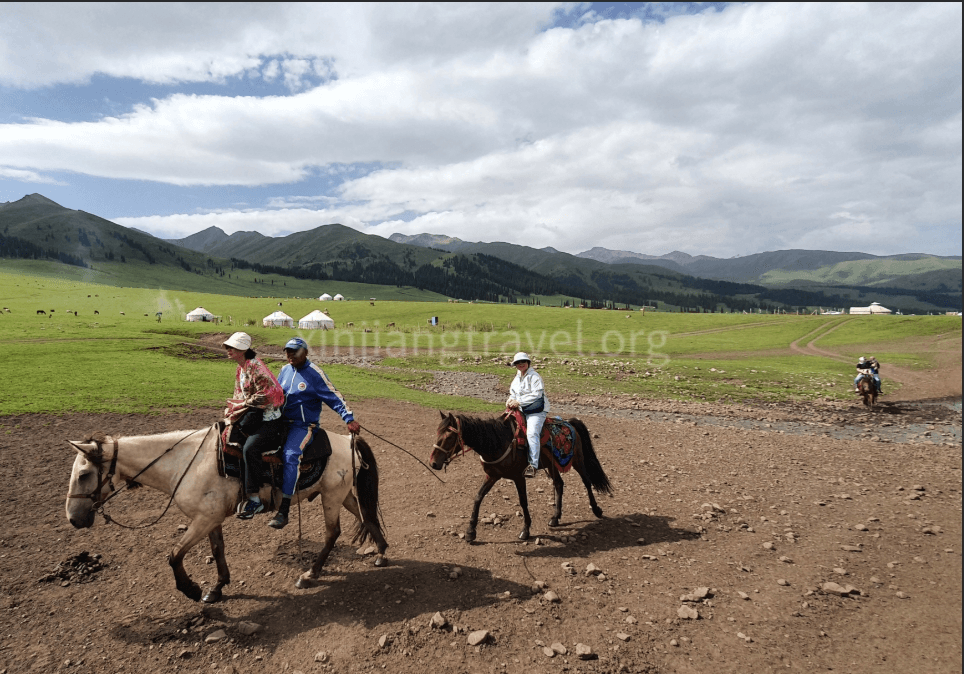
Grassland Naadam and Horse Racing: Some northern grasslands still host Naadam celebrations in August, featuring traditional competitions such as wrestling, horse racing, and archery—offering a perfect window into Kazakh and Mongolian nomadic heritage.
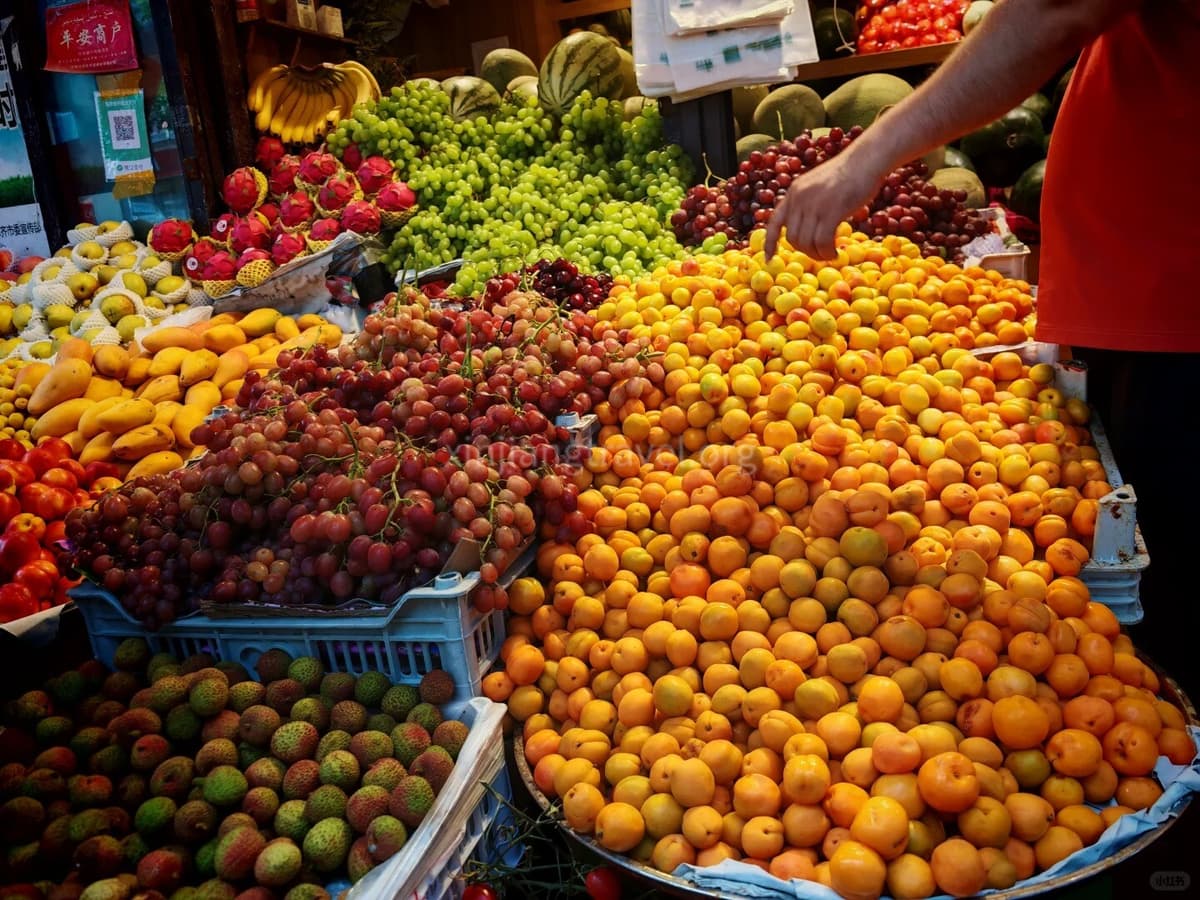
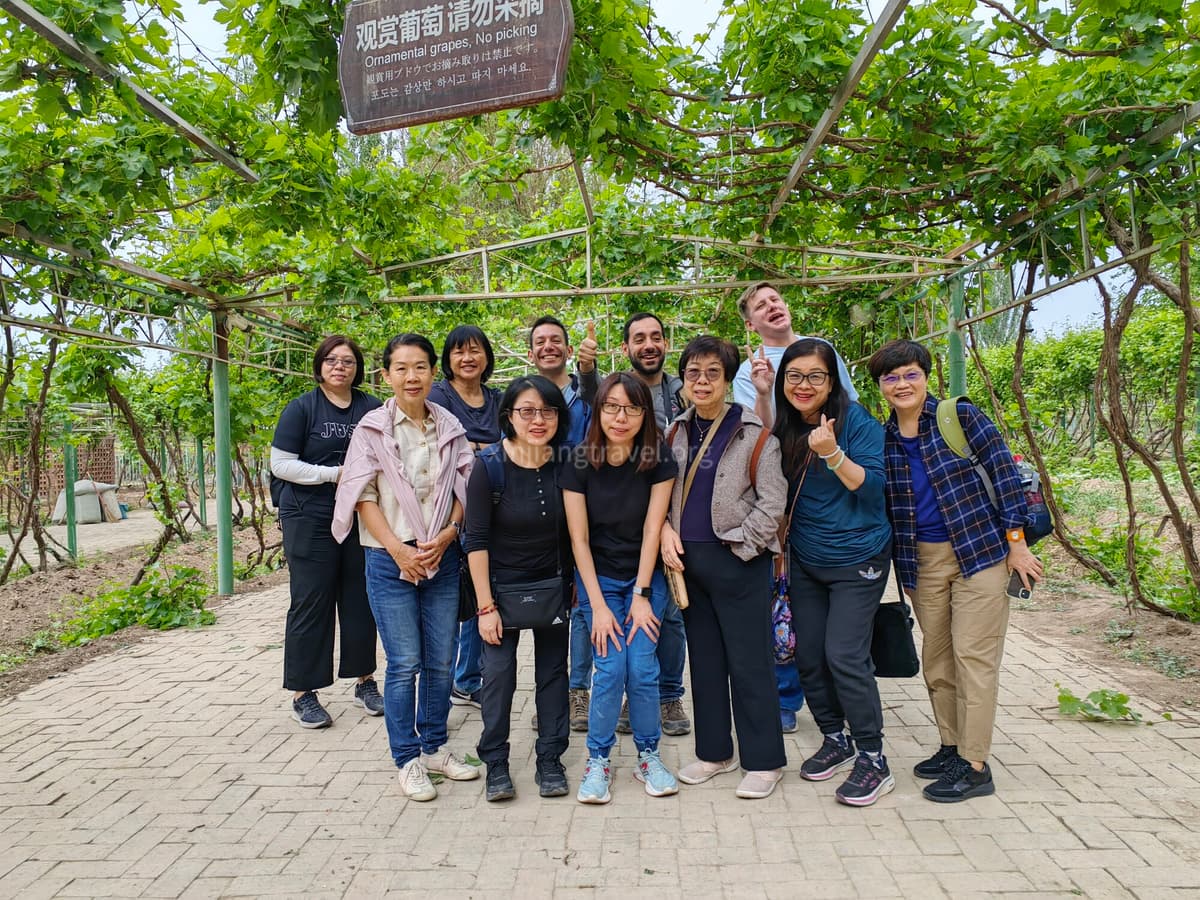
Harvest Season for Fruits: August is Xinjiang's fruit bounty month. Turpan's grapes, Hami's melons, Korla's fragrant pears, and Kashgar's pomegranates all reach peak ripeness. In Turpan's Grape Valley, you can pick and taste grapes straight from the vine; in bazaars across the region, the air is sweet with the scent of fresh fruit at wallet-friendly prices.
Stargazing and Camping: Northern Xinjiang's grasslands and lakes enjoy minimal light pollution, and August nighttime temperatures are comfortable with just a light jacket—making it prime season for astrophotography and camping. Popular spots include the shores of Sayram Lake, the outskirts of Hemu Village, and the open expanses of Nalati Grassland.
What to Wear and Pack for Xinjiang in August
The golden rule for dressing in Xinjiang in August is "onion layering"—stay warm in the morning and evening, shield yourself from midday sun, and be ready for mountain chills.
Base layer: Choose breathable cotton or linen—short-sleeved T‑shirts, light dresses, or linen shirts work well in daytime warmth.
Middle layer: A lightweight long-sleeved shirt or sun-protective jacket serves double duty: blocking UV rays at noon and adding a touch of warmth at dusk.
Outer layer: A windproof, water-resistant jacket or packable down vest is essential for northern mountains and grasslands. In Kanas, Hemu, or around Sayram Lake, early mornings and nights can drop below 10℃ (50℉) without warning.
Bottoms: Long pants or lightweight jeans are the mainstay; shorts are fine in cities or at midday, but swap back to trousers in grasslands to avoid insects and prickly vegetation.
Footwear: A comfortable, non-slip pair of walking or hiking shoes is your most important gear. Avoid white canvas sneakers—grassland mud is unforgiving. Bring a pair of sandals for hotel downtime or easy strolls.
Sun protection: SPF50+ sunscreen, a wide-brimmed hat, quality sunglasses, and UV sleeves are non-negotiable—Xinjiang's UV index is consistently high.
Other essentials: A thermos (hot water is scarce at scenic sites), a power bank (cell service can be spotty in remote areas), some cash, and a basic first-aid kit. If you plan to stay overnight in a Hemu log cabin or a grassland yurt camp, a fleece layer or a light down jacket will keep you comfortable under the star-filled sky.
Booking Advice: August is Xinjiang's absolute peak travel season. Log cabins in Kanas and Hemu, as well as RV campsites at Sayram Lake, should be booked 2–3 months in advance. Accommodation along the Duku Highway is limited—plan ahead. Flights, private cars, and experienced guides also sell out quickly; secure them at least 1–2 months before departure.
Health and Safety: UV radiation in Xinjiang is intense—reapply sunscreen frequently. The climate is dry; aim to drink at least 2 liters of water daily. If visiting high-altitude areas like the Pamir Plateau or Bayinbulak, take it slow upon arrival and avoid strenuous activity as your body acclimatizes.
Culture and Etiquette: Xinjiang is home to multiple ethnic groups. Dress modestly and remove shoes when entering mosques. Always ask permission before photographing local people. When shopping, note that Xinjiang uses the kilogram as the standard unit—divide the displayed price by two to get the price per 500 grams (approximately 1.1 pounds).
August in Xinjiang is a journey into vastness, color, and perfect contrast. You can start in the north with grasslands and lakes. Then move south if you want culture and bazaars. The contrast is what makes Xinjiang special. Whether you're traveling with family during summer break, pursuing your next great photograph, or simply escaping the urban heat, Xinjiang in August is calling. Contact us today, and let us craft a bespoke Xinjiang itinerary that's as smooth as it is unforgettable.
Kashgar - Taxkorgan - Yarkent - Hotan - Alaer - Shaya - Kuqa - Korla - Turpan - Urumqi
Welcome to join our South Xinjiang Group Tour, with mysterious ethnic culture, the natural views of South Xinjiang, and the fabulous experience of local lifestyle, this tour leads you to 9 destinations you can't miss for your trip.
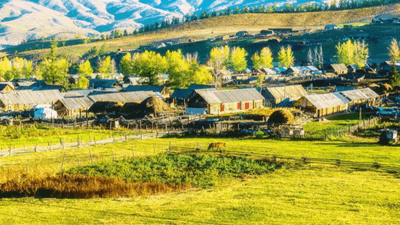
Urumqi - Fuhai - Hemu - Kanas - Urho - Urumqi
Welcome to join our North Xinjiang Hiking and Sightseeing Tour, you will appreciate the beautiful scenery of Kanas Lake, enjoy the gorgeous sunrise in Hemu village, and hike about 10kms to the water fall in the valley.
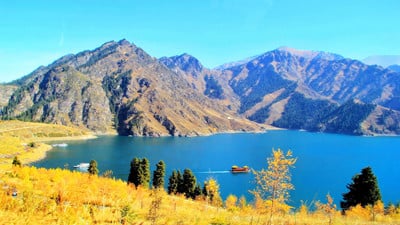
Urumqi - Heavenly Lake - Fuhai - Hemu - Kanas - Burqin - Kuitun - Yining - Nalati - Urumqi
Welcome to join our North Xinjiang Tour, go to the prairie to embrace nature, walk along the river to watch the beautiful sunset, stroll leisurely in the town to feel the ethnic customs