20 years of pioneer in xinjiang tourism for overseas travelers
Born Here, Know Best, Your Journey's Blessed
No Shopping. No Detour, 99% Excellent Review

contact UsOn Wechat
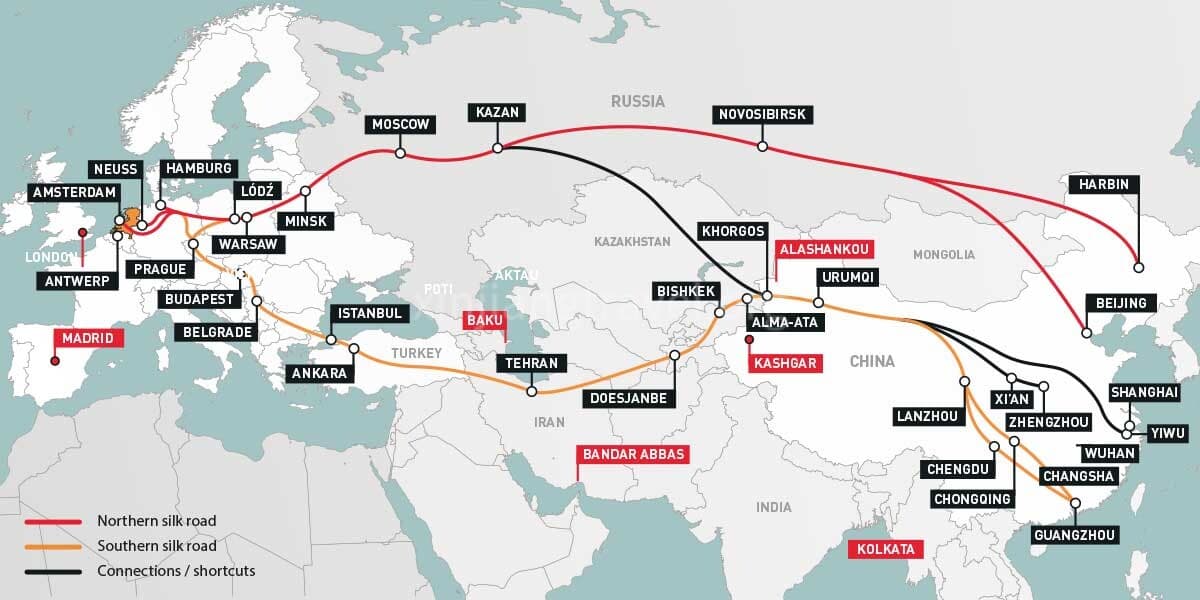
There are no non-stop flights from Europe to Urumqi, Xinjiang. The most recommended route is via Istanbul with Turkish Airlines, offering frequent connections from major European cities like Paris, Frankfurt, and Vienna. Alternatively, transit through Chinese popular cities including Beijing, Shanghai, or Guangzhou is also possible. Overall, total travel time usually ranges from 16 to 24 hours. Here are some flights for your references:
Europe → Tbilisi (TBS) → Urumqi (URC)
Frequent flights; ideal for travelers from Eastern Europe, Southern Europe, Germany, France, and the Benelux countries.
Europe → Istanbul (IST) → Urumqi (URC)
Extremely dense flight schedules with smooth connections; the top choice for departures from all over Europe.
Europe → Almaty (ALA) → Urumqi (URC)
Suitable for travelers from the Baltic States, Northern Europe, and Eastern Europe.
Europe → Tashkent (TAS) → Urumqi (URC)
Well-developed Central Asian transport network; ideal for travelers from Western Europe and Southern Europe.
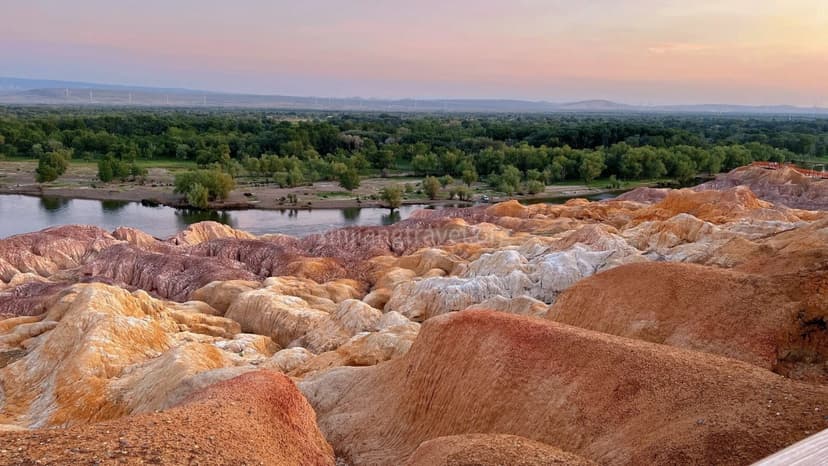
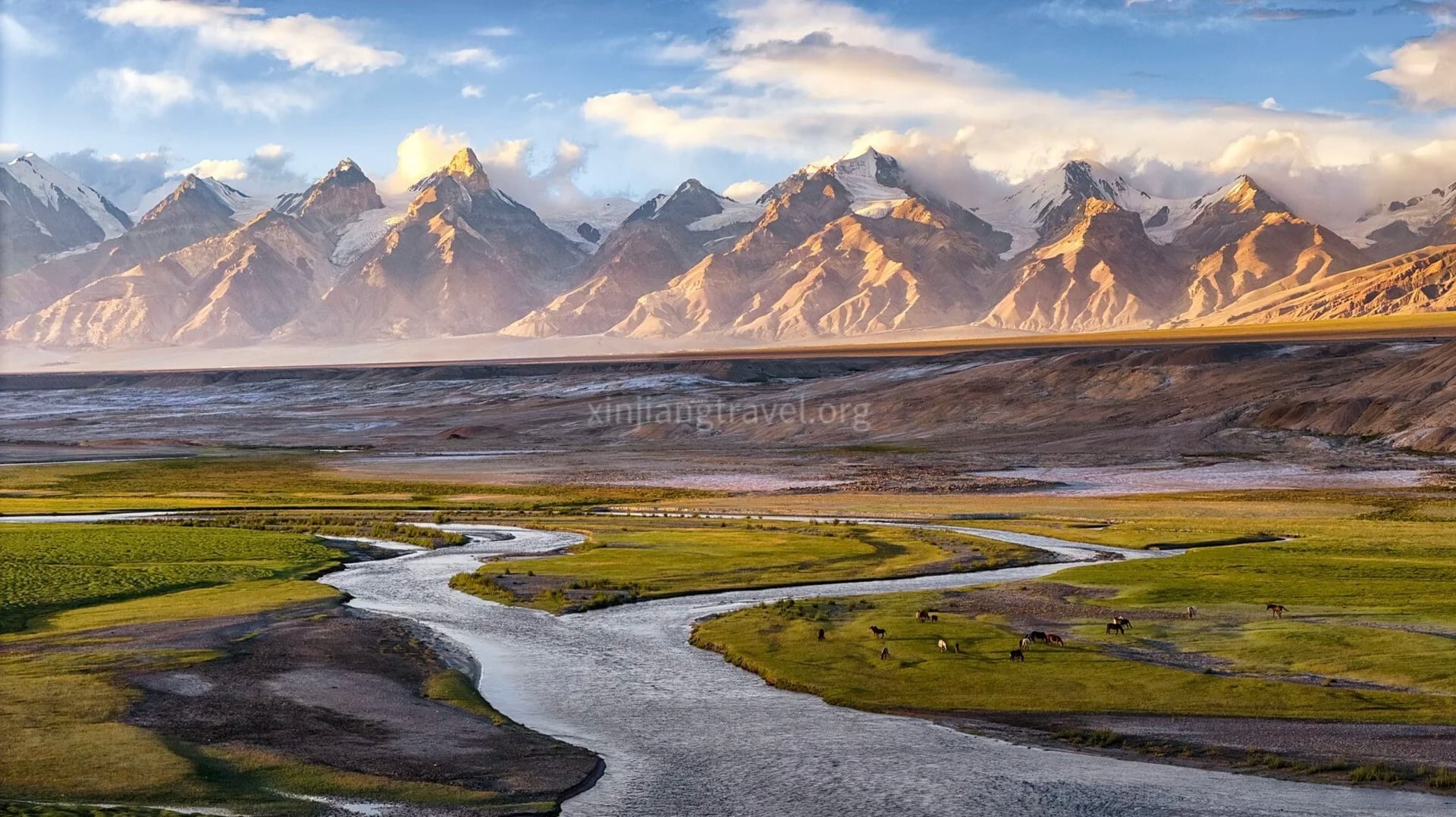
Spectacular natural scenery—Xinjiang has breathtaking natural wonders: crystal alpine lakes, endless grasslands with nomadic flocks, and golden deserts. Add vibrant ethnic cultures—colorful costumes, melodious music, handcrafts, and friendly locals as well as a slow, peaceful way of life. It’s pure magic!
Rich Silk Road ethnic culture—Xinjiang preserves vibrant, living traditions shaped by centuries of Silk Road history. You can admire the bright patterns of Atlas silk, listen to the melodic tunes of the Twelve Muqam and dombra, appreciate exquisite handmade carpets, pottery and mulberry paper, and feel the sincere hospitality of local ethnic communities.
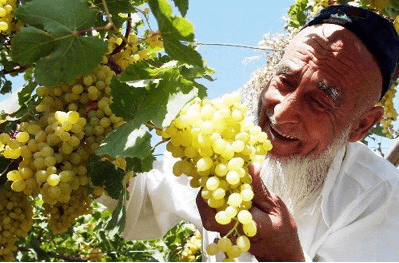
Unique food and authentic travel experience—Xinjiang delights visitors with tasty flavors, from fragrant polo rice and juicy grilled lamb to handmade noodles, dried fruits and special local snacks. Beyond great food, it offers a peaceful, slow-paced atmosphere different from developed cities where you can escape crowded tourist routes, explore authentic rural life and create truly memorable travel moments.
Content›Exploring Xinjiang Natural Wonders ›Exploring Xinjiang Cultural and Ethnic Customs ›How to apply your Visa and Border Permit? |
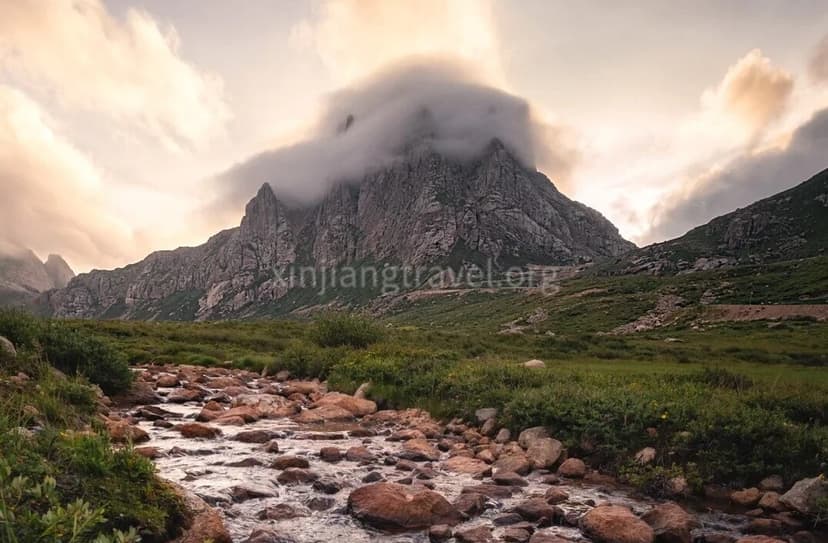
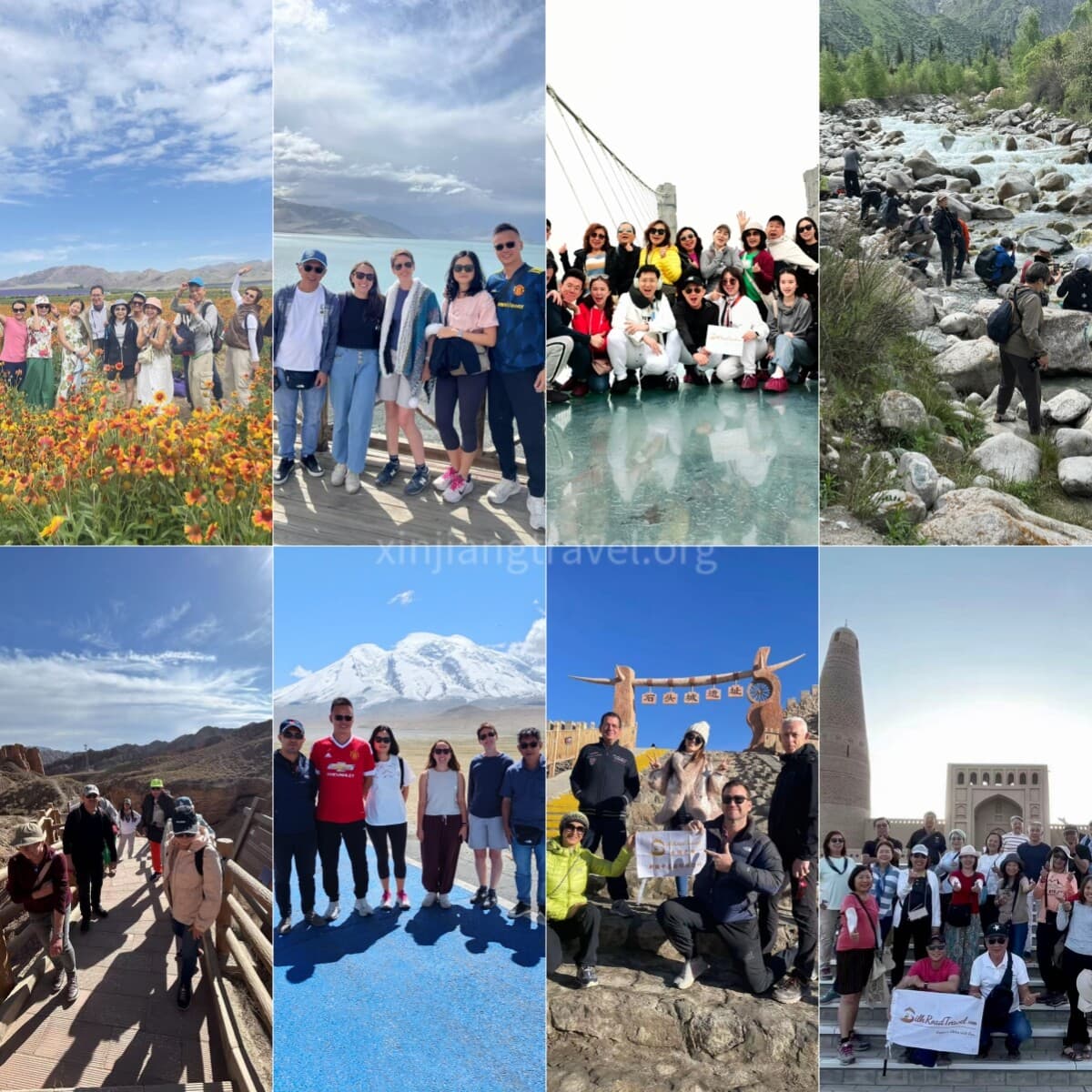
Xinjiang’s landscapes are grand, wild and unique—offering open vistas, snow-capped mountains, and pure nature you’ll rarely find at home.
Heavenly Lake (Tianchi) –A stunning alpine lake embraced by snow-capped peaks, a tranquil fairyland on the Tianshan Mountains.
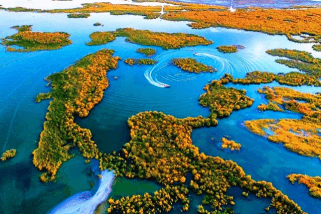
Kanas Lake–A picturesque scenic area with color-changing waters and primeval forests, especially breathtaking in golden autumn.
Sayram Lake–Known as “the last tear of the Atlantic”, a bright blue highland lake surrounded by grasslands and snow mountains.
Bayanbulak Grassland–Vast wetland grassland famous for the spectacular Nine Bends sunset and swan habitats.
Narat Grassland–A beautiful “sky grassland” on the Tianshan Mountains with rolling meadows and nomadic scenery.
Kalajun Grassland–Renowned for its soft, curving “human body grassland” and stunning mountain meadow views.
Keketuohai–A unique geological wonder with blue river bends and spectacular natural rock landscapes.
Urho Ghost City–A typical Yardang landform with unique wind-eroded pillars and magnificent Gobi scenery.
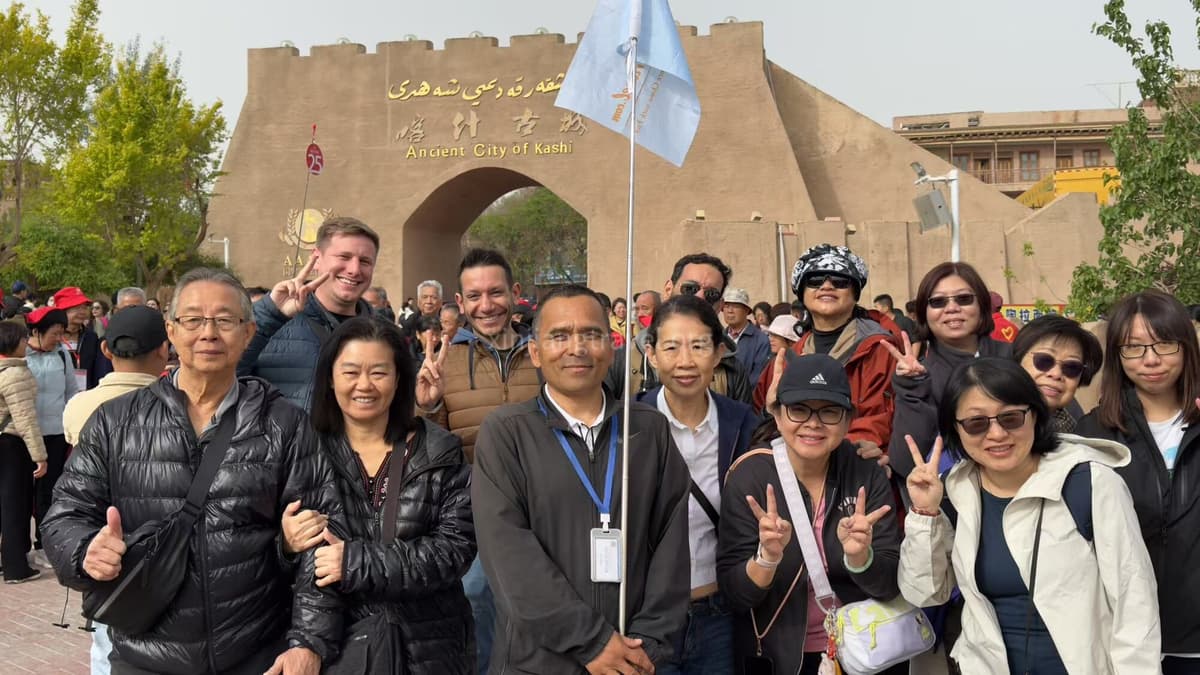
Ethnic Settlements Visit
—Kashgar Ancient City: Wander the old streets and experience Uyghur folk culture up close. You can watch craftsmen weave delicate Adelis silk and make traditional carpets by hand, learning about the unique patterns and production techniques. In local teahouses, you may encounter performances of Twelve Muqam, where musicians play traditional instruments and singers sing melodious tunes, and even join in the lively Uyghur folk dances with locals.
—Narat Grassland: Immerse yourself in Kazakh nomadic culture. Local herders will play the Dombra, a traditional stringed instrument, and tell nomadic stories while you drink salty milk tea. You can watch thrilling traditional activities like horse racing and goat grabbing, try horse riding on the grassland, and visit Kazakh yurts to see how they live and make traditional handicrafts.
—Hemu Village: Experience the simple folk customs of the Tuvan people. Stay in traditional wooden houses, taste local home-cooked food, and watch Tuvan people play their unique musical instruments and sing folk songs. The quiet village life reflects the Tuvans' love for nature and their simple and peaceful lifestyle.
—Hotan: Focus on traditional handicrafts. Visit workshops to watch craftsmen make jade carvings, hand-woven carpets and mulberry bark paper, which are important parts of Xinjiang's folk culture. You can also buy hand-made Adelis silk products, which are famous for their bright colors and unique patterns, and experience the charm of traditional Uyghur craftsmanship.
Food Experience
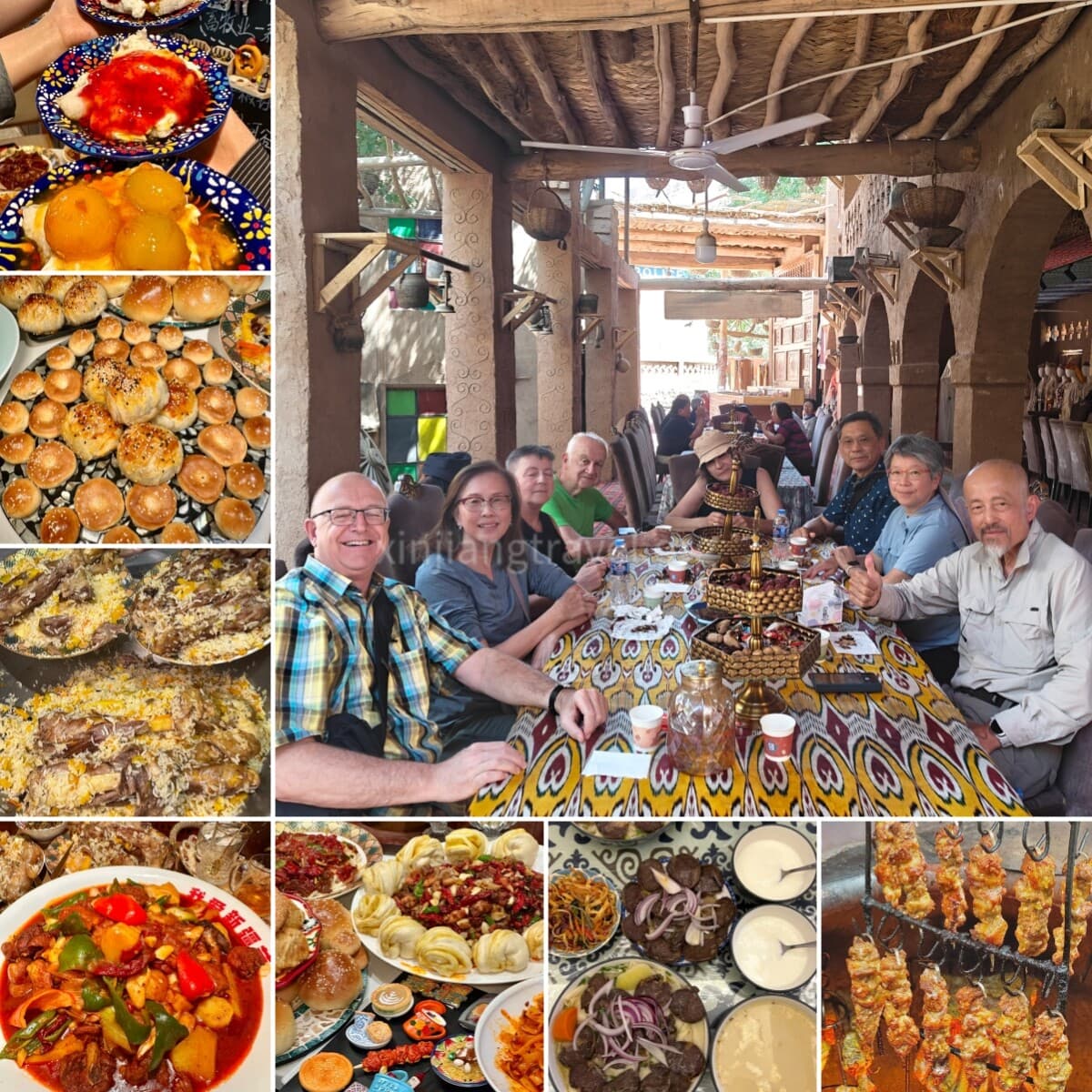
Xinjiang’s food culture is deeply influenced by its ethnic diversity and geographical environment From savory main dishes to sweet snacks and refreshing drinks, every bite reflects the unique charm of this land. Here are some must-try featured foods:
- Samsa: baked dumplings with minced meat and onions
- Polo: fried rice with carrots and mutton
- Big Plate Chicken: spicy chicken with potatoes and noodles
- Grilled Skewers: lamb skewers with cumin and chili
- Naan: various hand-baked flatbreads, crispy and fragrant
- Lamb Soup: rich broth with tender lamb and noodles
- Kawaplar: grilled intestines and other offal skewers
- Dried Fruits & Nuts: raisins, walnuts, apricots, dates, and so on.
- Uyghur Milk Tea: traditional salty tea brewed with black tea and milk
- Yogurt: homemade thick sour yogurt, often with honey
- Yogurt Zongzi: glutinous rice dumplings served with thick yogurt and honey
- Stir-Fried Rice Noodles: spicy or savory rice noodles stir-fried with vegetables and meat
★ For dietary differences: most ingredients are fresh local meat and vegetables, with bold and fragrant flavors. If you are not used to heavy flavors, you can ask for milder seasoning when ordering; most restaurants can adjust the spiciness according to your needs.
Traditional Festivals (If Encountered)
If your trip coincides with local festivals, don’t miss the chance to experience them! Eid al-Adha (Corban Festival) and Eid al-Fitr (Ramadan Festival) are important festivals for Muslim ethnic groups. People will gather to pray, share delicious food, and hold lively activities. It’s a great opportunity to feel the charm of ethnic culture by joining their celebrations.
Good news! Tourists from 45 European countries can enter China visa-free for 30 days (policy extended to Dec 31, 2026) with a valid passport.
For non-visa-free countries:
-Application: Apply online (https://www.visaforchina.cn/) or visit the Chinese Embassy/Consulate in your country.
-Required Documents: Valid passport (≥6 months validity), signed application form, passport photo, round-trip flight & hotel bookings.
-Processing: 4-5 working days; €60-€100 (expedited service available for extra fee).
About border permit
Some areas and scenic spots in Xinjiang require an additional border permit—don’t miss this, or you might be turned away! Popular spots like Kashgar, Taxkorgan, Horgos, and many scenic areas in Kizilsu Kirghiz Autonomous Prefecture (such as Karakul Lake, Muztagh Ata, and Baisha Lake) need a border permit. You can apply for it at major airports or at local police stations in Xinjiang when you arrive. What required are your original passport and Chinese visa or proof of visa-free entry.
Climate
Xinjiang has a temperate continental climate with extreme seasonal variations, huge day-night temperature differences, and strong regional gaps (Northern& Southern& Eastern Xinjiang). Below is a year-round table with average temperatures by season. Take Urumqi as a reference:
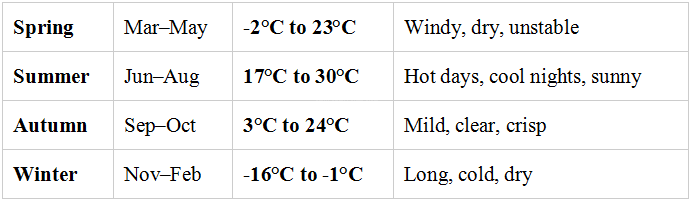
Compared with Urumqi, southern Xinjiang is generally warmer in spring, summer and winter with smaller temperature fluctuations, while eastern Xinjiang represented by Turpan is significantly hotter in summer with extreme high temperatures; northern Xinjiang is cooler in summer and much colder in winter with heavier snowfall, and mountain scenic areas such as the Tianshan Mountains, have a noticeably lower temperature all year round, with cool summers, cold winters and large day-night temperature differences.
Clothing
Xinjiang is a well-known place that has an extreme continental climate with huge temperature differences between day and night, much larger than most parts of Europe. In summer, days are hot and sunny while nights can be cool, so pack light long-sleeve shirts, breathable pants, sunscreen hats and thin jackets. In winter, temperatures drop sharply, so warm down coats, scarves, gloves and warm boots are essential. For spring and autumn, layering clothes is the best choice to adapt to rapid temperature changes throughout the day.
Essential Items
Due to high altitude and intense UV rays, sun protection items like high-SPF sunscreen, sunglasses, sun hats and face masks are essential. Prepare common personal medications according to your habits, and carry a copy of your prescription if needed. If you plan to visit high-altitude areas, don’t forget to bring altitude sickness medicine. A EU-to-China power plug adapter is necessary, as China uses Type A, Type C and Type I sockets. It is also recommend to bring a water bottle, a power bank, and sneakers for long sightseeing trips.
Money & Payment
You can exchange Chinese yuan (CNY) at banks or exchange offices in Europe in advance, or at airports, banks and hotels in Xinjiang. Mobile payment is widely used across Xinjiang. You can register Alipay and WeChat Pay with your European phone number and bank card, following in-app instructions to complete verification and binding. Though digital payment is convenient, it’s better to keep a small amount of cash for small shops, rural markets, some roadside stalls and some other cases.
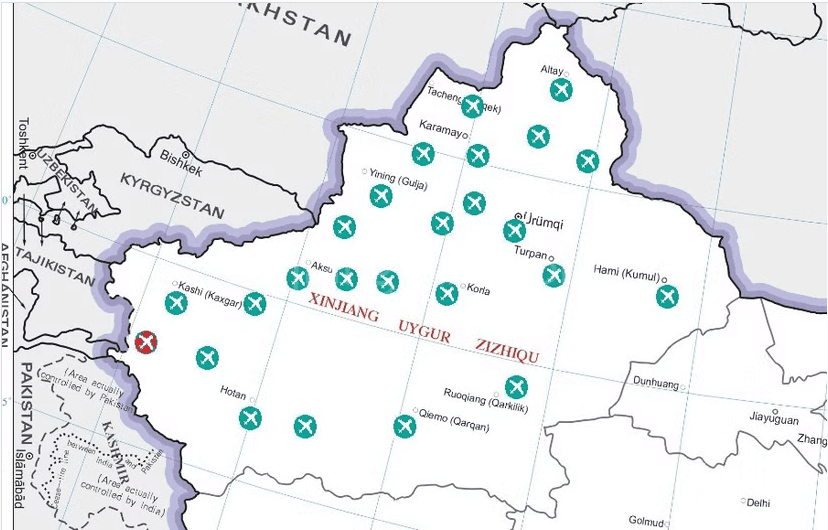
Xinjiang is a vast region with a highly developed transport network. It boasts 28 airports, so traveling by plane the fastest and most convenient way to reach any city or scenic area. The railway system is also well-connected, with 60 train stations providing access to many smaller counties.
For travelers with tight schedules, chartered car service is highly recommended—professional drivers will take you directly to attractions, saving you the trouble of navigation and booking. If you prefer self-driving, remember to have your driver’s license notarized in advance. and note that Xinjiang has a vast territory with long distances between scenic spots.
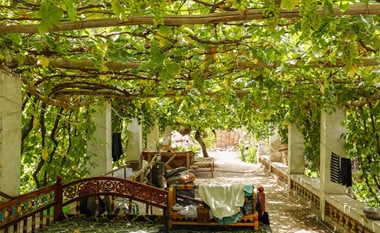
Urumqi → Turpan → Kanas → Karamay
9 Days Xinjiang Impressive Tour bringy you to The extraordinary Kanas is a fairyland. Snow-capped mountain,forest,grasslands and lake there make an intoxicating painting. Fireland-Turpan where you will know the Silk Road History and local Uighur folklore.The Tianchi,or"Heavenly Lake" is like a lake in heaven indeed.
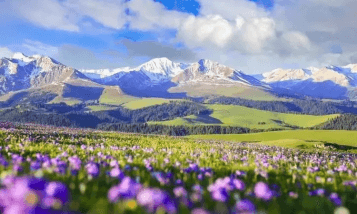
Yining - Sayram Lake - Naraty - Zhaosu - Qiongkushitai - Kalajun
Join in our north Xinjiang group tour to travel through beautiful snow mountains, grasslands and crystal-like lakes. Sayram Lake, Naraty Grassland, Xiata Grassland and Kalajun Grassland. You will also enjoy a trekking tour in the fairyland Qiongkushitai and feel the exotic atmosphere in Yining city.
Urumqi → Kanas → Karamay → Sarym Lake → Yili → Bayinbuluk → Kuqa → Aksu → Kashgar → Khotan → Taklamkan Desert → Korler → Turpan
Xinjiang Grand Tour to both North and South Part. Xinjiang is divided into two parts by the Taklamakan desert. Northern Xinjiang -the nature is very unique and fascinating, the most remarkable peak,vast grassland,untouched fairyland,inland lake and river,great mountain ranges. Southern Xinjiang-the folklore is very attractive and impressive, it is also great to know the history of great silk road. Take the Panaoramic Xinjiang Tour. Enjoy the both Northern Xinjiang Nature and Southern Xinjiang colorful customers.