20 years of pioneer in xinjiang tourism for overseas travelers
Born Here, Know Best, Your Journey's Blessed
No Shopping. No Detour, 99% Excellent Review

contact UsOn Wechat
Urumqi-Fuhai-Hemu-Kanas-Urho-Nalati-Yining-Sayram Lake-Yining
Explore the best of North Xinjiang on this 9-day Duku Highway adventure. Visit Kanas Lake, Hemu Village, Sayram Lake, Nalati Grassland, and Yining with a trusted local Xinjiang travel agency.
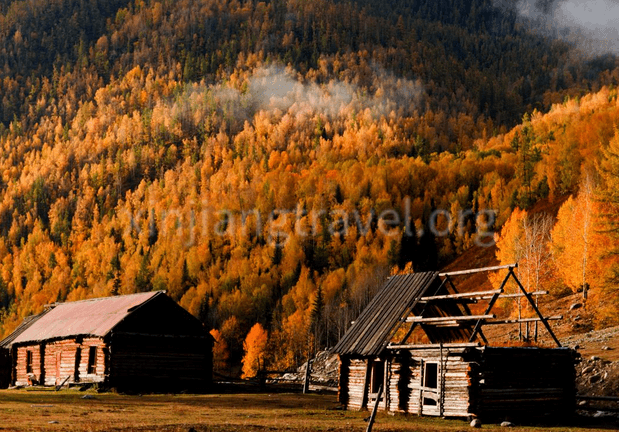
Urumqi - Kuitun - Burqin - Kanas - Hemu - Fuhai - Keketuohai - Urumqi
Discover the breathtaking landscapes, colorful geological wonders, alpine lakes, forests, grasslands, and ethnic cultures of Northern Xinjiang on this unforgettable journey through Urumqi, Kanas, Hemu, Burqin, and Keketuohai.
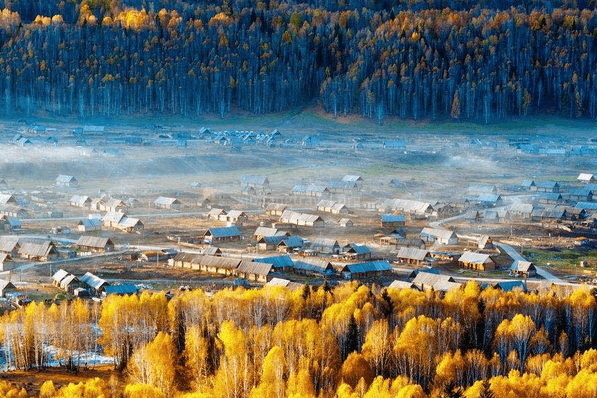
Altay-Hemu-Kanas-Urho-Sayram Lake-Yining-Naraty-Yining
A classic journey through Northern Xinjiang's most beautiful landscapes, featuring the fairytale villages of Hemu and Kanas, the dramatic landforms of Urho, the stunning waters of Sayram Lake, and the vast grasslands of Naraty. This route offers a perfect mix of forests, lakes, canyons, and local culture.
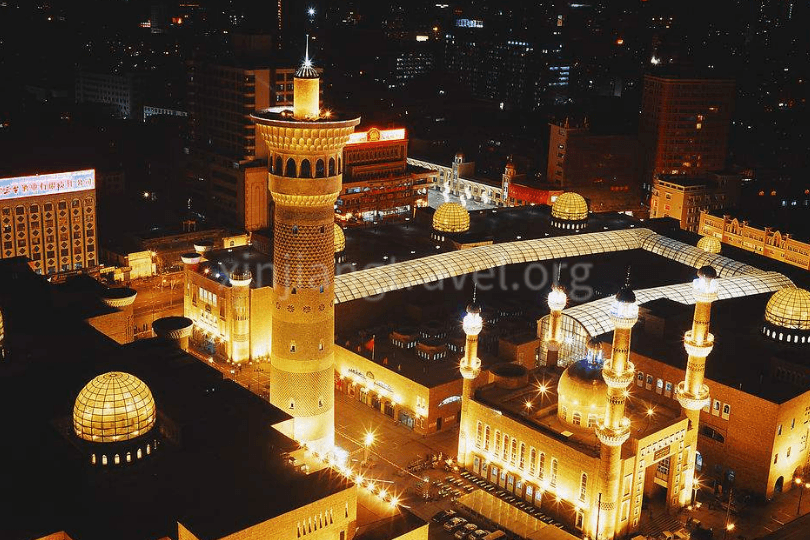
Urumqi-Fuhai-Hemu-Kanas-Urho-Nalati-Tekes-Yining-Kuitun-Urumqi
Discover the beauty of North Xinjiang with a trusted local travel agency. Enjoy 2 nights in Kanas, explore Hemu, Sayram Lake, Nalati Grassland, and experience the spectacular Duku Highway on a relaxing 12-day journey.
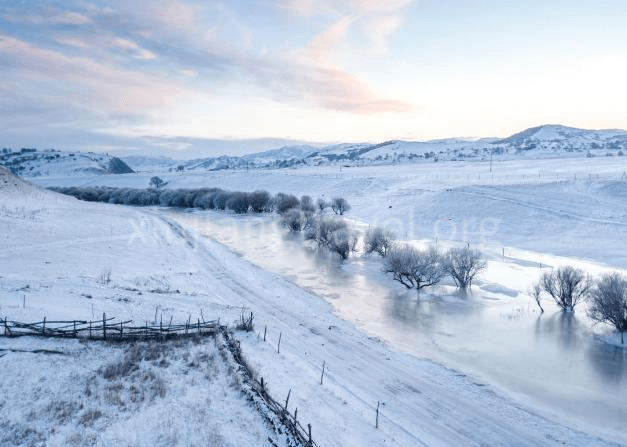
Altay-Hemu-Kanas-Burqin-Kuitun-Sayram Lake-Yining-Kurdening-Nalati-Yining-Urumqi
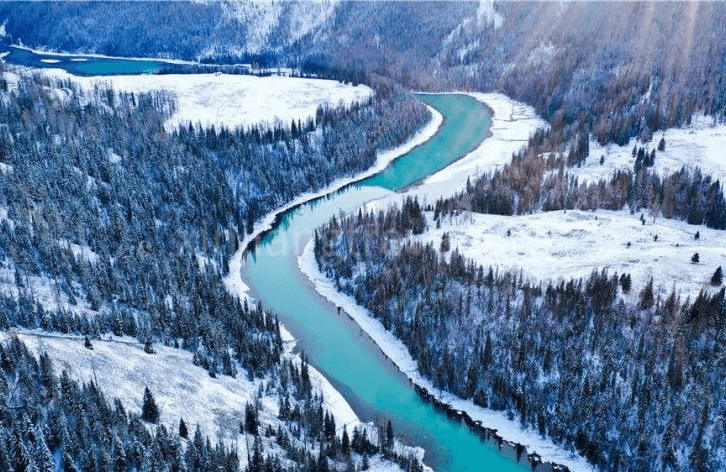
Discover the pristine winter wonderland of Northern Xinjiang on this enchanting route from Altay to Urumqi. Watch sunrise over the snow-covered wooden village of Hemu, wander the frozen fairytale of Kanas Lake, marvel at the blue ice of Sayram Lake, and experience the silent beauty of Nalati and Kurdening draped in snow. A dream journey for winter lovers and photographers alike.
Urumqi-Heavenly Lake-Hemu-Kanas-Burqin-Urumqi-Kashgar-Taxkorgan-Kashgar-Naryn-Kochkor-Bishkek
Explore the Silk Road from Kyrgyzstan to China, visiting Bishkek, Issyk Kul Lake, Kashgar, Taxkorgan, Urumqi, Turpan, and Kanas–Hemu with stunning mountains, lakes, deserts, and rich cultural heritage.
Urumqi - Fuhai - Hemu - Kanas - Urho - Urumqi
Experience the magic of North Xinjiang in winter on this 8-day tour. Explore the snow-covered Hemu village, hike the icy Three Bays of Kanas, marvel at Ulungur Lake, and discover the Urho Ghost City. A serene winter wonderland awaits you.
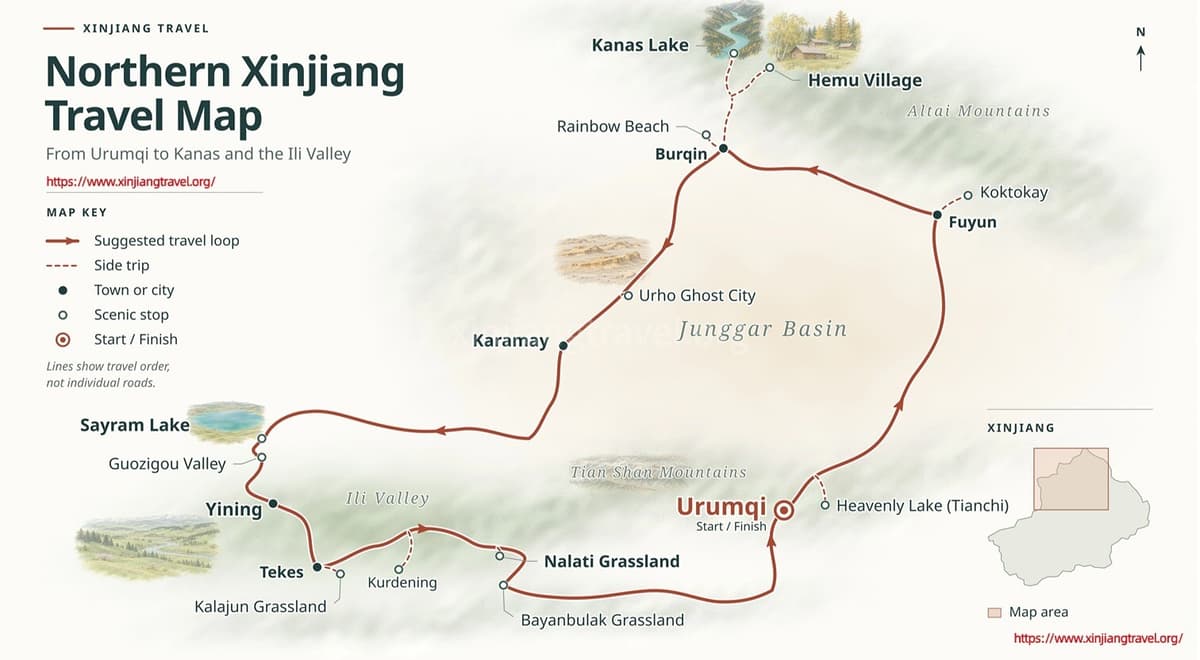
Northern Xinjiang stretches from the forests of the Altai Mountains to the pastures and settled valleys of the Tian Shan. Its appeal lies in the changes along the way: a river bending through birch woodland, horses grazing above a summer camp, and a neighbourhood bakery a few streets from your hotel.
Kanas and Hemu are the natural starting point for a journey centred on forests, lakes and village stays. The Ili Valley offers a different balance, combining grasslands and mountain walks with Yining's neighbourhoods, food and history. With a week, choose one region. With closer to two weeks, you can enjoy both without spending most of the holiday moving between them.
For a first visit, it helps to think of Northern Xinjiang as two main journeys connected by a long stretch of road.
The Altay journey lies in the far north. Altay City is an arrival point and an urban base; the wider Altay Prefecture includes Burqin, Kanas, Hemu and the separate Fuyun–Keketuohai area. Booking a hotel in Altay City does not put you beside Kanas Lake.
The Ili journey lies farther west, around Yining and the valleys of the western Tian Shan. Nalati, Tekes, Kalajun and Zhaosu belong to different branches of this journey. They can be combined, but each addition changes where you sleep and how much of the next day remains for exploring.
Sayram Lake sits in Bortala, outside Ili's administrative boundary, although it fits naturally into many journeys between Bole and Yining. Guozigou lies on the approach towards the Ili Valley, where the open lake basin gives way to wooded mountain slopes.
Urumqi is the main gateway for many travellers, particularly those connecting with other parts of Xinjiang. Arriving in Altay or Yining can save an overland approach if suitable flights or trains fit your wider trip. Bole is useful when Sayram Lake comes first.
The distance between the Altay and Ili areas is the main constraint. On an overland journey, the Burqin–Kuitun–Sayram Lake connection needs substantial travelling time. It deserves space in the itinerary, rather than being squeezed between two full sightseeing days.
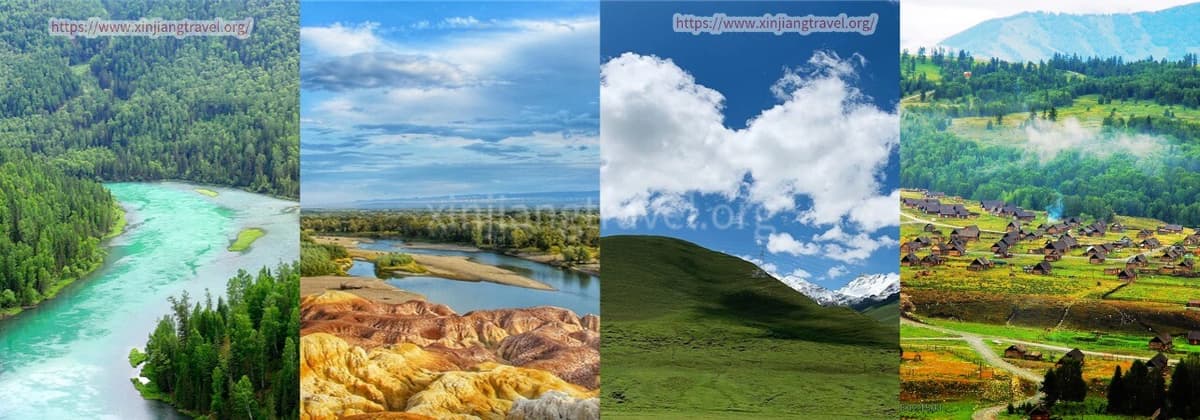
Kanas rewards travellers who leave room to walk. The lake is the best-known landmark, but much of the pleasure comes from following the river through woodland and watching how its colour changes between open water, shaded banks and shallow bends.
The Three Bays give the river three distinct settings. Wolong Bay spreads around an island; Moon Bay forms a pronounced curve; Shenxian Bay opens into a broader wetland landscape. A short section of open boardwalk can be more satisfying than collecting a photograph at every stop and immediately returning to the bus.
At the lake itself, choose the experience that interests you most. A shore walk brings you close to the water and forest. A boat trip gives a different perspective from the lake. Guanyutai offers a wider view from above, but involves a separate uphill excursion and steps. Trying to fit all three around arrival and departure transfers leaves little quiet time.
Stories about a creature beneath the lake are part of Kanas's popular folklore. They add a little intrigue, but the shifting water, steep wooded slopes and river bends need no embellishment.
For an unhurried visit, give Kanas Lake a full sightseeing day, preferably with a night nearby on either side of it.
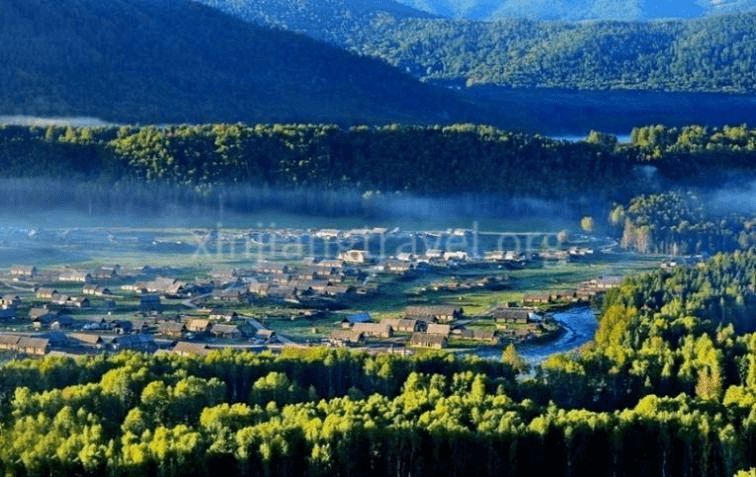
Hemu's familiar photograph shows wooden houses below a wooded hillside. From ground level, the village is a collection of lanes, fences, bridges and buildings with different uses. A walk beside the river reveals more than a quick climb to the panoramic viewpoint.
The village is associated with Tuvan and Kazakh communities. Its log-built houses are one of the most recognisable features of the Altai landscape. Look at the timber walls and pitched roofs, then notice how the village functions today: homes, accommodation, cafés and visitor services share the same setting.
Hemu is a busy tourism destination as well as a place where people live. A private yard is not automatically a visitor attraction, and a cultural performance offered by a business should be understood as an arranged experience. Ask before photographing residents or entering domestic spaces.
An overnight stay makes the visit less hurried. You can walk in the afternoon, eat in the village and return to the river the following morning. Mist is an occasional bonus; it should not be the only reason for staying.
The Hemu village guide explains the different arrival stages and accommodation choices. For a regional itinerary, the essential point is that Hemu needs its own transfer and overnight decision. It is not a lakeside neighbourhood of Kanas.
Burqin works well as a break before or after the mountain section. An evening in town gives you a broader choice of meals and a chance to reorganise luggage before continuing. It also allows the village days to finish without an immediate push all the way to Altay City.
Keketuohai belongs to another part of the region, around Fuyun. Its rocky river valley offers a different landscape from Kanas, while its winter appeal includes skiing. Add it when you have a particular interest in that area and enough time for the extra journey. On a short trip, another full day around Kanas or Hemu usually gives more than a rushed detour.
Yining is the most useful base for exploring Ili, but it is also a worthwhile destination in its own right. A day in the city brings houses, food and streets into a journey otherwise dominated by mountain scenery.
Start with Kazanqi (喀赞其), where residential lanes and courtyard architecture give the neighbourhood its character. Painted doors, timber details and the relationship between the street and the house are worth noticing. Walk slowly enough to see the differences between buildings instead of treating every blue wall as the same photographic backdrop.
Liuxing Street (六星街) offers another view of Yining. Its radial street plan dates to 1934, and its history reflects the city's mix of communities. It is a good place to combine a neighbourhood walk with a café stop, ice cream or an evening meal.
These are living districts with visitor businesses woven into them. Shops and public venues are easy places to spend time; access to a private courtyard needs permission. Neither neighbourhood requires you to fill the afternoon with purchased activities.
If you enjoy architecture and local history, protect a full day in Yining. The city becomes much more interesting when it is given the same attention as a lake or grassland.
Ili's grasslands are working landscapes. Seasonal grazing helps explain why livestock, camps and human activity are distributed differently across the mountains during the year.
Some Kazakh pastoral families move animals between seasonal pastures according to weather and grazing conditions. A summer pasture can therefore be both a scenic destination and part of a household's livelihood. Herd movements are working journeys, with no timetable designed around visitors.
This context changes what you notice. A track across a hillside may connect grazing areas; an enclosure has a practical purpose; horses may be working animals rather than available for tourist rides. Where riding is offered, book through an identifiable operator and choose an outing suited to your experience.
Nalati suits travellers who want accessible grassland scenery with mountain and forest backdrops, using the scenic-area transport network to reach different sections. It works well with a nearby overnight stay, giving you more than a brief stop between long drives.
Kalajun, approached from the Tekes area, is a strong choice for broad, rolling pasture views. Tekes also gives the journey a town base, with meals and accommodation before or after a grassland day.
For most first visits, one well-chosen grassland area is enough. Visit both when walking and landscape photography are major interests and you have time to explore beyond their main viewpoints.
Zhaosu adds a different emphasis: summer farmland, horse-related experiences and access to the mountain valley of Xiata, also written Xiate.
Xiata is associated with a historic route across the Tian Shan. For an ordinary visitor, however, the accessible scenic-area excursion and a demanding mountain crossing are very different undertakings. The attraction is the progression from the valley entrance towards forest, meadow and views of higher mountains, within the routes open to visitors.
Choose Zhaosu when a full mountain day matters more than collecting another grassland stop. Two nights in the area can give you an arrival afternoon and a separate day for Xiata, rather than combining a long visit with a cross-region departure.
Summer flowers and horse events can add to the stay, but they should not be treated as permanent features of every date. The valley and the time available to walk are firmer reasons to include it.
Travellers interested in history can set aside time for Huiyuan (惠远) in Huocheng County. It was an important Qing military and administrative centre, associated with the office of the Ili General established in the eighteenth century.
The distinction between the original city ruins and the later rebuilt town matters. The surviving sites represent different stages of Huiyuan's history; they do not form a single untouched eighteenth-century town. The General's Office and the bell-and-drum tower provide a more concrete introduction than a broad claim that everywhere in Ili is an ancient Silk Road settlement.
Huiyuan adds a historical dimension to a stay around Yining and Huocheng. Give it a separate outing or adjust the journey through that area to include it. A full Sayram Lake day already has enough to occupy it.
Sayram Lake gives an Ili journey a different scale: open water, exposed shores and long views towards surrounding mountains. Even a short walk feels different from the enclosed valleys and village lanes elsewhere on the route.
Choose a few contrasting stops rather than attempting to give every viewpoint equal time. A shoreline walk and a higher outlook offer more variety than several similar roadside photographs.
Continuing towards Yining brings you through the Guozigou corridor. Passing over the bridge and stopping at a permitted viewpoint are separate experiences, so discuss any viewing stop when arranging the drive. The change from the lake basin to wooded mountain slopes is part of the journey's appeal.
Spring arrives unevenly. Lower parts of Ili can be green while higher grasslands remain cold or only partly accessible. A spring journey is strongest when it combines Yining, lower valleys and a small number of mountain excursions chosen for the conditions.
Apricot blossom and other flowering landscapes can justify a detour, but their timing varies by location and weather. For a 2027 spring trip, keep the main accommodation and transport practical, then choose the flower stop closer to departure.
June to August is the broadest planning window for green pastures, longer walks and a varied Ili journey. Lavender is more time-sensitive: the condition of the particular field, including harvest, matters more than a general promise of a summer flower season.
Kanas and Hemu also work well in summer. Forest walks and riverside time become easier to fit around transfers, although popular periods can still be busy.
Pack for contrasting settings. Yining's streets, a windy lake shore and a mountain valley will not feel the same on the same day.
September is the main planning window for autumn colour around Kanas and Hemu, with the timing changing across elevations and years. A stay of several nights gives you more opportunities to enjoy the woodland than a single scheduled sunrise stop.
Ili also changes in autumn, but grasslands may be turning gold rather than displaying the green scenes of early summer. That can be attractive in its own right. Choose it for the landscape you are likely to find, rather than expecting every photograph taken in June to be repeatable.
A winter journey should be built around fewer overnight stops. Hemu appeals to travellers who want wooden houses, snowy lanes and short outdoor walks; Altay City is a more practical base for a trip focused on Jiangjunshan skiing.
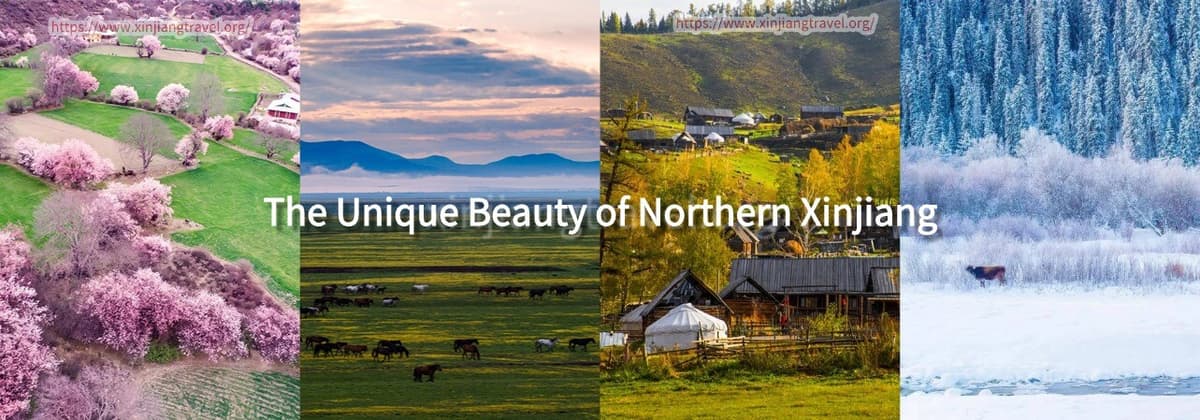
Combining snow sightseeing with several ski resorts quickly adds transfers. Choose the principal activity first, then leave space for the road journey and the final return to your departure city.
Winter access to a scenic area does not mean every summer trail, shuttle or activity operates. Build the mountain section around confirmed transport and accommodation, with the last night near your onward connection. The Altay winter guide covers those choices in more detail.
The following plans include arrival and departure days. They assume that local transfers are arranged; travellers relying entirely on scheduled services should allow more flexibility.
This is the strongest choice for a first visit focused on the Altai Mountains, especially in autumn.
| Day | Main plan | Overnight |
1 | Arrive in Altay City; keep the remainder of the day light | Altay City |
2 | Travel towards Kanas via the Burqin–Jiadengyu approach; continue through the entry and shuttle stages | Kanas village |
3 | Spend a full day around the lake and river bays | Kanas village |
4 | Transfer to Hemu; settle in and walk through the village | Hemu |
5 | Enjoy a slower village day, with river walks and the viewpoint if conditions suit | Hemu |
6 | Return towards Altay City | Altay City |
7 | Depart | — |
The second Hemu night is useful for photography or a less hurried village stay. Travellers who prefer more variety can spend that night in Burqin instead, after a morning in Hemu.
With only six days, remove the second Hemu night. Keep the final city night if your departure is early or difficult to change.
Choose this version for a mix of grasslands, neighbourhood walks and food. Yining works as both the starting point and the final base.
Spend the first two nights in Yining, using the full day for Kazanqi, Liuxing Street and local meals. Travel to Sayram Lake on day three and stay near the lake or its entrance. On day four, continue through Guozigou and return to Yining.
Days five and six can be devoted to Nalati, with a night nearby before returning to Yining. Depart on day seven. This sequence gives the city genuine visiting time and keeps the grassland outing separate from the lake.
For Kalajun, replace the Nalati section with Tekes and a grassland day. For Xiata, replace that section with Zhaosu and give it two nights; you may need to shorten the lake stay or add a day.
Arriving through Bole and leaving from Yining can reduce backtracking if the available connections suit your dates.
Ten days can comfortably deepen either region. Around Altay, the additional time can support a carefully planned eastern extension. In Ili, it can bring together Yining, Sayram Lake and two contrasting countryside bases.
Combining Altay and Ili in ten days is possible with arranged transport and suitable arrival and departure points, but the connecting road journey takes a substantial share of the trip. Hemu may become a single-night stay, and Yining can be reduced to dinner and a hotel.
If walking, food and local history matter to you, spending ten days in one region is often the more rewarding choice.
For a journey from Altay to Yining, a workable twelve-day outline is:
Days 1–3: Arrive in Altay City, travel into Kanas and spend a full day around the lake and river. Sleep in Altay City on the first night and Kanas on the next two.
Days 4–5: Transfer to Hemu and stay two nights. Keep one day free of a hotel move.
Days 6–7: Leave the mountains, overnight in Burqin, then continue towards Kuitun. The second of these is primarily a road day.
Day 8: Continue to Sayram Lake, with an overnight nearby.
Day 9: Travel through Guozigou to Yining, leaving the rest of the day for a neighbourhood walk and dinner.
Day 10: Head towards Nalati and stay nearby.
Day 11: Spend the morning in the grassland area, then return to Yining.
Day 12: Depart.
With fourteen days, add a full day around Nalati and a full day in Yining. The latter creates room for Kazanqi and Liuxing Street, or a separate Huiyuan outing. Those extra days improve the experience of places already on the route.
The site's Altay-to-Yining tour follows this broad regional connection. Compare its actual overnight stops with the amount of walking and city time you want.
Northern Xinjiang journeys have three transport stages: reaching a gateway, travelling to a scenic area, and moving from its entrance to the place where you will walk or sleep.
Flights and trains can help with the first stage. Urumqi, Altay, Yining and Bole serve different itineraries; none removes the need to plan the final road journey. Seasonal airport services should be matched to the travel date before they become the foundation of a route.
A car with a driver is useful for countryside branches, luggage and journeys that finish in a different city. It does not automatically replace a scenic-area shuttle. When comparing quotes, establish where the driver's service ends and how you reach your accommodation.
Independent travel works particularly well when you combine intercity transport with a small number of local transfers. Base yourself in Yining for city time, then arrange an outing or overnight journey into the countryside. Around Kanas and Hemu, the sequence of entrances, shuttles and village transfers deserves more attention.
Accommodation changes the following morning. Staying inside Kanas reduces the approach from outside the scenic area. Staying in Hemu gives you village time before and after the main day-trip period. Jiadengyu provides an entrance-area base, while Burqin is useful for breaking the road journey.
In Ili, a Yining hotel gives you dining choice and city walks. Nalati, Tekes and Zhaosu become useful overnight bases when the next day belongs to their surrounding landscapes. Travelling back to Yining after every excursion can undo the convenience of keeping one hotel.
For families or travellers who dislike frequent packing, choose fewer countryside bases and stay two nights where possible. Before booking a village room, ask about the distance from the drop-off point, luggage assistance, stairs, heating and private bathroom facilities.
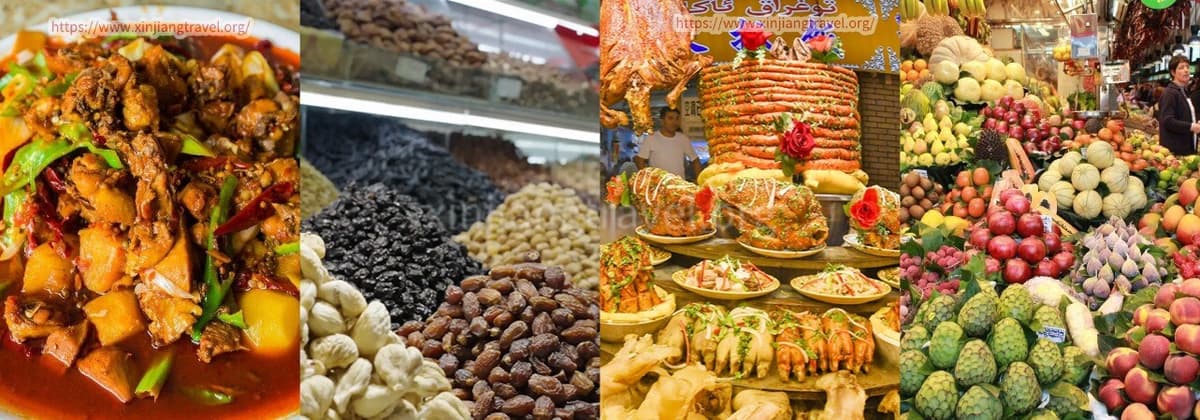
Food gives a Northern Xinjiang journey a daily connection with the places between the scenic areas. Make room for a proper meal in Yining, a bakery stop before a road day and an unrushed breakfast when you are staying in one place.
Yining is a good place to try laghman, often listed as banmian (拌面): hand-pulled noodles served with a meat-and-vegetable topping. Polo, or zhuafan (抓饭), combines rice with carrots and usually meat. Portions and preparations vary, so a couple can start with fewer dishes and add more.
Baked buns, samsa or kaobaozi (烤包子), and naan (馕) suit a bakery stop or a simple lunch. Bread also travels well, although it should supplement rather than replace a proper meal on a long day.
Leave room for Yining's dairy sweets. Handmade ice cream and yoghurt-based desserts are part of the appeal of walking around Kazanqi and Liuxing Street. A café or small food shop gives the afternoon a natural pause without turning the entire visit into a succession of paid attractions.
Milk tea, bread and dairy foods reflect the importance of livestock in the region's food traditions. Their preparation varies between households and businesses; milk tea may be savoury rather than sweet.
A meal at a visitor-serving pasture venue can complement a grassland day, but check what is offered before assuming that a yurt provides lunch. Riding, meals and cultural programmes may be separate arrangements.
In Hemu, ask your accommodation when breakfast begins if you plan an early walk. A small snack before going out and breakfast afterwards is often easier than organising the entire morning around food.
For the long journey between the Altay and Ili areas, agree on a town meal stop before departure. Scenic pull-offs are not reliable substitutes for lunch, particularly outside the busiest season.
Vegetarians and travellers with allergies should explain ingredients clearly. A vegetable dish may contain meat or stock, while dairy, wheat and nuts appear in many foods. A short written explanation in Chinese is more useful than relying on the word "vegetarian" alone.
The largest differences in trip cost usually come from transport, accommodation location and season. A private vehicle is generally priced for the vehicle and service, while rooms are priced per room and most admissions per person. Dividing a car between four people produces a different budget from hiring the same vehicle as a couple.
Village stays during popular autumn dates can take a larger share of the budget than city hotels. Staying outside a scenic area may reduce the room cost, but adds travel time and may affect ticket re-entry arrangements. Compare the whole stay rather than the room price alone.
Ask for a quote that separates accommodation, vehicle costs, driver expenses, guide services, admissions and optional activities. Boat trips, riding, skiing equipment and lessons should not be assumed to be included.
Carry the original passport used for bookings. For scenic-area tickets, establish which purchase and verification route accepts your document; a booking interface designed around Chinese identity cards may not be suitable.
Baihaba is not included in the standard itineraries here. Foreign-passport eligibility and any required local arrangements need to be established for the intended visit before adding it.
Keep a small overnight bag accessible for village transfers, and agree where larger luggage will remain if you leave it with a driver. For mountain stays, warm layers and a waterproof outer layer are useful even when the city forecast looks mild.
Usually, choose Kanas and Hemu if autumn woodland is the main reason for travelling. The long journey towards Ili would take time away from the season you came to experience. Choose Ili instead if you are more interested in Yining, food, open grasslands and a less forest-focused trip.
Yes, particularly if you include time in Ili. Yining's neighbourhoods offer residential architecture and urban history, while Huiyuan introduces a different chapter through Qing administrative sites. These experiences need dedicated visiting time; arriving each evening after a full scenic excursion will leave little opportunity to enjoy them.
Yes. Flights or trains can connect your main gateways, with local transfers, drivers or small-group arrangements for the countryside. A Yining-based trip is relatively straightforward to divide into separate outings. A continuous Kanas–Hemu–Ili journey needs more coordination and should not be planned around an assumed year-round network of direct buses.
You can see the village's wooden architecture and spend time in its public lanes and riverside areas. Hemu also has an extensive tourism economy, so expect accommodation and visitor businesses alongside residential spaces. Household visits or cultural activities should be arranged explicitly rather than assumed to be available at any open door.
Choose one if grassland scenery is only one part of your trip. Spending the saved day in Yining, Xiata or around Sayram Lake adds more variety. Visiting both makes sense for travellers who particularly enjoy walking and landscape photography and can give each area time beyond its headline viewpoint.
Yes. The routes in this guide do not depend on the Duku Highway. Treat it as a separate seasonal road choice that may alter your entry or exit route. A closure does not remove the possibility of visiting Kanas, Hemu, Sayram Lake or the Ili Valley.
It can be, but the individual property matters more than the label "wooden cabin". Ask about access from the vehicle or shuttle stop, steps, bathroom layout and heating. A convenient room with a short, level approach may improve the stay more than a more distant room with a better advertised view.
Keep the main destinations as ideas, then rebuild the schedule around winter transport and the activities that are operating. Shorter outdoor visits, fewer hotel changes and a buffer before departure make more sense than repeating a summer itinerary day for day. Decide first whether the priority is snow-covered villages or skiing.
Choose the part of Northern Xinjiang you most want time for: Kanas's river walks, a stay in Hemu, or an Ili journey that combines pastures with Yining's streets and food. That decision gives the trip its shape.
Next, choose the month and arrival and departure cities. Then secure the overnight stay that matters most—inside a mountain village, near a grassland, or in Yining with a full day free to explore. Arrange the transport around those stays, leaving space for the places you came to see.