20 years of pioneer in xinjiang tourism for overseas travelers
Born Here, Know Best, Your Journey's Blessed
No Shopping. No Detour, 99% Excellent Review

contact UsOn Wechat
Urumqi - Fuyun - Keketuohai - Burqin - Jiadengyu - Kanas - Jiadengyu - Hemu- Burqin
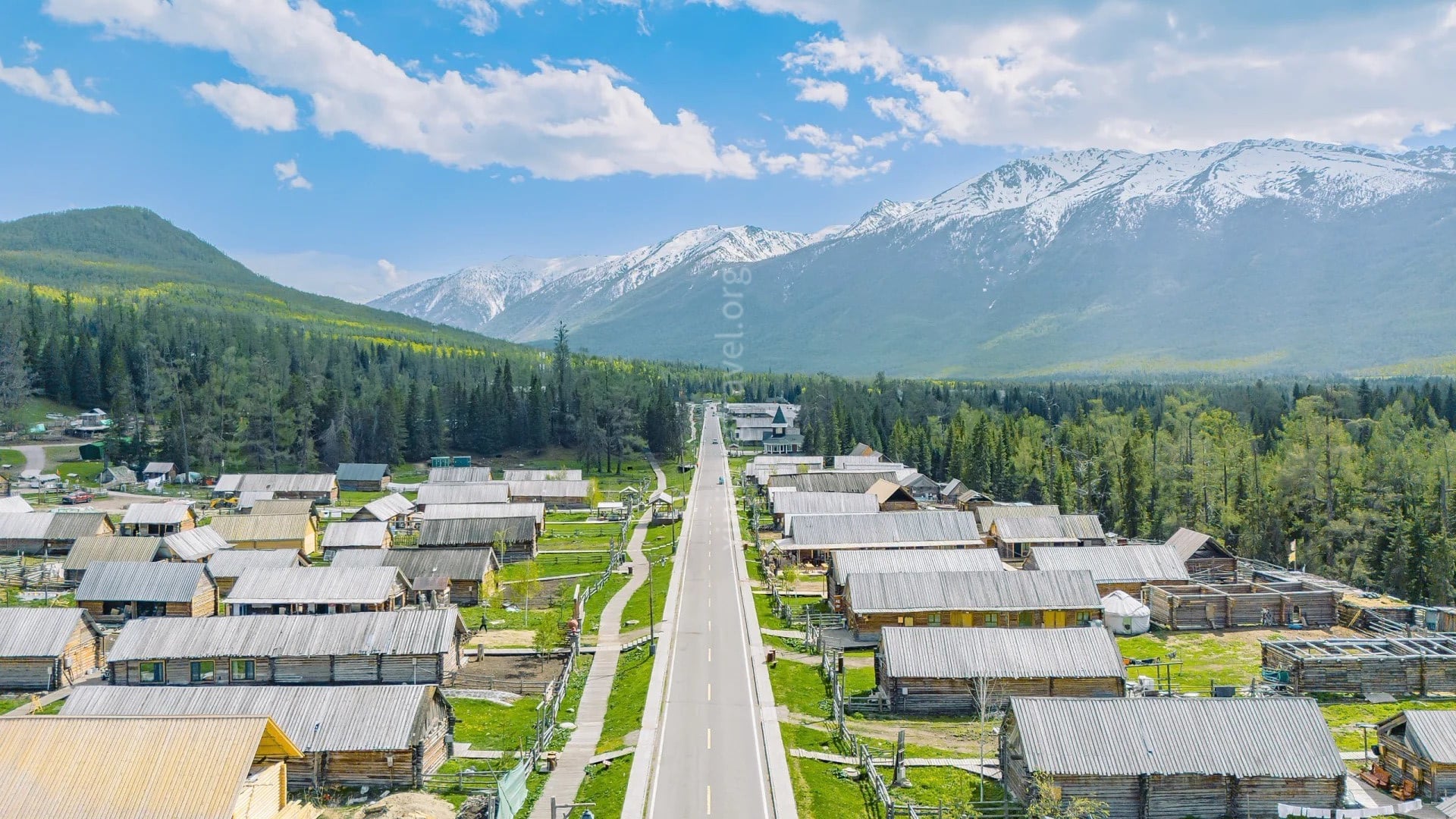
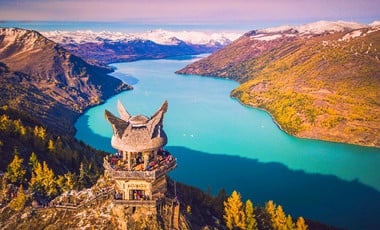
Kanas and Hemu tour starts from Urumqi. Our Professional guided trekking to Kanas, enjoy the very best landscape. This is a Tour you can take any time for its multiple sceneries style.
Urumqi - Fuyun - Burqin - Kanas - Hemu - Karamy - Bole - Shihezi - Turpan - Urumqi
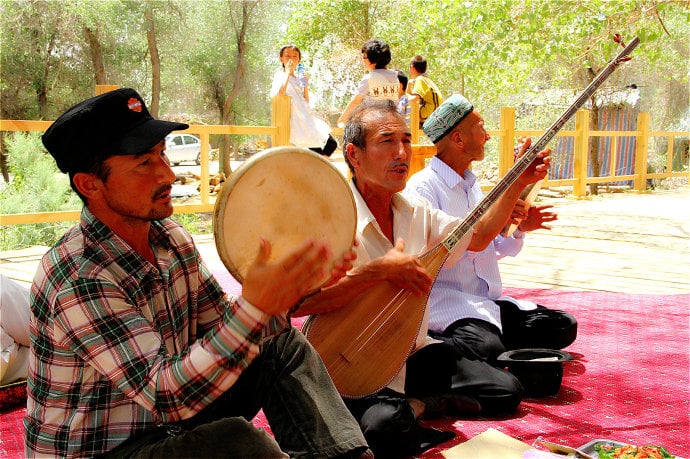
Northern Xinjiang Tour: Keketuohai, Kanas Lake, Hemu Village with Turpan Adventure. Enjoy the natural wonders of majestic mountain and vast grassland. Experience the nomadic life of local Kazakhs. Xinjiang China Travel Promise you the Best Holiday.

Altay - Keketuohai - Burqin - Kanas - Hemu
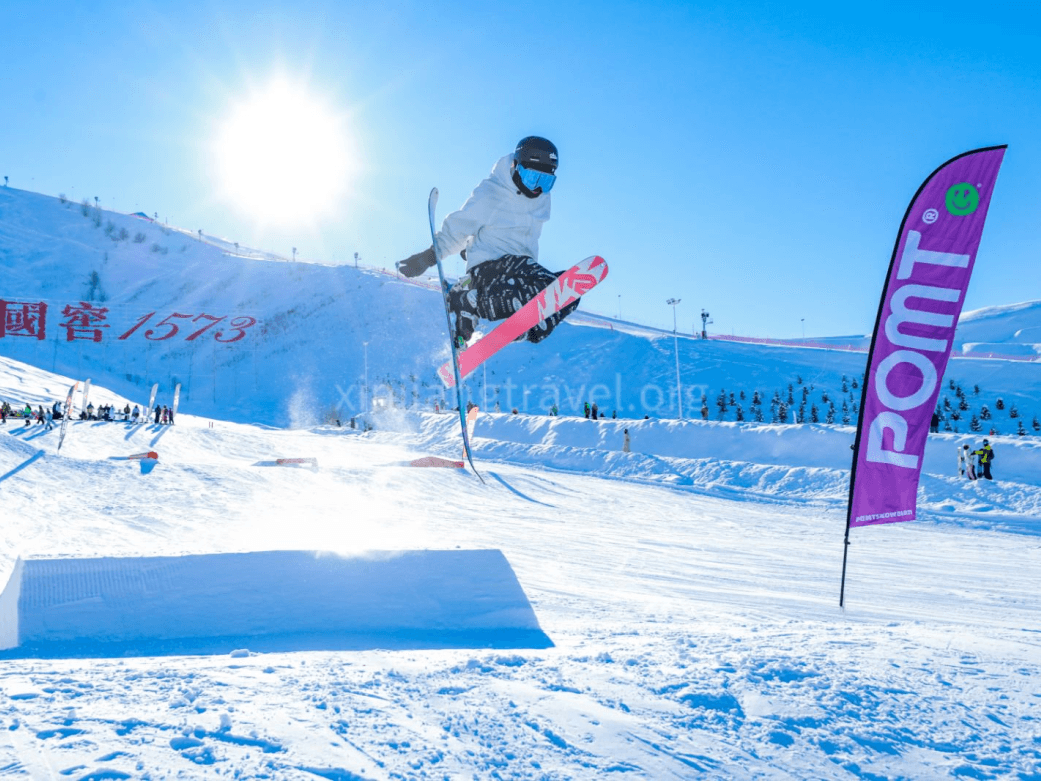
Book a 10-day winter skiing tour to Kanas, Hemu, Altay, Xinjiang, China. Spend 10 days in northern Xinjiang, visit the well-known Kanas Nature Reserve and Hemu village. Try the newly-built 4300-square-meter ski equipment hall in Keketuohai. It's a wonderful tour to Altay Prefecture.
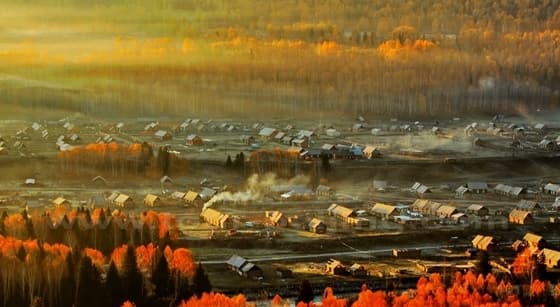
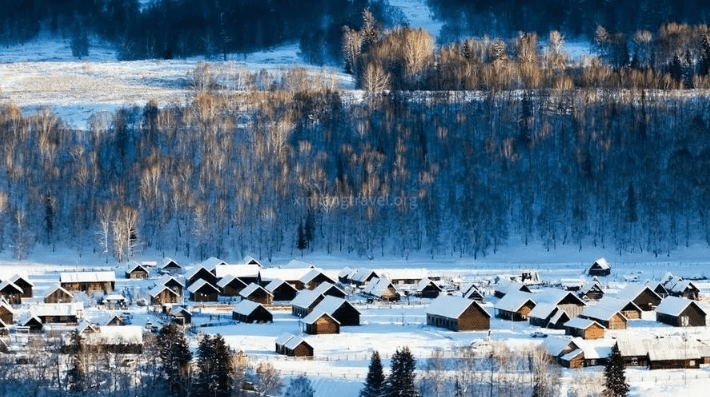
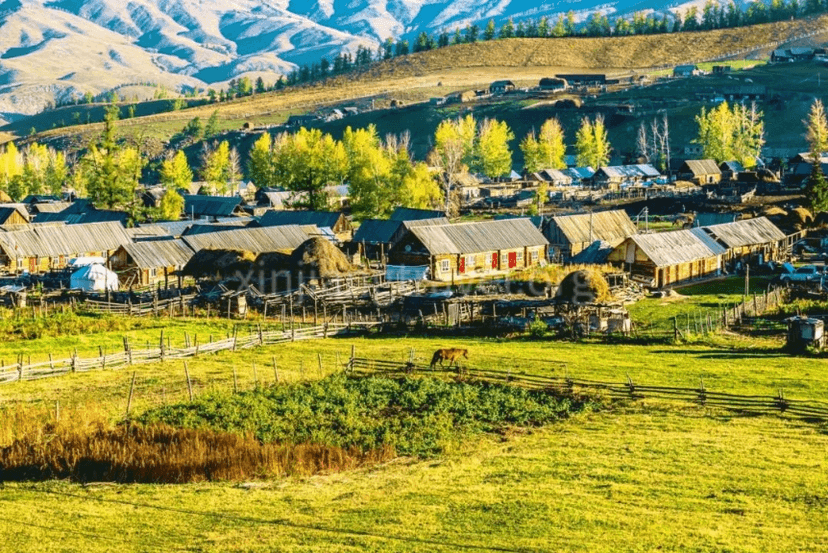
Hemu Village, in Burqin County in northern Xinjiang’s Altay region, is worth an overnight stop for its timber houses, riverside walks and views across the valley. Plan the journey in stages: reaching the scenic-area entrance is not the same as reaching your accommodation, and vehicle access and shuttle arrangements depend on the season.
Stay one night if you want an unhurried afternoon and a chance to visit the viewpoint early the next morning. A day trip works better for travellers already staying nearby who are happy to explore in daylight and have confirmed their return transport. Neither morning mist nor a clear sunrise is guaranteed.
Content›Hemu Village Tickets, Shuttle Buses and Entry ›Top Things to Do in Hemu Village ›Where to Stay in Hemu Village |
Hemu is in Burqin County, in Xinjiang’s Altay region. There is no airport or railway station in the village: arrive at a regional gateway, continue by road to Hemu’s entrance or visitor centre, then use the transport permitted into the village. Your guesthouse may require a further short transfer or walk.
For a trip focused on Hemu and Kanas, compare flights to Altay or Burqin Kanas Airport with trains to Altay or Beitun. Each option still leaves a road journey to Hemu, so choose the arrival time as carefully as the fare. A late arrival may work better with a night in the gateway town.
Travelling overland from Urumqi makes more sense as part of a wider northern circuit, with stops along the way. It is a substantial journey rather than a convenient day trip to the village.
From Altay’s airport or railway station, arrange a road transfer to Hemu. The Ahe Highway connects Altay city with Hemu; an alternative approach runs through the Burqin area. The route your driver uses will depend on road conditions and vehicle restrictions.
From Beitun railway station, continue by road towards Burqin and Hemu. When requesting a transfer, give the driver your train arrival time and ask whether the destination is Hemu’s visitor centre or a permitted drop-off point inside the village.
In winter, choose a driver experienced on these mountain roads. Ask which route is planned and whether the vehicle meets its snow-tyre and access requirements. Do not build the journey around a summer driving estimate.
Burqin Kanas Airport is another gateway for the Hemu–Kanas area when flights suit your dates. Arrange a transfer towards Hemu if the village is your first stop, or towards Jiadengyu if you plan to visit Kanas Lake first.
Despite its name, the airport is not at the lake or in Hemu. Tell your driver which destination you need rather than simply asking for a transfer to “Kanas”.
From Burqin town, a pre-arranged car gives you control over the departure time and the connection at Hemu’s entrance. If using a scheduled bus, establish its departure point and return arrangements before committing to a day trip.
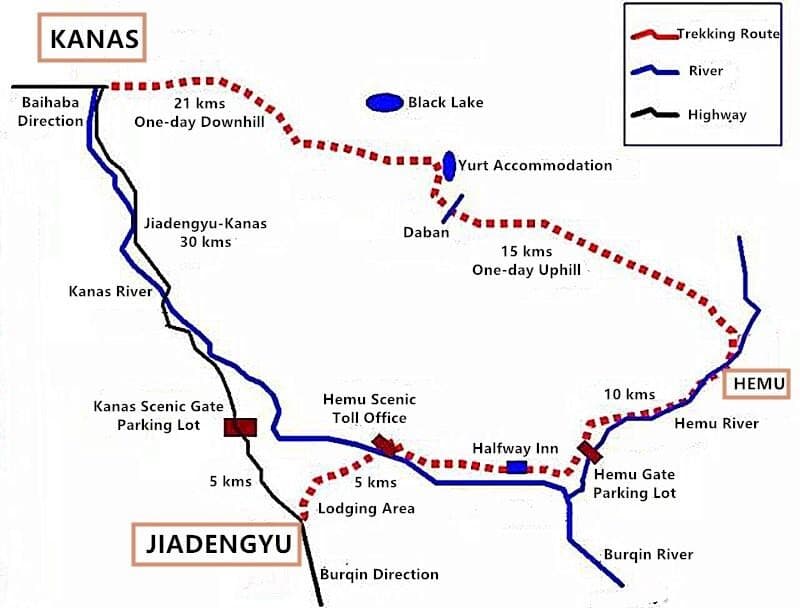
From the Kanas Lake area, the usual shuttle-season route is back out to Jiadengyu (贾登峪), onward by road to Hemu’s entrance, and then into Hemu on its own scenic-area transport. These are separate stages, not one continuous village-to-lake shuttle.
When shuttle access applies, leave your outside vehicle at the designated entrance or visitor centre and take the scenic shuttle to the village transfer point. From there, use the appropriate village service or your guesthouse’s agreed collection arrangement to reach the nearest stop. The last stretch may be on foot.
Before arrival, save your accommodation’s Chinese name and map pin, and ask for the nearest drop-off point. “Pick-up included” may mean collection from a village stop rather than from the outer entrance.
Allow for ticket checks, waiting and luggage handling as well as time on the road. A car journey ending at the visitor centre is not the same as arriving at your room, particularly when snow makes the final walk slower.
Admission and transport are different parts of a Hemu visit, even when sold together. Before buying a package, establish whether it includes the entrance ticket, the shuttle into the village and the return journey. A hotel reservation alone does not cover these arrangements.
| Item | What to establish before paying |
|---|---|
| Scenic-area admission | Whether the ticket covers Hemu alone or a seasonal combination, and how long it remains valid. |
| Entrance-to-village shuttle | Whether the fare is included and whether it covers both directions. |
| Village transport | Which service reaches your accommodation’s nearest stop and whether a separate charge applies. |
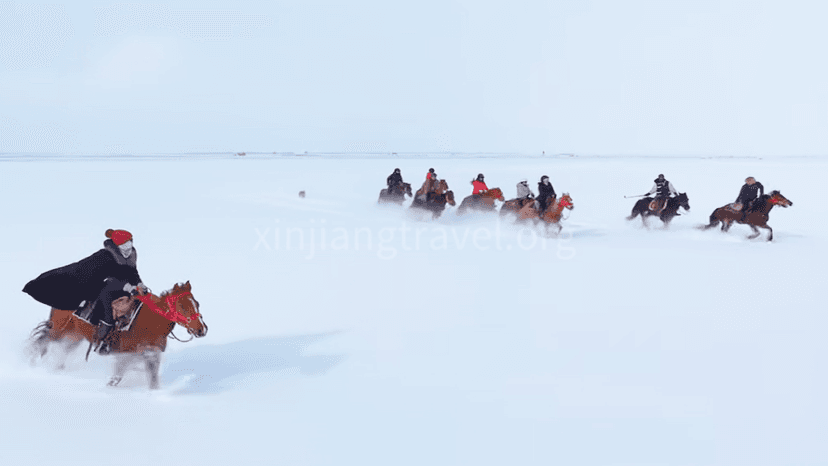
| Optional activities | Skiing, lifts, horse rides and other experiences should be treated as separate purchases unless expressly included. |
Do not assume a ticket covering more than one scenic area also includes the road transfers between them. This matters when combining Hemu with Kanas: admission coverage and the journey from one entrance to the next are separate questions.
If you hold a foreign passport, contact the scenic-area ticket service or your booking provider before paying to establish how your document will be registered and checked. The Chinese booking channels include 喀纳斯景区 and 原行网; arrange assistance if the booking screen does not support your passport details.
Carry your original passport and keep the reservation confirmation available on your phone. Make sure the booking uses the same name and document number as the passport you will bring.
Plan around a shuttle transfer unless your driver has confirmed permission to enter Hemu. Winter vehicle access involves reservation and parking controls, alongside requirements for vehicles suited to snowy roads. Permission to enter does not necessarily allow a car to stop at your guesthouse door.
If leaving the village and returning during the same stay, ask how that affects both your admission and transport ticket. For an overnight visit, establish the outward boarding point and first available service before arranging an early onward transfer.
September is the main choice for autumn colour, June to August suits green scenery and village walks, and December to February is a useful starting point for a snow-focused holiday. Choose the experience first: the season changes how much time you will spend outside, how you travel and what you need from your accommodation.
For Hemu’s golden birch woodland, start with September, often the middle to later part of the month. The colour window shifts with the weather, and wind or an early cold spell can shorten it. Staying overnight gives you afternoon and morning opportunities rather than relying on a single brief visit.
This is a popular time to travel, so choose your accommodation early enough to have a useful choice of locations. Pack warm layers for the viewpoint: a comfortable afternoon in the village does not mean a warm start the next morning.
Early October can still appeal for autumn scenery, but it is less dependable for leaves and overlaps with China’s National Day holiday. Do not choose those dates expecting a quiet village.
Summer is the easiest season to build a Hemu visit around walking rather than one particular photographic moment. Explore the timber-house streets, follow the river and birch woodland paths, and climb to the viewpoint when visibility is good. Longer daylight leaves more room for breaks between walks.
Bring a warm layer for mornings and rain protection for the trails. Summer holidays can make rooms and transport busy, even though the landscape feels spacious once you leave the main streets.
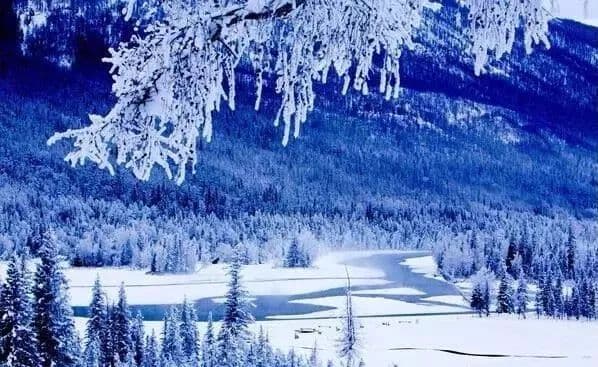
Winter suits travellers who want snow-covered roofs, woodland and a slower village stay. A comfortable room matters as much as its view: reliable heating, hot water and an easy route from the drop-off point make a noticeable difference after time outside.
Leave flexibility around the road journey, particularly before an onward flight. Winter is not automatically a cheap or quiet season; skiing demand, weekends and holidays can put pressure on accommodation.
If skiing at Jikepulin is a main reason for visiting, choose your base around the resort transfer as well as the village. Staying in Hemu does not by itself mean you can walk to the lifts.
Spring in Hemu can still bring snow, thawing paths and a landscape that has not yet turned green. Late autumn may be cold without offering the settled snow cover visitors associate with midwinter.
These months work best when you are flexible about the scenery and have established that your accommodation and access transport are operating. They are less suitable for a tightly timed trip built around one expected view.
For a journey continuing beyond the Altay region, the best time to visit Xinjiang also depends on whether you are adding Ili’s grasslands, Turpan or Kashgar.
How to buy: Book in advance through the official WeChat mini-programs "Kanas Zero Distance" (喀纳斯零距离) or "Yuanxingwang" (原行网). You'll need to show your passport and the booking confirmation at the entrance.
A straightforward first walk runs through the wooden-house streets to Hemu Bridge, along the open riverside paths and into the birch woodland. Add the viewpoint across the river if you have the time and energy for an uphill walk. This works well on your arrival afternoon and helps you find your bearings before an early start.
Start from your guesthouse or village bus stop and make your way towards Hemu Bridge (禾木桥). The timber houses and fenced yards are part of the village’s everyday setting, with accommodation and places to eat mixed among the streets.
At the bridge, pause for views along the Hemu River before following the open paths beside the water and birch trees. Keep to public routes rather than crossing private yards or scrambling down the riverbank.
In winter, choose cleared paths and stay off the river ice. If the woodland route is slippery, shorten the walk to the village streets and bridge area rather than trying to complete a circuit.
The Haden Viewing Platform (哈登观景台) gives the broad view across Hemu’s roofs, river and surrounding slopes. The approach from the village involves crossing the river and climbing uphill; allow time for the walk from your own accommodation, not just the final ascent.
For sunrise, ask your host about the open route and the time to leave the evening before. Take a torch for a pre-dawn walk and dress for standing still at the top. Mist sometimes gathers in the valley, but a clear or cloudy morning can offer a very different scene.
You do not have to visit at sunrise. Daylight makes the climb easier to judge, and the view is still worthwhile without mist. If the path is icy or visibility is poor, spend the morning by the river or among the village streets instead.
Ask before photographing people. This is just basic courtesy.
Ask separately before entering a house or courtyard, even if the gate is open. Keep your voice low around homes and guest rooms during an early-morning walk, and leave working spaces and private yards clear.
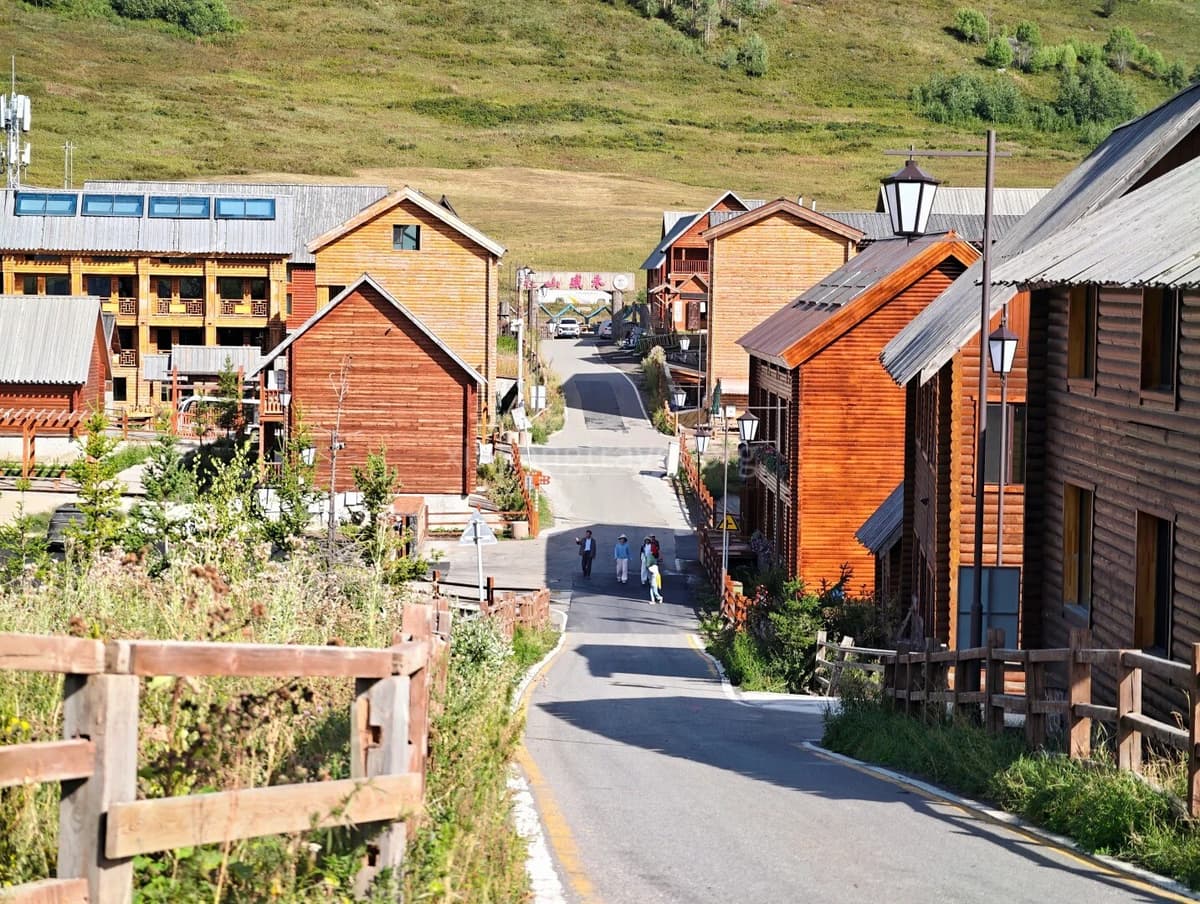
For a first visit centred on the bridge, village walks and viewpoint, begin your search in the old village. Then compare individual properties by their actual location and facilities. A cabin photograph will not tell you how far you must carry your bag or how easily you can get breakfast before leaving.
The old village is a useful base for reaching the established streets, restaurants and route towards Hemu Bridge. It suits travellers who want to walk out after breakfast, return for a break and head out again without arranging another transfer.
Distances still vary between properties. Ask for the walking route to the bridge and the nearest drop-off point, and consider whether a room beside a busy lane will be quiet enough for you. Traditional timber construction does not guarantee either basic or luxurious facilities.
New-village accommodation is worth considering if you find a room that better suits your family, budget or winter needs. Compare the property’s location with the walks you want to do, rather than assuming every new-village guesthouse is a fixed distance from the old village.
Ask how you will reach the bridge area and return in the evening. A comfortable room can be a good trade-off for a less central location when transport is straightforward, but less convenient if you expect to walk everywhere.
Where is the nearest shuttle stop or permitted drop-off point, and can someone meet us there?
Are there steps, steep sections or an uncleared path between the stop and the room?
Does this room have a private bathroom, reliable hot water and heating suitable for a winter stay?
What time is breakfast, and can dinner be arranged if we arrive late?
What passport details are needed for check-in?
What are the cancellation or date-change terms if the access road closes?
For one night, pack a smaller bag if you have an agreed, secure place to leave larger luggage. Wheeled cases are less convenient on snow and uneven village paths, especially when changing vehicles.
A day trip suits travellers staying around Jiadengyu who want a village walk without changing hotels. One night is the better choice for an early viewpoint visit and a less hurried afternoon. Stay two nights if photography, winter scenery or simply having a full day without luggage is important to you.
Check the last outward shuttle and your onward connection before deciding how long to stay. The return journey begins at the village boarding point, not when you reach the driver waiting outside the scenic area.
Leave Jiadengyu in the morning, travel to Hemu’s entrance and take the transfer into the village. Walk through the wooden-house streets to Hemu Bridge, follow an open riverside path and stop for lunch. Add the viewpoint only if the path is suitable and the return schedule leaves enough time.
This arrangement gives you a useful daytime visit but involves travelling in and out on the same day. It does not offer the early morning that makes an overnight stay attractive. If time runs short, leave out the climb rather than rush the final connection.
Day 1: arrive, transfer into the village and check in. Spend the afternoon walking to the bridge and river, with time to locate the viewpoint route before dinner. Arrange breakfast around your plans for the next morning.
Day 2: walk to the viewpoint if the weather and path are suitable, or take an easier village walk. Return for breakfast, collect your bag and leave on the transport arranged for your next destination.
One night gives you two different parts of the day in Hemu. Two nights add a full day between arrival and departure, which is particularly useful if the first morning is cloudy or you prefer shorter outdoor sessions in winter.
Allow about four days between Burqin and your return to Burqin for a comfortable introduction to both places: travel to Kanas on Day 1, spend Day 2 around the lake and accessible bays, transfer to Hemu on Day 3, then enjoy the morning in Hemu before returning on Day 4. Add the journeys to and from your airport or railway station separately.
Day 3 needs the most care. Leaving the Kanas Lake area, connecting through Jiadengyu and entering Hemu can take up much of the useful day. Keep the Hemu afternoon simple rather than planning a long Kanas visit before departure.
When booking the Kanas nights, distinguish accommodation inside the lake area from a hotel at Jiadengyu outside the entrance. The Kanas Lake overview introduces the sights you may want to allow time for.
With an extra day, add a second night in Hemu. If you are also considering Ili or southern Xinjiang, use the Xinjiang travel guide to decide how much of the overall trip to give this northern circuit.
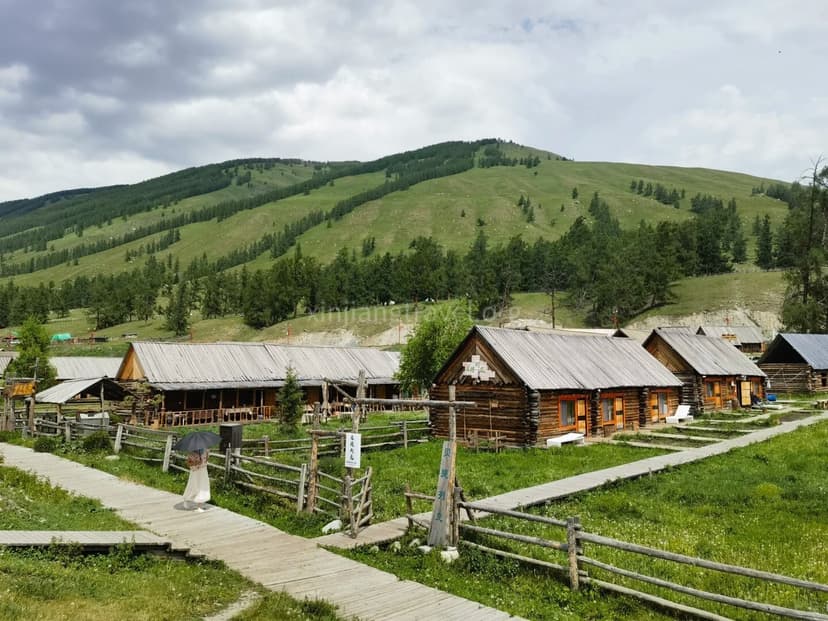 | North Xinjiang: Kanas-Hemu-Turpan Urumqi - Turpan - Fuhai - Hemu - Kanas - Urho 8 Days (over 500+ Booked) |
Plan your first dinner and early breakfast with your accommodation. A late transfer can leave little time to look for a restaurant, while a sunrise walk may begin before the guesthouse starts serving food. Arrange a meal or bring something suitable rather than relying on finding an open kitchen at either end of the day.
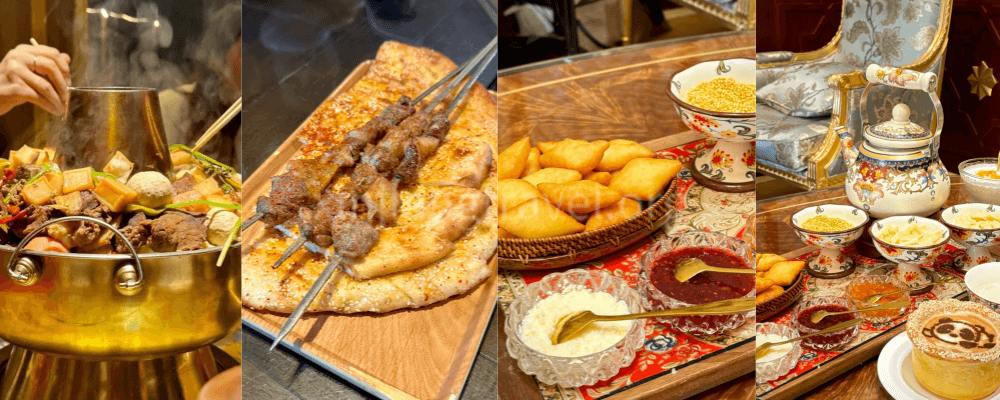
For lunch or dinner, look for filling dishes such as lamb hot pot, skewers and big plate chicken, usually shared at the table. Bread and a warm drink are useful for a short break, but ask what your guesthouse serves rather than expecting the same breakfast everywhere.
Send dietary requirements ahead in clear Chinese, especially for allergies or vegetarian meals. Ask about broth, sauces and cooking oil as well as the main ingredient, and carry a small supply of food you can eat during the transfer.
Download offline maps before you arrive.
Save your guesthouse’s Chinese name, map pin and phone number, along with the agreed collection point. For transport and early departures, confirm that everyone is using Beijing time.
For travellers who prefer to have the road transfers and accommodation arranged together, these northern Xinjiang itineraries include both Hemu and Kanas. Choose a shorter northern circuit or a longer journey that continues to Sayram Lake and Turpan.
A week-long route from Urumqi through Keketuohai, Kanas and Hemu, including an overnight stay in the village. It suits travellers who want these northern landscapes in one organised journey and are comfortable with substantial road travel between stops.
Choose this longer itinerary to combine Hemu and Kanas with a wider range of Xinjiang scenery, including Sayram Lake and Turpan. The route includes a night in Hemu; compare the driving days and accommodation locations when discussing your dates.
Clothing and Gear:
Winter: Dress in layers. Thermal underwear, fleece, down jacket, and waterproof outer shell. A hat that covers your ears. Gloves (touchscreen-compatible are useful). Waterproof snow boots. Bring hand warmers — you can stick them on your phone to keep the battery from dying in the cold.
Summer/Autumn: Days are warm (20-25°C), but nights get cold. Bring a light down jacket or a warm fleece. The temperature can drop 15°C from day to night.
All seasons: Sunglasses and sunscreen. The sun at this altitude is strong, even in winter.
Staying Connected:
Mobile signal is spotty, especially in remote areas. Download offline maps before you arrive.
China Mobile generally has the best coverage in the area.
Payment:
Most places accept WeChat Pay and Alipay. Cash is rarely used. Make sure you have these apps set up before you travel.
Respect Local Customs:
The Tuvan and Kazakh people are warm and hospitable. A smile goes a long way.
Ask before photographing people. This is just basic courtesy.
Remove your shoes when entering someone‘s home.
Alcohol consumption is best kept moderate in the village — it's a quiet place.
Altitude and Health:
Hemu is at about 1,100-1,300 meters above sea level. Altitude sickness is not typically an issue at this elevation, but stay hydrated and take it easy on your first day.
Booking and Timing:
For autumn visits (mid-September to early October), book everything 1-2 months in advance — accommodation, transport, everything. Winter is less crowded, but still book ahead for weekends and holidays.