20 years of pioneer in xinjiang tourism for overseas travelers
Born Here, Know Best, Your Journey's Blessed
No Shopping. No Detour, 99% Excellent Review

contact UsOn Wechat

Plan your first trip to Xinjiang with these 20 essential travel FAQs. As the crossroad of the ancient Silk Road, Xinjiang is famous for its stunning landscapes, diverse ethnic cultures, unique customs and warm hospitality. This guide covers the most important questions about documents, safety, transportation, food, etiquette and daily tips to help you travel smoothly and enjoy every moment in this amazing region.
Q1: Do I need a special permit to travel in Xinjiang?
A valid passport and Chinese visa are required. Some border areas and scenic spots also need an additional border travel permit. View more
Q2: What documents are required for foreign tourists?
Valid passport, valid Chinese visa, and some 1-inch ID photo. It is recommended to keep digital copies of your documents for backup.
Q3: How to get to Xinjiang?
You can take international or domestic flights to Urumqi, Kashgar and other cities, or take long-distance trains from major Chinese cities. View more
Q4: Is it safe to travel independently in Xinjiang?
Yes, very safe. Xinjiang is one of the safest regions in China. Police stations are widely and densely distributed, and public security is well guaranteed. View more
Q5: Can I travel everywhere in Xinjiang? Are there restricted areas?
Most popular tourist areas are open. Places such as Bayanbulak, Lop Nor People's Village, Tata Secret Realm and Khunjerab Port need extra entry procedures. Military or border control zones are off-limits to visitors.
Q6: What should I pack?
Bring comfortable clothes for large temperature differences, sunscreen, hat and comfortable walking shoes. Do not bring power banks without 3C certification, as they are not allowed on planes or trains. View more
Q7: How to get around Xinjiang? Flight, train, bus or car?
For long distances between cities, flights and trains are convenient and fast. For traveling between scenic spots, tourist buses or private cars with drivers are the most popular choices. Public buses are also available but less flexible. View more
Q8: How many days do I need for a classic Xinjiang trip?
A classic Xinjiang tour usually takes 7 to 10 days. If you want to visit both northern and southern Xinjiang, 12 to 15 days is more suitable. View more
Q9: Do I need to book hotels and tickets in advance?
Yes, especially during peak tourist seasons (summer and holidays). It is strongly recommended to book hotels, scenic tickets and transportation in advance to avoid shortages.
Q10: Is emergency help easy to get? What’s the emergency number?
Emergency help is easy to access everywhere. The main emergency number in China is 110 for police and 120 for medical help.
Q11: Is Wi-Fi and coffee available in hotels and scenic spots?
Most hotels, cafes and restaurants provide free Wi-Fi. Coffee is widely available in cities and major tourist areas.
Q12: Do I need a guide for my first time?
It is highly recommended for first-time visitors. A local guide can help with permits, transportation, language and cultural tips, making your trip much smoother.
Q13: What are the most recommended destinations?
Heavenly Lake (Tianchi), Grape Valley in Turpan, Kashgar Ancient City, Karakul Lake, Kanas Lake and Bayanbulak Grassland are the most popular. View more
Q14: What’s the best time to visit Xinjiang?
The best time is from June to October, with comfortable weather and beautiful scenery. July to September is the peak season for grasslands and fruits. View more
Q15: What food should I try in Xinjiang?
You must try local specialties: big plate chicken, lamb skewers, hand-grilled lamb, pilaf (laghman), nang bread, steamed stuffed buns, and various sweet local fruits like grapes, Hami melons, and pomegranates. View more
Q16: What’s the currency? Can I use credit cards/Alipay?
The currency is Chinese Yuan (CNY). Credit cards are widely accepted in cities and hotels. Alipay is convenient in most places, but it’s better to prepare some cash for small shops and remote scenic areas. View more
Q17: Are vegetarian, vegan or Western meals available?
Yes. In Urumqi, Kashgar and other major tourist cities, you can easily find vegetarian dishes, noodles, rice, and some Western-style restaurants. In remote areas, choices may be limited but basic vegetable dishes are still available.
Q18: How to greet local people politely?
A simple smile, nod, or saying “hello” is polite. You can also use local friendly greetings like “Yaxshimusiz” (hello in Uyghur). Always ask for permission before taking photos of local people. View more
Q19: What gifts are suitable for souvenir?
Recommended souvenirs: dried fruits (raisins, walnuts, dates), nang, local tea, beautiful handmade carpets, silk scarves, and musical instruments. View more
Q20: Can I bring or drink alcohol in public areas?
You can drink alcohol in restaurants, hotels and your own room, but please “avoid drinking in public spaces” such as streets, squares and mosques, out of respect for local customs and religious traditions.
Here are more frequently asked questions from our clients: view more
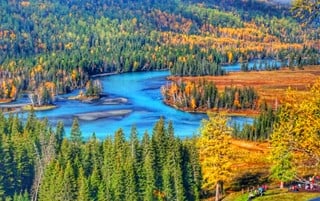
Urumqi-Heavenly Lake-Fuyun-Burqin-Kanas-Hemu-Kuitun-Sayram Lake-Naraty
North Xinjiang Tour in Sept is the super best time for the golden autumn view. this full inclusive group tour will take you to Kanas Lake, Hemu Village, Sayram Lake and Narat Grassland, Travel with locals, big deal
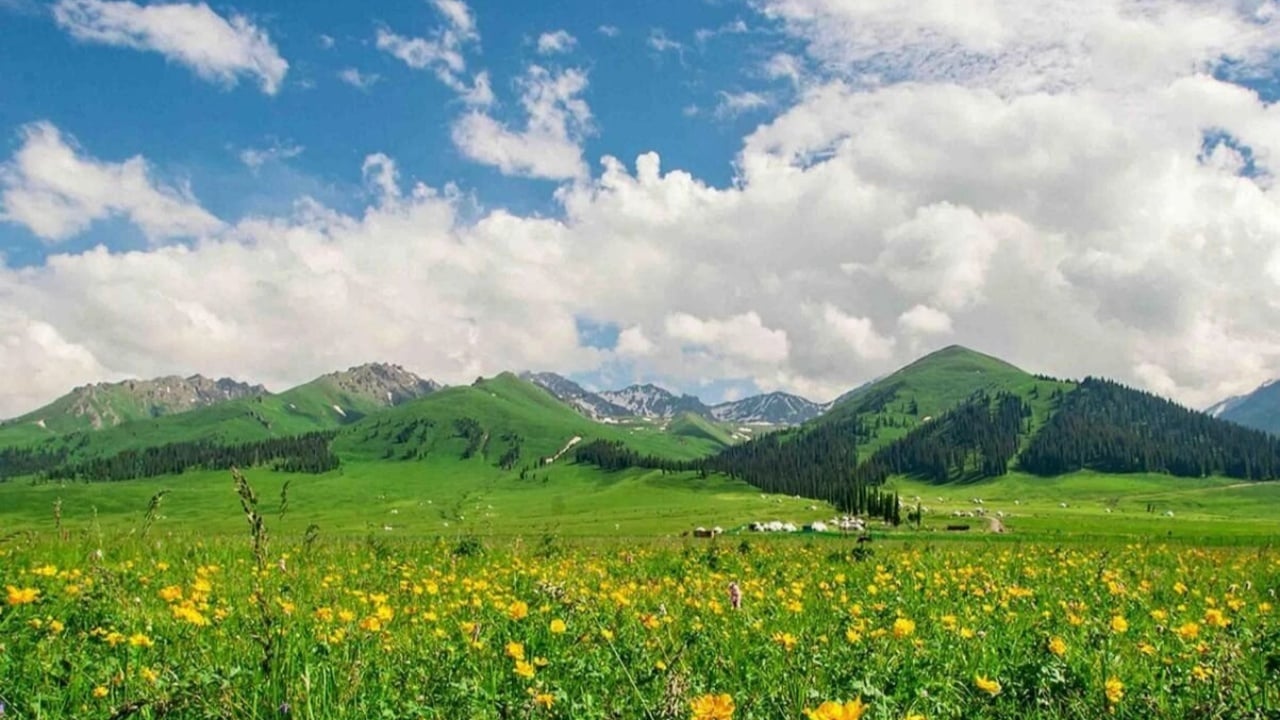
Urumqi-Fuhai-Kanas-Burqin-Kuitun-Yining-Nalati-Urumqi
Xinjiang Summer Tour across the Ili Grasslands and traverse the legendary Duku Highway. From the flower-filled meadows of Kanas to the serene beauty of Hemu Village and the sparkling Sayram Lake, this journey offers an unparalleled escape into Xinjiang’s wild nature

Urumqi - Korla - Bayinbuluk - Nalati - Xinyuan - Yining - Jinghe
With mysterious ethnic culture, the natural views of north Xinjiang, and the fabulous experience of flower sea, this tour leads you to 7 destinations you can’t miss for your trip.