20 years of pioneer in xinjiang tourism for overseas travelers
Born Here, Know Best, Your Journey's Blessed
No Shopping. No Detour, 99% Excellent Review

contact UsOn Wechat
As one of the important travel destinations in China, where you can taste the variety of Xinjiang delicacies. While the taste of the food on offer in the region may not suit everyone's tastes, but it is always a good idea to try it while you are there, as it would give you a different experience of flavor. It is also a great way to learn more about Xinjiang culture, as there is no better way to get to know someone than by breaking a loaf of bread with them.
This bread-breaking culture is also deeply tied to route and place — the dairy-rich flavors of Ili grasslands, the fresh lamb and wild mushrooms of Altay, the grapes and Hami melons of Turpan, and the naan ovens and kebab stalls of Kashgar Old City each belong to a different stretch of Xinjiang, and weaving them into a single journey means crossing from a North Xinjiang nature loop through Kanas, Hemu, and Sayram Lake into a Southern Xinjiang Silk Road route along the Pamir Plateau. Rather than navigating long-distance transfers and night-market stops on your own, you can browse our handpicked Xinjiang tours , where private itineraries and small group departures pair each route with the right season, stops, and family-run eateries that locals actually go to. Once your food trail direction is set, the regional cuisine breakdown below will help you map flavors onto each leg of your journey.
Tasting your way through Xinjiang is one of the trip’s great pleasures — and it works best as part of a bigger plan. If you’d like the full picture, our Xinjiang Travel Guide covers everything from routes and timing to permits, packing, and how to move between the region’s most memorable dining spots.
 Cultural Heritage and Regional Features of Xinjiang Cuisine
Xinjiang's special climate gives it sweet fruits. The fertile land is ideal for raising livestock, so the beef and lamb here are of excellent quality. As an important stop on the Silk Road, spices were widely traded here, giving local food a strong, unique and exotic flavor.
The diet is mainly based on beef and lamb, with rich spices such as cumin, chili powder and black pepper. It often mixes sweet and savory tastes with raisins, onions and carrots. The flavors are strong, fragrant and rich. Different from the light and delicate food in inland China, Xinjiang cuisine highlights the pleasure of eating meat generously and drinking freely.
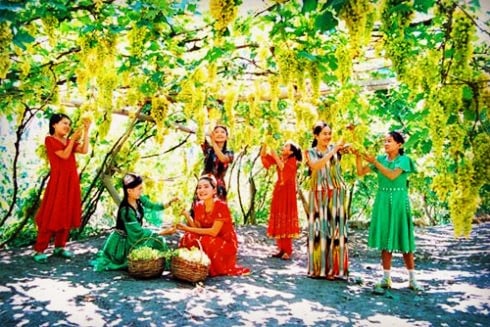
Every part of Xinjiang has its own special tastes. Urumqi's International Grand Bazaar is full of street snacks, with the smell of charcoal grilling everywhere. The night market in Kashgar Old City keeps strong Uyghur traditions, where people enjoy kebabs with singing and dancing. Turpan, known as the hometown of grapes, serves tasty fruits and desserts. Ili, the pearl beyond the Great Wall, has rich dairy products and a strong grassland style. Altay's highland pastures provide fresh lamb and wild mushrooms.
From north to south in Xinjiang, a table of Xinjiang food is like a cultural map on the plate.
What to Eat During Your Xinjiang Tour?
 Most Recommended Uyghur Food You Should Try
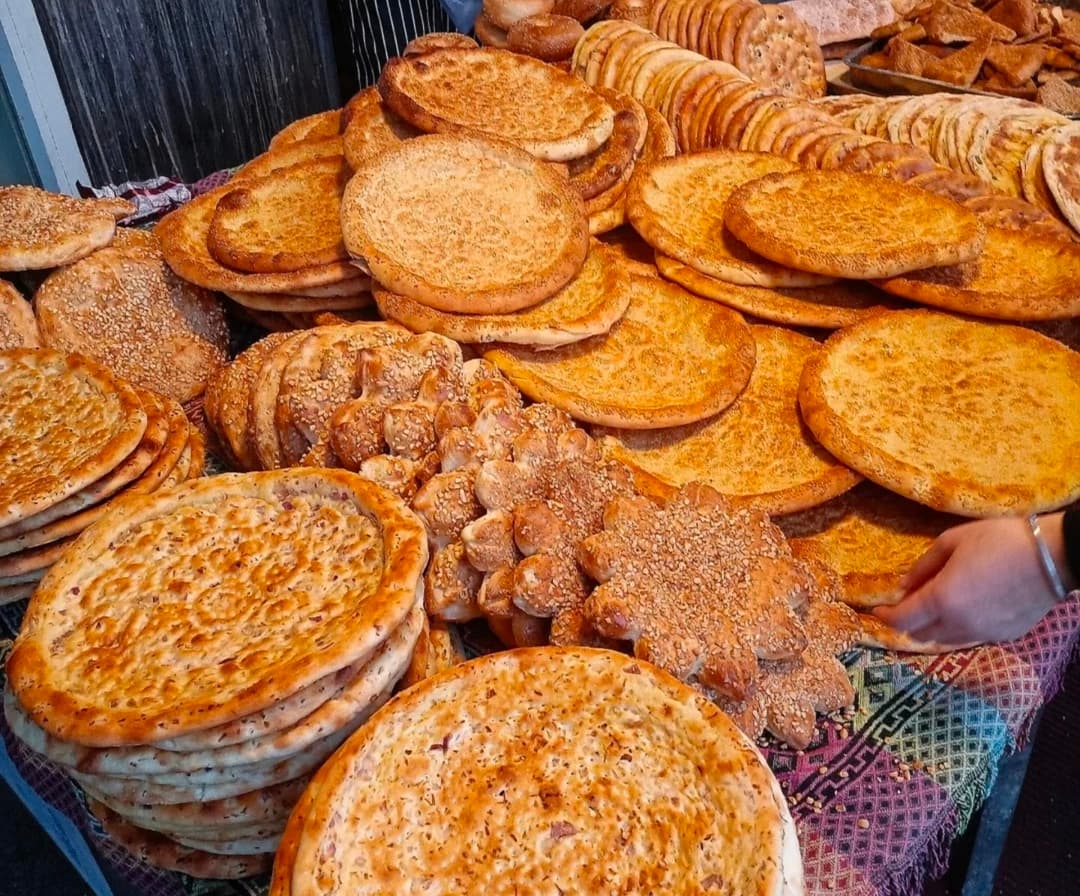
In Xinjiang, your first bite must be naan. As locals often say, "Better three days without meat than one day without naan."
Naan
Naan, a kind of round baked cake, has a long history in Xinjiang and it was called "Hu bin" or "Lu bin" in ancient times. The main raw material of naan is flour, mostly fermented flour, and instead of edible alkali, salt is used in the cooking method. In addition to the flour mentioned above, sesame, onion, egg, oil, shortening, milk, and sugar are also indispensable raw materials. Naan tastes delicious and crispy, which is the daily food of Uygur people in Xinjiang.
Samsa
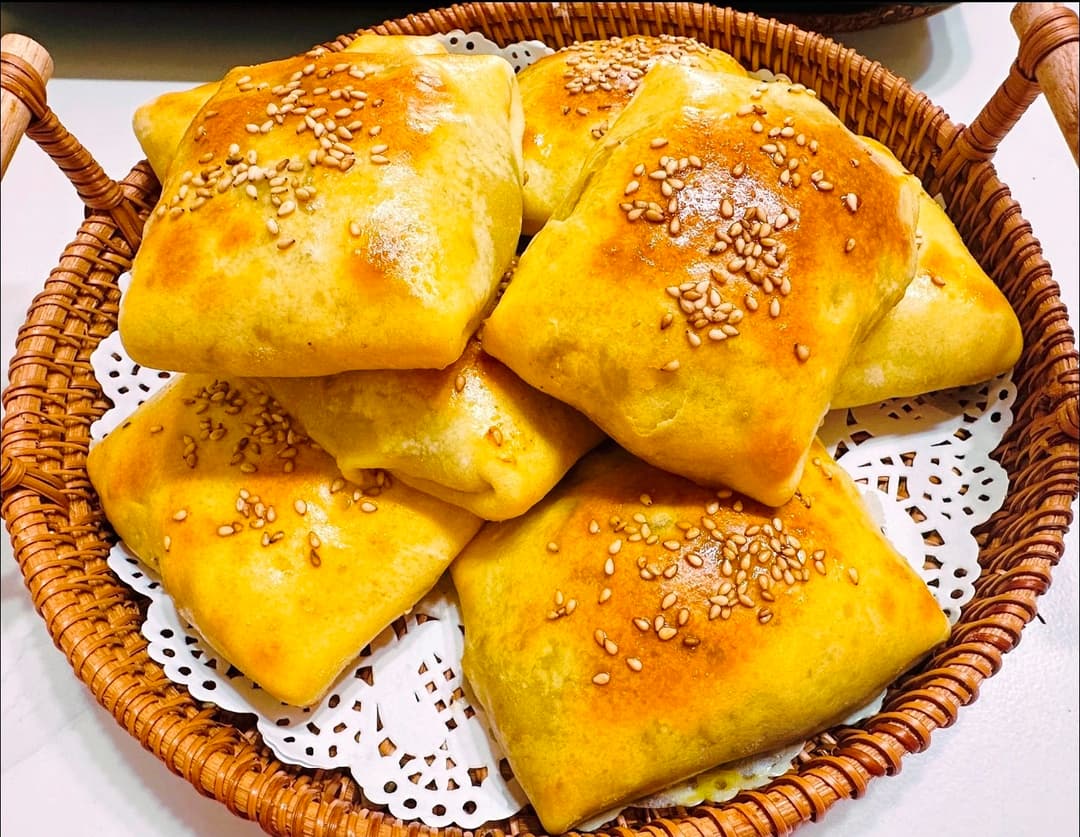
The Baked Samsa is one of the famous Uygur snacks and it's called "Kaobaozi" in Chinese. This is a delicacy that can only be found in Xinjiang, so do not miss it. More importantly, from the view of scientific diet, the nutrient of onion and mutton used in the filling of baked samsa can be complementary which could be helpful to people's physical health. In particular, eating onion has the function of dissolving thrombus and dilating blood vessels, so Uygur people who often eat baked samsa are less likely to suffer from thrombosis.
Lamb Pilaf
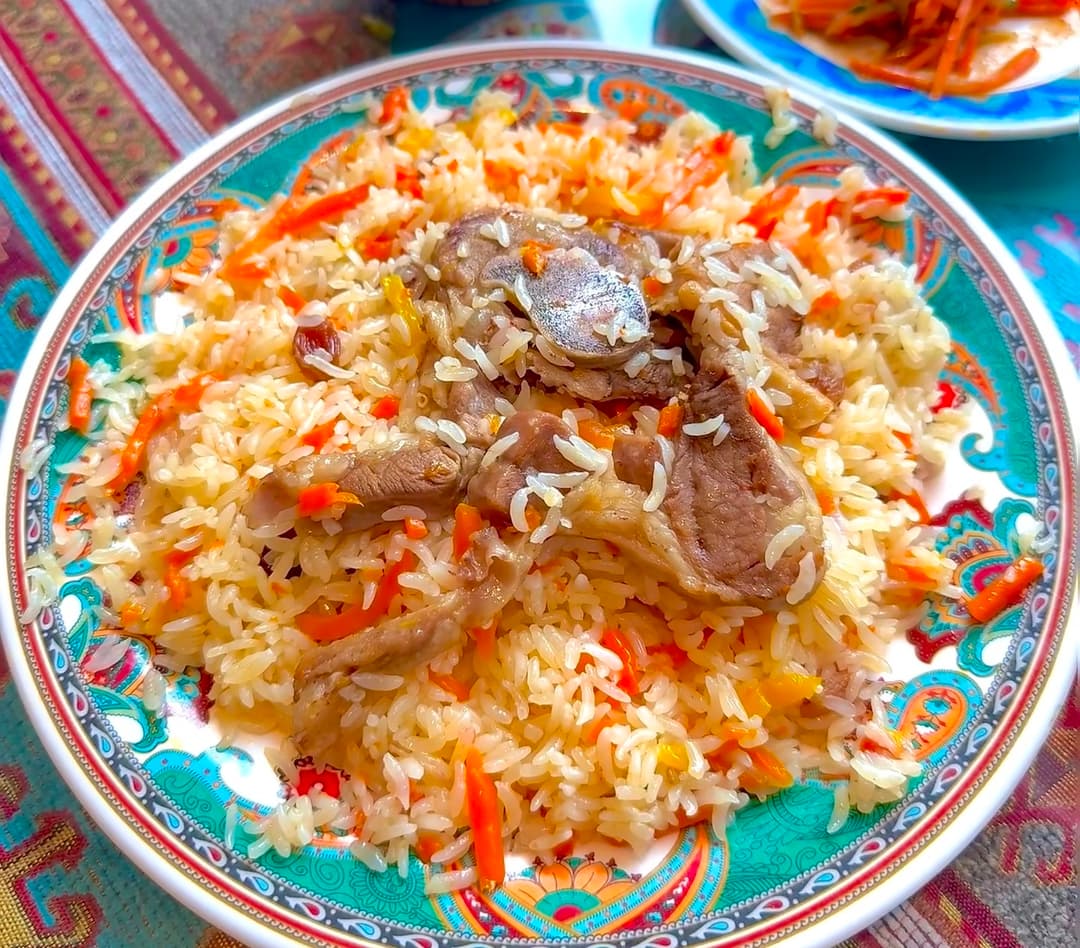
Lamb pilaf is one of the favorite foods of all ethnic residents in Xinjiang. "Zhuafan" is the Chinese name of the lamb pilaf. It is called "polo" in Uyghur, originally in Persian. It means rice braised with mutton(or beef), rice, yellow radish and oil. According to historical research, lamb pilaf was first created in the Northern Song or Earlier Song Dynasty (960-1127 AD). It is a combination of nomadic culture and farming culture. And there is a story about it.
Legend has it, there was a doctor named Asheliebisi. He was weak and ill in his old age, no matter what kind of medicine he took, it didn't help. Occasionally, he invented a recipe of braised rice which contains carrot, onion and mutton. After a period of time of eating it, his body recovered quickly. So he introduced it to his friends and relatives, then, lamb pilaf started to gain its popularity.
Lagman
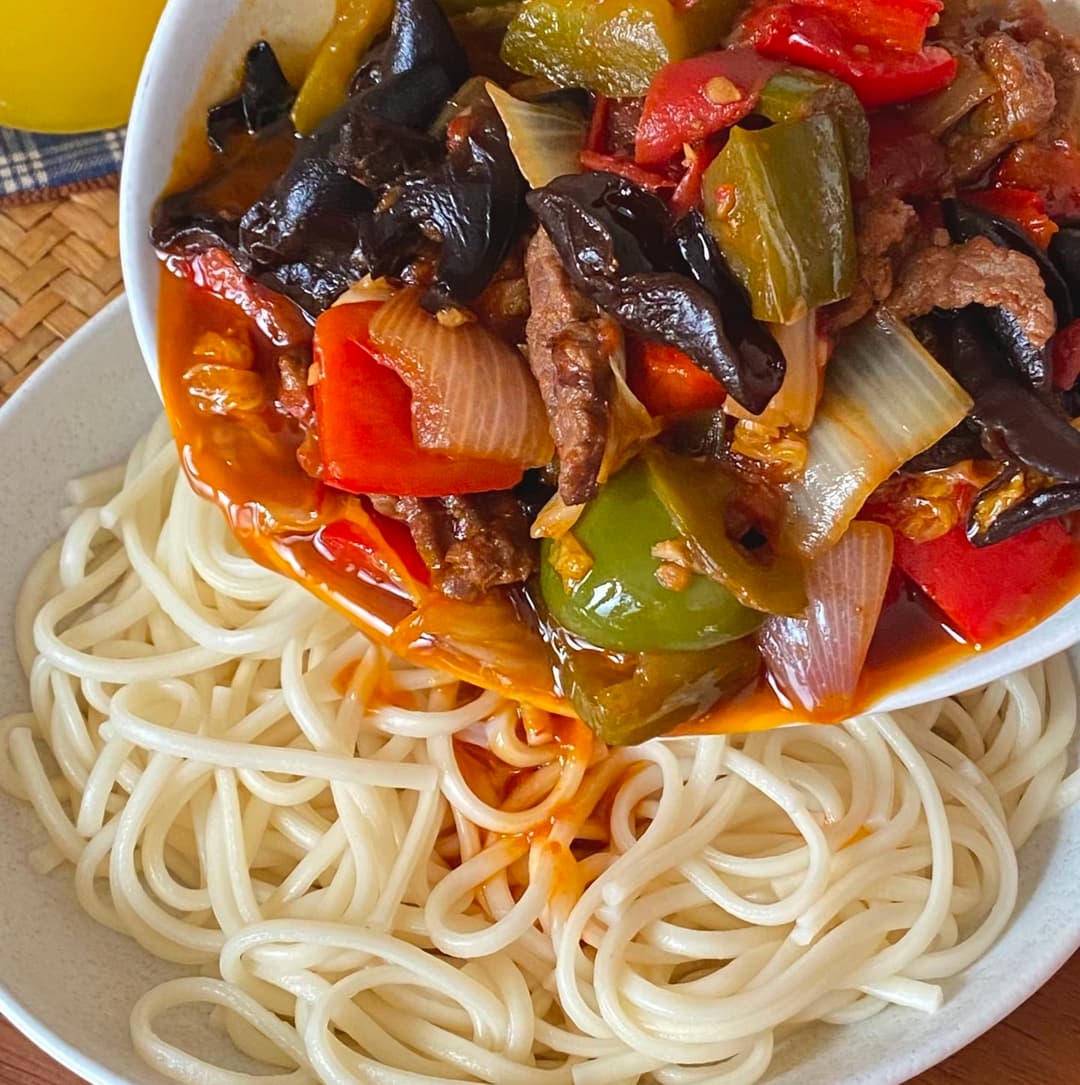
Lagman, commonly known as "Latiaozi" or "Banmian", and the name of it comes from the way we eat it and how we make it. From the point of view of scientific diet, lagman is a portion of food combining vegetables(vitamin and cellulose) and noodles(carbohydrate). Both meat and vegetable dishes are available, and the flavor can be adjusted according to the taste and order of the guests. It may sound kind of like spaghetti, but the flavor of it is totally different.
Liangpi(Cold Skinned Noodles)
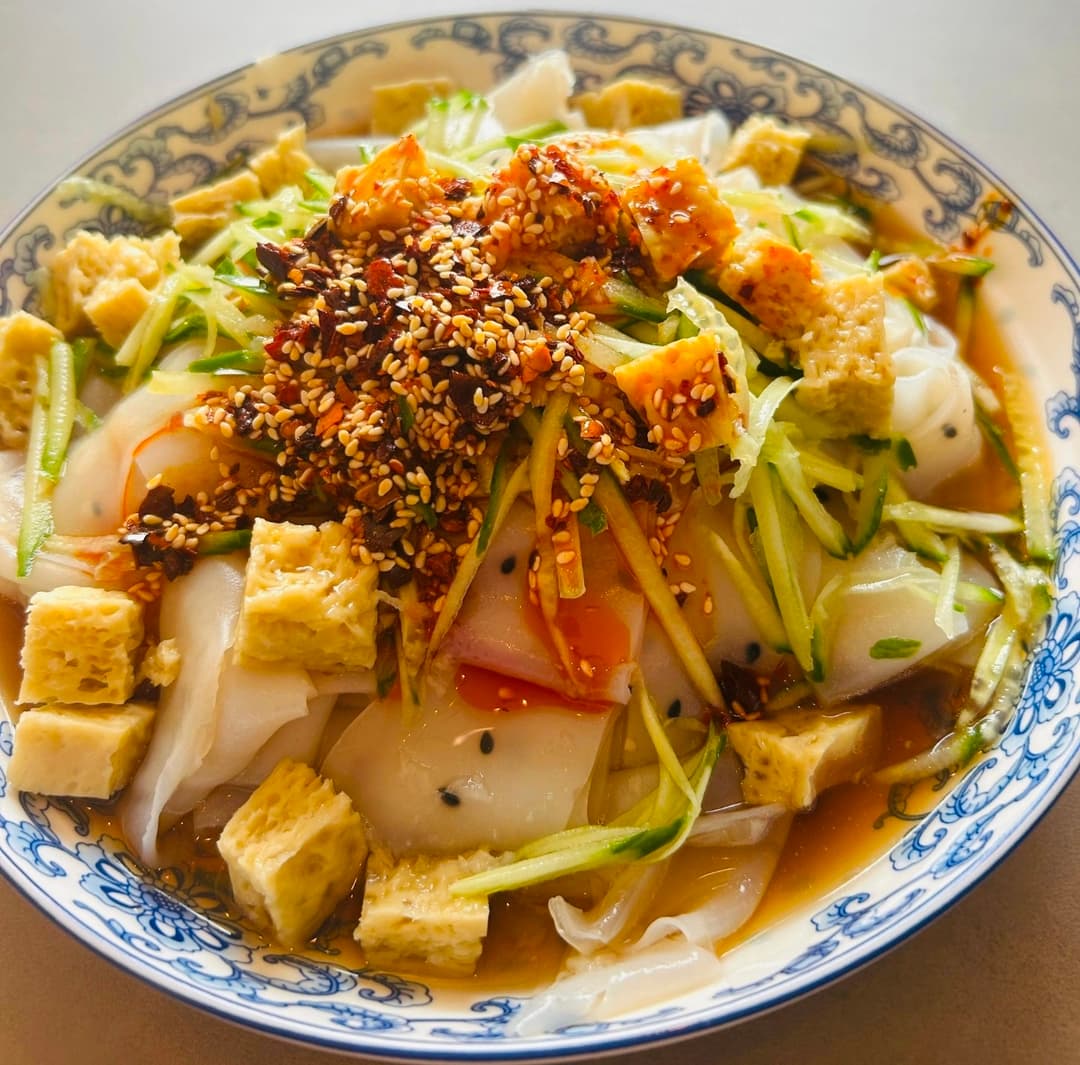
Another popular Xinjiang snack is "liangpi". It is different from the "liangfen" and "mianpizi" from central China. "liangpi" is made out of steamed flour water. It is chewier than "liangfen" and looks more transparent than "mianpizi". It's served with a kind of special sauce and tastes simply unforgettable.
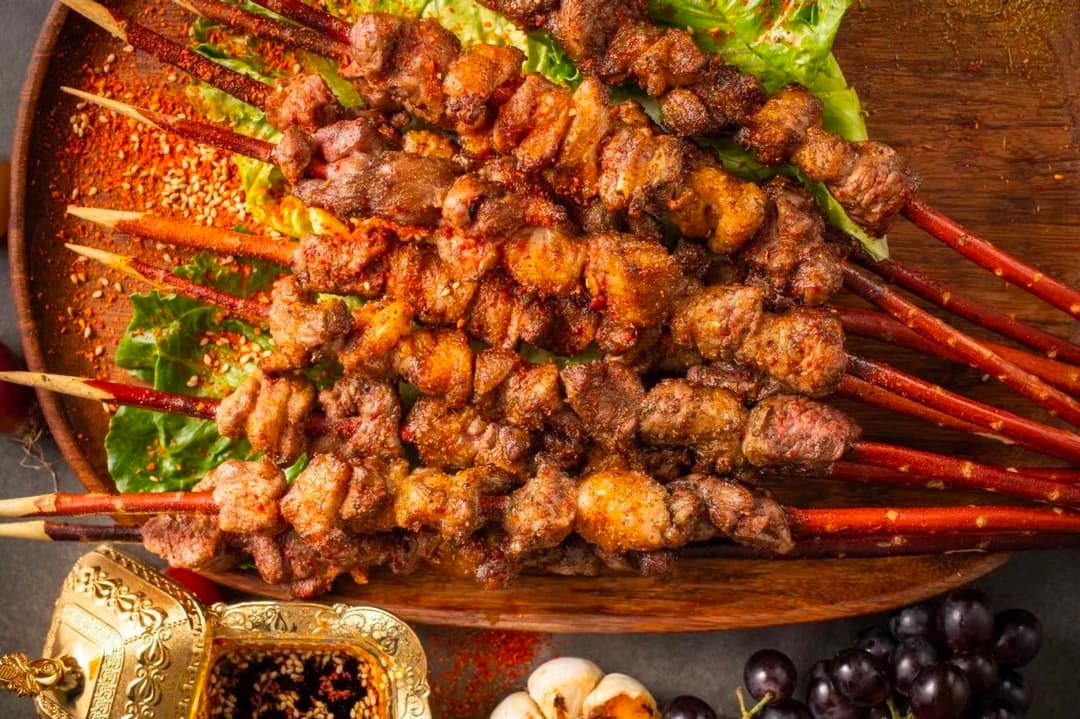
Xinjiang Lamb Kebabs
Xinjiang Lamb Kebabs are the soul of the cuisine. Fresh lamb, with three parts lean and two parts fat, is skewered with red willow branches, sprinkled with cumin, chili powder and salt, then roasted over fire. Street skewers cost about 5 to 10 yuan, depending on size. One bite reveals a crispy exterior and tender interior, full of aroma. They taste delicious served with hand-pulled noodles or cold noodles.
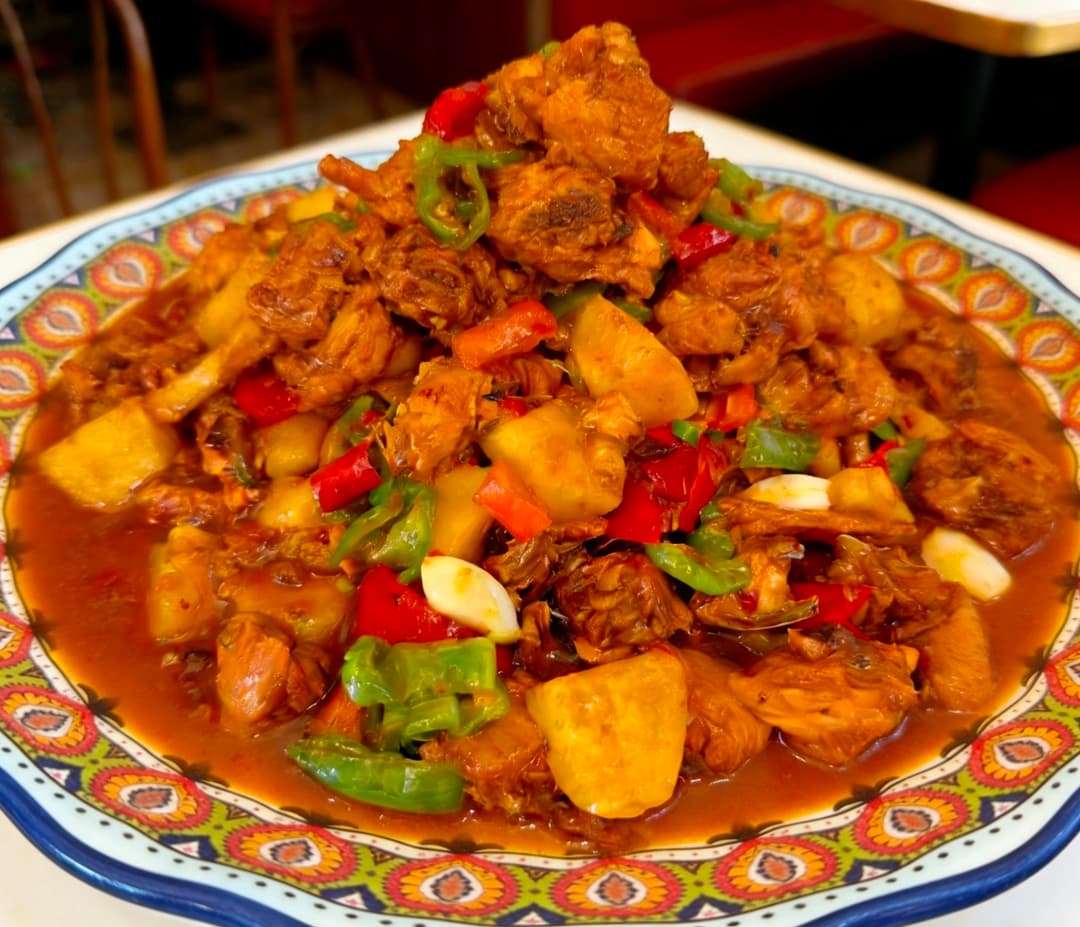
Xinjiang Big Plate Chicken
Big Plate Chicken is the must-order dish. Originating in Shawan, it is stir-fried over high heat with chicken chunks, potatoes, green and red peppers, and dried chili peppers, then served with wide belt noodles. The noodles soak up the rich sauce, making it a complete feast for the eyes, nose and taste.Spiciness is adjustable. One plate of chicken with noodles is enough for three to five friends. It tastes even better with cold beer or Xinjiang yogurt.
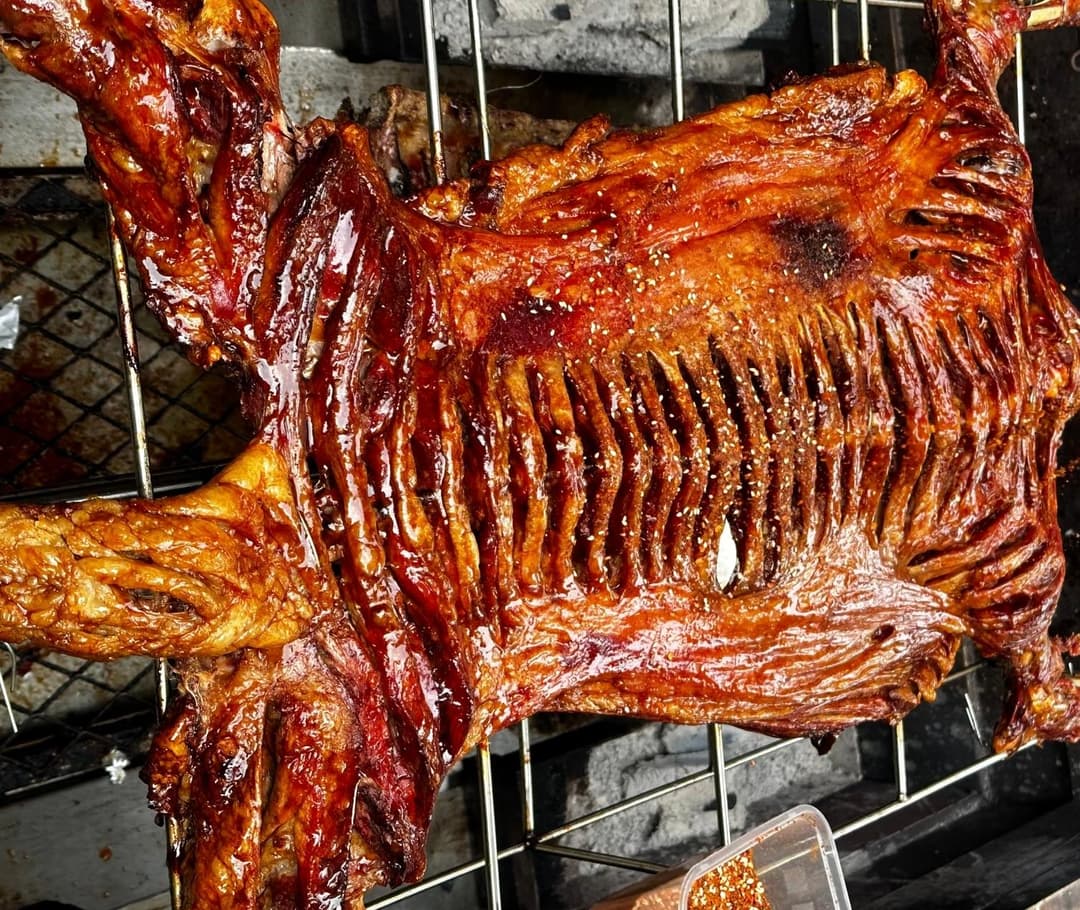
Roast whole lamb
A roast whole lamb is a famous dish of Xinjiang cuisine. Usually, it would be served on important events like traditional festivals and weddings, but sometimes local people would treat their distinguished guests with this high-class cuisine, too. In order to cook a perfect roast whole lamb, the lamb we use must be less than two years old and the meat will be seasoned for several times with a secret sauce which contains a variety of ingredients before being placed in a specially-made oven. In addition to its quality raw materials and unique cooking method, the way to enjoy the dish is quite interesting, too. The food usually will be served like the pic showed above, guests are free to choose and cut any parts they want to have.
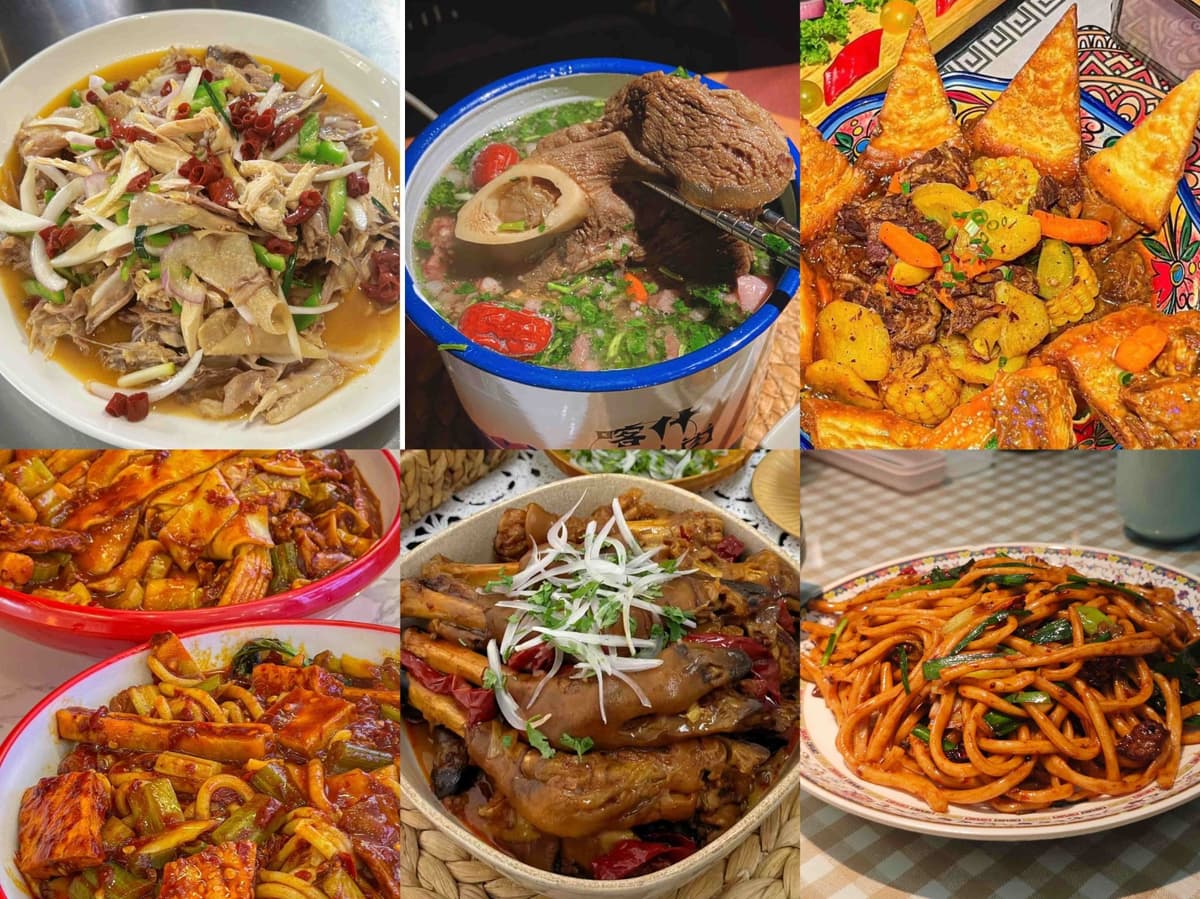
Other specialties include pepper hemp chicken, jar meat (lamb braised in a small jar), naan-wrapped meat, fried rice noodles, spicy lamb trotters, and more. All are made with fresh ingredients and no additives, so you can enjoy them safely and satisfy your cravings.
 Xinjiang Fruits
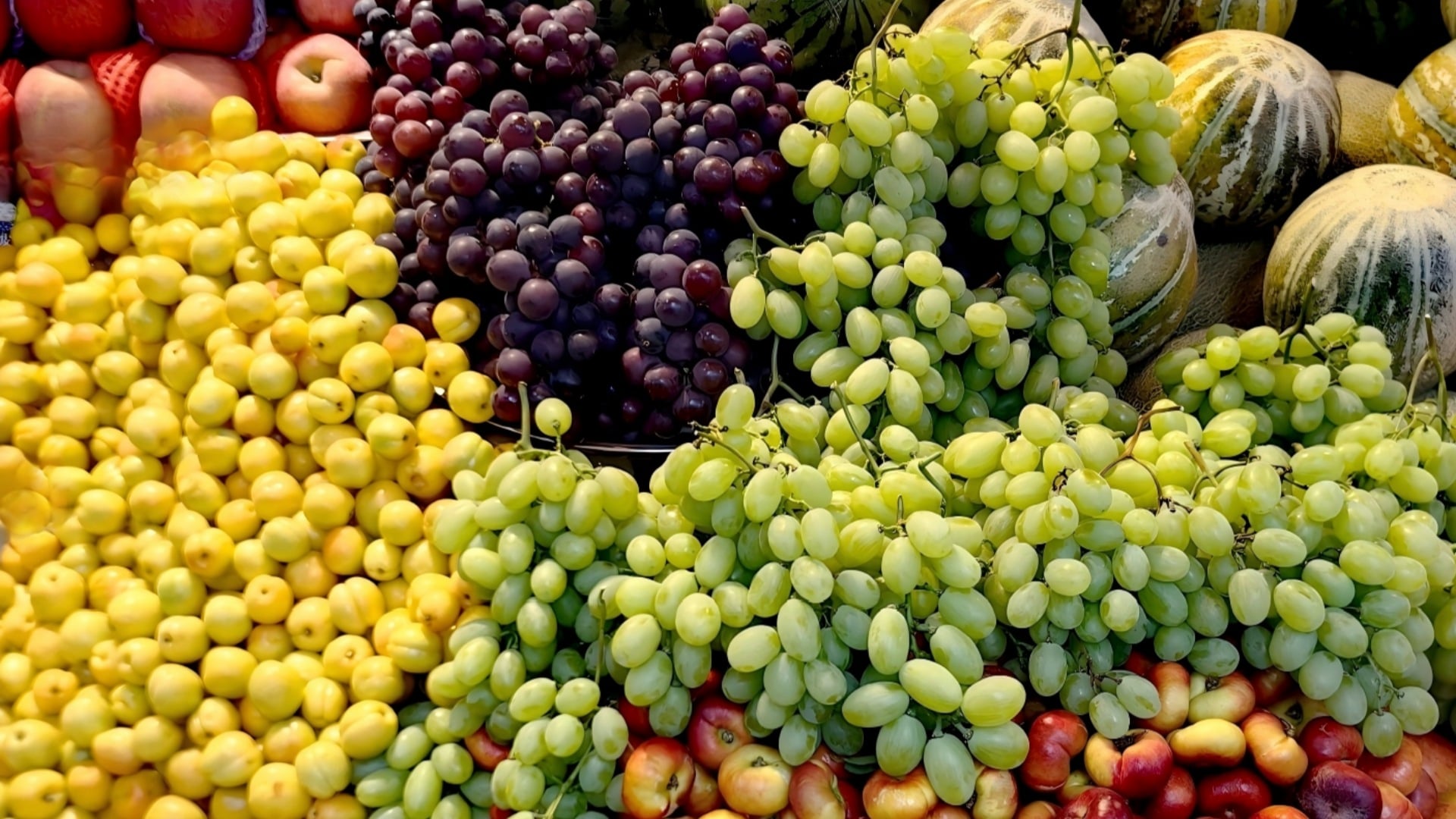
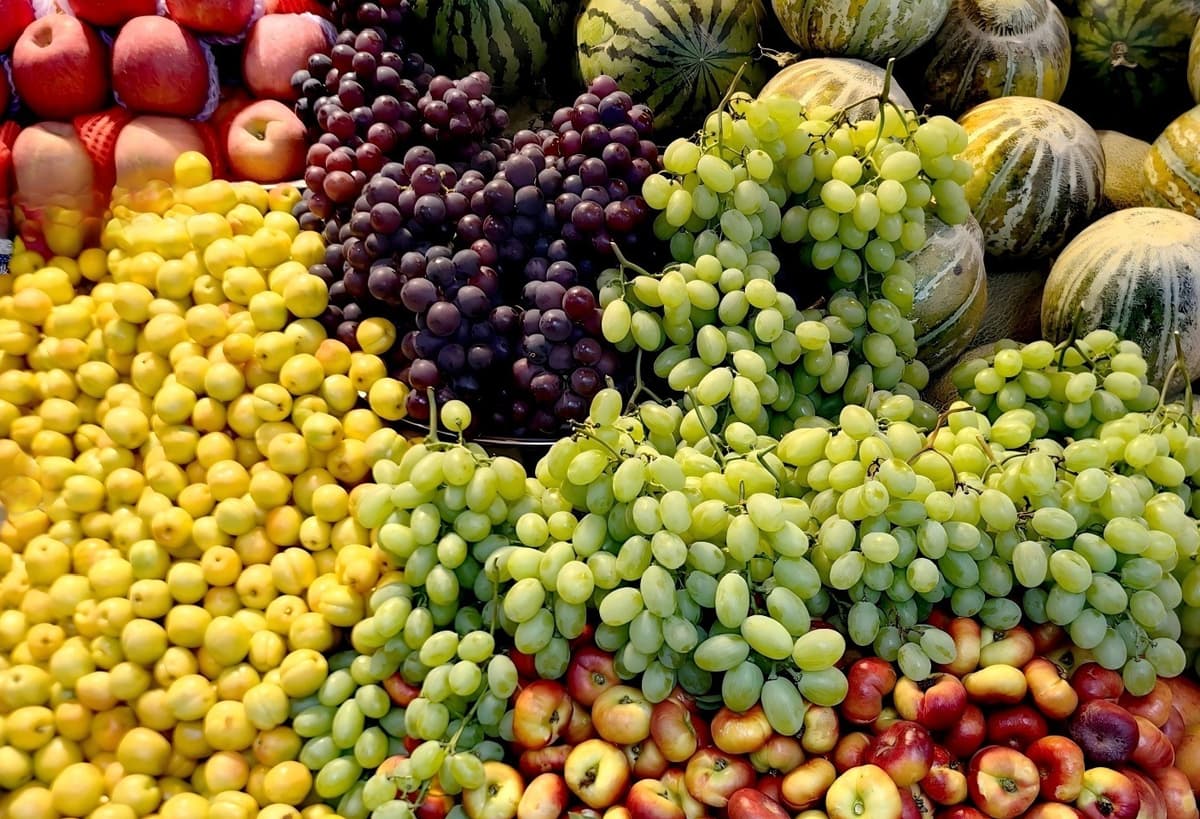
Fruits are not food in a narrow definition, but Xinjiang enjoys a high reputation for its fruits no less than the cuisine. Plentiful sunshine and significant difference between daytime and nighttime temperatures make fruits in Xinjiang extraordinarily sweet and juicy.
Shanshan watermelon, Turpan grapes, Hami melon, Korla pears, Yecheng pomegranate, if you visit Xinjiang in summer, you will embrace a sweet wave of fruit feast as the region enters into the season of harvest.
The recommendations above do not cover all the dishes in the food paradise. The world of food in Xinjiang is waiting for you to explore.
Night market
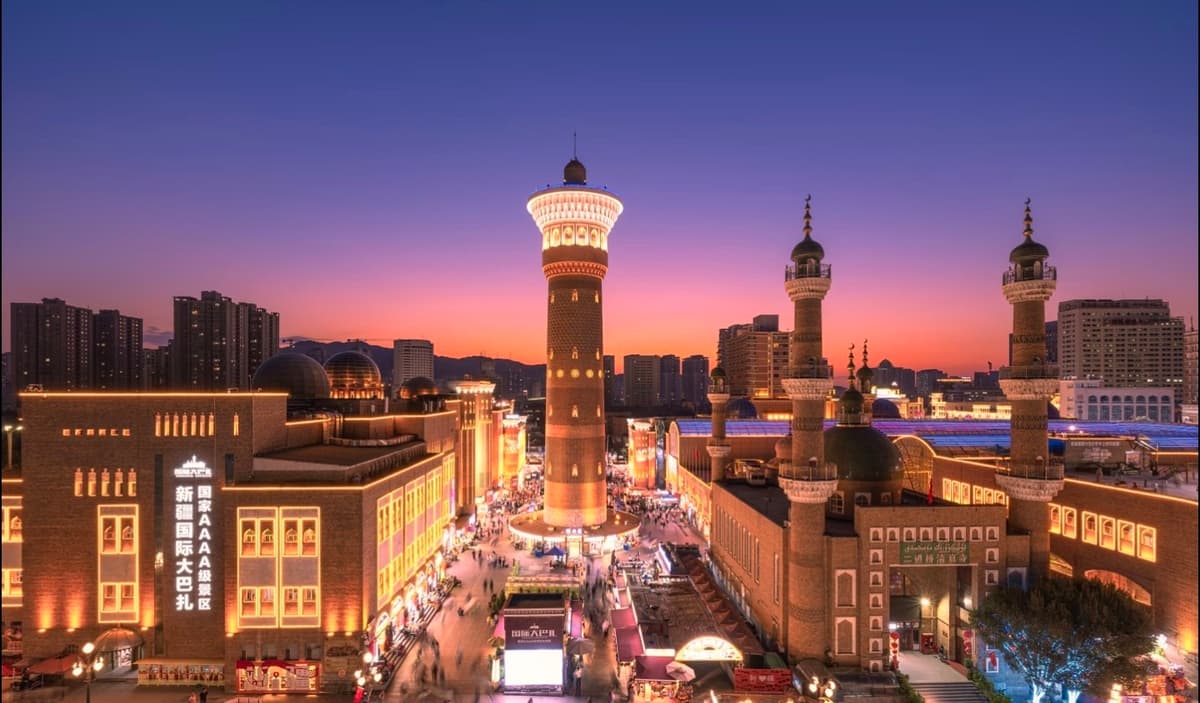
Urumqi International Grand Bazaar Night Market (around Erdaoqiao)
A landmark night market in the capital of Xinjiang, it brings together street food from all over the region and is usually the first stop for most tourists visiting Xinjiang. Bright lights come on at night, accompanied by the sounds of tambourines and rawap, creating a lively and diverse atmosphere.
Recommended dishes: big plate chicken, Sichuan-pepper chicken, grilled lamb skewers, baked buns, lung noodles, pilaf, cold noodles, dried fruit tea and more.
Highlights: Visitors can shop at the bazaar by day and experience a one-stop food paradise of Xinjiang cuisine at night. It is ideal for tour group welcome dinners or free time activities. As a vivid showcase of Xinjiang's nightlife, the International Grand Bazaar Night Market lets visitors experience the perfect blend of modern city life and Western Regions culture.
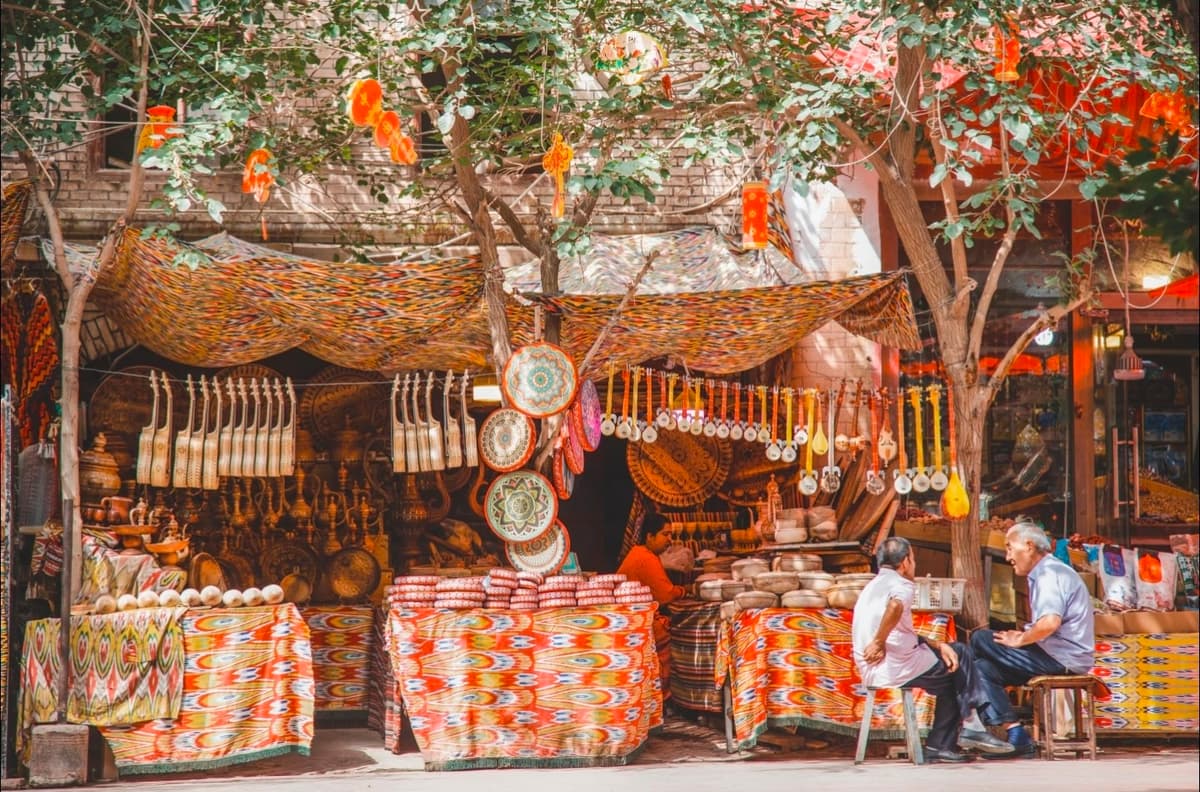
Kashgar Old Town Khan Bazaar Night Market
Located in the heart of the thousand-year-old ancient city, right next to the Id Kah Mosque, this is the most Uyghur-style night market in southern Xinjiang. The ancient earthen buildings take on a mysterious glow under neon lights. Crowded and lively every evening, it is known as a "living memory of the Silk Road".
Recommended foods: roasted eggs (ostrich eggs, goose eggs and others slow-roasted in charcoal ash, served with saffron or honey), whole roasted lamb, roasted lamb intestines, rose pigeon soup, nang-stuffed meat, hand pilaf, thin-skinned buns, various grilled meats and cold noodles.
Highlights: Visitors can wander the ancient streets while tasting authentic ethnic delicacies and enjoying local singing and dancing performances. Ideal for in-depth cultural and food tours, it offers great value with the appeal of "enjoying ethnic flavors for just 100 yuan", and is regarded as an authentic living museum among Xinjiang night markets.
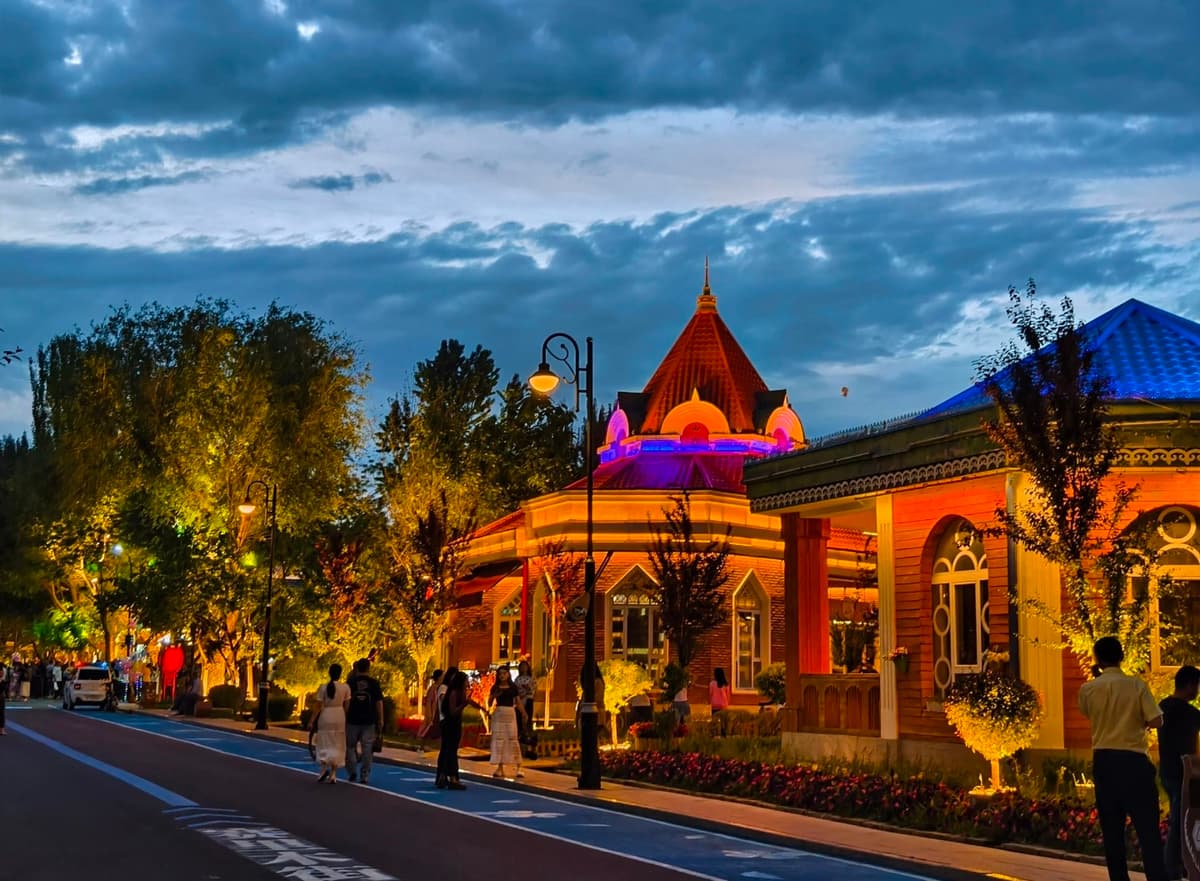
Yining (Ili) Night Markets (Liuxing Street & Development Zone Food Street)
A representative night market scene in northern Xinjiang, it blends multi-ethnic cultures. Colorful houses and food streets offer a dual experience.
Recommended foods: Gulandam Ice Cream (made with century-old traditional methods), lamb skewers, big plate chicken, pepper-spiced chicken, and various ethnic snacks.
Highlights: A perfect place to relax in the evening after exploring the Ili River Valley grasslands. Ideal for grassland and food-themed tours, highlighting the exotic romance and diverse flavors of northern Xinjiang's night markets.
 Practical Information & Useful Tips
Xinjiang cuisine mainly consists of beef, lamb and wheat food, which are relatively rich in oil. For first-time visitors, it is recommended to have brick tea or yogurt to help cut grease and aid digestion. If you have a sensitive stomach, take it step by step: try mild pilaf and laghman first, then move on to richer dishes like grilled meat.
Summer and autumn (June to October) are the best seasons to enjoy Xinjiang food. Fruits are ripe, lamb is tender, and the weather is pleasant. Especially from August to September, Turpan grapes, Hami melons and Korla fragrant pears are all in season, making it a true "fruit season".
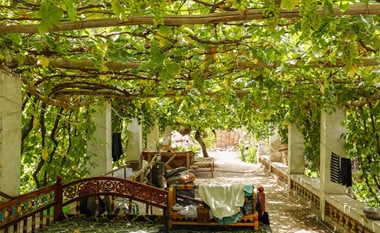
Urumqi → Turpan → Kanas → Karamay
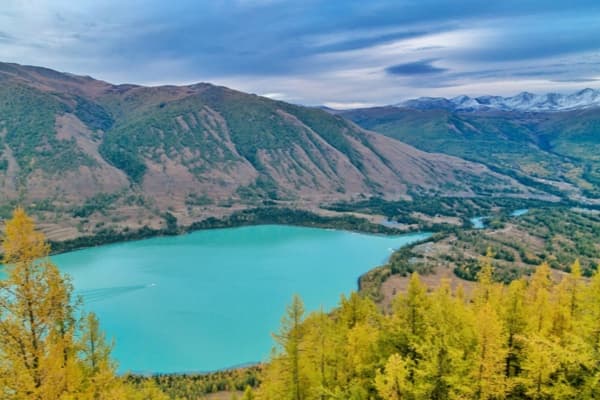
9 Days Xinjiang Impressive Tour bringy you to The extraordinary Kanas is a fairyland. Snow-capped mountain,forest,grasslands and lake there make an intoxicating painting. Fireland-Turpan where you will know the Silk Road History and local Uighur folklore.The Tianchi,or"Heavenly Lake" is like a lake in heaven indeed.
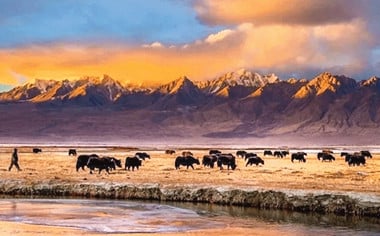
Urumqi → Turpan → Khotan → Kashgar
South Xinjiang Tour from Urumqi to Kashgar, passing by the fireland of Turpan, take the flight to Khotan and drive to the kashgar via Yarkent. Discover the local custom of Uighur and the splendid culture of South Xinjiang.