20 years of pioneer in xinjiang tourism for overseas travelers
Born Here, Know Best, Your Journey's Blessed
No Shopping. No Detour, 99% Excellent Review

contact UsOn Wechat
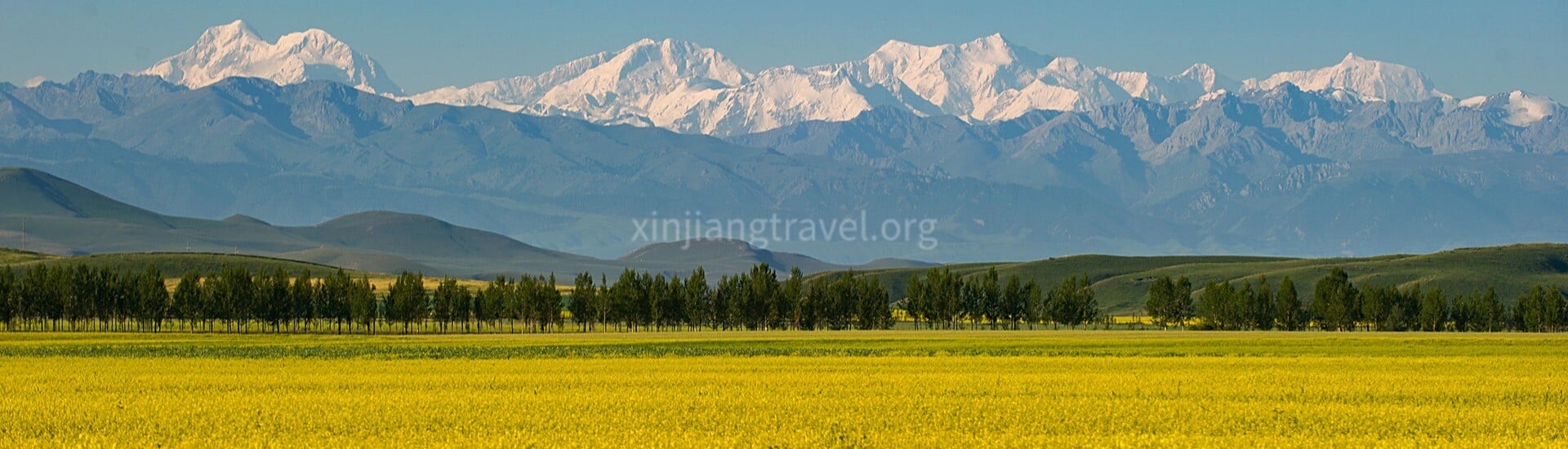
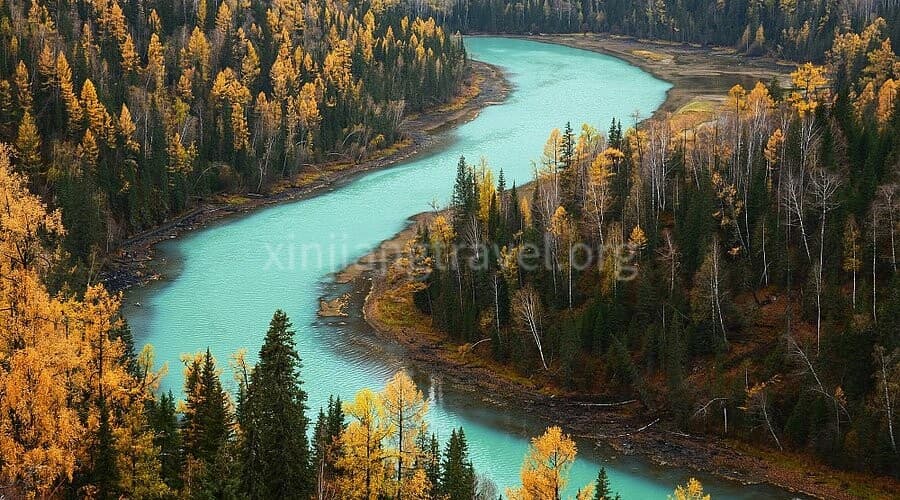
Kashgar - Taxkorgan - Urumqi - Turpan - Fuhai - Hemu - Kanas - Urho - Jinghe - Yining - Tekes - Naraty
Experience all the essential sights in Xinjiang. No matter what you want from a trip in Xinjiang, you can find it here! From plateau to grassland, oasis to desert, mountains to lakes, villages to relics.
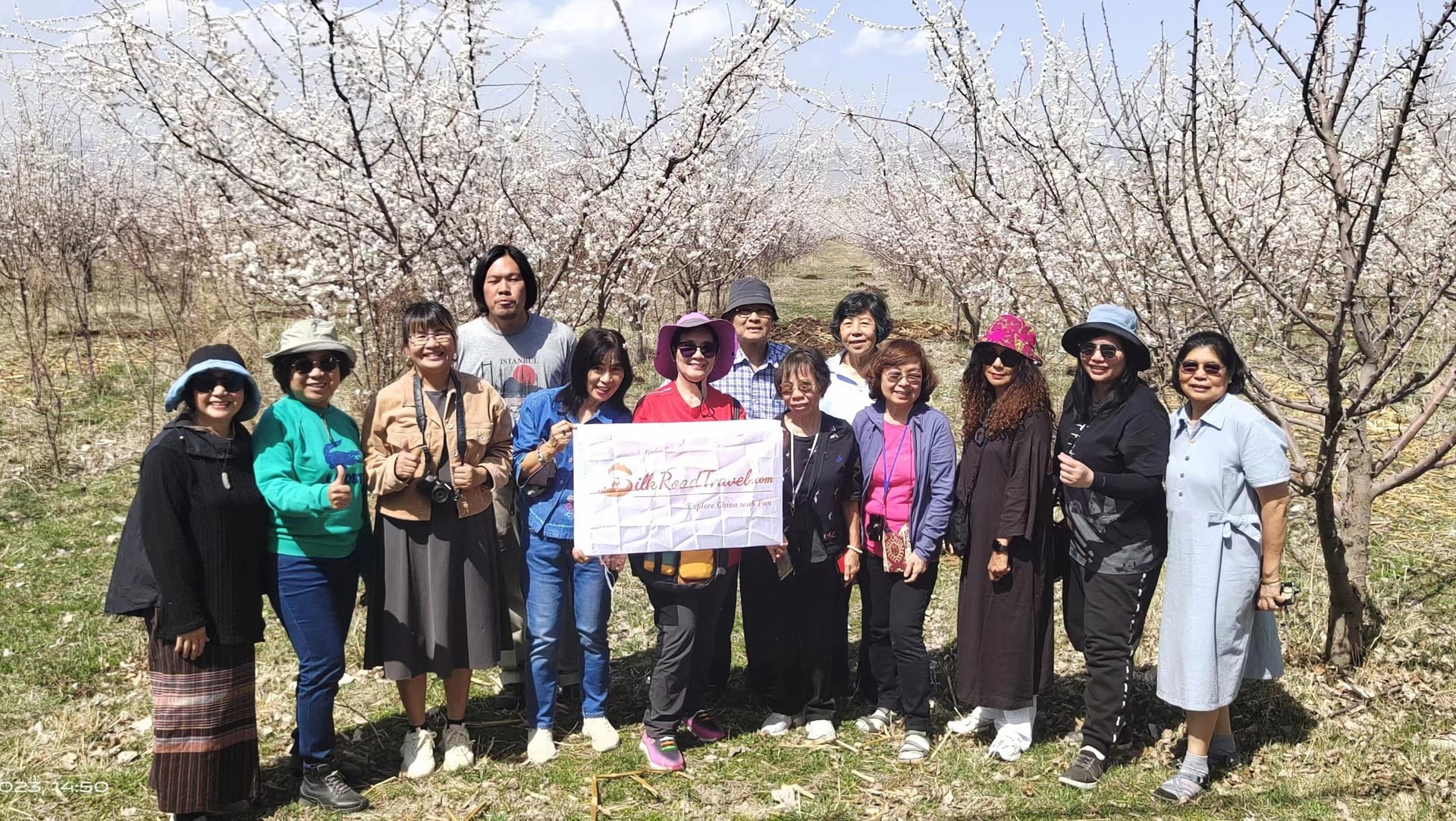
Yining - Xinyuan - Naraty Gongliu - Daxigou Valley - Qingshuihe - Kuitun - Urumqi
Join in our Xinjiang apricot blossom in Spring. In Yili, go to Tuergen village and Daxigou valley, immerse yourself in the ocean of apricot flowers. Then go to Yining city to experience the exotic Liuxing Street. Visiting Naraty and Kalajun grassland is also enjoyable in spring!
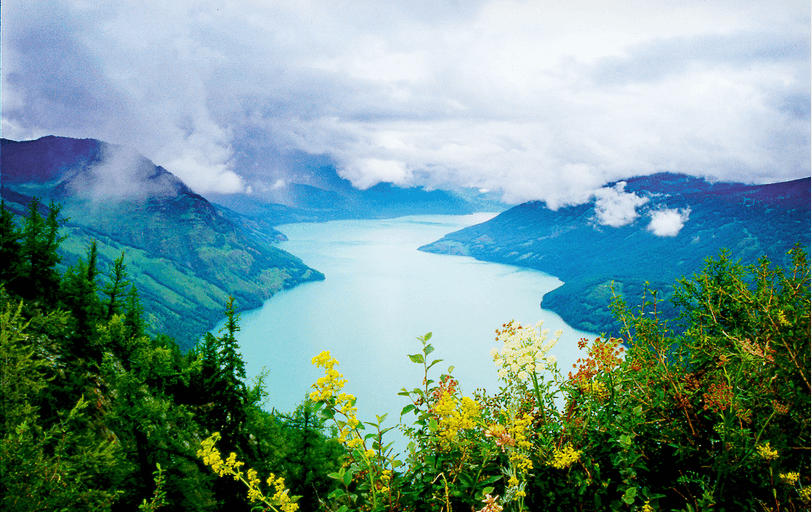
Urumqi - Fuyun - Burqin - Kanas - Karamay - Sarym Lake - Naraty pastureland - Bayinbuluk - Korler - Turpan - Heavenly Lake
Enjoy 13 Days North Xinjiang Tour Packages. You can visit along the north part of Xinjiang Province, including Kanas Lake, Swan Lake and more popular attractions
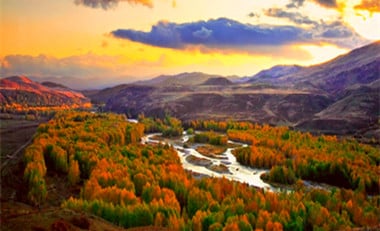
Urumqi - Heavenly Lake - Burqin - Kanas - Hemu - Karamay - Sayram Lake - Naraty - Bayinbuluk - Korla - Urumqi
11 Days Northern Xinjiang Tour to the unparalleled beauty of Kanas Natural park and the Grassland in Yili which is bording with Kazakhstan.Fairyland-Kanas Lake Nature Reserve.A piece of emerald in the grassland-Sayram Lake.Amazing experience-driving in the deep of Tianshan Mountain.Northern Xinjiang must be a lifetime journey to you.
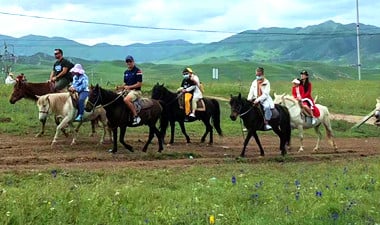
Urumqi - Kuitun - Yining - Gongliu - Naraty - Kuqa - Alar - Makit - Kashgar - Taxkorgan
Yili Grassland and South Xinjiang Adventure to Kuqa & Kashgar, Stroll around the lakes and mountains in west Xinjiang and then drive accross Duku Highway to run into southern Xinjiang. Taste the flavor of the unique culture and customs of Kashgar. Then visit the magnificent Pamir Plateau along the Karakoram Highway!
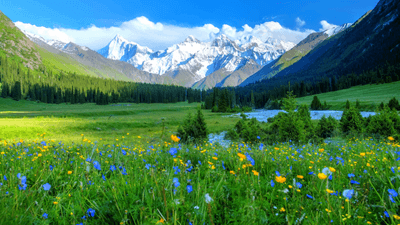
Yining - Naraty - Zhaosu- Tekes - Sayram Lake - Urumqi -Turpan
Welcome to join our Xinjiang Yili Indepth Adventure, enjoy full day sightseeing in Nalati Grassland, hike in Xiata Forest Park and see the amazing crystal thick ice standing still in summer, stroll along the picturesque trail and come to Xianhuatai
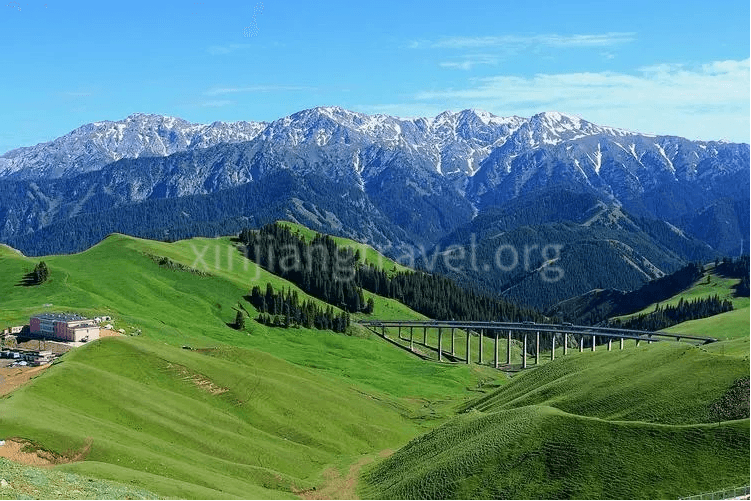
Urumqi-Turpan-Kuitun-Tangbula Grassland-Nalati-Sayram Lake-Urho-Kanas-Hemu-Altay-Urumqi
Explore the breathtaking landscapes, ancient Silk Road ruins, alpine lakes, grasslands, and ethnic villages of Northern Xinjiang on this unforgettable 15-day private journey through Kanas Lake, Hemu Village, Nalati Grassland, and the legendary Duku Highway.
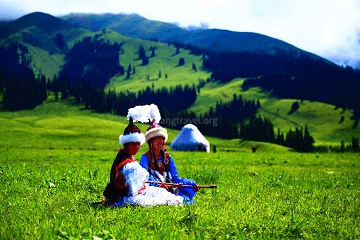
Urumqi - Dushanzi - Yining - Zhaosu - Tekes - Gongliu - Nalati - Kuitun - Urumqi
Explore the best of Northern Xinjiang on a Duku Highway tour featuring Yili, Nalati, Zhaosu and Tekes. Discover grasslands, canyons and stunning mountain scenery.
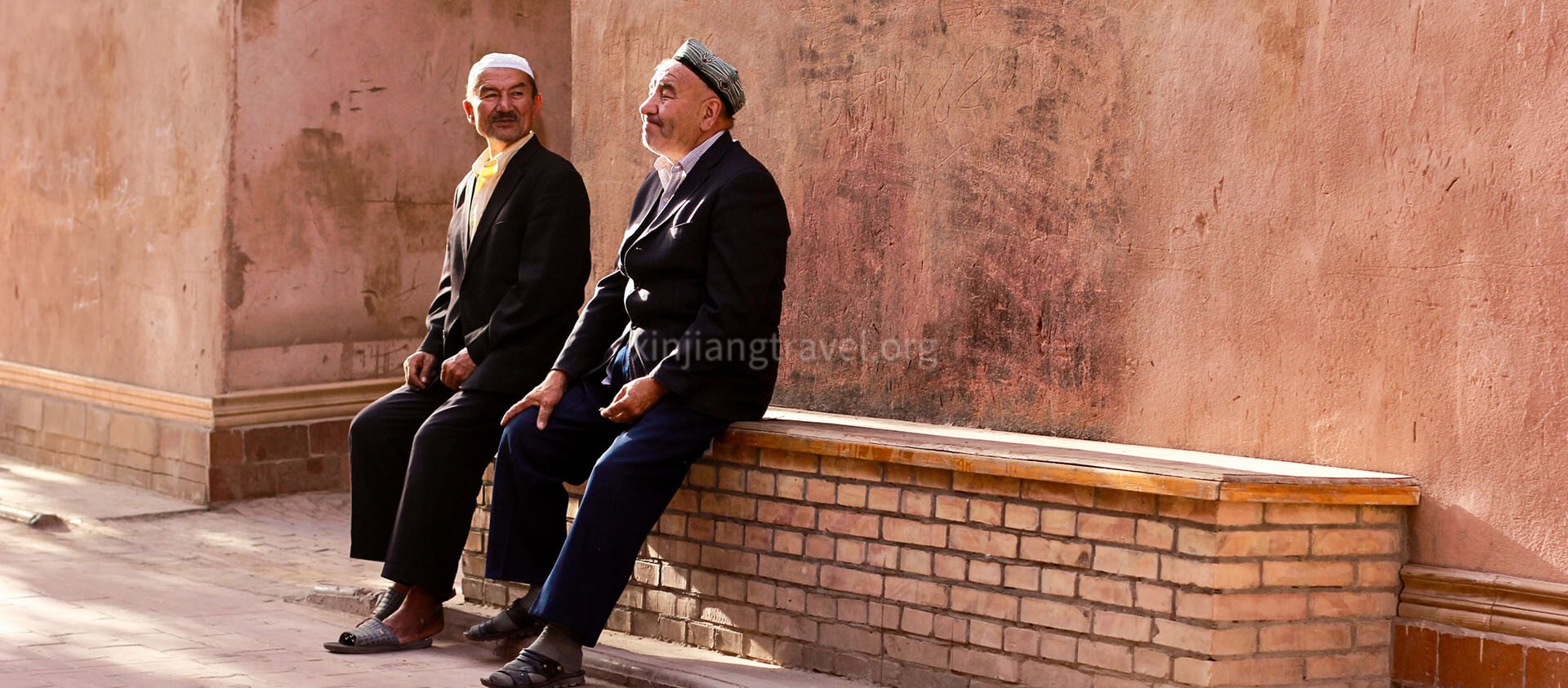
Kashgar-Karakul Lake-Taxkorgan-Nalati-Yining-Jinghe-Urumqi-Turpan
A 13-day Xinjiang tour covering Kashgar, Yili and Urumqi. Discover the Pamir Plateau, Silk Road culture, Ili grasslands, Kanas scenery and the diverse landscapes of Northern and Southern Xinjiang.
Zhaosu lies south of Yining in Xinjiang's Ili region, where a broad farming and grazing basin meets the northern slopes of the Tianshan. Come for a full day in Xiata's mountain valley, horses moving through the wetlands, or summer roads bordered by yellow rapeseed fields.
Two nights in Zhaosu are a useful minimum if Xiata is your priority. The county town is a base for accommodation and meals, not a compact collection of walkable attractions: Xiata, the wetland park and the main horse venues each require a separate journey.
Choose Zhaosu if you want a mountain-valley walk and are willing to stay locally rather than make a long day trip from Yining. It also suits travellers interested in horses or summer agricultural landscapes, even if they do not intend to ride.
Xiata is the main reason to protect a full day here. Its appeal is the progression from a forested valley into more open mountain views, with a river running through the landscape. The county's flower fields and horse experiences are easier to fit around that day than another major mountain attraction.
Tekes makes more sense when Kalajun is your main destination or you are continuing through that part of Ili. Nalati lies farther east and fits a different section of the valley. Neither is a quick additional stop on a full Xiata day.
If you have only one spare day while staying in Yining, choose a limited Zhaosu outing or keep to a closer destination. Driving to Xiata, changing transport, walking and returning to Yining can leave the valley visit feeling hurried. Moving your overnight base is usually the more useful improvement. Here is a practical Zhaosu Travel Map for you if you are a first time visitor.
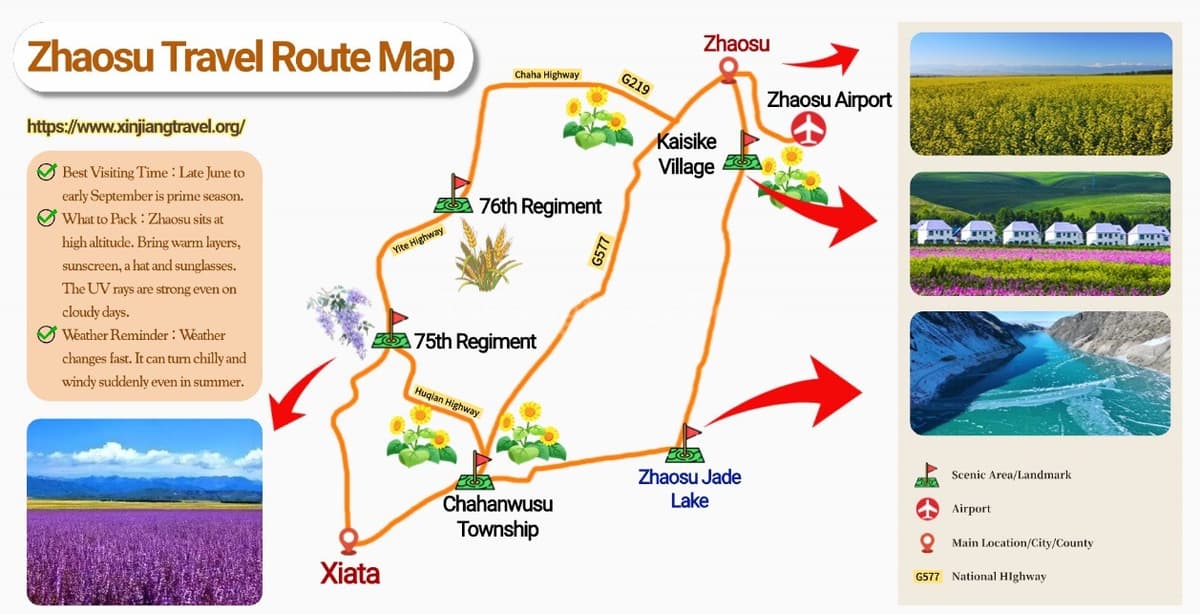
First arrange the journey to Zhaosu town; then arrange transport from town to your chosen attraction. A bus ticket or airport transfer to Zhaosu does not include the next morning's journey to Xiata.
Yining is the most practical regional starting point for many overseas visitors. Arrive there by a suitable flight or train, then continue by road to Zhaosu. A car with a driver is convenient if you have luggage and want agreed stops along the way.
The Yizhao Highway, S237, is a seasonal mountain route between the Yining area and Zhaosu. Its attraction is the mountain crossing, but its opening period, daily restrictions and permitted vehicles affect whether it can be used. Tell your driver if this road is important to you rather than assuming every Yining–Zhaosu transfer follows it.
When that mountain section is unavailable, a route through the eastern Ili road network and Tekes may be the practical alternative. It changes the journey and should be priced and timed accordingly. Do not book a late arrival in Yining around an assumed evening crossing of the Yizhao Highway.
A public coach can be an option for reaching the county town when the timetable suits. Confirm the departure station, arrival point and luggage arrangements locally. Keep a separate booking for the Xiata excursion rather than expecting a convenient onward connection after reaching Zhaosu.
Zhaosu lies west of Tekes, making the two towns a possible sequence within an Ili trip. Travel between them as a transfer, with a short flower-field stop if conditions and the route suit. Do not add a complete Kalajun visit and a substantial Zhaosu horse programme to the same day.
If you are coming from Tekes specifically for Xiata, move to Zhaosu or the Xiata approach the previous afternoon. That removes one intercity section from your sightseeing morning.
Zhaosu Tianma Airport, ZFL, offers another arrival option when a domestic service matches your dates. Compare the complete connection with flying to Yining; a nearby airport is only useful if the flight timing works for the rest of the trip.
Book the ground transfer to your actual accommodation. An airport arrival does not imply a direct service to Xiata, and a hotel near the scenic area may be much farther from town than its booking description suggests.
Give Xiata a full day from a Zhaosu base. The drive to the entrance is only the first stage: park transport takes you farther into the valley before the main walking part begins.
Xiata is also written Xiate or Shata; use 夏塔旅游景区 when searching a local map or confirming a booking. The visitor entrance is roughly 70 kilometres southwest of Zhaosu town. Allow for the road journey separately from ticket checks, waiting and transport inside the scenic area.
Arrange a return car from your Zhaosu accommodation to the visitor entrance, with a meeting point and collection window agreed in advance. A driver who drops you at the gate is not necessarily waiting for your return, and mobile reception farther up the valley should not be your only way to organise the ride home.
At the entrance, establish which internal route is operating and what your ticket covers. The main valley transport serves the hot-spring hotel area, 温泉酒店, with access towards the upper sightseeing area associated with Jiangjun Bridge, 将军桥. The onward vehicle, walking access and open stopping points need to match that day's operating route.
Think of the visit in stages: Zhaosu hotel → scenic entrance → valley transport → the open upper drop-off or walking starting point → an out-and-back walk → transport to the entrance → your return car. A chartered vehicle from Yining or Zhaosu should not be assumed to carry you through every stage.
For a shorter visit, use the operating internal transport and walk a manageable section near the open sightseeing area. The forest, river and mountain backdrop can make the journey worthwhile without a long hike. Ask staff where the nearest return boarding point is before setting off.
For a longer walk, choose an open valley route towards the meadows only after establishing the distance and return deadline. Older maps often show Jiangjun Bridge and the Flower Terrace, 鲜花台, as fixed milestones; use the current visitor map and barriers to decide how far you can go.
Turn around while you still have comfortable time for the walk back and the outward transport. Being close to a snow-covered mountain in a photograph does not mean that the glacier is close enough for an easy walk.
The visitor-area outing is not the historic Xiata crossing over the Tianshan. Do not follow a long-distance trekking track beyond the managed sightseeing area or treat an old hiking report as permission to enter remote terrain.
Budget separately for admission, park transport and any optional service. Ask for the complete cost of the route you intend to use, including the return journey, rather than comparing entrance prices alone.
Foreign-passport visitors should have the scenic area or their booking agent confirm the accepted reservation and identity-checking method before travel. A mini-program that accepts Chinese identity numbers may require a different procedure for a passport. Bring the original document used for the booking.
Before leaving the transport area for a walk, establish the last return service from your actual boarding point. The closing time at the main entrance is not a substitute for the upper-valley return time. Keep a late-afternoon intercity departure out of this day's plan.
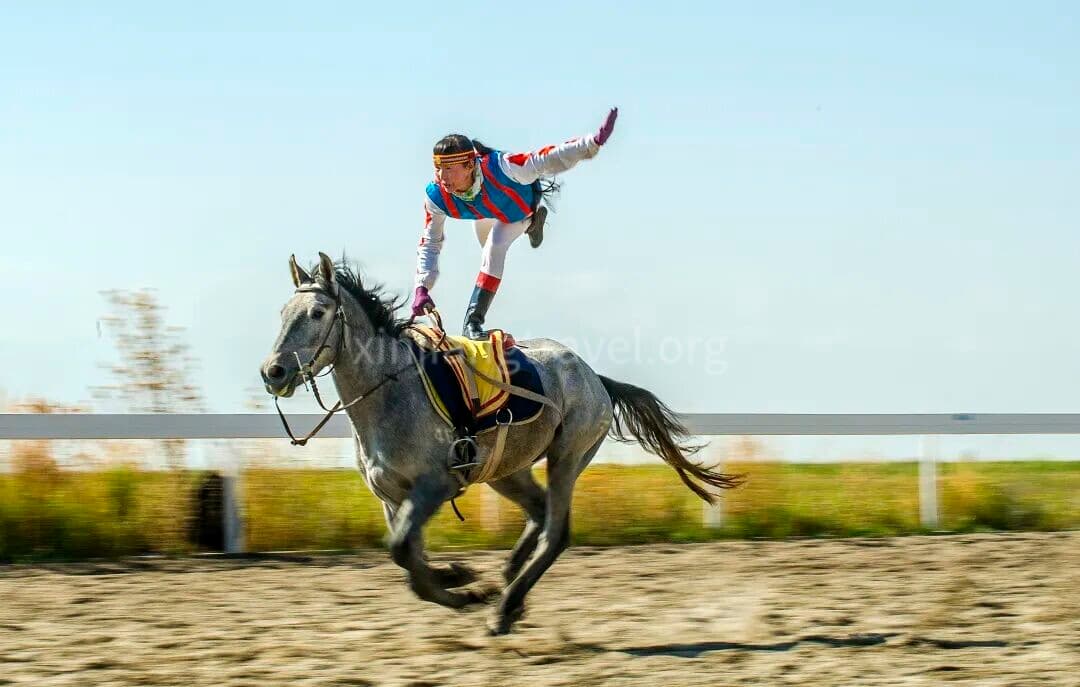
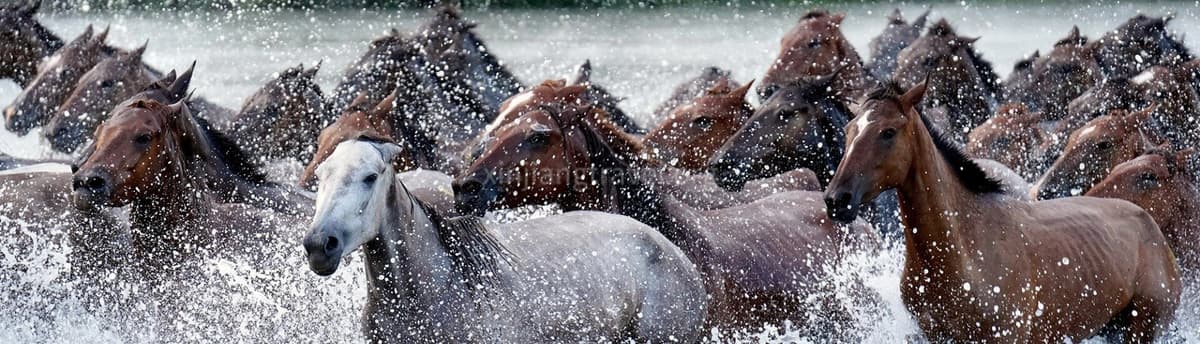
Choose the horse experience first, then the venue. Watching a herd enter a river, seeing an equestrian display and booking a personal ride are different activities, even when publicity uses similar photographs or the word "Tianma".
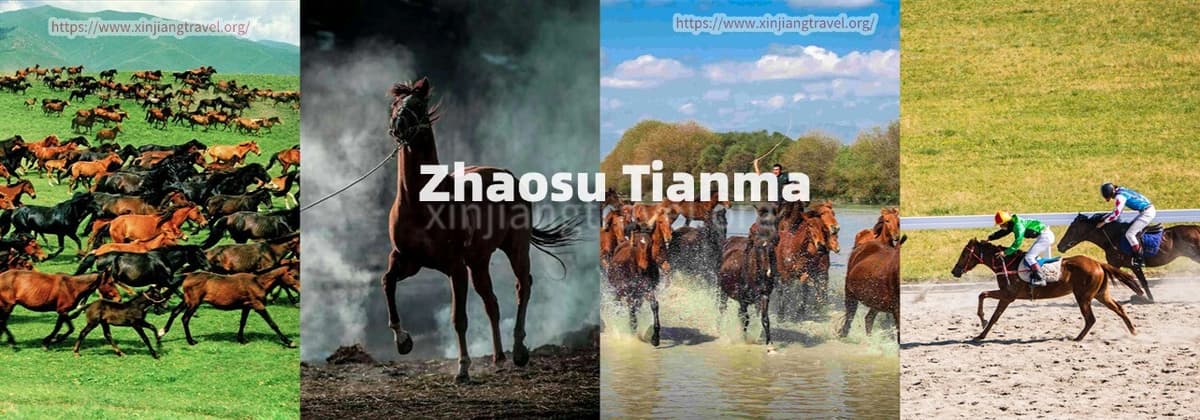
Zhaosu Wetland Park, 昭苏湿地公园, is the place associated with "Tianma Bathing in the River", 天马浴河. The attraction is watching horses move through the water within the wetland setting, with the river and open landscape forming part of the view.
Ask for the programme for your visit date and arrive in time to reach the designated viewing area. Do not assume that the advertised park opening hours are the performance times, or that arriving at noon guarantees the horse activity.
This is a spectator visit. Stay within the viewing area and do not approach the moving herd or enter the river for photographs.
Tianma Tourism and Cultural Park, 天马旅游文化园, is a different destination at the county's military horse-farm area. It is relevant if you want equestrian displays and a visit centred more directly on horses and their training.
Confirm the exact Chinese name with your driver. The similarly named Tianma Science and Technology Park, 天马科技园, is another facility, not an alternative entrance to the same attraction. A booking described only as "the horse park" leaves too much room for confusion.
A normal visit and a horse festival are also different purchases. Plan around festival activities only after the dates, venue and visitor arrangements have been announced.
For riding, ask about the operator, route, length of the session, helmet provision and supervision for your ability. A led beginner ride, a lesson and an open-country trek should not be sold as equivalent experiences.
Also ask whether instructions can be given in a language you understand. Do not assume an English-speaking instructor is included because the transport booking was made in English. If riding is the main purpose, give it its own substantial part of the day.
Rapeseed fields are best added to a transfer or a lighter sightseeing day. They spread across working farmland around Zhaosu, so the most useful stop depends on which fields are flowering and where you are travelling that day.
July is a useful starting point when planning for broad yellow fields, with flowering sometimes extending into neighbouring weeks. Sowing dates, elevation and weather affect the display. Ask for a suitable field stop along your route rather than booking around a photograph from a different year.
Photograph from public paths, permitted viewpoints or field edges where stopping is allowed. Crops are not walking surfaces, and a gap in a fence is not an invitation to enter. A short roadside view can be enough if your main priority is reaching Xiata or a scheduled horse programme.
Outside the flower season, Zhaosu can still justify a visit for Xiata and horse-related experiences that are operating. The decision becomes less about finding a field and more about whether the valley conditions and programme suit your dates.
Shengyou Temple, 圣佑庙, provides a cultural alternative within Zhaosu town. Its setting and architecture offer a change from the county's outdoor scenery, and it fits a lighter arrival or departure period more naturally than another distant landscape stop.
Visit during its admitted opening period and respect any restrictions inside religious spaces. In unsettled weather, a shorter town visit and a relaxed meal are more sensible than substituting another exposed mountain road for Xiata.
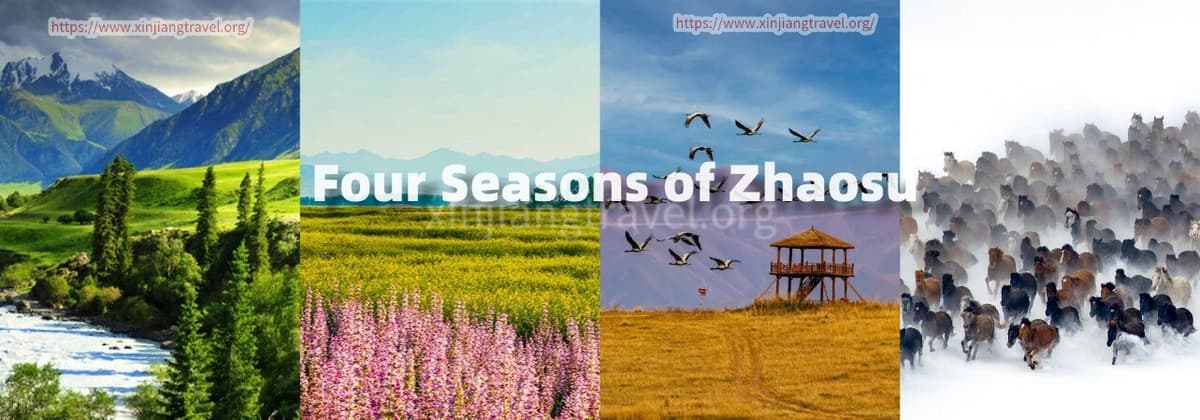
Summer is the easiest season to combine Xiata, green landscapes and horse experiences, but each has its own timing. Rapeseed flowering, a horse event and the opening of a mountain road are separate things to confirm.
June often suits travellers interested in greener valley scenery and walking during the operating season. Conditions higher in Xiata can remain cold or wet, and a clear morning in town does not guarantee unobstructed mountain views.
July is the main month to consider if rapeseed fields matter to you. Allow a full Xiata day as well as a lighter period for fields and horses. Trying to fit the flower season into a single rushed day from Yining gives you little room to respond to weather.
August can still work well for the valley and horse experiences, although agricultural landscapes change as flowering ends and harvesting progresses. Choose the trip for more than the yellow fields if travelling later in summer.
September brings a different landscape, with cooler mornings and changing meadow colours. Shorter days and colder valley conditions make early starts and return planning more important. Services and routes need to be suitable for the specific dates rather than assumed from midsummer arrangements.
Spring and winter require a separate plan. Do not book a summer-style Xiata walk or the Yizhao mountain crossing merely because Zhaosu town is reachable. Snow, seasonal closures and the operation of accommodation can change the whole visit.
The one-day plans below begin after a night in Zhaosu. They are not half-day additions to a Yining holiday. For travellers without a car, pre-arranged return transport is what makes these plans workable.
For Xiata, leave your Zhaosu accommodation in the morning, travel to the entrance and use the operating internal transport. Choose a shorter walk or a longer valley outing according to conditions, then return to the entrance and your agreed car. Stay in Zhaosu again rather than attaching a late drive to Yining.
For a lighter day, choose either the wetland horse programme or Tianma Tourism and Cultural Park. Fit a permitted flower-field stop around the confirmed programme and keep time for lunch. If flowers have finished, replace the field stop with Shengyou Temple or more time at the selected horse venue.
If you have only one day, do not try to combine a long Xiata walk with a complete horse programme. Choose the experience that brought you to Zhaosu.
Day 1: travel from Yining or Tekes to Zhaosu. Take a short field stop if it is on the agreed route and flowering conditions are worthwhile. Check in, buy supplies and confirm the following day's return car. Overnight in Zhaosu.
Day 2: spend the day at Xiata and return to the same hotel. This two-day arrangement works best with a second Zhaosu night, followed by onward travel the next morning. If you must leave on the second evening, choose a shorter valley visit and agree a realistic departure with your driver before entering.
This plan gives Xiata priority. It does not promise a horse show as an extra on the arrival afternoon.
Day 1: leave Yining for Zhaosu, using the road available for your vehicle and dates. Add a brief field stop or town visit if time permits. Overnight in Zhaosu.
Day 2: make Xiata the only major outing. Return to Zhaosu for dinner and a second night, leaving the suitcase at the hotel and carrying only what you need for the valley.
Day 3: choose a horse venue with a programme that fits your onward travel, or spend the morning on flowers and a short town visit. Continue to Tekes or return to Yining. If the horse activity is late in the day, add another night rather than forcing a rushed departure afterwards.
If poor weather affects Xiata, swap the second and third days only if the transport, bookings and onward connection allow it. If the valley is closed, use the town and an operating horse venue; another mountain attraction is not automatically a safe replacement.
For a first visit without a car, Zhaosu town is usually the simplest base. It gives you more choice for meals and supplies, and a clear starting point for a booked return trip to Xiata. Two nights in the same hotel also keep luggage out of the sightseeing day.
| Base | Main advantage | What to check |
Zhaosu town | Convenient meals, supplies and a straightforward meeting point for drivers. | Early breakfast, vehicle access and the full return journey to Xiata. |
Xiata approach or nearby village accommodation | Less road travel before reaching the entrance. | Exact location, meals, seasonal operation and transport after leaving the park. |
Accommodation inside the scenic area, where available | A different experience of staying in the valley. | Admission arrangements, luggage transfers, permitted access times and which facilities are actually operating. |
A property labelled "Xiata" may be outside the gate, along the approach road or within the scenic area. Ask for a map pin and the name of the nearest transport stop before comparing prices. These locations do not offer the same access.
Staying closer does not automatically allow entry before opening or unrestricted movement after transport stops. If early photography is the reason for booking, establish exactly where you may go and how you will reach it.
For a short first trip, the convenience of town often outweighs a more remote room. Choose the Xiata direction when the valley stay itself is important and the meals, luggage and onward transfer have been arranged.
Buy the Xiata day's water and portable lunch in Zhaosu before setting off. Ask your hotel whether breakfast is available before the car arrives; otherwise arrange something the evening before. Do not make a long walk depend on finding an open café at the point where you become hungry.
In town, noodles, bread, rice dishes and grilled meats provide straightforward choices, but ask about ingredients. Vegetarian travellers should check the use of meat stock and animal fat rather than relying on the presence of vegetables in a dish.
For Xiata, carry a waterproof outer layer over clothing you can add or remove. Walking can feel warm while a shaded stop or wait for transport feels cold. Shoes with reliable grip are more useful than smooth-soled footwear on wet paths and uneven ground.
At flower fields and horse venues, expect sun and wind with less shelter than in town. A secure hat, sunglasses and a light outer layer are useful, and closed shoes are preferable around horses. Keep loose scarves and dangling items away from animals and equipment.
Carry your original passport for bookings and checks. Have your host or operator confirm any access requirements for the exact excursion; being in a border county does not mean every attraction follows one identical permit procedure. Avoid adding remote border roads from a domestic self-drive post without a separate access check.
Save your accommodation, attraction names and driver's contact details offline. Agree whether meeting times use Beijing time, and choose a specific pick-up point rather than "outside the park".

Yes. Xiata, the wetland landscape, spectator horse activities and summer fields provide plenty to do without riding.
Yes. Arrange a return vehicle from Zhaosu to the entrance, then use the operating park transport. A public service towards Xiata township should not be assumed to solve the entrance transfer and return journey.
It can be, provided the internal transport and open sightseeing area suit your mobility. Describe your walking limits when booking, and ask about surfaces and boarding arrangements rather than relying on a general "easy" label.
That can work for a limited outing, but it is a poor fit for an unhurried Xiata visit. Staying two nights in Zhaosu gives you a full valley day between the intercity journeys.
No. The river activity is associated with Zhaosu Wetland Park; Tianma Tourism and Cultural Park is a separate venue. Use the Chinese names when arranging transport.
Focus on Xiata's valley scenery and horse activities that are operating. Do not choose late-season dates on the assumption that the yellow fields will remain.
Do not treat glacier access as part of a standard sightseeing ticket. Stay on the open visitor route; seeing snow and ice in the distance is different from entering glacier terrain.
No. A festival has its own dates and programme. Ordinary venue opening, a scheduled display and a festival visit need separate confirmation.
The 11-day Ili adventure and hiking itinerary includes Zhaosu Wetland Park and a separate Xiata day, followed by other Ili walking destinations. It is more suitable for travellers seeking a longer active journey than for those wanting only a short county-based stay.