20 years of pioneer in xinjiang tourism for overseas travelers
Born Here, Know Best, Your Journey's Blessed
No Shopping. No Detour, 99% Excellent Review

contact UsOn Wechat
Xinjiang's weather in February is slightly warmer than in January, but it is still winter. The weather is cold and dry, with sunny days that feel more comfortable.
In northern areas like Urumqi and Altay, Xinjiang Weather in February brings average daytime temperatures between -10°C and -5°C, while nights stay much colder, often dropping to -15°C or lower. Snow remains on the ground, and ski resorts in Altay continue to offer good conditions with fewer crowds.
In southern Xinjiang, the weather in February feels milder. In Kashgar, daytime highs usually reach 0°C to 6°C, with nights around -5°C to -10°C. In Turpan, temperatures can rise to 5°C or higher during the day. The air is dry and the skies are often clear, which makes it easier to enjoy outdoor activities.
Many people think winter in Xinjiang is extremely cold, with heavy snow everywhere, but the weather in Xinjiang is actually quite sunny in most places. The bright sunshine during the day feels pleasant, and the clear skies give you better chances to see beautiful mountain views.
February in Xinjiang marks the end of the cold season and is a good time to visit. You can explore Kashgar Old Town or walk around frozen lakes without the summer heat and big crowds. Hotels and some attractions often have lower prices because it is still low season.
Whether you want to ski in the north or enjoy peaceful cultural experiences in the south, Xinjiang Weather in February offers a quiet and comfortable winter trip — as long as you bring warm clothes for the cold nights.
Content›Xinjiang Weather in February– Quick Overview ›What to Pack: Your Essential Winter Checklist ›Best Places to Visit in Xinjiang in February |
 Xinjiang Weather in February– Quick Overview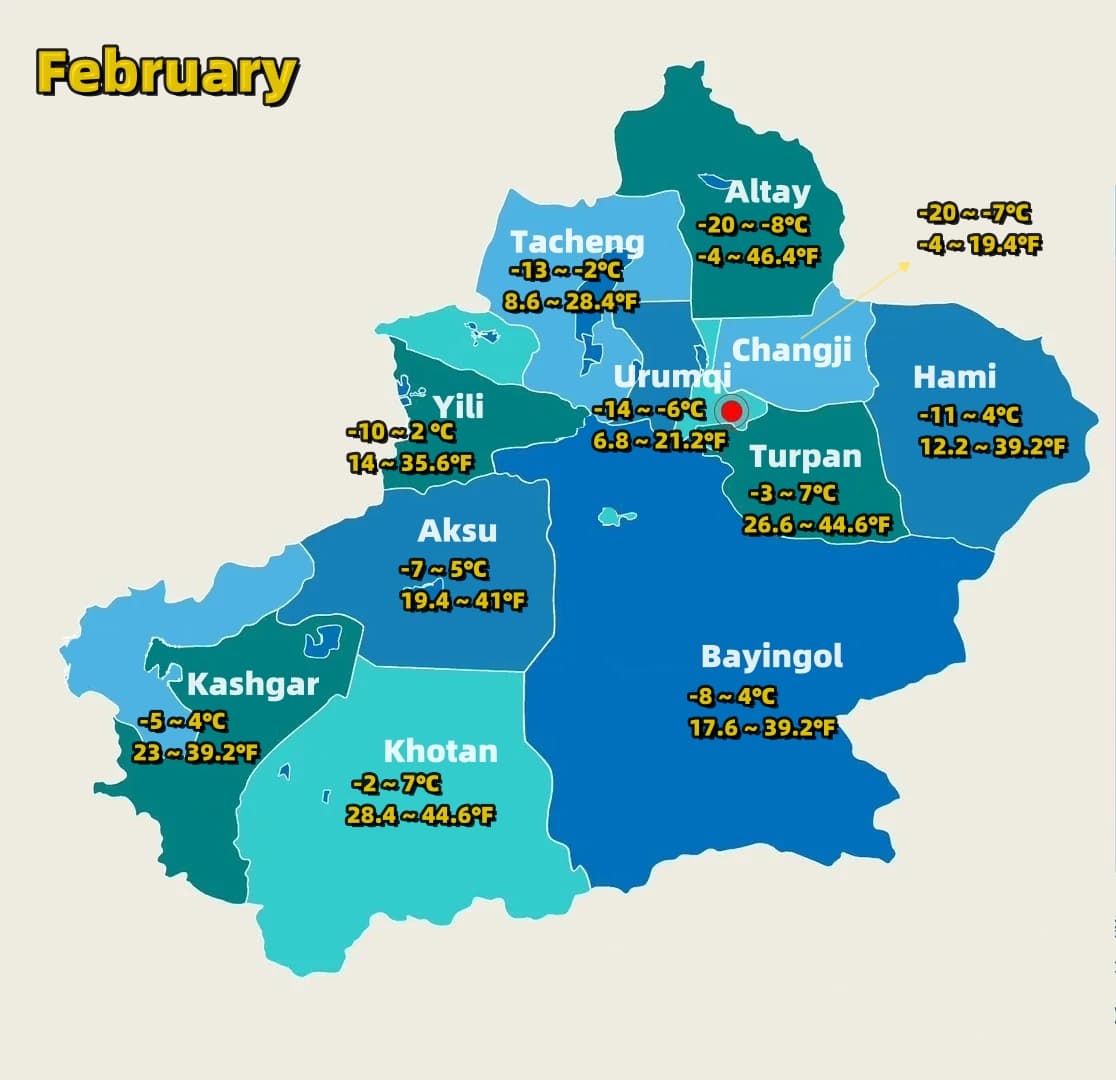
Xinjiang Weather Condition in February
After you understand the weather, the next practical question is simple: What should you actually bring?
In Xinjiang, packing depends a lot on whether you are going to the north or the south.
For Northern Xinjiang:
Xinjiang's weather in February is still very cold, so good preparation is important. Start with a thermal base layer — a long-sleeve top and leggings. Add a warm mid-layer such as a fleece jacket or thick wool sweater. Your most important piece is a windproof and water-resistant down jacket. For bottoms, wear insulated or water-resistant pants over thermal leggings. Choose waterproof winter boots with a strong grip for snow and ice. You will also need a warm hat that covers your ears, a scarf to protect your face, and insulated gloves. Don't forget sunglasses — the sun reflects very brightly off the snow. Bring high-SPF lip balm and moisturizer to protect your skin from the dry air.
For Southern Xinjiang:
Xinjiang's weather in February is milder in the south, so packing is easier and lighter. Your normal winter clothes usually work well: comfortable jeans or trousers, long-sleeved shirts, and a medium-weight jacket or wool coat. For the evenings, when temperatures drop quickly after sunset, bring a heavier layer such as a packable down vest or warmer jacket. High-SPF lip balm and moisturizer are still essential for everyone because the air is very dry across Xinjiang.
With the right clothing, you can stay warm and comfortable while enjoying Xinjiang's weather in February — whether you are skiing in the north or exploring old towns in the south.
Altay & Hemu Village
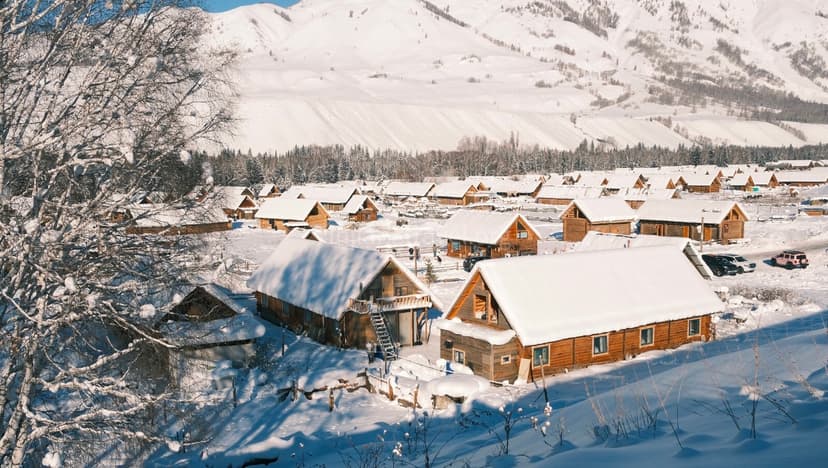
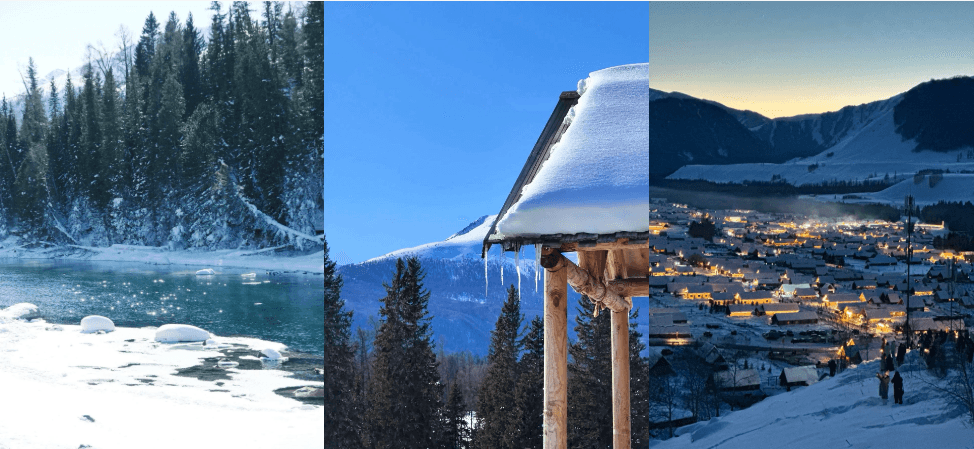
In February, snow covers the forests, wooden houses, and frozen rivers in northern Xinjiang. The whole area feels very quiet. Early in the morning, you can see smoke rising from chimneys, with almost no one around.
Hemu Village is the most popular spot. You can stay in a cozy wooden cabin. When you wake up, the windows often have beautiful frost patterns. Step outside into the deep snow and enjoy the peaceful white world. The only sounds are your boots crunching on the snow and the gentle noise of horse-drawn sleds. Many visitors say this is one of the best places for winter photos.
Xinjiang Weather in February keeps plenty of snow on the ground, so the village looks like a real winter wonderland with far fewer crowds than in summer.
Altay is recognized as one of the birthplaces of human skiing. Rock paintings in the area show people skiing more than 10,000 years ago. In February, you can experience this history yourself. Resorts like Keketuohai offer good powder snow and slopes for both beginners and experienced skiers. The area has become very popular for winter sports, with hundreds of thousands of visitors coming each season.
Whether you want to relax in a quiet snowy village or try skiing, northern Xinjiang in February gives you a calm and special winter experience.
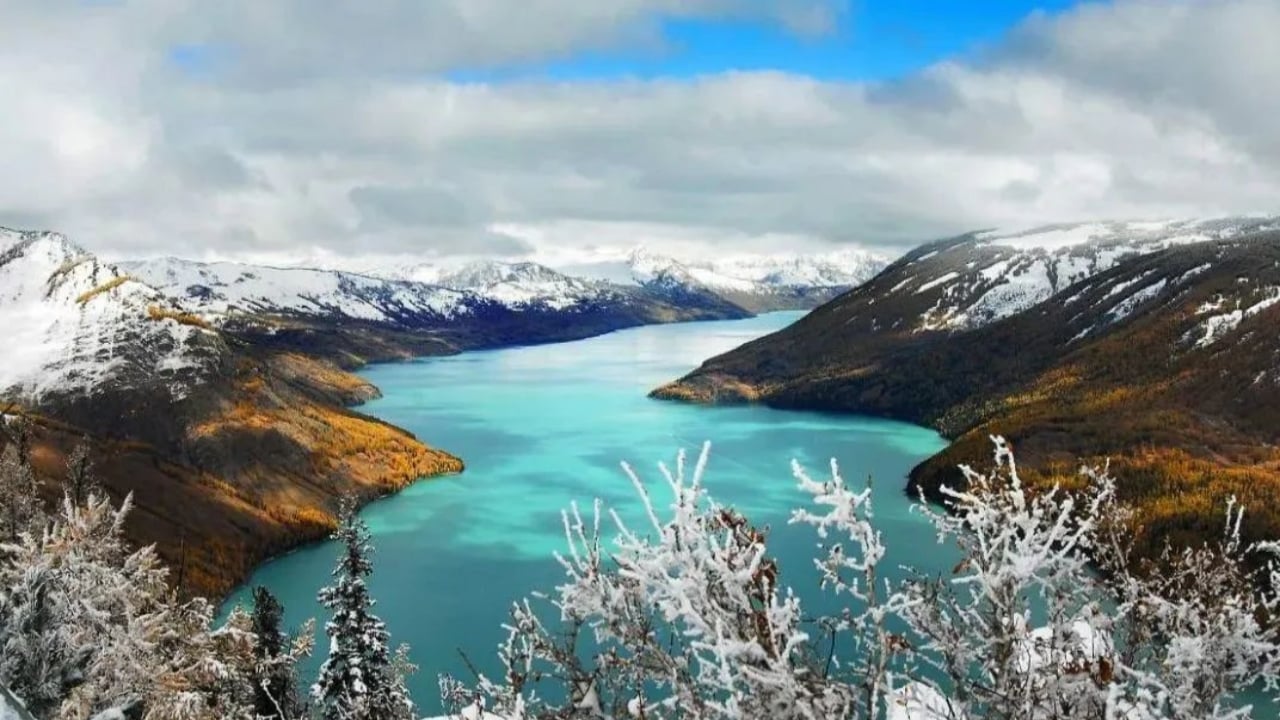
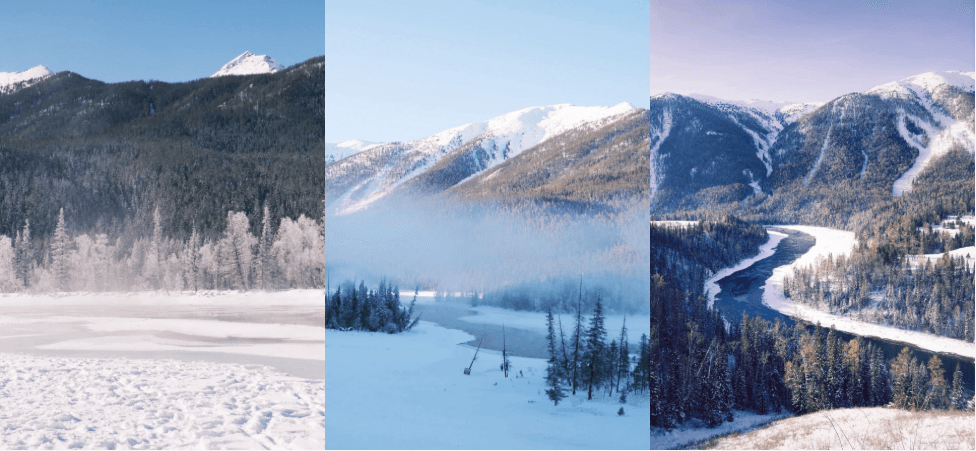
Just a short drive from Hemu Village, Kanas Lake in February is even more impressive. The whole lake is frozen, creating a vast white surface surrounded by snow-covered mountains. The days are getting longer, so the light on the landscape looks especially beautiful.
You can walk on the frozen lake surface — it feels very special. Look closely at the ice and you will see interesting cracks and frozen bubbles trapped underneath. Locals like to joke that the famous "Kanas Lake Monster" is sleeping quietly under the thick ice.
Don't miss climbing up to the Fish Pavilion (Guanyu Terrace). There are 1,068 steps, and the path is well cleared of snow. From the top, you get a wide panoramic view of the frozen lake and the snowy valleys below. It is one of the best views in the area and is well worth the climb.
Xinjiang Weather in February keeps Kanas Lake quiet and peaceful, with far fewer visitors than in summer. It is a great time to enjoy the winter scenery at your own pace.
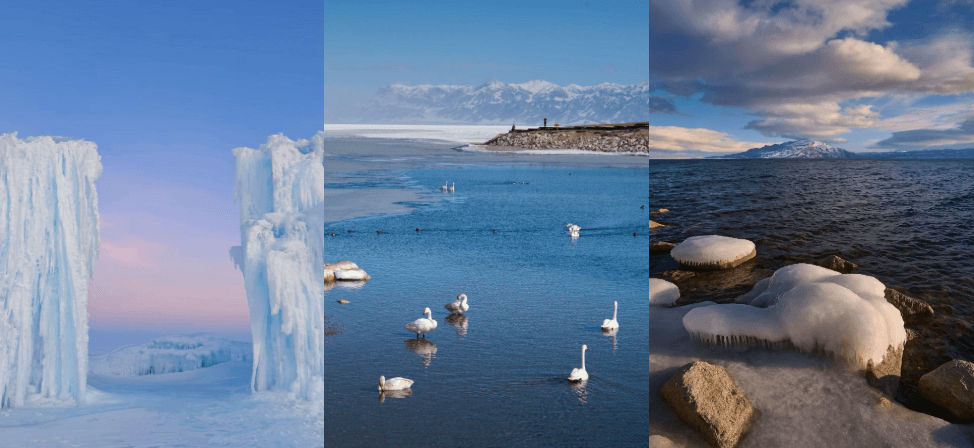
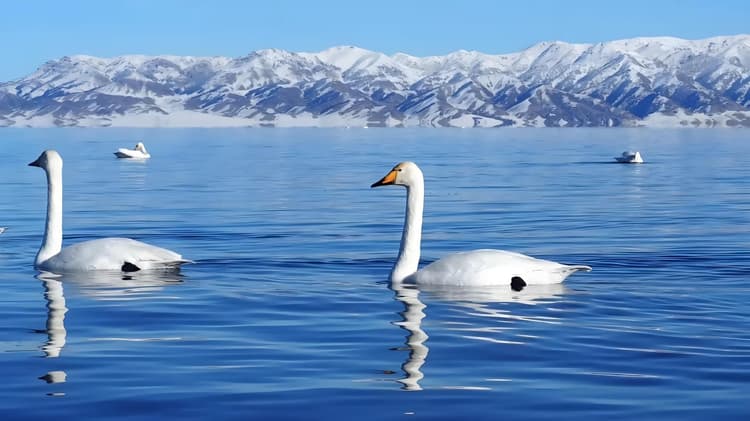
In February, Sayram Lake freezes completely. On clear sunny days, you can often see the famous blue ice and trapped air bubbles under the surface. These features are very popular with photographers.
You can walk safely along the shore or on the ice. Look for the beautiful "blue ice" that shines with a soft blue color when the sun hits it. You will also see "ice mushrooms" — strange shapes formed by frozen water and foam along the edge of the lake.
If you look down through the clear ice, you can spot frozen bubbles trapped underneath. These create interesting natural patterns just below the surface.
Xinjiang Weather in February makes Sayram Lake quiet and peaceful. It is a great time for taking photos and enjoying the frozen winter scenery without big crowds.
Urumqi is not just a stopover. It is the heart of Xinjiang and the region's main transport hub, where modern city life meets winter adventure. The city is lively and easy to explore, making it a great base for first-time visitors. You can spend a relaxed day at the Grand Bazaar, browsing local handicrafts, spices, and dried fruits, then enjoy a warm meal like hand-pulled laghman noodles or a rich lamb soup—simple, authentic, and perfect for the cold.
What makes Urumqi special is how close it is to the mountains. Within about 40 minutes to one hour, you can reach several ski resorts in the Tianshan range. Resorts such as Baiyun International Ski Resort, located around 42 km from the city, offer convenient access and facilities for all levels, including beginner-friendly slopes and family areas. Nearby resorts like the Silk Road International Ski Resort also provide modern lifts, multiple ski runs, and full-day winter activities. The ski season in Xinjiang typically runs from November to March, with reliable snow and good conditions throughout winter.
In Urumqi, you can spend the morning on the slopes and return to the city by evening. It is a rare combination—fresh mountain air, quality snow, and the comfort of a vibrant city all in one trip.
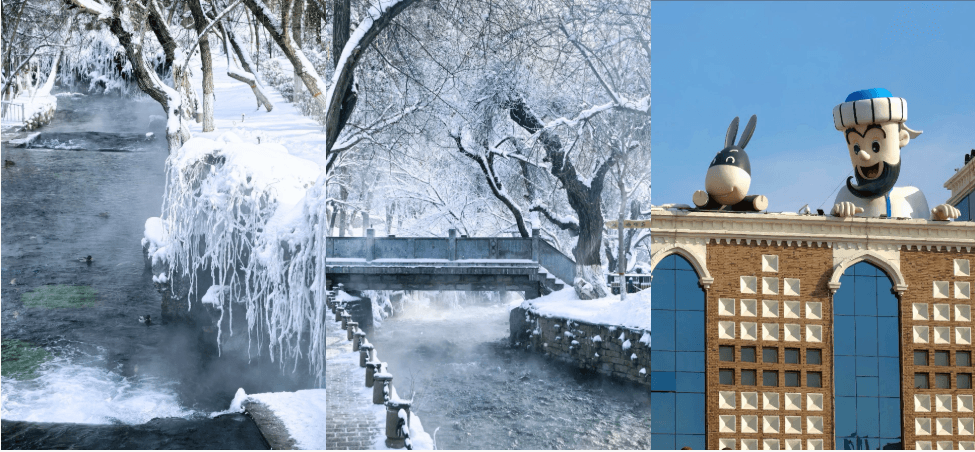
February is a pleasant time to explore Kashgar on foot. Daytime temperatures are usually around 5–10°C (41–50°F), and the sunshine makes it feel warmer. Without the strong summer heat, it is easy to walk through the streets, visit markets, and step inside mosques at a relaxed pace.
The Old City is the highlight of any visit. As you wander through its narrow alleys, you will see traditional mud-brick houses, carved wooden doors painted in bright colors, and scenes of daily life at every turn. Children play in the lanes, local craftsmen shape metal or wood in small workshops, and the smell of freshly baked naan drifts from neighborhood ovens. The atmosphere feels both lively and timeless.
If you are in Kashgar on a Sunday, the famous Sunday Bazaar is a must-see. This large market has been an important trading place for centuries. The most memorable part is the Animal Market, where farmers gather to buy and sell livestock. It is busy, noisy, and full of energy, offering a rare look at traditional rural life. For many visitors, it is also one of the best places to take photos.
Another simple but rewarding experience is visiting a local teahouse. Step inside, order a pot of milk tea or black tea, and take your time. Locals chat, rest, and watch the world go by. Sitting there for a while is one of the easiest ways to feel the rhythm of the city and enjoy a quiet moment after a day of walking.
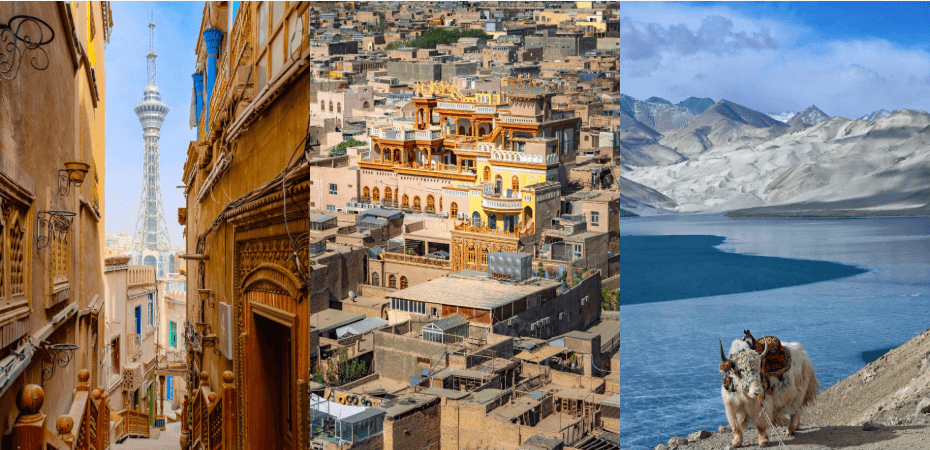
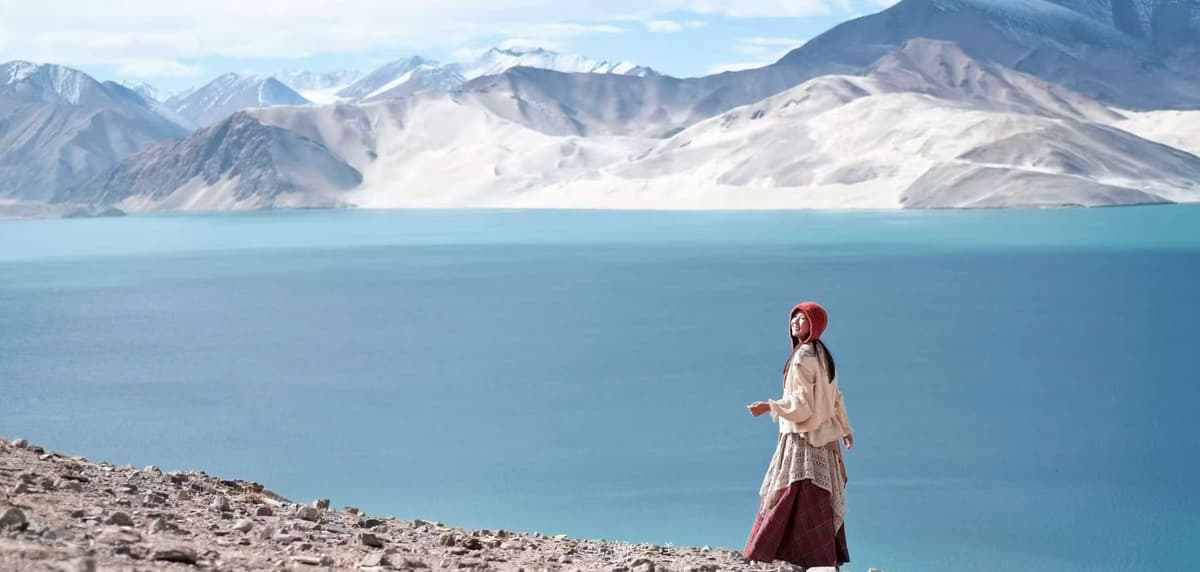
A winter journey from Kashgar onto the Pamir Plateau along the Karakoram Highway is not for everyone, but for those who enjoy remote landscapes, it is deeply rewarding. In February, this route reveals a quieter and more dramatic side of Xinjiang, where vast open spaces and high-altitude scenery stretch as far as the eye can see.
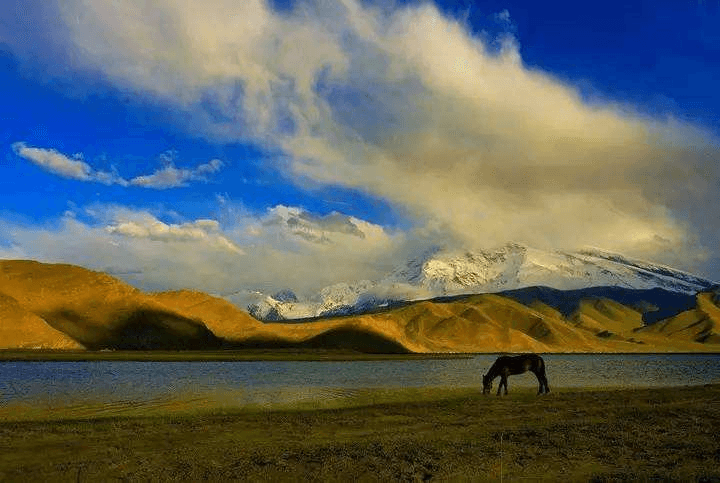
The drive itself is the highlight. As you travel along the Karakoram Highway, often called one of the world's highest international roads, you will pass Karakul Lake at an elevation of about 3,600 meters (11,800 feet). In winter, the lake is partly frozen, and on clear days it reflects the snow-covered peak of Muztagh Ata, which rises to 7,509 meters (24,636 feet). The air is thin, the light is sharp, and the sense of space is striking.
Further along, you can approach the Muztagh Glacier, one of the most accessible glaciers in the region. Its massive ice formations shine under the strong high-altitude sun, offering a rare chance to stand close to a landscape that has remained unchanged for thousands of years.
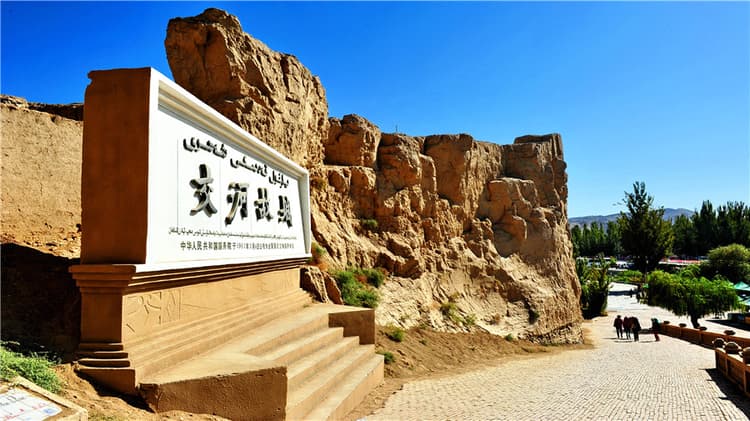
Your journey may end in Taxkorgan, a small town sitting at around 3,100 meters (10,170 feet). It is home to the Tajik community, known for their warmth and hospitality. Here, you can visit the ruins of the Stone Fortress, which dates back over 2,000 years and once protected an important route of the ancient Silk Road. Surrounded by snow-covered peaks, the setting feels both remote and historic.
Traveling in this region during winter requires careful planning. Road conditions can change quickly, and high-altitude weather is often unpredictable. It is strongly recommended to travel with an experienced local guide and check conditions in advance to ensure a safe and smooth journey.
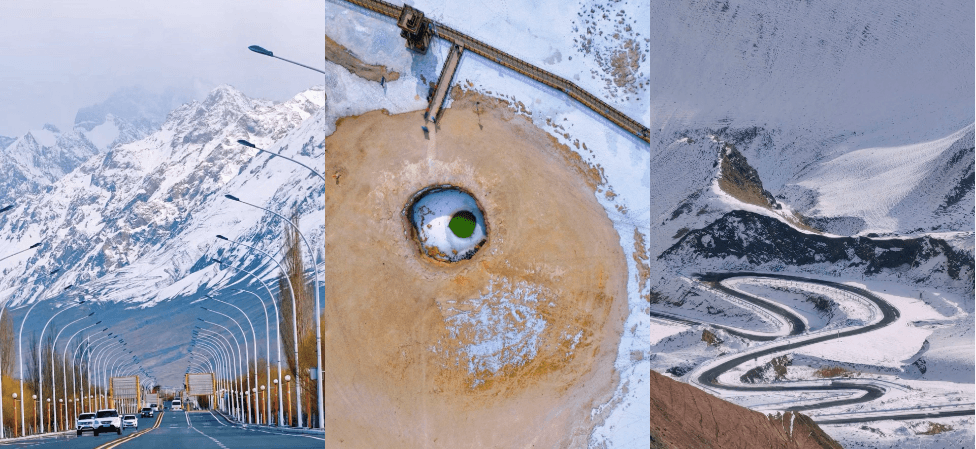
February is one of the best months to enjoy winter activities in Xinjiang. Across the region, the snow season is in full swing, typically lasting from November to March according to local tourism authorities. During this time, temperatures remain low, and snowfall is stable, creating reliable conditions for outdoor experiences.
Skiing is the most popular activity. Around Urumqi, resorts in the Tianshan Mountains offer well-developed facilities and easy access. The Silk Road International Ski Resort, located about 70 km from the city, sits at an altitude of around 2,000 meters and provides a long ski season with consistent snow coverage. Baiyun International Ski Resort, closer to the city at roughly 40 km from the city, is a good choice for beginners and families, with gentle slopes and clear instructions available. Most resorts provide ski rental, instructors, and shuttle transport, making it easy even for first-time visitors.
Beyond skiing, Xinjiang offers a range of quieter winter experiences. In the Altay region, especially around Kanas and Hemu, snowfall can reach more than one meter in winter. These areas are known for their natural powder snow and traditional wooden villages. Visitors can try horse-drawn sled rides through snow-covered forests or walk along frozen rivers. The pace is slow, and the scenery feels untouched.
Ice and snow festivals are also held in some northern areas, featuring ice sculptures, local performances, and winter sports activities. While smaller in scale than those in northeastern China, they offer a more local and less crowded atmosphere.
For those interested in culture, winter is also a good time to experience everyday life. Markets remain open, hot food is everywhere, and indoor spaces like teahouses and small restaurants provide a warm contrast to the cold outside.
When planning winter activities, it is important to prepare properly. Daytime temperatures in many parts of Xinjiang can range from -10°C to -20°C (14°F to -4°F), especially in northern regions. Layered clothing, insulated boots, and basic cold-weather gear are essential.
With the right preparation, February offers a balanced mix of adventure and comfort. You can spend your day in the snow and return to a warm meal in the evening, experiencing both the energy of winter sports and the calm of daily life in Xinjiang.
Absolutely—if you love winter but also appreciate a bit of quiet. February gives you all the snow and ski conditions you'd want in the north, plus surprisingly pleasant days in the south for exploring. And since it's still low season, you get to experience it all without the crowds. I'd call that a win.
It really depends on where you are. Up north in Altay or Kanas, expect it to feel like a proper winter wonderland—think -20°C at night, perfect for that crisp, snowy atmosphere. Down south in places like Kashgar, days can actually get up to around 5°C, which feels quite pleasant in the sun. The key is knowing what kind of experience you're after—and packing accordingly!
No. February is considered a low tourist season, which means quieter attractions and lower prices.
11 Days Northern Xinjiang Tour: Keketuohai, Kanas, Hemu, Turpan Urumqi - Fuyun - Burqin - Kanas - Hemu - Karamy - Bole - Shihezi - Turpan - Urumqi (2026)300+ booked From US$ 2150 |
Kashgar, Khotan, Turpan, Urumqi (2026)260+ booked From US$ 2565 |
12 Days Best Xinjiang Tour to Kanas, Kashgar, Turpan, and UrumqiUrumqi-Fuyun-Burqin-Kanas-Karamay-Sarym Lake-Naraty pastureland-Bayinbuluk-Korler-Turpan-Heavenly Lake (2026)230+ booked From US$ 2390 |

Urumqi - Fuyun - Keketuohai - Burqin - Jiadengyu - Kanas - Jiadengyu - Hemu- Burqin
Kanas and Hemu tour starts from Urumqi. Our Professional guided trekking to Kanas, enjoy the very best landscape. This is a Tour you can take any time for its multiple sceneries style.

Altay - Keketuohai - Burqin - Kanas - Hemu
Book a 10-day winter skiing tour to Kanas, Hemu, Altay, Xinjiang, China. Spend 10 days in northern Xinjiang, visit the well-known Kanas Nature Reserve and Hemu village. Try the newly-built 4300-square-meter ski equipment hall in Keketuohai. It's a wonderful tour to Altay Prefecture.
Altay-Kekesu
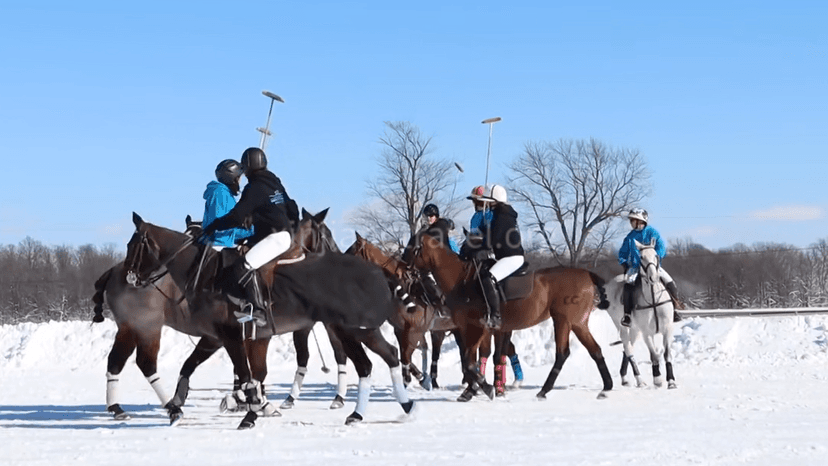
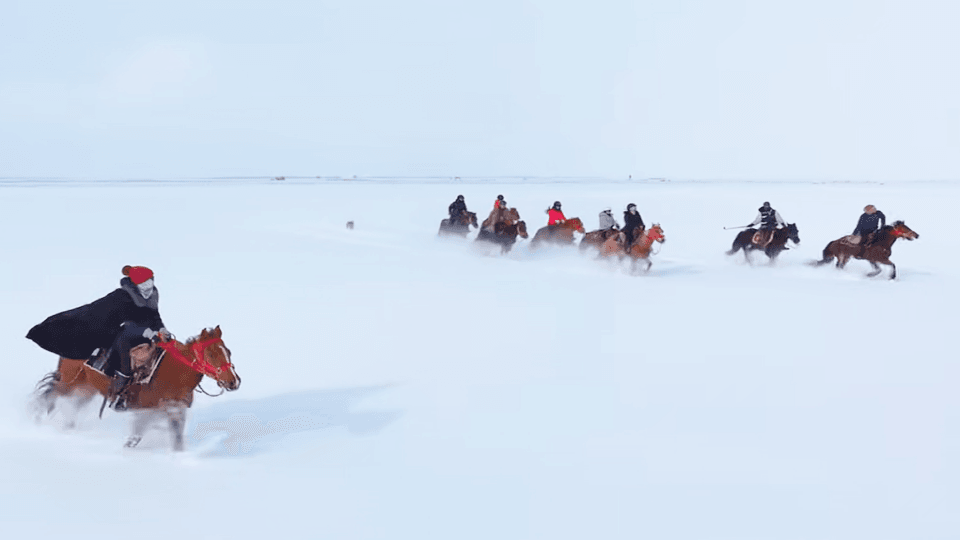
Embark on a 6-day Altay snow horseback riding tour through Altay's charming landscapes, where Kazakh culture and rides collide. Gallop alongside thousands of horses, master snow polo against mountain backdrops, and live like a nomad. This tour blends excitement, serenity, and unforgettable cultural immersion.
 |  |  |