20 years of pioneer in xinjiang tourism for overseas travelers
Born Here, Know Best, Your Journey's Blessed
No Shopping. No Detour, 99% Excellent Review

contact UsOn Wechat
March marks the transition from winter to early spring in Xinjiang. Xinjiang's weather in March is still cold, but it becomes noticeably milder compared to January and February. According to official meteorological data, daytime temperatures in most cities range from about 5°C to 15°C, while nights can still drop below freezing, often between -5°C and 0°C. The weather is generally dry, with plenty of sunshine and clear skies, making it comfortable for daytime travel.
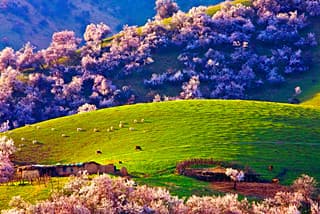
What makes Xinjiang's Weather in March special is the contrast across the region. In northern Xinjiang, snow remains on the ground, especially in areas like Altay and around Kanas, where winter landscapes continue into early spring. In southern Xinjiang, however, the first signs of spring appear. Cities like Kashgar and Hotan begin to warm up, and early blossoms—such as apricot flowers—start to bloom, adding color to the otherwise earthy landscape.
Although the main tourist season in Xinjiang usually begins from May to October, traveling during the Xinjiang Weather in March has its own advantages. Popular destinations are far less crowded, allowing for a more relaxed and personal experience. You can explore historical sites, local markets, and old towns without long queues or large tour groups. The light in March is also softer, which is ideal for photography.
Another benefit of visiting during the Xinjiang Weather in March is the cost. As it is still considered the shoulder season, prices for accommodation, flights, and some attractions are generally lower than in peak months. Many hotels offer better availability and occasional discounts, helping travelers manage their budget more easily.
While a few remote areas, especially high mountain regions, may still have limited access due to lingering snow, most major cities and travel routes remain open and convenient. With the right clothing and flexible planning, Xinjiang Weather in March offers a balanced mix of winter scenery and the first touch of spring, making it a unique and rewarding time to visit.
Content›Xinjiang Weather in March– Quick Overview ›What to Pack: Dressing for Transition |
 Xinjiang Weather in March– Quick Overview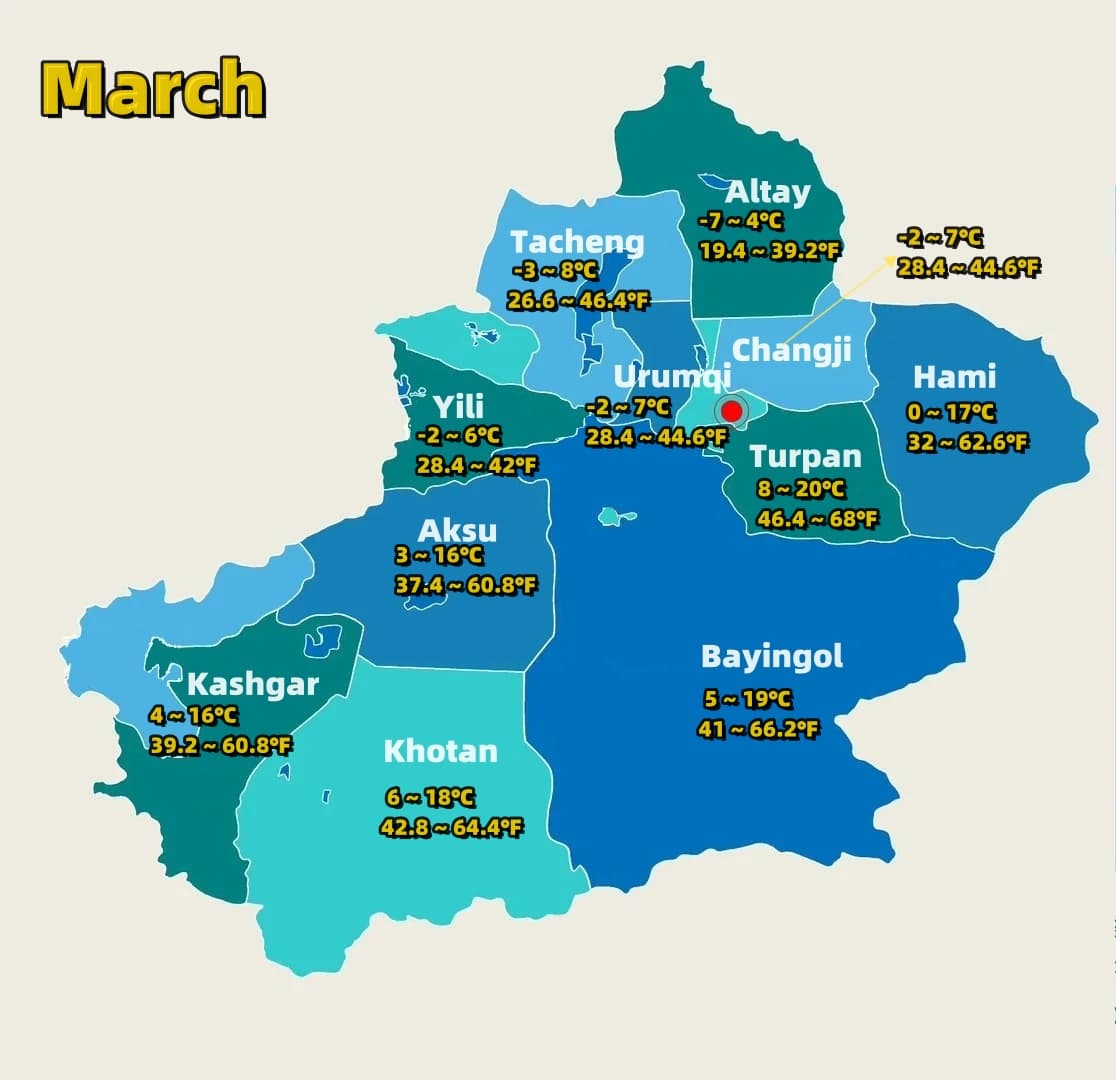
Packing for March in Xinjiang requires flexibility, as temperatures can change quite a bit between day and night. With Xinjiang's weather in March, mornings and evenings are still cold, while daytime can feel mild under the sun. The best approach is to dress in layers, so you can easily adjust throughout the day and stay comfortable in different conditions.
A practical clothing setup starts with a thermal base layer, especially if you are traveling in North Xinjiang or planning to be outdoors at night. During the day, adding a mid-layer such as a fleece jacket, a light wool sweater, or a hoodie will provide enough insulation without feeling too heavy. On top, a windproof and water-resistant jacket is essential. It helps block cold winds in the morning and can be easily taken off when temperatures rise. Many travelers also find a lightweight down vest useful, as it is easy to pack and adds extra warmth when needed.
For bottoms, comfortable hiking pants are a good choice for most situations. In colder areas or early mornings, you can wear thermal leggings underneath and remove them later in the day. Jeans can work in South Xinjiang, where conditions are drier, but they are not ideal for northern regions, especially in areas with melting snow, as they can become heavy and uncomfortable when wet.
Footwear is especially important during the Xinjiang Weather in March. Waterproof and non-slip hiking shoes or boots are recommended, as they can handle both wet, slushy roads in the north and dry, dusty paths in the south. Lighter shoes, such as canvas sneakers or thin leather shoes are not suitable, as they do not provide enough protection against cold or moisture.
Accessories also make a big difference. A warm hat and gloves are useful, particularly in northern areas, while a sun hat can help during bright afternoons. Because the air is dry and the sun can be strong, even in cooler weather, it is important to bring high-SPF sunscreen, sunglasses, and lip balm. With the right preparation, traveling during Xinjiang's weather in March can be both comfortable and enjoyable.
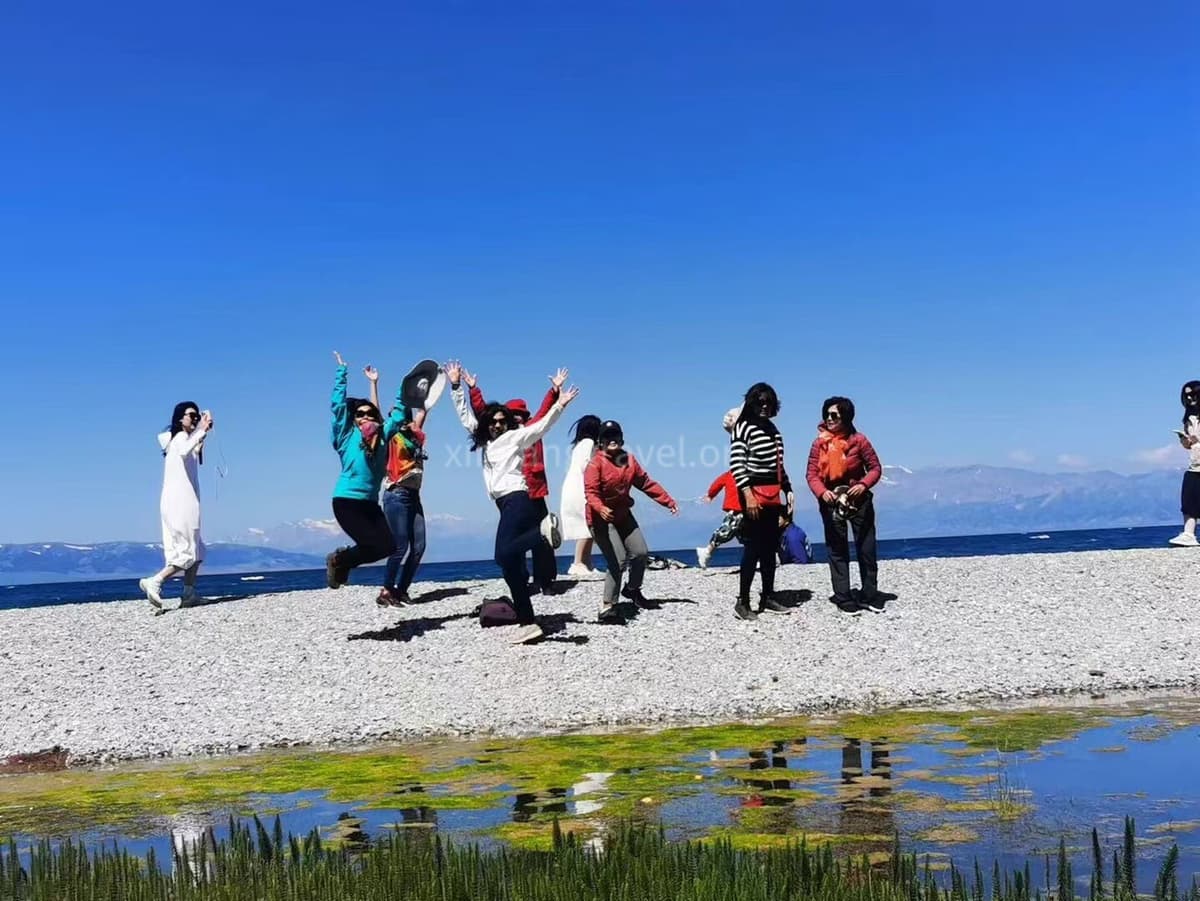
March tourism in Xinjiang is characterized by "flower viewing in the south and snow appreciation in the north", with distinctive scenery in different regions.
March is the last good time for snow scenery in Altay, with thick and soft snow, few tourists, and perfect snow experience conditions.
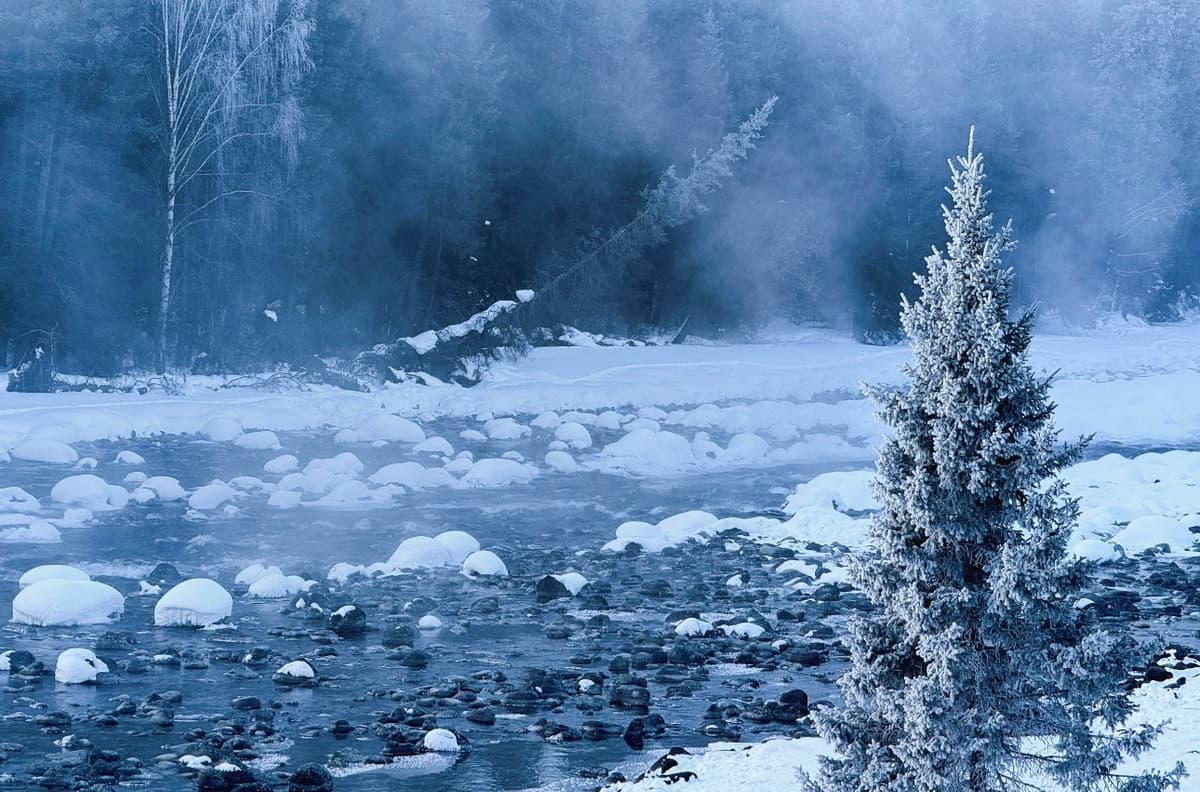
Kanas Lake
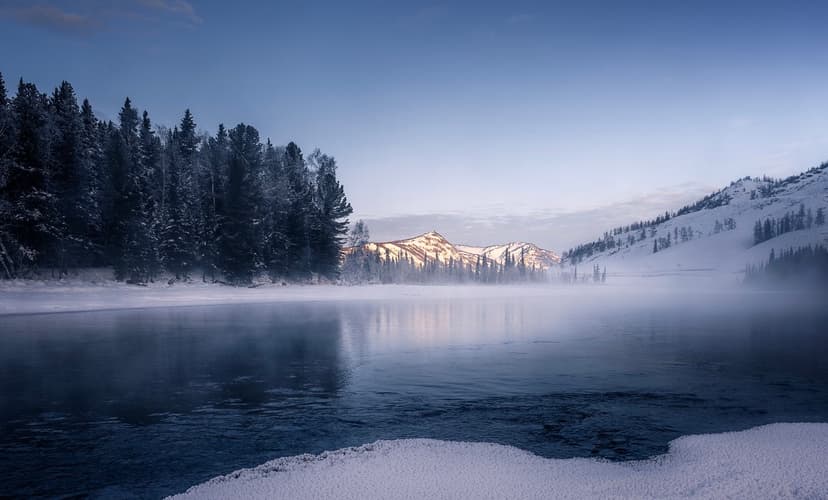
The lake is frozen, the forest is covered with snow, and the rime landscape is common in the morning. The Fairy Bay, Moon Bay, and Wolong Bay have clear water and are not completely frozen. The scenery is quiet and elegant, and the number of visitors is far less than that in summer and autumn, so it is suitable for in-depth sightseeing.
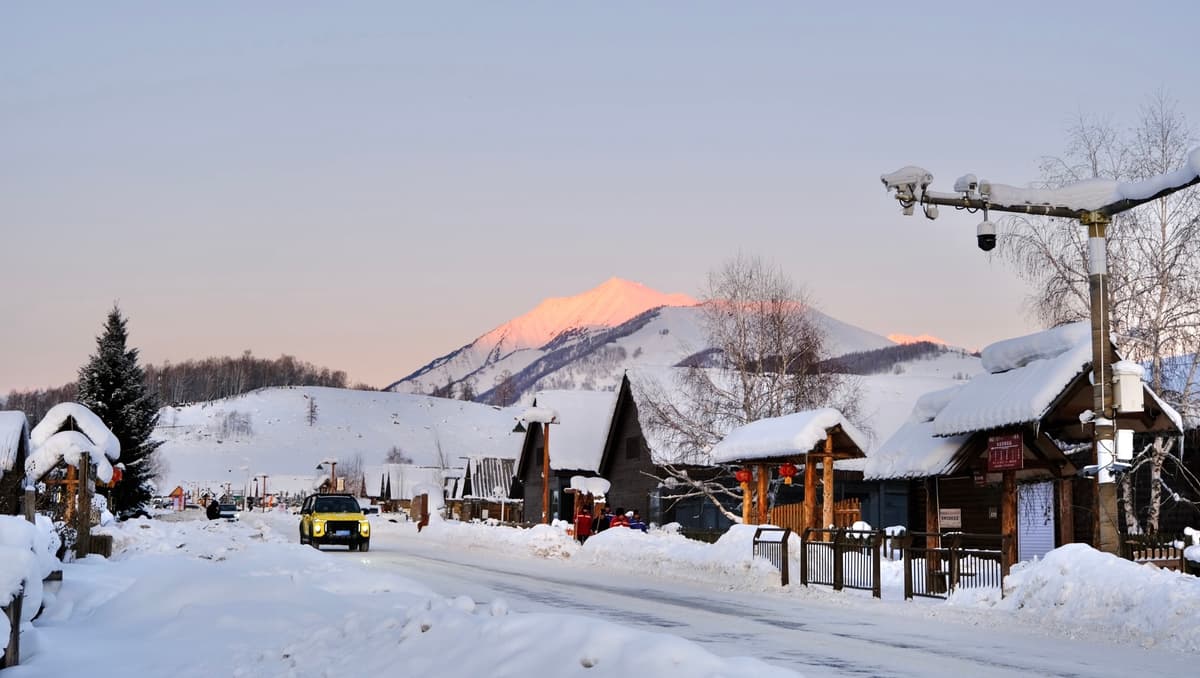
Hemu Village
Known as "the most beautiful snow village in China", the wooden houses are covered with thick snow, and horse-drawn sleds are a characteristic experience item. Climbing the Haden Platform, you can watch the sunrise over the snow-capped mountains, and the starry sky at night is bright with less light pollution.
Ili is the core area for wild apricot blossom viewing in Xinjiang in March, with the flowering period starting in late March; the temperature rises fast, and the spring breeze blows through the river valley area.
Turgen Apricot Valley
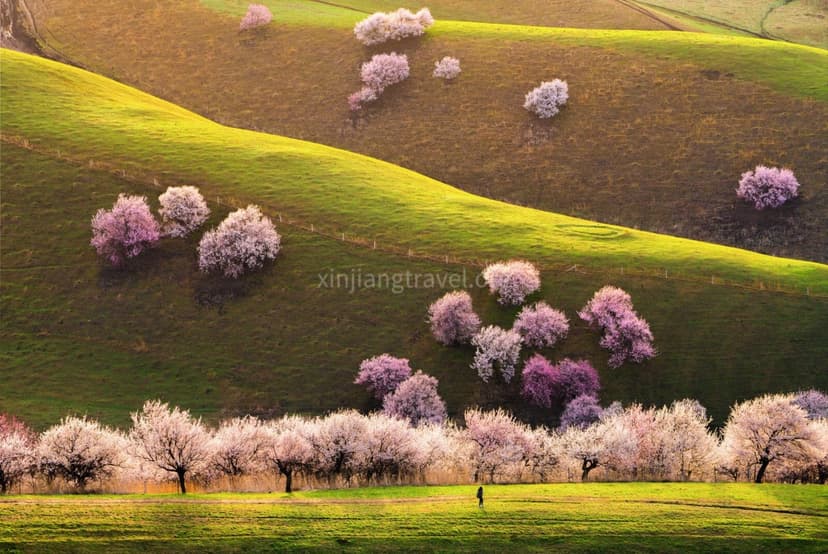
The largest original wild apricot forest remaining from the Middle Ages in China. The apricot trees are distributed along the hillsides. When in full bloom, the pink and white petals are intertwined with the grass and snow-capped mountains, with distinct layers. The flowering period is short, and it is recommended to enter the valley before 9:00 to avoid crowds and capture soft light.
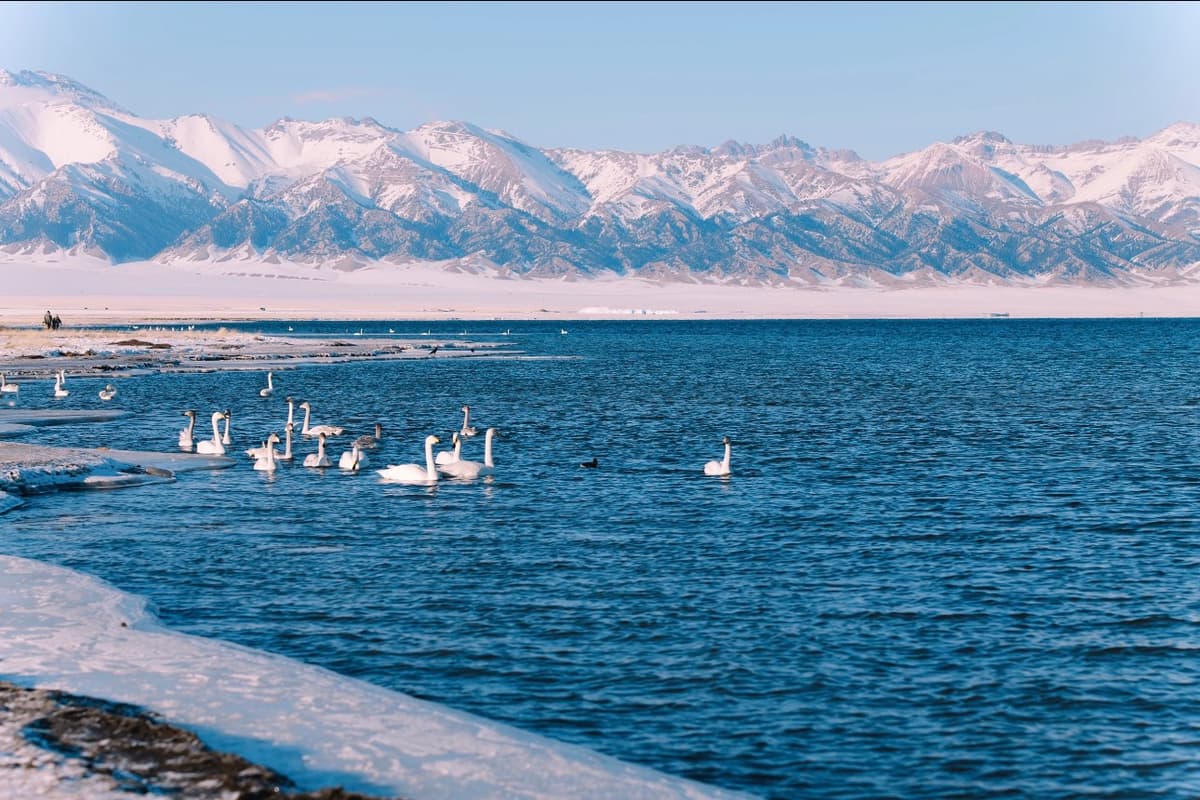
Sayram Lake
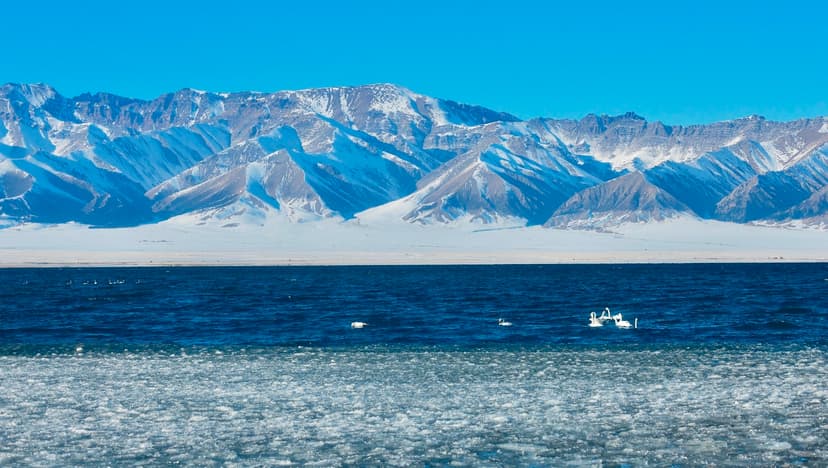
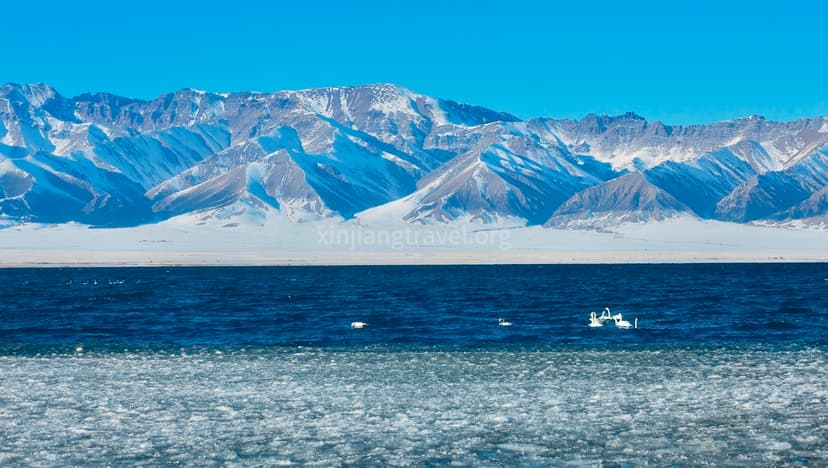
Known as "the last tear of the Atlantic Ocean", the lake is half ice and half water in March. Blue ice and residual snow are scattered on the lake surface, and swans inhabit the unfrozen water area. The self-driving route around the lake is open, and the viewing points are evenly distributed, which is suitable for taking landscape photos.
Qiaxi Forest Park
The spring forest is flourishing, the stream is gurgling, and the mountain scenery is gentle. The park has low-difficulty hiking trails, suitable for relaxing and enjoying the natural scenery. The vegetation coverage rate is high, and the air quality is excellent.
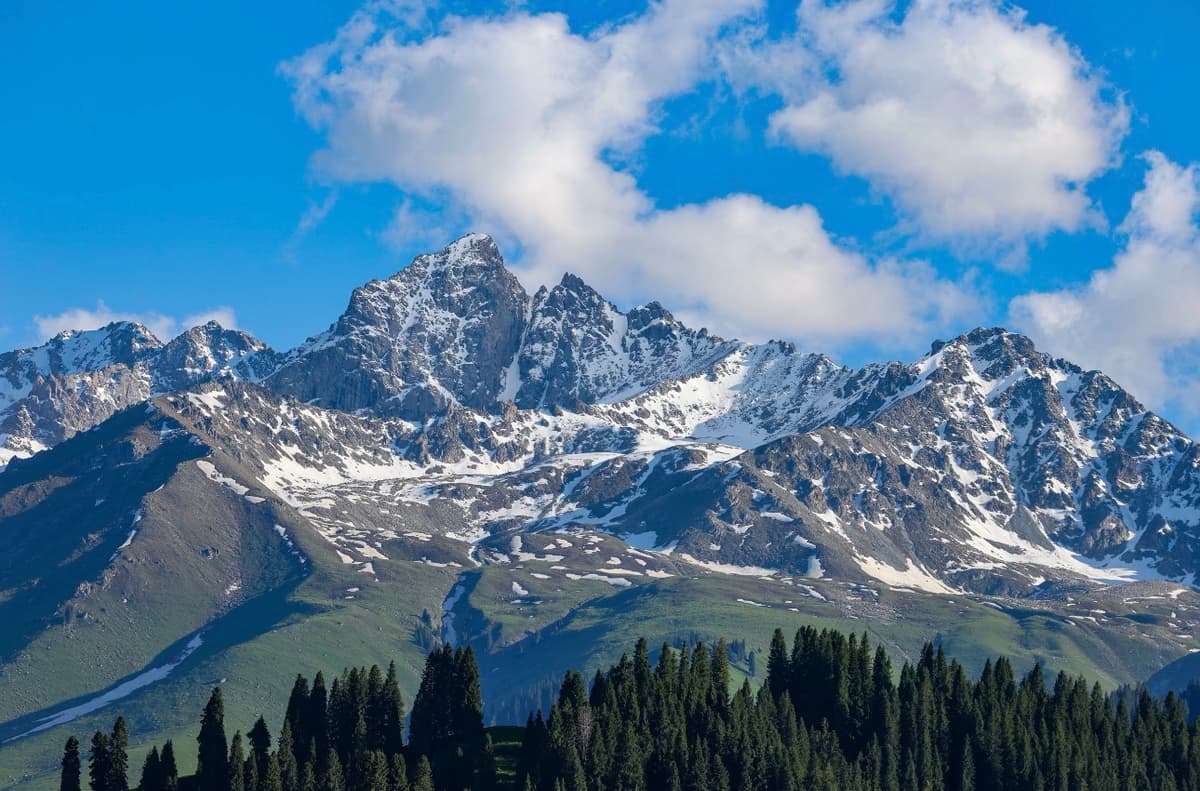
As the regional capital and transport hub, Urumqi is where most trips begin or end. In March, the city is emerging from winter—streets are slushy in the afternoon, icy again by morning.
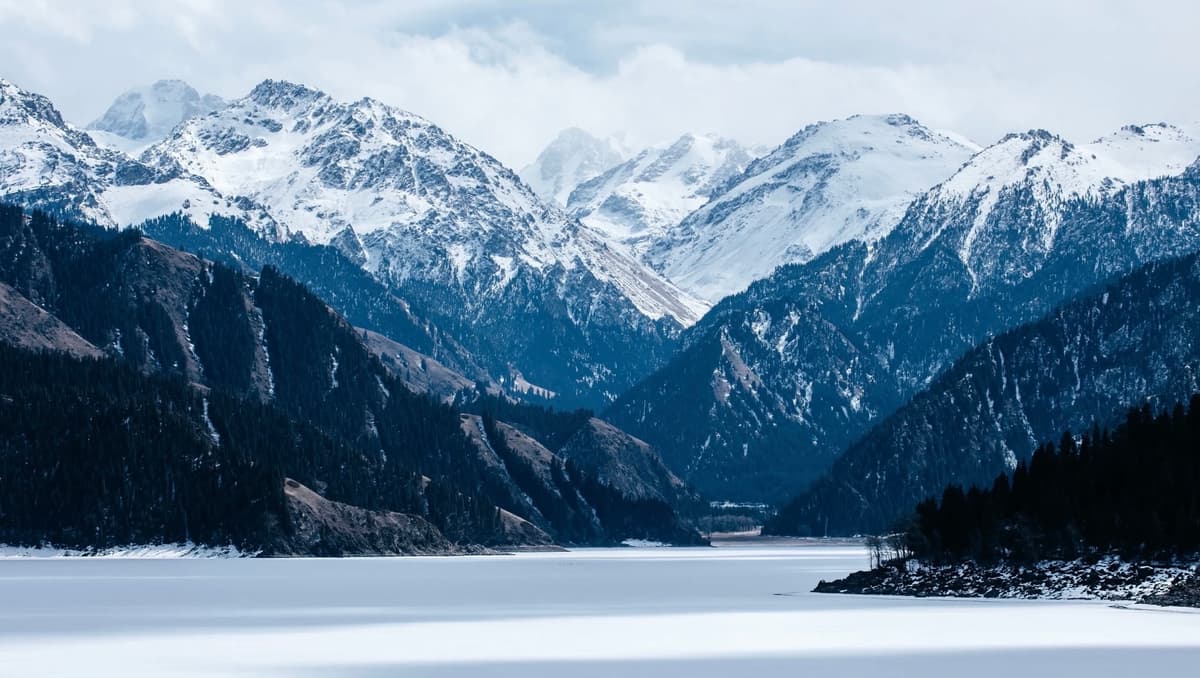
Heavenly Lake (Tianchi):
The lake is in a semi-thawed state, with residual snow on the mountains and ice on the water surface. The snow-capped Bogda Peak stands towering, forming a scene of "half snow and half spring". The scenic area has complete pedestrian walkways, and the light is soft in the early morning, which is suitable for viewing and photography. It is recommended to arrange 3 hours for a thorough visit.
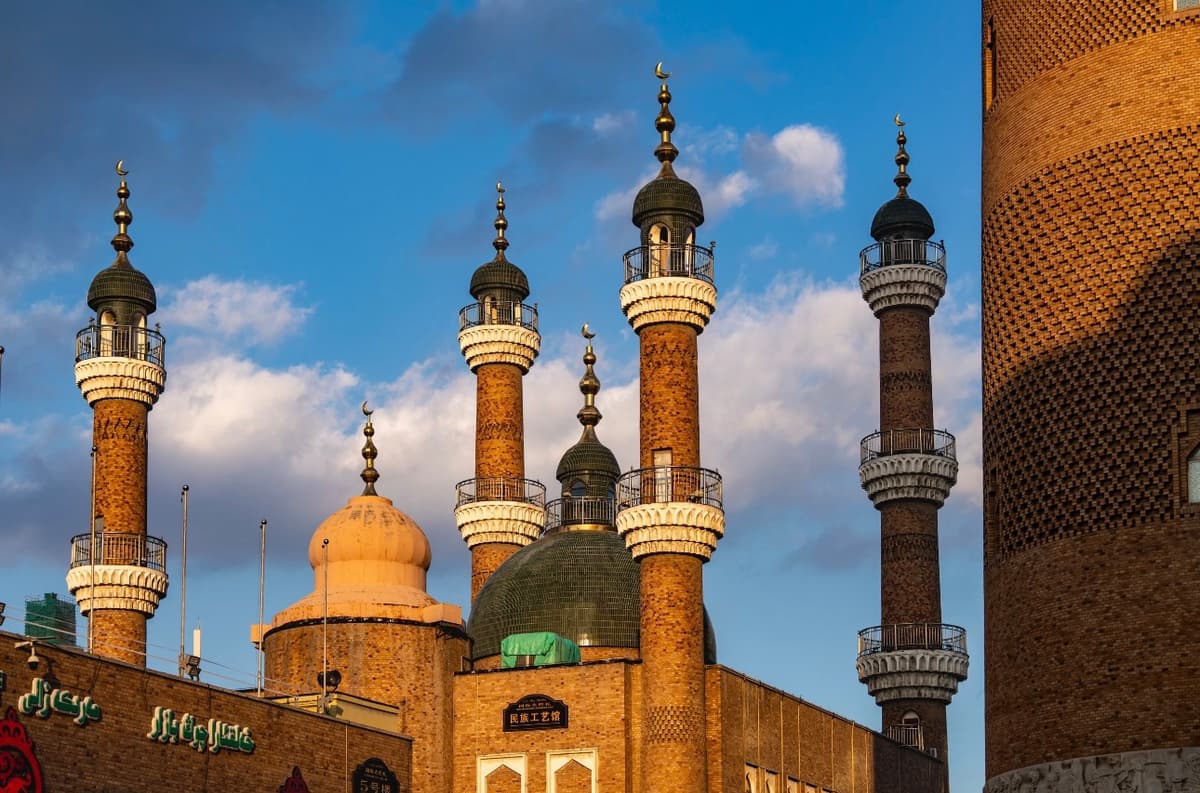
International Grand Bazaar:
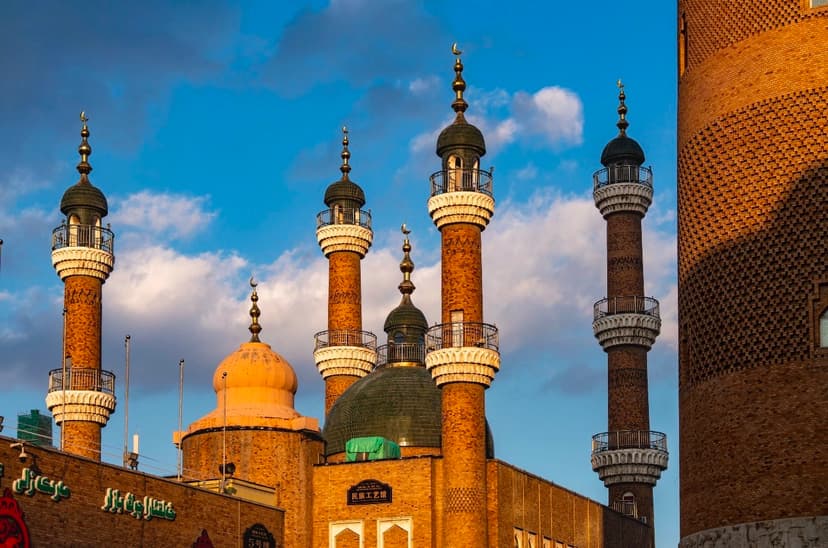
A concentrated display of ethnic culture, with characteristic architectural shapes and abundant indoor stalls. Visitors can appreciate ethnic handicrafts and taste authentic roasted mutton skewers, hand-pilaf, and other foods. The evening folk performances are rich in viewing value, and the indoor environment is warm and comfortable, making them suitable for experiencing local customs.
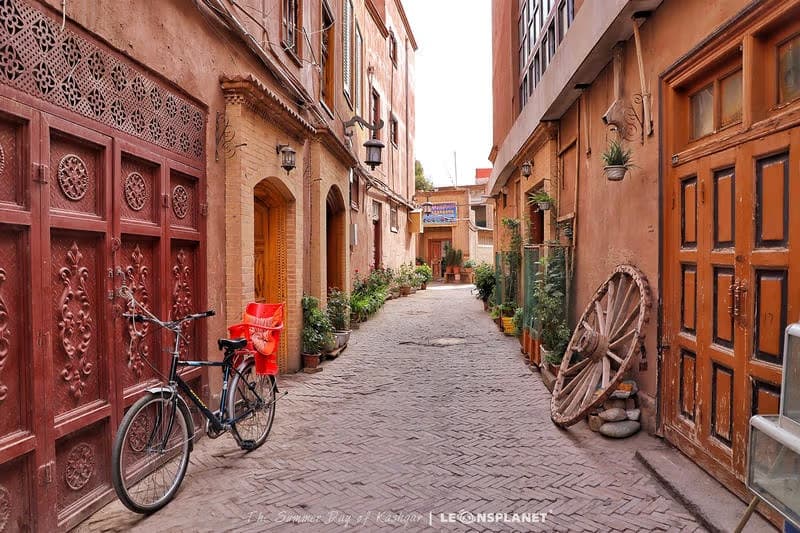
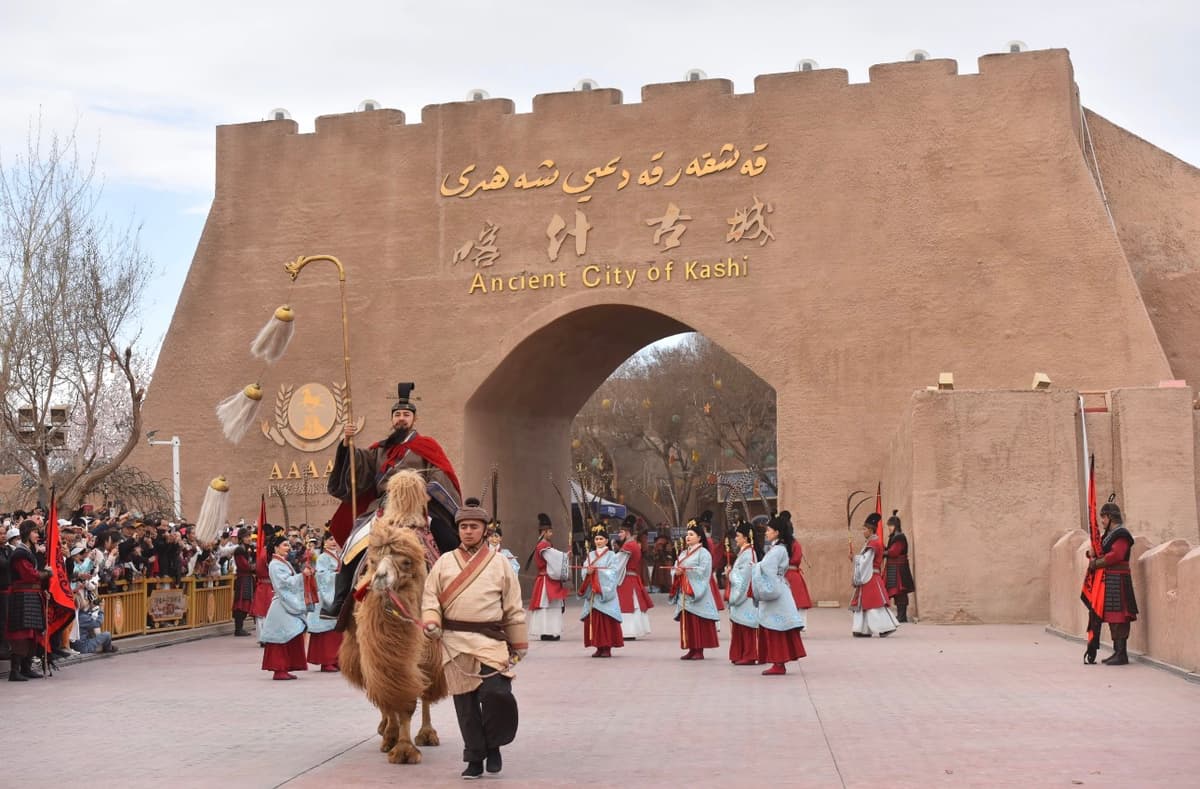
March is an excellent time for Kashgar. Summer heat is months away, and the mild, sunny days are perfect for exploring the old city on foot.
Kashgar Old Town
The only living ancient city in China, with cobblestone roads, brick buildings and courtyards full of ethnic characteristics. Visitors can experience tea drinking in century-old teahouses, watch folk performances, and participate in traditional manual experiences such as making naan. The cultural atmosphere is strong and authentic.
Pamir Plateau
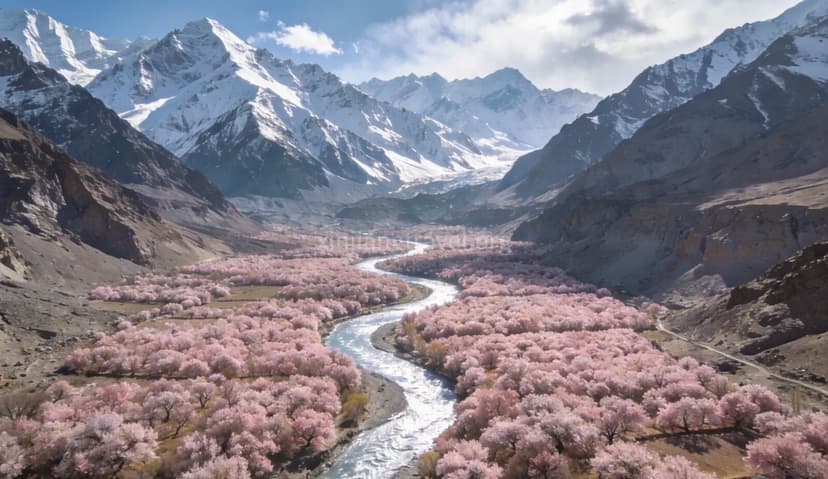
Muztagh Ata, known as "the Father of Ice Mountains", has snow on its top all year round. Baisha Lake has clear water and white sand, and the plateau apricot blossoms bloom in late March. Visitors need to go through border defense procedures in advance, and the plateau roads are smooth with complete viewing platforms.
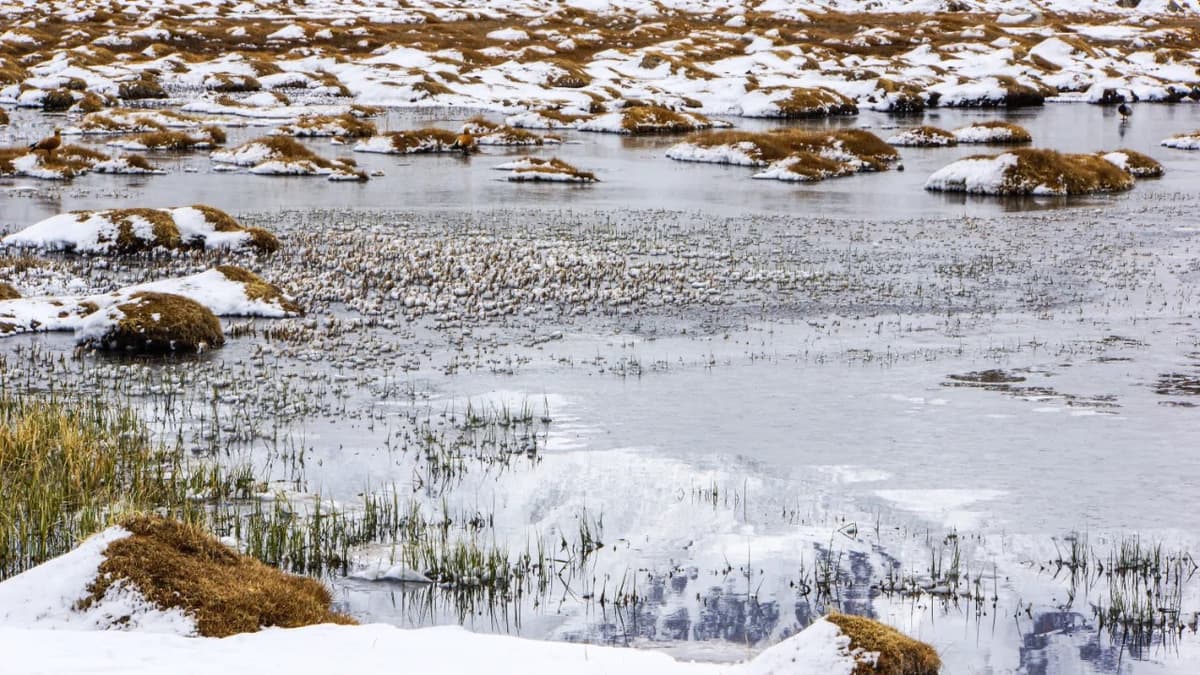
March is the ideal time to visit Turpan. Summer temperatures hit 40°C (104°F) here – in March, it's a comfortable 10°C–18°C (50°F–64°F).
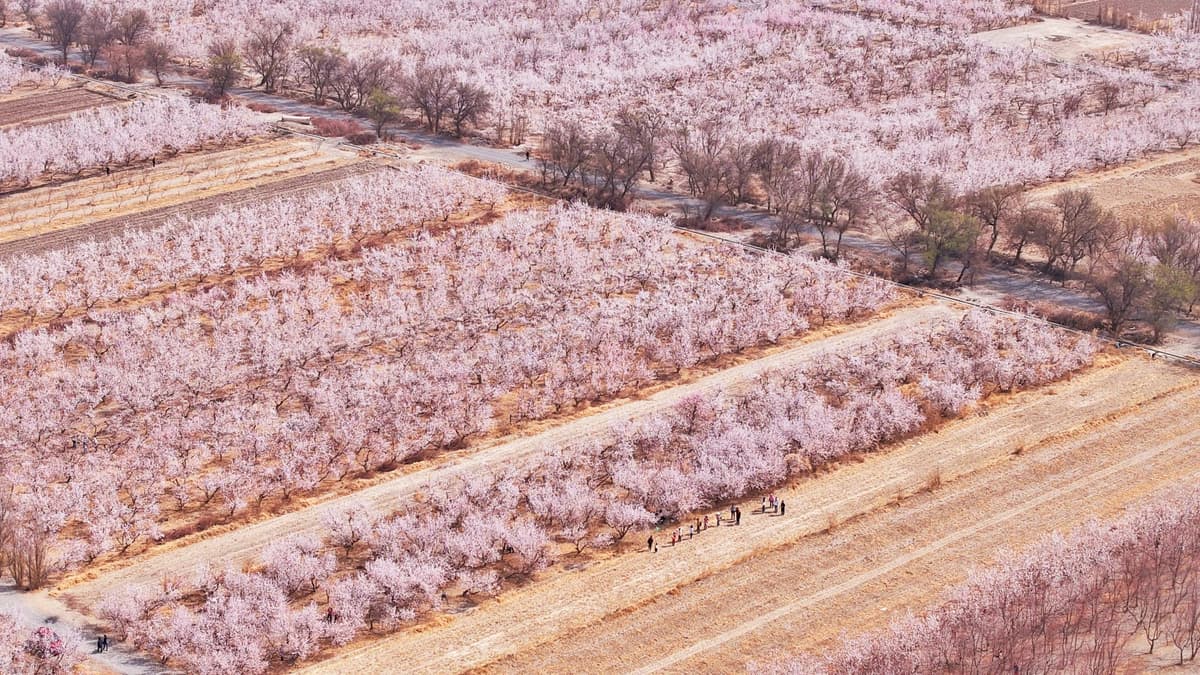
Toksun Apricot Forest
Known as "the first spring in Xinjiang", the apricot blossoms enter the full bloom period in mid-to-late March, with a large scale of ten thousand mu of apricot forest. The scenic area supports experience items such as hot air balloon viewing and night garden tours, which is the most representative flower-viewing destination in eastern Xinjiang.
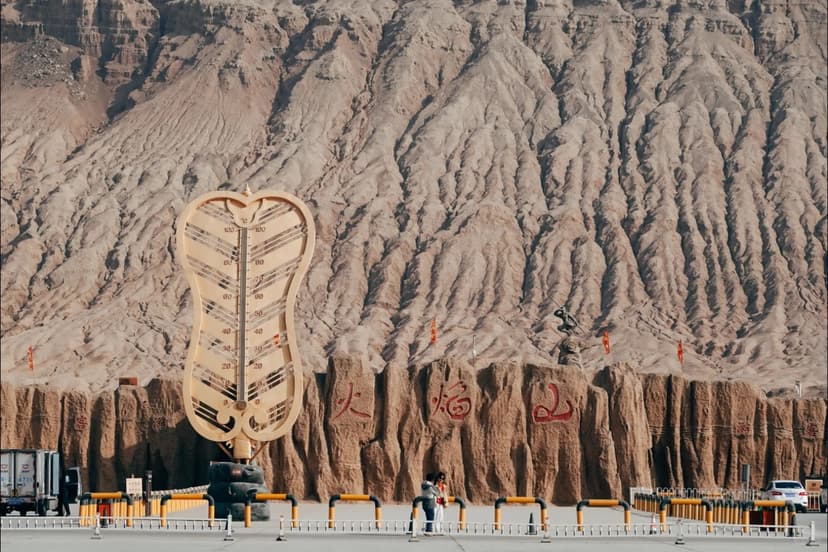
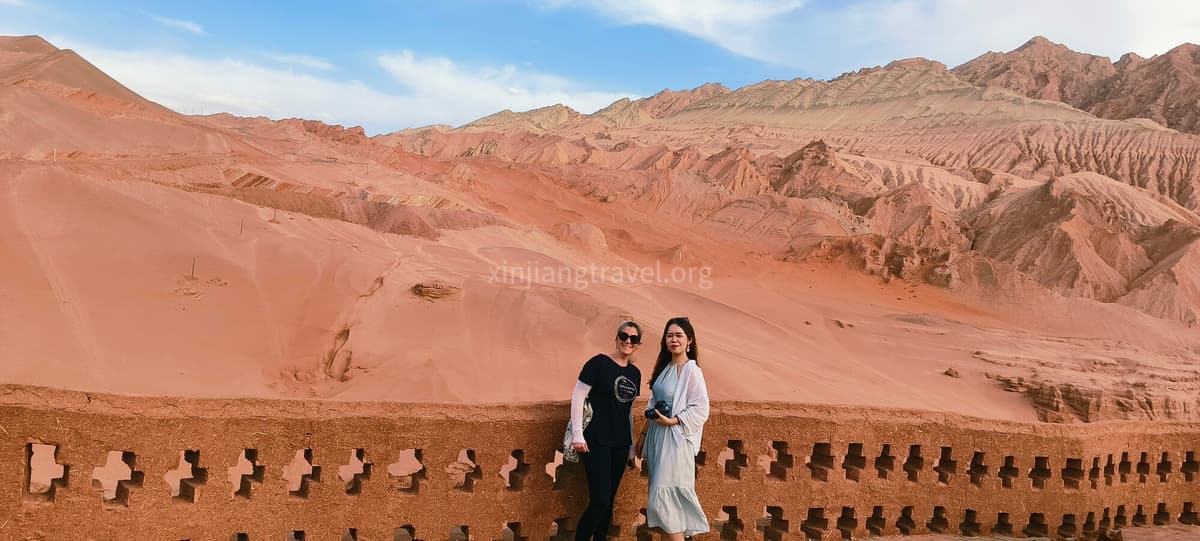
Flaming Mountain
The red sandstone landform is unique, and the temperature in March is mild, avoiding the extreme heat in summer. Visitors can learn about the geological evolution and Silk Road stories of the Flaming Mountain. The scenic area has complete signs and is suitable for popular science and sightseeing.
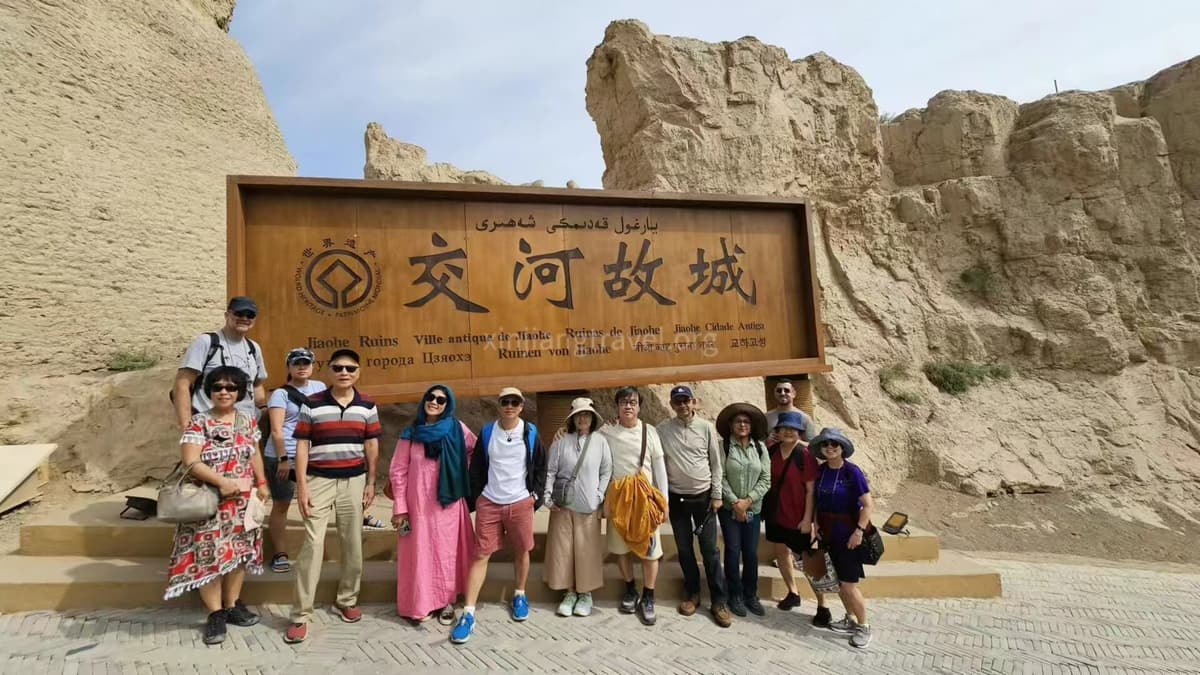
Jiaohe Ruins
A well-preserved ancient city site on the Silk Road, built on a mesa with complete streets, courtyards, and architectural foundations. The historical atmosphere is strong. The soft light in the morning and evening is suitable for visiting and taking photos, showing the prosperity of the ancient Silk Road.
March is when spring starts to arrive in Xinjiang. Daytime temperatures across most of the region range from about 5°C to 15°C, according to official weather data. This makes outdoor activities comfortable, and the crowds are still small.
In southern Xinjiang, the first apricot blossoms begin to open from mid to late March. Places like Tuksun in Turpan and Tars Township on the Pamir Plateau have vast orchards of apricots. Every spring, these orchards burst into bloom with pink and white flowers. The bloom period is short but worth seeing, and local tourism authorities release flower forecasts every year.
City exploration is also easy during this time. Walking through old towns, bazaars, and historical streets is much more pleasant than in winter. Kashgar Old Town is especially lively, and Urumqi has markets, museums, and local food spots. The Grand Bazaar in Urumqi is open all year, where you can try regional snacks and shop for handmade goods.
For nature lovers, early spring is a good time to visit parts of the Ili River Valley, though the main flower season there starts in April. By late March, the snow begins to melt, rivers start flowing again, and the landscape slowly turns green.
Another benefit of traveling in Xinjiang during March is the relaxed pace. Tourist numbers are low, transport is less crowded, and accommodation is easier to book. This makes it a good time for travelers who prefer a slower and more flexible trip.
Overall, March in Xinjiang offers a mix of winter and spring. You can still see snow in the north while enjoying the first blossoms in the south, all with fewer crowds and a more local feel.
Is March a good time to visit Xinjiang?
Yes. March offers winter scenery in the north, early spring in the south, and very few tourists. The weather is manageable with proper clothing.
How cold is Xinjiang in March?
It varies. North: -13°C to 3°C (9°F-37°F). South: 2°C to 16°C (36°F-61°F). Turpan is the warmest; Altay is the coldest. Night temperatures drop below freezing everywhere except maybe Turpan.
Does it snow in Xinjiang in March?
In the north, yes—especially early March. In the south, occasional light snow in higher areas, but mostly dry.
Is Xinjiang crowded in March?
No. March is low season. Attractions are quiet, and prices are lower than in summer.
Can I see apricot blossoms in March?
In late March, yes—in the Ili Valley. The blossoms usually appear around March 25 and last about 10 days. Check local updates for exact timing.
Ready to see Xinjiang in March?
Whether you want to walk on a frozen lake, watch apricot blossoms cover a valley, or get lost in a 2,000-year-old ruin—this is the month to do it. Contact us. Tell us what you want to see. We'll build the trip around you.
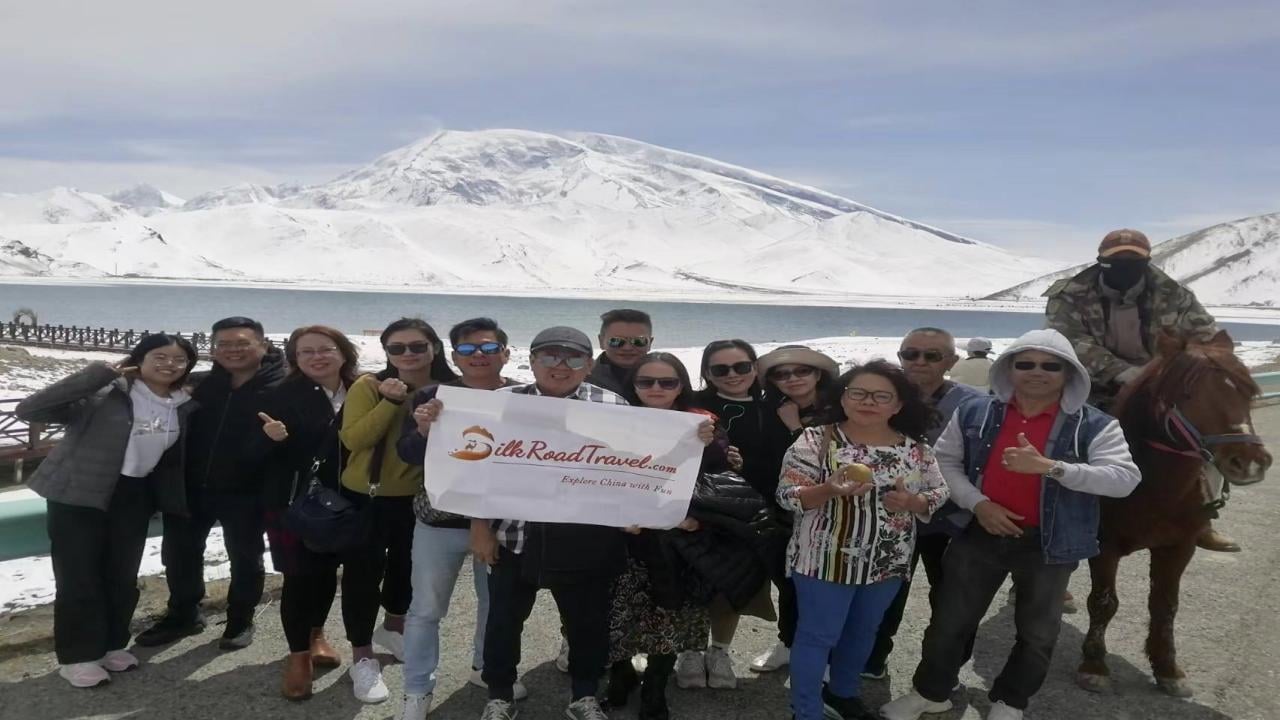
Kashgar-Taxkorgan-Yining-Xinyuan-Naraty-Sayram Lake-Kuitun-Urumqi
Join our Xinjiang group tour in April and experience the stunning spring beauty of Kashgar and Ili. Visit the scenic Karakul Lake, explore the historic Kashgar Old Town, and discover Ili’s highlights, including the Nalati Grasslands and Turgen’s apricot blossom valley. A journey through Xinjiang's natural and cultural wonders.
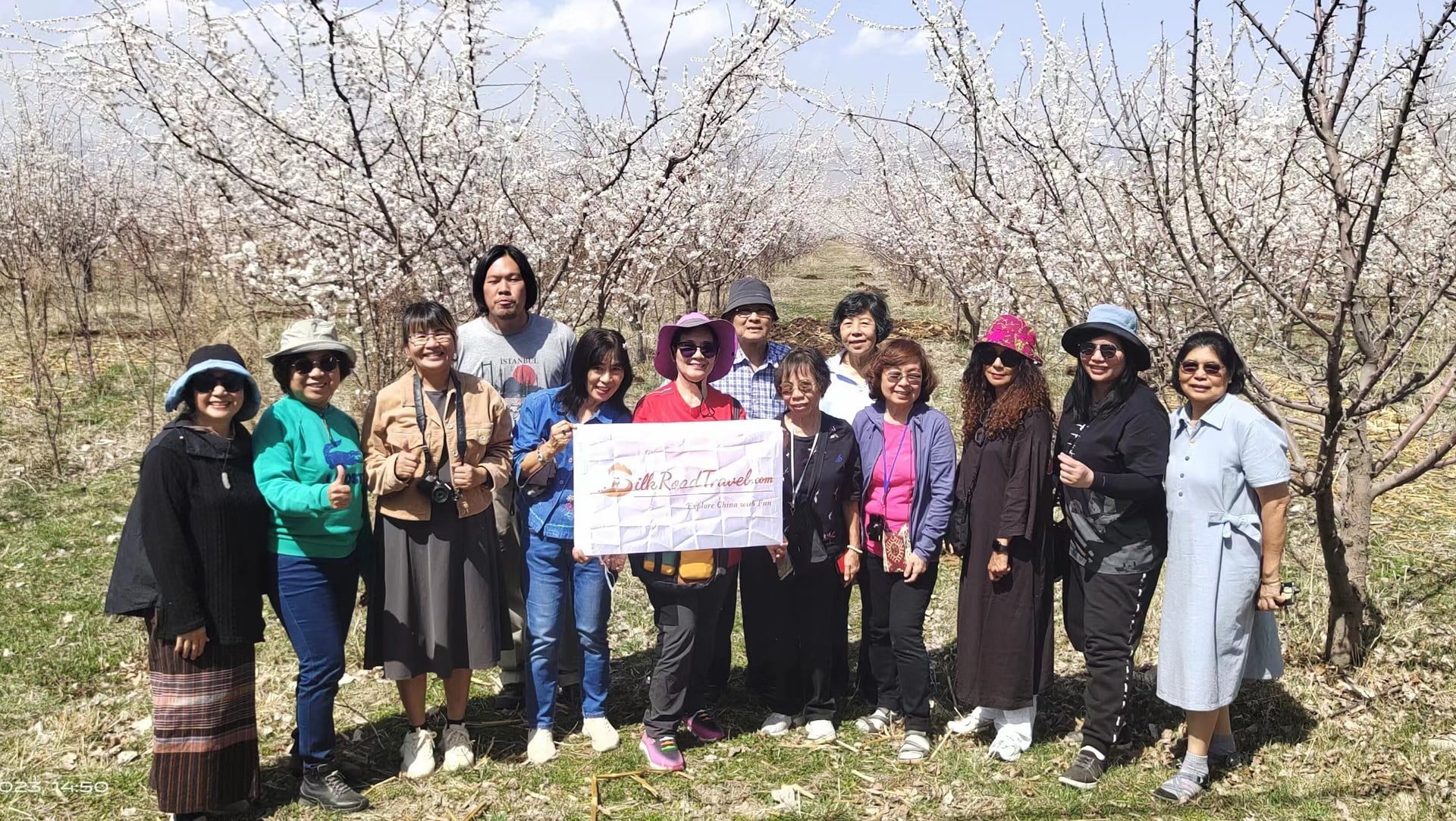
Yining - Xinyuan - Naraty Gongliu - Daxigou Valley - Qingshuihe - Kuitun - Urumqi
Join in our Xinjiang apricot blossom in Spring. In Yili, go to Tuergen village and Daxigou valley, immerse yourself in the ocean of apricot flowers. Then go to Yining city to experience the exotic Liuxing Street. Visiting Naraty and Kalajun grassland is also enjoyable in spring!
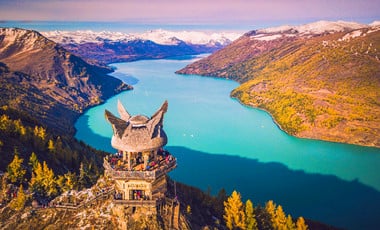
Urumqi - Fuyun - Keketuohai - Burqin - Jiadengyu - Kanas - Jiadengyu - Hemu- Burqin
Kanas and Hemu tour starts from Urumqi. Our Professional guided trekking to Kanas, enjoy the very best landscape. This is a Tour you can take any time for its multiple sceneries style.
Xinjiang Weather in March– Quick Overview