
20 years of pioneer in xinjiang tourism for overseas travelers
Born Here, Know Best, Your Journey's Blessed
No Shopping. No Detour, 99% Excellent Review

contact UsOn Wechat

The Tianshan spruce is the most common conifer in the Tianshan Mountains of Xinjiang. It grows mainly on the northern slopes, stretching from the Ili Valley to the areas around Bayinbrook, where vast spruce forests can be seen.
The Tianshan spruce is known as the "giant tree of the Tianshan" for three reasons. First, it can reach 40 to 60 meters tall – as high as a 20-story building. Second, it lives a long time, often 300 to 400 years. Third, it plays a crucial ecological role as the core species of the Tianshan forest ecosystem.
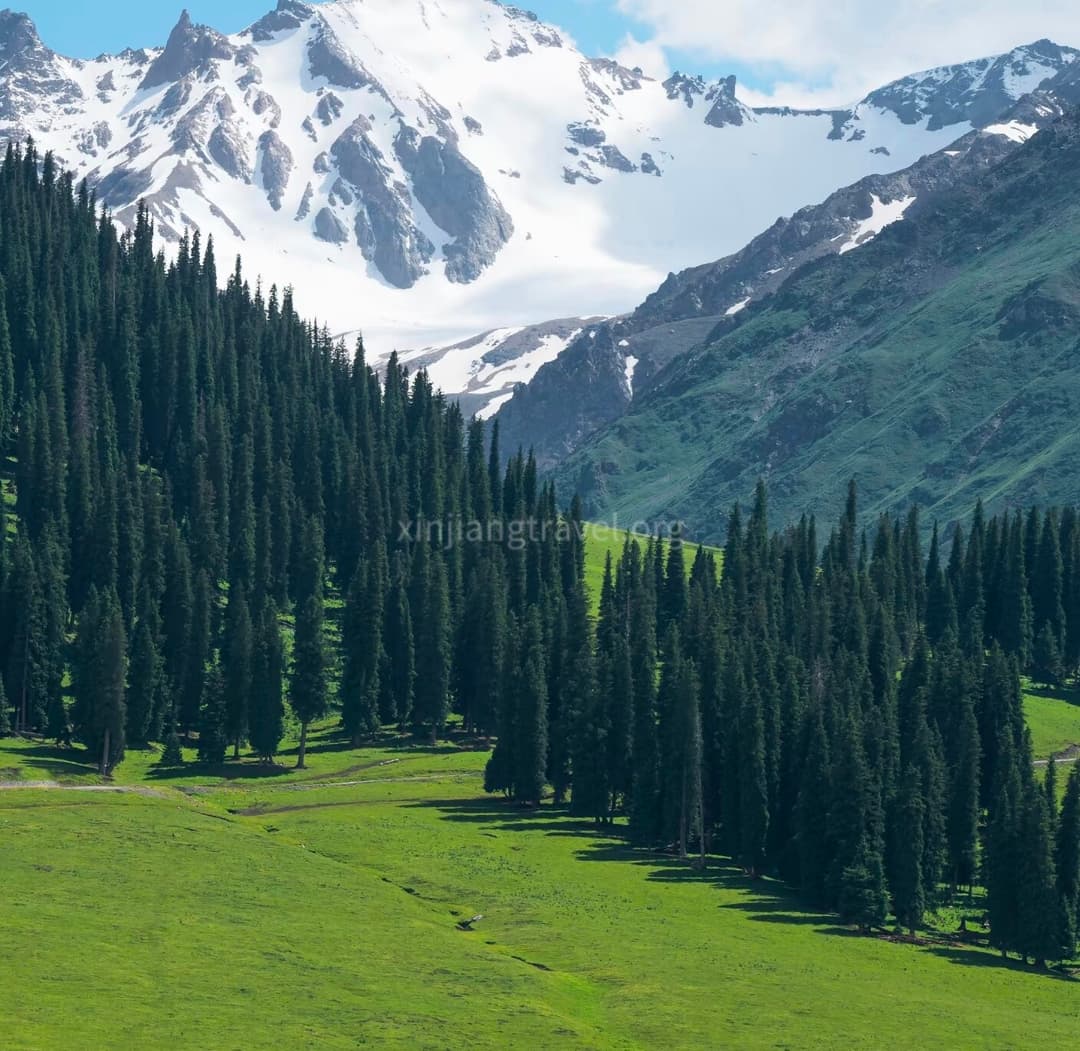
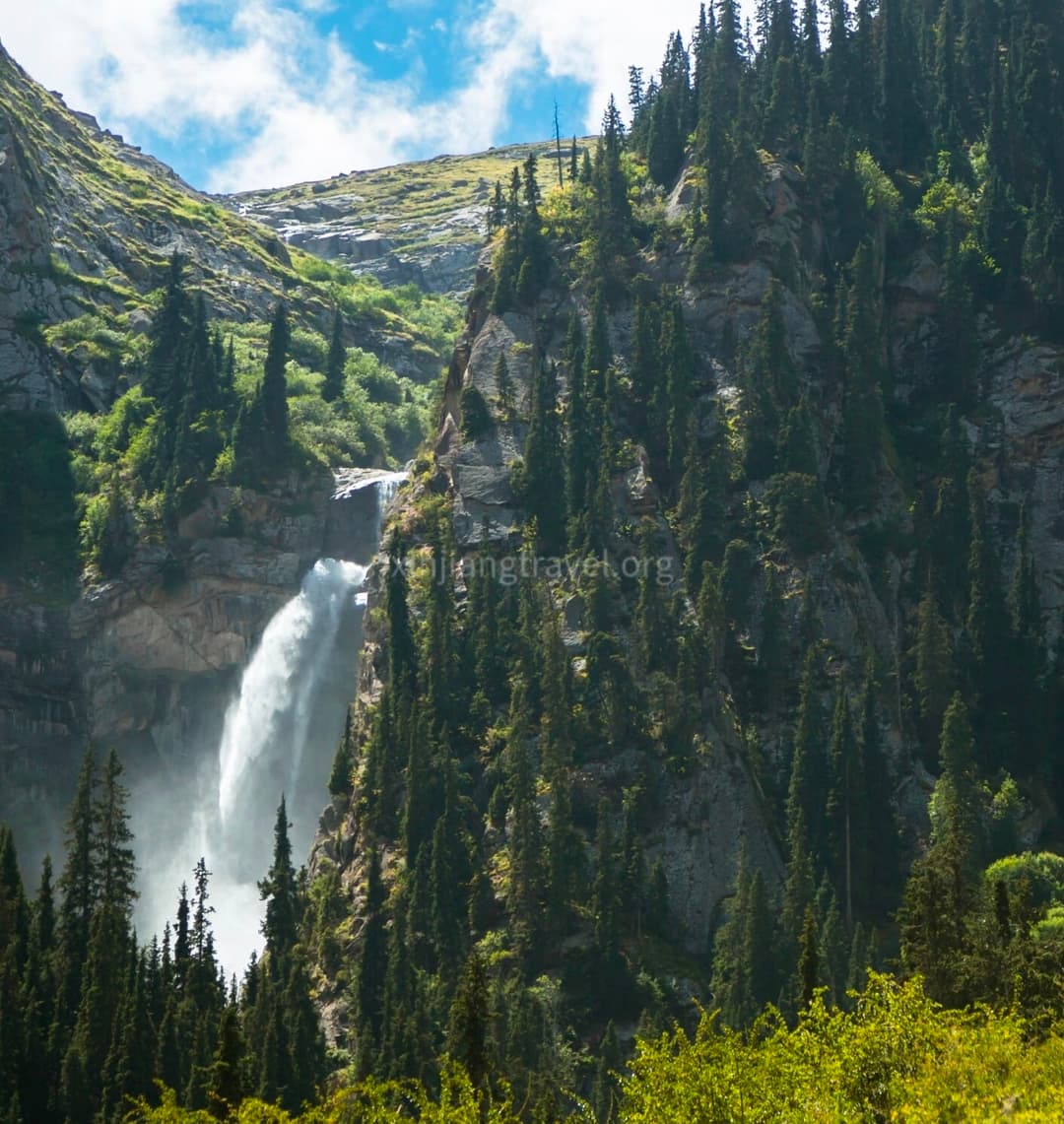
The Tianshan spruce prefers shaded or semi-shaded slopes on the north side of the range, between 1,500 and 2,800 meters above sea level. It does not like strong direct sunlight, so shaded slopes suit it best.
The tree has specific climate and soil needs. It can tolerate cold, surviving winter temperatures below -30°C. It is also somewhat drought-resistant, but cannot go without water for long periods and needs a certain level of moisture. Its roots grow best in well-drained, non-waterlogged mountain soils.
In Xinjiang, the main areas where Tianshan spruce is found include: Gongliu, Tekes, and Zhaosu in the Ili region; Wenquan County in the Bortala Mongol Autonomous Prefecture; Banfanggou and Baiyanggou in the Nanshan area south of Urumqi; and the mountains around Bayinbrook Grassland.
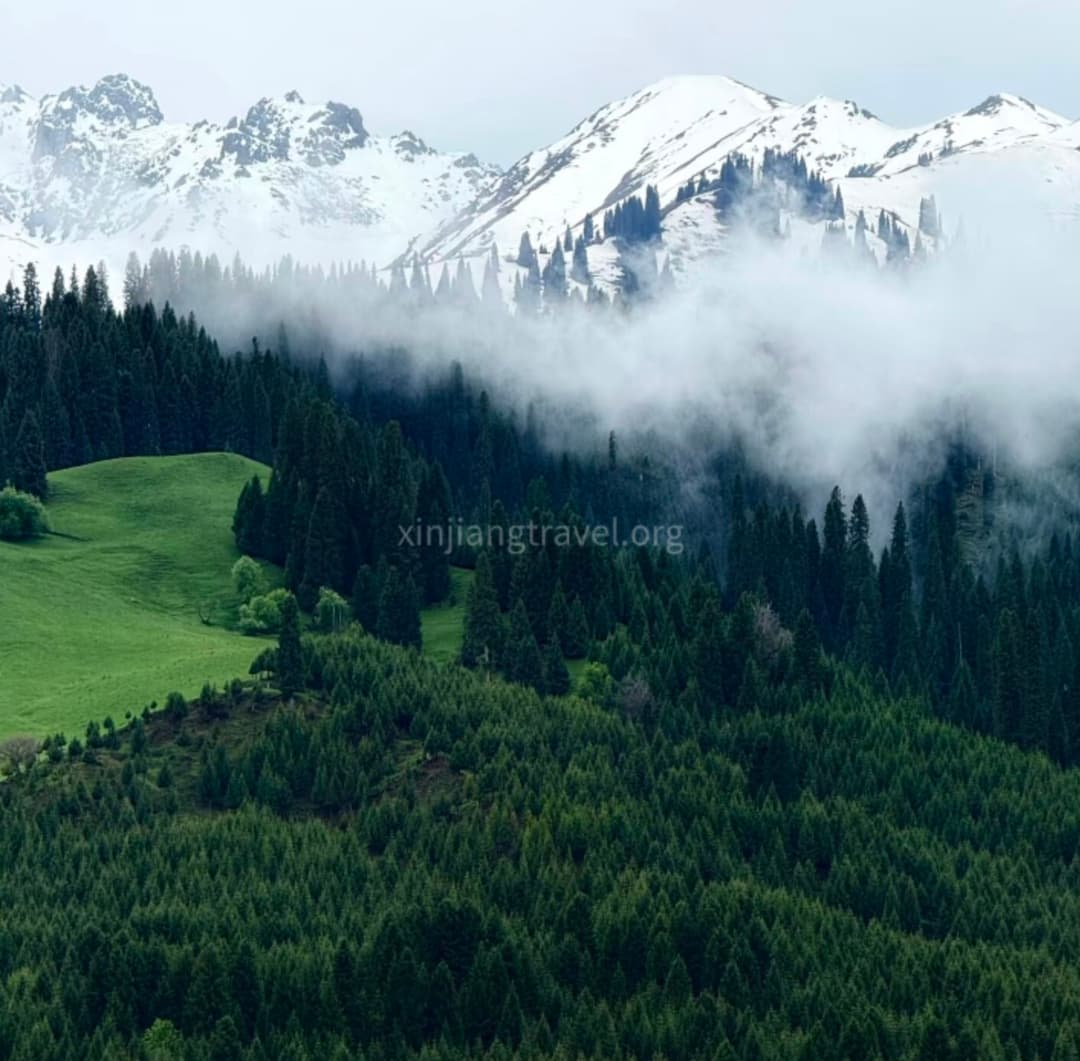
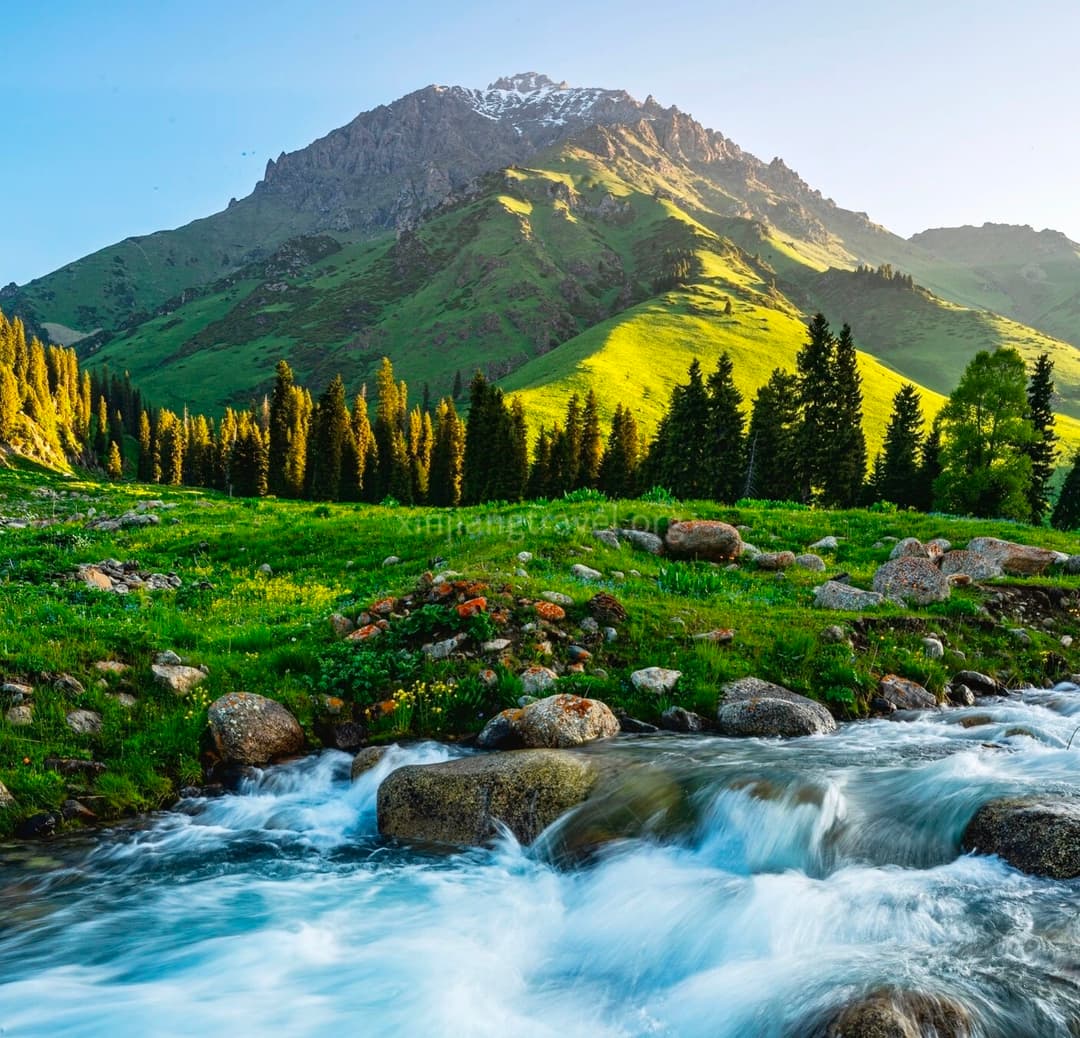
The Tianshan spruce typically grows 40 to 60 meters tall, with a trunk diameter (measured 1.3 meters above ground) of 1 to 2 meters – so wide that two people are needed to wrap their arms around it.
The tree has a classic tower shape: broad at the bottom and narrowing toward the top, with very dense branches and foliage. The bark is gray-brown and develops irregular cracks as the tree ages.
The spruce's needles are four-sided, 2 to 4 centimeters long. They are dark green with a shiny surface. If you rub the needles between your fingers, you'll notice a distinct pine resin smell.
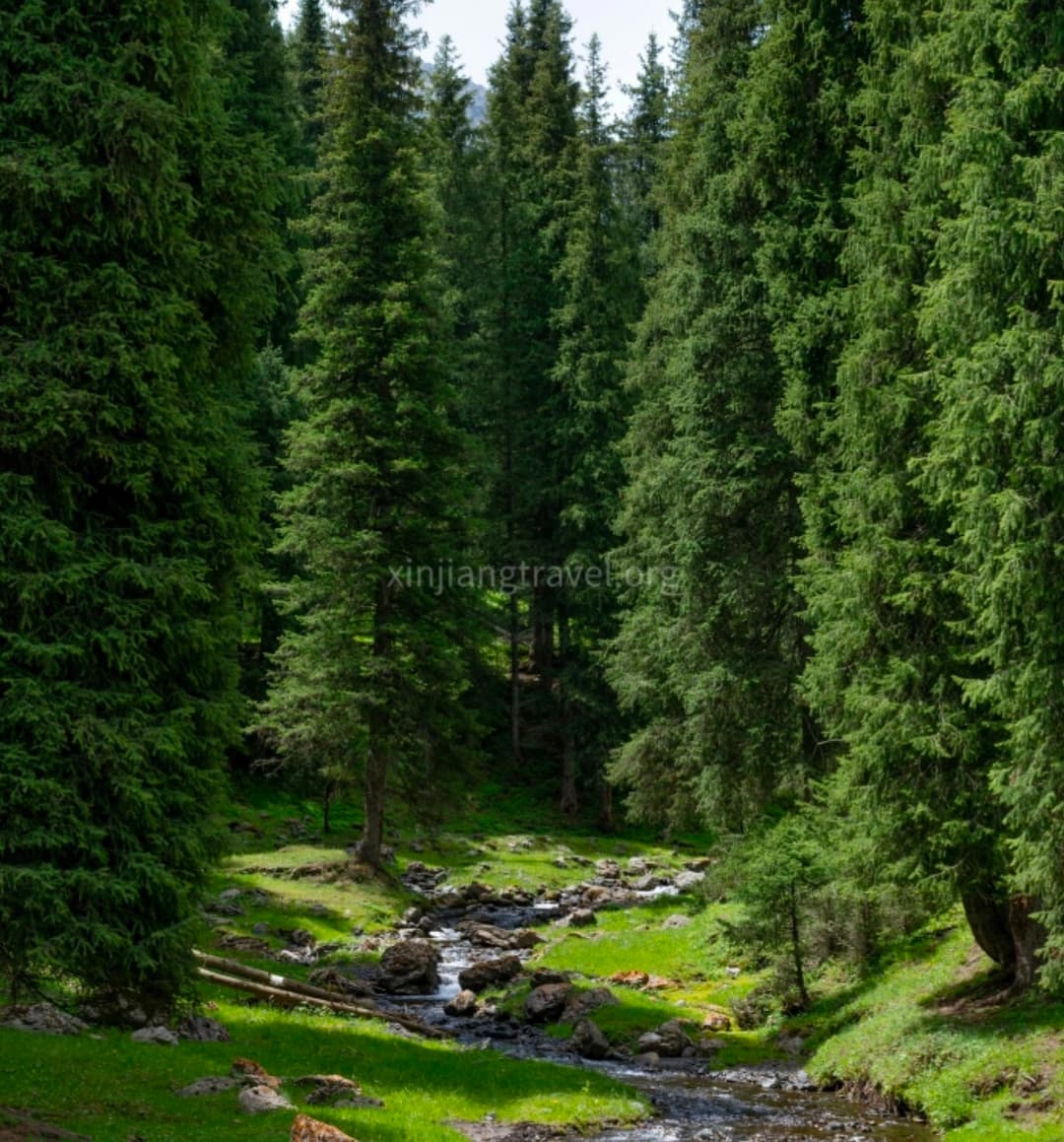
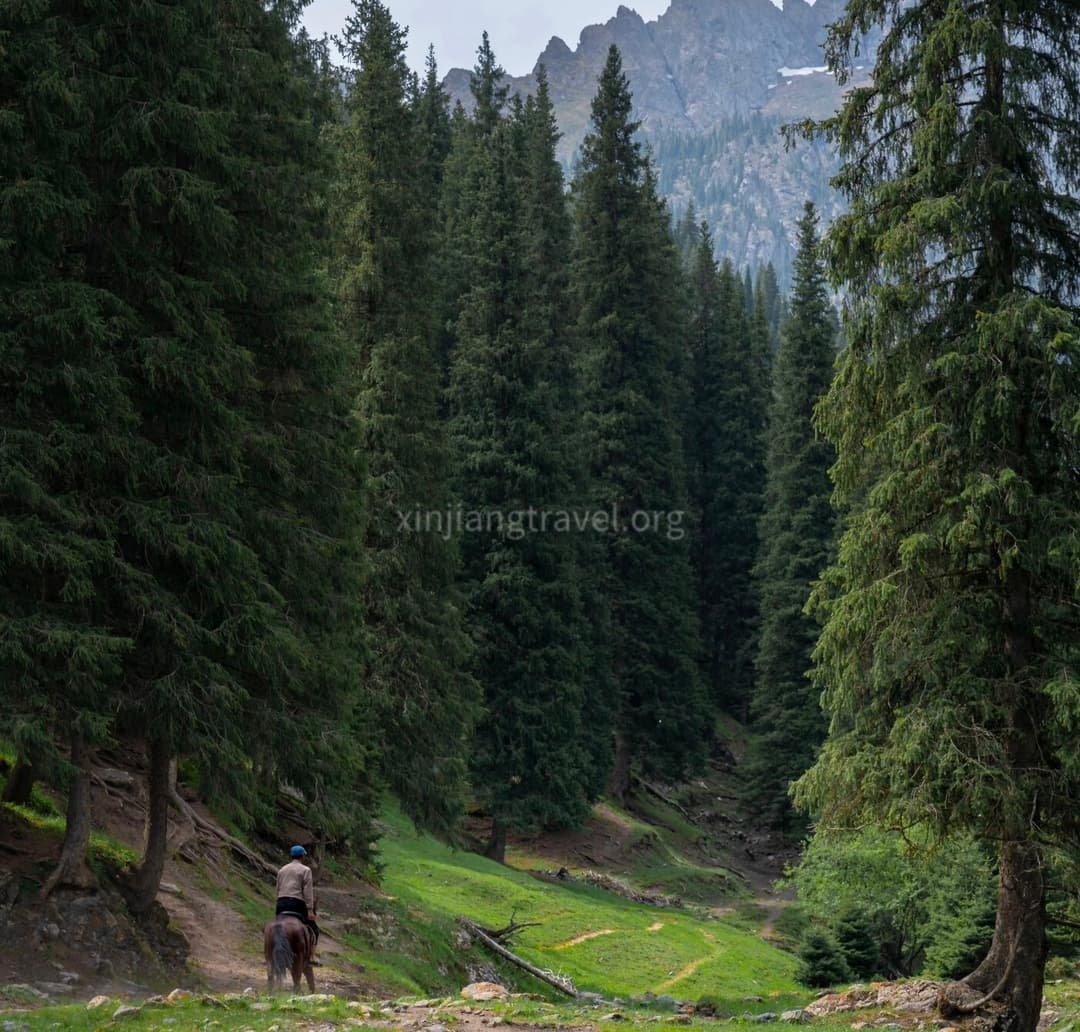
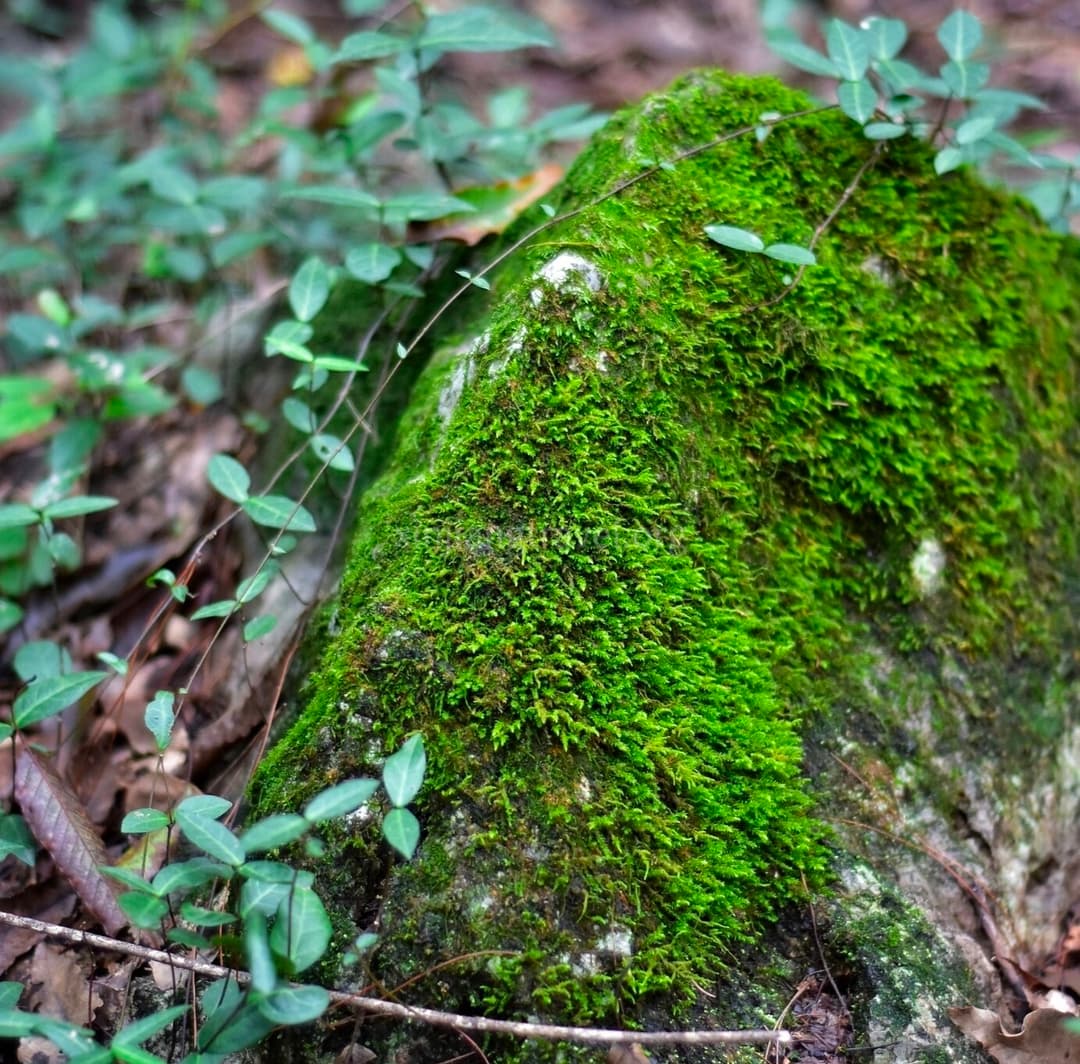
Tianshan spruce forests have a strong ability to hold water. The forest floor is covered with a thick layer of moss and fallen leaves, which acts like a sponge, absorbing and storing large amounts of water. A mature spruce forest can store several hundred tons of water per acre.
The tree's root system is well developed. The taproot goes deep, and the lateral roots spread far, anchoring the soil firmly and preventing erosion that could lead to landslides and mudflows.
Spruce forests also help regulate the local climate. Inside the forest, humidity is higher than outside, summer temperatures are cooler, winter temperatures are milder, and temperature swings are much smaller than in open areas.
These forests are also home to wildlife. Animals such as ibex, red deer, wild boar, and snow leopards depend on the spruce forest for food and shelter. Many bird species also nest there.
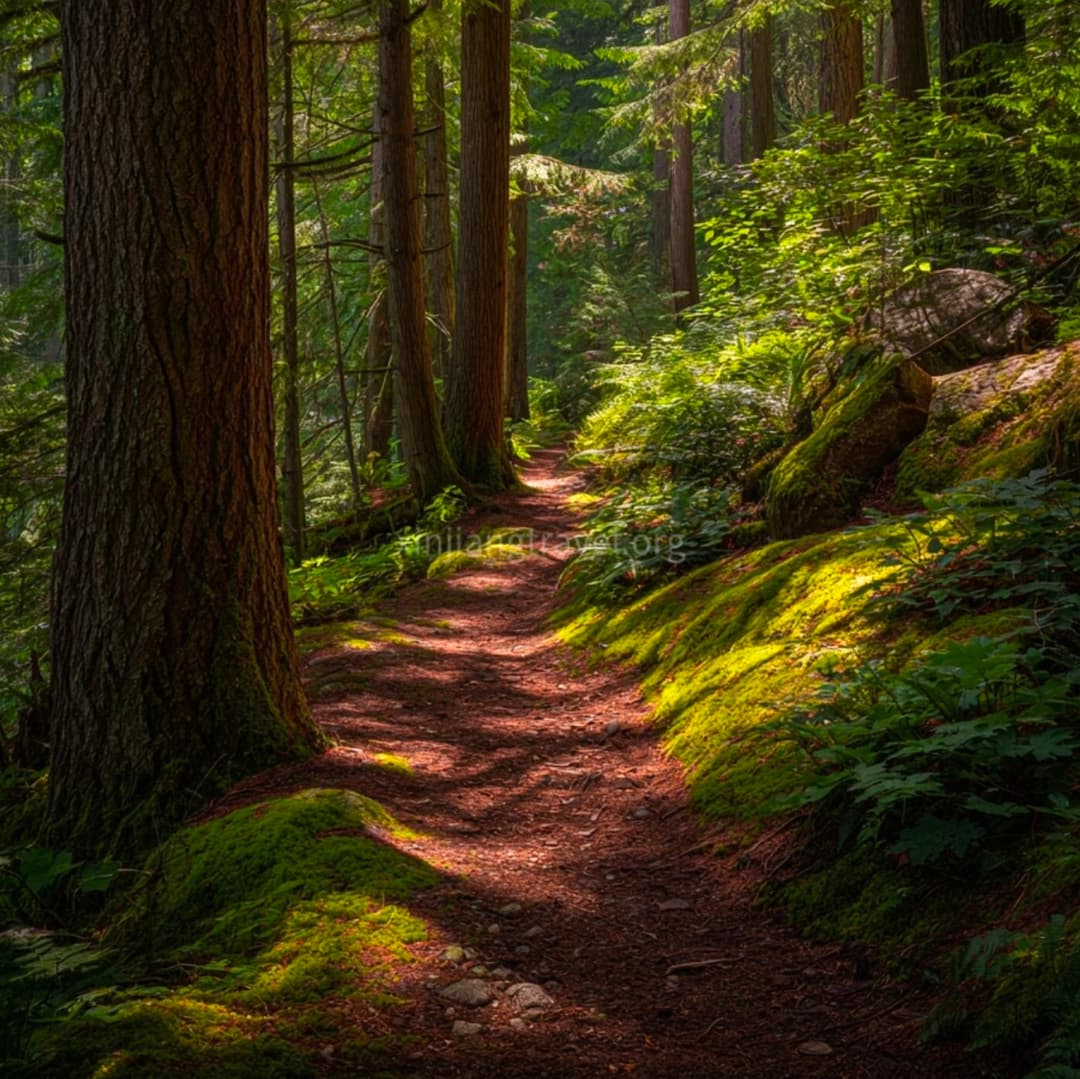
The wood of the Tianshan spruce is good quality, straight-grained, and highly resistant to decay. In the past, locals used it for building houses, making roof beams, doors, and windows. Today, it is mainly used for furniture and for making traditional instruments of the Uyghur and Kazakh people, such as the rawap and dombra bodies.
In terms of tourism, Tianshan spruce forests are an important part of famous scenic areas like Nalati, Kalajun, and Jiangbulak. The stretches of dark green forest that visitors see in these areas are mostly Tianshan spruce.
For photographers and hikers, the spruce forest provides a great backdrop and excellent walking trails. Common scenes include the cool shade beneath the trees in summer, and the snow-covered spruce in winter.
The Tianshan spruce grows very slowly. It takes over 100 years for a seedling to reach maturity. Once cut down, it is extremely difficult to restore. Overlogging was a problem in some areas in the past, but is now strictly controlled.
Today, the Tianshan spruce forests are part of several nature reserves and are also included in the "Xinjiang Tianshan" UNESCO World Natural Heritage site. Among the four components of the Tianshan World Heritage site, the spruce forest is a key protected object.
When visiting the Tianshan spruce forest, keep the following in mind:
Do not cut down trees
Do not carve into bark
Do not peel bark off trees
No smoking or open flames are allowed in the forest to prevent fires
Do not litter, especially with plastic products
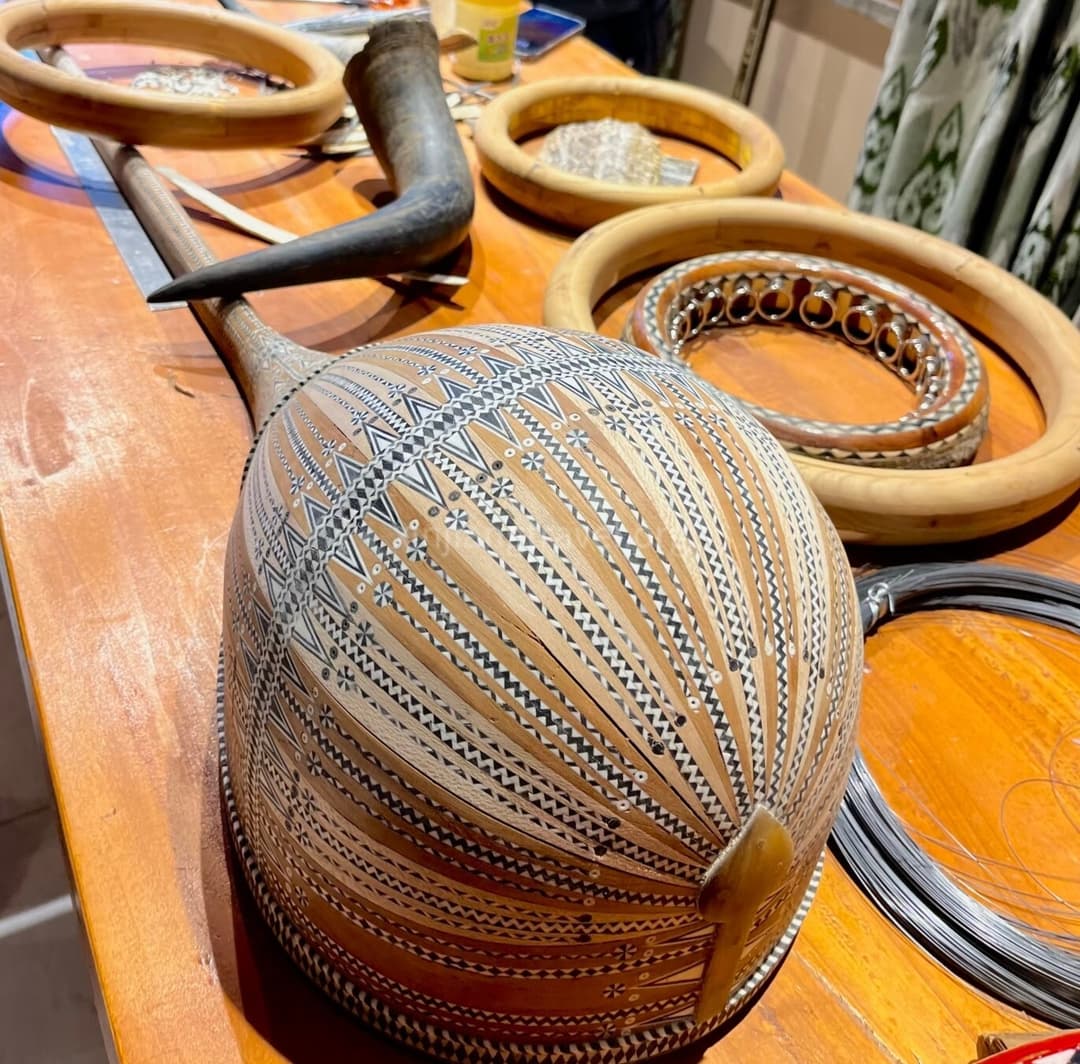
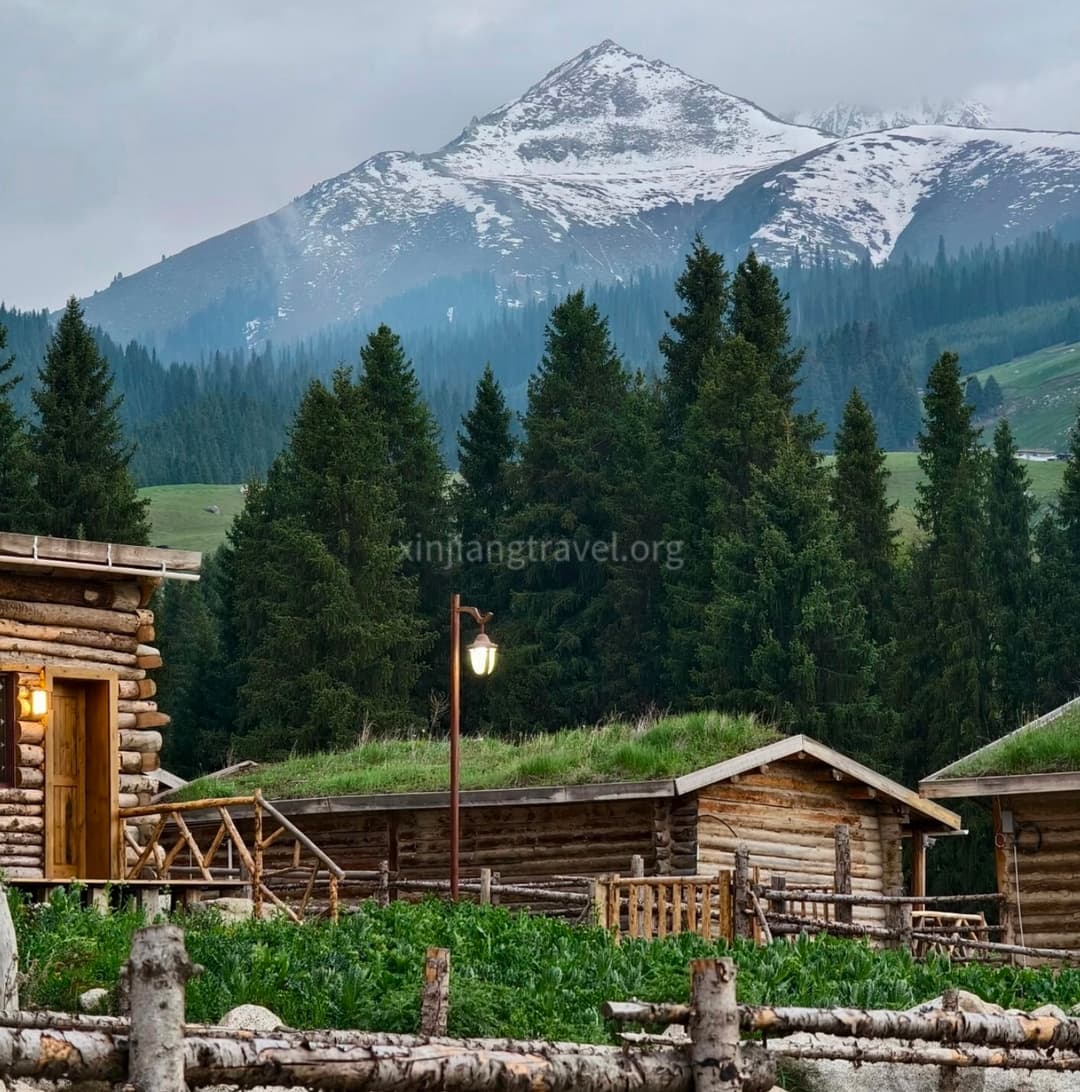
The Tianshan spruce is the backbone of the Tianshan ecosystem. Without these forests, the water-holding capacity of the northern slopes would drop sharply, landslides would increase, and many wild animals would lose their homes.
As visitors admire the magnificent spruce forests, they also share the responsibility of preserving them. Protecting the Tianshan spruce means protecting the water sources and biodiversity of the Tianshan Mountains.
Urumqi-Heavenly Lake-Fuyun-Burqin-Kanas-Hemu-Kuitun-Sayram Lake-Naraty
North Xinjiang Tour in Sept is the super best time for the golden autumn view. this full inclusive group tour will take you to Kanas Lake, Hemu Village, Sayram Lake and Narat Grassland, Travel with locals, big deal

Kashgar - Taxkorgan - Turpan - Urumqi - Beitun - Hemu - Kanas - Burqin - Urho
Best Xinjang Tour to Kashgar and Kanas includes the most beautiful natural landscapes in northern Xinjiang like Kanas and Hemu and the Kashgar livestock market and old city are all in the package.

Kashgar - Taxkorgan - Urumqi - Turpan - Fuhai - Hemu - Kanas - Urho - Jinghe - Yining - Tekes - Naraty
Experience all the essential sights in Xinjiang. No matter what you want from a trip in Xinjiang, you can find it here! From plateau to grassland, oasis to desert, mountains to lakes, villages to relics.

Urumqi-Heavenly Lake-Turpan-Urumqi
Urumqi and Turpan Tour, Enjoy the free shopping in the Grand Bazaar, overnight in the local Kazakhs Yurt in Heavenly lake. Adventure to the Kumtag Desert where you can experience the camel riding as Silk Road Caraven.Taste the authentic Xinjiang Flavor in the local Uighur family.


