20 years of pioneer in xinjiang tourism for overseas travelers
Born Here, Know Best, Your Journey's Blessed
No Shopping. No Detour, 99% Excellent Review

contact UsOn Wechat
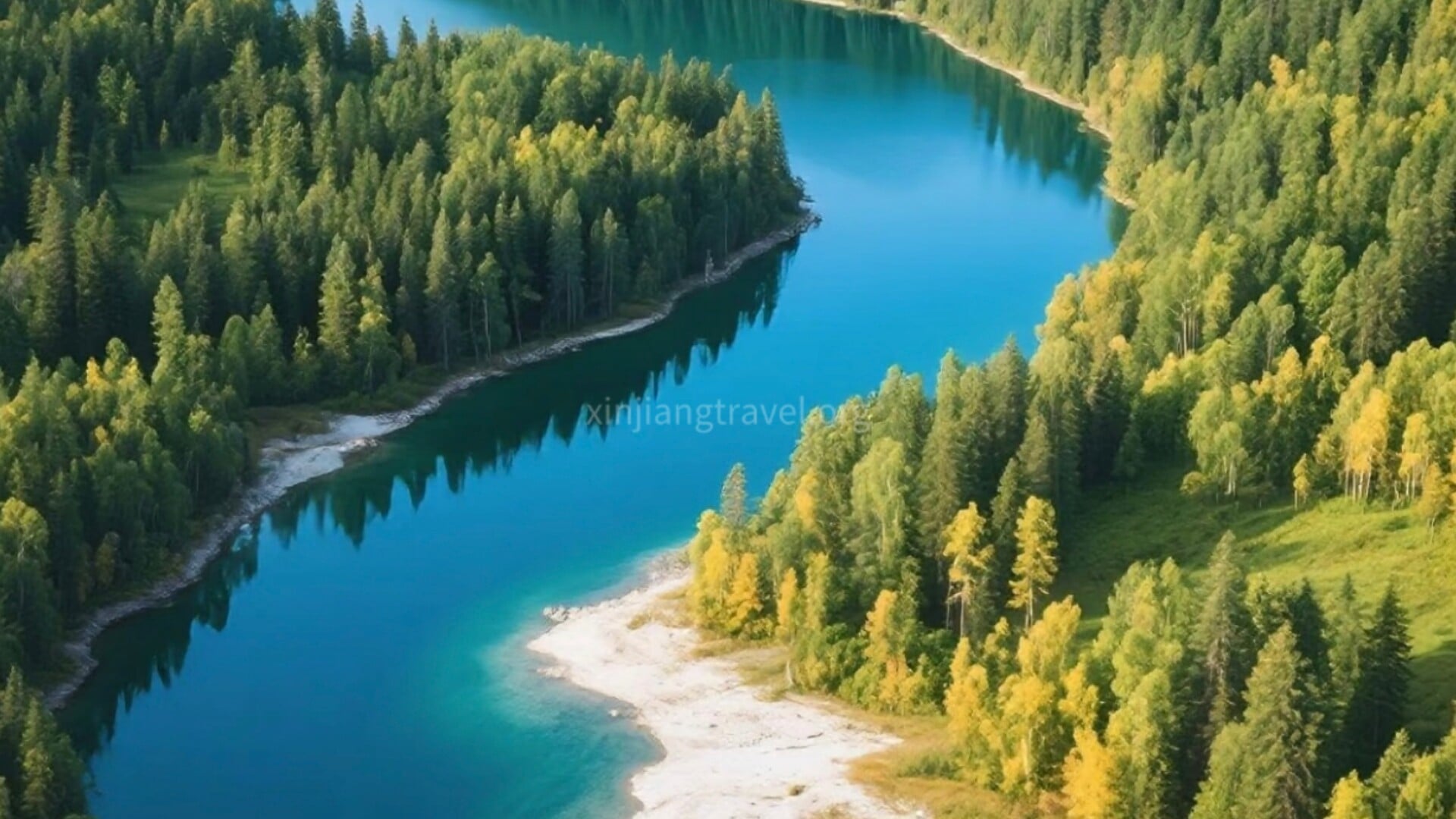
Planning your Xinjiang travel cost 2026 and figuring out a practical Xinjiang budget for foreigners can feel overwhelming, but understanding Xinjiang travel expenses is the first step to a smooth trip. Xinjiang has long been a dream destination along the Silk Road for many travelers from overseas. Between the snow-covered peaks of the Tianshan Mountains, the oasis of Turpan, the grasslands of Ili, the ancient city of Kashgar, and the rich cultures of the Uyghur, Kazakh, and other ethnic groups, it's a place that stays with you long after you leave. In 2026, with more international flights coming back and improved tourist facilities, getting to Xinjiang has become easier for overseas visitors. But the question on most people's minds is still, "How much will it actually cost?"
The answer rarely comes down to a single number — it hinges on the route and travel style you choose. A North Xinjiang nature loop through Kanas Lake, Naraty Grassland, and the Ili River Valley carries different transportation, accommodation, and entrance-fee structures than a Southern Xinjiang Silk Road journey around Kashgar and the Pamir Plateau, and sharing a private car and driver among a small group can cut per-person costs noticeably compared with traveling solo. To see how these routes map onto budget, comfort, and high-end tiers — with per-day private car rates, hotel categories, and all-inclusive package pricing already laid out — you can browse our handpicked Xinjiang tours, where private itineraries and small group departures cover everything from 5-day Kashgar essentials to 13-day North Xinjiang panoramic loops. Once you have a preferred route and tier in mind, the detailed cost breakdown below will help you translate it into a concrete 2026 budget.
Our travel agency has years of experience hosting international guests from Europe, the Americas, Southeast Asia, Australia, and beyond. Based on what we've learned from actual tours, we've put together a detailed breakdown of travel costs in Xinjiang for 2026. Keep in mind that budgets vary depending on travel style (budget, comfort, or high-end), the season, and group size. For the most current pricing, please check with us directly.
Here, we will provide a detailed breakdown of Xinjiang tourism expenses to help you better plan your Xinjiang tourism budget.
Of course, your budget is only one thread in the wider fabric of planning a trip to Xinjiang. How many days you can afford to spend on the road, which season offers the best value, whether your route favors the alpine lakes of the north or the Silk Road towns of the south — these decisions shape your costs just as much as any hotel rate or flight price. If you’d like to see how all of these pieces fit together, our Xinjiang Travel Guide brings everything into one place — routes, timing, permits, packing lists, food, transportation, safety, and the local tips that help every dollar go further.
Content |
Visa and Entry Costs (Top Concern for Overseas Travelers)
In 2026, China offers a unilateral visa-free policy for about 50 countries. Ordinary passport holders from countries such as France, Germany, Italy, Spain, the Netherlands, Australia, New Zealand, the UK, Canada, South Korea, and Japan can stay up to 30 days for tourism, business, or family visits. The policy is valid until December 31, 2026 (check the latest announcements from your departure country). Travelers not covered by the visa-free policy will need to apply for an L tourist visa.
Visa application fee: around $140 for U.S. citizens (amount varies depending on nationality and how you apply)."
Required documents: passport valid for at least six months, itinerary, hotel bookings, etc.
Tip: Whether you're visa-free or not, it's a good idea to start preparing your documents 1–2 months in advance.
International round-trip transportation costs
Flying directly or with a layover to Urumqi is the most common way to get to Xinjiang from overseas.
Round-trip from Europe or the US: economy class roughly 800~1000 USD (booking early can save you money)
Round-trip from Southeast Asia: roughly 600~700 USD
Suggestion: lock in early bird tickets as soon as you can. Our travel agency can help find the best connecting routes to lower your overall transportation cost.
Local transportation costs (Xinjiang is vast, so this makes up a large part of the budget)
Xinjiang covers a huge area. Local transportation usually accounts for 30–45% of your total travel budget.
Airport or train station pickup/drop-off in Urumqi: roughly 20~30 USD per car
Most recommended option: private car with a professional driver. Cost per day roughly 180~250 USD
(Prices vary by season.), including fuel, tolls, and the driver's meals and accommodation
Local ride-hailing services: depending on your routes
Private car hire is the most convenient option for overseas travelers. If you need to rent a car, check the link for all the details and pricing.
Our drivers have basic English communication skills, or we can provide a professional interpreter. They can also adjust the itinerary flexibly as needed.
Budget (3 star hotels): roughly 45~60 USD per night (3 star hotels in the mountain areas get more expensive during peak season—around 300 dollars or so.)
Mid-range (4 star hotels): roughly 70~80 USD per night
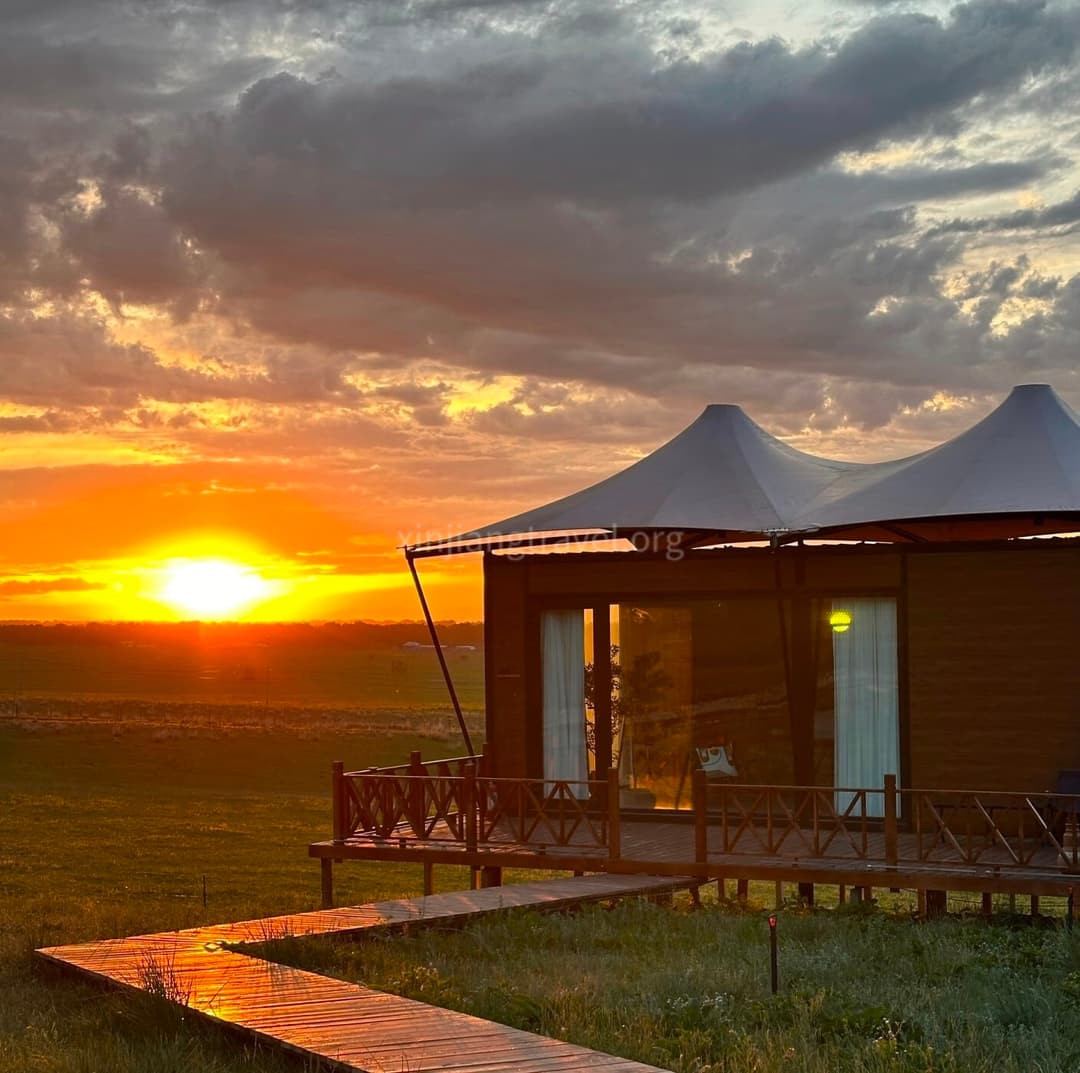
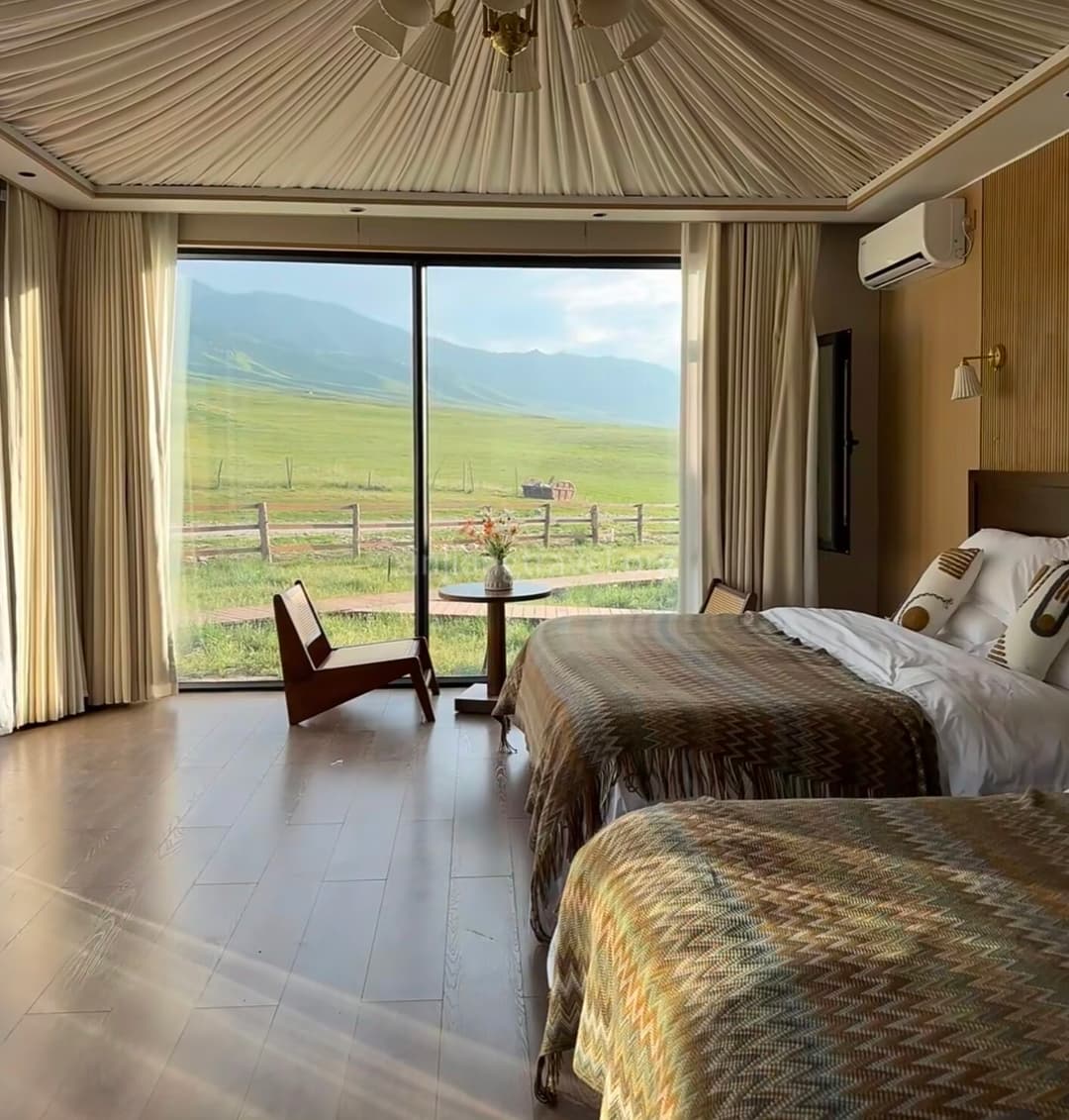
High-end (resorts, grassland cabins, lake-view rooms): roughly 300 USD or more per night
Prices go up 20–30% during peak season (July–August). The low season (April–May, September–October) is better value. Urumqi and Kashgar have the widest range of options. For a better experience, consider local guesthouses in Turpan and Ili.
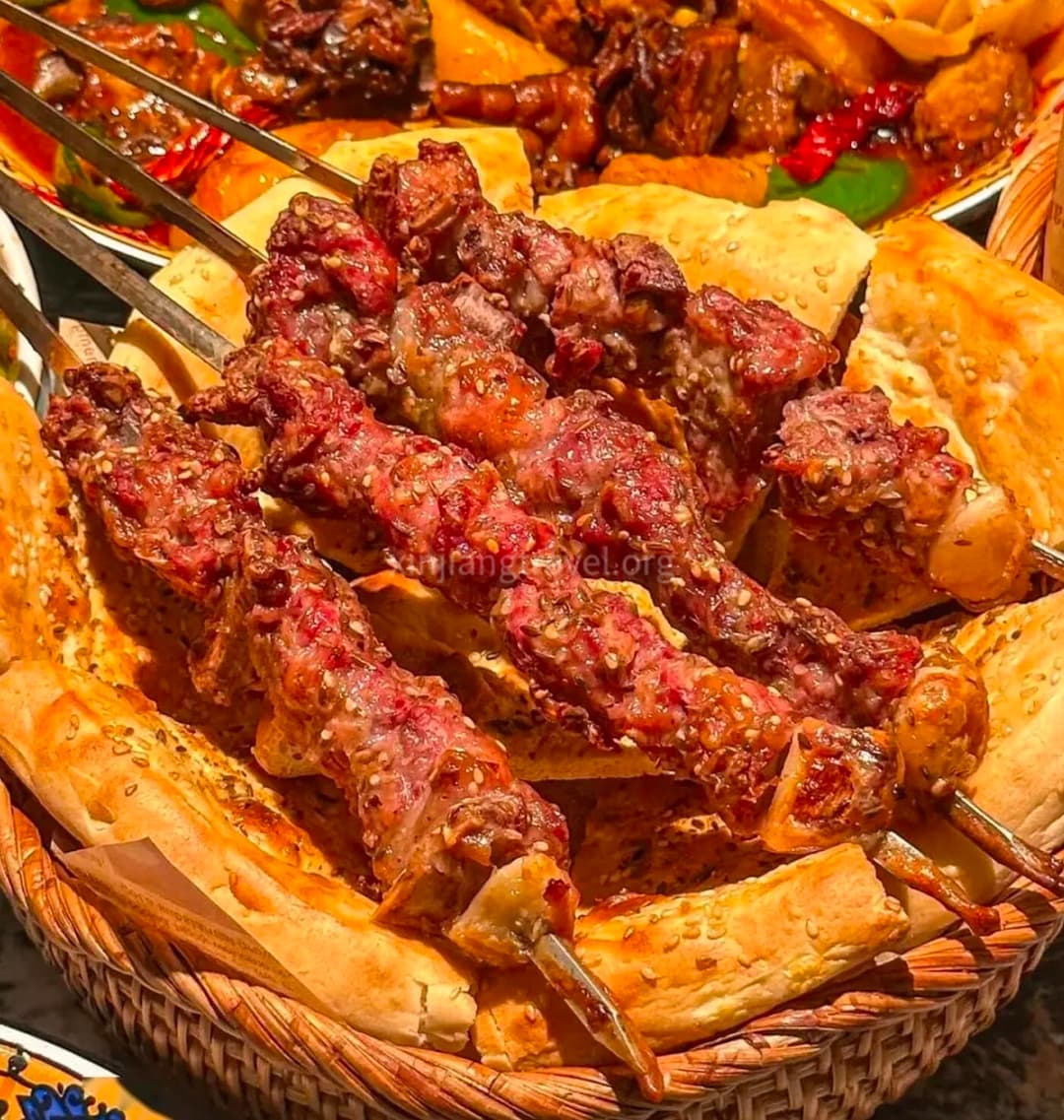
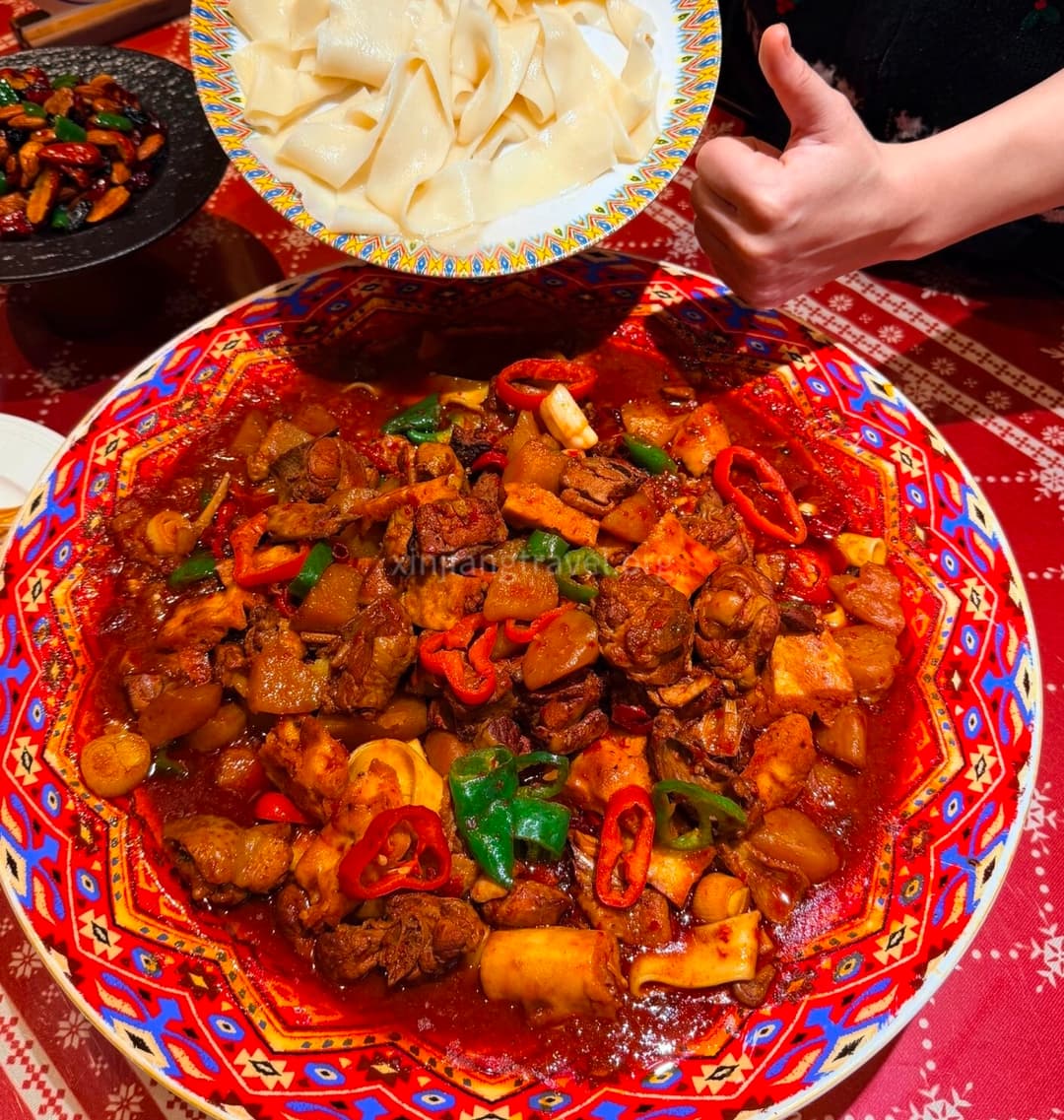
Xinjiang's food is one of the highlights of any trip. Pilaf, big plate chicken, grilled skewers, hand-pulled noodles, and fresh fruit are available all year round.
Budget: roughly 10 USD per day (just a simple bowl of noodles)
Mid-range: roughly 20~30 USD per day
Most food is halal. Let us know in advance if you're vegetarian or have other dietary needs, and we'll make proper arrangements. Alcohol and Western food cost more. We recommend trying the local fruit – it's refreshing, affordable, and easy to find.
Entrance fees and activity costs
Northern Xinjiang
Entrance fees and activities: roughly 200 USD in total
Private car tours often include discounted package tickets for some attractions.
Optional experiences: visits to local ethnic families, camel rides, horse riding, night market food tours, and grassland activities. Costs vary by activity.
Southern Xinjiang
Entrance fees and activities: roughly 150 USD in total
Other activities are priced the same, though costs vary depending on the specifics.
Currency exchange and payment: WeChat Pay and Alipay are very convenient. Linking an international credit card in advance can reduce currency conversion losses.
Shopping (dried fruits, handicrafts, carpets, etc.): about 50~100 USD in total
All our tours include 24‑hour English support.
Travel during the shoulder seasons (April–May or September–October). You can save 15–30% on flights and accommodation.
If you're traveling with two or more people, or as a family, sharing a private car and driver cuts the cost significantly.
Book international flights and tours three months in advance to take advantage of early bird discounts.
Use mobile payment apps as much as possible to avoid currency exchange fees.
Choose our all-in-one service. It's often more convenient and more affordable than piecing everything together yourself.
Urumqi → Turpan → Kanas → Karamay
9 Days Xinjiang Impressive Tour bringy you to The extraordinary Kanas is a fairyland. Snow-capped mountain,forest,grasslands and lake there make an intoxicating painting. Fireland-Turpan where you will know the Silk Road History and local Uighur folklore.The Tianchi,or"Heavenly Lake" is like a lake in heaven indeed.
Kashgar-Karakul Lake-Kashgar-Urumqi-Turpan-Urumqi
7 Days Tour Package to Xinjiang bring you to visit the Sunday Bazaar which is still alive now. overnight in the yurt of local Kazakhs in Heavenly lake which located in the deep of Tianshan Mountain. visit the UNESCO of Jiaohe Ruins. enjoy the hospitalily of local Uighur family. you can not miss
Urumqi → Turpan → Khotan → Kashgar
South Xinjiang Tour from Urumqi to Kashgar, passing by the fireland of Turpan, take the flight to Khotan and drive to the kashgar via Yarkent. Discover the local custom of Uighur and the splendid culture of South Xinjiang.