20 years of pioneer in xinjiang tourism for overseas travelers
Born Here, Know Best, Your Journey's Blessed
No Shopping. No Detour, 99% Excellent Review

contact UsOn Wechat
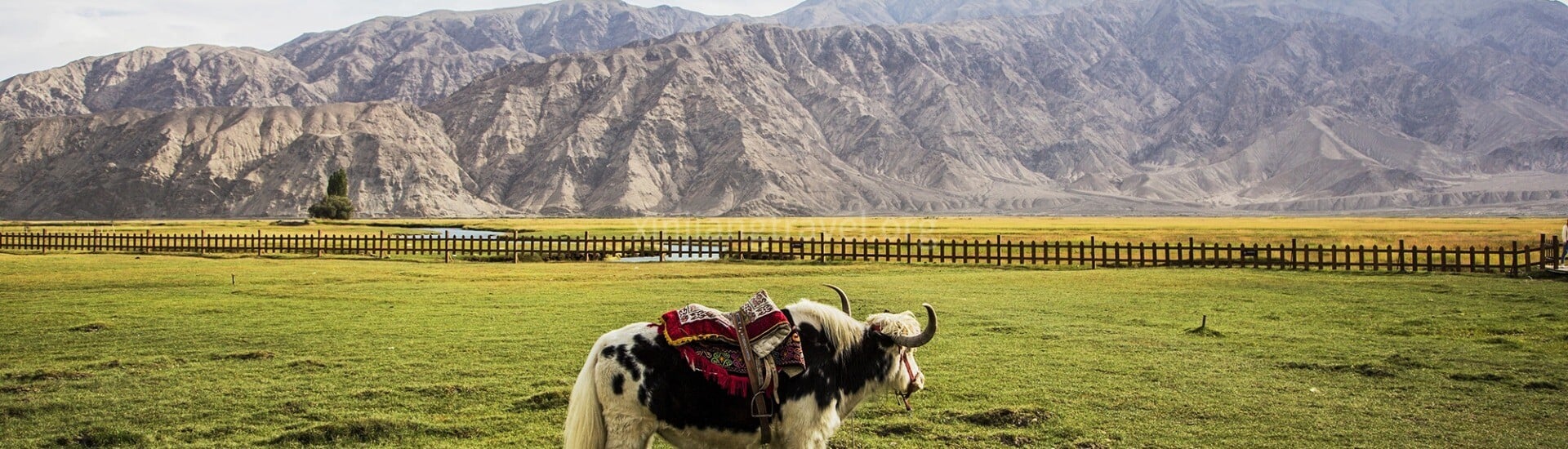
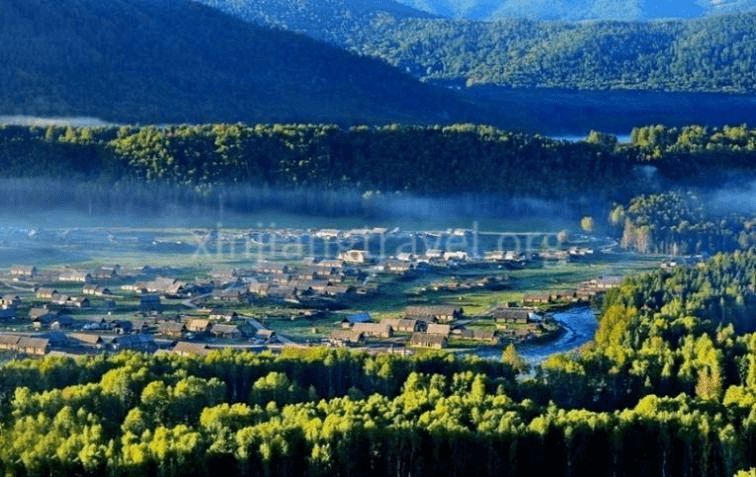
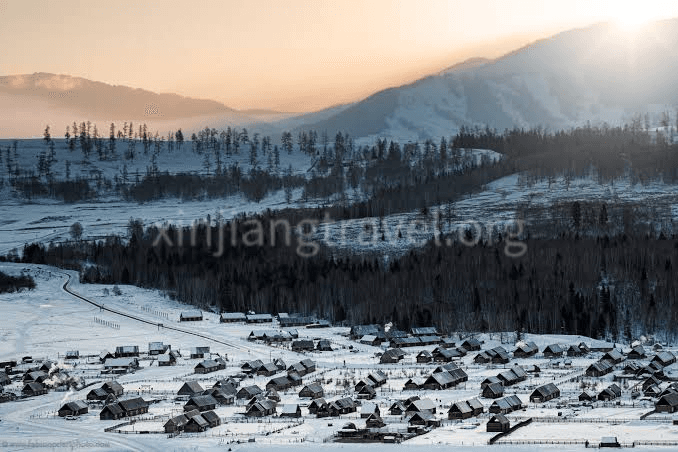
Urumqi-Fuhai-Hemu-Kanas-Urho-Nalati-Yining-Sayram Lake-Yining
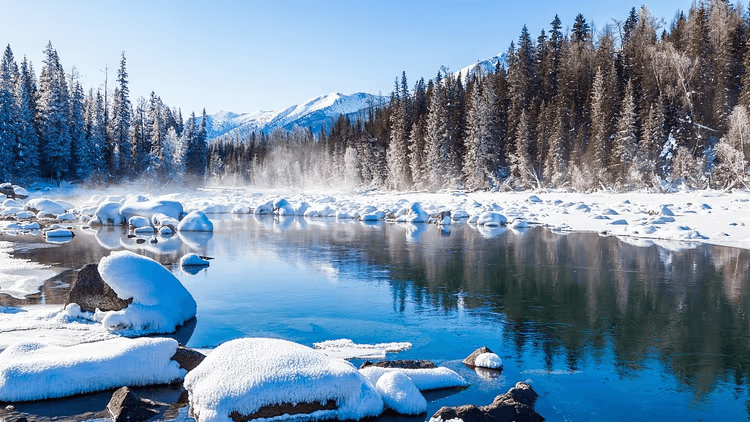
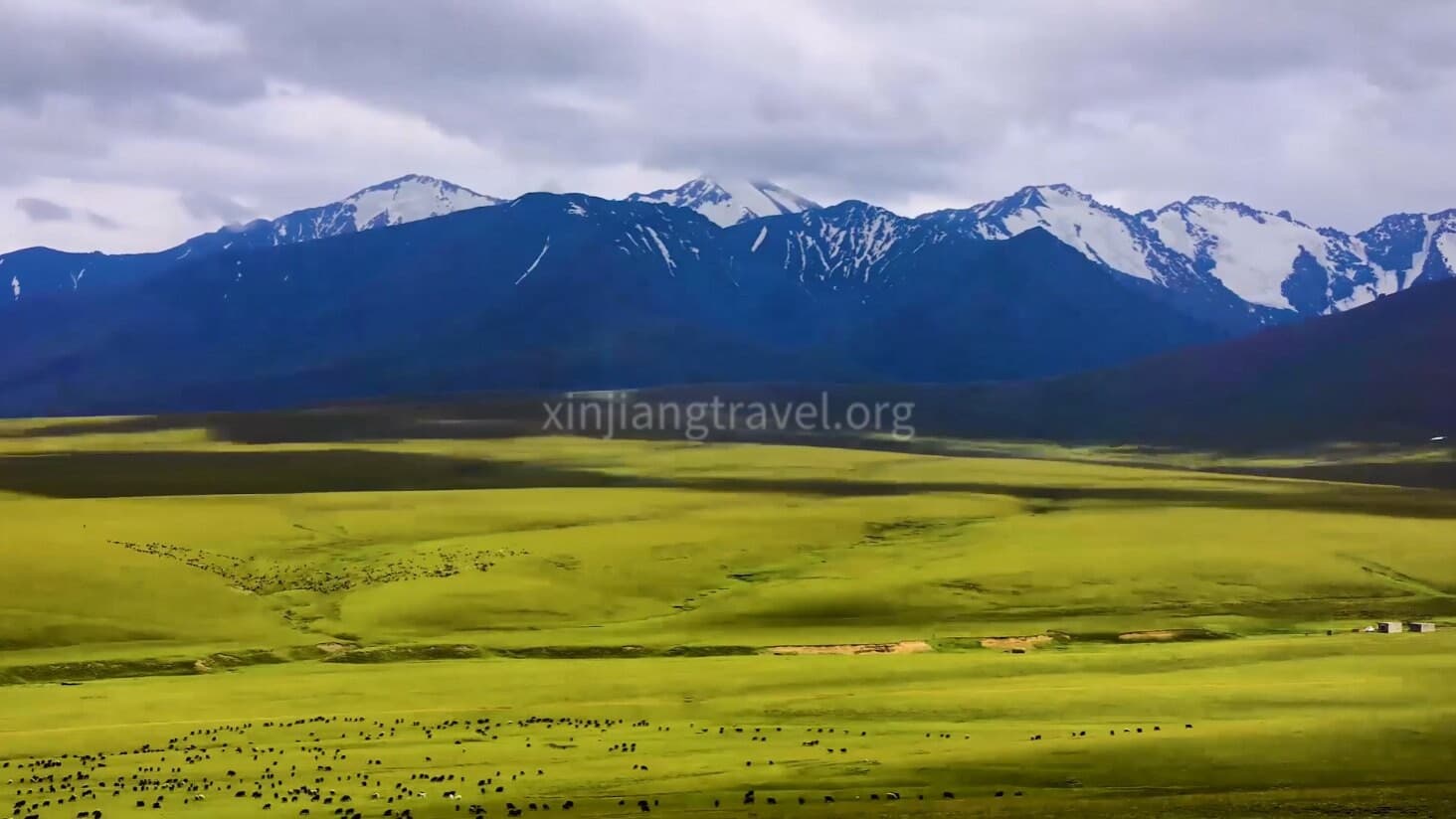
Explore the best of North Xinjiang on this 9-day Duku Highway adventure. Visit Kanas Lake, Hemu Village, Sayram Lake, Nalati Grassland, and Yining with a trusted local Xinjiang travel agency.
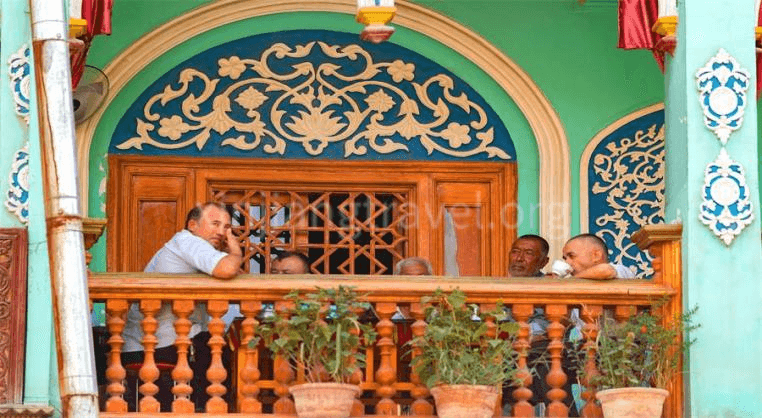
Kashgar-Karakul Lake-Taxkorgan-Kashgar-Turpan-Tuyoq Village-Urumqi-Heavenly Lake-Urumqi
Experience an unforgettable Xinjiang Silk Road journey featuring dramatic Pamir landscapes, ancient oasis cities, rich ethnic culture, alpine lakes, desert scenery, and historic heritage sites.
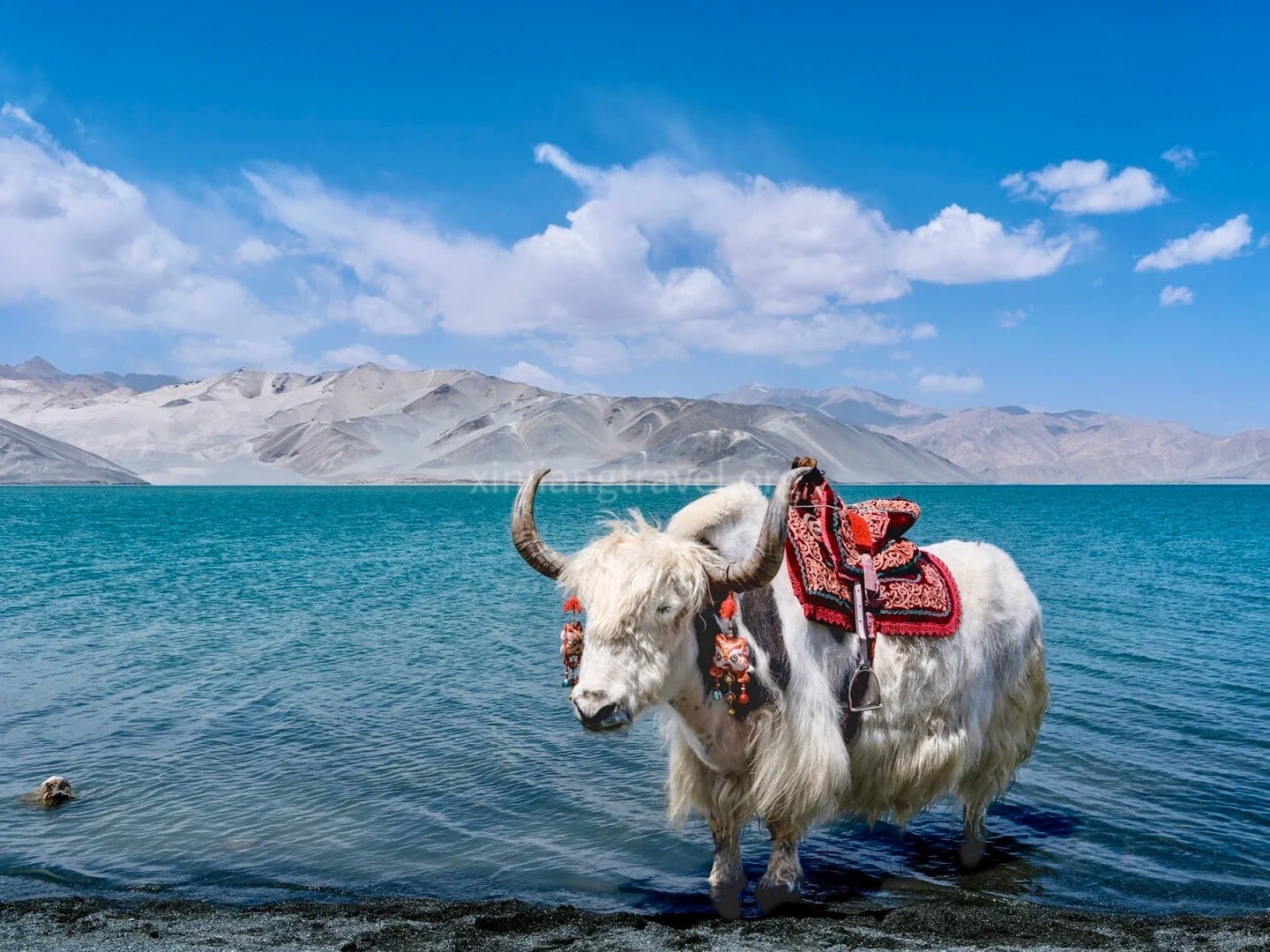
Kashgar - Taxkorgan - Kashgar - Shanghai
A fascinating route that takes you from the vibrant old city of Kashgar to the breathtaking highlands of Taxkorgan. Along the way, experience rich Uyghur culture, explore the legendary Pamir Plateau, and admire stunning snow-capped peaks, alpine lakes, and ancient Silk Road heritage. This short yet unforgettable journey offers a perfect blend of culture, history, and dramatic mountain scenery.
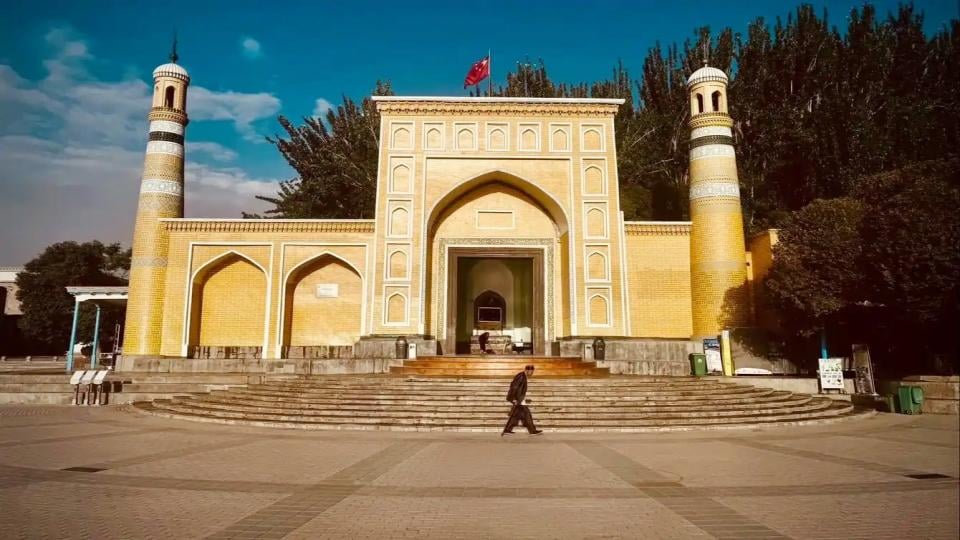
Kashgar-Taxkorgan
Experience Xinjiang's magic on a 7-day tour from Kashgar's ancient town and Id Kah Mosque to the Pamir's breathtaking landscapes. Drive the China-Pakistan Highway, marvel at Karakul Lake's beauty, explore Stone Fortresses, and immerse in Yarkent's living history before returning, enchanted by this cultural crossroads.
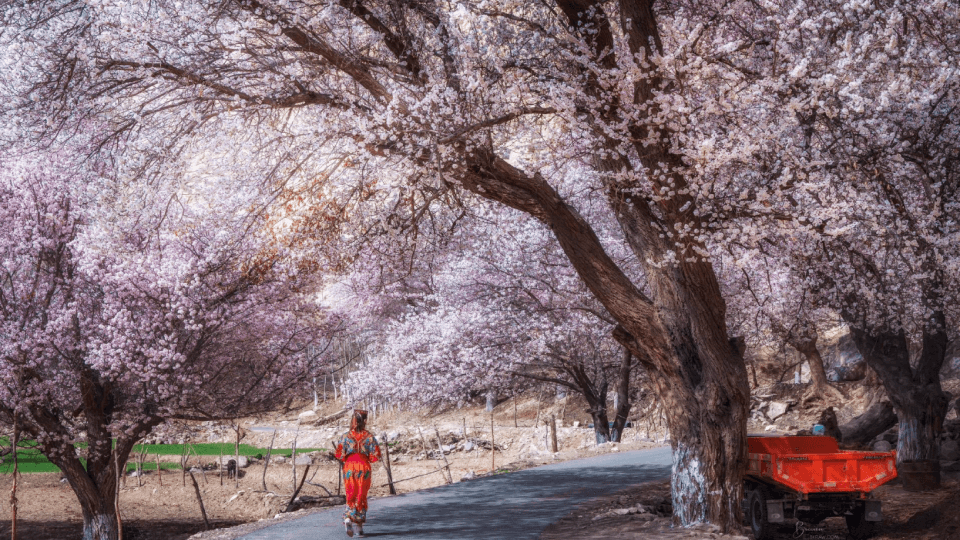
Kashgar-Taxkorgan-Xinghua Village-Urumqi
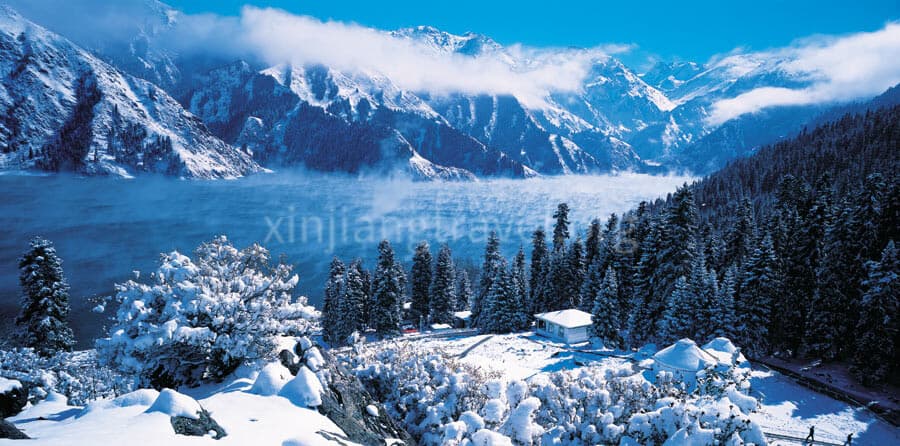
Discover Southern Xinjiang in 5 days, from Kashgar's Id Kah Mosque and bustling bazaars to the Pamir Plateau's Karakul Lake. Drive the China-Pakistan Highway, visit apricot-filled Xinghua Village and Taxkorgan's Stone Fortress, ending at Urumqi's breathtaking Heavenly Lake—a perfect mix of culture and nature.
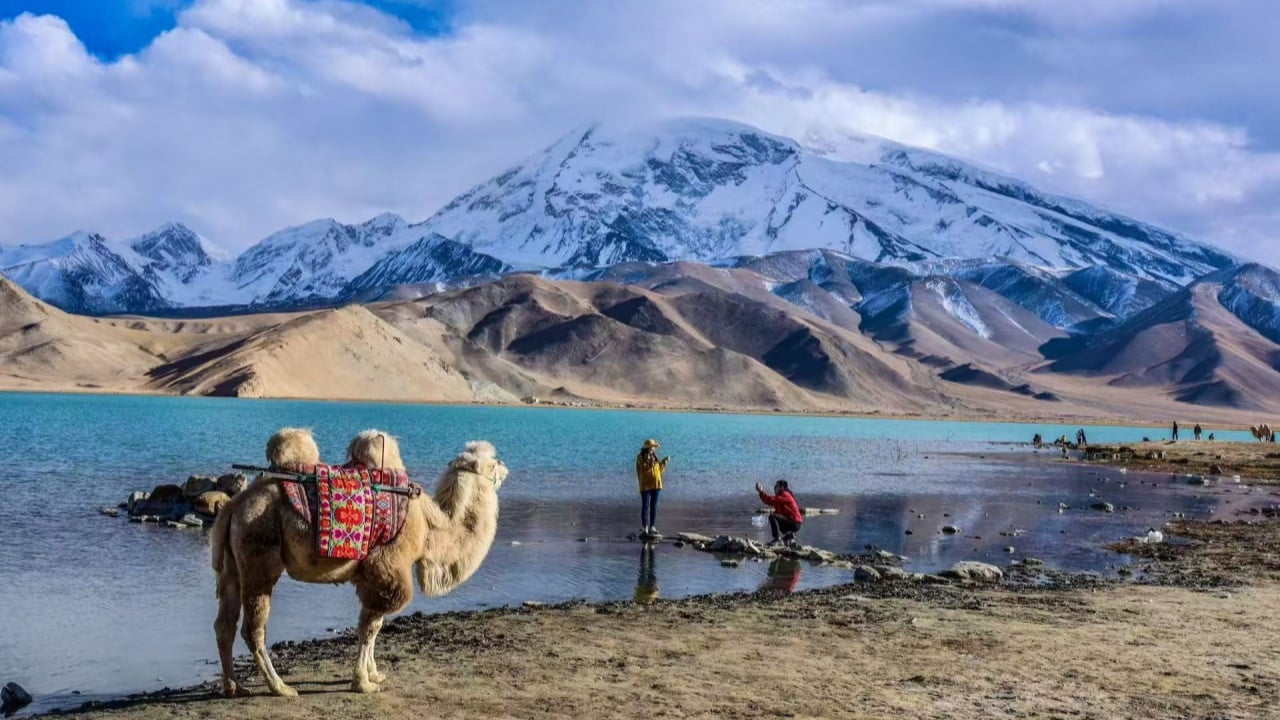
Kashgar-Taxkorgan
Embark on a breathtaking 2-day adventure to Tashkurgan, China’s westernmost frontier nestled in Xinjiang’s Pamir Mountains. Known as the "Roof of the World," this Xinjiang gem offers stunning alpine landscapes, rich Tajik culture, and historical wonders.
Urumqi-Fuhai-Hemu-Kanas-Urho-Nalati-Tekes-Yining-Kuitun-Urumqi
Discover the beauty of North Xinjiang with a trusted local travel agency. Enjoy 2 nights in Kanas, explore Hemu, Sayram Lake, Nalati Grassland, and experience the spectacular Duku Highway on a relaxing 12-day journey.
Urumqi - Dushanzi - Yining - Zhaosu - Tekes - Gongliu - Nalati - Kuitun - Urumqi
Explore the best of Northern Xinjiang on a Duku Highway tour featuring Yili, Nalati, Zhaosu and Tekes. Discover grasslands, canyons and stunning mountain scenery.
Kashgar-Karakul Lake-Taxkorgan-Nalati-Yining-Jinghe-Urumqi-Turpan
A 13-day Xinjiang tour covering Kashgar, Yili and Urumqi. Discover the Pamir Plateau, Silk Road culture, Ili grasslands, Kanas scenery and the diverse landscapes of Northern and Southern Xinjiang.
Tashkurgan sits on Xinjiang's eastern Pamir Plateau, where a stay in town lets you combine mountain lakes and wetlands with an evening meal beneath snow-covered peaks. Stay one night for the main-road scenery and Stone City, or two nights to give the town and a carefully chosen excursion more breathing room.
You will also see the name written as Taxkorgan, or 塔什库尔干 in Chinese; locals often shorten it to Taxian, 塔县. Before choosing your hotel or mountain route, settle the border-area arrangements for everyone travelling on a foreign passport.
Content›Border Permits for Foreign Passport Holders ›Best Things to Do in and Around Tashkurgan ›Suggested Tashkurgan Itineraries |
Foreign visitors travelling into Tashkurgan's border management area need the appropriate border-area documents alongside their valid passport. A China visa or visa-free entry arrangement does not replace these local requirements, and a permit for sightseeing does not authorise an international border crossing.
The electronic Border Management Area Pass is called 电子边境管理区通行证. Foreign nationals must apply in person at a county-level or higher public security exit-entry office, or a designated police station. The online application route available to eligible mainland Chinese residents is not the foreign-passport procedure.
Give your organiser the proposed dates, nationalities and complete route, including any glacier, village or mountain-road excursions. Ask them to identify the office handling foreign-passport applications and confirm which stops can be included. Permission to reach Tashkurgan town should not be treated as permission for every road elsewhere in the county.
A travel agency can help clarify the route and application arrangements, but do not assume that sending a passport photograph replaces your personal attendance. For any area not open to foreign visitors, ask the local exit-entry authority whether a separate Foreigners' Travel Permit is applicable and whether the proposed visit can be authorised.
The national application requirements include a valid travel document, an application form and a compliant photograph, unless the receiving office collects the photograph itself. Ask the office about any further route-specific documents before attending; do not rely on a checklist written for Chinese identity-card holders.
Arrange the application before committing to a departure morning. Further examination can delay a decision, so same-day issue is not something to build your itinerary around. Once issued, keep the electronic pass available offline or carry a printout, together with your original passport, for checks along the road.
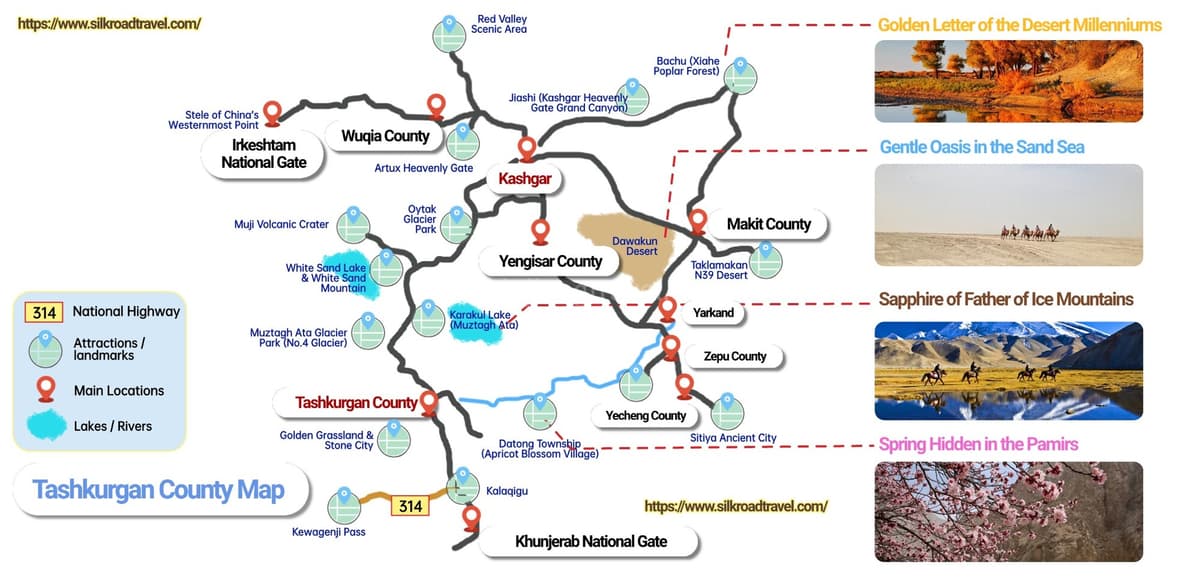
For a first visit, prioritise Stone City and the surrounding wetlands, then choose between a mountain-road outing, a glacier visit or a quieter village stop. White Sand Lake and Karakul Lake belong to the journey from Kashgar; they do not need to become separate excursions from town.
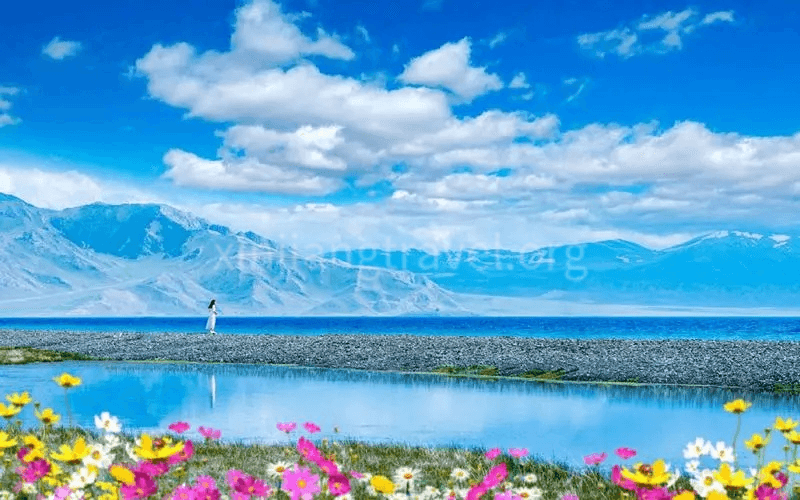
White Sand Lake, or Baisha Lake (白沙湖), contrasts pale dunes with mountain water beside the plateau road. The north shore is worth considering if photography is a priority and your driver has confirmed an accessible stopping point. It is less useful as another compulsory stop when you have already enjoyed a good lake view and still have a long drive ahead.
Agree on the exact north-shore map pin before leaving Kashgar. Different viewpoints use different approaches, and "White Sand Lake" alone is not a precise enough destination for a driver. Choose an established access point rather than an informal track down to the water.
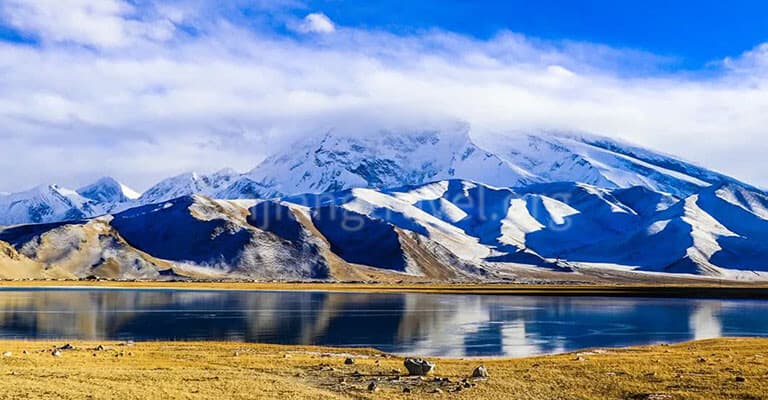
Karakul Lake (喀拉库勒湖) is the main-road stop for open views towards Muztagh Ata. A short lakeside visit gives you the mountain-and-water landscape without adding a separate glacier excursion. Reflections depend on wind and visibility, so allow time to look around rather than planning around a guaranteed mirror image.
Seeing Muztagh Ata from the lake or road is different from entering Muztagh Ata Glacier Park. The park involves a separate approach, admission arrangements and travel higher into the mountains.
Taghman Wetland (塔合曼湿地) makes a gentler stop as you approach Tashkurgan from the north. Its broad valley, streams and pasture provide a change from the exposed lakes and rocky slopes farther up the road. Use a designated viewing area; the wetland is also working grazing and haymaking land, not an open walking field.
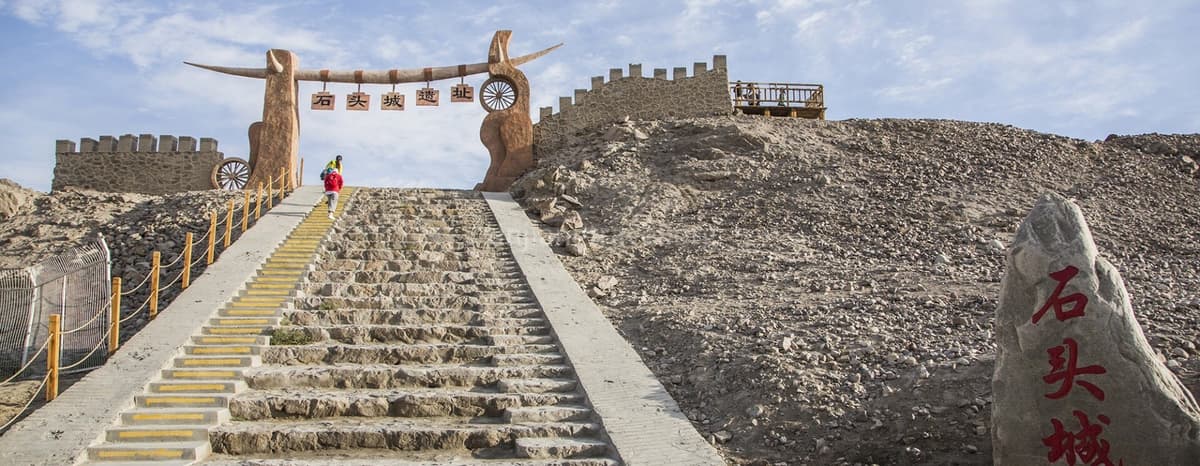
Stone City (石头城) is the best place to begin exploring Tashkurgan itself. The ruined walls stand above the valley on the northern side of town, with the Alar wetland and Golden Grassland (金草滩) below. Visit the ruins for the elevated view, then use the open wetland paths for a less demanding walk.
The site developed through successive periods of settlement and rebuilding, including its role as the capital of the historical Jiepantuo kingdom and later Qing-period construction. What you see today is a layered archaeological site, rather than a complete fortress preserved from one dynasty.
Allow a relaxed half-day for the ruins and wetland together. If you arrive tired from Kashgar, leave the uphill section until the following morning and keep your first evening simple.
Toghrum Village (托格伦夏村, also transliterated as Tuogelunxia) offers a quieter alternative to spending all your time in the town centre. The village area has accommodation and tourism businesses near the wider Stone City and Alar wetland landscape, but it is not one hotel or a single entrance on a map.
Choose a particular guesthouse, café or agreed walking location before setting off. A village visit works best when you have time to slow down; it should not be sold as a guaranteed opportunity to enter homes, attend a wedding or watch a performance. Ask before photographing residents or entering private courtyards.
Panlong Ancient Road (盘龙古道) is for travellers who enjoy the drive itself: tight bends, bare mountain slopes and views down through the valleys. Set aside a separate day from Tashkurgan rather than adding it after the journey from Kashgar. Despite its English name, the visitor experience is a modern mountain road, not a walking trail through an ancient town.
The controlled section operates one way, entering from the Bandir township junction and leaving towards Waqia. Passenger vehicles must meet the road's seating and size limits; a small tour group may still need a different vehicle if its original minibus is too large. Have the driver confirm the permitted approach and return route before you book the excursion.
Bandir Blue Lake (班迪尔蓝湖), associated with the Xiabandi Reservoir, is most rewarding when sunlight brings out the water's colour. It can be considered alongside a Panlong outing, but the stopping point and sequence must fit the permitted driving direction.
On an overcast day, particularly if you are short of time, skip a lengthy photographic detour and spend that time in town or at the wetlands instead. The lake is an optional addition, not a reason to rush the mountain road.
Muztagh Ata Glacier Park (慕士塔格冰川公园) deserves separate time if a closer glacier landscape is a priority and you are comfortable at altitude. Allow a substantial part of the day for the approach, admission, internal transport and walking; it is not equivalent to pulling over for a mountain photograph.
The visitor area rises above 4,000 metres. Leave it out on your initial ascent from Kashgar, and do not add it while you have altitude symptoms. Before reserving the excursion, have the operator confirm foreign-passport entry, the open visitor route and the transport included in the ticket. A sightseeing visit does not include access onto the glacier itself.
The valleys around Datong and along the wider Tashkurgan–Shache route attract visitors for apricot blossom, usually around late March and early April. Flowering varies with elevation and the weather, so choose the village and travel dates together rather than booking a fixed "blossom day" months ahead.
An orchard visit is a separate valley excursion, not a quick stop in Tashkurgan town. Add time for the approach and return, and confirm access to the exact village for your passport. Do not combine a distant blossom outing with the glacier park and the drive back to Kashgar.
Stay in town if you want to choose dinner on foot after a long day on the plateau. For a remote guesthouse or camp, arrange the evening meal before arrival; travelling back into town just to eat can undo the convenience of staying outside it.
Hongzha Chufang (洪扎厨房), known locally for Pakistani food, is a dinner option to ask your hotel to locate. Save the Chinese name rather than relying on an English translation, and confirm the current opening hours before making a special trip.
Huoju Kuaicanting (火炬快餐厅) is another option for a straightforward meal in town. For noodles, look for the listing 塔县30年拌面王. Choose from the menu available when you visit rather than expecting a particular dish to be served all day.
For a mountain-road day, buy naan and other food you can comfortably carry before leaving town. Treat these as a backup for a late lunch, especially when your route includes an excursion away from G314. If you have an allergy or dietary restriction, show it in Chinese and ask about stock, sauces and cooking oil as well as the main ingredients.
On a visit recorded in our local notes, Batie Night Market (巴铁夜市) became livelier after 9 pm, and some stalls accepted cash only. That is a useful reason to carry small notes and leave time for an evening stroll, rather than treating 9 pm as a fixed opening time.
If you arrive hungry or feel tired at altitude, eat earlier instead of waiting for the market to become busy. Confirm whether locally quoted times mean Beijing time when arranging a meeting or meal.
Kashgar is the practical starting point for a sightseeing journey to Tashkurgan along G314, the Chinese section of the Karakoram Highway. Treat the outward journey as a full travel day: driving, checks, meals and lake stops all compete for the same daylight. A navigation estimate covers neither a sightseeing itinerary nor an unpredictable wait at a checkpoint.
A private car with a driver gives you the most control over stops and the return journey. Agree on the hotel pickup, overnight arrangements, daily route and any vehicle change required for Panlong before accepting the quote. A driver and an English-speaking guide are different services, so specify which you need.
A group tour can reduce the cost for a solo traveller or couple, but compare the actual itinerary. Ask whether it accepts your passport, which language is used, where you sleep and whether the group visits the glacier park or simply views Muztagh Ata from the road.
Public transport is a town-to-town option rather than a substitute for a sightseeing car. Before relying on a departure, ask the Kashgar passenger station to confirm the current service, foreign-passport booking arrangements and documents required. Do not assume a bus will wait at the lakes or provide an onward pickup after you get off.
Self-driving requires driving credentials valid in China, an eligible rental vehicle and the same passenger access checks as other travel arrangements. For a first visit, hiring a local driver is usually the simpler choice if lakeside stops and mountain excursions are central to the trip.
The separate Pamir road trip guide explains the order of stops and which detours need their own day.
For a first stay of one or two nights, choose accommodation in Tashkurgan town unless the village setting is a main reason for your visit. Being able to eat nearby, rest after the drive and leave luggage in the same room is more useful than changing hotels for another advertised mountain view.
Dongxun Cultural Hotel's Stone City branch, 东寻文化酒店(塔县帕米尔旅游区石头城店), is on Hongqilafu Road. It is a town-based option to compare when you want a conventional hotel and access to restaurants without arranging a separate rural transfer. Use the full branch name when booking, as older listings also refer to Qishi Square.
Snow Crown Hotel, 雪上皇冠酒店(塔什库尔干金草滩店), is worth considering if you want to combine town evenings with mountain views. The stay described in our local notes included hot milk and an oxygen concentrator; the walk to the night market took about eight minutes, and the rooftop was convenient for looking towards the mountains. Breakfast was less of a highlight.
Those details describe that stay, not every room or booking. Ask about the equipment in your room, rooftop access and any evening service you are relying on. Do not confuse this property with similarly named Xueshang hotels.
Quan Jing Xing Kong Hotel, 全景星空酒店(古城路金草滩店), is on Gucheng Road and has a courtyard and parking. It is an option for travellers arriving by car who prefer more outdoor space around the hotel. Ask for the view from the actual room category: "starry sky" in a hotel name does not guarantee an unobstructed mountain view or clear skies.
Choose a property in the Toghrum village area if you want a quieter evening and time around the wetlands. Obtain the property's exact pin, not just the village name, and arrange dinner, breakfast and transport before arrival. A rural stay is less convenient if you expect to walk into town for every meal.
For any camp or remote accommodation, confirm seasonal opening, room heating, private bathroom arrangements and hot water. Send the property your passport details through an appropriate booking channel and ask it to confirm the reservation and check-in requirements. Oxygen equipment is not a substitute for acclimatisation or medical treatment.
One night gives you the main road and a short town visit. Two nights give you one full day without the long Kashgar transfer, but that day should remain flexible if you are not feeling well at altitude. These itineraries begin after the necessary permissions are in place; they do not include application time in Kashgar.
Day 1 — Kashgar to Tashkurgan.
Leave Kashgar with the day reserved for the drive. Choose a White Sand Lake stop, keep Karakul Lake gentle and brief, and continue towards town. Add a short Taghman viewpoint stop only if you have time and feel well. Stay in Tashkurgan and have an easy evening.
Day 2 — Stone City,
then return to Kashgar. Visit the ruins and an open section of the wetland paths in the morning, shortening the walk if needed. Return along G314, using any remaining time for a stop you missed on the outward drive. Stay in Kashgar rather than depending on the mountain journey to connect with a tightly timed departure.
Leave Panlong, the glacier park and distant blossom valleys out of this version.
Day 1 — Reach Tashkurgan via the main-road lakes. Keep the same measured arrival plan and stay in town.
Day 2 — Choose one focus. For an easier day, combine Stone City and the wetlands with a meal in town or a prearranged visit in the Toghrum village area. If you are feeling well and access is confirmed, a Panlong outing can replace that plan, with Bandir Blue Lake included only where the permitted route and daylight allow. Stay in Tashkurgan again.
Day 3 — Return to Kashgar. Leave room for the road rather than filling the morning with another major excursion. If the glacier park is your priority, add a further day or replace the Panlong plan with it; do not stack both onto the return journey.
For travellers arriving from low altitude, an additional quiet day is more useful than another high viewpoint. A second night creates flexibility, but it does not guarantee acclimatisation.
Tashkurgan town is roughly 3,100 metres above sea level, and the journey passes higher locations. Travelling there directly from Kashgar is a rapid ascent. A night in Kashgar helps with travel recovery and paperwork but does not acclimatise you to the plateau.
Where possible, plan gradual ascent with suitable intermediate accommodation. If your route does not allow this, discuss it with a clinician before travel. Keep the first two days light and avoid alcohol and strenuous exercise; leave the glacier park and demanding walks until later.
A headache with nausea, dizziness or unusual fatigue after ascending may indicate altitude illness. Do not go higher while symptoms continue. If symptoms worsen despite rest, descend and seek medical help; breathlessness at rest, confusion or difficulty walking require urgent assistance and descent.
Do not use painkillers to push through a planned excursion. Portable oxygen and hotel oxygen equipment cannot replace a safer itinerary, descent or medical care. Discuss preventive medication individually with a clinician rather than following a standard dose from a travel article.
Pack for exposed lake shores and cold evenings, even when Kashgar feels warm. A windproof outer layer is useful at White Sand Lake; add a fleece or insulated jacket for mornings and evenings, and a heavier down layer for cold-season travel. A warm hat and face covering help in wind, while sunglasses and sunscreen matter around bright water, snow and bare mountain slopes.
Wear shoes with a firm grip for the ruins and uneven paths. Keep essential medication, warm layers, water and your documents inside the vehicle with you, rather than buried in luggage that is difficult to reach during stops.
Yes. Both spellings refer to 塔什库尔干; Taxian, or 塔县, is the commonly used Chinese abbreviation. Use the Chinese name to distinguish the county from a particular hotel or attraction.
No. Accommodation, lawful entry into China and permission to visit a border management area are separate arrangements.
One night works for the main-road lakes and a short town visit. Stay two nights for a full day locally, and add more time if both Panlong and the glacier park are priorities.
Not on the basis of a sightseeing permit alone. An international journey requires separate entry eligibility, border-crossing arrangements and transport planning.
No. Karakul Lake and suitable stops along G314 offer mountain views. Entering the glacier park is a separate, higher-altitude excursion.


 0