20 years of pioneer in xinjiang tourism for overseas travelers
Born Here, Know Best, Your Journey's Blessed
No Shopping. No Detour, 99% Excellent Review

contact UsOn Wechat
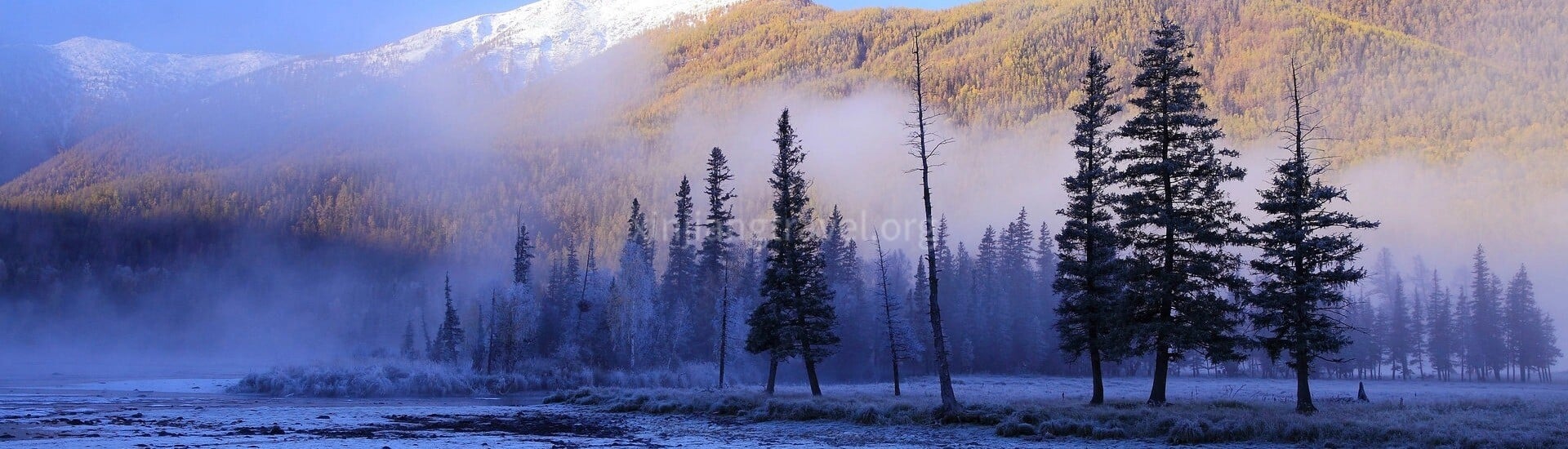
The Altai Mountains in northern Xinjiang are a place to follow rivers through forest, spend a night among timber houses and discover how people have worked with the land. Around Kanas and Hemu, the relationship is visible in village buildings and seasonal pastures. Farther east, at Keketuohai, a vast mine excavation tells a different story about what these mountains have provided.
A rewarding visit leaves time for more than the famous photograph. Walk beside the Kanas River, listen to a scheduled music performance in Hemu, share a meal of noodles and meat, or examine the wooden skis once used for everyday winter travel. These experiences give the landscape a human scale.
Choose the western valleys for lakes, forest and village stays. Choose the Fuyun–Keketuohai area if granite scenery and mining history appeal to you. Combining both requires additional travel time; they are separate parts of a much larger mountain region.
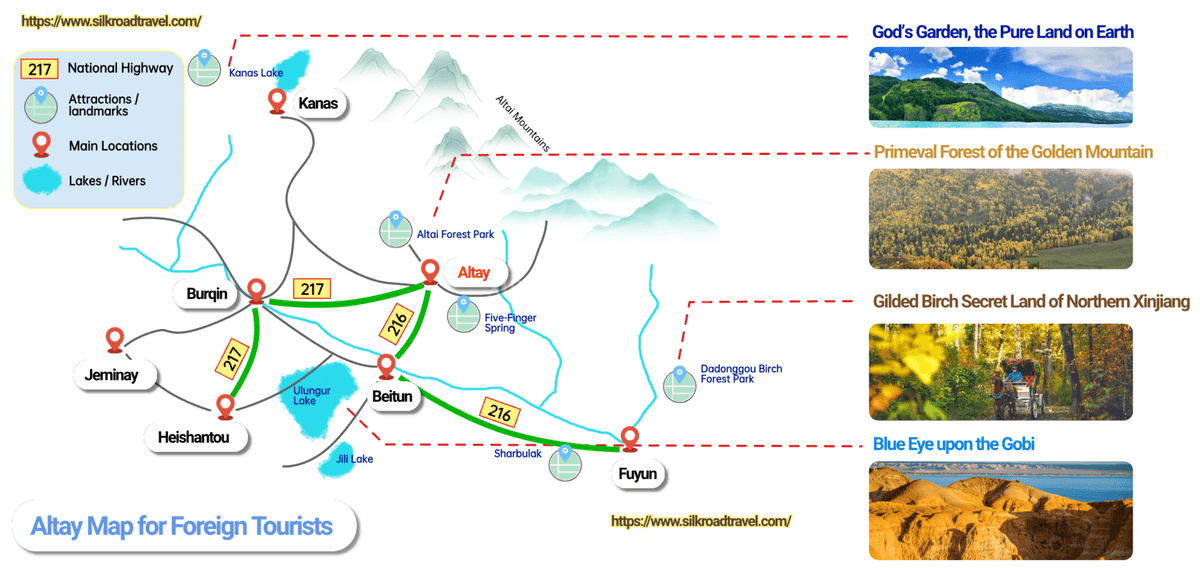
The Altai Mountains extend across parts of China, Kazakhstan, Mongolia and Russia. This article focuses on the Chinese side in northern Xinjiang, where the southern slopes descend towards lower grasslands and the Junggar Basin.
Three names can cause confusion. "Altai Mountains" describes the cross-border mountain system; "Altay Prefecture" is an administrative region in Xinjiang; and "Altay City" is one city within that region. Staying in Altay City does not place you beside Kanas Lake or in Hemu.
The name Altai is commonly associated with gold, hence "Golden Mountains". That association is useful background, but the region's mineral story extends far beyond gold: Keketuohai became important for rare metals used in modern industry.
The "Golden Mountains of Altai" UNESCO World Heritage property is in Russia. It should not be confused with China's Keketuohai UNESCO Global Geopark, which has a different designation and geographical scope.
For arrival points and the wider arrangement of towns and scenic areas, the Altay regional guide provides the practical overview. Here, the focus is what you can discover once you reach the mountains.
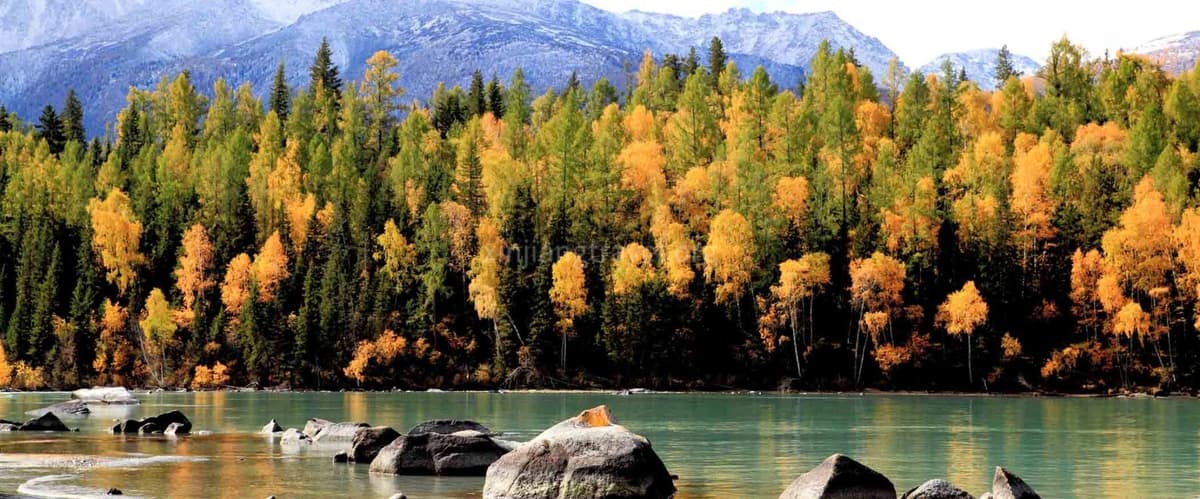
Kanas rewards visitors who spend time with both the lake and the river below it. The lake gives a broad view of water enclosed by wooded slopes; the river reveals smaller details—channels, islands, bends and trees growing close to the banks.
Begin with an accessible lakeshore section, then decide whether your next priority is a higher viewpoint or a longer walk. Looking down from above helps explain the lake's shape. Staying near the water lets you notice changes in reflection, shoreline and forest. These are different experiences, so you do not need to fit every viewpoint into one visit.
The familiar blue-green colour varies with light, weather and where you stand. A cloudy day can still be good for looking at the woodland and the contours of the shore, even when the lake does not resemble a brightly edited photograph.
The Three Bays are bends in the Kanas River. Moon Bay has the distinctive curved channel; Wolong Bay has a broader view of water and wooded islands; Shenxian Bay opens into a wider river landscape.
In the walking season, an open section between the bays can be more satisfying than three rapid photo stops. Choose the permitted path and arrange where you will rejoin transport before setting off. A riverside walk should not end with an unexpected climb or a missed connection.
For travellers who prefer less walking, a single viewing area can still show the relationship between water, forest and slope. Spend time looking across the scene rather than treating each stop as a race to the next bus. The Kanas Lake guide explains the individual sightseeing choices.
Kanas is associated with tales of a creature beneath the water. They add a playful element to the visit, especially for families, but should be introduced as folklore rather than a wildlife encounter to expect.
The visible landscape offers enough to investigate: how the river changes shape, where woodland reaches the water and how the colour shifts as cloud crosses the valley.
Hemu's timber houses are best appreciated on foot. Follow public lanes towards the bridge and river, looking at the construction of the walls, the arrangement of fenced yards and the way accommodation and food businesses now sit within the village.
The settlement is associated with Tuvan and Kazakh communities, whose traditions should not be treated as interchangeable. It is also a contemporary tourism destination. A wooden exterior may contain a modern guesthouse, and residents' lives extend well beyond what visitors see during an afternoon walk.
Pause around Hemu Bridge when the route is open, then choose between an easy village walk and the uphill approach to the viewing platform. From above, the roofs and streets become part of the valley's shape. At ground level, the buildings and river are closer and easier to explore slowly.
Hemu's "Hundred-Year-Old House"—百年老屋—is a cultural venue to ask about when planning your stay. Its programmes have included throat singing and traditional wind-instrument performances. Hearing a musician demonstrate the sound gives much more meaning to the term "local culture" than a generic village photograph.
Ask your accommodation about the programme for your date, the venue's exact location and whether explanations are available in English. A scheduled performance is an organised cultural experience; it does not imply that music takes place in every household or that visitors may enter private homes.
An overnight stay gives you time to walk without carrying luggage, return for a meal and go out again when the light changes. You can also fit a cultural programme around sightseeing instead of leaving as soon as the afternoon transport departs.
Early light is one reason to stay, but mist is not guaranteed. A clear morning can reveal the village and surrounding slopes just as well. Two nights are useful if photography matters or you want a full day without checking out.
Choose your room by its walking access, bathroom, heating and meal arrangements as well as its appearance. The Hemu village guide explains how accommodation location affects the visit.
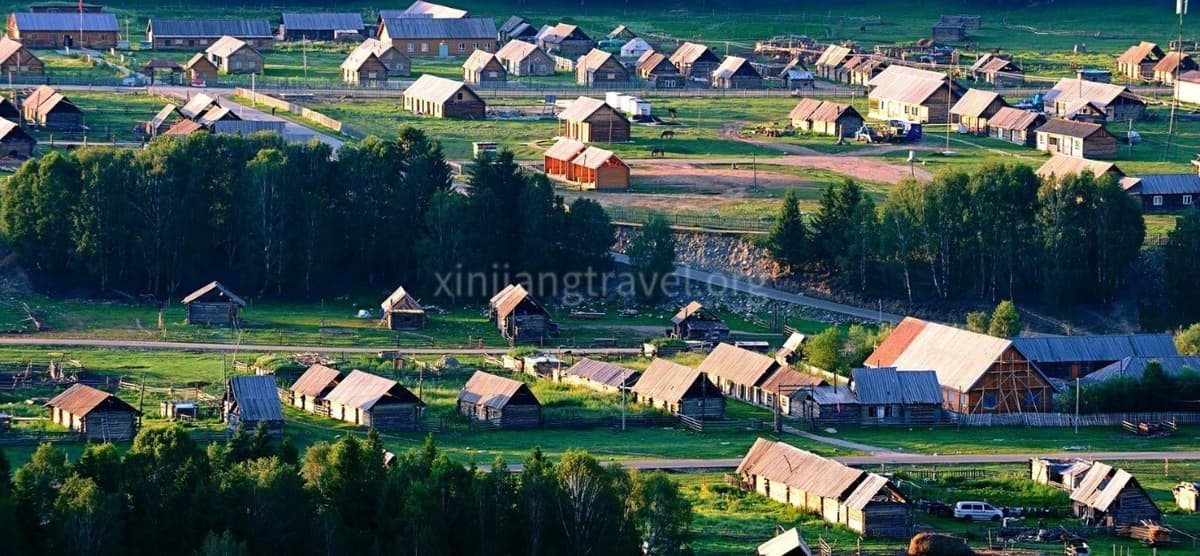
Seasonal grazing helps explain why an apparently empty mountain meadow may contain tracks, temporary structures or livestock at another time of year. Some Kazakh pastoral households move animals between grazing areas as snow, grass and access change through the seasons. Other families have settled or combine different forms of work.
The movement towards summer pastures and back to lower grazing areas is agricultural work. If you encounter livestock on the road, let the animals and handlers pass without surrounding them for photographs. A driver who stops at a suitable distance can give you a better view without obstructing the movement.
A pasture visit is most worthwhile when a host or guide can explain the particular place: who uses it, when the animals arrive and how the season changes daily tasks. Those details are more informative than describing every tent as a "nomadic camp".
A visitor riding activity needs an arranged operator, a suitable route and a horse matched to your experience. Seeing horses beside a road does not establish that they are available for hire.
For a first ride, ask about helmets, the guide's role, the terrain and whether the experience stays on a short supervised route. Travellers who do not want to ride can still enjoy a hosted pasture visit or a permitted walk.
Pastoral sports and cultural events sometimes accompany seasonal gatherings. Their appeal lies in seeing particular skills and traditions in context, but they should not be treated as daily attractions.
If an event is central to your trip, obtain its date, venue and public-access arrangements before changing your route. Otherwise, build a journey that works without it and regard an overlapping programme as an addition.
Keketuohai, also called Koktokay, lies in the Fuyun area, east of the Kanas–Hemu circuit. Here, the scenery turns towards the Irtysh River and large granite formations, including rounded and bell-like rock faces.
The appeal is in the relationship between rock and water. Look at how the valley narrows, where trees find space along the river and how the rock surfaces differ from the more wooded views around Kanas. You do not need a mineralogy background to notice those contrasts.
Allow a proper sightseeing day for the valley if it is the main reason for coming. Use the operating visitor transport and open paths, selecting a walk that suits your group rather than assuming the entire valley must be covered on foot.
The No. 3 Mine—三号矿坑—adds industrial history to the journey. Its terraced excavation and spiralling haul road show the scale of work carried out in the mountain.
At the geological exhibition, old tools, transport equipment, photographs and mineral specimens connect that excavation with the people who worked there. The exhibition occupies a building associated with the mining settlement's twentieth-century development. Together, the pit and displays help explain why a remote mountain town became important to China's industrial history.
Treat the river-valley attraction and mining visit as separate arrangements. Confirm the ticket, meeting point and open sections for each; a booking labelled "Keketuohai" may not include both.
For a first visit, consider two nights in the area: one full day for the valley and a separate half-day for mining history. Stay near the town if proximity matters, or compare Fuyun if you prefer a broader choice of accommodation and meals. Add the actual approach and departure journeys to that sightseeing time.
Traditional fur-covered skis provide a particularly clear connection between the Altai landscape and everyday life. Before modern roads and vehicles became widespread, skis helped people travel through winter snow for work as well as recreation.
The wooden boards use a fur underside whose direction helps with movement and grip. Looking at the curved tips, bindings and construction explains more than simply hearing that the region has a long skiing tradition.
In the Last township area near Altay City, the workshop associated with craftsman Slanbek—斯兰别克—has received visitors interested in this craft. An arranged visit can focus on materials, shaping and the difference between a working ski and a miniature souvenir. Confirm that the workshop can receive your group and whether a demonstration is available; it is not an all-day performance.
This can be a useful cultural stop on an arrival or departure day. It also gives non-skiers a way to engage with winter heritage without booking a resort activity.
Choose souvenirs with the same curiosity. Ask where an item was made, what material it contains and who produced it. Buying a small craft directly from an identified maker can be more meaningful than selecting an object solely because it carries the word "Altai".
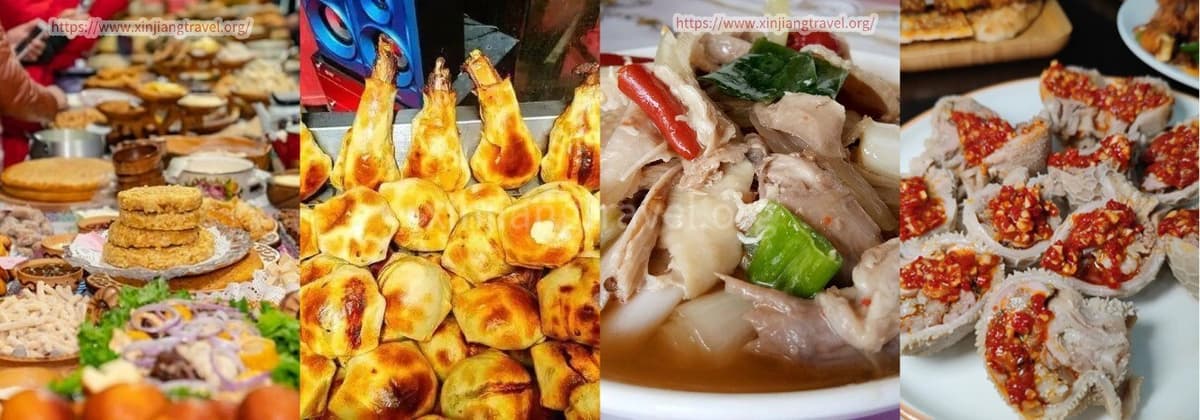
Milk tea—奶茶—and baursak—包尔萨克, small pieces of fried dough—are a familiar pairing in Kazakh food traditions. Ask for the local style of milk tea rather than assuming the menu means sweet bubble tea.
This makes a good pause in a day of village walks or a suitable addition to breakfast when offered. It also connects the meal with the region's pastoral food traditions without requiring a large banquet.
Naryn—那仁—is a meat-and-noodle dish associated with Kazakh cooking. Preparations can use lamb or horse meat, including smoked meat, served with broad noodles and broth. Ask which meat is being used before ordering.
It is a dish to sit down for rather than eat hurriedly between transfers. Check portion size: a shared platter may suit a group, while a solo traveller may prefer a smaller noodle meal.
In Hemu or Kanas, confirm dinner at your accommodation or a nearby operating restaurant before setting out for the last walk. In Fuyun or Altay City, a wider restaurant choice makes it easier to plan a more leisurely meal.
Dietary needs should be explained specifically. "No meat" may not exclude meat stock, while milk tea and fried dough are unsuitable for some dairy or gluten restrictions. Ask about ingredients rather than relying on a dish's English name.
A picnic can support a longer walk, but do not collect wild mushrooms or treat riverside water as drinking water. Buy supplies before entering the scenic area and carry waste back out.
Summer suits travellers who want forest paths, riverside walks and time outdoors between sightseeing stops. It is also the season to investigate an arranged pasture experience, although the location of livestock follows working routines rather than a visitor timetable.
Pack for a cool or wet mountain day even when the arrival city is warm. A comfortable walking holiday needs suitable shoes and a waterproof layer, not just a plan for sunshine.
Autumn gives the forest a different structure as deciduous trees change colour against darker conifers. Kanas and Hemu are particularly appealing if you want to return to the same viewpoint in different light.
The exact timing varies with elevation and weather. Give yourself more than one morning if photography is the priority, and avoid using a single photograph's date as a guarantee for your own trip.
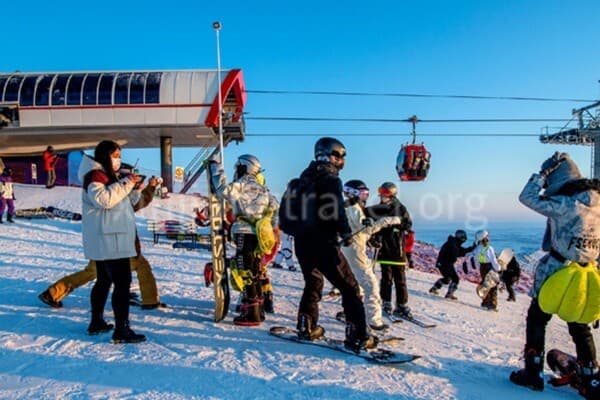
Winter shifts attention towards snow-covered roofs, river-valley viewpoints and short outings between warm indoor breaks. A meal, music programme or craft visit can become a substantial part of the day rather than something squeezed between long walks.
It also changes access and the pace of travel. The Kanas winter guide explains how to combine snow sightseeing with accommodation, meals and a realistic return journey.
Spring conditions differ sharply between towns, lower slopes and high mountain areas. Thawing snow can leave some routes unsuitable even when lower ground looks ready for walking.
Choose spring for the places confirmed open during your dates, with town-based cultural visits as useful additions. Do not book a summer-style mountain circuit simply because the calendar says May.
For a first journey focused on scenery and village life, allow roughly five to seven days including arrival and departure, depending on your gateway. Protect a full sightseeing day at Kanas and at least one night in Hemu; two nights in one village give the trip a more relaxed rhythm.
Use the additional time for a river walk, a scheduled cultural visit or a second chance at good light. If the trip loses a day, remove an extra stop before sacrificing the only full day in the mountains.
Keketuohai suits travellers who want to understand both the natural valley and the town's mining past. Plan the valley and mine as two distinct experiences, then fit transport through Fuyun around them.
A three- or four-day visit can work when arrival and departure connections are suitable. Coming overland from another part of Xinjiang requires more time; the sightseeing allowance should not be mistaken for the whole journey.
The reward for visiting both areas is variety: forested lake valleys in the west, granite and mining heritage farther east. The cost is another substantial transfer and another accommodation change.
If your strongest interest is a morning walk in Hemu followed by music and an unhurried meal, stay longer there. If the No. 3 Mine and Irtysh valley are what draw you, give Keketuohai its own place in the itinerary rather than adding it at the end of a crowded day.
"Altai" is widely used for the international mountain system, while "Altay" appears in the English names of Xinjiang's prefecture and city. They refer to related geography but different kinds of place. When booking transport or accommodation, use the exact city, airport or village name rather than "Altai Mountains" alone.
Yes. Lake viewpoints, selected river paths, village lanes, a music programme and mining exhibitions can form a varied trip without strenuous hiking. Tell your provider how much walking you are comfortable with and ask about steps and the distance from vehicle drop-off points. A scenic-area name alone does not describe the walking involved.
Choose a specific activity with a clear host or venue: a scheduled music programme in Hemu, an arranged ski-making workshop near Altay City or a guided mining exhibition in Keketuohai. Each gives you something concrete to understand. Private homes and working pastures require separate consent; a village entrance ticket does not provide it.
Two nights are worthwhile if you want one full day without luggage, time for both a walk and a cultural programme, or flexibility for photography. One night gives you an afternoon and morning but can feel brief after a late arrival. If the whole trip is short, two nights in one village may be more satisfying than changing accommodation every day.
You can ask a local operator about the season and a suitable public viewing opportunity, but the movement is not a scheduled show. Weather, grazing and household decisions affect the timing. Build the trip around places you would enjoy regardless, and avoid a promise based only on a migration photograph from a previous year.
The World Heritage property called "Golden Mountains of Altai" is in Russia. Keketuohai in Xinjiang is a UNESCO Global Geopark. These are different places and designations, so neither name should be used as a blanket label for every attraction in the Chinese Altai.
No. They represent different sections of the region and require a significant transfer. Add Keketuohai because you want its valley and mining history, then allow separate sightseeing time there. If you have only a short holiday, choosing one area will leave more time for the experiences that brought you to the mountains.
If it is central to the trip, confirm its availability first. A workshop visit or music programme may operate on a different schedule from the scenic area. Once you know the date and location, choose accommodation that makes attendance practical without a long evening transfer.