20 years of pioneer in xinjiang tourism for overseas travelers
Born Here, Know Best, Your Journey's Blessed
No Shopping. No Detour, 99% Excellent Review

contact UsOn Wechat
I. Introduction
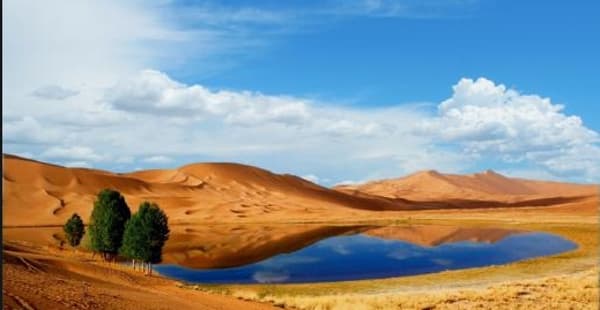
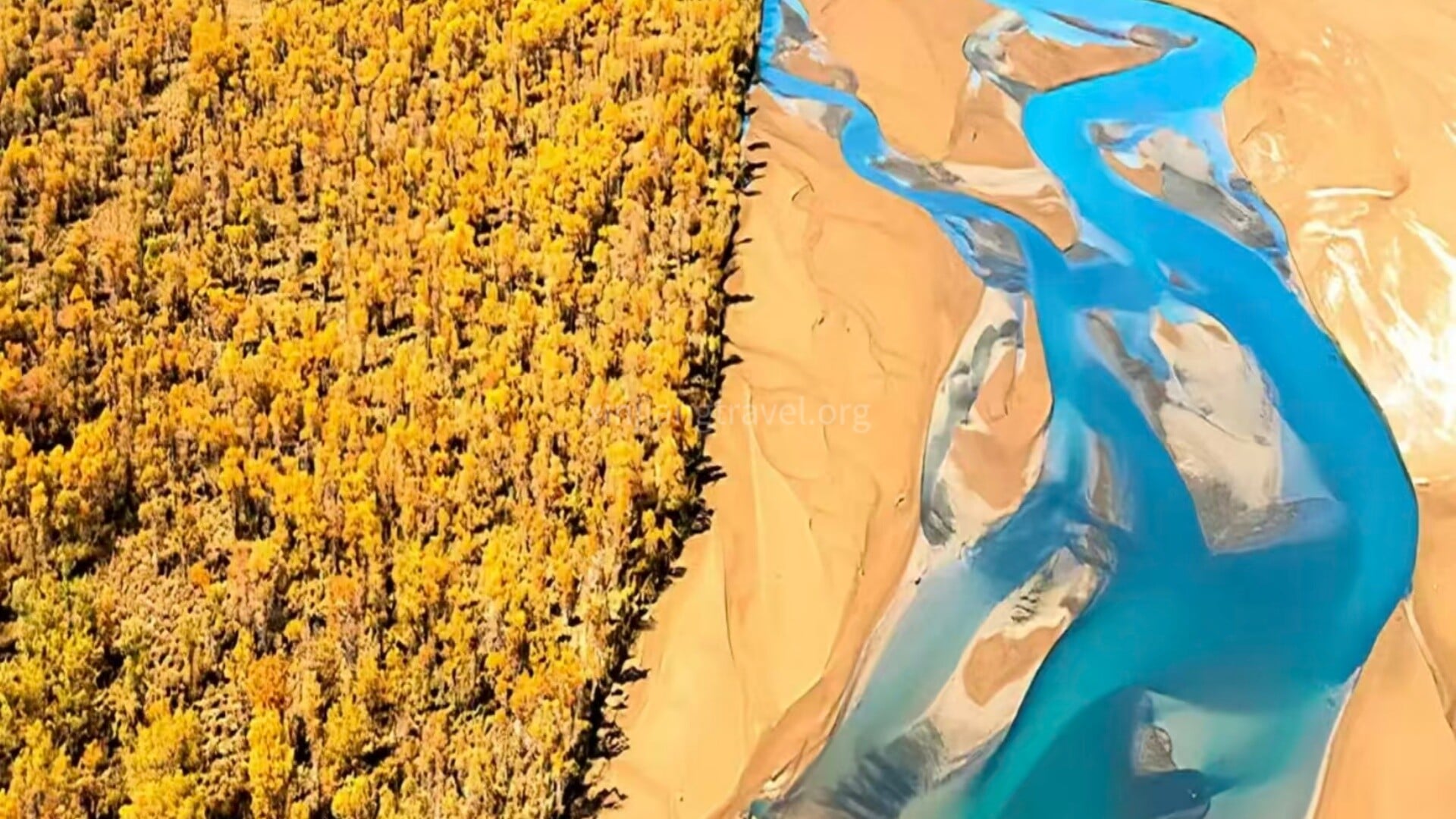
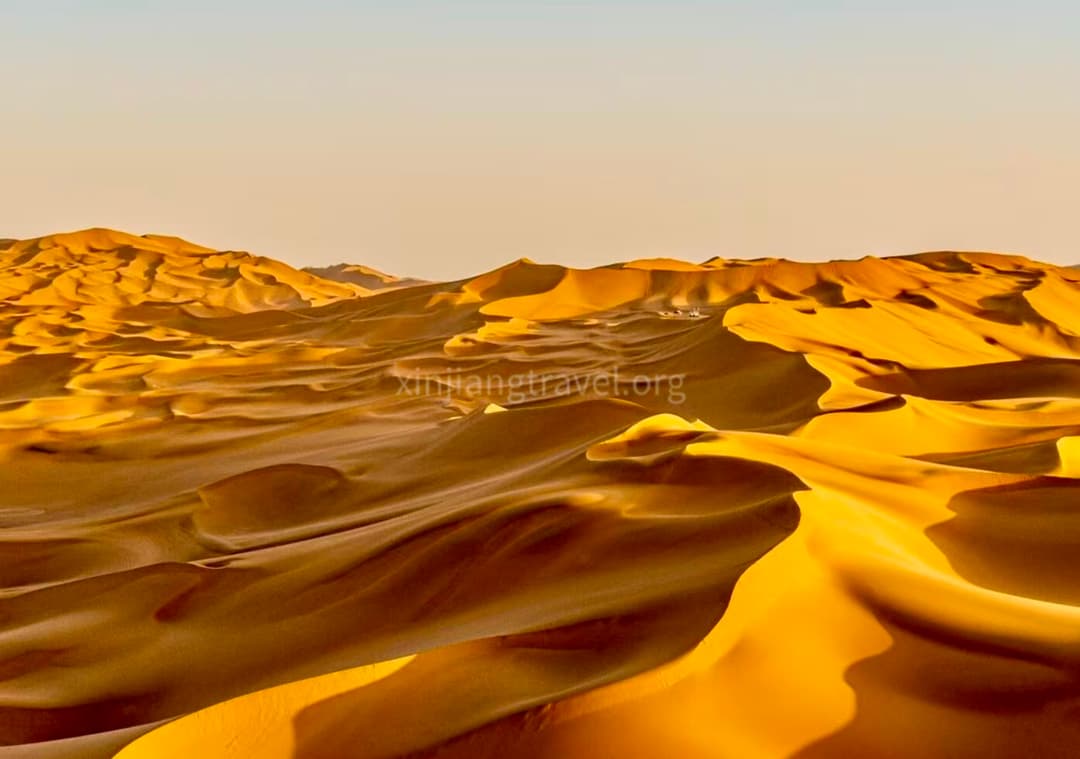
Xinjiang has two large deserts: the Taklamakan Desert (the world's second-largest shifting desert) and the Gurbantünggüt Desert (China's second-largest desert). This is where you find extreme natural beauty.
Camping in the desert is a trip away from city lights, and a way to feel some inner quiet. In the desert, there is no phone signal. Just the wind, the night sky, and your own breathing. This article will go over three recommended desert camping spots in Xinjiang, what a full day of camping looks like, a practical packing list, and safety tips. May you spend an unforgettable night between the golden sand sea and the bright stars.
II. Recommended Desert Camping Spots in Xinjiang
Taklamakan Desert-Karquga / Luntai Section
Features: Large sand dunes with nice shapes. This is the world's second-largest shifting desert.
Suitable for: People with good physical endurance who enjoy walking long distances; those who go specifically to take photos.
Recommended activities: Walk around in the sand during the day. Wait to take photos of the sunset and sunrise in the evening.
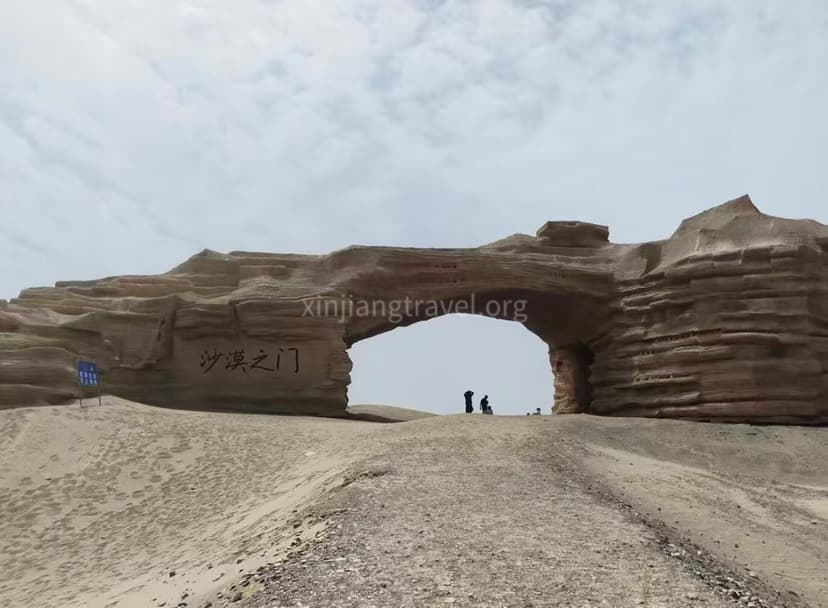
Desert Gate Scenic Area–Aral City, Xinjiang
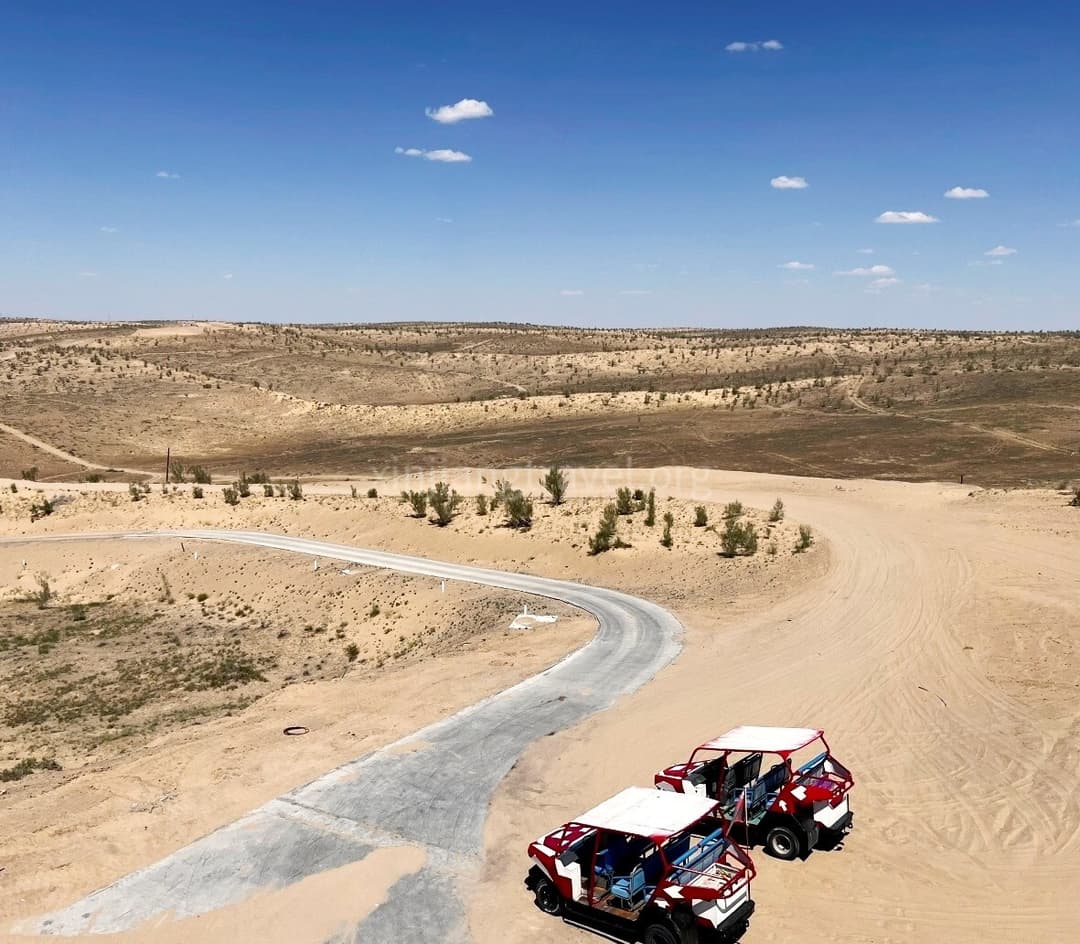
Features: The site is located in Aral City, Xinjiang, right on the northern edge of the Taklamakan Desert. It is the closest access point to China's largest desert, so it is called the "Desert Gate." It is a national 5A scenic area.This is a combined scenic area that brings together wide desert views, exciting outdoor activities, Red Army reclamation culture, and examples of desert greening efforts. The facilities are well-developed and safe. As a mature scenic area, it has everything you need: a visitor center, electric shuttles, a camping zone. It is safe and suitable for regular tourists. The area also has deep cultural roots, mixing Silk Road history with the reclamation stories of the 359 Brigade.
Suitable for: Desert beginners, Off-road and outdoor fans, Photography lovers, Travelers on the Southern Xinjiang loop.
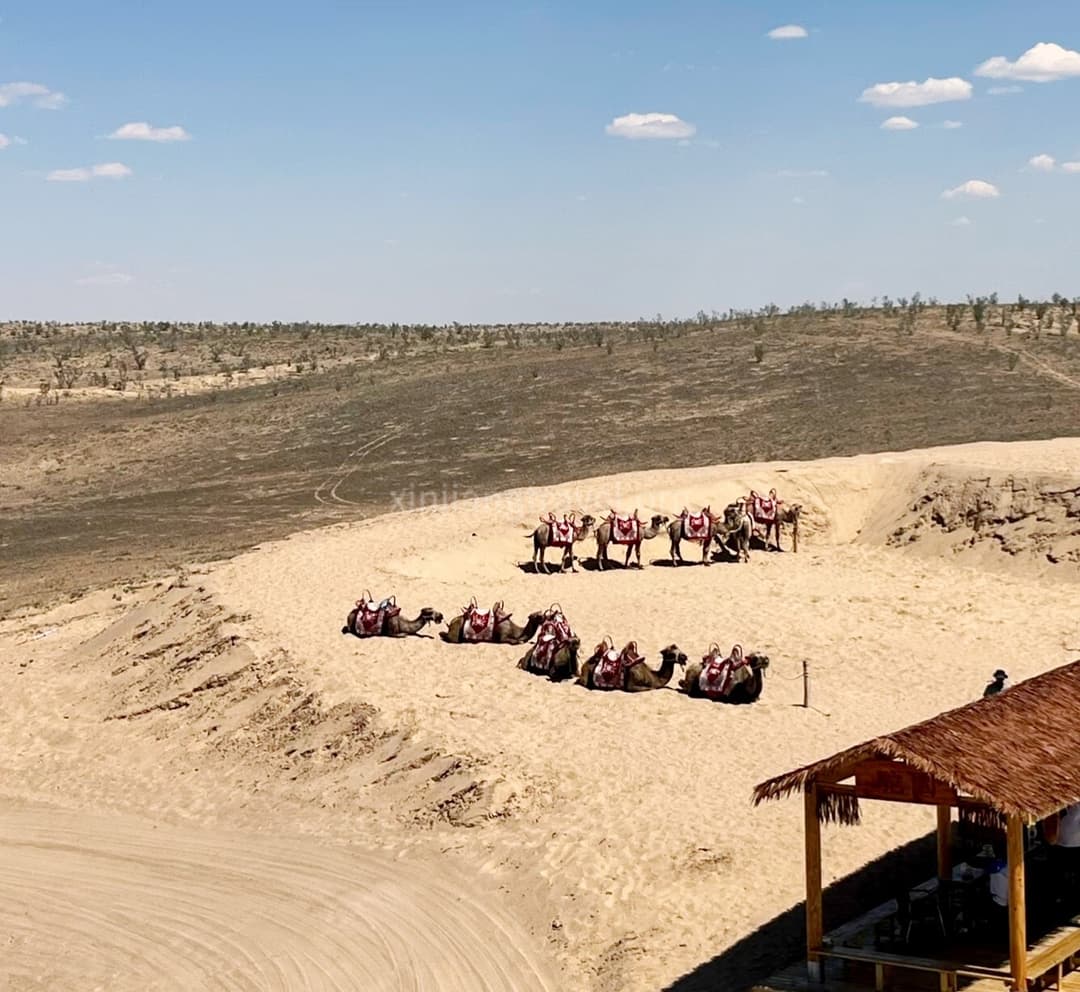
Recommended activities: Desert dune bashing, Camel riding, Stargazing camping, Reclamation culture experience.
Kumtag Desert-Shanshan County
Features: The only desert in the world that sits right next to a county town. The sand dunes start as soon as you leave Shanshan County.
Suitable for: Tourists visiting a desert for the first timeFamily trips, seniors, couples and one-day short-distance travelersVisitors with a tight schedule or stopping by around Turpan.
Recommended activities: Sand sliding, driving a dune buggy, sitting around a fire and chatting at night.
III. A Full Day of Desert Camping-Step by Step
Arrive at the Camp-Before Sunset
Choose a spot that is out of the wind and a little higher up. Set up your tent at the bottom of a sand dune. Avoid dry riverbeds.
Set up your tent (or move into a pre-built "star tent" if the camp offers them). Lay out your sleeping pad and sleeping bag.
Prepare dinner early. You can make a hot pot in the desert, grill some skewers, or just eat simple naan bread with canned food. It is not recommended to start an open fire. Use a portable stove or equipment provided by the camp. It is safer.
Evening-Sunset in the Desert
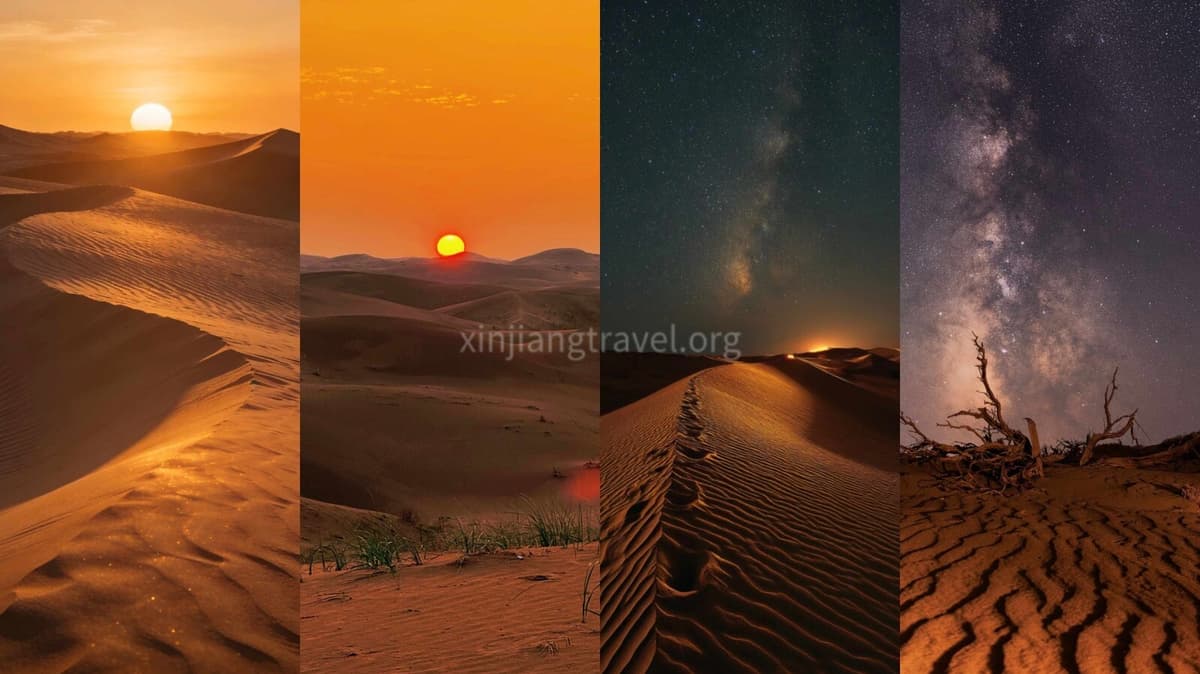
Climb a sand dune and watch the sun go down slowly. The color of the sand changes from golden yellow to dark red.
You will feel the temperature drop quickly. Remember to put on more clothes right away.
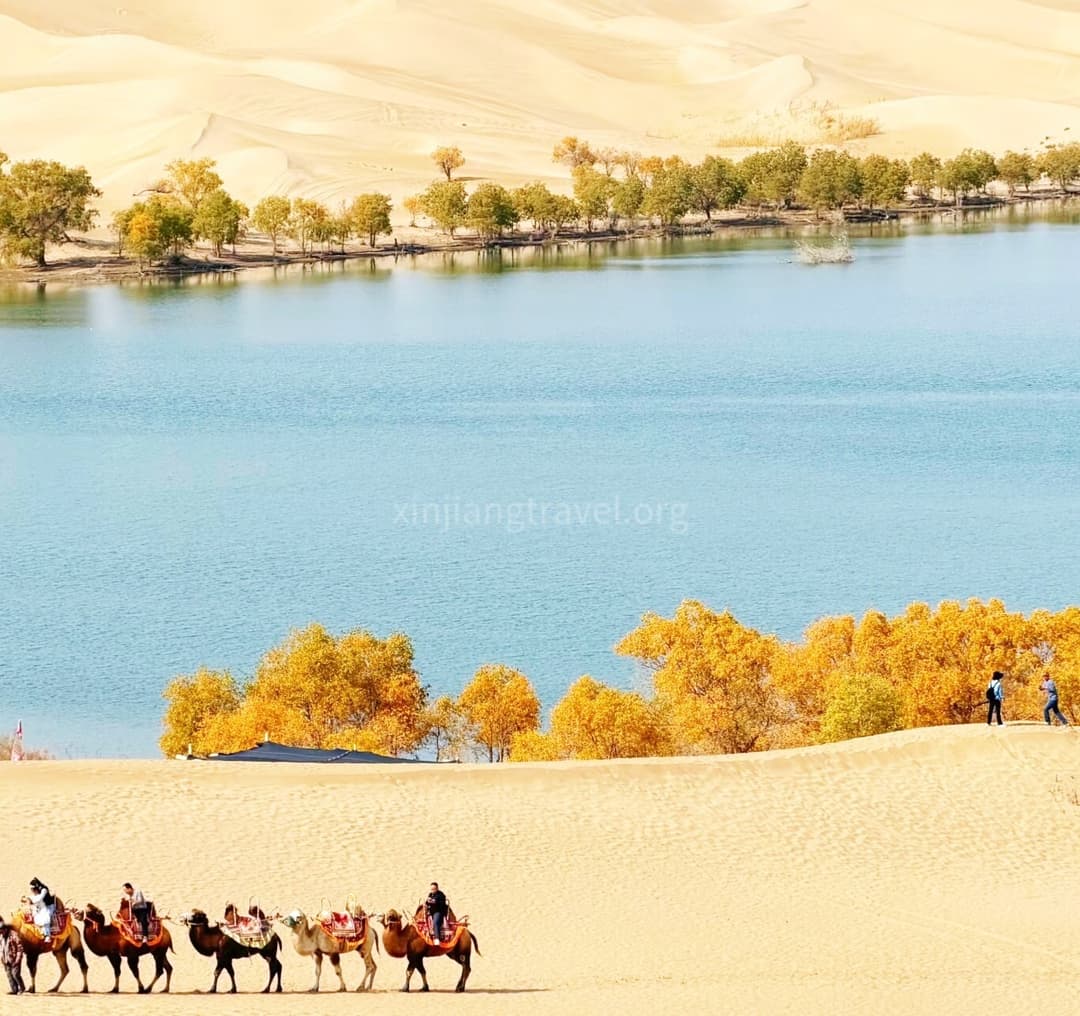
Photo tip: The hour before sunset is the golden hour. You can take silhouette photos of people, camel caravans (if there are any), and the lights of the camp tents.
Night-Time Under the Stars
Sit around a campfire or camp lights. Enjoy a hot dinner: grilled meat, naan bread, hot tea (or a small bottle of Wusu beer).
Stargazing guide: In summer, you can see the Milky Way stretching across the sky. Shooting stars are more common in autumn. You can download a star map app on your phone to help identify constellations.
Things to do at night: Take turns telling stories with your travel companions. Play some soft music. Or just sit quietly for a while and listen to the wind.
Early Morning-Sunrise and Breakfast
Wake up 30 minutes before sunrise. Put on a thick jacket. Climb to the top of a sand dune and wait for the first light of morning.
When the sun comes up, the contrast between light and shadow on the sand dunes is strongest. This is the best time to take photos.
Recommended desert breakfast: Hot milk tea (prepare it in a thermos), naan bread with jam or honey, a few sugar cubes or some dried fruit.
After breakfast, if the sand is not too cold, you can walk barefoot on the cool morning sand and take some close-up photos of the sand ripples.
IV. Desert Camping Packing List
Camping gear: Windproof tent (necessary), sleeping pad, sleeping bag rated for around 0°C (desert nights are colder than you think).
Clothing: Quick-dry base layer, fleece or light down jacket, windproof outer jacket (important when it gets windy), wide-brim sun hat, neck gaiter (magic scarf), high-top shoes (to keep sand and bugs out), sunglasses.
Food and water: Enough water (3 to 4 liters per person per day), naan bread (doesn't spoil easily), chocolate or energy bars, fruit (apples, pears), instant noodles or self-heating meals.
Tools: Headlamp or camp light, high-capacity power bank (charged fully beforehand), trash bags (you must take all your trash out), wet wipes (for when there's no water to wash your hands).
Special items: High-SPF sunscreen, lip balm (the desert is very dry), binoculars (for stargazing or looking at distant landscapes), spare socks.
V. Safety and Things to Keep in Mind
 Do not go deep into the desert alone. Even if you have experience, go with at least one other person. Do not go beyond sight of the camp.
 Download offline maps ahead of time. Most of the Taklamakan has no phone signal. The edge of the Kumtag Desert has a weak signal. Do not rely on navigation.
 Pay attention to the temperature difference between day and night. In summer, daytime temperatures can reach over 35°C. At night, they can drop to around 10°C. You need sun protection during the day and warm clothes at night.
 Prevent scorpion and insect bites. Wear high-top shoes at night. Do not walk barefoot. Keep your tent zipped up at all times. Do not crawl into dead poplar trunks.
 Leave no trace. Put all plastic, paper, cans, and other trash into bags and take them out of the desert with you. The desert ecosystem recovers very slowly. Your responsible behavior is the best form of protection.
VI. Best Seasons and Transportation Advice
Best Seasons
Spring (April to May): Moderate temperatures, relatively less sand and wind. Sometimes you might see a short flowering season in the desert (like sand buckwheat blooming).
Autumn (September to October): Warm during the day, cool at night. The night sky is clear. This is the most comfortable season for desert camping.
Avoid: Summer (June to August). The ground temperature can reach 70°C during the day. Heatstroke is a real risk. Winter (November to February). Nighttime temperatures can drop to -20°C. Not recommended for first-time campers.
Transportation Advice
Kumtag Desert (Shanshan County):
From Urumqi Station, take the high-speed train to Shanshan North Station (about 1.5 hours). After exiting the station, take a taxi or hire a car to the desert entrance (about 15 minutes).
Taklamakan Desert (Luntai / Karquga):
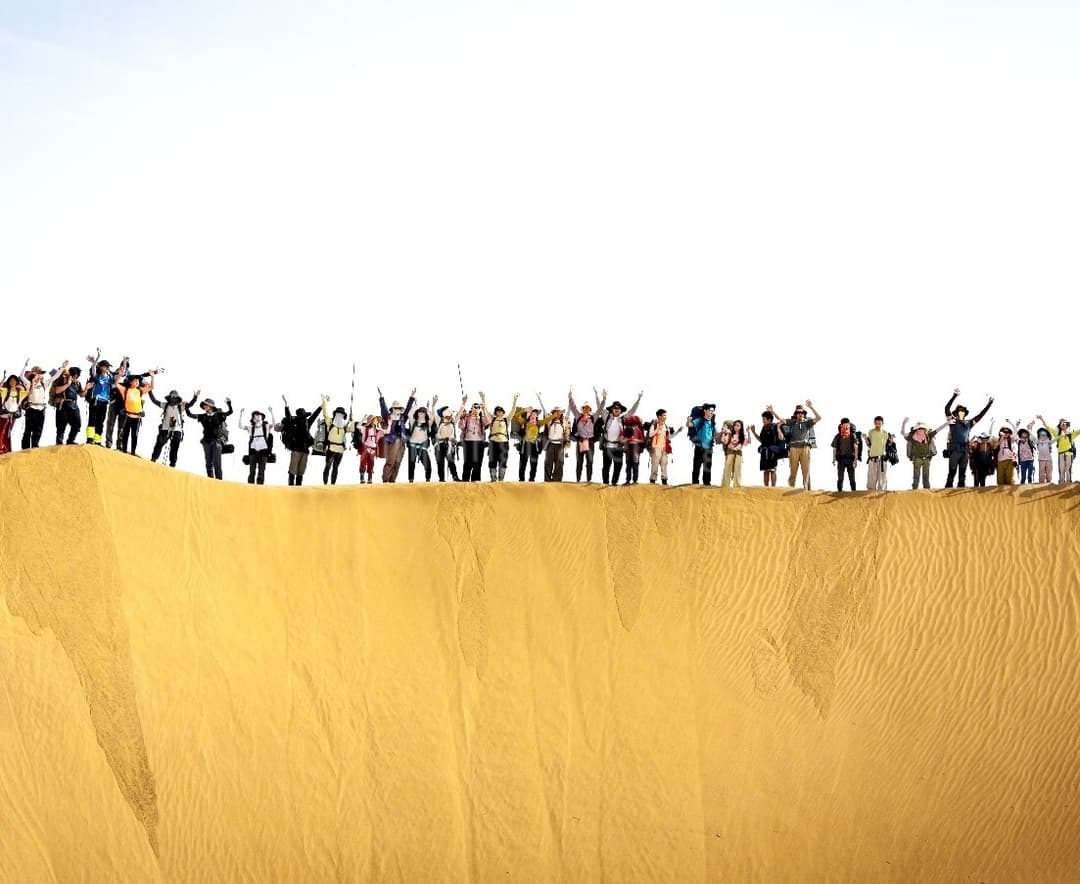
It is recommended to hire a 4x4 vehicle with a driver from Korla, or join a local "Taklamakan Desert Camping Tour." It is not recommended to drive in alone with just one vehicle.
VII. Conclusion
Spending a night in a Xinjiang desert isn't some big challenge. It's more like "letting go." No phone ringing. No street noise. Just the sound of wind blowing sand against your tent, and a sky full of stars above your head.
When you climb up a sand dune before dawn and watch the sun slowly light up the ridge of sand, you will understand: "Lonely smoke across the vast desert" is not loneliness. It's a kind of quiet vastness that settles your mind.
Urumqi - Turpan-Korler- Kuqa- Aksu- Kashgar-Taxkorgan-Kashgar
Embark on a South Xinjiang adventure, exploring the legendary Silk Road towns of Kashgar and Kuche. Experience the stunning landscapes of the Pamir Plateau, where nature and history blend into an unforgettable journey.
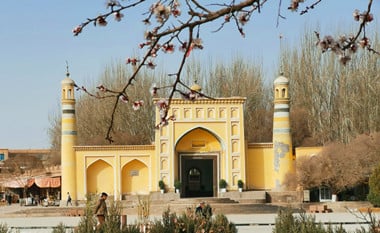
Kashgar - Taxkorgan county (Pamir Plateau) - Kuqa - Turpan - Urumqi
Southern Xinjiang Memorable Tour starts from the famous Kashgar which is the culture center of Uighur people. Take the train to Kuqa with the sightseeing of the vast desert. Discover the fireland of Turpan. We bring you a different Xinjiang Travel Experience.
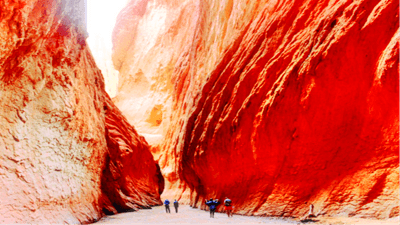
Kashgar - Taxkorgan - Yarkent - Hotan - Alaer - Shaya - Kuqa - Korla - Turpan - Urumqi
Welcome to join our South Xinjiang Group Tour, with mysterious ethnic culture, the natural views of South Xinjiang, and the fabulous experience of local lifestyle, this tour leads you to 9 destinations you can't miss for your trip.

Xining-Ruoqiang-Kuqa-Kashgar
Silk Road Express Dream Tour offers passengers a unique journey through stunning landscapes, combining modern comforts with a nostalgic ambiance. Whether crossing vast plains, majestic mountains, or picturesque countryside, the Express promises a timeless voyage steeped in luxury and charm.


.jpg&w=1920&q=75 "塔克拉玛干沙漠 (1)")