20 years of pioneer in xinjiang tourism for overseas travelers
Born Here, Know Best, Your Journey's Blessed
No Shopping. No Detour, 99% Excellent Review

contact UsOn Wechat
Why travel from Singapore to Xinjiang
If you are accustomed to Singapore's tropical climate and fast-paced urban life, Xinjiang presents a striking contrast that many travelers describe as transformative. The region spans vast grasslands, snow-capped peaks of the Tianshan Mountains, ancient deserts, and traces of the historic Silk Road. For visitors from Singapore, this journey from the equator to China's far northwest offers not only geographical distance but also a shift in scenery, culture, and pace. Urumqi, the capital of the Xinjiang Uyghur Autonomous Region, serves as the primary entry point and a practical base for exploring further afield.
The appeal lies in the diversity of experiences available within a single trip. Travelers can move from modern city amenities in Urumqi to alpine lakes, grape valleys, and traditional bazaars in a matter of days. You can also taste a variety of delicious foods. Xinjiang's lamb kebabs, pilaf, naan bread, and seasonal fruits such as Hami melons are all attractions that draw people to visit. Many who have completed this route note that the scale of the landscapes and the warmth of local hospitality create lasting impressions. Xinjiang is often regarded as a destination that rewards those seeking something beyond typical beach or city breaks. With improved connectivity and simplified entry rules, the trip has become more accessible for Singapore passport holders.
Content›Do You Need a Visa to Visit Xinjiang? ›How to Travel from Singapore to Urumqi ›What to expect upon arrival in Urumqi? ›How to plan your Xinjiang Holiday? |
Do You Need a Visa to Visit Xinjiang?
Singapore stands as one of China's most friendly partner nations, and this goodwill is clearly reflected in the travel policies extended to its citizens. Holders of ordinary Singapore passports enjoy a reciprocal 30-day visa-free entry for tourism, business, family visits, or exchanges, a policy that has been in place since February 2024 and extended through at least December 2026. This means you can plan a trip to Xinjiang at any time within the allowed period without the need for a tourist visa application, embassy visits, or additional paperwork.
The arrangement underscores the open and positive attitude China maintains toward Singaporean visitors, making spontaneous or well-planned journeys equally feasible. Upon arrival at your first entry point in China—whether Urumqi or a connecting city—immigration procedures are efficient and straightforward, typically including standard passport checks and fingerprint collection. The process rarely exceeds one to two hours when queues are normal.
It is still wise to confirm the latest details before departure and ensure your passport remains valid for at least six months beyond your planned stay. With this visa-free access, exploring Urumqi and the rest of Xinjiang has never been more convenient for Singaporeans, allowing you to focus entirely on the adventure ahead rather than bureaucratic hurdles.
Tip: Always ensure your passport is valid for at least six months beyond your stay, and check for any changes to the 30-day visa-free policy.
How to Travel from Singapore to Urumqi
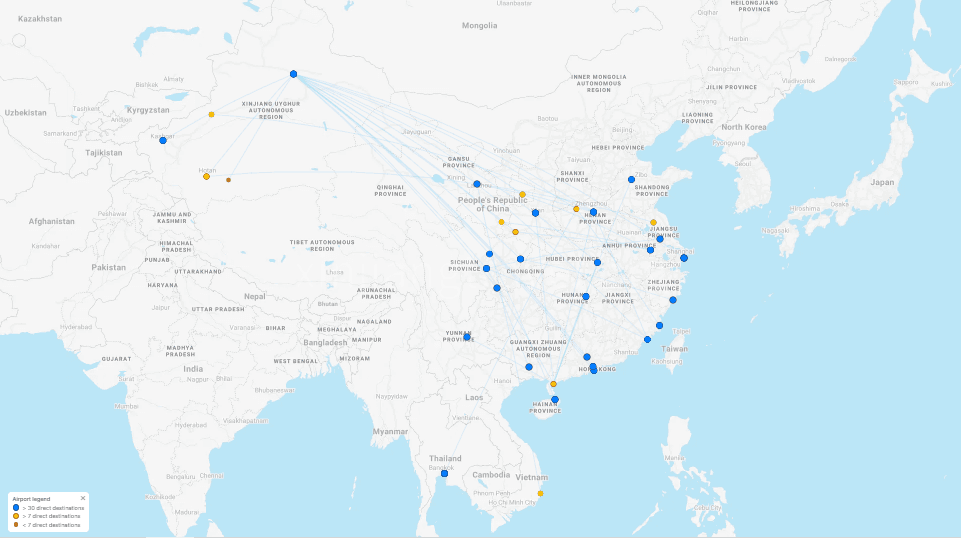
Currently, no regular direct flights operate between Singapore and Urumqi, so all journeys involve at least one transit through major Chinese hubs. The total travel time generally ranges from 10 to 15 hours, depending on connection durations and chosen routes. Popular and reliable transit cities include Guangzhou, Beijing, Shanghai, Chengdu, Chongqing, and even Hong Kong, each offering frequent onward connections to Urumqi Tianshan International Airport.
For instance, flights via Chengdu or Chongqing often provide smooth domestic legs on carriers such as Sichuan Airlines or China Southern, while Hong Kong connections via Cathay Pacific can suit those preferring a familiar international hub. Airlines like Air China, China Southern, and Shandong Airlines operate these sectors regularly, ensuring good availability throughout the year. Ticket prices fluctuate according to season, booking timing, demand, and promotional periods; one-way fares can start from around SGD 500 during shoulder months, with round-trip costs typically ranging between SGD 800 and 900 or higher during peak summer.
Booking three to four months in advance and comparing options on platforms such as Google Flights, Skyscanner, or Trip.com often yields the best value, especially for mid-week departures. Longer layovers may reduce costs but require careful planning to avoid fatigue. Whichever route you select, the connections remain stable and well-supported, allowing you to arrive in Urumqi refreshed and ready to begin your Xinjiang exploration.
Tips:
1. Find flights on Skyscanner to compare prices. Check for airline options on KAYAK. Read travel advice and tips on China Adventure for planning your trip. Explore more options for flights on WingOn Travel.
Alternative Arrival Cities:
2. If you plan to explore the Ili region first, consider flying into Yining (YIN) instead of Urumqi.
The recommended period to visit Xinjiang, including Urumqi, spans from April to October. During these months, weather conditions are generally favorable for sightseeing and outdoor activities. June to August marks the peak summer season, when daytime temperatures in Urumqi hover between 20°C and 30°C, grasslands turn lush green, and local fruits such as melons and grapes reach their sweetest. This is ideal for first-time visitors seeking vibrant natural scenery.
September and October bring autumn colors, with milder temperatures around 15°C to 25°C and fewer crowds. The golden landscapes and clear skies enhance photography and hiking experiences. Spring months of April to May offer blooming flowers and rising temperatures, though occasional wind and dust may occur in lower areas. Winters from November to March are cold, with sub-zero temperatures common, making them less suitable unless snow scenery is the main interest.
Compared with Singapore's consistent humidity, Xinjiang's air is dry and altitudes vary, so visitors should prepare for noticeable day-night temperature swings of up to 15°C. Packing light layers remains essential. Overall, aligning your trip with May to early October balances pleasant weather, scenic variety, and manageable crowds, allowing fuller enjoyment of both urban Urumqi and surrounding destinations.
What to expect upon arrival in Urumqi?
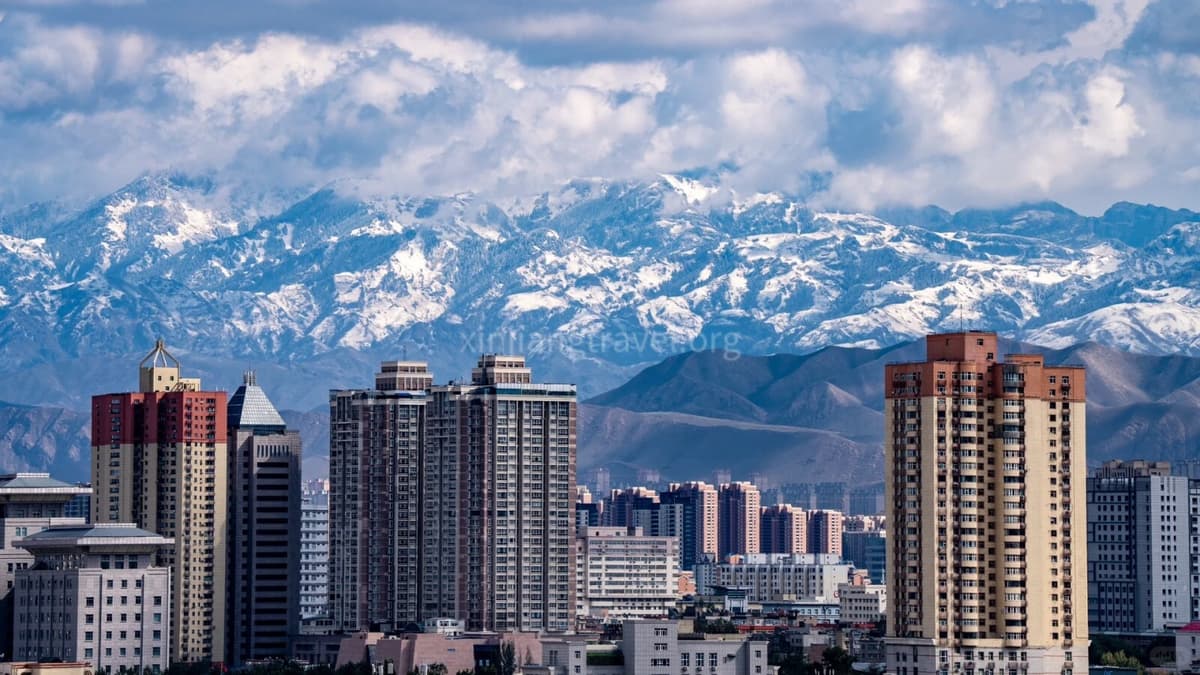
Arrival at Urumqi Tianshan International Airport (URC) marks the start of your Xinjiang experience. The modern terminal offers clear English and Chinese signage, efficient immigration, and baggage services. From the airport, reaching the city center is straightforward. Light rail Line 1 provides a direct, affordable ride of under 30 minutes for a few RMB, while taxis or private transfers cost approximately SGD 15 to 25. The short drive reveals the city's setting against the Tianshan Mountains, wide streets, and a blend of contemporary and Central Asian architectural influences.
Urumqi feels surprisingly cosmopolitan despite its western location, with bustling commercial areas, shopping malls, and a distinct cultural energy. After settling in, allocate one to two days for local exploration. Tianshan Tianchi, or Heavenly Lake, lies about an hour's drive away and features crystal-clear alpine waters reflecting snow-capped peaks, suitable for light hiking or a boat ride. In the city, the Xinjiang Regional Museum provides insight into the region's history through exhibits ranging from ancient mummies to Silk Road relics.
Evening visits to the International Grand Bazaar offer a lively atmosphere filled with spices, crafts, and traditional music. Hongshan Park delivers panoramic views at sunset and serves as a relaxed spot favored by locals. These initial experiences help ease visitors into the region's rhythm while providing a practical introduction before venturing further.
How to plan your Xinjiang Holiday?
Urumqi serves as an ideal hub for the broader exploration of Xinjiang. A high-speed train to Turpan takes roughly 1.5 hours and reveals ancient grape valleys, the Flaming Mountains, and the ruins of Jiaohe Ancient City, offering a step back in time. Nature enthusiasts can extend visits to Kanas Lake and Hemu Village in the north, where turquoise waters meet birch forests and Kazakh pastoral scenes; access involves a domestic flight to Altay followed by a road transfer.
To the west, a short flight reaches Kashgar, known for its historic Old Town bazaars, the weekly Sunday livestock market, and the scenic Karakoram Highway. Southern areas feature the Taklamakan Desert for dune experiences, while Sayram Lake and Nalati Grassland provide expansive meadows and open skies. These destinations connect efficiently via domestic flights and trains at reasonable fares.
A balanced 10- to 14-day itinerary might begin with two to three days in Urumqi, followed by Turpan and Kashgar for cultural depth, or a northern loop for scenic highlights. Small group tours can simplify logistics in remote spots while offering local perspectives. This structure allows visitors to experience both the gateway city and the region's diverse highlights without excessive rushing.
What to prepare before the trip
Thoughtful preparation ensures a comfortable and worry-free experience in Xinjiang. Begin by considering the climate's notable day-to-night temperature variations, especially in higher-altitude areas such as the Tianshan Mountains. For daytime exploration in cities or towns, light long-sleeved shirts, thin sweaters, or windbreakers suffice. At the same time, evenings and mountain visits call for warmer layers, including down jackets, thick cardigans, and windproof outerwear. Rain gear remains essential because mountain weather can shift rapidly, so pack a lightweight raincoat or poncho. Strong ultraviolet radiation at altitude and in open desert terrain requires proper sun protection—sunglasses, sunscreen, and a wide-brimmed hat are highly recommended. Since sightseeing involves considerable walking, choose comfortable sports shoes or low-heeled options that support long hours on varied surfaces.
Health precautions deserve equal attention. Carry a basic supply of personal medications for common issues such as diarrhea, fever, motion sickness, or skin allergies, along with any prescribed medicines if you have ongoing conditions. The dry air and potential altitude changes make staying hydrated crucial; plan to drink at least two bottles of mineral water daily and consider bringing a reusable bottle. For connectivity, note that local Chinese SIM cards restrict access to certain international apps and websites, including Google and WhatsApp, so arrange an appropriate eSIM or VPN solution before departure. Regarding power banks for charging devices, only 3C-certified models are permitted through security; to avoid any risk of confiscation, it is often simpler and more reliable to purchase one locally upon arrival in China. Finally, secure comprehensive travel insurance that covers medical emergencies and trip disruptions, giving you peace of mind throughout your Xinjiang adventure.
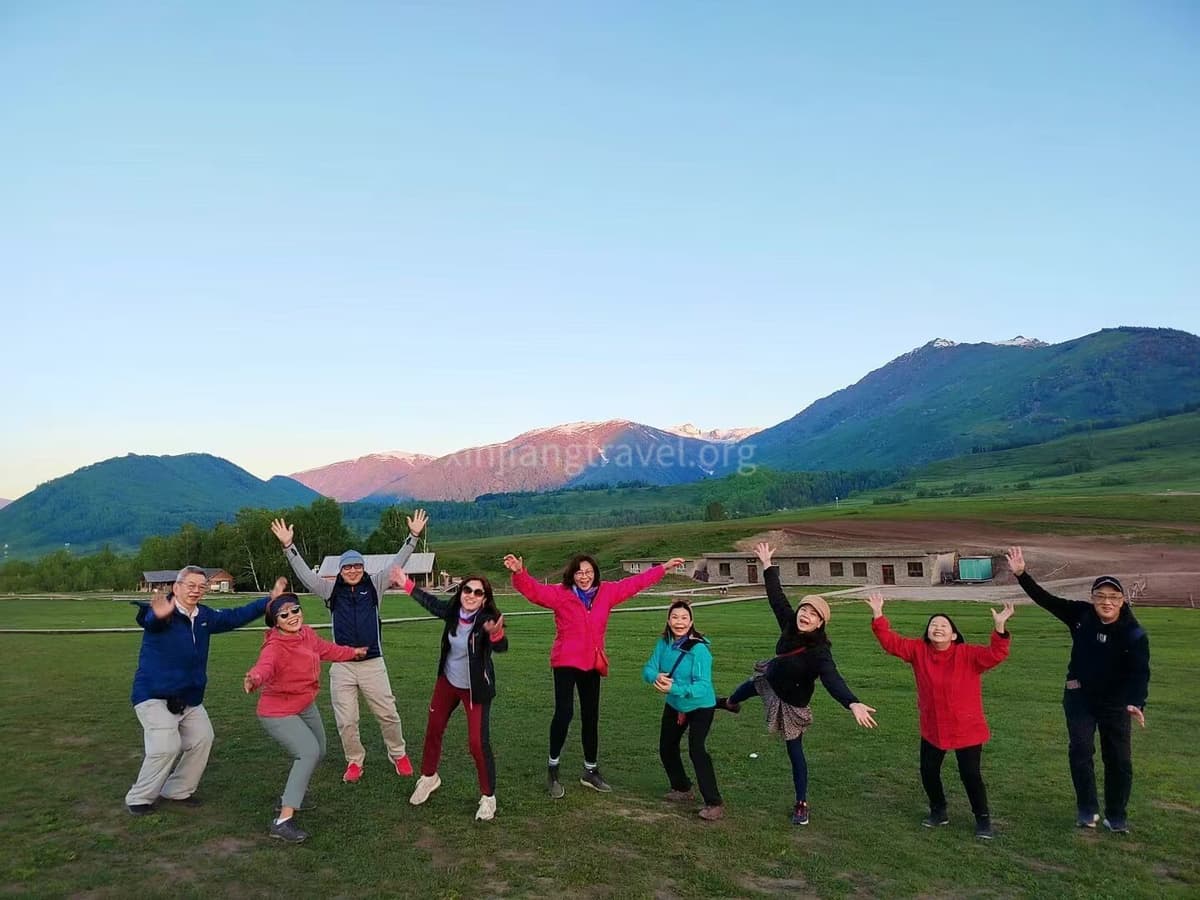
In the end, traveling from Singapore to Xinjiang via Urumqi isn't just about covering distance; it's about opening your eyes to one of China's most diverse and breathtaking regions. The warmth of the people, the scale of the landscapes, and the fusion of cultures will stay with you forever. Whether it's your first trip to China's far west or a return visit, this journey rewards the curious traveler with memories that feel truly once-in-a-lifetime. Safe travels—Xinjiang is waiting, and it's more accessible than ever with our team.
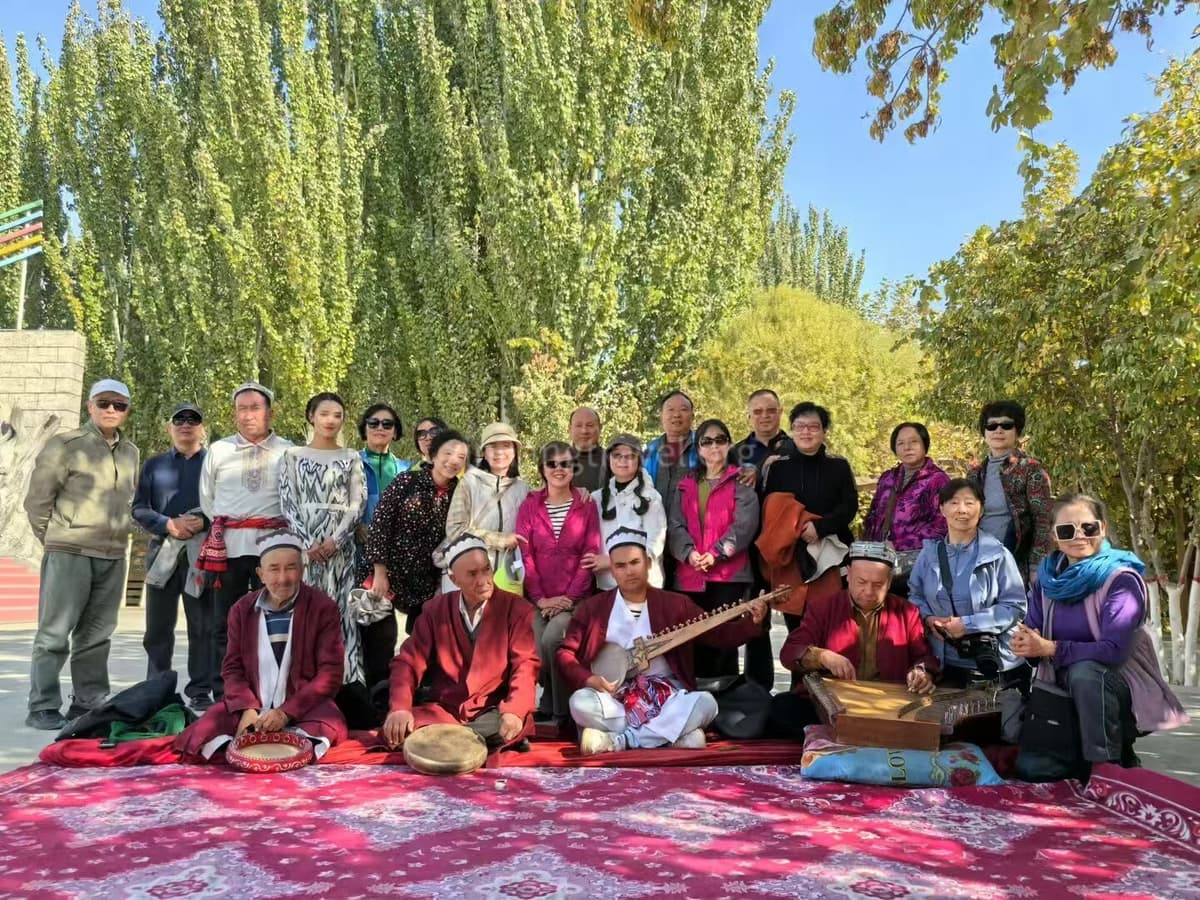

Urumqi-Heavenly Lake-Fuyun-Burqin-Kanas-Hemu-Kuitun-Sayram Lake-Naraty
North Xinjiang Tour in Sept is the super best time for the golden autumn view. this full inclusive group tour will take you to Kanas Lake, Hemu Village, Sayram Lake and Narat Grassland, Travel with locals, big deal

Kashagar - Taxkorgan - Urumqi - Heavenly Lake - Turpan
You will have all the essential sites in Kashgar, Turpan and Urumqi packaged. The magnificent Pamir Plateau, beautiful Karakul Lake, mysterious Jiaohe Ruins and lively Sunday Bazaar... all included!

Kashgar - Taxkorgan - Turpan - Urumqi - Beitun - Hemu - Kanas - Burqin - Urho
Best Xinjang Tour to Kashgar and Kanas includes the most beautiful natural landscapes in northern Xinjiang like Kanas and Hemu and the Kashgar livestock market and old city are all in the package.

Kashgar - Taxkorgan - Urumqi - Turpan - Fuhai - Hemu - Kanas - Urho - Jinghe - Yining - Tekes - Naraty
Experience all the essential sights in Xinjiang. No matter what you want from a trip in Xinjiang, you can find it here! From plateau to grassland, oasis to desert, mountains to lakes, villages to relics.