20 years of pioneer in xinjiang tourism for overseas travelers
Born Here, Know Best, Your Journey's Blessed
No Shopping. No Detour, 99% Excellent Review

contact UsOn Wechat
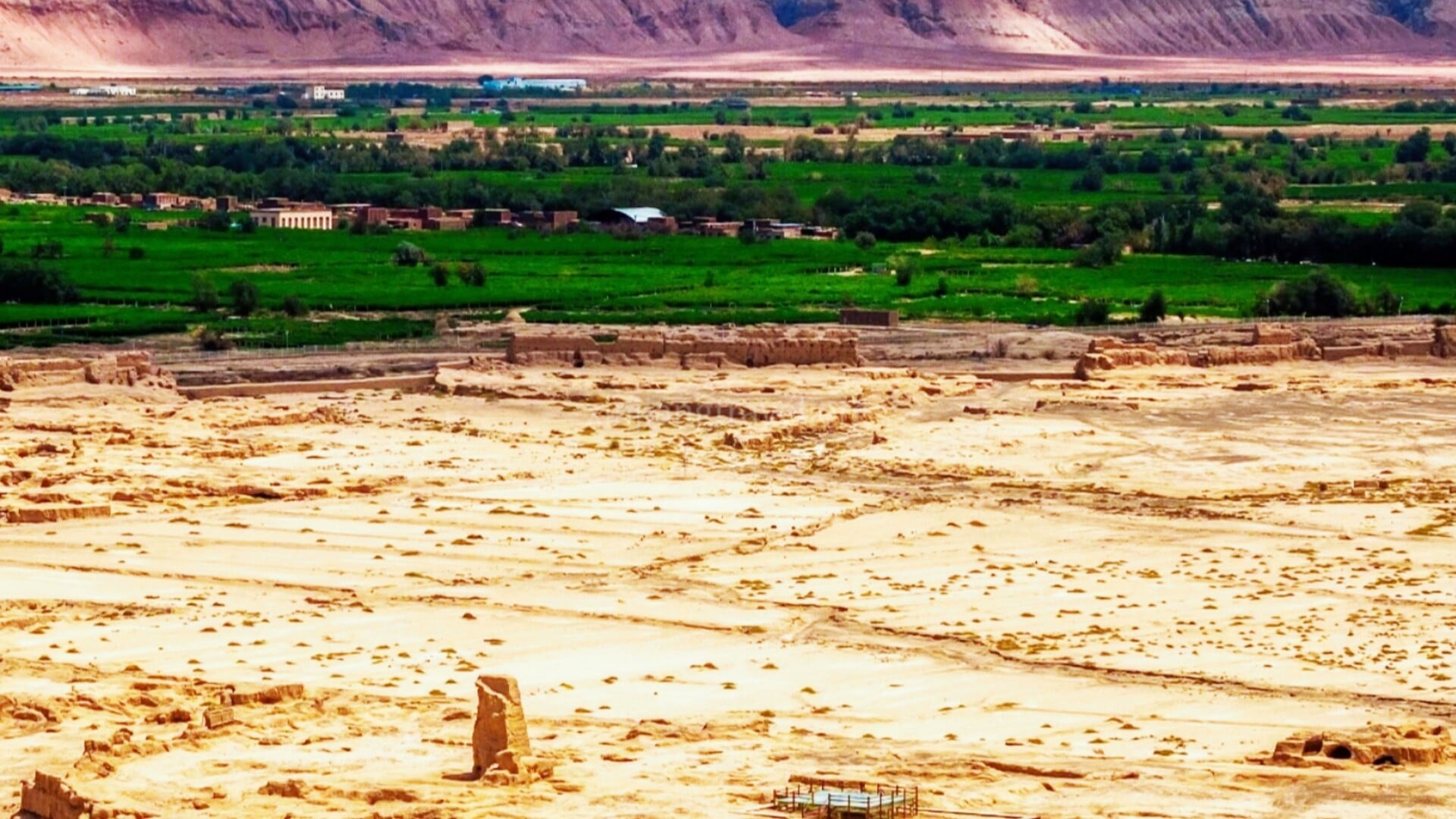
The Gaochang Ruins are located at the southern foot of the Flaming Mountains in Turpan, Xinjiang, about 40 kilometers from the city center. They sit on an important junction of the southern route of the Silk Road. This was a must-pass place for trade and cultural exchange between the East and West, and a key link connecting the Central Plains, Central Asia, and West Asia. As the largest and best-preserved ancient city ruin in the western regions, this was once the capital of the Gaochang Kingdom and a military, political, and cultural center along the Silk Road. Today, it is a national key cultural relic protection site and a UNESCO World Heritage site, carrying a thousand years of Silk Road memory. Walking into the Gaochang Ruins, every piece of rammed earth shows the marks of time. As you walk around, you can feel the weight of a thousand years of Silk Road civilization and see the deep mixing of Central Plains culture and western regions culture. Come here for a meeting with a civilization that spans a thousand years.
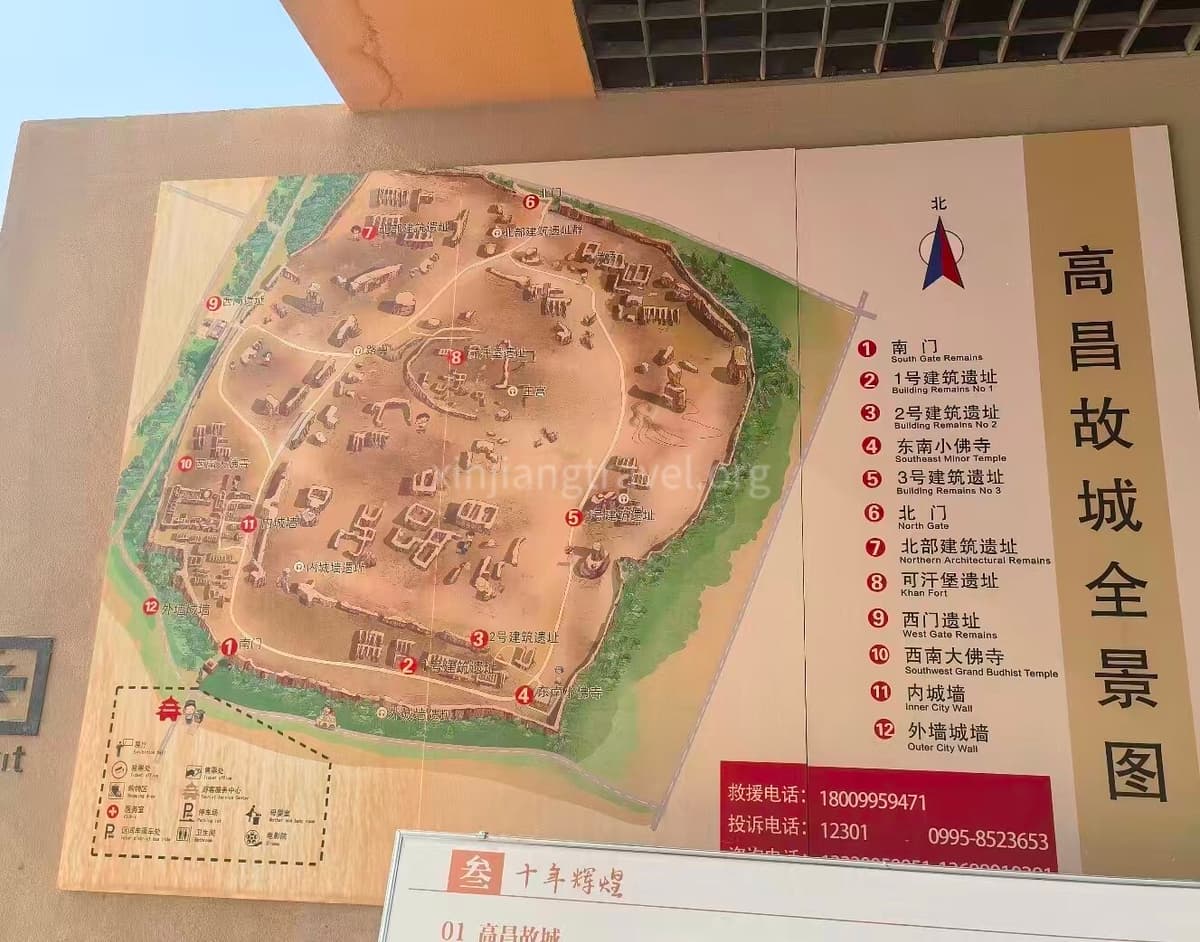
The Gaochang Ruins cover an area of about 2 million square meters. The overall shape is an irregular square. The city is clearly divided into three parts: the outer city, the inner city, and the palace city. The whole thing is built with local rammed earth, which is very hard. Even after a thousand years of wind and rain, you can still see how large it once was. Most of the remaining buildings were built during the Uyghur period, keeping the style and layout from that time.
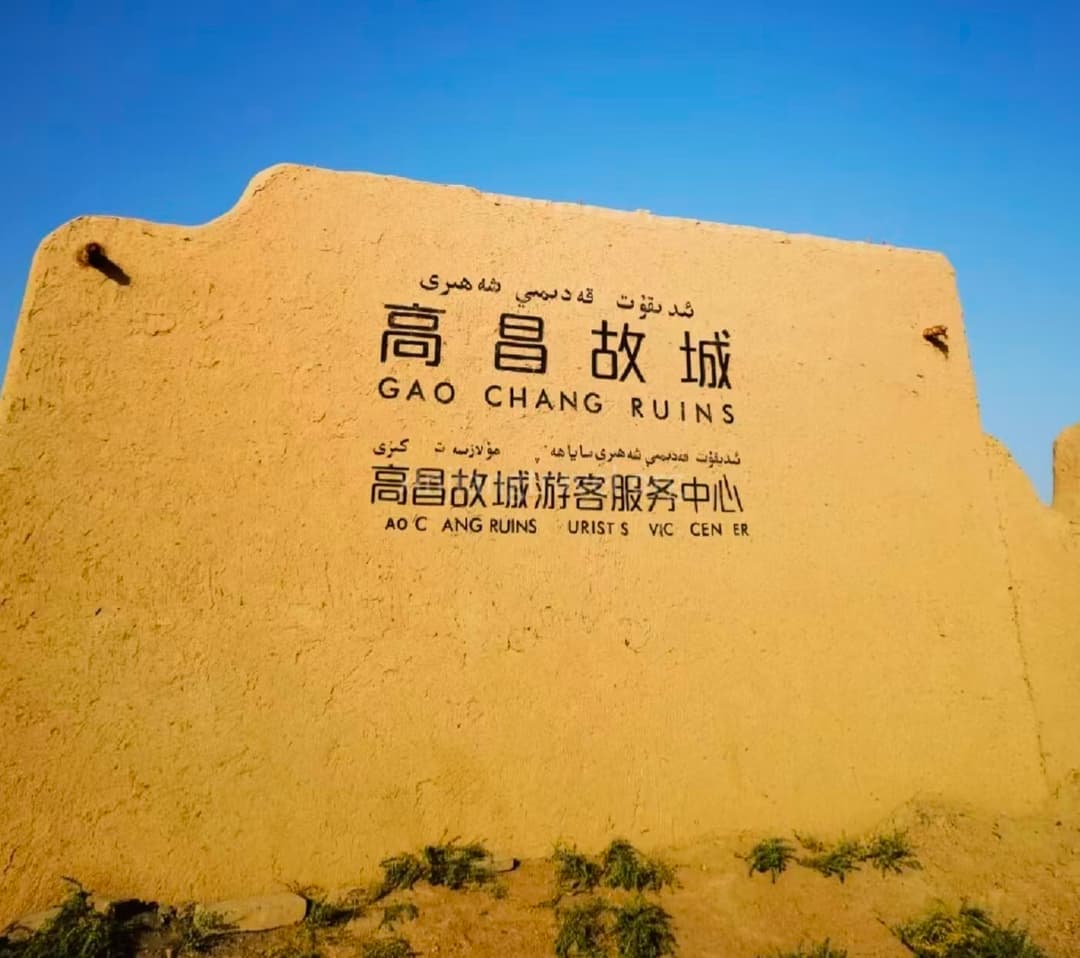
In Uyghur, the Gaochang Ruins are called "Idiqut", which means "royal city". This shows how important it was as a capital. According to the "History of the Northern Dynasties: Account of the Western Regions", the name "Gaochang" came from "high and open terrain, prosperous and thriving people". The name has been used ever since and has become a clear marker for this thousand-year-old city.
The Gaochang Ruins witnessed the rise and fall of Silk Road civilization for over 1,400 years, from the 1st century BC to the 14th century AD. It was an important base for the Central Plains dynasties to manage the western regions. It was also a place where many ethnic groups lived together and cultures mixed. The buildings and relics left behind truly record the meeting and mixing of Central Plains, western regions, and Central Asian cultures. It has very high historical, cultural, and archaeological value.
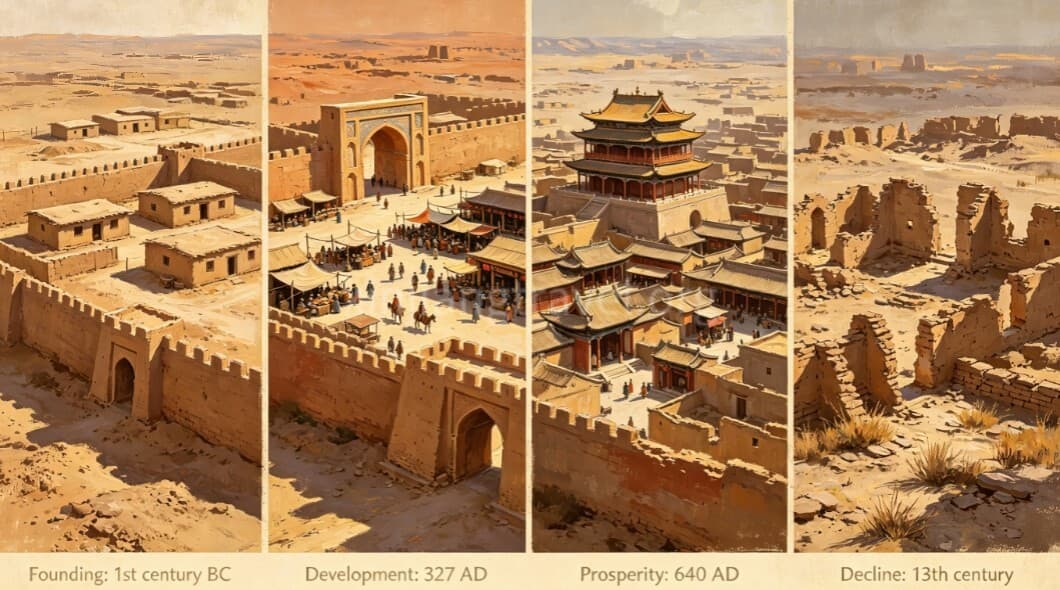
Beginning : In the 1st century BC, Han Dynasty farming troops built "Gaochang Wall" here as a base for farming and defense. During the Han, Wei, and Jin periods, this was always the seat of the Colonel of the Farming Garrison, who managed farming in the western regions. It was an important foothold for the Central Plains dynasties.
Growth : In 327 AD, Gaochang was officially established as a commandery. Later, it grew into the capital of the Gaochang Kingdom. The Qu family ruled Gaochang the longest, from 499 to 640 AD, more than 140 years. During this time, every king of Gaochang accepted appointments from the Central Plains dynasties and kept close political, economic, and cultural ties.
Peak : In 640 AD, the Tang Dynasty conquered Gaochang and set up Xizhou Prefecture here. Gaochang became an important political, economic, and cultural center at the southern foot of the Tianshan Mountains. The city layout was a copy of Tang Dynasty Chang'an. The streets and buildings were laid out like Chang'an, so it was called the "version of Chang'an in the western regions." During this period, Gaochang reached its peak in business and culture. It was one of the busiest cities on the Silk Road.
Decline : At the end of the 13th century, Gaochang was badly damaged by war. The city was slowly abandoned, and its former glory was buried by time. From the start to the end, Gaochang was used for more than 1,400 years, making it one of the longest-lasting ancient city ruins on the Silk Road.
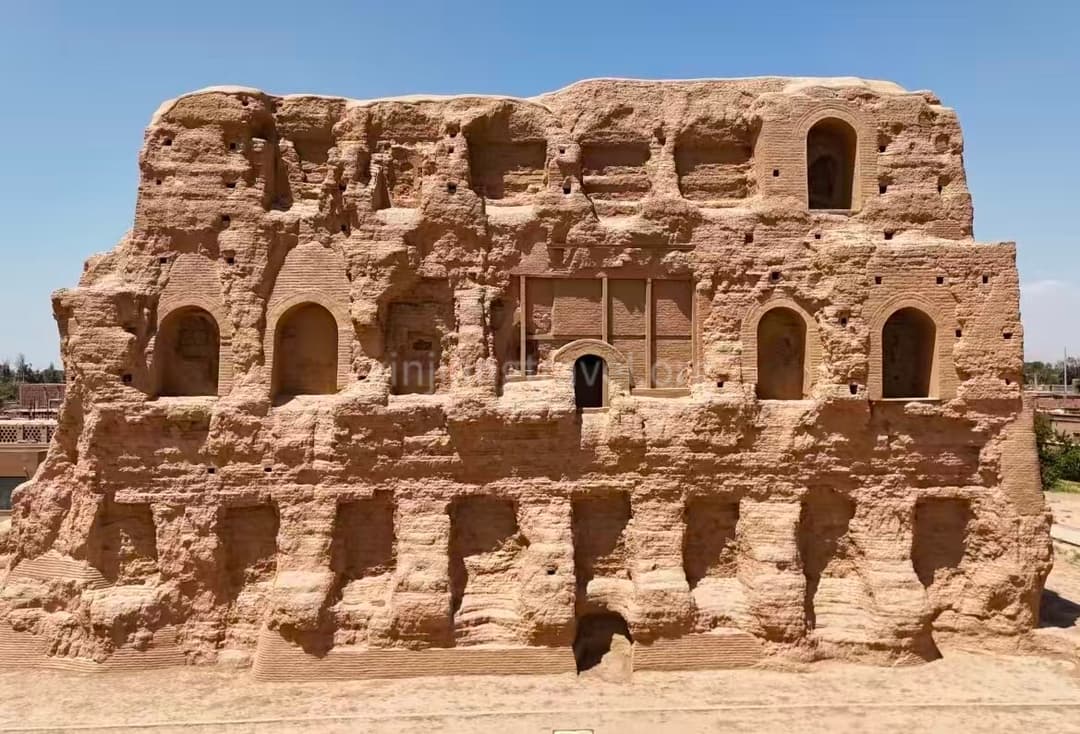
Outer City : The outer city wall is about 5.4 kilometers around. It was the main defensive wall. There were nine gates. The gate on the north side of the western wall is the best preserved. At the gate there is a winding barbican, which was used to stop enemies from getting in. In the southwestern corner of the outer city, there is the largest Buddhist temple site, covering 10,000 square meters. You can still see the broken walls of the pagodas and temple halls, and you can imagine how busy it once was.
Inner City : The inner city is in the middle of the outer city. Its shape is square. The western and southern walls are still in decent shape. The walls are tall and thick. In the middle of the northern part of the inner city, there is a building the locals call the "small castle." This is the "Khan's Castle" from history. It was where the nobles of the Gaochang Kingdom lived and handled government business. The broken walls that remain give you a sense of the dignity and power it once had.
Palace City : The palace city is at the northernmost part of the ruins. This was where the king of Gaochang lived and ran the government. It was the heart of the whole city. Today, only broken walls remain, but from the size of the remaining walls and foundations, you can still see how grand the palace once was. Standing here, you can almost imagine the king handling business and living his life.
Other Remains : Besides the three main city sections, there are many pagoda and temple sites spread across the Gaochang Ruins. Archaeologists have found documents in many languages here, including Chinese, Sanskrit, and Old Uyghur, as well as pieces of wall paintings and statues. These relics are not only important for studying Gaochang history, but also show how many different cultures mixed here.
 Opening Hours:
Daily: 9:00 AM – 7:00 PM (closing time may be adjusted during hot summer periods – please check on-site notices).
Open as usual on public holidays. No booking required – just go to the entrance and buy your ticket.
 Ticket Prices:
Adults: 70 RMB
Students with a valid student ID: 35 RMB (half price)
Free entry for: seniors aged 65+, disabled visitors (with valid ID), and children under 1.2 meters.
 Transportation:
Tourist shuttle bus to Gaochang Ancient City: 10 RMB per person, takes about 1 hour.
Private car hire: about 150–200 RMB per vehicle (fits 4–5 people), takes about 40 minutes.
Join a tour group: hotel pickup by tour bus, no need to arrange transport yourself.
Suggested Visit: The best amount of time to spend here is 2-3 hours. Go in the morning to avoid the hottest part of the day, from 12:00 PM to 3:00 PM. The best seasons to visit are April-May and September-October. The weather is cooler and better for outdoor activities. Because the ruins have such deep history, it is a good idea to take a guide. They can help you understand the background and stories of the site.
Important Tips:
Turpan is dry and hot. Protect yourself from the sun. Wear a hat, sunglasses, and sunscreen. Bring enough water and drink often. There are many stones and dirt paths inside the ruins. Wear comfortable, non-slip shoes. Do not wear heels. As a World Heritage site, do not carve or draw on the walls or relics. Do not bring lighters or matches. Respect the relics and be a responsible visitor.
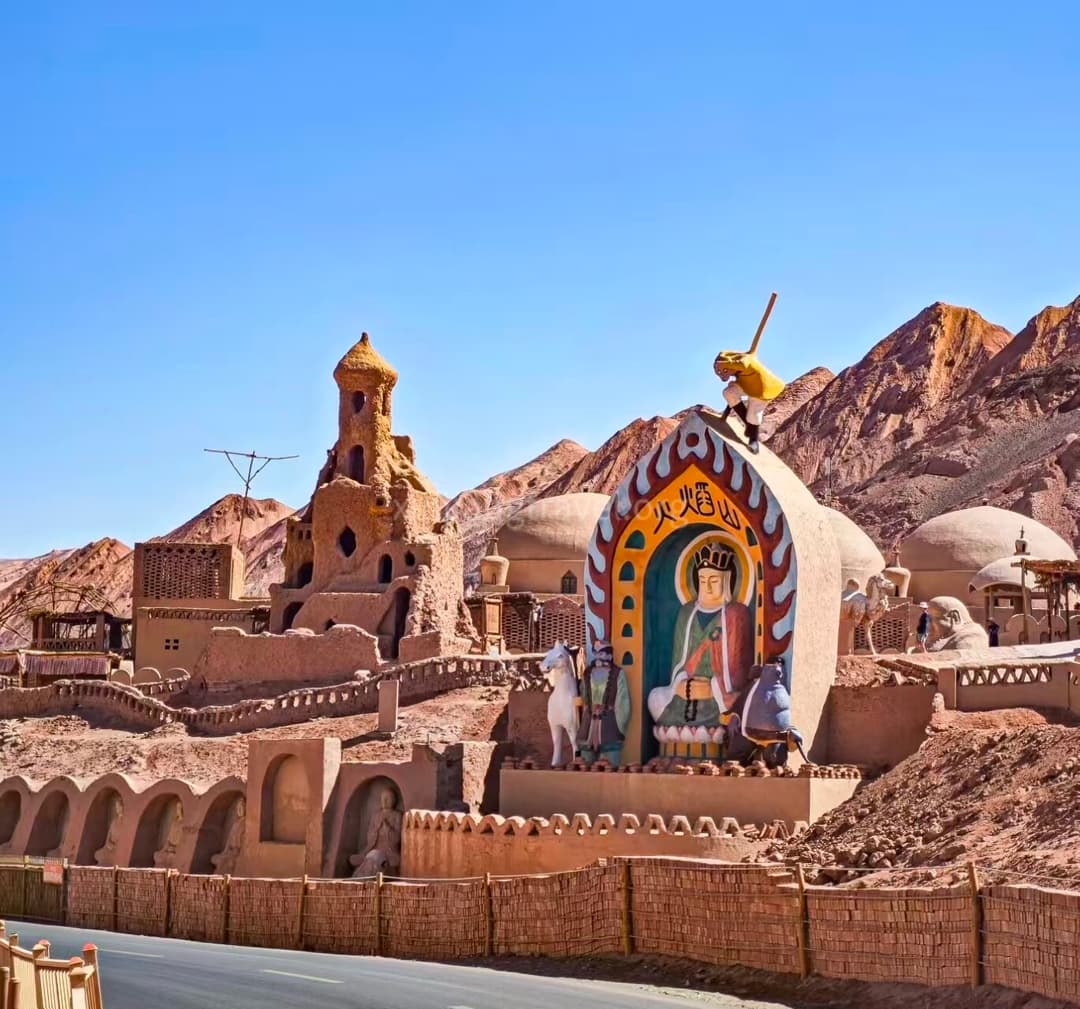
Nearby Sites: There are many sites close to the Gaochang Ruins. The Astana Tombs are about 10 kilometers away. The Bezeklik Thousand Buddha Caves are about 15 kilometers away. The Flaming Mountains scenic area is about 20 kilometers away. Depending on your schedule, you can combine these sites into one trip to see the Silk Road culture and natural scenery of Turpan all at once, without wasting time going back and forth.
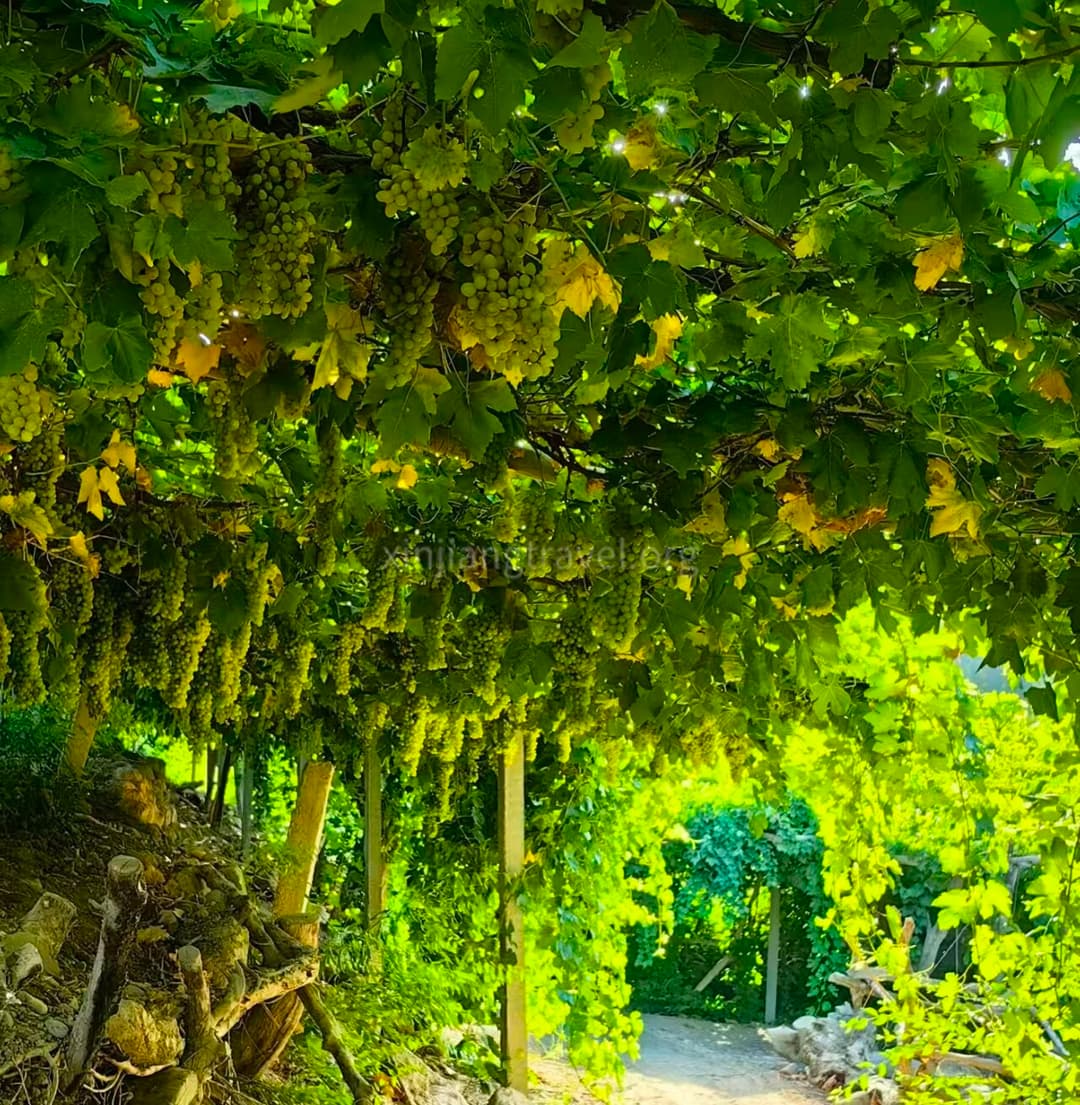
Local Experiences: After sightseeing, you can go to the Grape Valley or local villages in Turpan. Try some fresh grapes like Thompson Seedless (Wubaibai) and Muscat (Manairui), as well as local melons like Hami melon and watermelon. They are sweet and refreshing. You can also join local cultural activities, such as dancing Meshrep, trying local food, or visiting traditional Uyghur homes. This is a good way to experience the local flavor and culture of Turpan. Depending
In short, the Gaochang Ruins are worth visiting. Walk on thousand-year-old ground, feel the marks of time, remember the glory of the Silk Road. Here, every broken wall has a story. Every patch of ground has history. You can deeply feel how western regions culture and Central Plains culture mixed together, and understand the ups and downs of the Silk Road.
You don't need to plan your own trip or worry about transportation and tickets. Choose our tour group. We have professional guides, comfortable vehicles, and we will take you into the Gaochang Ruins. Let us show you the thousand-year secrets of the Silk Road. Start a cultural journey across time. Don't miss the time or the view.
Contact : Our travel agency phone number: +86 18999233079
E-mail number: info@xinjiangtravel.org

Kashagar - Taxkorgan - Urumqi - Heavenly Lake - Turpan
You will have all the essential sites in Kashgar, Turpan and Urumqi packaged. The magnificent Pamir Plateau, beautiful Karakul Lake, mysterious Jiaohe Ruins and lively Sunday Bazaar... all included!

Urumqi-Heavenly Lake-Turpan-Urumqi
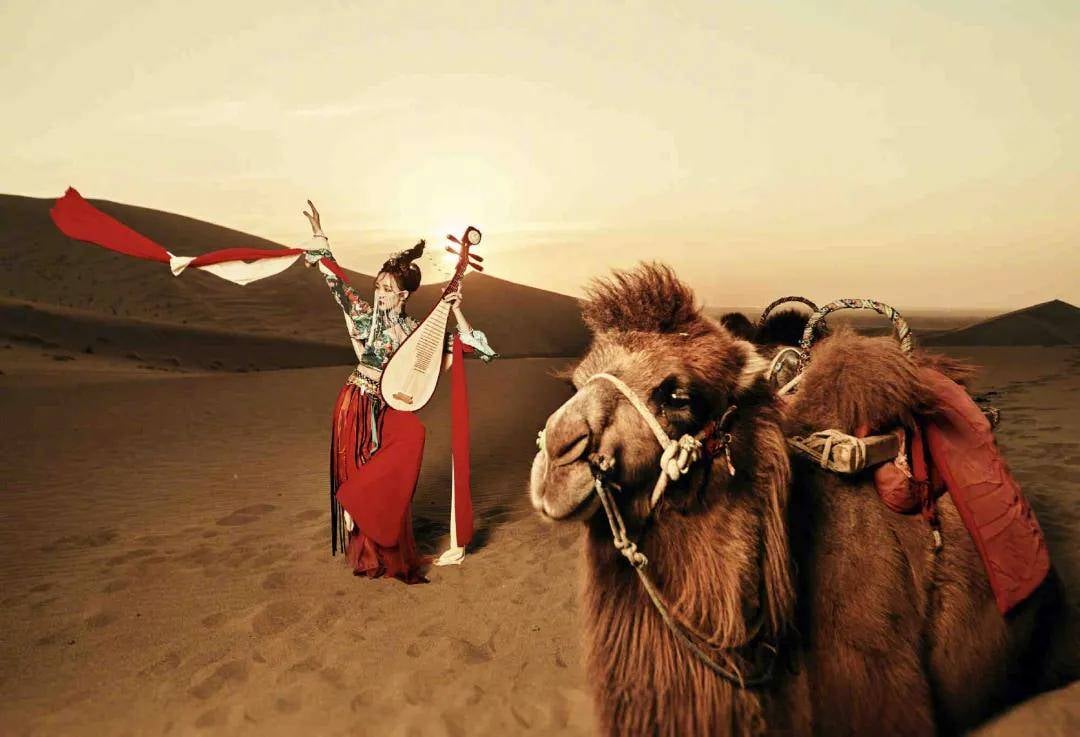
Urumqi and Turpan Tour, Enjoy the free shopping in the Grand Bazaar, overnight in the local Kazakhs Yurt in Heavenly lake. Adventure to the Kumtag Desert where you can experience the camel riding as Silk Road Caraven.Taste the authentic Xinjiang Flavor in the local Uighur family.
Kashgar-Karakul Lake-Tashkorgan County-Kashgar-Urumqi-Turpan-Dunhuang
Silk Road Tour to Dunhuang, Turpan and Kashgar. Enjoy the colorful folklores of different minorities, impressive historical site of silk road. UNESCO-Mogao Caves. Don't miss this lifetime holiday !
Opening Hours: Ticket Prices: Transportation: