20 years of pioneer in xinjiang tourism for overseas travelers
Born Here, Know Best, Your Journey's Blessed
No Shopping. No Detour, 99% Excellent Review

contact UsOn Wechat
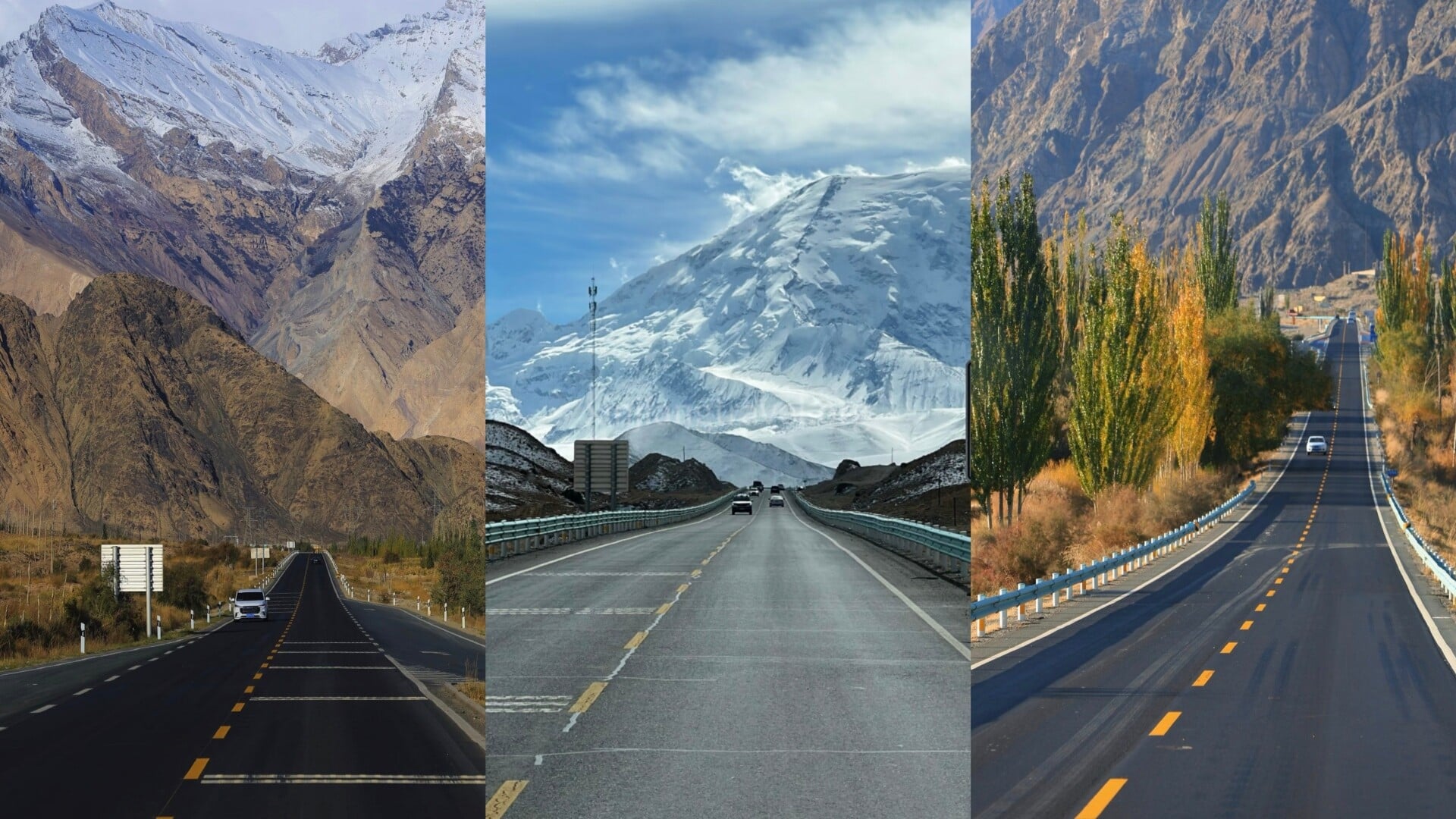
Introduction: The Karakoram Highway, also known as the China-Pakistan Friendship Highway, runs about 1,300 kilometers. It starts in Hasan Abdal, Pakistan, heads north through the Gilgit-Baltistan region, crosses the Khunjerab Pass into China's Xinjiang, and ends in Kashgar. The Chinese section is roughly 413 kilometers, and the Pakistani section about 887 kilometers. It's the highest paved international road in the world, with its highest point at the Khunjerab Pass, over 4,700 meters above sea level.
The highway cuts through the Karakoram, Hindu Kush, Pamir Plateau, and the western end of the Himalayas. These are places with deep valleys, tall snow-covered peaks, and large rivers like the Indus flowing alongside. Driving along it, you can see 8,000-meter peaks like Nanga Parbat right from your window—an impressive sight.
History: The highway's history goes back to the ancient Silk Road. It roughly follows one of the southern routes of the old Silk Road, where caravans once traveled between China, South Asia, and West Asia, moving goods and ideas through the mountain passes.
In the 7th century, the Tang dynasty monk Xuanzang crossed the Pamir Plateau and areas like Tashkurgan on his journey to India for Buddhist scriptures. On his way back to China, he traveled through these passes and recorded the local geography, mountains, rivers, and customs in his Great Tang Records on the Western Regions. Parts of today's Karakoram Highway overlap with the ancient route he took.
Marco Polo crossed the Pamir and Hindu Kush mountains in the 13th century on his journey from Europe to China. Some accounts suggest his route may have gone through passes that the Karakoram Highway now runs by, such as around Hunza or other old trading paths. While the exact route is still debated, the modern highway is seen as a continuation of parts of the ancient Silk Road, and Marco Polo's travels are often mentioned as part of the region's historical connection.
Modern construction of the highway began around 1959, carried out jointly by China and Pakistan. It took nearly 20 years, with the road mostly completed by 1979 and opened to traffic in the 1980s. Building it came with major challenges—high altitudes, landslides, and mudslides—and both sides put in a huge amount of manpower. Once finished, the highway not only boosted trade and travel between the two countries but also became a link between ancient Silk Road sites and modern transportation.
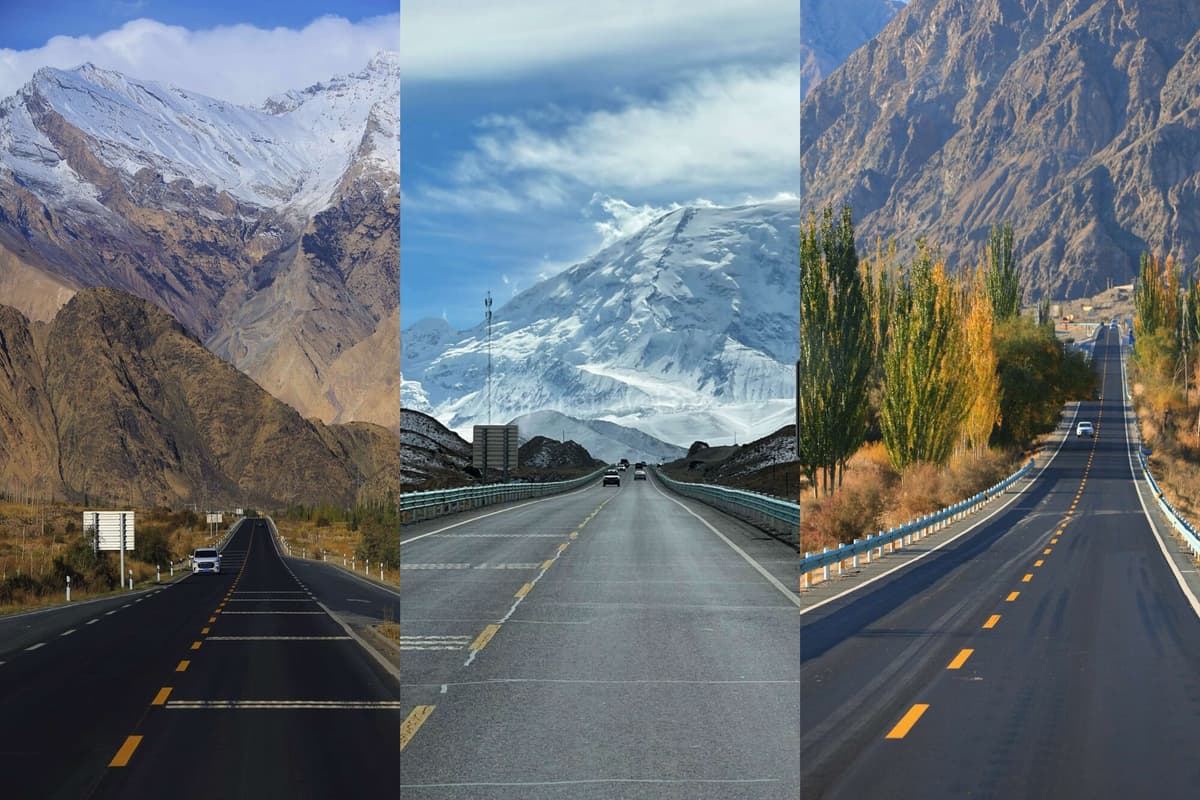
Connecting places: Starting from Kashgar in China's Xinjiang, the highway crosses the Pamir a scenic road trip in Pamir Plateau and the Karakoram range. It passes through Tashkurgan and the Khunjerab Pass, then reaches Gilgit, Hunza Valley, and other parts of northern Pakistan, eventually leading to Islamabad.
Content
Q: Why go to the Karakoram Highway?
A: It's mainly because the road brings together extreme natural beauty and human engineering. Along the way, you pass through places like Hunza Valley, Gilgit, and Sost, where local ethnic groups such as the Tajiks and Uyghurs still live in fairly traditional ways. Stone houses, apricot orchards, mosques, and the warmth of the locals make it feel less like you're rushing from one place to another and more like you're seeing a real, living world. A lot of people say after traveling this road that it changed how they think about travel—it's not about easy sightseeing, but about connecting with mountains, with history, and with different cultures.
Q: What makes the Karakoram Highway special?
A: What makes the Karakoram Highway special is that it cuts through three major mountain ranges and a high plateau, and the scenery changes dramatically along the way. It starts with green valleys on the Pakistan side, slowly moves into high-altitude desert, then reaches the red mountains of the Pamir Plateau and Karakul Lake. On the Chinese side, you end with Baisha Lake and Muztagh Ata. In just a short stretch, you can see completely different climates and landscapes.Much of the road is carved along cliffs—a river on one side, a rock wall on the other, and sometimes the risk of falling rocks overhead. After the landslide that created Attabad Lake in 2010, the old road was submerged. Now a tunnel has been built in its place, which was quite an engineering feat.
Q:What's the best time of year to travel the Karakoram Highway?
A:June to August brings mild temperatures and good road conditions. You can fully enjoy the stunning snowy mountains, valleys, lakes like Attabad, and the Hunza Valley. The days are long, which makes it a great time for driving, cycling, or taking a bus.
The Khunjerab Pass, the highest point on the China-Pakistan border, is usually closed from November to March due to heavy snow. So May to October is the safe window for crossing the border or traveling the full length of the highway. The Chinese and Pakistani sections of the road can be used year-round on their own, but in winter, the high-altitude stretches are cold and come with the risk of snow.
September to October offers cool and comfortable temperatures, without the summer heat or monsoon rains. The autumn colors are golden and the scenery is beautiful. Visibility is good, and there are fewer tourists. Many people say this is the most pleasant time of year to go.
April to May: the valleys start turning green, and you might see apricot blossoms or early spring views. But some high-altitude sections still have leftover snow, and the risk of landslides is a bit higher. It's considered the shoulder season.
Q:Is the Karakoram Highway safe?
A: Overall, the Karakoram Highway is passable, but safety isn't guaranteed. The main risks come from natural conditions, not human factors. On the Chinese side, from Kashgar to the Khunjerab Pass, the road is in relatively good shape, well maintained, and strictly managed, making it suitable for most travelers. The Pakistan side is more complicated. From Khunjerab south toward Gilgit and the Hunza Valley—though this area is considered relatively safe for tourism in Pakistan—the geological conditions are tough. Landslides, falling rocks, mudslides, and avalanches happen from time to time, especially during the rainy season or snowmelt period, when the road can be closed for anywhere from a few hours to several days.
The Khunjerab Pass sits at about 4,700 meters above sea level. It's the highest paved international border crossing in the world, and altitude sickness is common there.
All in all, for the average traveler, the Karakoram Highway is fairly safe if you go with a reliable tour operator during the right season.
Getting around – what to choose
Recommended: private car or jeep with a driver. This gives you the most flexibility and safety, and you can stop anytime for photos. On the Chinese side, you can hire a car from Kashgar. On the Pakistan side, you can do the same from Islamabad or Gilgit. Prices run about $30 to $100 per day, depending on group size and comfort level.
Other options: public buses are cheap but slow and not very flexible. Motorcycles work for experienced riders—you can rent one in Gilgit. Guided tours take the hassle out of planning, especially for first-time travelers.
Tips: drive during the day and avoid night travel. The road is narrow, has no lighting, and risks are higher. Some sections—like the roughly 150 km before Chilas—are in rough shape and need an experienced driver. The Chinese side is generally in better condition, but there are still many sharp turns and falling rocks.
Altitude and health preparation
Altitude basics: The highest point is about 4,800 meters. Most of the highway sits above 3,500 meters, but the climb is gradual, so most people experience only mild symptoms.
Preventing altitude sickness: Get used to it slowly. Start at lower elevations and spend a day or two in Gilgit or Hunza before going higher. Drink plenty of water, avoid heavy exercise, and go easy on alcohol and caffeine. You might consider bringing Diamox (acetazolamide) after talking to a doctor, or start taking Rhodiola rosea ahead of time. If symptoms appear – headache, shortness of breath, nausea – stop and rest immediately, or go down to a lower altitude.
Other health tips: Bring your own regular medications (pain relievers, anti-diarrhea pills, antibiotics) and a first-aid kit. Get comprehensive travel insurance that must cover high-altitude medical evacuation and trip cancellation. Tap water in Pakistan is not safe to drink, so bring water purification tablets or stick to bottled water.
Packing list
Clothing: Dress in layers. Think quick-dry base layers, a fleece mid-layer, and a windproof, waterproof outer jacket. Temperatures can vary a lot between day and night—near freezing or even lower after dark. Bring a warm hat, gloves, a scarf, and comfortable hiking shoes.
Sun and protection: High-SPF sunscreen (SPF 50+), sunglasses, a hat, and lip balm. The UV rays are strong at high altitudes and the air is dry.
Other must-haves: A headlamp or flashlight, a power bank, rain gear, snacks like energy bars, cash (card payment isn't always available), personal medication, and wet wipes or other hygiene items.
Tips: Pack light. Focus on warm layers rather than heavy gear. Women may want to dress conservatively—long pants and long sleeves—out of respect for local Islamic culture.
Budget and practical tips
Daily budget: The Pakistan side is more affordable. Expect around $30–$50 per person per day, including food, accommodation, and local transport. Hiring a private jeep will add to the cost. The Chinese side is fairly similar.
Food: Try local dishes like pilaf, milk tea, and Hunza specialties, but pay attention to food hygiene. Bring some snacks for extra energy along the way.
Photography and experiences: Bring a good camera or phone with plenty of storage. The best light is in the early morning and late afternoon. Recommended stops include Attabad Lake, Passu Glacier, Fairy Meadows, and viewpoints for Nanga Parbat.
Extra advice: Patience is key. Weather and road conditions can change your plans, so stay flexible. Talk to the locals. They're usually very friendly, especially toward Chinese travelers.
The Karakoram Highway isn't an easy vacation road. It's an adventure that stays with you. The better you prepare, the more you'll get out of it.If you have specific questions—whether about the Chinese side or the Pakistan side, joining a group tour or going independently, how many days, your budget, group size, or just want more detailed tips on a particular section—please contact us. We're a travel agency and can help you work out the details or put together an itinerary.
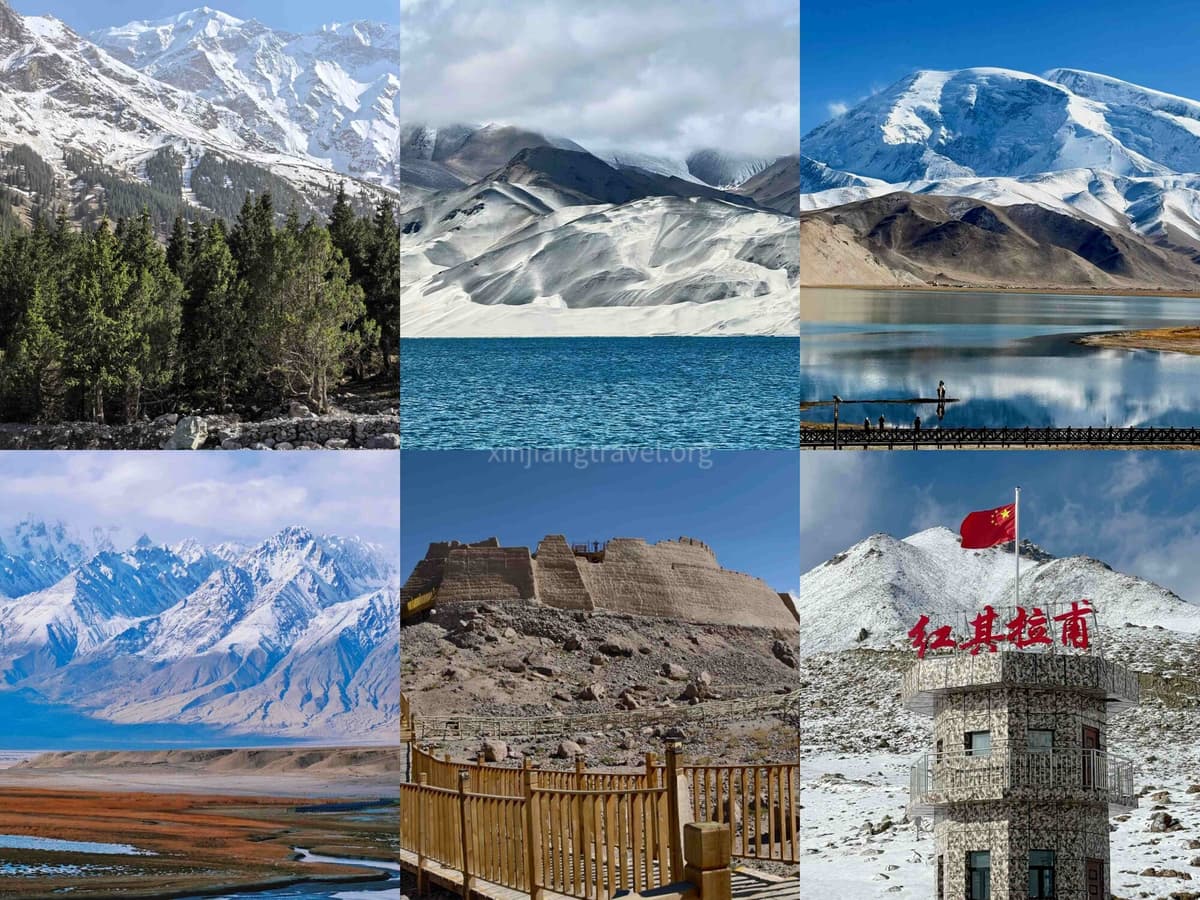
China Section (Kashgar-Khunjerab Pass, mainly around Tashkurgan in Xinjiang)
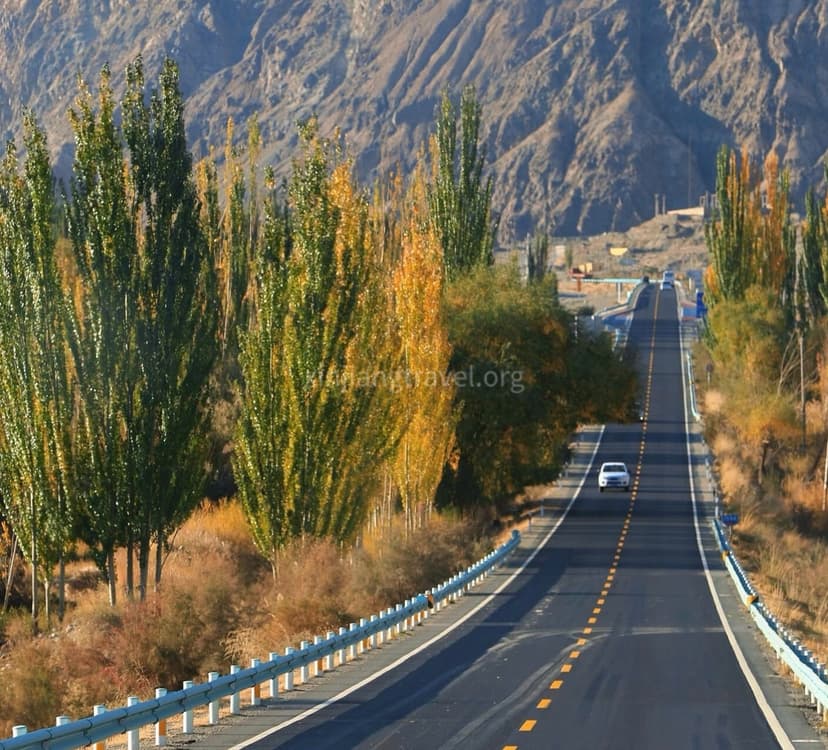
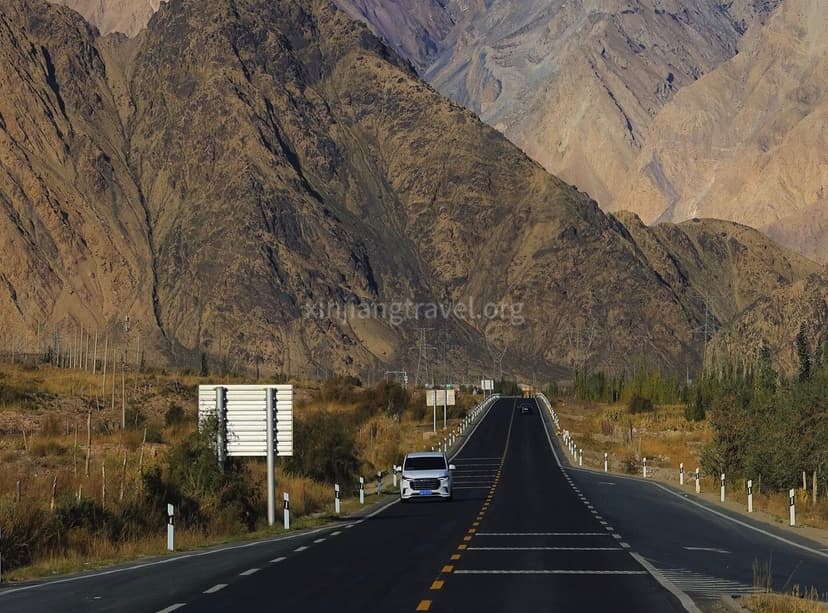
Oytagh Canyon/Red Mountains: Red rock mountains and glacier views. A striking start to the highway.
Baisha Lake: White sand dunes set against clear blue water in the middle of a desert. The contrast is dramatic.
Karakul Lake: A gem of the Pamir Plateau. The water is deep blue, surrounded by snow-capped peaks including Muztagh Ata. One of the most classic lake views on the Chinese side.
Muztagh Ata: Known as the "Father of Ice Mountains." At 7,546 meters, it stays snow-covered year-round. You can see it up close from the road.
Tashkurgan Stone Fort: An ancient Tajik fortress. Nearby are Golden Grass Beach and the Tahman Wetland.
Khunjerab Pass: The highest paved international border crossing in the world, at about 4,700 meters. A landmark spot marking the China-Pakistan border.
Pakistan Section (Khunjerab Pass-Torkot / Islamabad)
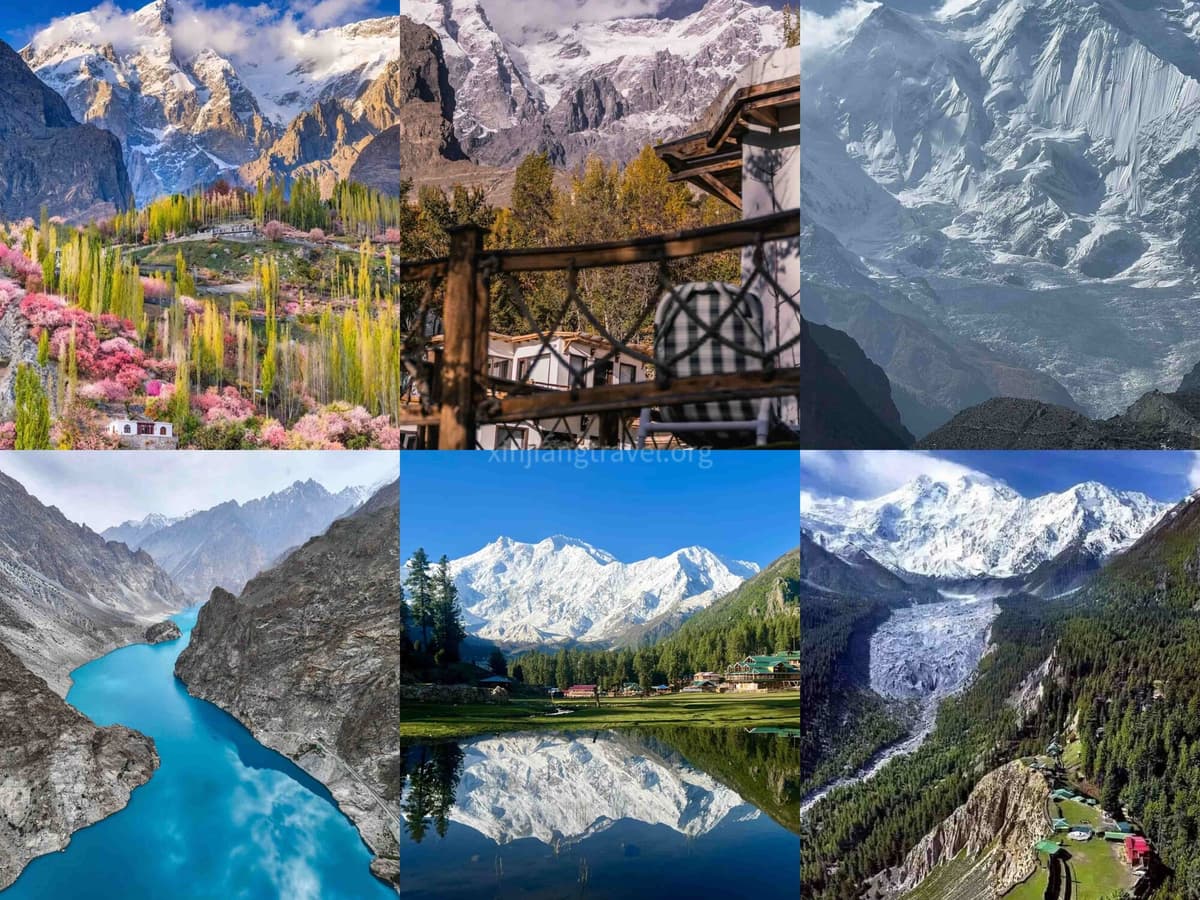
Hunza Valley: Often called "heaven on earth" or "Shangri-La." A mix of green oases, apricot orchards, and 7,000-meter snow peaks. The most beautiful valley along the highway.
Karimabad: The capital of Hunza. Near it are Baltit Fort and Altit Fort.
Rakaposhi Viewpoint: A 7,788-meter snow peak that you can clearly see right from the roadside.
Passu Cones: A group of sharp, church-like peaks with a unique shape.
Attabad Lake: Formed by a landslide in 2010. The water is a narrow, long stretch of turquoise blue, with the road running close along its edge.
Gilgit: The regional center. Traces of history remain here, including ancient Buddhist statues. Nearby you can also head to Fairy Meadows.
Nanga Parbat: An 8,125-meter peak known as the "Killer Mountain." Part of the Himalayas, visible from some sections of the highway.
China section
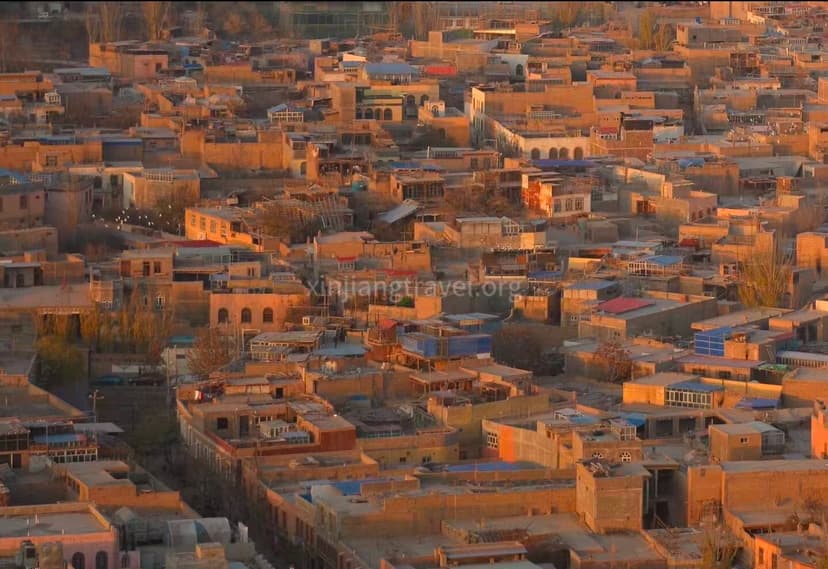
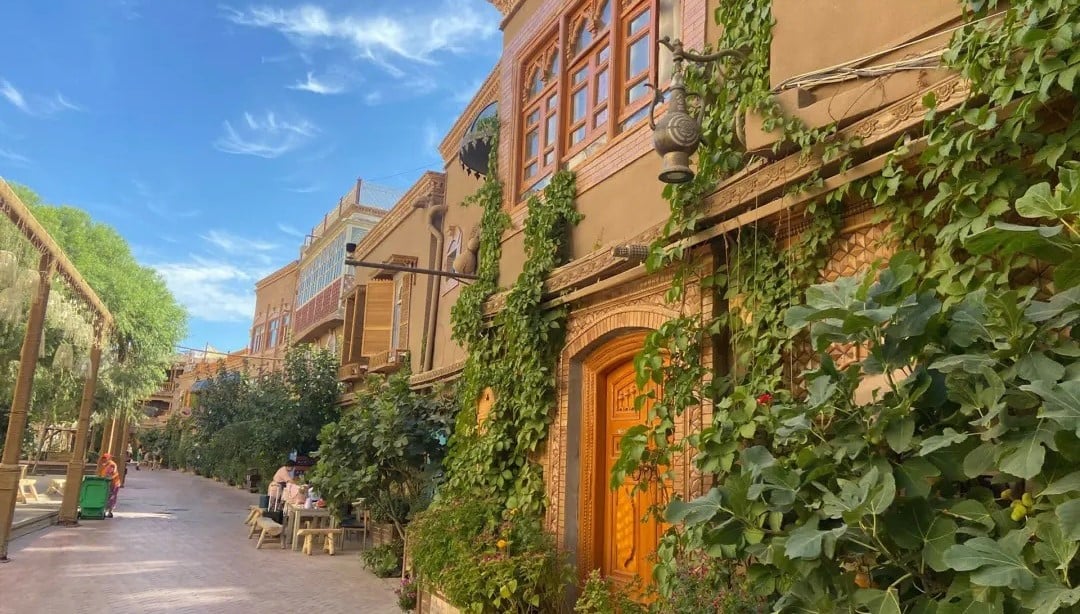
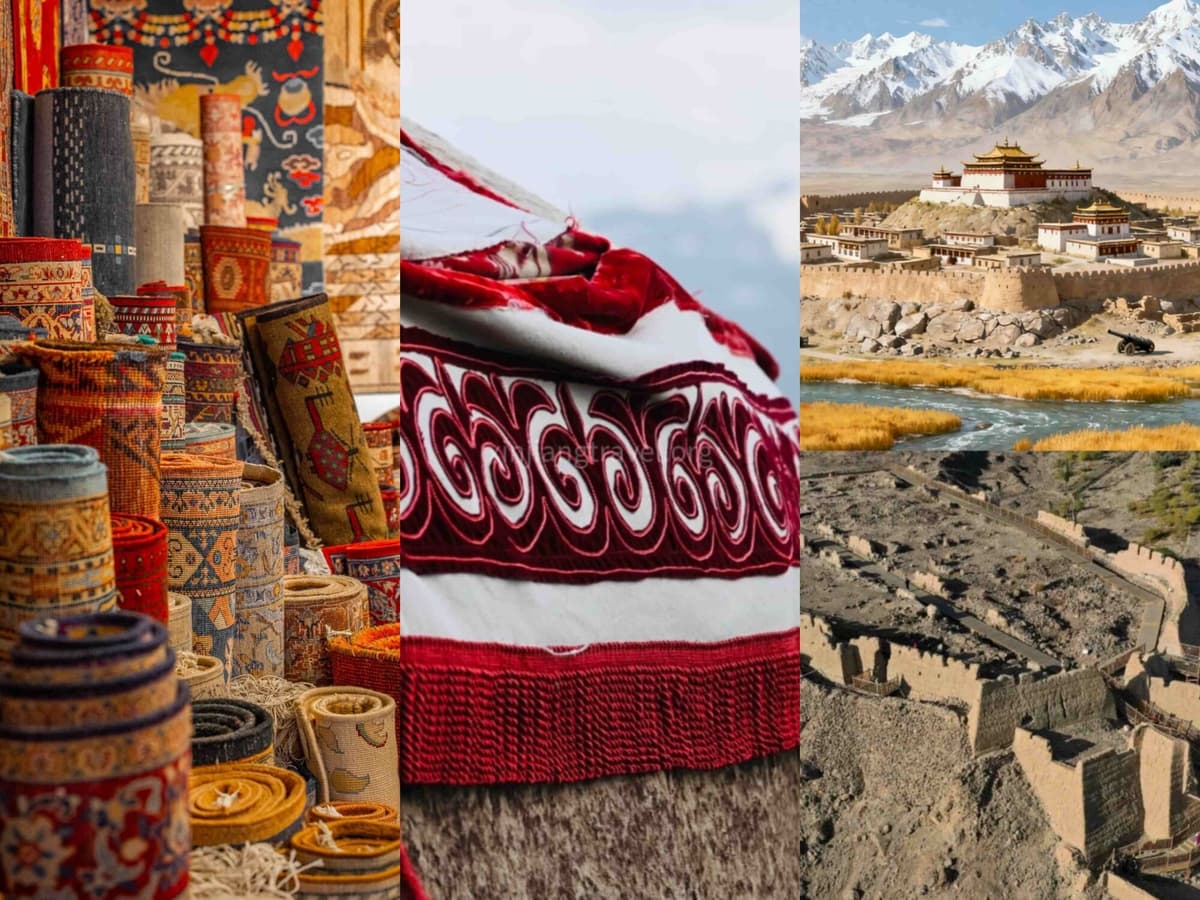
Uyghur culture: Around the starting point in Kashgar, you'll find traditional Uyghur bazaars, handmade items like embroidered caps and carpets, mosque architecture, and local dishes such as pilaf and naan bread.
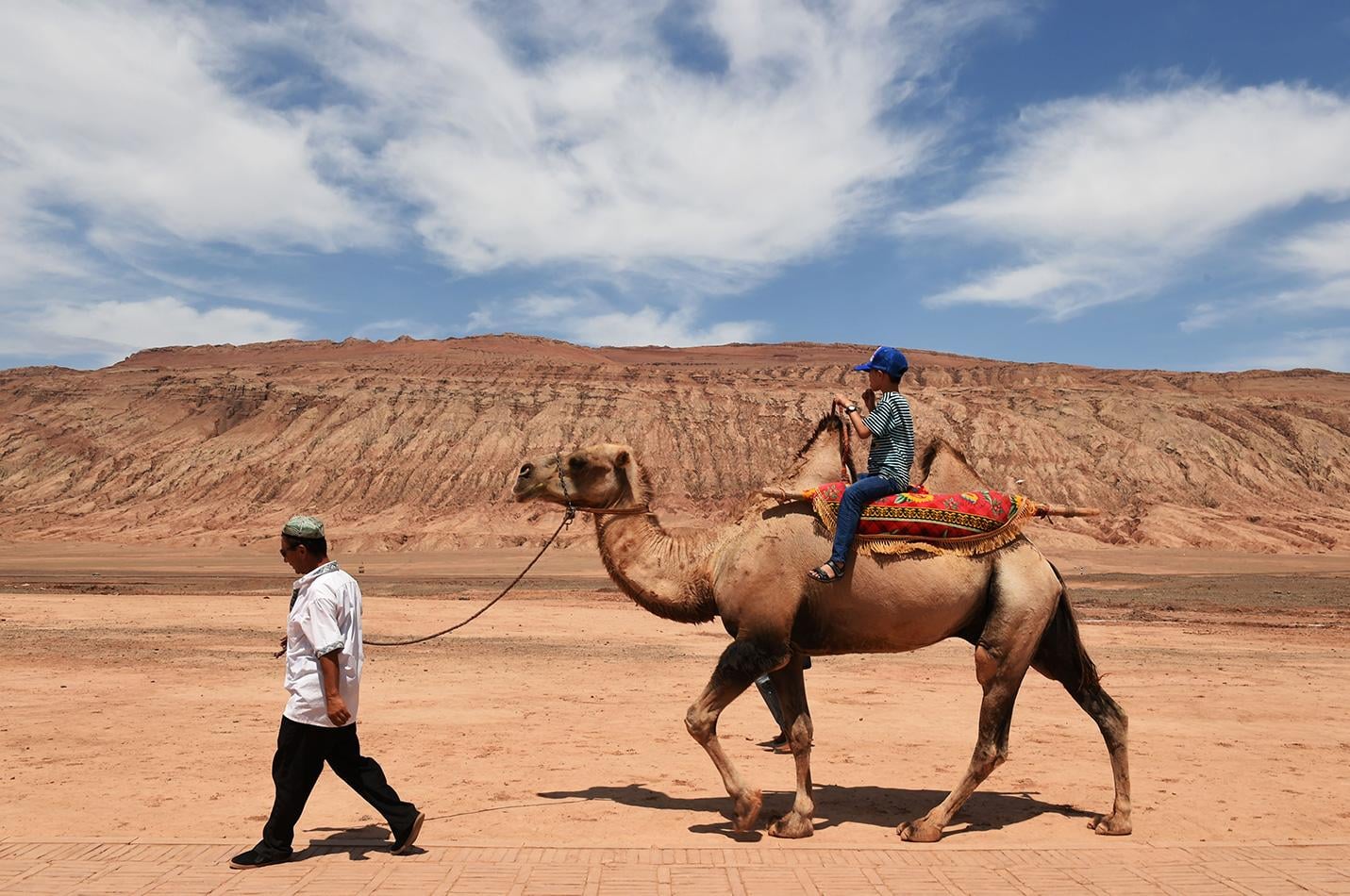
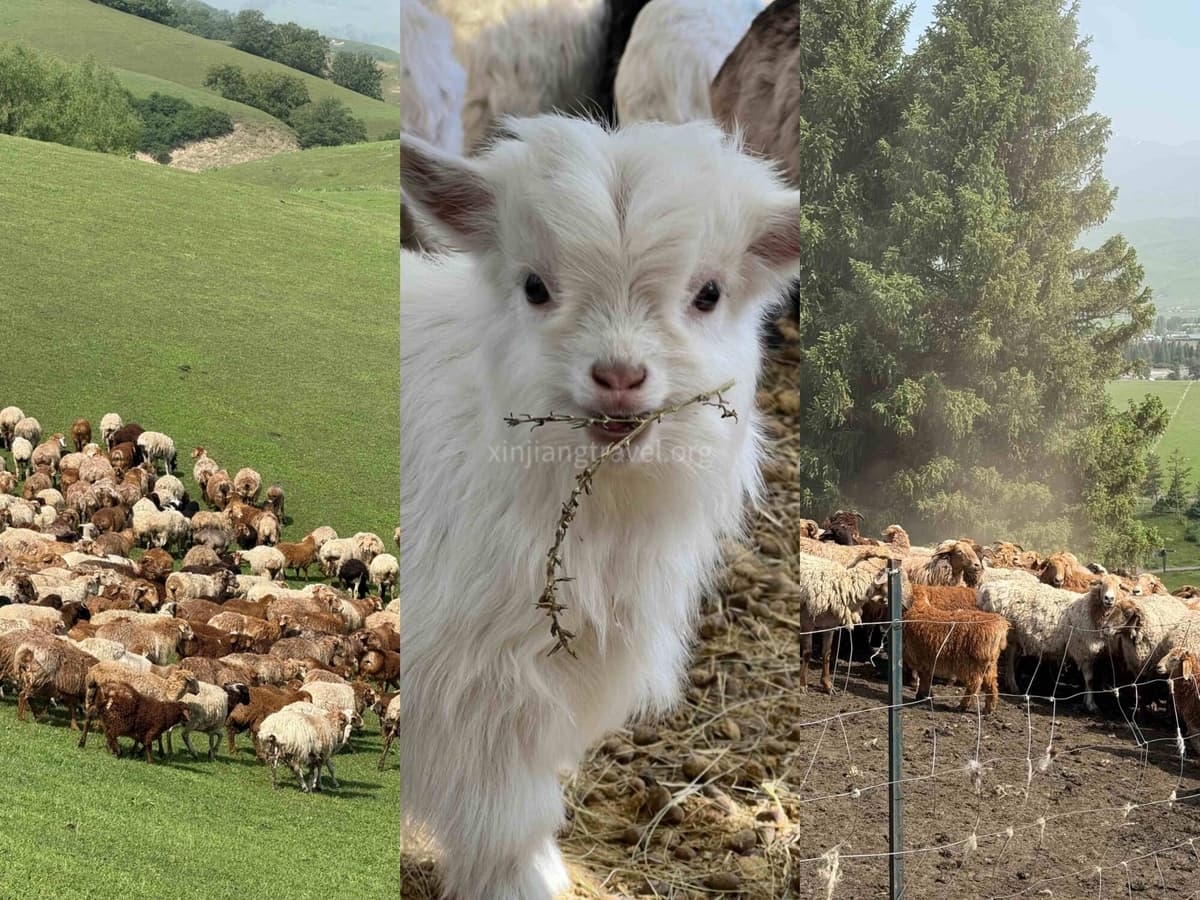
Kyrgyz herders: By Karakul Lake, it's common to see Kyrgyz herders living in white yurts. They graze yaks, sheep, and horses on the grasslands. The herders often wear traditional clothing, drink milk tea inside their yurts, and eat local bread. In summer, they live a nomadic life. Visitors can sometimes rent a horse or camel to ride around the lake.
Tajik culture: The area around Tashkurgan is home to the Tajik people, the only ethnic group in China with Caucasian features. Their faces have distinct, sharp features. Tajik women often wear round embroidered caps and headscarves. You can see stone houses, eagle dances (the eagle is their symbol), handmade crafts, and livestock herding on the high plateau, including yaks and sheep. Local food includes butter and dairy products. The people are warm and friendly, and some follow Ismaili Islam.
Pakistan Section
After entering Pakistan (Hunza Valley, Gilgit, and surrounding areas)
Burusho and Wakhi people: The Hunza Valley is the main place to see their cultures. The Burusho speak Burushaski, a language isolate, while the Wakhi speak Wakhi.
Traditional houses: Stone or mud-brick homes with flat roofs, often used for drying crops.
Clothing: Men wear a woolen Pakol hat. Women wear long embroidered dresses and colorful headscarves.
Handicrafts: Hand embroidery, wool shawls, wood carving, and gemstone jewelry. These can be found in markets in small towns like Karimabad.
Food and daily life: The local diet is based on highland crops like apricots, walnuts, corn, and barley. Dried fruits, nuts, Hunza bread, and meat-filled pastries called chapshuro are common. Herders and villagers keep goats, sheep, and yaks on the mountain slopes, and use glacier meltwater to irrigate terraced fields.
Next, we'll recommend some itineraries that allow you to appreciate the views along this highway.
Urumqi - Kuitun - Yining - Gongliu - Naraty - Kuqa - Alar - Makit - Kashgar - Taxkorgan
Yili Grassland and South Xinjiang Adventure to Kuqa & Kashgar, Stroll around the lakes and mountains in west Xinjiang and then drive accross Duku Highway to run into southern Xinjiang. Taste the flavor of the unique culture and customs of Kashgar. Then visit the magnificent Pamir Plateau along the Karakoram Highway!