20 years of pioneer in xinjiang tourism for overseas travelers
Born Here, Know Best, Your Journey's Blessed
No Shopping. No Detour, 99% Excellent Review

contact UsOn Wechat

Xinjiang boasts rich and time-honored traditional customs and unique living habits. As an important cultural crossroad along the ancient Silk Road, it has been home to multiple ethnic groups, including the Uyghur, Kazakh, and Kyrgyz for thousands of years. Living together in harmony, these groups have nurtured a wealth of local customs that carry their unique charm and the weight of time, weaving a colorful tapestry of life.
Come to Xinjiang to explore the living wisdom in these age-old customs, get to know the traditional customs of these ethnic groups, feel their sincere ethnic sentiments, and uncover the rich historical heritage that shapes Xinjiang. Delve into how these traditions are passed down, their unique characteristics, and the profound cultural meanings behind them—you’ll see the true, vivid, and warm side of this magical land.
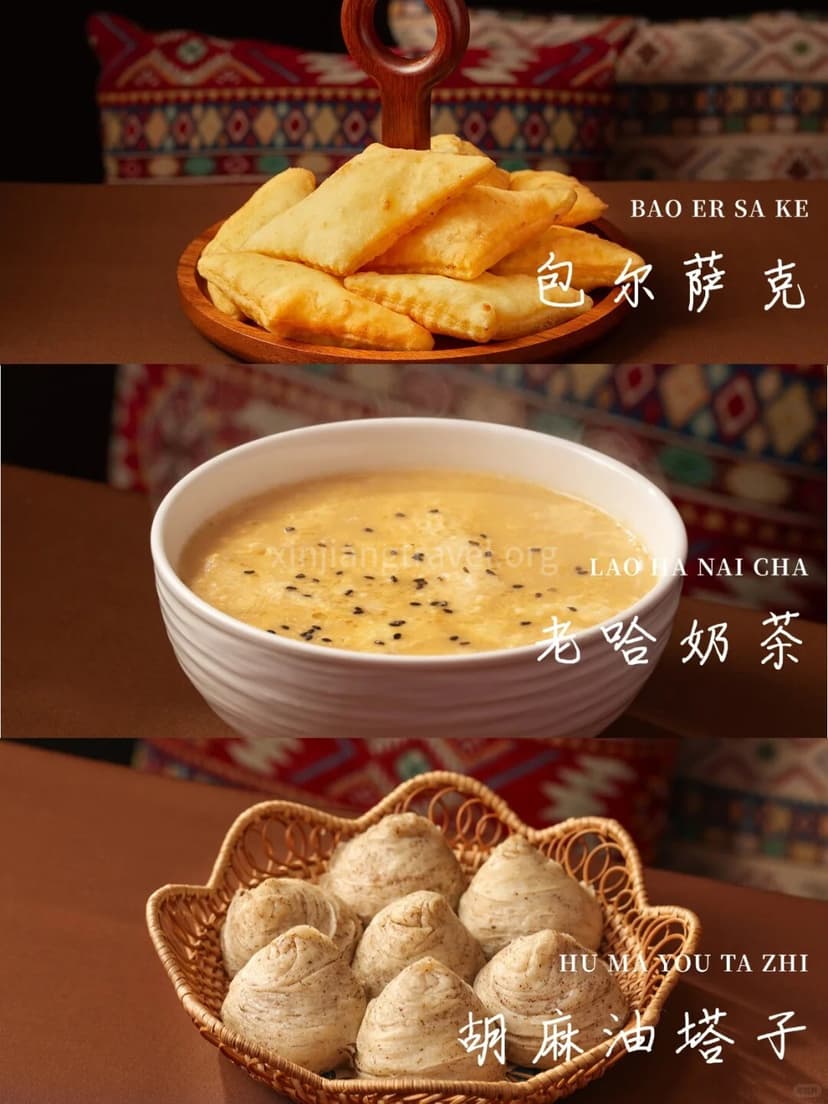
Major characteristics: People here have distinctive dietary habits. Their basic foods consist of noodles, beef and mutton, which are paired with local fruits and spices, creating the unique flavor of the Western Regions.
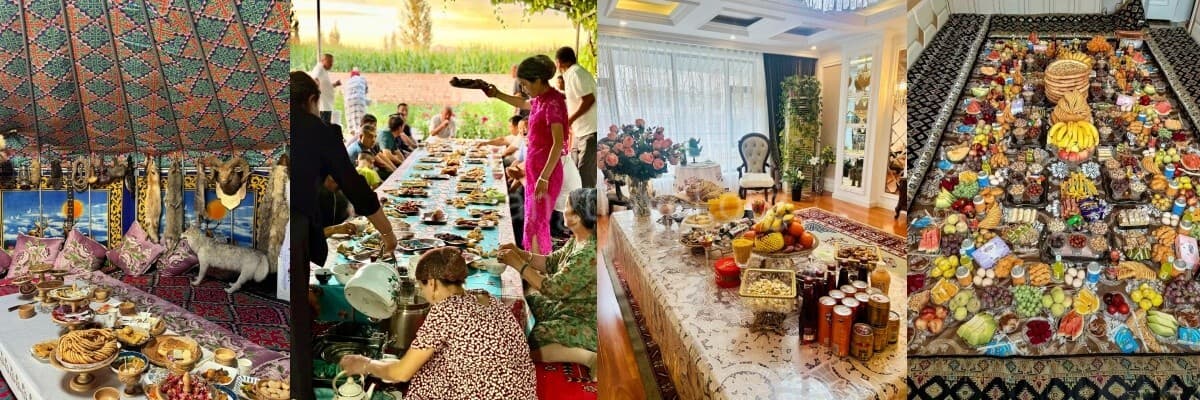
Representative foods: There are various local foods, including naan, pilaf, roasted buns, mutton skewers, milk tea, mare’s milk wine and so on. When treating guests, people follow traditional etiquette such as washing hands before meals and offering tea to guests first.
Many food-making methods have been inherited from ancient times. The skills of baking naan in a pit and stewing pilaf have been passed down for thousands of years, and these traditions are closely linked to the local arid climate and traditional production mode.
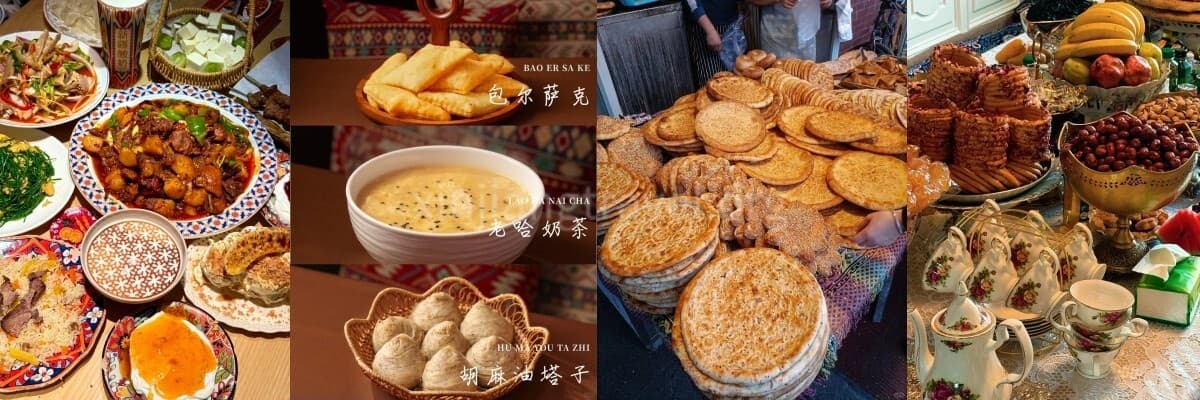
Uyghur courtyard houses: They live in earthen flat-roofed houses with grape trellises inside the courtyards, and the rooms are decorated with tapestries and carpets, which places great emphasis on comfort and beautification.
Kazakh yurts: These are portable and practical dwellings that are suitable for nomadic life, easy to assemble and disassemble, and feature simple yet warm interior decoration.
Design concept: The design of these residences follows a rational concept. The buildings fully adapt to the local natural environment such as deserts and grasslands, reflecting the wisdom of ancient ethnic people in adapting to nature.
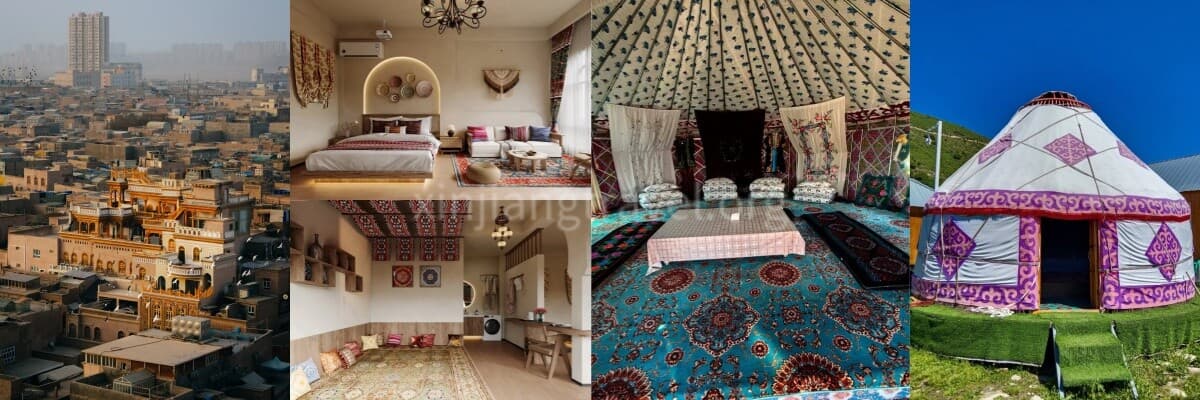
Uyghur traditional clothing: Men usually wear the “Chapan”, which is a long robe with wide sleeves, while women often wear colorful dresses and headscarves, and both men and women commonly wear the “Gaba”, a four-cornered flower hat decorated with exquisite embroidery.
Kazakh clothing: Their clothes are wide and durable, which are well suited to nomadic life. Men usually wear belts with knives, and women wear embroidered dresses along with delicate head decorations, all of which fully show the characteristics of life on the grassland.
Cultural connotation: The colors, patterns and styles of these ethnic costumes are closely connected with the living environment, production methods and aesthetic concepts of each ethnic group, and they also carry the unique pursuit of beauty of these ethnic groups.
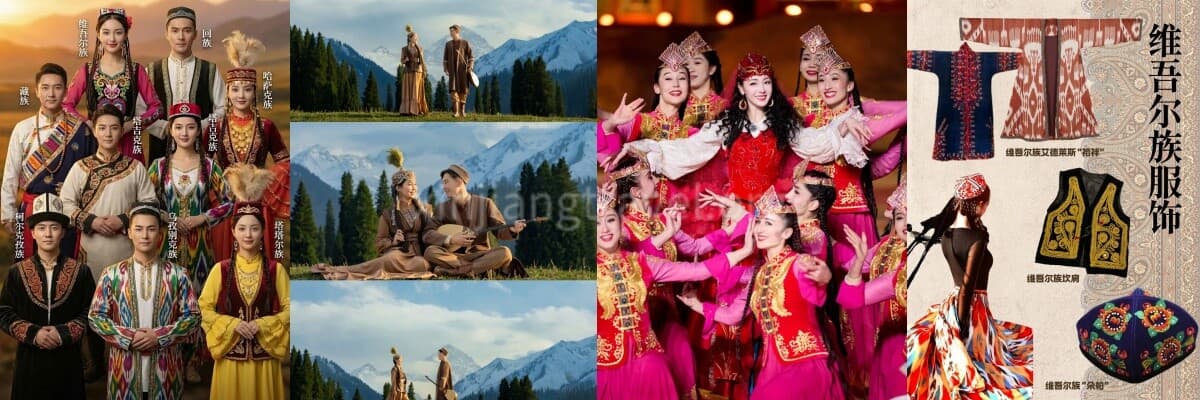
Religious festivals: Uyghur and other ethnic groups celebrate important religious festivals including Eid al-Fitr, also known as Ramadan Festival, and Eid al-Adha, also called Corban Festival, with traditional customs such as fasting, sacrificing animals, and visiting relatives and friends.
Ethnic unique festivals: There are also distinctive festivals unique to different ethnic groups. Kazakh people celebrate the Nauryz Festival, which is their Spring Festival, while Uyghur people observe the Norouz Festival with traditions like pine branch worship and sharing porridge together, all of which reflect their sincere yearning for a better life.
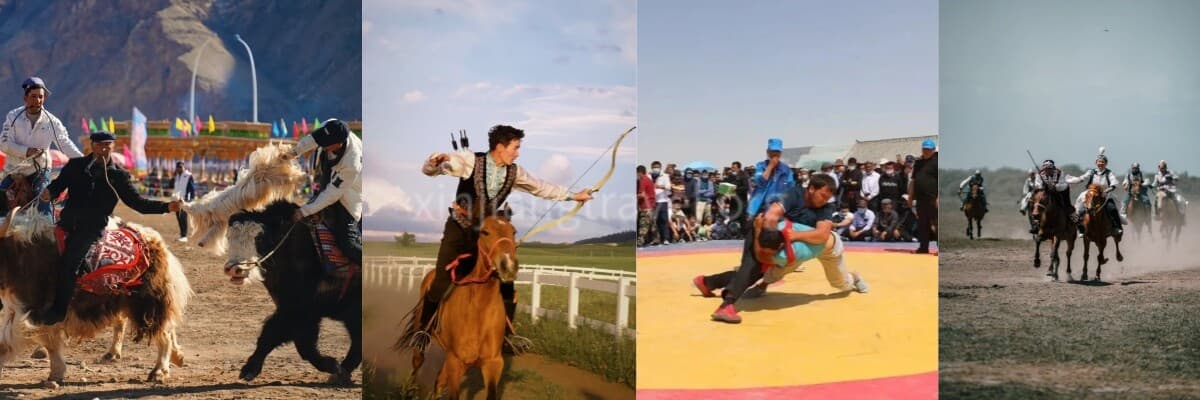
Festival activities: During festivals, people take part in various lively activities including singing and dancing, horse racing, sheep snatching competitions, and folk music performances. These events serve as important occasions for local ethnic groups to gather together and pass on their traditional culture.
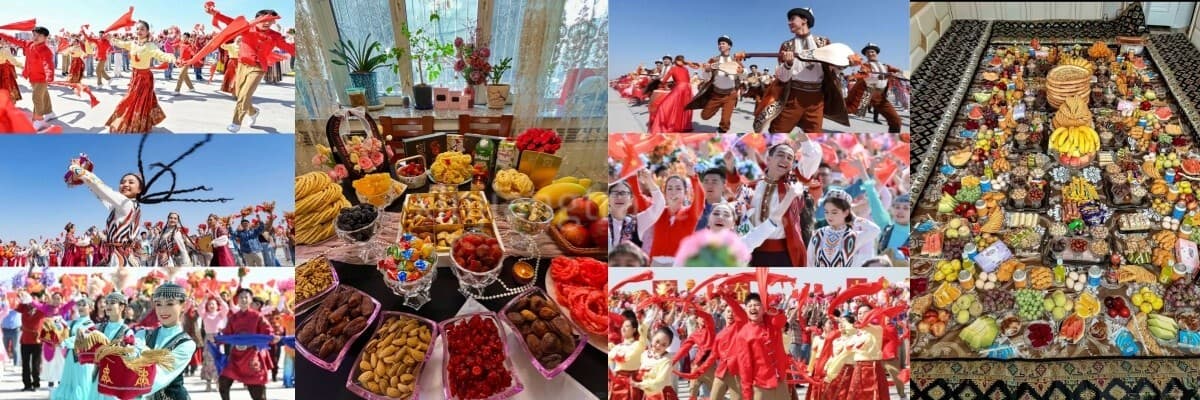
Greeting etiquette: Uyghur people use the “Salam” greeting by placing their right hand on the chest, while Kazakh people express friendliness through warm handshakes and hugs, and both ethnic groups emphasize sincere respect for elders.
Guest-receiving etiquette: Local people are known for their enthusiastic hospitality. They treat guests with the best food available, offer tea and fruits first when receiving visitors, and always see guests off to the gate, fully showing their warm and hospitable manners.
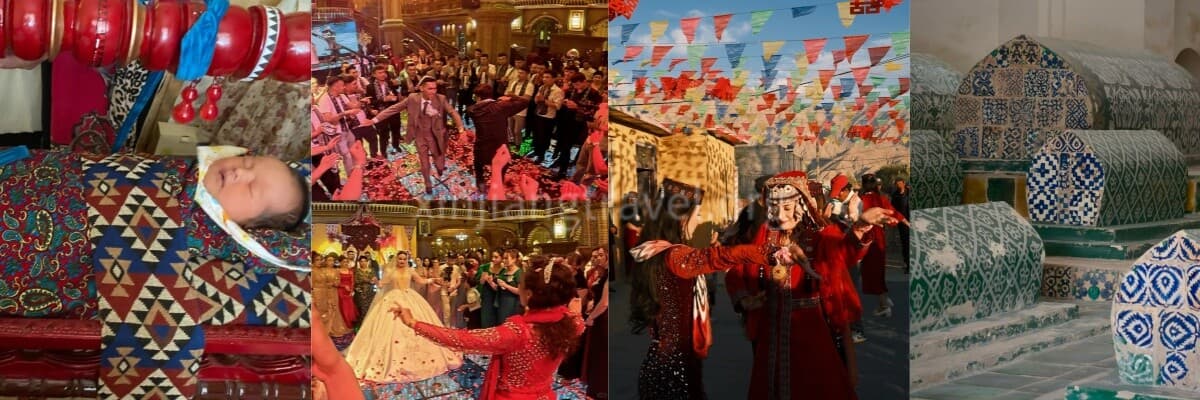
Birth and growth rituals: Uyghur families hold naming ceremonies and cradle ceremonies for infants, and they also hold circumcision ceremonies for boys aged between 7 and 12, which is seen as a symbol of entering adulthood.
Wedding rituals: Uyghur people carry out the religious “Nikah” ceremony where couples share salted naan, while Kazakh people hold engagement and wedding celebrations with activities like horse racing and Aken ballad singing, both full of distinctive ethnic characteristics.
Funeral customs: Local funeral traditions follow religious and ethnic norms. Uyghur people conduct simple earth burials in line with Islamic customs, and they uphold the practice of quick burial along with simple memorial ceremonies.
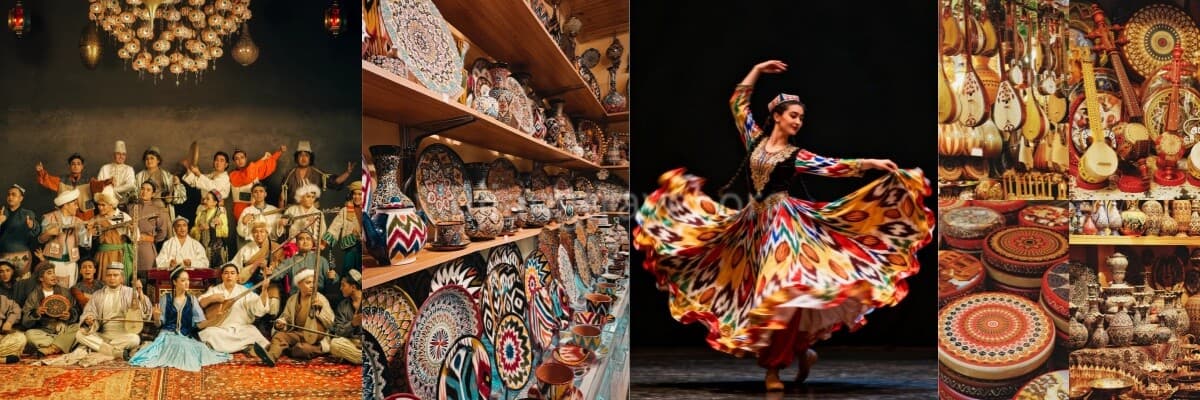
Music and dance: Uyghur people inherit the Twelve Muqam, a grand classical music and dance ensemble, Kazakh people are good at Aken ballad singing, and Kyrgyz people are skilled at playing the Komuz, all of which are important parts of ancient folk customs.
Traditional Handicrafts: Uyghur craftsmen are proficient in paper-cutting and pottery making, while Kazakh people excel in felt weaving, and all these crafts reflect the exquisite craftsmanship passed down from ancient times.
Grassland sports: Kazakh people take part in horse racing, sheep snatching and girl chasing, which fully show the bravery and agility of nomadic people.
Ethnic competitive activities: Wrestling and archery are important parts of the Mongolian Nadam Festival. These activities are important ways to inherit the ancient martial spirit.
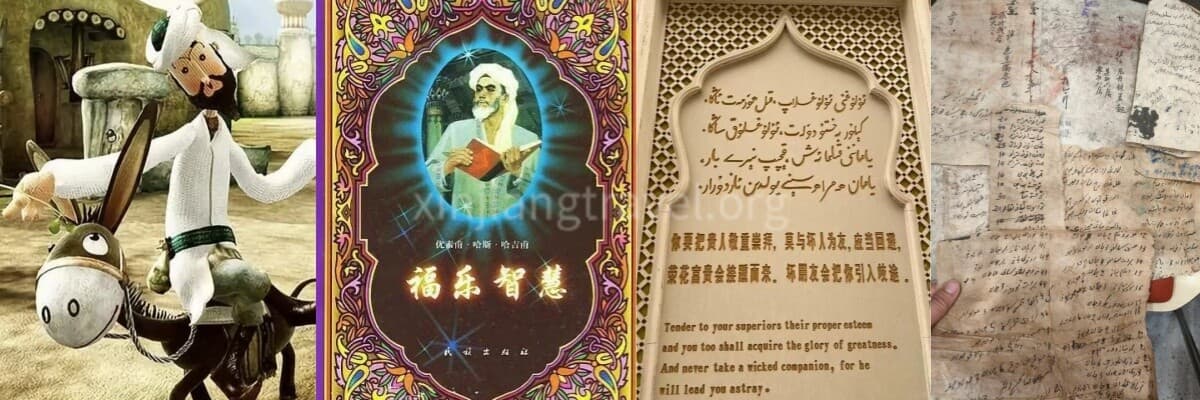
Oral inheritance: Uyghur people pass down the well-known Afanti stories from generation to generation, and Kazakh people inherit a great number of vivid folk legends, both of which record the life wisdom and core values of ancient ethnic people.
Classical works: Uyghur people have classic works such as "Kutadgu Bilig" (Wisdom of Fortune and Joy) and "Compendium of the Turkic Languages", which carry rich cultural connotations and reflect the profound cultural heritage of the ethnic groups.

Urumqi--Turpan--Korler--Kuqa--Aksu--Kashgar-Dunhuang
Silk Road Xinjiang Tour bring you to the Southern Xinjiang to explore the featured customer and profound history of ancient Silk Route. You will also experience the Sunday livestock market in Kashgar and the Pamir Plateau.

Urumqi - Fuhai - Hemu - Kanas - Karamay - Turpan - Dunhuang - Jiayuguan - Zhangye - Xining - Xi’an
This exciting 15-day adventure tour takes you to trace the footprints of the ancient travelers and savor the legend of the Silk Road. You will immerse in a variety of attracting landscapes and get a lot of opportunities to explore local people and their ethnic cultures.