20 years of pioneer in xinjiang tourism for overseas travelers
Born Here, Know Best, Your Journey's Blessed
No Shopping. No Detour, 99% Excellent Review

contact UsOn Wechat

Want to explore China's ethnic minority cultures and religious heritage? Then don't miss Xinjiang. Home to diverse ethnic groups and age-old local civilization, Xinjiang was a vital hub of cultural and religious integration on the ancient Silk Road. This cultural and religious heritage tour guide introduces you to local ethnic customs and festivals, offers immersive folk culture experiences, and takes you to time-honored Buddhist relics, letting you discover the profound and inclusive charm of Western Regions civilization.
Content |
Xinjiang is home to multiple long-established ethnic groups, each with its own unique language, living customs, traditional arts and food culture.
The Uyghur are the largest ethnic minority in Xinjiang. Their ancestors were active during the Sui and Tang dynasties and later merged with peoples of the Turpan and Tarim Basins, forming the foundation of the modern Uyghur population. Among their most celebrated cultural achievements is the Twelve Muqam, a grand musical tradition combining song, dance, and instrumental performance, with lyrics that often praise ideals of beauty rooted in Eastern aesthetics.
Mainly living in the grasslands of Iliand Altay in northern Xinjiang, the Kazakh are a typical nomadic people. They are famous for yurts, horsemanship and eagle hunting. Aken improvised singing, horse racing, and kokpar (goat-grabbing) are classic folk activities, while fermented mare's milk, dairy products, and air-dried meats are signature elements of Kazakh cuisine.
The Uzbek mainly reside in Kashgar, Yining, and Tacheng, and have long been known for their mercantile traditions. Their origins can be traced to the Golden Horde in the 14th century, with the Uzbek ethnic identity taking shape in the 15th century; some communities later migrated into Xinjiang during the Qing dynasty.
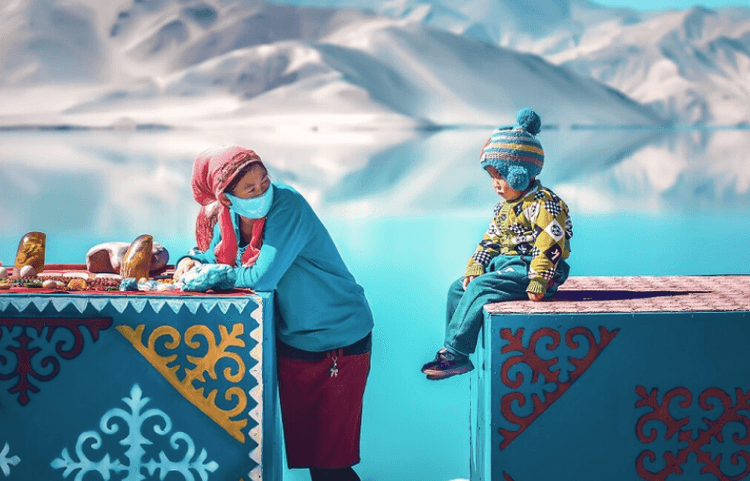
The Kyrgyz have long inhabited the mountainous regions of the Tianshan and Pamir Plateau. Their culture is centered around the epic Manas, eagle hunting traditions, and handcrafted felt carpets, all reflecting a strong highland nomadic heritage.
Known as the “Eagles of the Plateau”, the Tajik people are rooted in the Pamir Plateau. Their distinctive eagle dance, silver headdresses, and hand-weaving traditions are highly recognizable, preserving ancient highland folk customs to this day.
Xinjiang's festivals embody both the solemnity of religious traditions and the joy rooted in ancient calendars and spring agricultural customs.
With a history of more than 3,000 years, Nowruz is an ancient traditional festival celebrated around March 21 each year and is regarded as a true celebration of the new year and the arrival of spring. Marked by rituals of bidding farewell to the old and embracing the new, the Kazakhs cook traditional Nowruz food with seven ingredients including wheat, millet, meat and salt, while festive activities include horse racing, wrestling, and goat-grabbing. The festival has been inscribed on the UNESCO Representative List of the Intangible Cultural Heritage of Humanity.
Also known as the Festival of Sacrifice, Eid al-Adha is celebrated with a vibrant festive atmosphere and is often described as the “Uyghur Spring Festival”. Traditions include ritual animal sacrifice, charitable giving, prayers for blessings, and the preparation of lavish family feasts. Neighbors gather to share food and celebrate together, making it one of the most important festivals among Xinjiang's ethnic minorities.
Also known as the Festival of Breaking the Fast, Eid al-Fitr marks the completion of Ramadan. People dress in new clothes, attend religious prayers, exchange sweets and festive treats, and visit relatives and friends, creating a joyful celebration centered on family reunion and community.
Immersing yourself in local life is one of the most direct ways to understand Xinjiang.
Xinjiang cuisine is a product of ethnic interaction and regional diversity. Beyond well-known favorites such as kebabs and hand-pulled noodles, you can also savour the Uzbek dishes such as pilaf and naren, as well as Kazakh specialties like smoked horse sausage and cured meats. In urban and rural bazaars, you can also savor authentic local flavors such as samsa (baked buns) and lung and offal sausage, while soaking in the vibrant atmosphere of everyday life.
The Uyghur are renowned for their rich song and dance traditions. The grand classical suite Twelve Muqam, often called a “Pearl of the Silk Road”, represents a pinnacle of musical heritage. In everyday life, people often gather for Meshrep—a lively folk assembly that combines music, dance, games, and improvised performances. Visitors are often warmly invited to join the dancing.
Traditional crafts such as Atlas silk weaving, embroidered floral hat making, and carpet weaving can be found across Xinjiang. Uzbek men often wear embroidered shirts with cross-shaped patterns, while women favor elegant dresses. The wide variety of floral hats worn by different ethnic groups serves as a visible marker of identity and taste.
On the grasslands, you can observe or take part in equestrian sports such as horse racing and goat-grabbing. In Uyghur courtyards, you can experience traditional architectural features such as heated earthen platforms, shaded verandas, and the charm of Aywan-style residences.
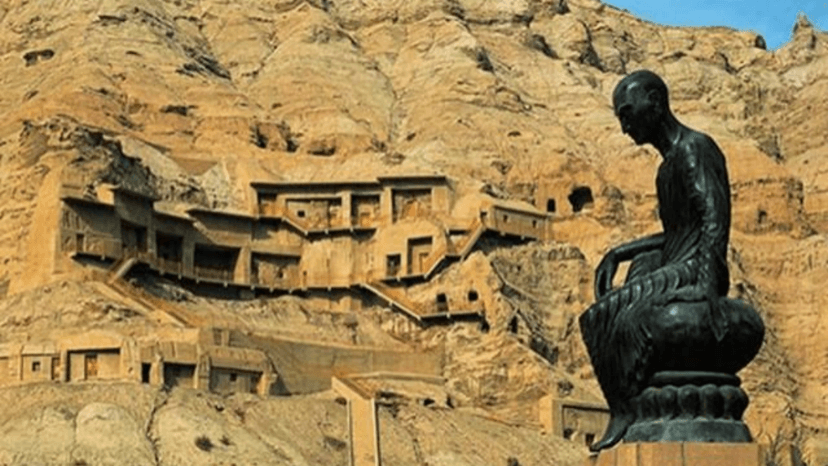
Xinjiang once served as a vital corridor for the eastward spread of Buddhism and the westward dissemination of Central Plains Buddhism. It preserves numerous grottoes and ancient temple ruins of great historical, academic and artistic value.
Gaochang Ancient City
First established during the Western Han Dynasty, Gaochang became a major Buddhist center in the Western Regions during the Tang Dynasty. When the monk Xuanzang passed through on his westward pilgrimage, King Qu Wentai famously tried to persuade him to stay, and Xuanzang is said to have preached here for over a month, becoming a well-known story along the Silk Road. The ruins of the grand Buddhist temple still retain the layout of lecture halls, pagodas and monk residences.
Bezeklik Thousand Buddha Caves
It is the largest existing cave complex in the Turpan Basin. The murals blend artistic styles of Central Asia, India and inland China, with a large number of Uyghur and Chinese inscriptions side by side. It is regarded as the crossroads of Buddhist art on the Silk Road.
Kizil Caves
One of the earliest large-scale cave complexes in China, with a longer history than the Mogao Caves in Dunhuang. More than 10,000 square meters of murals are preserved here, integrating artistic elements of ancient India, Greco-Roman, Persian, as well as the Han and Tang civilizations of Central Plains. It represents the artistic peak of Qiuci culture.
Subashi Buddhist Temple Ruins
Constructed in the Wei and Jin dynasties, the temple was once magnificent in scale. As a World Heritage site of Silk Roads: the Routes Network of Chang’an-Tianshan Corridor, it features abundant remains of pagodas, halls and monk quarters, witnessing the prosperity of Buddhism in ancient Qiuci.
April—June (Spring)
With temperatures ranging from 10°C to 28°C (50°F–82°F), spring is pleasantly mild and ideal for travel. Apricot blossoms bloom along the Tashkurgan River Valley from late March to early April, making it the most beautiful season on the Pamir Plateau. This is also the ideal time to wander through the ancient towns of Kashgar and Yarkand, and to explore heritage sites such as the Kizil Caves and Subashi Buddhist Temple Ruins. With fewer tourists and soft natural light, it is also perfect for photography.
September—November (Autumn)
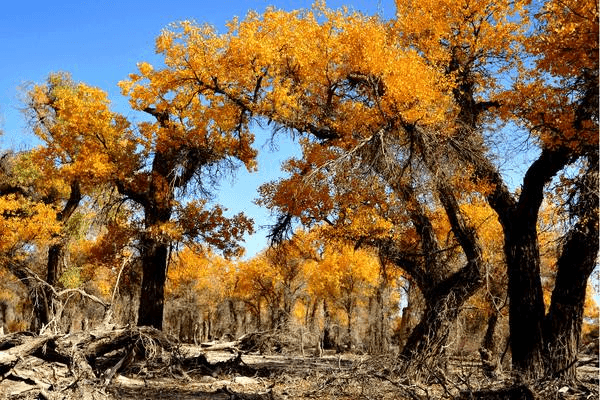
With clear skies and cool breeze, autumn is another prime season to visit. The poplar forests in the Tarim Basin reach their peak in mid-to-late October, turning a brilliant golden yellow. A variety of local fruits ripen at this time, including sweet grapes, pomegranates and figs. The bazaars in Kashgar’s old town become especially lively. The weather along the Taklamakan Desert Highway is mild in autumn, ideal for self-driving tours.
Xinjiang is vast, so flying or taking high-speed trains between cities is the most efficient option. For reaching deeper scenic spots, chartered cars or self-driving are necessary.
Xinjiang is home to many ethnic groups. Please respect local customs. Remove your shoes before entering a mosque. Women should dress modestly and avoid wearing short skirts or shorts. Do not bring non-halal food into halal restaurants. Always ask for permission before taking photos of local residents.
There is a significant temperature difference between day and night. Even in summer, a jacket or coat is necessary. The desert regions in southern Xinjiang are very dry with strong winds, so it's essential to bring lip balm, moisturizer, sunglasses, and a headscarf or mask.
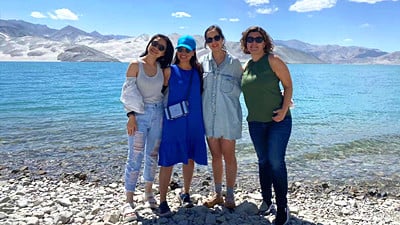
Kashagar - Taxkorgan - Urumqi - Heavenly Lake - Turpan
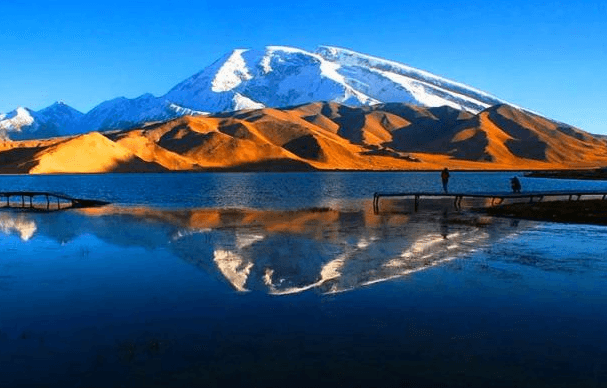
You will have all the essential sites in Kashgar, Turpan and Urumqi packaged. The magnificent Pamir Plateau, beautiful Karakul Lake, mysterious Jiaohe Ruins and lively Sunday Bazaar... all included!
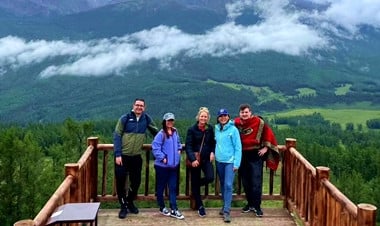
Kashgar - Taxkorgan - Turpan - Urumqi - Beitun - Hemu - Kanas - Burqin - Urho
Best Xinjang Tour to Kashgar and Kanas includes the most beautiful natural landscapes in northern Xinjiang like Kanas and Hemu and the Kashgar livestock market and old city are all in the package.
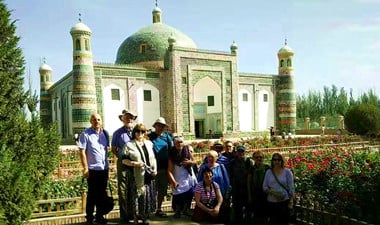
Kashgar - Taxkorgan - Urumqi - Turpan - Fuhai - Hemu - Kanas - Urho - Jinghe - Yining - Tekes - Naraty
Experience all the essential sights in Xinjiang. No matter what you want from a trip in Xinjiang, you can find it here! From plateau to grassland, oasis to desert, mountains to lakes, villages to relics.
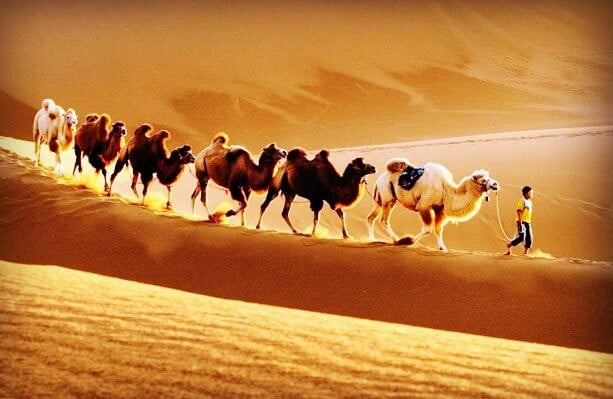
Urumqi-Heavenly Lake-Turpan-Urumqi
Urumqi and Turpan Tour, Enjoy the free shopping in the Grand Bazaar, overnight in the local Kazakhs Yurt in Heavenly lake. Adventure to the Kumtag Desert where you can experience the camel riding as Silk Road Caraven.Taste the authentic Xinjiang Flavor in the local Uighur family.