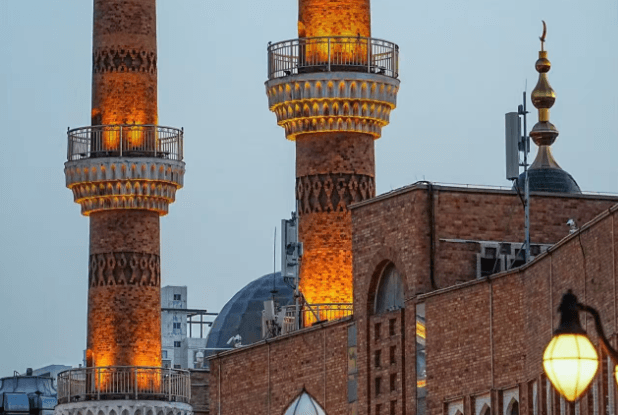
20 years of pioneer in xinjiang tourism for overseas travelers
Born Here, Know Best, Your Journey's Blessed
No Shopping. No Detour, 99% Excellent Review

contact UsOn Wechat
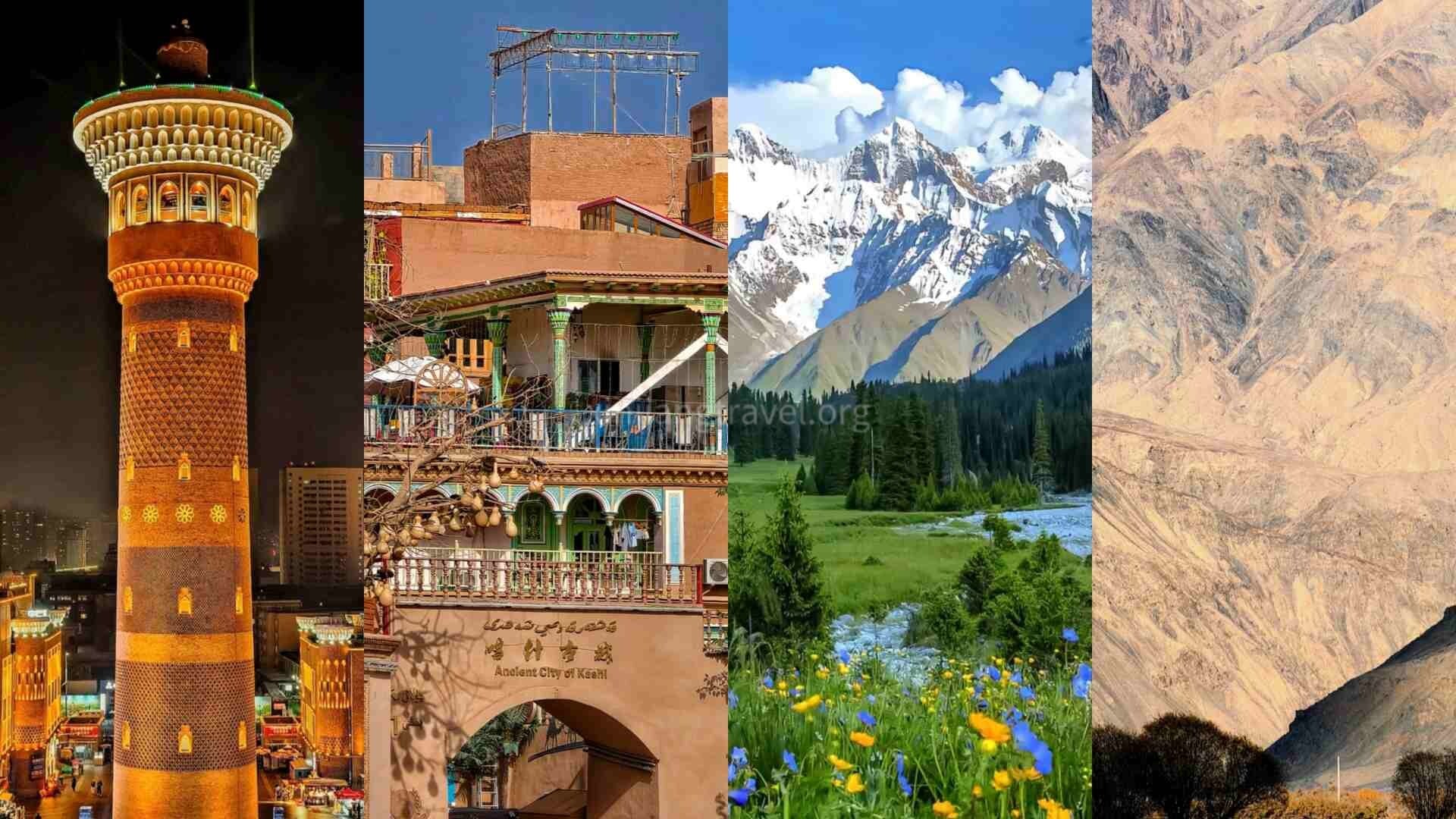
Nowruz is a spring celebration shared by several ethnic groups in Xinjiang, including the Uyghur, Kazakh, and Kyrgyz people. It offers visitors a genuine chance to experience local folk traditions, satisfy their curiosity, and get close to the traditional life of Xinjiang's various ethnic communities in an authentic atmosphere.
Nowruz falls around March 21st each year. Its core meaning is to say goodbye to the old and welcome the new, celebrating the revival of nature. It carries the hopes of Xinjiang's people for the year ahead. Travelers are welcome to join Nowruz and experience its folk charm.
Origins and Cultural Meaning
Origins: Nowruz traces back to the ancient Persian calendar as the New Year. It has a long history and entered Xinjiang through cultural exchanges. Over time, it was adopted and passed down by the Uyghur, Kazakh, Kyrgyz, and others, becoming a shared traditional festival. In 2009, it was inscribed on the UNESCO Intangible Cultural Heritage list, and in 2010 it became the International Day of Nowruz.
Cultural meaning: At the heart of Nowruz is "unity, coexistence, and prayers for peace and health." During the festival, people across Xinjiang set aside their daily routines and prepare for the celebration together, helping one another regardless of ethnicity and sharing joy. It reflects how different ethnic groups live side by side in harmony and presents a positive picture of Xinjiang.
Taste of Spring: A Bowl of Nowruz Porridge, Half a History of Life
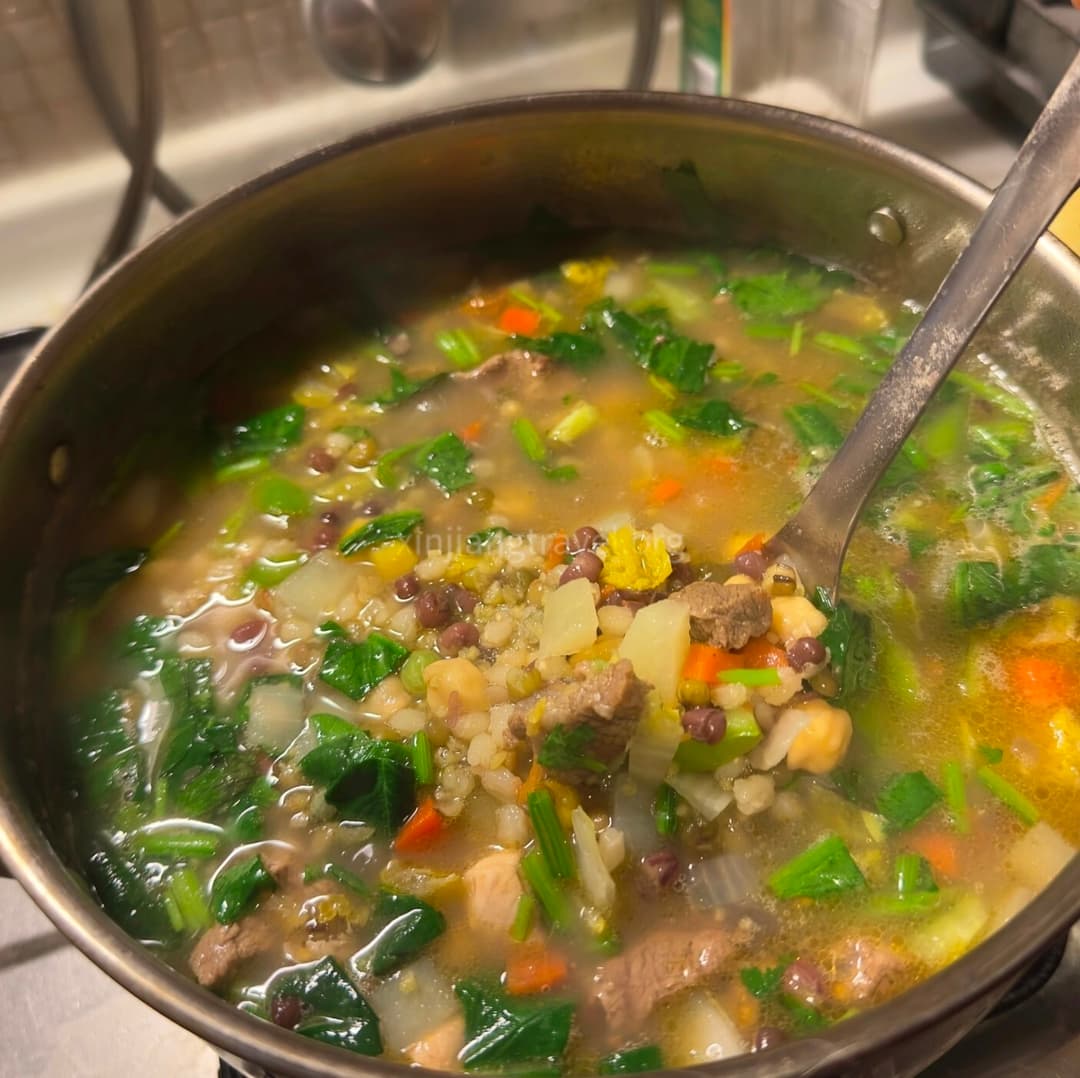
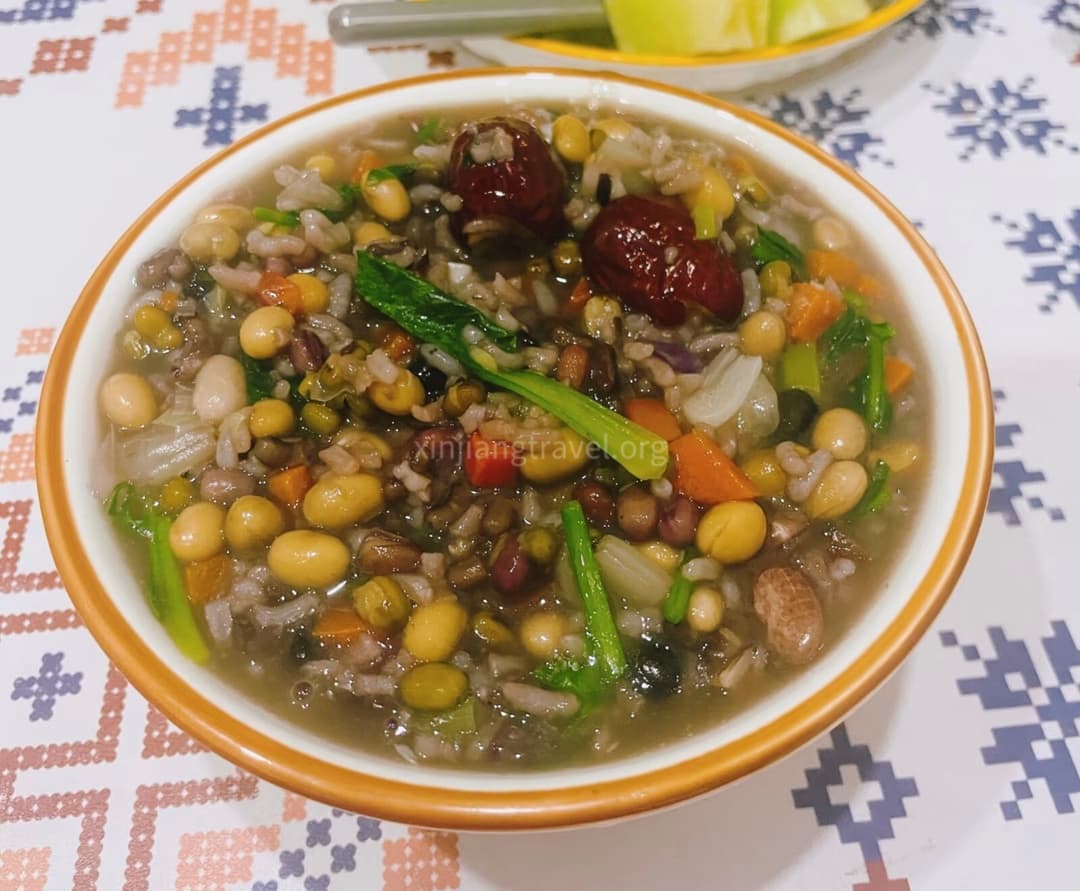
The most symbolic ritual of Nowruz is undoubtedly the Nowruz porridge. This is no ordinary meal.
The day before the festival, women in every household prepare at least seven ingredients: wheat, barley, mung beans, soybeans, corn, red dates, almonds, plus chunks of lamb. All of it goes into a large pot and simmers over low heat from early morning until late afternoon. Elders say the seven ingredients stand for seven days, and the longer it cooks, the smoother the coming year will be.
When you taste it, the porridge is thick and savory, with a hint of dried fruit sweetness and rich broth. First-timers might find it a bit unusual, but after a few spoonfuls, it's hard to stop. In a Kashgar teahouse, a Kazakh herder's yurt, or a village below the Stone Fort in Tashkurgan, you'll see people sitting around the kang with bowls in hand. No toasts are needed, no small talk required – the sound of drinking porridge says it all.
How Different Ethnic Groups Celebrate, and How You Can Join In
During Nowruz, each ethnic group has its own traditions. For visitors, these are the most vivid experiences.
Uyghur: When the Music Starts, Feet Get Itchy
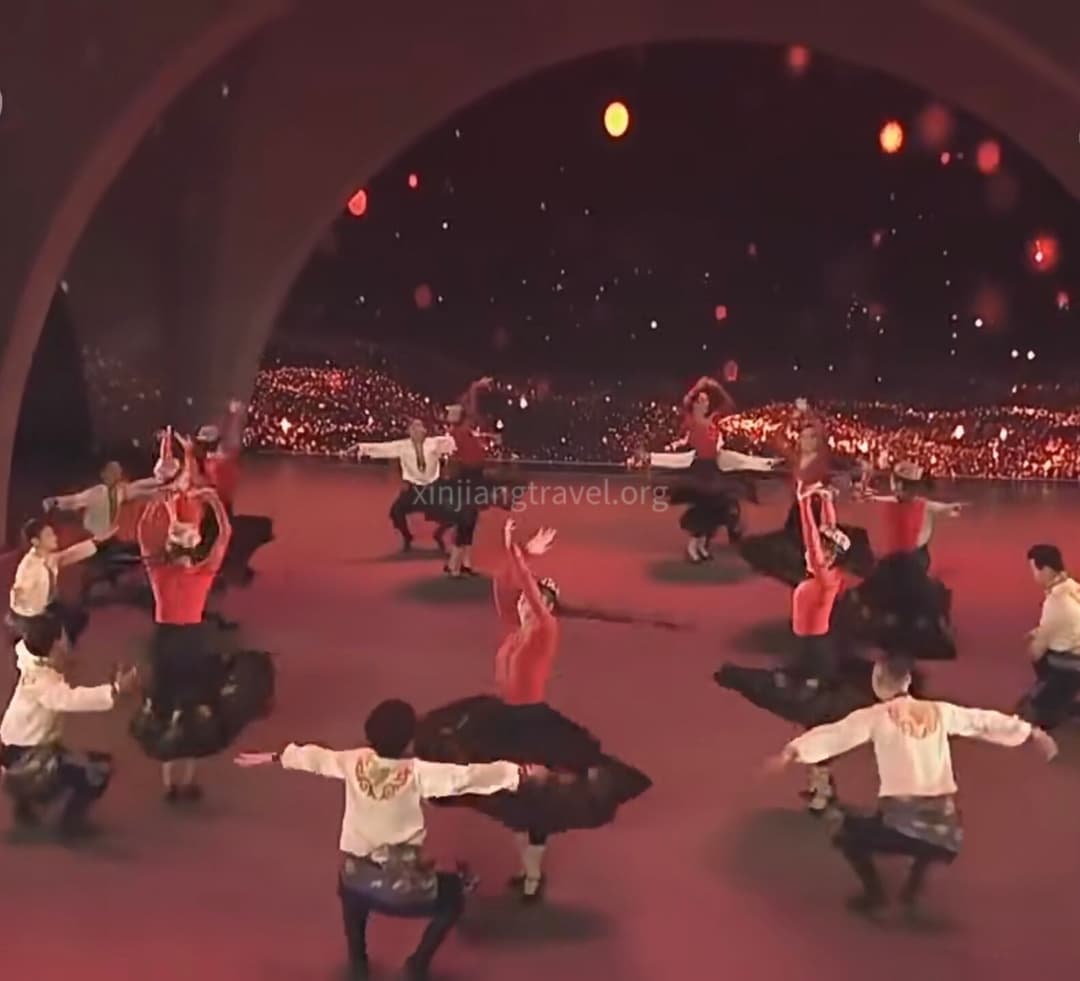
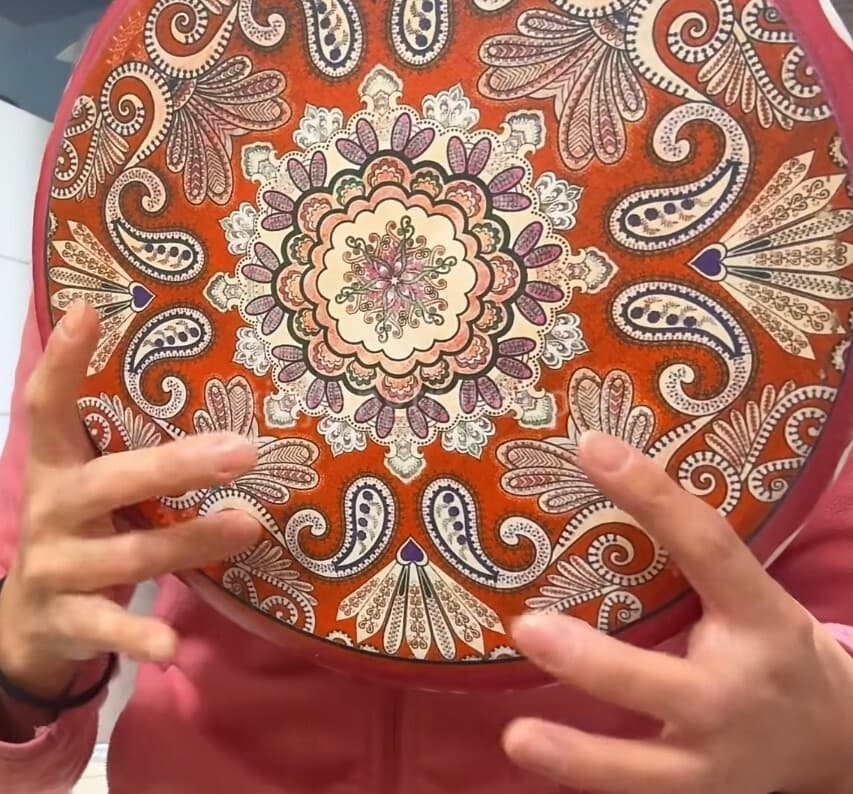
In Kashgar's Old City or Shache County, on festival afternoons, the sound of the dutar and drum fills the square. Men begin dancing the sama – steady, powerful steps like spring thunder rolling across the land. Then young people join in the meshrep, spinning, flipping their wrists, raising their eyebrows, faster and faster. Don't be shy. Just shake your hips to the beat, and locals will smile and make space for you. In their eyes, a guest who can dance is one of them.
Kazakh: Spring on Horseback
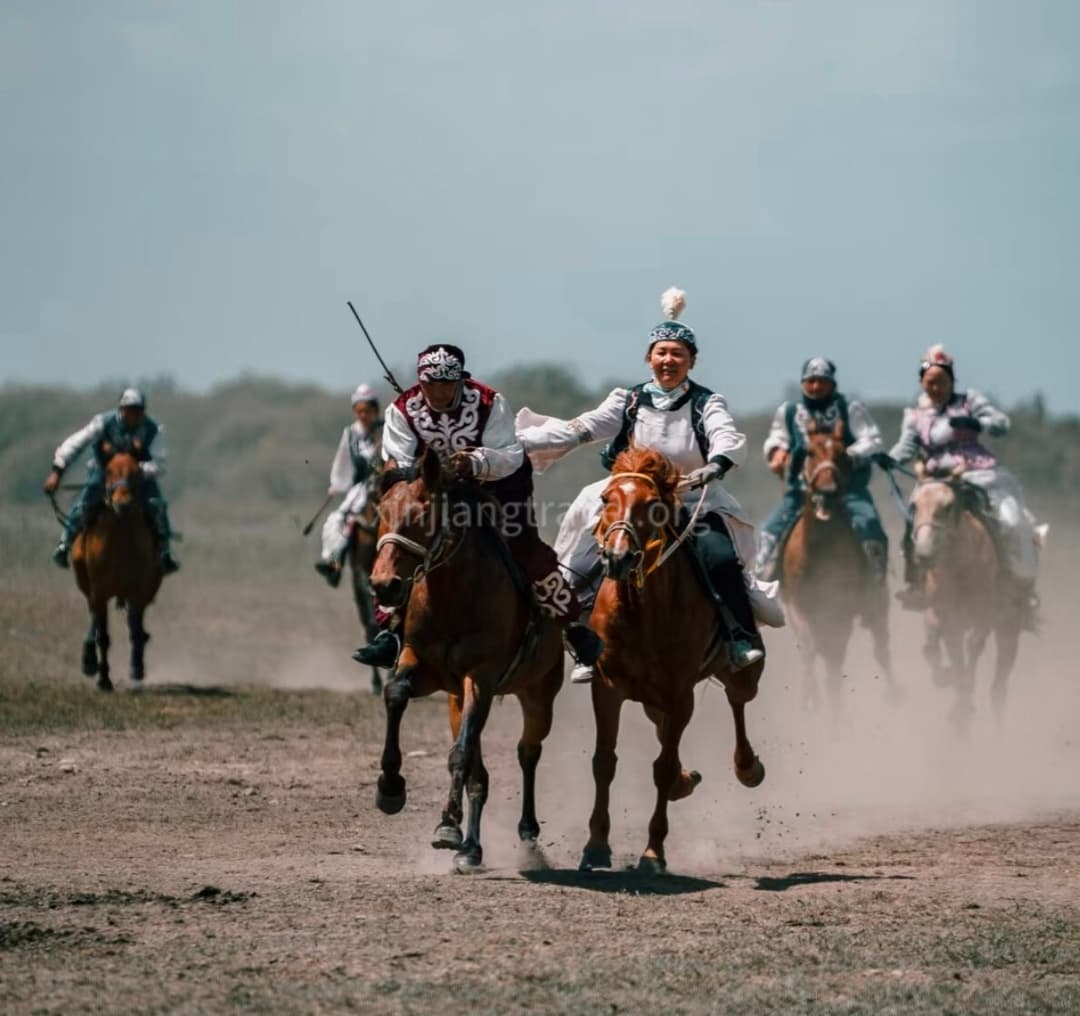
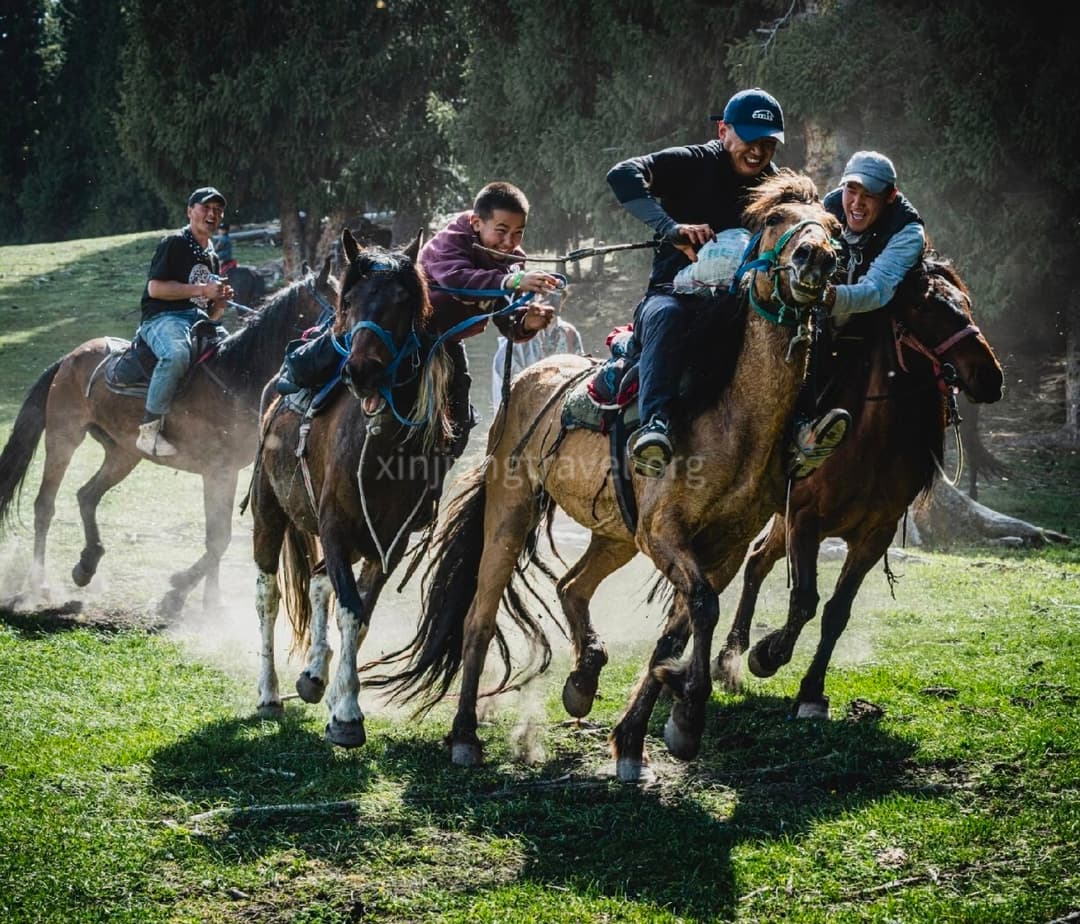
If you're in Nalati Grassland or Zhaosu County in Ili during the festival, don't miss the Kazakh equestrian games. Buzkashi (goat grabbing) is the most thrilling. Dozens of riders fight over a goat carcass, pulling and tugging in clouds of dust. The winner throws the goat at a designated doorstep, symbolizing good fortune. Then there's "girl chasing" – young men and women ride side by side. If a young man dares to tease, the woman chases him with a whip. But when the whip lands on his back, it's as light as the wind.
Kyrgyz and Tajik: Eagle Flute and Yak
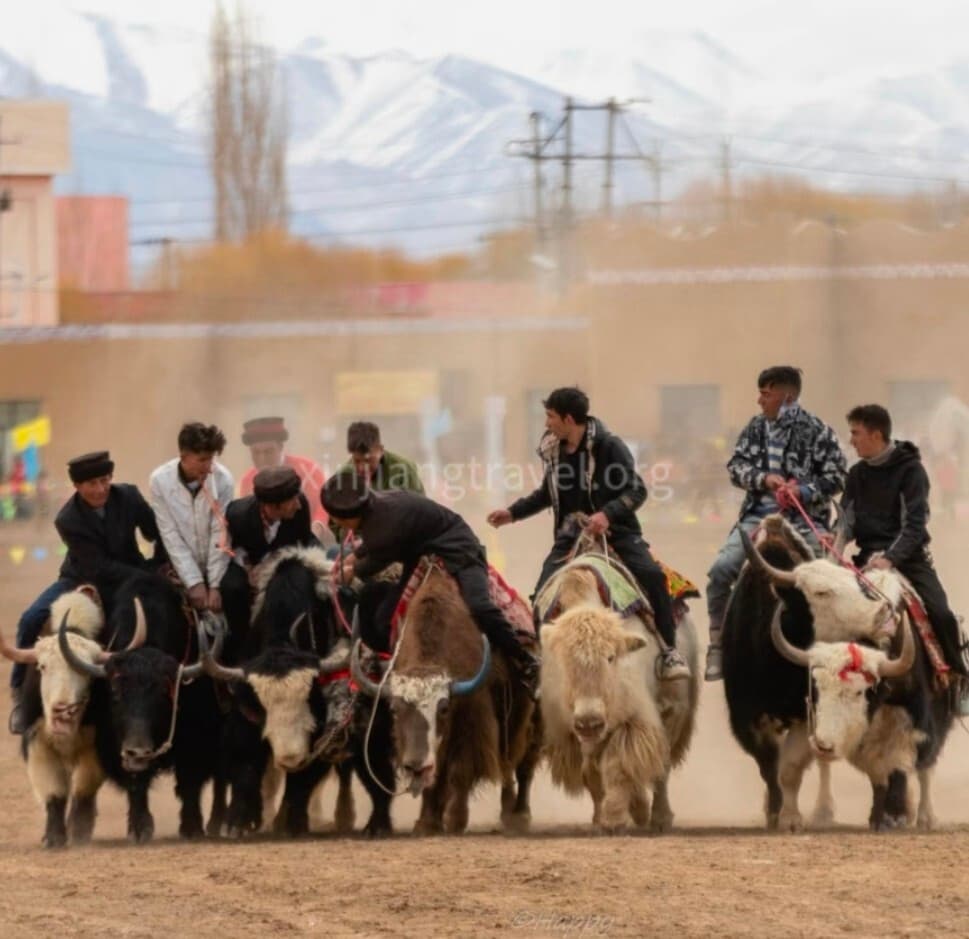
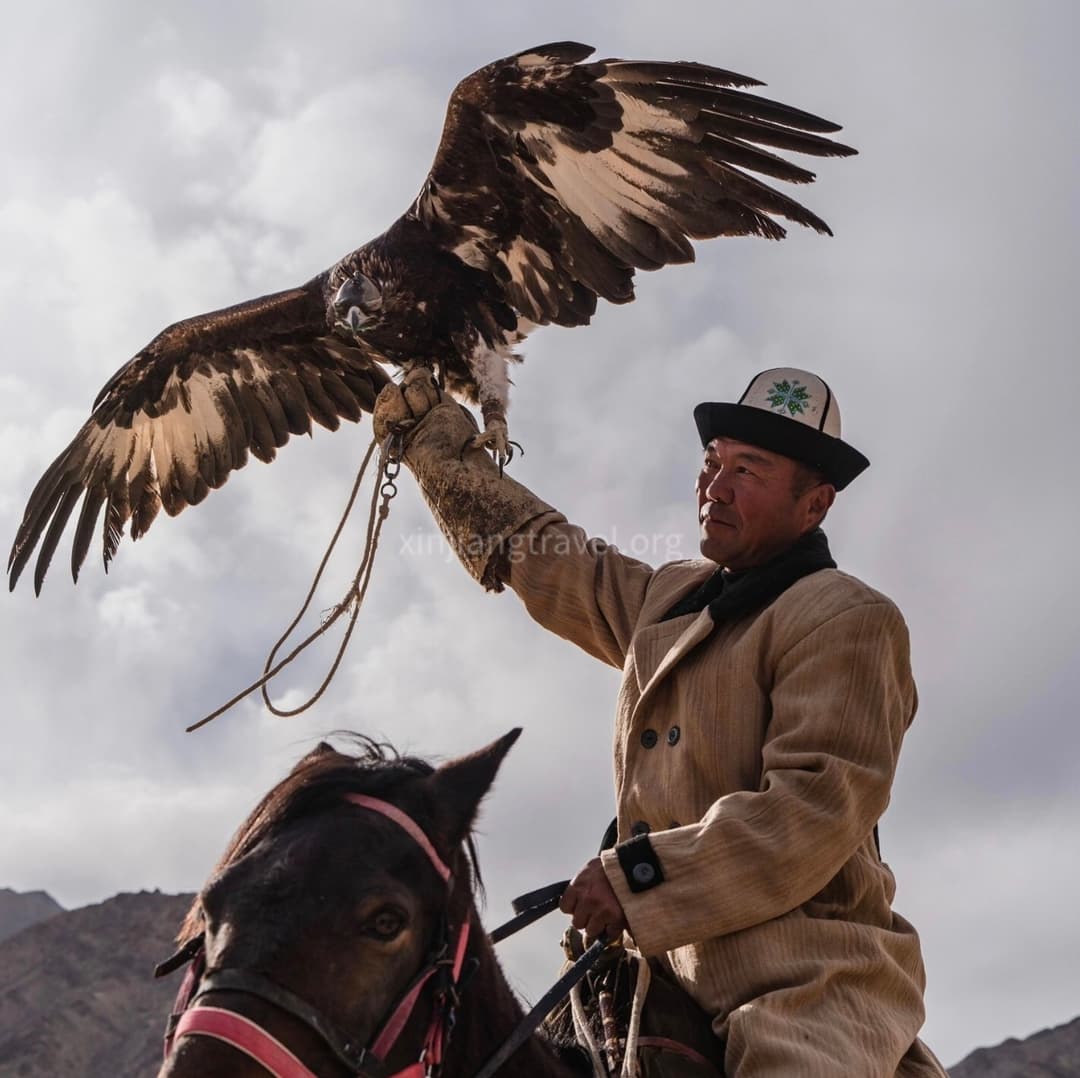
In Tashkurgan on the Pamir Plateau, the celebrations are rougher. Kyrgyz elders appear with trained eagles. The eagle flute sounds, and the golden eagle spreads its wings, circles, and lands precisely back on the leather glove. Tajiks hold yak buzkashi on thawing grasslands. Riders on stubborn, lumbering yaks compete for a ball – more comical and fiercer than on horseback. These are rarely seen on ordinary days. Only during important festivals like Nowruz do herders gather for such games.
Best Places to Go
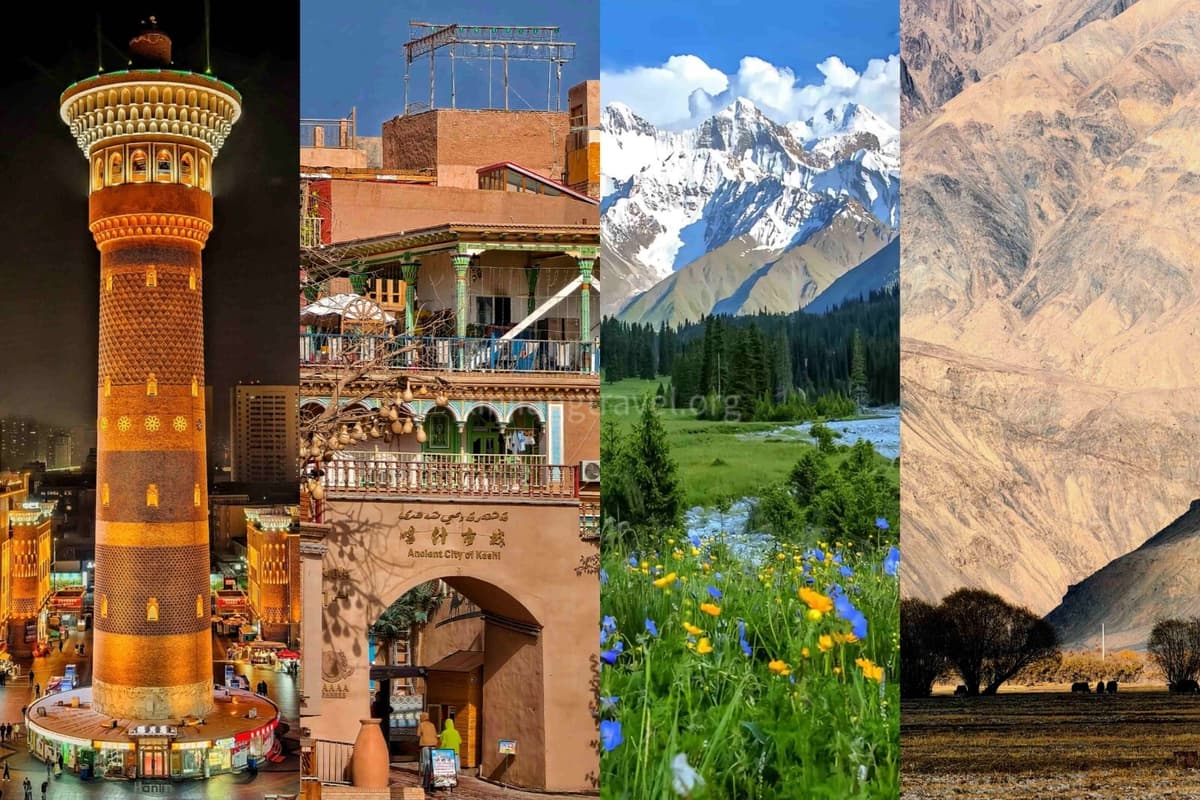
Urumqi: Around the Erdaoqiao International Grand Bazaar, you'll find concentrated song, dance, and food stalls – good for travelers short on time.
Kashgar region: Kashgar Old City, Shache County, Yengisar County. The atmosphere is strongest here, with the most authentic household rituals and street festivities.
Ili Valley: Yining City, Nalati Grassland, Zhaosu County. Focus on Kazakh horse racing, buzkashi, and grassland aken singing.
Tashkurgan Tajik Autonomous County: High altitude, but you'll see unique yak buzkashi and eagle flute performances – ideal for cultural photography enthusiasts.
Travel Tips
Respect privacy: Not every family ritual is open to the public. If you want to enter a local home, always ask first through a guide or a bilingual friend. Once permitted, enter. Never push open a gate and start taking photos.
Photography etiquette: Before photographing elders or children, smile, nod, and gesture. Most people will happily agree. But if someone waves their hand or turns away, put down your camera. Especially near mosques or cemeteries, never take photos.
What to wear: March in Xinjiang – north of the Tianshan may still have snow, and the Pamir Plateau is even colder. A down jacket or thick fleece is essential. Around Kashgar in southern Xinjiang, daytime temperatures can reach about 15°C, but the temperature difference between day and night is large. Layering is the safest bet. When entering a local home, take off your shoes, and women should avoid overly revealing clothing.
Kashgar-Pamir
This tour promises not just a journey, but an experience of a lifetime, filled with breathtaking landscapes, cultural immersion, and the thrill of horseback riding in one of the world’s most remote and stunning regions. Get ready to create memories that will last forever!
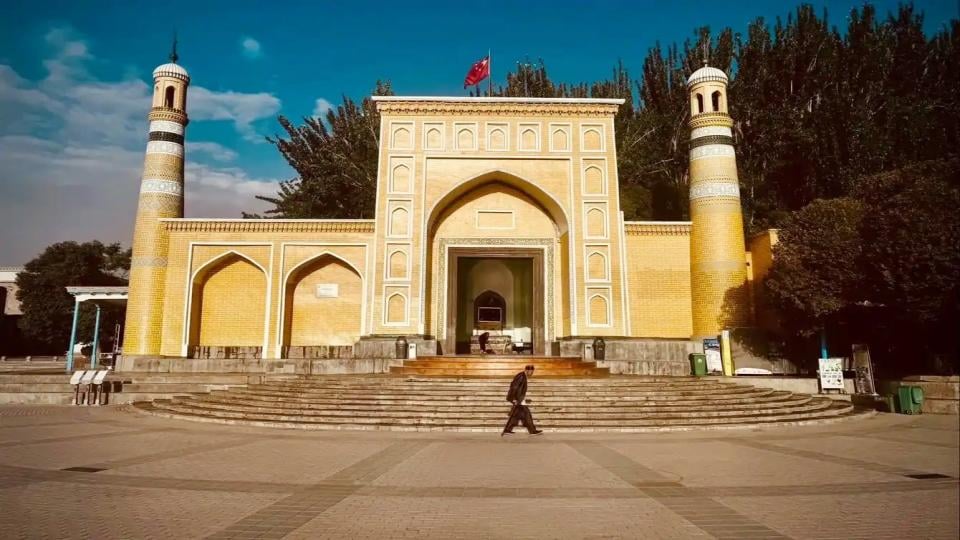
Kashgar-Taxkorgan
Experience Xinjiang's magic on a 7-day tour from Kashgar's ancient town and Id Kah Mosque to the Pamir's breathtaking landscapes. Drive the China-Pakistan Highway, marvel at Karakul Lake's beauty, explore Stone Fortresses, and immerse in Yarkent's living history before returning, enchanted by this cultural crossroads.
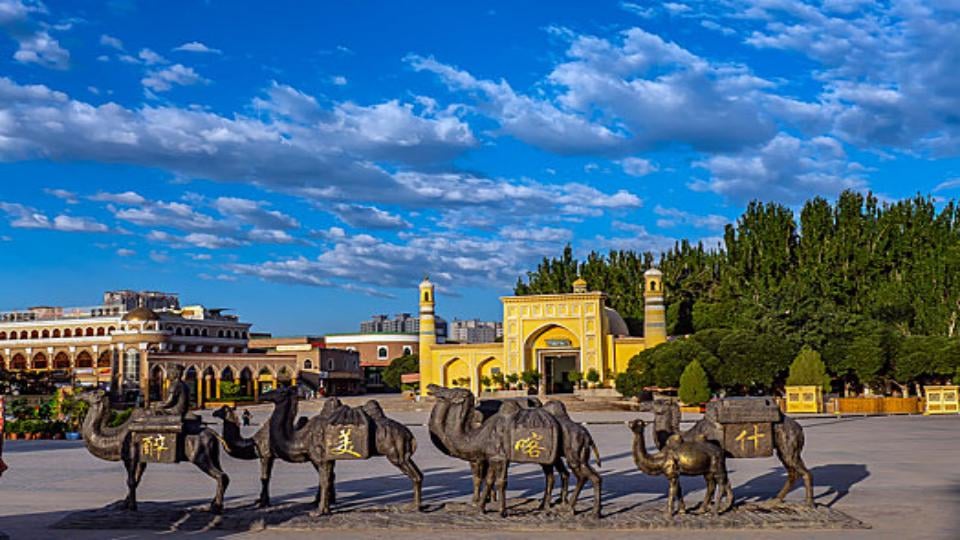
Kashgar-Yingjisha Village-Makit Daolang Village-Urumqi
Dive deep into Uyghur culture with this 6 days cultural tour! Master naan bread baking, weave carpets in local workshops, and barter at Kashgar’s vibrant Sunday Bazaar. Visit ancient mosques, savor authentic lamb pilaf, and witness centuries-old traditions. A must for travelers craving authentic Xinjiang experiences!
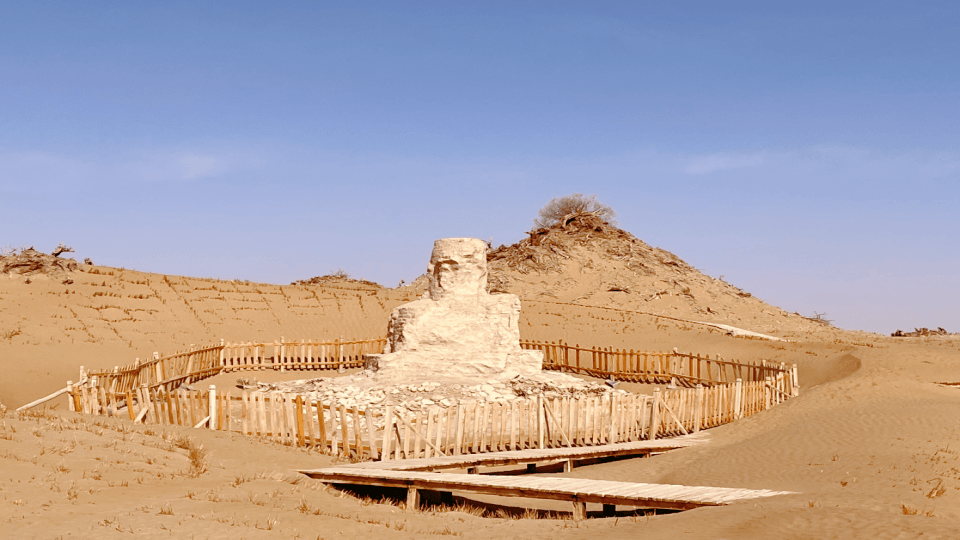
Urumqi-Korla-Minfeng-Daliyabuyi-Hotan-Kashgar
Embark on a mesmerizing 9-day adventure through the mystical Taklamakan Desert. Along the way, discover oasis towns, vibrant markets in Hotan, and the enchanting finale in Kashgar. This adventure blends breathtaking landscapes, rich heritage, and unforgettable cultural encounters.