20 years of pioneer in xinjiang tourism for overseas travelers
Born Here, Know Best, Your Journey's Blessed
No Shopping. No Detour, 99% Excellent Review

contact UsOn Wechat
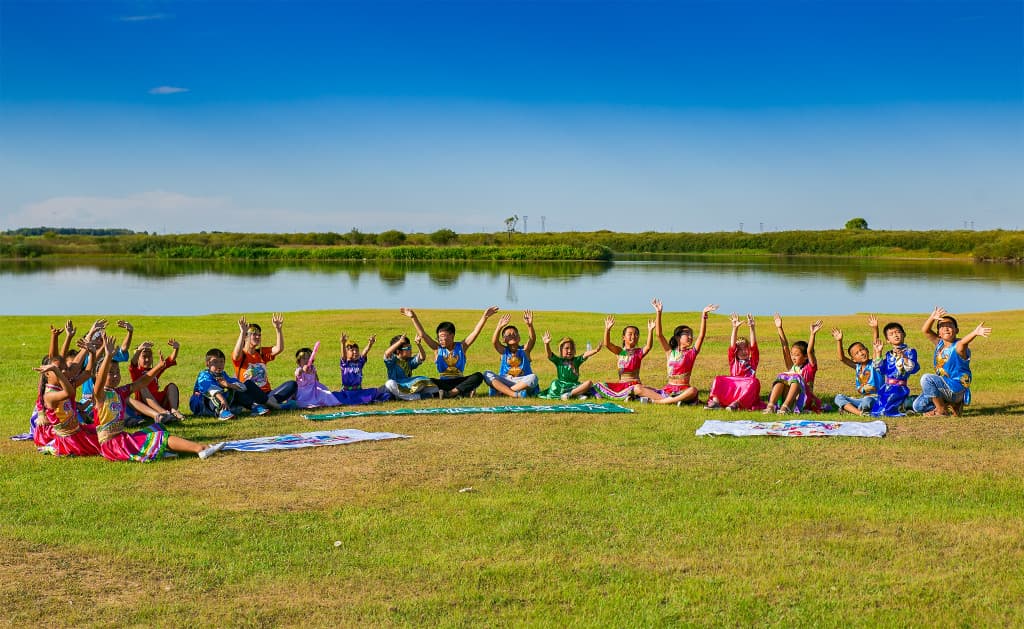
Daurs form an ethnic nationality with long standing agricultural culture and a long history in the north China. “Daur” is the name with which the people of the Daur called themselves, meaning “cultivator”. in the Qing Dynasty, Daurs were organized in the “Eight Banner System” and transferred to the frontier constantly, even as far as to Xinjiang. About 5 thousand of them are found in the Tacheng area and some in Huocheng County and Urumqi. They are descendents of Daur soldiers who moved to Tacheng in the time of Qing Dynasty. After 1949 when PRC was founded, “Arxir Daur Town Community” was established.
The Daur people have their own language, which is a Mongolian dialect of the Altai Language Family. Since they have been living with other nationalities, most of them are good at speaking Chinese, Mongolian, Uygur, and Kazak. Daurs used Manchu writing system in the Qing Dynasty but the Chinese writing system after the 1911 Revolution.
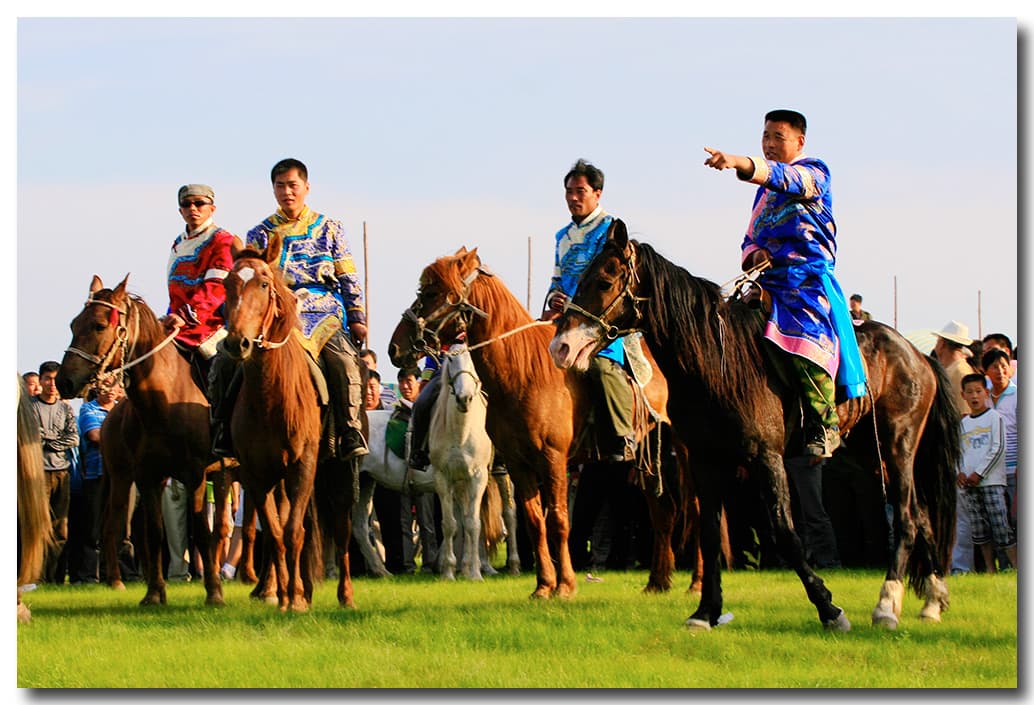
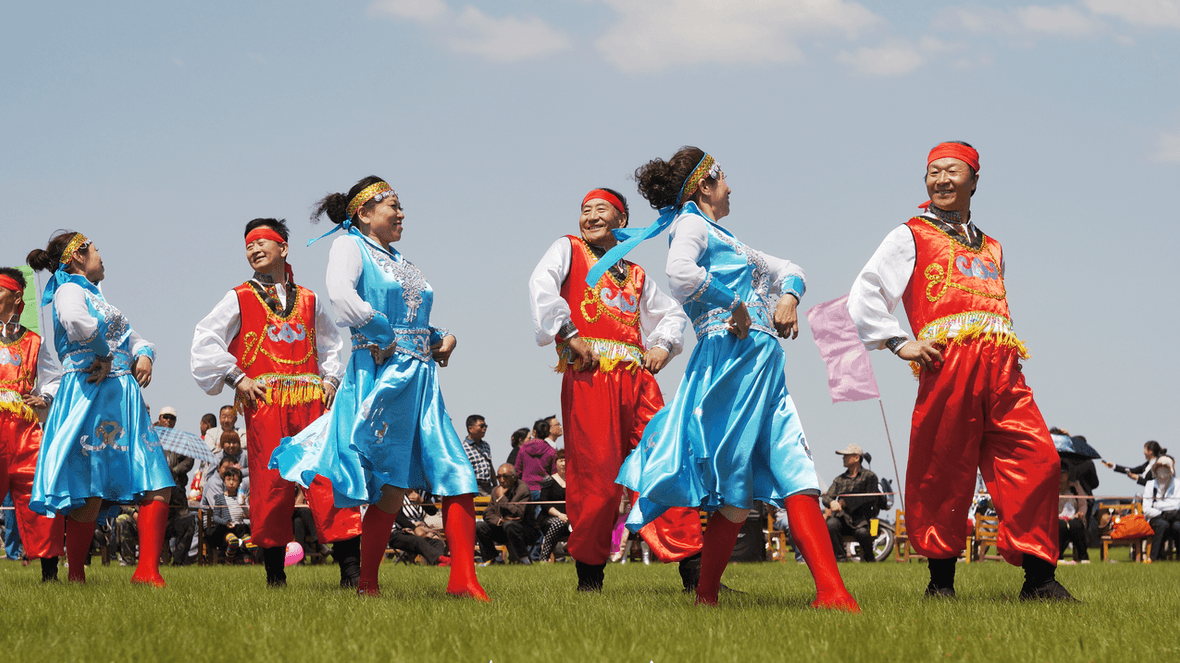
The clothing of Daur's look like Mongolians'. Women 's gown, collar, cuff are decorated with embroidered fine patterns. Nowadays, men wear uniforms and suits. The Daur people eat mostly grain and also like beef, mutton and dairy products.
Spring Festival, called “A Nie Jie” is the most important. At the New Year's Eve, everyone should pay respect to ancestors and the tombs. On this night, no one will sleep until the New Year has come. The juniors go to pay a New Year call to the town seniors. Then everyone greets each other. These activities last for fifteen days. Daurs also spend “Qingming” Festival, Duanwu Festival (Dragon Boat Festival), Mid-Autumn Day, and Lantern Festival on the 10th,October.
Daurs are very hospitable. They help each other and respect elder people. The religion of the Daurs was Shamanism, while a few were followers of Lamaism.