
20 years of pioneer in xinjiang tourism for overseas travelers
Born Here, Know Best, Your Journey's Blessed
No Shopping. No Detour, 99% Excellent Review

contact UsOn Wechat
Located in the southern area of Xinjiang Uygur Autonomous Region, Hetian formerly known as “Hotan” in ancient times, meaning “land of jade”. The area hosted some of the thirty-six Western Region countries such as Khotan, Pishan, Qule, Jingjue, Xulu. In the Qing Dynasty, Khotan changed its name to “Hetian” in 1959, the character Tian was simplified to its current format. In ancient times Hetian enjoyed vast land and rich resources, the residents there mainly engaged in agriculture, farming and animal husbandry. Hetian was the first area of the Western Regions that acquired the sericulture technology from the Central Plains, the area produced mulberry, hemp, jade, silk, and carpet to name just a few.
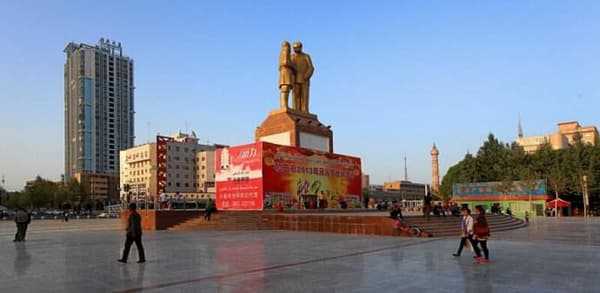
Xinjiang Hotan was one of the regions where Buddhism was introduced earliest in China, as early as during the 1st century B.C. Buddhism was introduced to Khotan which became one of the earliest Buddhist cultural centers in the Western. Hotan was known as ‘Buddhist Kingdom Khotan' . Famous monks such as Faxian of the Jin Dynasty, Xuanzang of the Tang Dynasty and others had all left their footprint in Khotan. The prosperity of Buddhist Kingdom, it left many ancient towns and Buddhist sites, such as the Niya Ruins, the Teyuegan Ruins, where a large amount of precious cultural relics were unearthed. In the 11th century, with the eastward spread of Islamism, people in Hotan gradually converted to believe in Islamism.
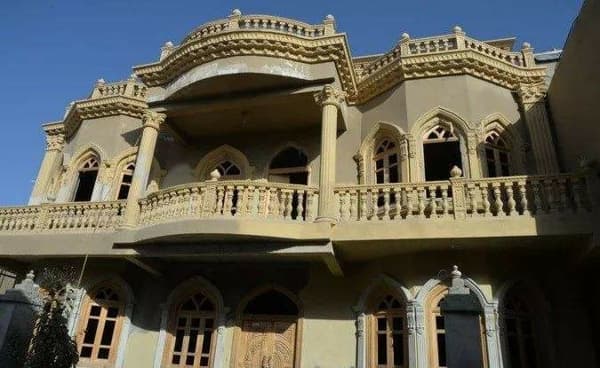
With fertile land and adequate sunshine, Hotan was very suitable for sericulture development. As a famous town on the Silk Road, Hotan was the earliest production base of sericulture in Xinjiang and brocade and fine silk producing centre. Archaeological findings proved that as early as 2000 years ago, Hotan people already mastered the process of sericulture, spinning and dyeing. Silk trade flourished. Altas silk is a speciality of Hotan. In Han Chinese, it is commonly referred to as “Hotan flowery silk”, meaning ‘tie-dyed-silk'. Its soft texture and gorgeous colours are made using the old tie-dye method. It is light and elegant with unrestrained and rough patterns of many variations.
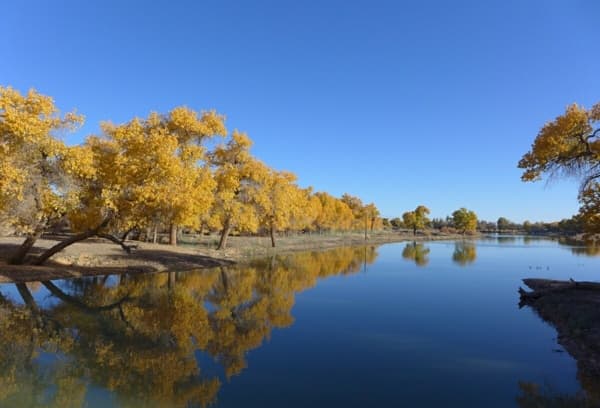
Xinjiang Hotan is also known as the hometown of ‘carpets'. As early as during the Tang Dynasty, there were shops dealing in Hotan felts and carpets in Chang'an, during the Qing Dynasty, local officials from Hotan included Hotan carpets in the list of tributes to the imperial court. Hotan carpets have eye-catching colors, elegant tones, delicate patterns, exuding unique Uighur artistic styles and oriental charm, and have high practical value.
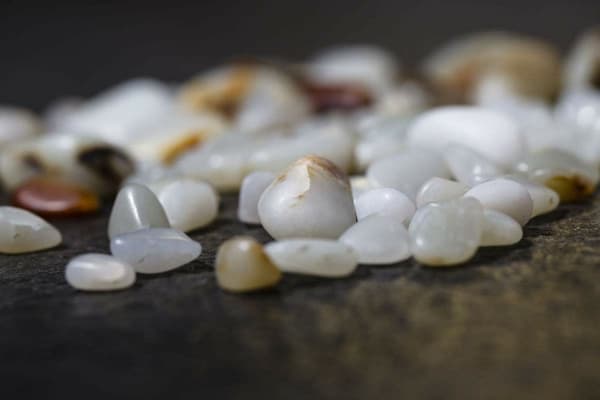
The most famous specially of Hotan area is jade. As early as during the Neolithic Period, Hotan man found gem quality jade in the Kunlun mountain and made it a media for communication between central and western China, as well as for East and West cultural and economic exchange. Transport passage for jade from Hotan emerged as the oldest ‘Jade Road', some 1000 years earlier than the Silk Road. It can be said that the Jade Road was the predecessor of the Silk Road during the Han Dynasty, Zhang Qian who traveled to Western Region countries and opened the Silk Road was guided by the Jade Road in the first place. Since then, the Jade Road became all the more smooth. Central Plain merchants shipped to Western Regions large amount of silk and medicinal herbs and brought back jade and native products from the Western Regions on their return. The imperial court built in Gansu the Yumenguan(Jade Gate Pass), implying that the jade is entering the country as of this pass.
Located in the southern area of Xinjiang Uygur Autonomous Region, Hetian formerly known as “Hotan” in ancient times, meaning “land of jade”. The area hosted some of the thirty-six Western Region countries such as Khotan, Pishan, Qule, Jingjue, Xulu. In the Qing Dynasty, Khotan changed its name to “Hetian” in 1959, the character Tian was simplified to its current format. In ancient times Hetian enjoyed vast land and rich resources, the residents there mainly engaged in agriculture, farming and animal husbandry. Hetian was the first area of the Western Regions that acquired the sericulture technology from the Central Plains, the area produced mulberry, hemp, jade, silk, and carpet to name just a few.
Xinjiang Hotan was one of the regions where Buddhism was introduced earliest in China, as early as during the 1st century B.C. Buddhism was introduced to Khotan which became one of the earliest Buddhist cultural centers in the Western. Hotan was known as ‘Buddhist Kingdom Khotan' . Famous monks such as Faxian of the Jin Dynasty, Xuanzang of the Tang Dynasty and others had all left their footprint in Khotan. The prosperity of Buddhist Kingdom, it left many ancient towns and Buddhist sites, such as the Niya Ruins, the Teyuegan Ruins, where a large amount of precious cultural relics were unearthed. In the 11th century, with the eastward spread of Islamism, people in Hotan gradually converted to believe in Islamism.
With fertile land and adequate sunshine, Hotan was very suitable for sericulture development. As a famous town on the Silk Road, Hotan was the earliest production base of sericulture in Xinjiang and brocade and fine silk producing centre. Archaeological findings proved that as early as 2000 years ago, Hotan people already mastered the process of sericulture, spinning and dyeing. Silk trade flourished. Altas silk is a speciality of Hotan. In Han Chinese, it is commonly referred to as “Hotan flowery silk”, meaning ‘tie-dyed-silk'. Its soft texture and gorgeous colours are made using the old tie-dye method. It is light and elegant with unrestrained and rough patterns of many variations.
Xinjiang Hotan is also known as the hometown of ‘carpets'. As early as during the Tang Dynasty, there were shops dealing in Hotan felts and carpets in Chang'an, during the Qing Dynasty, local officials from Hotan included Hotan carpets in the list of tributes to the imperial court. Hotan carpets have eye-catching colors, elegant tones, delicate patterns, exuding unique Uighur artistic styles and oriental charm, and have high practical value.
The most famous specially of Hotan area is jade. As early as during the Neolithic Period, Hotan man found gem quality jade in the Kunlun mountain and made it a media for communication between central and western China, as well as for East and West cultural and economic exchange. Transport passage for jade from Hotan emerged as the oldest ‘Jade Road', some 1000 years earlier than the Silk Road. It can be said that the Jade Road was the predecessor of the Silk Road during the Han Dynasty, Zhang Qian who traveled to Western Region countries and opened the Silk Road was guided by the Jade Road in the first place. Since then, the Jade Road became all the more smooth. Central Plain merchants shipped to Western Regions large amount of silk and medicinal herbs and brought back jade and native products from the Western Regions on their return. The imperial court built in Gansu the Yumenguan(Jade Gate Pass), implying that the jade is entering the country as of this pass.

