
20 years of pioneer in xinjiang tourism for overseas travelers
Born Here, Know Best, Your Journey's Blessed
No Shopping. No Detour, 99% Excellent Review

contact UsOn Wechat
As one of the best travel destinations in Xinjiang, where you can enjoy the magnificent natural views and taste juicy fruits. When one thinks of wine, perhaps labels like the expensive Chateau Lafite from Bordeaux, France would come to mind. The purple liquid attracts people around the world. Although European countries like Spain, France and Italy are the top three producers of grapes for wine-making, China is the largest grape producing country, accounting for 16.8 percent of the global production in 2017. The Xinjiang Uygur Autonomous Region in northwest China grows nearly one-fifth of the country's grapes.
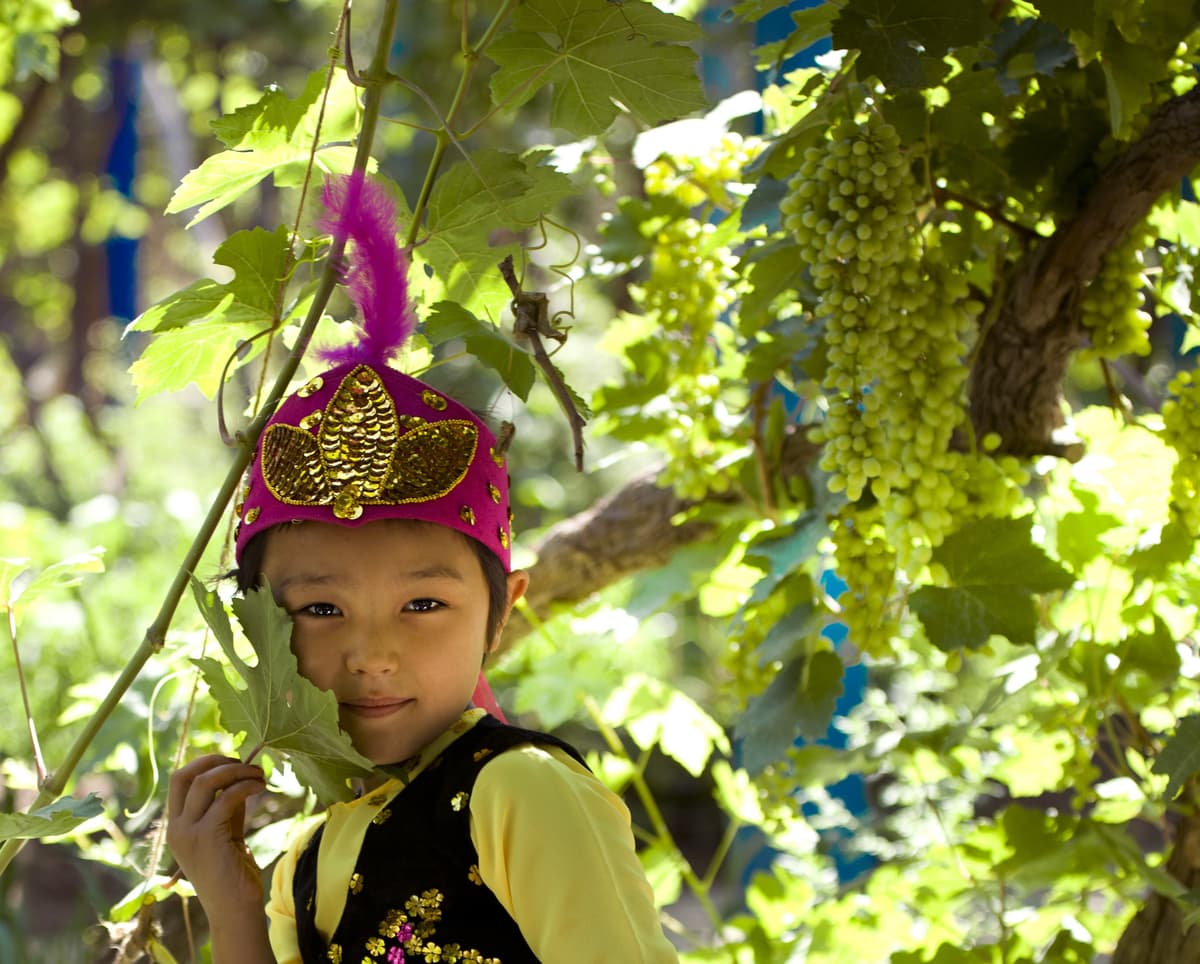
The Grape Valley:
The Grape Valley in Turpan, to the east of Xinjiang, is a must-visit. Located in the barren Flaming Mountains, the hottest spot in China, the valley is surprisingly cool. The sandy soil there is also very suitable for grow grapes. Every May, the Flame Seedless grape from Turpan is the earliest to be picked and sold at the market. The big temperate difference between day and night makes grapes produced in Xinjiang extraordinarily sweet.
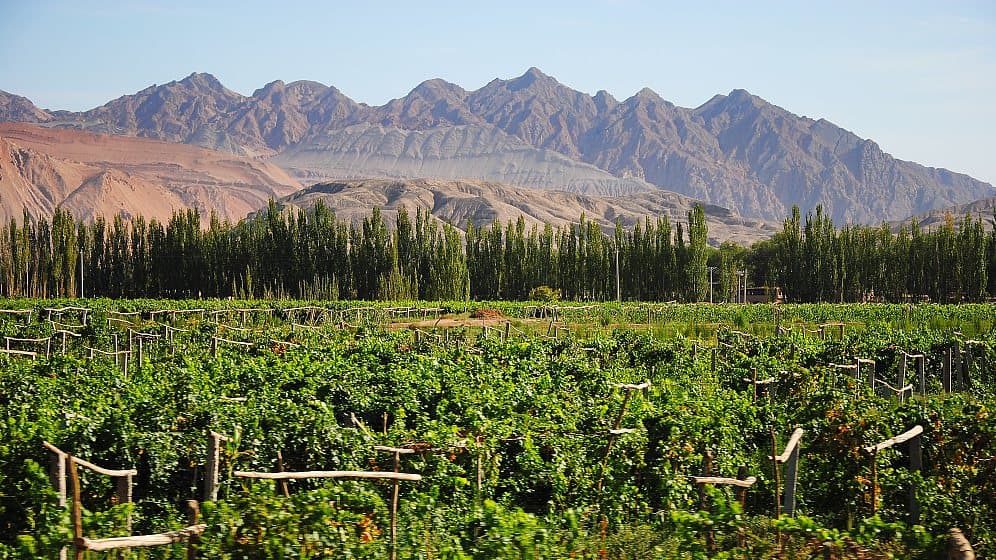
The climate in Turpan:
Though the climate in Turpan is rather arid, traditional karez channels keep the grape well watered by collecting water from the snow runoff on the mountainside and delivering it the swaths of grape trellises on the valley floor.
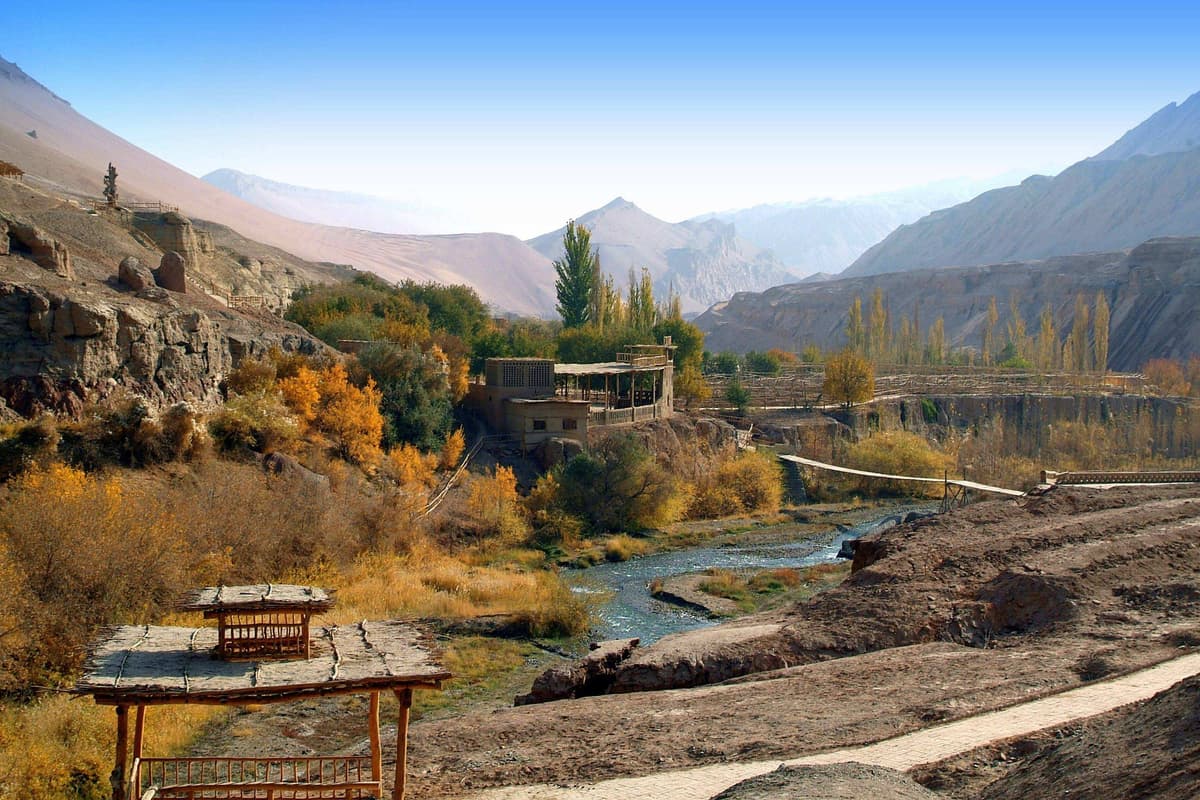
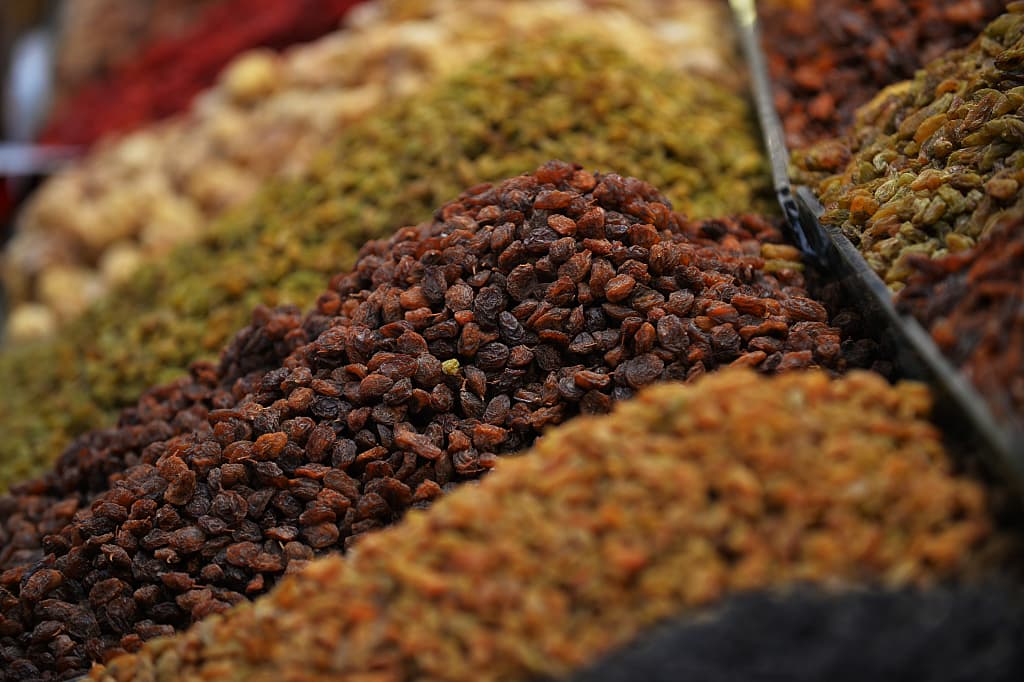
Turpan raisins:
Aside from vinification, the weather in the region benefits the creation of another particularly tasty grape product – raisins. Turpan is said to be the largest green raisin producer in the world.
The locals usually dry grapes inside a special house called chunche. The building typically has many holes on the walls to allow wind to enter and accelerate the process. Grapes dried in the shady chunche are often sweeter and lighter in colour than those dried in direct sunlight. The sugar content of dried grapes from the area can reach nearly 80 percent, and raisins produced in Turpan are also bigger than those produced elsewhere in China.
Port wine:
People may be familiar with grapes and raisins in Xinjiang, but few of them have heard of the wines produced there. That has to do with the type of grapes grow there. For cultivated grapes, there are mainly table grapes and wine grapes. Table grapes are the ones people buy from the market. In Xinjiang, the plantation area of wine grapes only accounts for a quarter of the total.
A lack of promotion and inconvenient transportation also make wines produced in Xinjiang less known, unlike Ningxia wines from northwest China's Ningxia Hui Autonomous Region that have received local and international recognition. However, Xinjiang is still the earliest place in China to plant grapes and make wine.
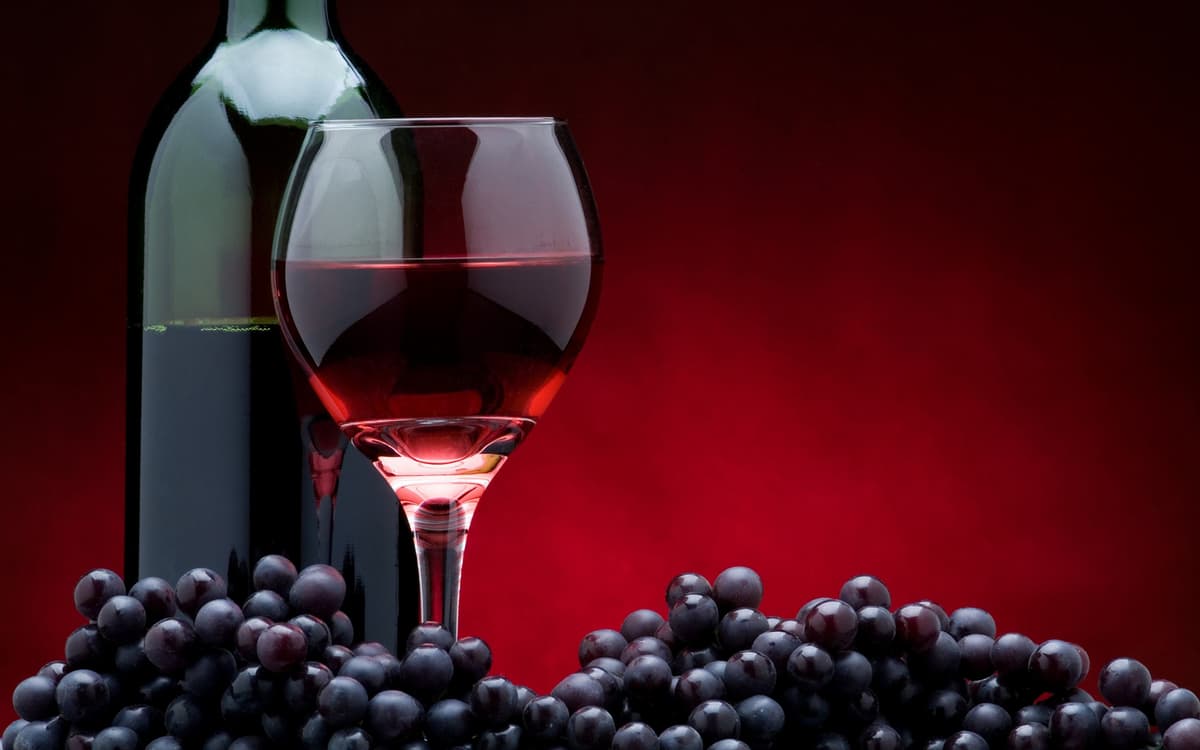
When was introduced to Xinjiang?
According to historical records, grapes were introduced to Xinjiang at least 2,000 years ago. Grape seeds from the Warring States Period (475-221 B.C.) were found in the Subeixi tombs excavated in the Turpan basin, implying their long history in the region. Archaeologists also found wooden tools to squeeze grapes and brewing equipment from the Western Han Dynasty (206BC-24AD) in other ancient tombs at the northern foot of the Tianshan Mountains. The wine was also popular during the Tang Dynasty, from the royal noble to the ordinary man, everyone favoured wine. There are also numerous poems praising wines produced from these gems in the flaming desert.
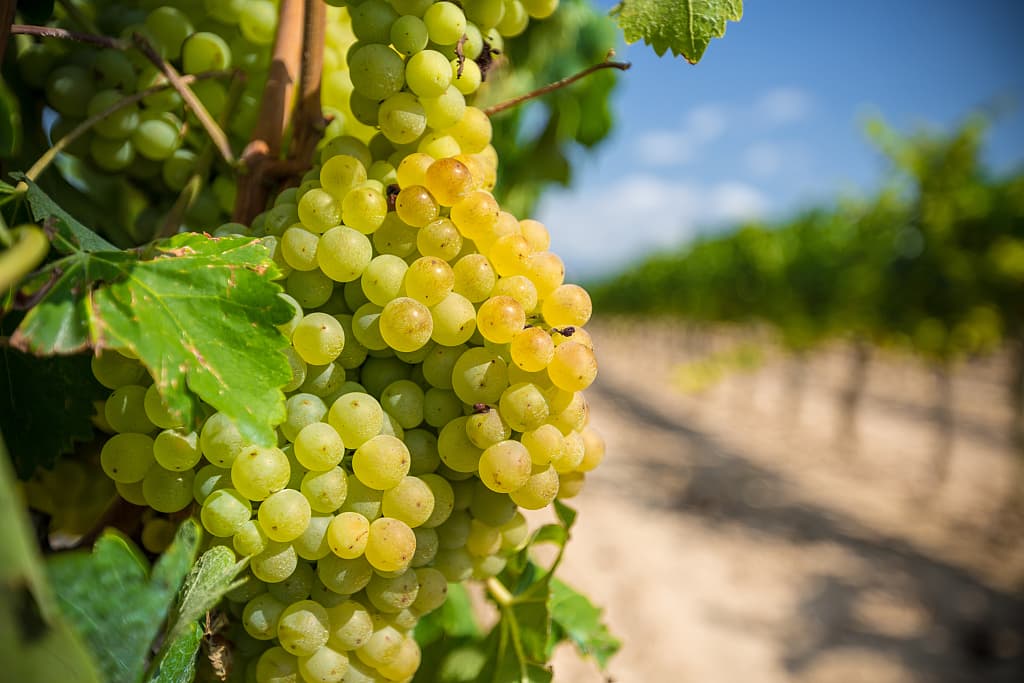
As one of the best travel destinations in Xinjiang, where you can enjoy the magnificent natural views and taste juicy fruits. When one thinks of wine, perhaps labels like the expensive Chateau Lafite from Bordeaux, France would come to mind. The purple liquid attracts people around the world. Although European countries like Spain, France and Italy are the top three producers of grapes for wine-making, China is the largest grape producing country, accounting for 16.8 percent of the global production in 2017. The Xinjiang Uygur Autonomous Region in northwest China grows nearly one-fifth of the country's grapes.
The Grape Valley:
The Grape Valley in Turpan, to the east of Xinjiang, is a must-visit. Located in the barren Flaming Mountains, the hottest spot in China, the valley is surprisingly cool. The sandy soil there is also very suitable for grow grapes. Every May, the Flame Seedless grape from Turpan is the earliest to be picked and sold at the market. The big temperate difference between day and night makes grapes produced in Xinjiang extraordinarily sweet.
The climate in Turpan:
Though the climate in Turpan is rather arid, traditional karez channels keep the grape well watered by collecting water from the snow runoff on the mountainside and delivering it the swaths of grape trellises on the valley floor.
Turpan raisins:
Aside from vinification, the weather in the region benefits the creation of another particularly tasty grape product – raisins. Turpan is said to be the largest green raisin producer in the world.
The locals usually dry grapes inside a special house called chunche. The building typically has many holes on the walls to allow wind to enter and accelerate the process. Grapes dried in the shady chunche are often sweeter and lighter in colour than those dried in direct sunlight. The sugar content of dried grapes from the area can reach nearly 80 percent, and raisins produced in Turpan are also bigger than those produced elsewhere in China.
Port wine:
People may be familiar with grapes and raisins in Xinjiang, but few of them have heard of the wines produced there. That has to do with the type of grapes grow there. For cultivated grapes, there are mainly table grapes and wine grapes. Table grapes are the ones people buy from the market. In Xinjiang, the plantation area of wine grapes only accounts for a quarter of the total.
A lack of promotion and inconvenient transportation also make wines produced in Xinjiang less known, unlike Ningxia wines from northwest China's Ningxia Hui Autonomous Region that have received local and international recognition. However, Xinjiang is still the earliest place in China to plant grapes and make wine.
When was introduced to Xinjiang?
According to historical records, grapes were introduced to Xinjiang at least 2,000 years ago. Grape seeds from the Warring States Period (475-221 B.C.) were found in the Subeixi tombs excavated in the Turpan basin, implying their long history in the region. Archaeologists also found wooden tools to squeeze grapes and brewing equipment from the Western Han Dynasty (206BC-24AD) in other ancient tombs at the northern foot of the Tianshan Mountains. The wine was also popular during the Tang Dynasty, from the royal noble to the ordinary man, everyone favoured wine. There are also numerous poems praising wines produced from these gems in the flaming desert.

