20 years of pioneer in xinjiang tourism for overseas travelers
Born Here, Know Best, Your Journey's Blessed
No Shopping. No Detour, 99% Excellent Review

contact UsOn Wechat
What is Xinjiang Like in December?
If you are thinking about visiting Xinjiang in December, the first thing to know is simple: this is real winter.
December is one of the coldest months across most of Xinjiang. Innorthern areas like Hemu and Kanas, temperatures often range from -20°C to -35°C, especially in the early morning and at night. In Urumqi, daytime temperatures are usually around -10°C to -5°C. Southern cities like Kashgar are milder, often between -8°C and 5°C, while Turpan can sometimes rise above freezing during sunny afternoons.
December is not the month for fast sightseeing or checking famous places off a list. Some mountain roads may close temporarily because of snow, daylight hours are shorter, and moving between destinations often takes longer than expected.
But if you are looking for a quieter and slower kind of travel, December can be one of the most rewarding times to come. You will see a side of Xinjiang that feels less crowded and less staged. Popular places such as Hemu and Kanas become much calmer after the autumn peak season. Hotels are often more reasonably priced than during major holidays. More importantly, winter changes the atmosphere completely.
A village covered in fresh snow feels very different from the same place in summer. The silence is more noticeable. The pace is slower. Even ordinary moments — walking through a snowy street in Urumqi, waiting for hot naan bread in Kashgar, standing beside a frozen lakeshore — stay in your memory.
December works best if you enjoy winter landscapes, do not mind cold weather, and are willing to travel with a little flexibility.
If what you want is comfort, easy transportation, and packed daily sightseeing schedules, other months may suit you better.
 Xinjiang Weather in December — Quick Overview
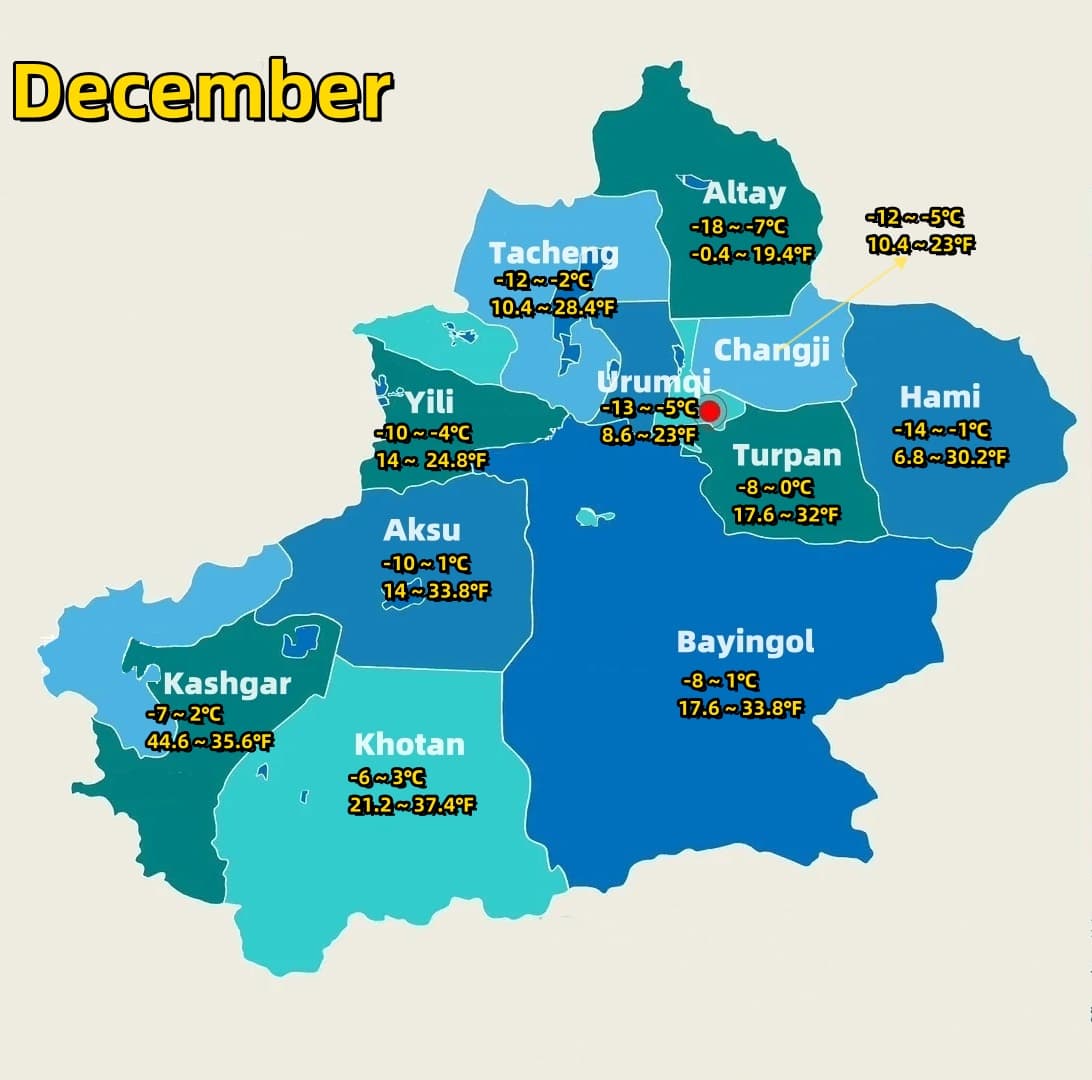
Weather Condition in Xinjiang
The Best Places to Visit in Xinjiang in December
Kanas & Hemu: The Snow-Draped Fairytale
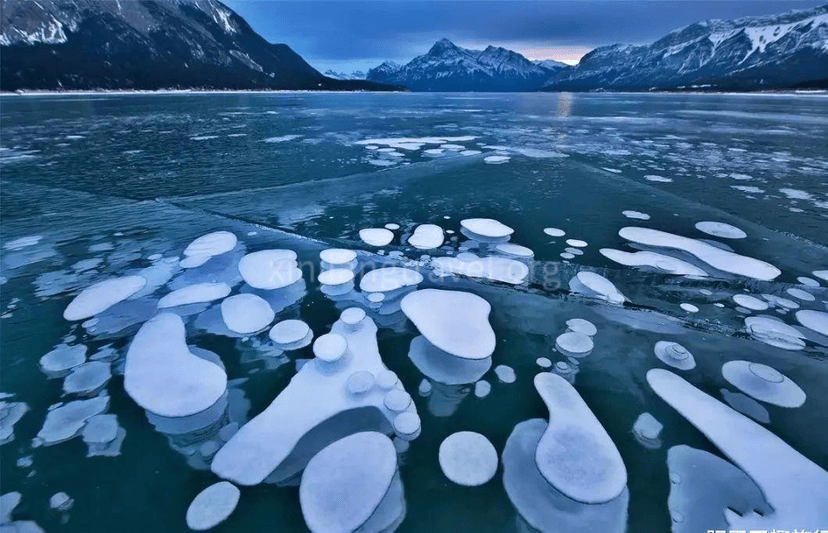
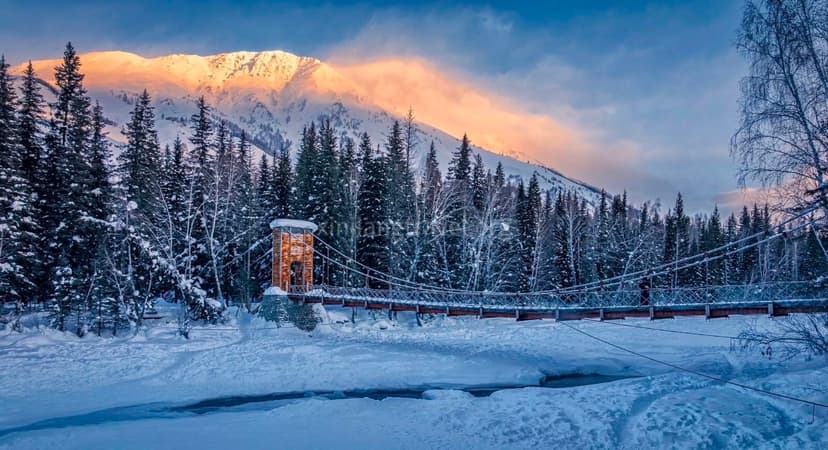
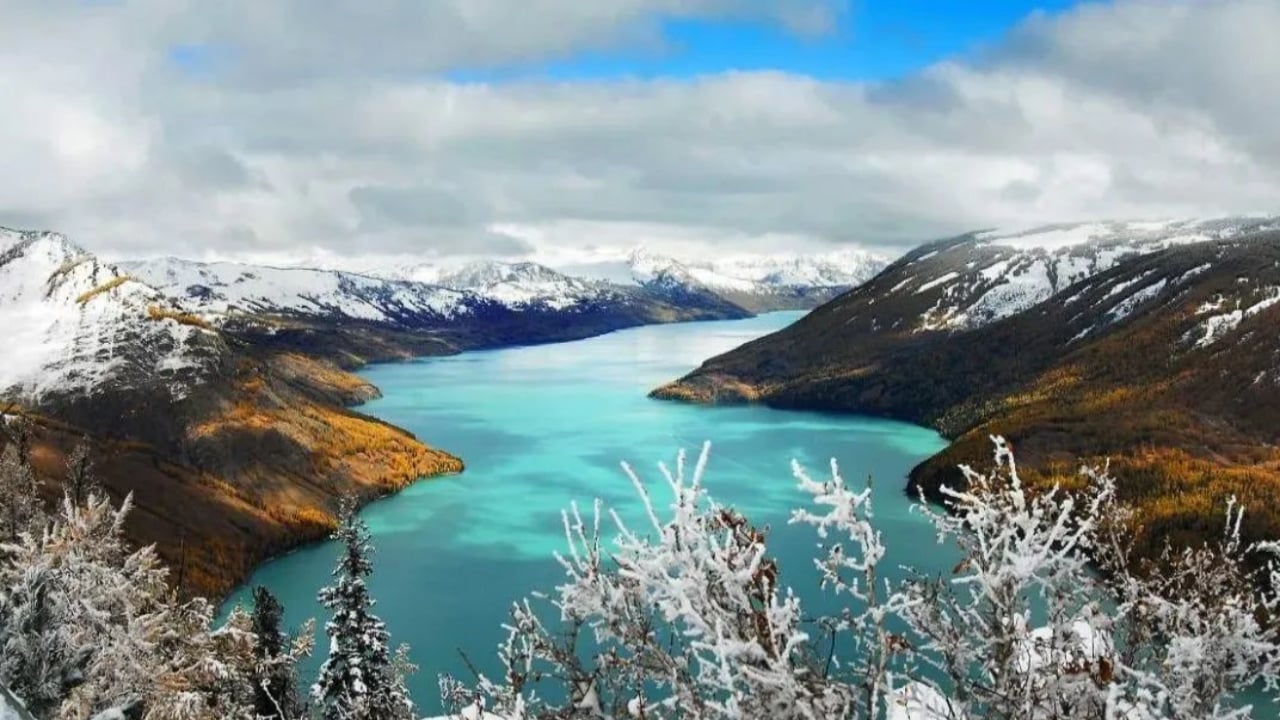
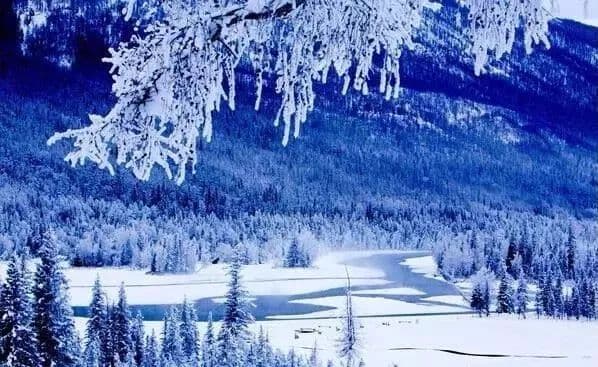
Write this down in your notebook: a winter visit to the Altay Mountains, specifically Kanas Lake and Hemu Village, is the absolute anchor of a December trip. The scenery here doesn't just change; it transforms into a monochrome ink-wash painting punctuated by the deep green of spruce trees. The lake freezes over with a thick, transparent crust of ice that groans and booms as it expands. You can literally walk across parts of it in snowshoes, or just stand still and listen—the lake talks to you.
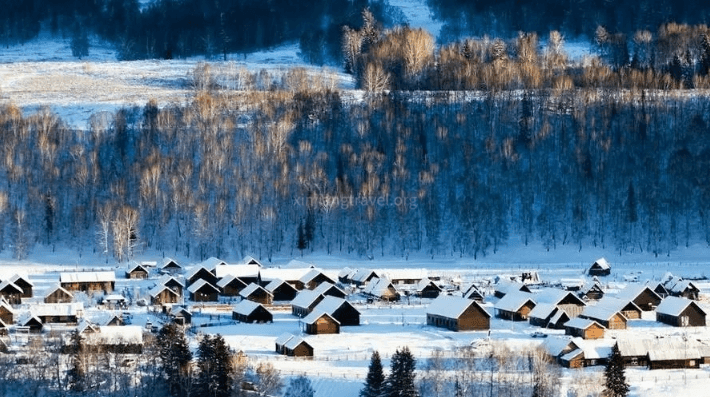
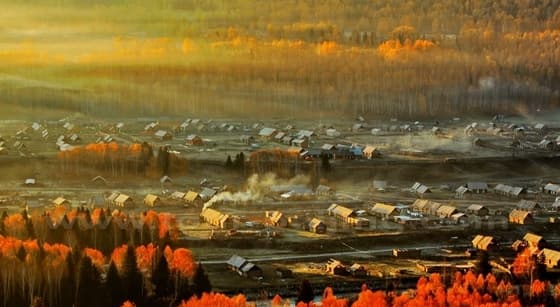
Hemu Village in the morning is the iconic shot. You trudge up to the viewing platform in the predawn, fingers numb, waiting for the first light to hit the snow-blanketed log cabins. Smoke curls lazily from chimneys, and the whole valley glows a soft pink-gold. Activities here lean into the snow: hire a horse-drawn sleigh from a local Kazakh family to whisk you through birch forests. Try snowmobiling across open meadows. At night, the sky here, far from any city, presents one of the clearest star-scapes you will ever see. A hard truth: it is extremely cold. Your phone battery will die within minutes if exposed. Keep it warm near your body. Bring chemical hand warmers—lots of them. But the visual silence of a frozen Moon Bay, dusted in fresh powder, will recalibrate your definition of beauty.
Urumqi & Nanshan: Alpine Snow, City Comfort
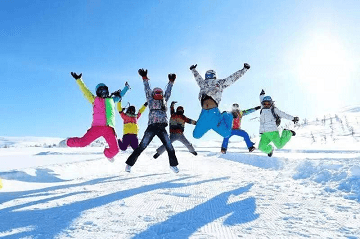
Don't skip the capital. Urumqi acts as your pragmatic, comforting bridge between the wilderness and civilization. The city itself is well-heated, bustling with a modern energy that feels especially welcoming after a few days in the deep cold. Use this as your base for a day trip to Nanshan Pastures, about an hour's drive south. Here, you'll find a proper ski resort that doesn't get the international attention of Chongli but delivers legit alpine terrain. You have runs for beginners and a decent vertical for intermediates, all set against the backdrop of endless spruce forests and snowfields. The air is thin but crisp, and the lift lines in December are practically nonexistent.
Back in the city by evening, you can hit the Grand Bazaar. It's touristy, yes, but winter strips away the chaos. Vendors are more relaxed, and you can genuinely chat as you sample dried fruits, nuts, and roasted lamb skewers the size of your forearm. The local winter food is a highlight: hunt down a plate of dapanji (big plate chicken) with hand-pulled noodles, or a steaming bowl of nang-brewed tea. The real data point here is comfort: a warm hotel room, hot water, and reliable transport.
Ili and Sayram Lake: Snowy Grasslands and Frozen Alpine Lake
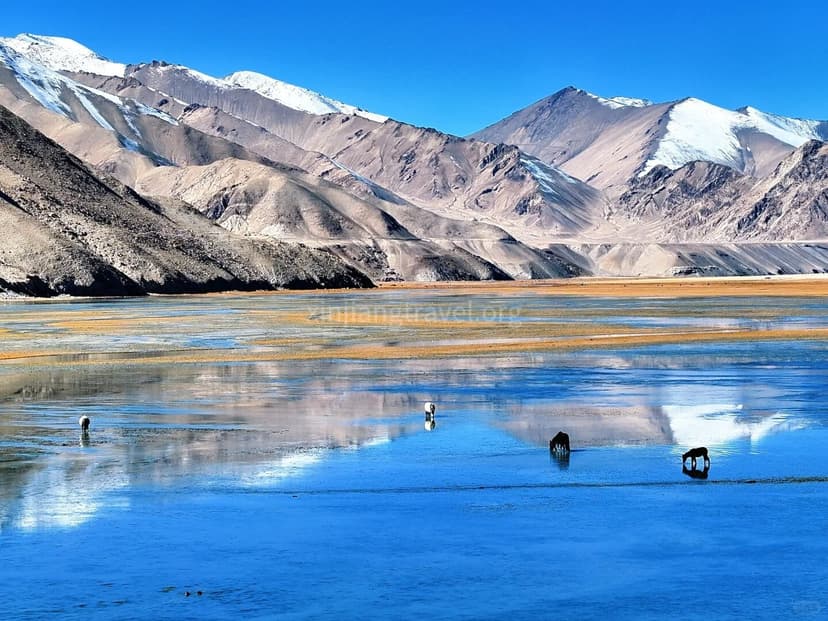
In Ili (Yili), December brings a different kind of winter charm. The vast grasslands turn completely white, creating endless soft rolling hills under the snow. Sayram Lake, known as the “last tear of the Atlantic,” freezes into a vast ice surface ringed by snow-capped mountains. On clear days, the blue ice and white peaks offer stunning photo opportunities.
You can try gentle winter activities here, such as walking on the frozen lake (when safe and guided) or enjoying the open snowy landscape by car or organized tour. The area feels spacious and calm compared to more dramatic mountain villages. Temperatures are a bit higher than in Altay, making it slightly more comfortable for longer outdoor time. Many travelers appreciate Ili in winter for its wide-open views and the chance to see Kazakh culture in a quieter season. Warm up afterward with local dairy products and fresh bread — simple but satisfying after time in the cold. This stop adds variety to your Xinjiang winter journey.
Turpan: Winter Sun, Ruins, and Dry Desert Air
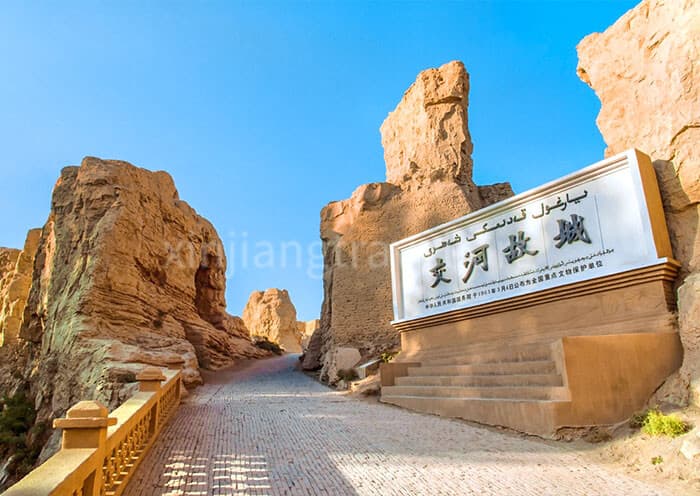
You're going to hear two words constantly in Xinjiang: altitude and geography. Turpan, sitting in a basin below sea level, defies your expectations of a desert winter. Daytime temperatures can actually rise just above freezing, making it one of the most comfortable outdoor sightseeing spots in December. This is where you come for history without heatstroke. The ancient city of Jiaohe stands silent and empty on its plateau. You can walk its dusty streets, worn smooth by millennia, with barely another soul in sight. The bite of the wind up there is real, but so is the profound sense of scale and decay.
The Karez Well System is another must-see—walking through the underground channels, the temperature is surprisingly steady and bears witness to an engineering genius that literally made this oasis live. Grape Valley in winter is skeletal and quiet. The vines are bare, buried under earth to protect them from frost. It's not the lush green you see in photos, and that's the point. You see the work, the craft, the agricultural truth. An honest tip: there's no lush foliage, but you'll find real life inside a local home stay, warming your hands over a stove and eating fresh naan pulled from a clay oven. December here is a calm history lesson.
Kashgar: The Old City Wakes Up Slow
You end your journey, or perhaps begin it, in the deep southwest: Kashgar. December here delivers what summer cannot—the absence of blinding heat and airborne dust. The sky is a pale, clean blue. The old city isn't a frantic photo set; it's a slow, waking neighborhood. You'll wander through mud-brick alleys and hear the sound of coppersmiths hammering, their workshops open to the street. The pace is behind the scenes, not on stage. Visit the Sunday Livestock Market, still thriving, where traders in heavy coats negotiate, their breath misting in the cold air. It's muddy, chaotic, and utterly authentic. Sitting in a tea house is non-negotiable. The local's spot is the century-old one with the same vibe as years ago. Order a pot of spiced black tea for a few yuan and watch old men chat, the steam fogging up the windows.
The Id Kah Mosque stands serene, its courtyard empty. A real street scene: you'll see carts selling freshly pressed pomegranate juice, the fruit at its sweetest now. You need a solid pair of boots to navigate the slush and ice patches in the lanes. No one is rushing. Kashgar in December shows you its soul, not its show. And that, frankly, is a travel win.
What to Pack for Xinjiang in December
Packing for Xinjiang in December is not about bringing as many clothes as possible. It is about bringing the right layers.
A lot of first-time winter travelers make the same mistake: they focus too much on one very thick jacket and forget that comfort in Xinjiang's winter depends more on how well your layers work together. A practical winter clothing system usually has three parts.
The first is your base layer. Thermal tops and thermal leggings matter more than people expect, especially if you are going to northern Xinjiang. You will likely spend time moving between heated indoor spaces and freezing outdoor areas, so breathable thermal clothing helps regulate temperature better than simply wearing heavy sweaters.
The second is your middle layer. A fleece jacket, wool sweater, or light insulated layer works well. This layer traps warmth and can be removed indoors.
The third is your outer layer. For December, a proper down jacket is strongly recommended. If your trip includes Hemu, Kanas, or Sayram Lake, choose one rated for at least -20°C conditions, preferably windproof.
Footwear deserves serious attention. If there is one thing travelers often underestimate, it is how much cold enters through ordinary shoes. For December in northern Xinjiang, waterproof insulated boots with good grip are essential. Streets and village paths can become icy, especially in the morning.
Beyond clothing, several small items make a big difference:
Lip balm and moisturizer. Xinjiang's dry winter air can quickly dry out your skin and lips.
Power bank. Cold weather drains phone batteries faster than usual.
Sunglasses. Snow reflects strong sunlight, especially on clear days.
Touchscreen gloves. You will likely use your phone often for maps, translation, and photos.
Heat packs. Not mandatory, but useful if you are staying outdoors for long periods.
One practical tip many visitors appreciate later: Do not overdress before leaving your hotel, because indoor heating is usually strong, it is better to dress in removable layers than wear one heavy outfit you cannot adjust. In winter Xinjiang, being able to add or remove clothing easily is what keeps you comfortable throughout the day.
Practical Tips: How to Enjoy Xinjiang Comfortably in December
To make your December trip enjoyable, focus on preparation and pacing. Layer your clothing properly, carry a thermos for hot drinks, and choose accommodations with good heating. Book internal transport and guides in advance, especially for northern areas where snow can affect roads. Respect local conditions — some mountain roads or parks may close temporarily after heavy snow, so stay flexible.
Eat warm local foods: lamb hotpot, naan bread, and hearty soups help you stay energized. Stay hydrated even though it is cold, because the air is very dry. Respect the environment and local customs. December is a lower season, so you get better prices and fewer crowds, but some services run on reduced schedules.
If you love snow, silence, and dramatic landscapes, Xinjiang in December can be deeply rewarding. Take it steady, dress warmly, and let the pure winter beauty unfold at its own pace. Safe travels — you will remember the crisp air and white horizons long after you return home.
December Xinjiang Is About Atmosphere, Not Speed
If you visit Xinjiang in December, one of the first things you will notice is that winter changes the pace of everything. People move more slowly, roads feel quieter, and even the most visited places seem calmer. This is what makes December different from every other season here. Spring is known for flowers, summer for grasslands and long road trips, and autumn for colorful forests. Winter feels much simpler. It does not try to impress you immediately.
Most people who choose to come in December are not looking for a fast-moving trip. They are usually looking for something quieter — fewer crowds, more open space, and a version of Xinjiang that feels closer to everyday life. This is not the easiest season for travel, and it helps to be honest about that. Some mornings will be colder than you expect. Transport can occasionally be delayed because of snow or road conditions. Sometimes your original plan may need to change. In winter, flexibility matters more than strict scheduling.
But this is also exactly why many travelers end up remembering December so clearly. The best moments here are often the ones you did not plan in detail. You might step outside your guesthouse in Hemu before sunrise and hear nothing except the sound of your boots on snow. You might spend half an hour warming up in a small restaurant in Urumqi with a bowl of hot noodles after a cold afternoon outside. You might simply walk through Kashgar's old streets in the late afternoon light and notice how quiet the city feels compared to busier seasons.
These are very ordinary moments, and that is part of their value. They are not dramatic or designed for photographs. Yet they often stay in your memory longer than the big scenic highlights. That is why December in Xinjiang is not really about how many places you visit. It is about how fully you experience the places where you are.
If you decide to come, it helps to travel differently. Leave more space in your schedule. Accept that some plans may change. Walk a little slower. Stay longer when a place feels worth staying in. Winter in Xinjiang does not reward rushing. It rewards patience, attention, and the willingness to let the trip unfold at its own pace. If you can travel like that, December may become one of the most memorable times to see this region.
Kashagar - Taxkorgan - Urumqi - Heavenly Lake - Turpan
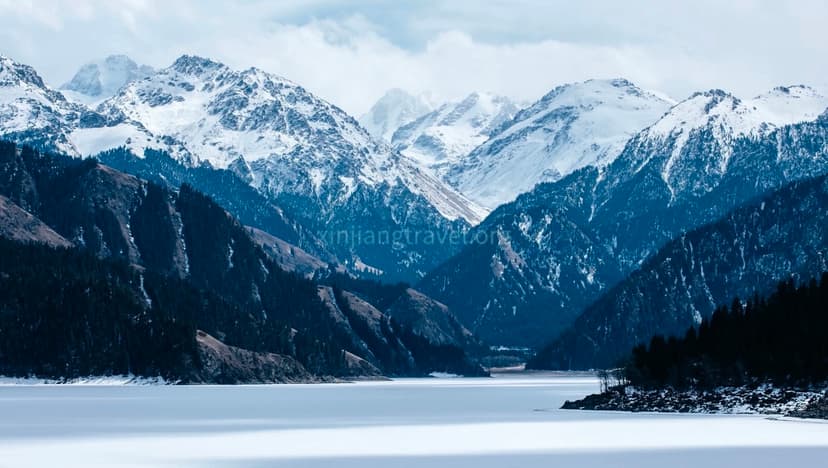
You will have all the essential sites in Kashgar, Turpan and Urumqi packaged. The magnificent Pamir Plateau, beautiful Karakul Lake, mysterious Jiaohe Ruins and lively Sunday Bazaar... all included!

Altay - Keketuohai - Burqin - Kanas - Hemu
Book a 10-day winter skiing tour to Kanas, Hemu, Altay, Xinjiang, China. Spend 10 days in northern Xinjiang, visit the well-known Kanas Nature Reserve and Hemu village. Try the newly-built 4300-square-meter ski equipment hall in Keketuohai. It's a wonderful tour to Altay Prefecture.
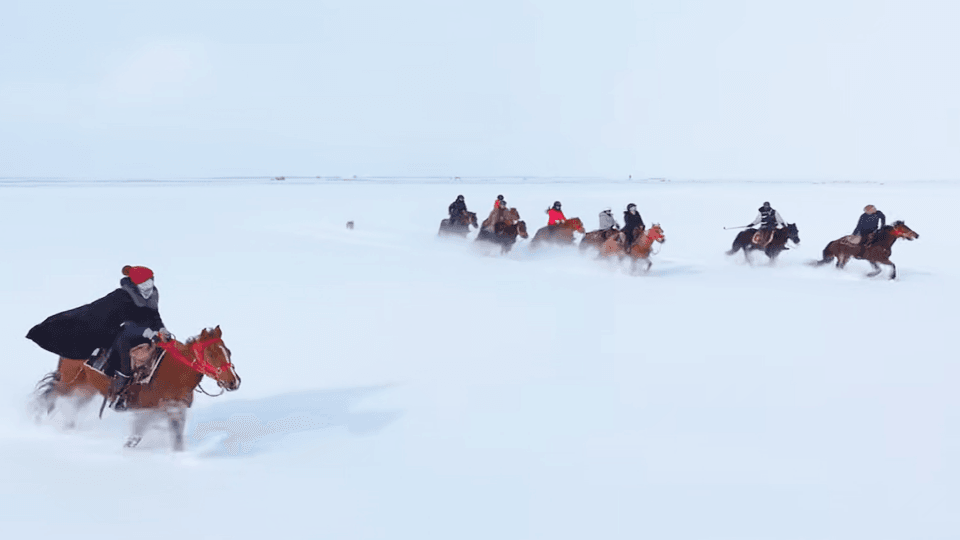
Altay-Kekesu
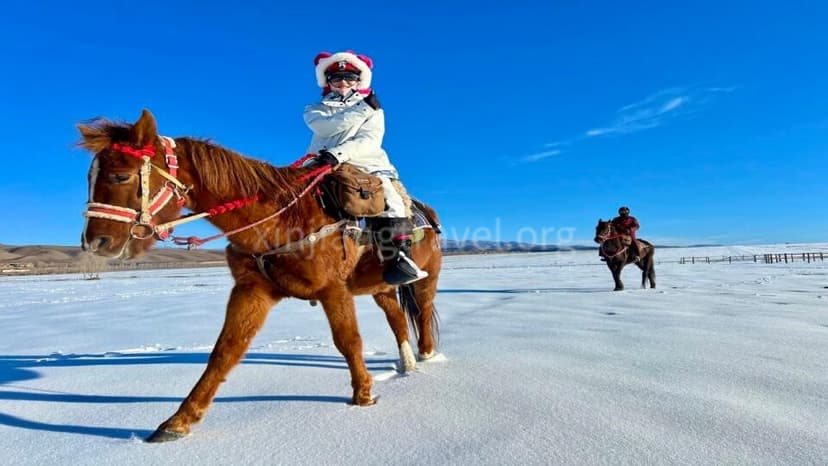
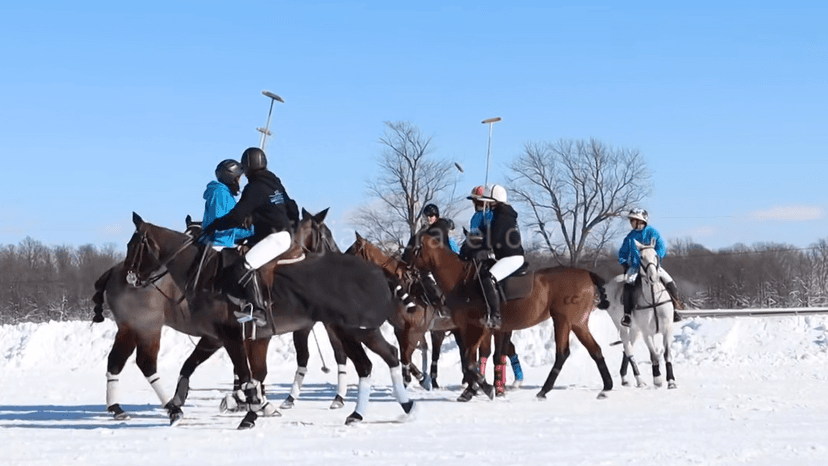
Embark on a 6-day Altay snow horseback riding tour through Altay's charming landscapes, where Kazakh culture and rides collide. Gallop alongside thousands of horses, master snow polo against mountain backdrops, and live like a nomad. This tour blends excitement, serenity, and unforgettable cultural immersion.
Xinjiang Weather in December — Quick Overview