20 years of pioneer in xinjiang tourism for overseas travelers
Born Here, Know Best, Your Journey's Blessed
No Shopping. No Detour, 99% Excellent Review

contact UsOn Wechat
Is it safe to travel to Xinjiang? Yes. I have lived and worked in Xinjiang for many years, and I often hear this question from travelers planning their first trip here.
I completely understand why people ask. Xinjiang is far away from many international travelers' homes, and you may have seen very different stories about the region in the news or online. Before coming here, some travelers are curious, some are unsure, and some are genuinely worried about their safety.
From my experience as a local travel professional, Xinjiang is a safe destination for travelers, including international visitors. Like anywhere else, you should take normal travel precautions, follow local rules and pay attention to your surroundings. But for most tourists, safety should not be the reason to miss Xinjiang.
I would much rather help you understand what traveling in Xinjiang is actually like.
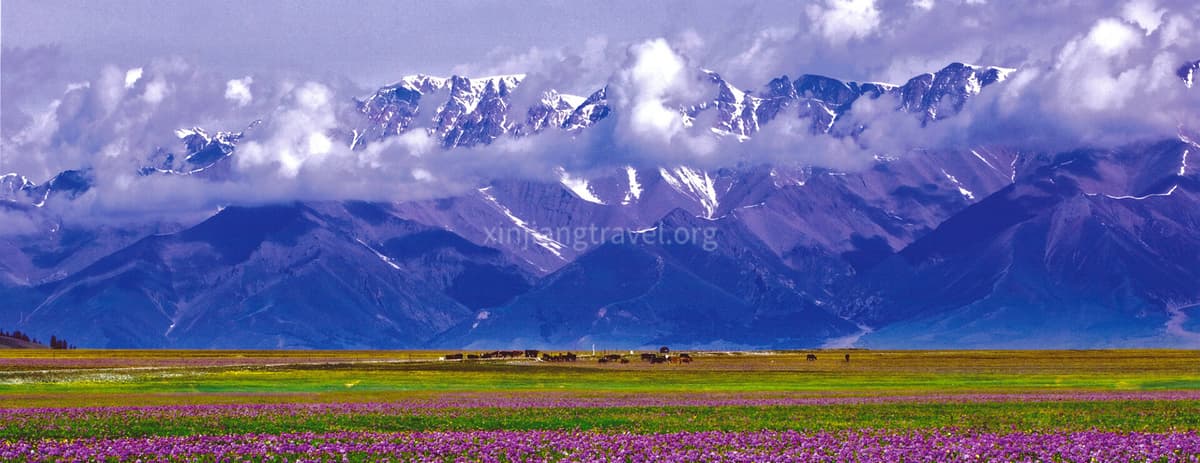
Yes, it is safe to travel to Xinjiang.
Xinjiang is one of the largest regions in China, covering an enormous area with mountains, deserts, grasslands, lakes, forests and historic cities. Tourism is an important part of the local economy, and travelers visit destinations such as Urumqi, Turpan, Kanas, Hemu, Yili, Kashgar and the Pamir region throughout the year.
When our clients arrive in Xinjiang, most of their concerns quickly disappear. They are usually much more focused on where to eat, which mountain to photograph next, and whether they can fit another destination into their itinerary. I have seen this many times.
A traveler may arrive with questions about safety. A few days later, they are sending us photos from Kanas, eating lamb kebabs in Kashgar, walking through the old streets and asking us how they can stay a few more days.
That is often the biggest difference between reading about Xinjiang and actually traveling here.
Yes. We regularly work with travelers from different countries, and international visitors can travel to Xinjiang.
However, Xinjiang is a little different from many other tourist destinations because of its huge size and the number of different regions you may visit during one trip.
For example, a trip might include:
Urumqi and Tianchi
Turpan and its ancient ruins
Kanas and Hemu in Northern Xinjiang
Yili and Sayram Lake
Kashgar and the old city
The Pamir Mountains
Desert and Silk Road sites
Because distances can be very long, good travel planning is more important than worrying about personal safety.
If you are traveling independently, check transportation, hotel policies, road conditions and opening information before setting out. If you travel with a local tour operator, we can help organize these details for you.
One of the things I enjoy most about Xinjiang is how quickly the scenery changes.
You can leave Urumqi in the morning and spend the day surrounded by mountains and alpine lakes. In another part of the region, you may find yourself walking through a desert landscape or exploring an ancient Silk Road city.
In Kashgar, I love walking through the old streets, visiting local markets and stopping for freshly baked naan and lamb kebabs.
In Northern Xinjiang, the experience is completely different. Kanas and Hemu are famous for forests, mountains, lakes and traditional wooden houses.
And around Sayram Lake, the scenery can feel almost unreal: huge grasslands, snow-capped mountains and bright blue water.
For me, this variety is one of the reasons Xinjiang is so special.
Travelers should be aware that security checks are more common in Xinjiang than in many other parts of China.
You may encounter security checks at airports, train stations, transportation hubs and some public places. Depending on where you travel, you may also need to go through checks when entering certain hotels, shopping areas or tourist attractions.
For international travelers, this can sometimes feel unfamiliar at first.
My advice is simple: allow a little extra time and cooperate with the local procedures. Keep your passport and other important travel documents with you, follow instructions from staff, and avoid carrying prohibited items.
These checks can be inconvenient sometimes, but they are part of everyday travel in the region.
Generally, yes, but the biggest issue is not personal safety. It is the size and geography of Xinjiang.
Xinjiang is enormous. Some destinations that look close on a map can actually be many hours apart by road. Mountain roads, desert highways and remote areas also require careful planning. For example, routes around Northern Xinjiang, the Pamir Mountains and the Duku Highway can involve long driving days and changing weather conditions.
If you are an experienced driver and understand local road conditions, a self-drive trip can be an exciting way to explore Xinjiang.
For first-time visitors, however, I usually recommend traveling with a local driver or tour operator.
A local driver knows the roads, understands the distances and can adjust the itinerary when weather or road conditions change.
.jpg&w=1200&q=75 "duku highway(1).jpg")
Yes. Southern Xinjiang is also a destination that travelers can visit.
Kashgar, Yarkand, Hotan and the Pamir region offer some of the most interesting cultural and historical experiences in Xinjiang.
I remember hearing people warn travelers about Southern Xinjiang years ago. Some people who had never been there imagined it as a dangerous and inaccessible place. But once you actually arrive, the experience can be very different. You can walk through Kashgar's old city, drink tea in a local teahouse, explore the Sunday market and meet local people.
The important thing is to respect local customs and understand that Southern Xinjiang is culturally different from many other parts of China.
Solo travel in Xinjiang is possible, but I recommend doing more preparation than you would for a short city trip.
The biggest challenge is usually transportation.
Xinjiang is simply too large to explore efficiently without planning. Some scenic areas are remote, public transportation may be limited, and long-distance journeys can take most of a day.
If you are traveling alone, I recommend:
Planning your transportation before leaving each city
Booking hotels in advance
Carrying your passport and important documents
Keeping enough water for long road journeys
Checking weather and road conditions
Allowing extra time for transportation
Using a local guide or driver for remote areas
Following local regulations and instructions
For travelers who want more flexibility, a private Xinjiang tour can be a good option because you can customize the route and travel at your own pace.
Yes, foreign travelers can visit Xinjiang, but independent travel can require more preparation.
Before your trip, make sure your passport, visa and other travel documents are valid. You should also check hotel policies because not every property in every location may be able to accommodate foreign guests.
This is one reason many of our international clients choose to work with a local travel agency. We can check hotels in advance, arrange transportation, plan realistic driving times and help travelers deal with unexpected changes during the trip. For remote areas, this can make the journey much easier.
Yes, but nature can be a bigger concern than crime.
Xinjiang has some extremely remote landscapes. You may be traveling through high mountains, deserts, grasslands and areas where there are few towns or services. Weather can also change quickly in mountain regions.
If you are visiting places such as Kanas, the Altai Mountains, the Pamir Plateau or taking a long road trip, prepare properly.
I recommend carrying:
Warm layers
Comfortable walking shoes
Sun protection
Drinking water
Basic medicines
Power banks with 3C
Your passport and travel documents
Don't underestimate the distances. A beautiful destination may look close on Google Maps, but the actual drive can take several hours.
Like anywhere in the world, there are a few basic things I recommend.
As a foreign traveler, your passport is extremely important. Keep it somewhere secure and carry it when required.
Don't schedule a flight immediately after a long road journey if you can avoid it. Xinjiang is huge, and unexpected delays can happen.
You may encounter security procedures that are different from what you are used to at home. Stay patient and follow the instructions of local staff.
Xinjiang is home to many different ethnic communities and religious traditions. Ask before photographing people, especially in markets, residential areas and religious places.
Xinjiang can be extremely hot in summer and very cold in winter. Mountain areas can be much cooler than cities. Always check the weather for the specific destination rather than looking only at the forecast for Urumqi.
Food safety is generally similar to other tourist destinations in China.
Xinjiang is famous for lamb kebabs, hand-pulled noodles, pilaf, naan, fruits and many other local dishes.
I always recommend trying local food. It is one of the best parts of traveling here. If you have a sensitive stomach, however, start with familiar foods and gradually try local dishes.
For drinking water, bottled water is easy to find in cities and tourist areas. When traveling into remote areas, I recommend carrying enough water with you.
Yes, Xinjiang can be a wonderful destination for families. The main thing I would consider is the length of the driving days.
For families traveling with children, I usually recommend avoiding an itinerary that changes hotels every night. Instead, choose a slower route with two or three nights in key destinations.
Kanas, Hemu, Sayram Lake and Yili can all be suitable for families, depending on the season and the children's ages.
A private tour can also make family travel easier because the itinerary can be adjusted around your family's needs.
If you are still wondering "Is it safe to travel to Xinjiang?", my advice is not to make your decision based only on things you have heard from people who have never visited. Read different sources. Look at recent traveler experiences. Understand the practical requirements. Then decide whether Xinjiang is right for you.
From my own experience, the things travelers need to prepare for are usually much more practical than they expect: long distances, changing weather, transportation, hotel availability and security procedures.
These are the things I would plan carefully before a Xinjiang trip. Personal safety is not usually the biggest concern for ordinary tourists.
After working in Xinjiang tourism for many years, I know that the region can be complicated to plan from outside China.
A map may tell you that two destinations are relatively close. A local travel expert will know that the actual drive can take most of a day. A hotel website may look perfect online, but it may not be the best choice for an international traveler. And when weather, road conditions or local arrangements change, having someone locally available can make a big difference.
That is why we focus on private Xinjiang tours, small group tours and customized Xinjiang trips. We can help with hotels, transportation, drivers, guides and realistic daily schedules, while leaving you more time to enjoy the journey.
Yes, Xinjiang is a safe destination for travelers.
I have spent many years traveling around this region, and I continue to recommend it to international travelers who want to experience a very different side of China.
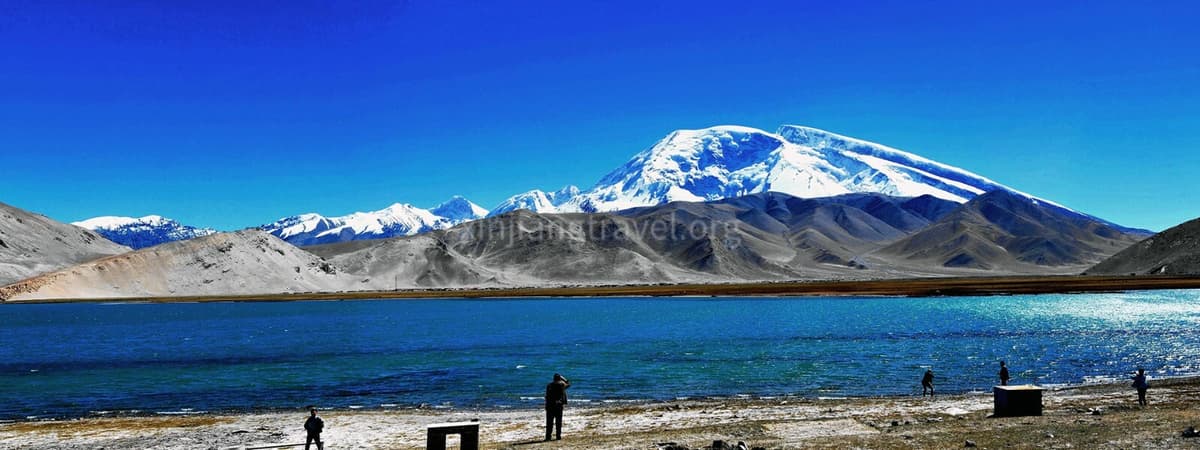
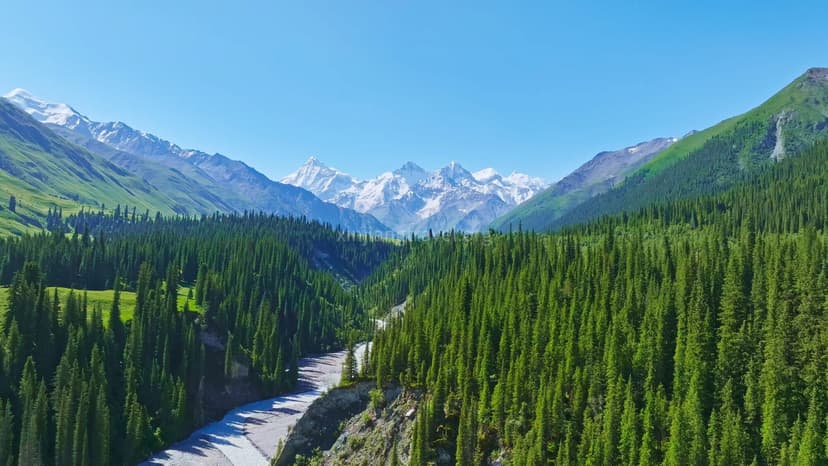
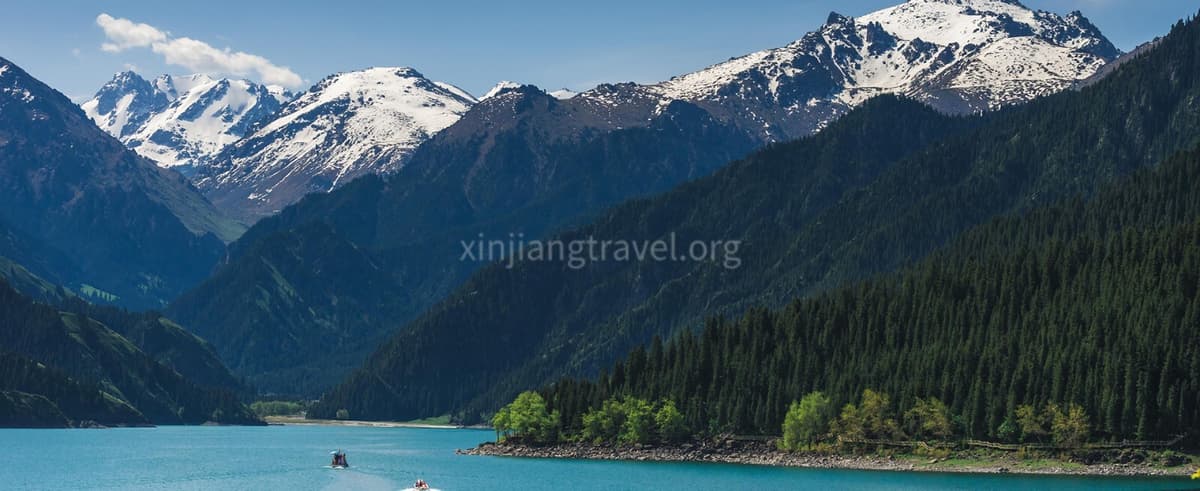
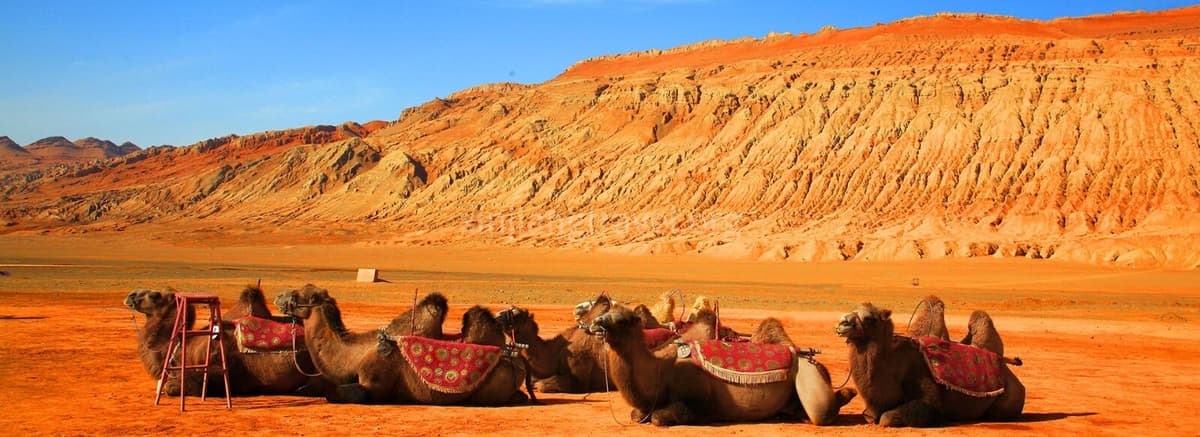
Xinjiang is not the easiest place in China to travel because of its enormous size and long distances. But that is also part of its appeal. You can see snow-covered mountains, enormous grasslands, blue alpine lakes, deserts, ancient Silk Road cities and vibrant local markets within the same trip.
If you prepare properly, respect local customs and allow enough time for transportation, you can have an unforgettable journey here.
And if you are still asking yourself "Is it safe to travel to Xinjiang?", I would say: come prepared, travel responsibly, and give Xinjiang the chance to show you what it is really like.
Is it safe to travel to Xinjiang? Yes. I have lived and worked in Xinjiang for many years, and I often hear this question from travelers planning their first trip here.
I completely understand why people ask. Xinjiang is far away from many international travelers' homes, and you may have seen very different stories about the region in the news or online. Before coming here, some travelers are curious, some are unsure, and some are genuinely worried about their safety.
From my experience as a local travel professional, Xinjiang is a safe destination for travelers, including international visitors. Like anywhere else, you should take normal travel precautions, follow local rules and pay attention to your surroundings. But for most tourists, safety should not be the reason to miss Xinjiang.
I would much rather help you understand what traveling in Xinjiang is actually like.
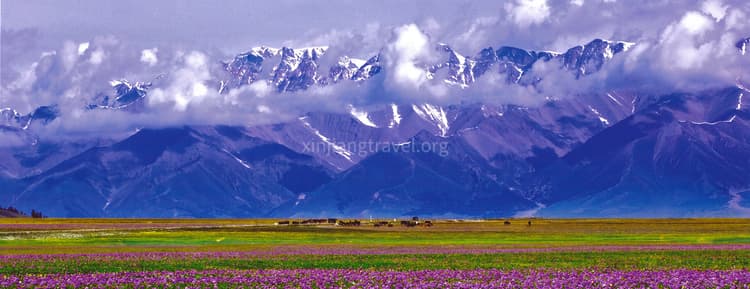
Yes, it is safe to travel to Xinjiang.
Xinjiang is one of the largest regions in China, covering an enormous area with mountains, deserts, grasslands, lakes, forests and historic cities. Tourism is an important part of the local economy, and travelers visit destinations such as Urumqi, Turpan, Kanas, Hemu, Yili, Kashgar and the Pamir region throughout the year.
When our clients arrive in Xinjiang, most of their concerns quickly disappear. They are usually much more focused on where to eat, which mountain to photograph next, and whether they can fit another destination into their itinerary. I have seen this many times.
A traveler may arrive with questions about safety. A few days later, they are sending us photos from Kanas, eating lamb kebabs in Kashgar, walking through the old streets and asking us how they can stay a few more days.
That is often the biggest difference between reading about Xinjiang and actually traveling here.
Yes. We regularly work with travelers from different countries, and international visitors can travel to Xinjiang.
However, Xinjiang is a little different from many other tourist destinations because of its huge size and the number of different regions you may visit during one trip.
For example, a trip might include:
Urumqi and Tianchi
Turpan and its ancient ruins
Kanas and Hemu in Northern Xinjiang
Yili and Sayram Lake
Kashgar and the old city
The Pamir Mountains
Desert and Silk Road sites
Because distances can be very long, good travel planning is more important than worrying about personal safety.
If you are traveling independently, check transportation, hotel policies, road conditions and opening information before setting out. If you travel with a local tour operator, we can help organize these details for you.
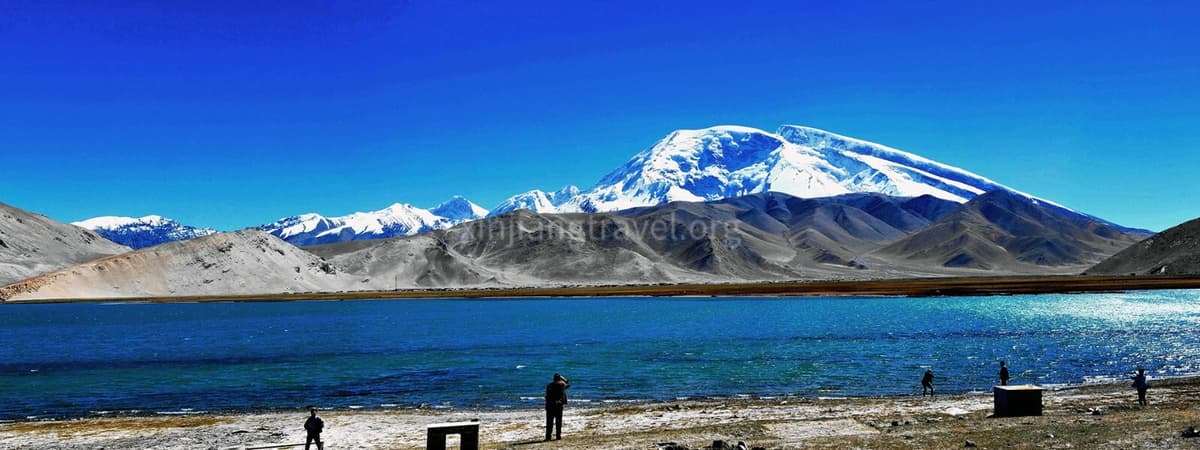 | Exotic Xinjiang to Kashgar, Urumqi and Turpan Kashagar - Taxkorgan - Urumqi - Heavenly Lake - Turpan 7 Days (over 200+ Booked) |
One of the things I enjoy most about Xinjiang is how quickly the scenery changes.
You can leave Urumqi in the morning and spend the day surrounded by mountains and alpine lakes. In another part of the region, you may find yourself walking through a desert landscape or exploring an ancient Silk Road city.
In Kashgar, I love walking through the old streets, visiting local markets and stopping for freshly baked naan and lamb kebabs.
In Northern Xinjiang, the experience is completely different. Kanas and Hemu are famous for forests, mountains, lakes and traditional wooden houses.
And around Sayram Lake, the scenery can feel almost unreal: huge grasslands, snow-capped mountains and bright blue water.
For me, this variety is one of the reasons Xinjiang is so special.
Travelers should be aware that security checks are more common in Xinjiang than in many other parts of China.
You may encounter security checks at airports, train stations, transportation hubs and some public places. Depending on where you travel, you may also need to go through checks when entering certain hotels, shopping areas or tourist attractions.
For international travelers, this can sometimes feel unfamiliar at first.
My advice is simple: allow a little extra time and cooperate with the local procedures. Keep your passport and other important travel documents with you, follow instructions from staff, and avoid carrying prohibited items.
These checks can be inconvenient sometimes, but they are part of everyday travel in the region.
Generally, yes, but the biggest issue is not personal safety. It is the size and geography of Xinjiang.
Xinjiang is enormous. Some destinations that look close on a map can actually be many hours apart by road. Mountain roads, desert highways and remote areas also require careful planning. For example, routes around Northern Xinjiang, the Pamir Mountains and the Duku Highway can involve long driving days and changing weather conditions.
If you are an experienced driver and understand local road conditions, a self-drive trip can be an exciting way to explore Xinjiang.
For first-time visitors, however, I usually recommend traveling with a local driver or tour operator.
A local driver knows the roads, understands the distances and can adjust the itinerary when weather or road conditions change.
.jpg&w=750&q=75 "duku highway(1).jpg")
Yes. Southern Xinjiang is also a destination that travelers can visit.
Kashgar, Yarkand, Hotan and the Pamir region offer some of the most interesting cultural and historical experiences in Xinjiang.
I remember hearing people warn travelers about Southern Xinjiang years ago. Some people who had never been there imagined it as a dangerous and inaccessible place. But once you actually arrive, the experience can be very different. You can walk through Kashgar's old city, drink tea in a local teahouse, explore the Sunday market and meet local people.
The important thing is to respect local customs and understand that Southern Xinjiang is culturally different from many other parts of China.
Solo travel in Xinjiang is possible, but I recommend doing more preparation than you would for a short city trip.
The biggest challenge is usually transportation.
Xinjiang is simply too large to explore efficiently without planning. Some scenic areas are remote, public transportation may be limited, and long-distance journeys can take most of a day.
If you are traveling alone, I recommend:
Planning your transportation before leaving each city
Booking hotels in advance
Carrying your passport and important documents
Keeping enough water for long road journeys
Checking weather and road conditions
Allowing extra time for transportation
Using a local guide or driver for remote areas
Following local regulations and instructions
For travelers who want more flexibility, a private Xinjiang tour can be a good option because you can customize the route and travel at your own pace.
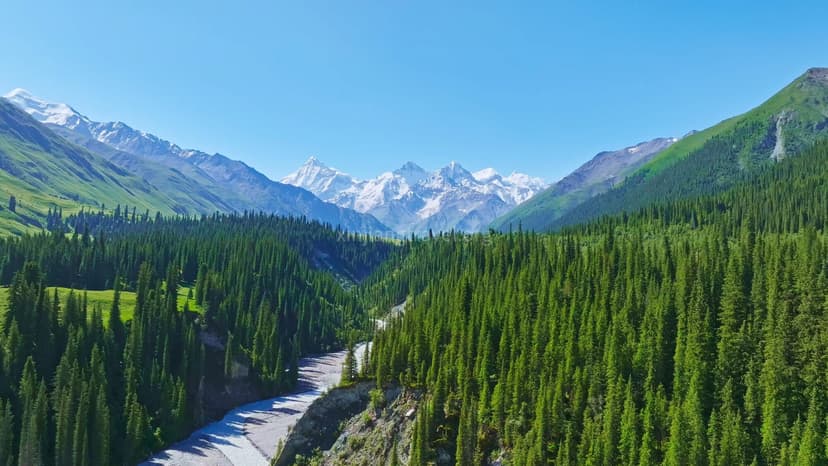 | Best Xinjiang Tour to Kashgar and Kanas Kashgar - Taxkorgan - Turpan - Urumqi - Beitun - Hemu - Kanas - Burqin - Urho 11 Days (over 200+ Booked) |
Yes, foreign travelers can visit Xinjiang, but independent travel can require more preparation.
Before your trip, make sure your passport, visa and other travel documents are valid. You should also check hotel policies because not every property in every location may be able to accommodate foreign guests.
This is one reason many of our international clients choose to work with a local travel agency. We can check hotels in advance, arrange transportation, plan realistic driving times and help travelers deal with unexpected changes during the trip. For remote areas, this can make the journey much easier.
Yes, but nature can be a bigger concern than crime.
Xinjiang has some extremely remote landscapes. You may be traveling through high mountains, deserts, grasslands and areas where there are few towns or services. Weather can also change quickly in mountain regions.
If you are visiting places such as Kanas, the Altai Mountains, the Pamir Plateau or taking a long road trip, prepare properly.
I recommend carrying:
Warm layers
Comfortable walking shoes
Sun protection
Drinking water
Basic medicines
Power banks with 3C
Your passport and travel documents
Don't underestimate the distances. A beautiful destination may look close on Google Maps, but the actual drive can take several hours.
Like anywhere in the world, there are a few basic things I recommend.
As a foreign traveler, your passport is extremely important. Keep it somewhere secure and carry it when required.
Don't schedule a flight immediately after a long road journey if you can avoid it. Xinjiang is huge, and unexpected delays can happen.
You may encounter security procedures that are different from what you are used to at home. Stay patient and follow the instructions of local staff.
Xinjiang is home to many different ethnic communities and religious traditions. Ask before photographing people, especially in markets, residential areas and religious places.
Xinjiang can be extremely hot in summer and very cold in winter. Mountain areas can be much cooler than cities. Always check the weather for the specific destination rather than looking only at the forecast for Urumqi.
Food safety is generally similar to other tourist destinations in China.
Xinjiang is famous for lamb kebabs, hand-pulled noodles, pilaf, naan, fruits and many other local dishes.
I always recommend trying local food. It is one of the best parts of traveling here. If you have a sensitive stomach, however, start with familiar foods and gradually try local dishes.
For drinking water, bottled water is easy to find in cities and tourist areas. When traveling into remote areas, I recommend carrying enough water with you.
Yes, Xinjiang can be a wonderful destination for families. The main thing I would consider is the length of the driving days.
For families traveling with children, I usually recommend avoiding an itinerary that changes hotels every night. Instead, choose a slower route with two or three nights in key destinations.
Kanas, Hemu, Sayram Lake and Yili can all be suitable for families, depending on the season and the children's ages.
A private tour can also make family travel easier because the itinerary can be adjusted around your family's needs.
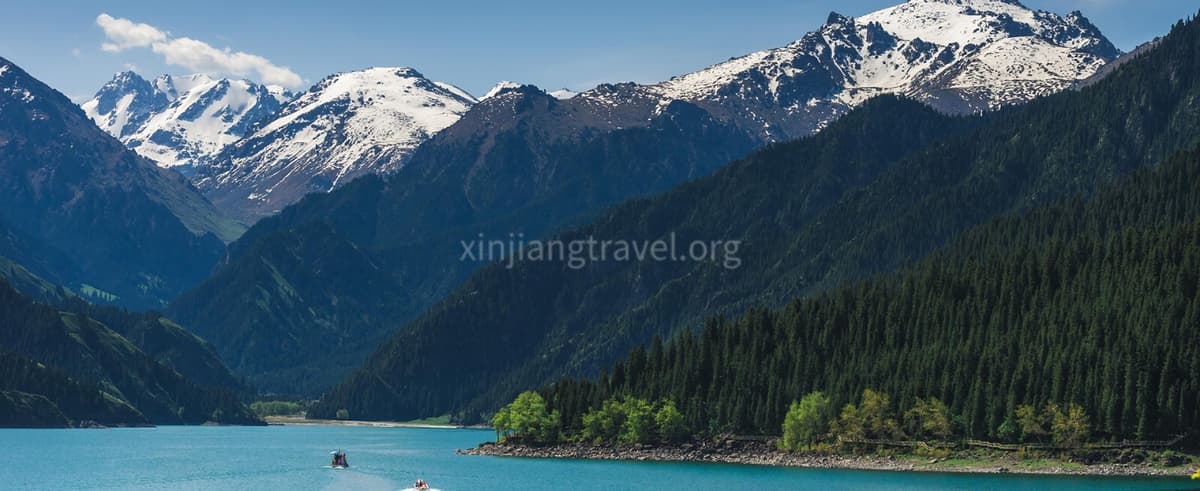 | Best Xinjiang Tour Kashgar - Karakul Lake - Urumqi - Turpan- Heavenly Lake 9 Days (over 200+ Booked) |
If you are still wondering "Is it safe to travel to Xinjiang?", my advice is not to make your decision based only on things you have heard from people who have never visited. Read different sources. Look at recent traveler experiences. Understand the practical requirements. Then decide whether Xinjiang is right for you.
From my own experience, the things travelers need to prepare for are usually much more practical than they expect: long distances, changing weather, transportation, hotel availability and security procedures.
These are the things I would plan carefully before a Xinjiang trip. Personal safety is not usually the biggest concern for ordinary tourists.
After working in Xinjiang tourism for many years, I know that the region can be complicated to plan from outside China.
A map may tell you that two destinations are relatively close. A local travel expert will know that the actual drive can take most of a day. A hotel website may look perfect online, but it may not be the best choice for an international traveler. And when weather, road conditions or local arrangements change, having someone locally available can make a big difference.
That is why we focus on private Xinjiang tours, small group tours and customized Xinjiang trips. We can help with hotels, transportation, drivers, guides and realistic daily schedules, while leaving you more time to enjoy the journey.
Yes, Xinjiang is a safe destination for travelers.
I have spent many years traveling around this region, and I continue to recommend it to international travelers who want to experience a very different side of China.
Xinjiang is not the easiest place in China to travel because of its enormous size and long distances. But that is also part of its appeal. You can see snow-covered mountains, enormous grasslands, blue alpine lakes, deserts, ancient Silk Road cities and vibrant local markets within the same trip.
If you prepare properly, respect local customs and allow enough time for transportation, you can have an unforgettable journey here.
And if you are still asking yourself "Is it safe to travel to Xinjiang?", I would say: come prepared, travel responsibly, and give Xinjiang the chance to show you what it is really like.
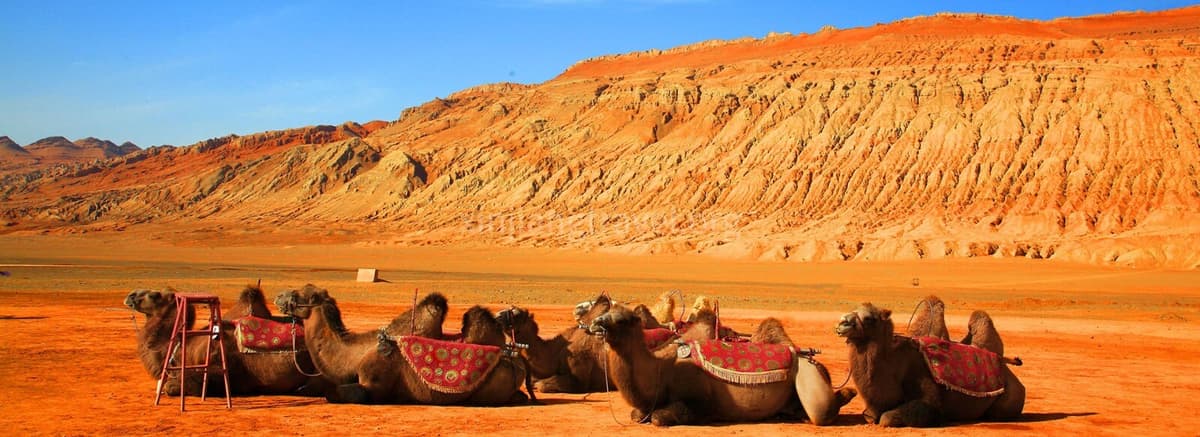 | Xinjiang Impressive Tour Urumqi → Turpan → Kanas → Karamay 9 Days (over 200+ Booked) |