20 years of pioneer in xinjiang tourism for overseas travelers
Born Here, Know Best, Your Journey's Blessed
No Shopping. No Detour, 99% Excellent Review

contact UsOn Wechat
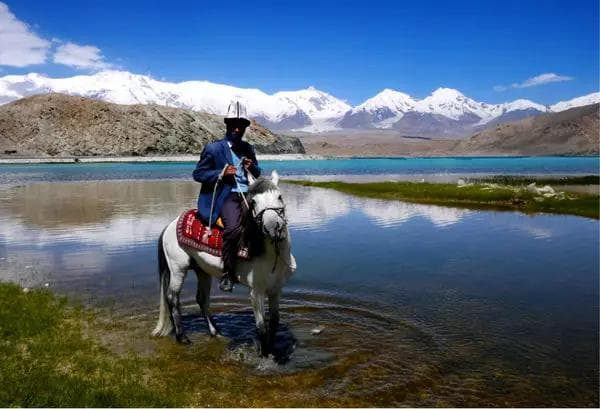
Some people say that the most impressive city in Xinjiang is Taxkorgan, a peaceful city also known as "the place where nothing is lost." Located in the westernmost part of China, on the eastern Pamir Plateau, Taxkorgan is about 300 kilometers from Kashgar and lies near the borders with Pakistan, Afghanistan, and Tajikistan. It is known for its tranquil atmosphere, spectacular plateau scenery, and distinctive Tajik culture.
Unlike the bustling cities and commercial centers found elsewhere, Taxkorgan has a slower pace of life. There are few large shopping malls or busy commercial streets, while the surrounding mountains, grasslands, lakes, and traditional villages create a peaceful atmosphere closely connected with nature.
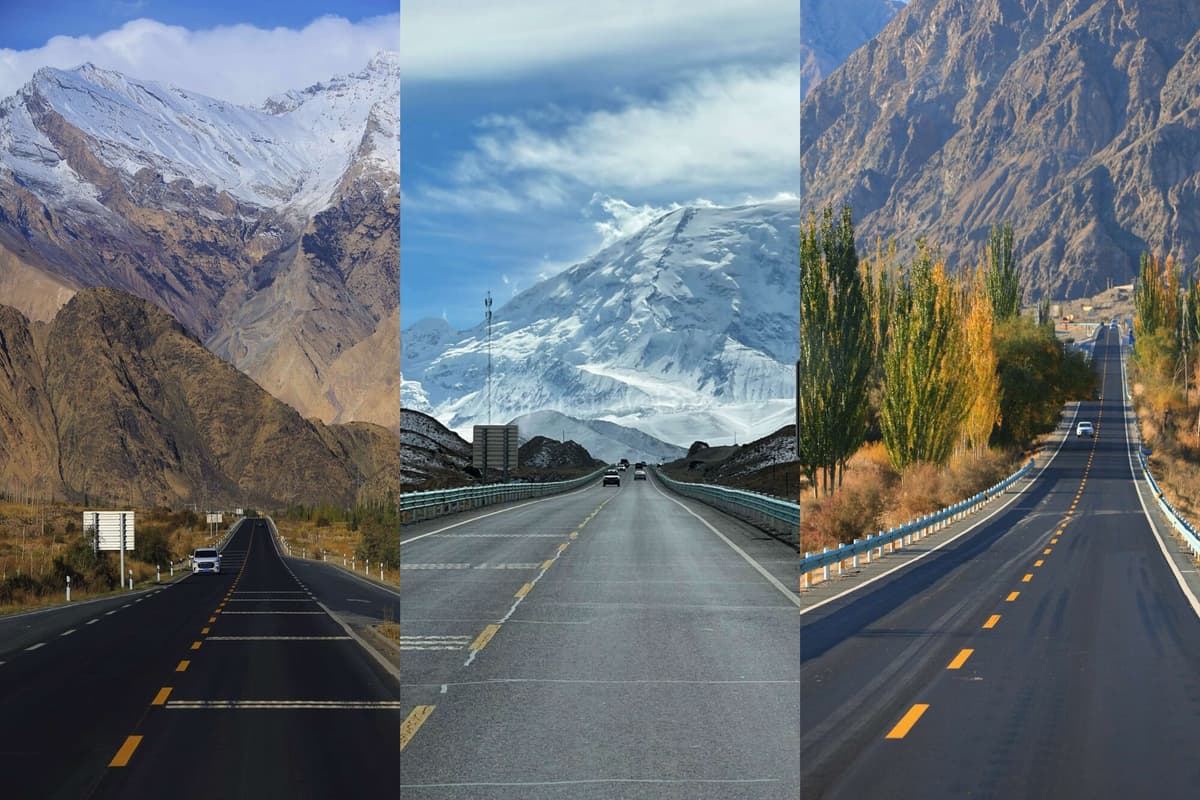
The journey from Kashgar to Taxkorgan follows the famous Karakoram Highway. Along the way, travelers can enjoy spectacular high-altitude scenery, including Baisha Lake, Karakul Lake, and the snow-capped Muztagh Ata.
Chinese Name: 塔什库尔干 [tǎ shí kù ěr gān]
Location: About 300 kilometers from Kashgar
Popular activities: sightseeing, photography, exploring the Pamir Plateau, experiencing Tajik culture, hiking, and enjoying mountain and grassland scenery
Suited to: nature lovers, photography enthusiasts, outdoor enthusiasts, and cultural travelers
Time needed: 1-2 days
8 Days Xinjiang Travel to Urumqi, Turpan, Kashgar with Taxkorgan Adventure
7 Days Kashgar and Taxkorgan Tour with Datong Apricot Village
6 days Kashgar, Yarkand and Taxkorgan Tour
Taxkorgan is best visited from May to October, when the weather is generally more comfortable and mountain roads are more accessible. During this period, visitors can enjoy clear skies, snow-capped mountains, green grasslands, and beautiful Pamir Plateau scenery. Winter (November to March) is not recommended for most travelers, as the weather can be very cold and snowy, and some mountain roads may be affected or closed.
From May to June, the weather gradually becomes warmer, and the grasslands of the Pamir Plateau begin to turn green. Snow-capped mountains, alpine meadows, and clear blue skies create beautiful scenery. It is a good time for visitors who enjoy photography, sightseeing, and exploring the natural landscapes of Taxkorgan.
Minor downside:
The temperature can still be relatively low, especially in the morning and evening, so warm clothing is recommended.
July and August are among the best months to visit Taxkorgan. The weather is generally clear, the grasslands are lush and green, and most mountain roads and scenic routes are accessible. Visitors can enjoy hiking, photography, sightseeing, and exploring the Pamir Plateau and local Tajik culture.
Minor downside:
The sunlight can be strong at high altitudes, so sunscreen, sunglasses, and a hat are recommended. Temperatures can also drop quickly after sunset.
Early autumn brings cooler temperatures and beautiful scenery to Taxkorgan. The grasslands gradually turn golden, while the snow-capped mountains remain visible under the clear autumn sky. The quieter atmosphere and colorful landscapes make this a great season for photography and sightseeing.
Minor downside:
The weather becomes colder, especially in the morning and evening, so warmer clothing is necessary.
The most convenient way to travel from Kashgar to Taxkorgan is by car. The distance is about 300 kilometers, and the journey usually takes around 6-8 hours, depending on road and weather conditions.
The route follows the famous Karakoram Highway (G314) and is one of the most scenic road journeys in Xinjiang. Along the way, travelers can enjoy spectacular views of mountain valleys, snow-capped peaks, alpine grasslands, and Karakul Lake.
The journey itself is an important part of the Taxkorgan experience, as the landscape gradually changes from the valleys around Kashgar to the magnificent high-altitude scenery of the Pamir Plateau.
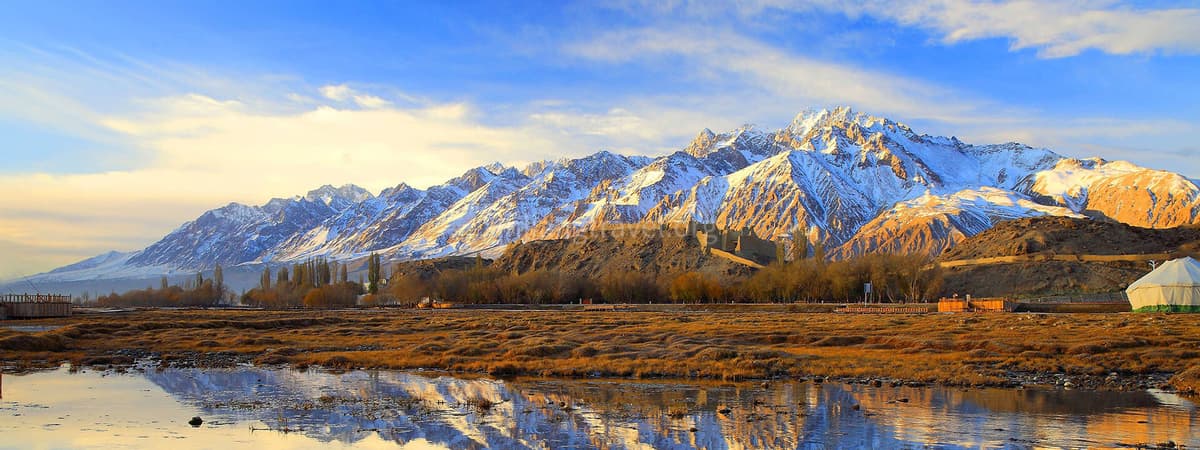
Taxkorgan combines spectacular Pamir Plateau scenery, ancient Silk Road history, and distinctive Tajik culture. From historic ruins and peaceful grasslands to high-altitude lakes and snow-capped mountains, there are many ways to explore this remote corner of Xinjiang.
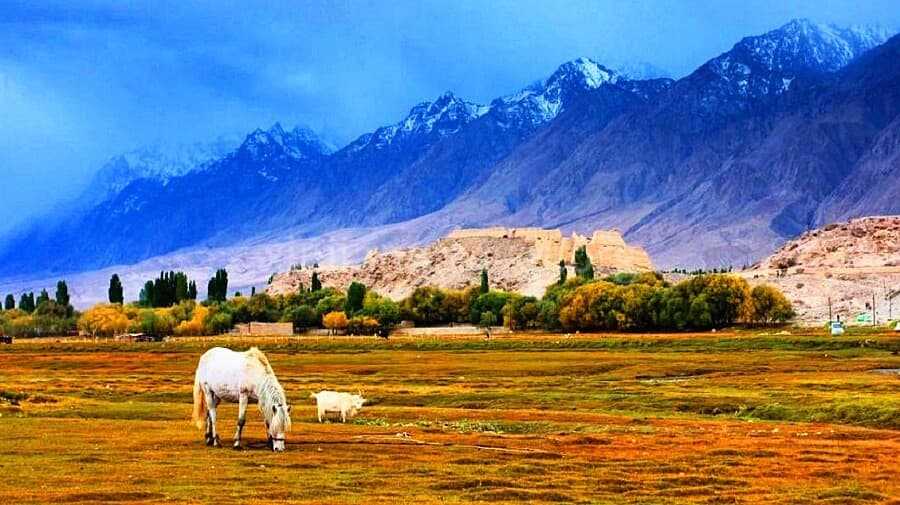
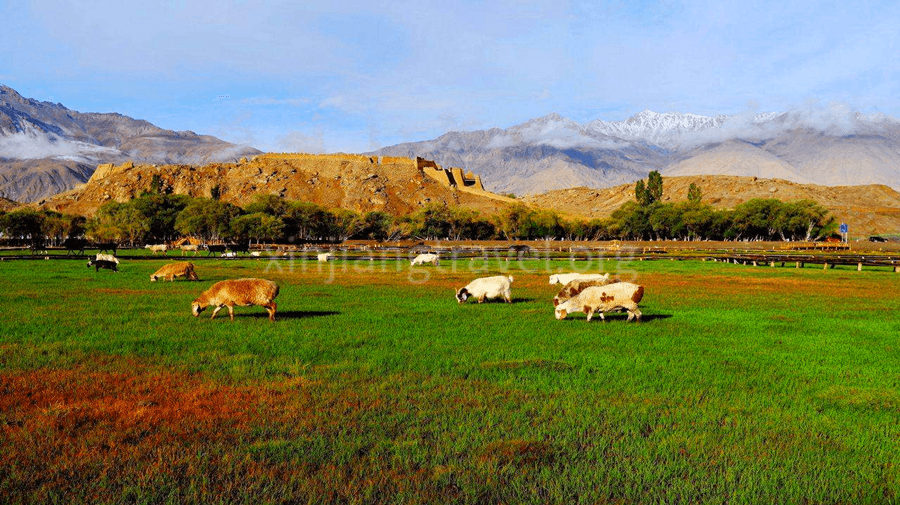
The Taxkorgan Stone Fort is one of the most important historical landmarks in the town. The ancient fortress is believed to have a history of more than 2,000 years and once served as an important military and trading stronghold along the ancient Silk Road.
Standing on the high ground, visitors can explore the remains of the ancient fort while enjoying panoramic views of the surrounding Taxkorgan valley, grasslands, and snow-capped mountains. The combination of ancient ruins and spectacular mountain scenery makes it an excellent place for both history lovers and photography enthusiasts.
The Golden Grassland is a vast alpine meadow located near Taxkorgan. Surrounded by mountains, the grassland provides a peaceful landscape where visitors can see grazing yaks, sheep, and horses, as well as traditional pastoral scenes.
The wide-open grasslands and snow-capped mountains in the distance create excellent opportunities for photography. Visitors can take a leisurely walk through the grassland and enjoy the peaceful atmosphere of the Pamir Plateau.
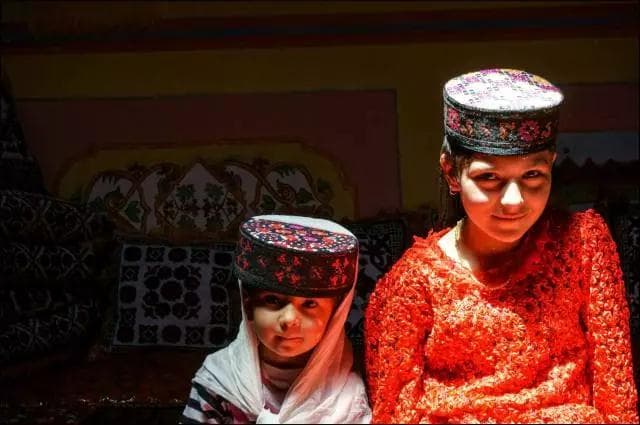
Taxkorgan is one of the best places in Xinjiang to experience the unique culture of the Tajik people. Visitors can explore local villages, visit traditional homes, and learn about Tajik customs, music, clothing, food, and everyday life.
The colorful traditional clothing, distinctive architecture, local food, and warm hospitality provide travelers with an opportunity to experience a different side of Xinjiang. If you are interested in ethnic culture and traditional lifestyles, Taxkorgan is a fascinating place to explore.
Karakul Lake is located along the road from Kashgar to Taxkorgan and is one of the most spectacular natural attractions on the Pamir Plateau. The high-altitude lake lies at the foot of Muztagh Ata, one of the most famous snow-capped mountains in the region.
The deep-blue lake, surrounding grasslands, and snow-covered mountains create a breathtaking landscape. Visitors can stop here to enjoy the scenery, take photographs, and go for a short walk around the lake.
The Khunjerab Pass is located on the China-Pakistan border and is one of the most famous high-altitude border crossings in the world. At an altitude of about 4,693 meters, it offers spectacular views of the surrounding Pamir and Karakoram mountains.
The pass is accessible only under the relevant travel and border regulations, and conditions can be affected by winter weather. Travelers planning to visit the area should check access requirements and road conditions in advance.
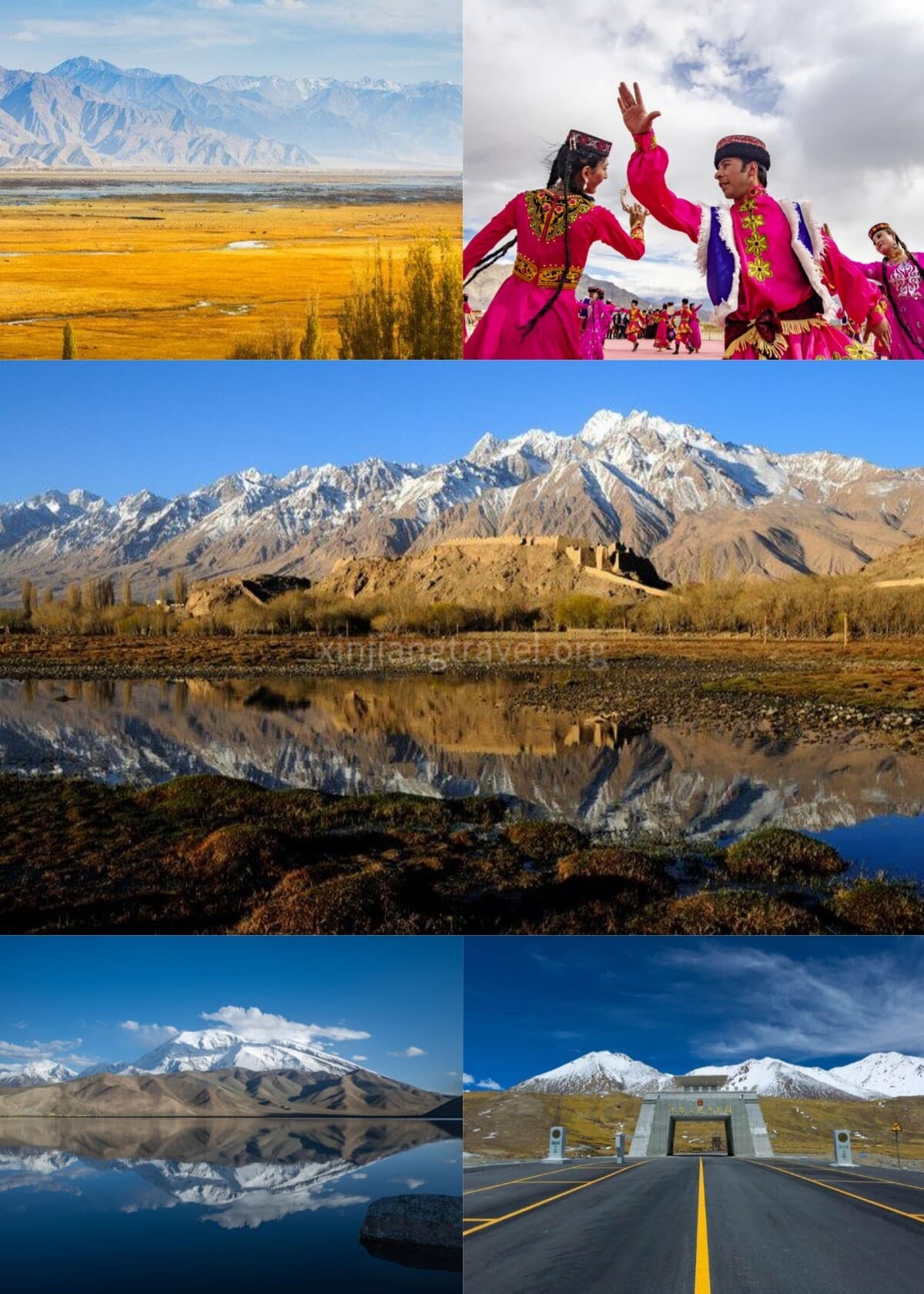
Taxkorgan is a paradise for landscape photography. The region combines snow-capped mountains, alpine grasslands, glaciers, rivers, and high-altitude lakes in a single spectacular landscape. The road from Kashgar to Taxkorgan also provides numerous opportunities to stop and photograph the scenery. Karakul Lake, Muztagh Ata, Golden Grassland, and the surrounding Pamir mountains are especially impressive.
The changing landscapes along the Karakoram Highway make the journey itself part of the photography experience. From vast grasslands and winding rivers to snow-covered peaks and crystal-clear lakes, there are many beautiful viewpoints to discover.
The wide-open grasslands and mountain valleys around Taxkorgan provide opportunities for walking and light hiking. Visitors can explore the peaceful alpine landscape, enjoy the fresh mountain air, and observe local pastoral life.
For travelers who enjoy outdoor activities, hiking around the grasslands is a relaxing way to experience the natural beauty of the Pamir Plateau. The Golden Grassland is particularly beautiful during the warmer months, when the meadows are covered with green or golden grass and local herders can be seen tending their livestock. It is an excellent place to enjoy the open landscape and take photos.
A trip to Taxkorgan would not be complete without experiencing the local Tajik culture.
Visitors can visit traditional homes, learn about local customs, enjoy traditional music and dance, and taste local food. Meeting local people and learning about their daily lives is a wonderful way to understand the unique cultural heritage of the Pamir region. The Tajik people of Taxkorgan have preserved distinctive traditions, colorful clothing, music, and pastoral lifestyles. Travelers who have enough time can visit a local village or family home to experience the warm hospitality and learn more about everyday life on the Pamir Plateau.
For most travelers, 1-2 days is enough to explore the main attractions in Taxkorgan and experience the scenery and culture of the Pamir Plateau. However, the ideal length of your stay depends on whether you are mainly interested in sightseeing or want to explore the surrounding mountains, grasslands, and Tajik villages at a slower pace.
If you have limited time, one day is enough to visit some of the main attractions around Taxkorgan. You can explore the Taxkorgan Stone Fort, enjoy the scenery of the Golden Grassland, and walk around Taxkorgan Town to experience the peaceful atmosphere of this remote border city.
For travelers arriving from Kashgar, it is also possible to enjoy scenic stops along the Karakoram Highway, such as Karakul Lake and the surrounding Pamir Plateau scenery, before continuing to Taxkorgan. However, the journey from Kashgar is long, so a one-day trip can be relatively busy.
Spending two days in Taxkorgan allows you to explore the main attractions at a more relaxed pace. In addition to visiting the Stone Fort and Golden Grassland, you can spend more time experiencing Tajik culture and local life, visiting villages, and enjoying the spectacular mountain scenery around the town.
A two-day stay is also a good option for travelers who want to include Karakul Lake or explore more of the Pamir Plateau without rushing from one attraction to another. Staying overnight in Taxkorgan gives you more flexibility and allows you to enjoy the quiet atmosphere of the town.
Travelers with three days or more can explore Taxkorgan and the surrounding Pamir Plateau at a slower pace. This option is suitable for those interested in photography, hiking, nature, and cultural experiences.
With more time, you can visit additional scenic areas, spend more time in local villages, and enjoy the changing landscapes of the Pamir Plateau. A longer stay also allows you to travel at a more relaxed pace and better appreciate the combination of snow-capped mountains, alpine grasslands, high-altitude lakes, and Tajik culture.
Since Taxkorgan is relatively remote, accommodation options are more limited than in larger cities such as Kashgar. However, there are several hotels, guesthouses, and local accommodations in the town.
For travelers visiting the Pamir Plateau, staying in Taxkorgan for one or two nights is a convenient option. Booking in advance is recommended during the peak travel season.
Some local guesthouses provide a more traditional experience and allow visitors to experience the atmosphere of everyday life in Taxkorgan. Staying in a local guesthouse is also a good opportunity to meet local people and learn more about Tajik culture.
Food in Taxkorgan combines influences from Xinjiang and Central Asian culinary traditions. Visitors can try local specialties such as pilaf, lamb skewers, yogurt, dairy products, and milk tea.
There are also noodle restaurants and Xinjiang-style Muslim eateries in the town. Dining options are relatively simple compared with larger cities, but they provide an authentic taste of local life.
Taxkorgan is located at an altitude of around 3,000 meters, while some attractions on the Pamir Plateau are located at even higher elevations. Visitors who are not accustomed to high-altitude environments are advised to take it easy after arrival, avoid strenuous activities, and drink plenty of water.
The weather in the Pamir Plateau can change quickly, especially in the higher mountain areas. Road conditions may also be affected by heavy snow or bad weather, particularly outside the main travel season. It is recommended to check the weather and road conditions before traveling to remote attractions.
Taxkorgan is located in a border area, and some areas may have additional access requirements for foreign travelers. Visitors should check the latest regulations and arrange the necessary permits through a qualified travel agency in advance.
There may be security checkpoints along the route from Kashgar to Taxkorgan and toward the border areas. Travelers should carry their passport and required travel documents or permits and follow the instructions of local authorities.
Taxkorgan is home to a large Tajik community with distinctive traditions and customs. Visitors are encouraged to respect local customs, ask for permission before photographing people or entering private homes, and behave appropriately when visiting villages and cultural sites.
Taxkorgan and the surrounding Pamir Plateau are relatively remote, and attractions can be far apart. It is recommended to plan your transportation and sightseeing route in advance and allow sufficient time for the journey, especially if you plan to visit Karakul Lake or areas near the Khunjerab Pass.
Yes, foreign travelers can visit Taxkorgan, but some areas in this border region may have additional access requirements. Travelers should check the latest regulations before their trip and arrange any necessary permits in advance. It is also important to carry your passport and required travel documents, as there may be security checkpoints along the route.
Independent travel to Taxkorgan may require more planning because the area is remote and some attractions are located far from the town. Travelers need to consider transportation, road conditions, accommodation, and access requirements for border areas. For foreign travelers unfamiliar with the region, joining an organized tour can make transportation and permit arrangements more convenient.
A day trip from Kashgar to Taxkorgan is possible, but it can be relatively busy. The distance is about 300 kilometers, and the journey usually takes around 6-8 hours one way, depending on road and weather conditions. Travelers who want to explore Taxkorgan at a more relaxed pace are recommended to stay for at least one night.
Taxkorgan Town is located at an altitude of around 3,000 meters, while some attractions in the surrounding Pamir Plateau are located much higher. For example, Khunjerab Pass is about 4,693 meters above sea level. Travelers who are not accustomed to high-altitude environments should allow time to adjust and avoid strenuous activities immediately after arrival.
Taxkorgan is a remote high-altitude destination, so travelers should be prepared for changeable weather, long driving distances, and limited accommodation options. Some areas are also located near the border and may have additional access requirements. Check the latest road and travel regulations before departure, carry your passport and required documents, and respect local Tajik customs when visiting villages and traditional homes.
Yes, Taxkorgan and Khunjerab Pass can be included in the same trip, but access to the border area is subject to relevant travel regulations. The route also involves high-altitude areas, and weather conditions can affect access. Travelers planning to visit Khunjerab Pass should check the latest regulations and road conditions in advance and allow enough time for the journey.