
20 years of pioneer in xinjiang tourism for overseas travelers
Born Here, Know Best, Your Journey's Blessed
No Shopping. No Detour, 99% Excellent Review

contact UsOn Wechat
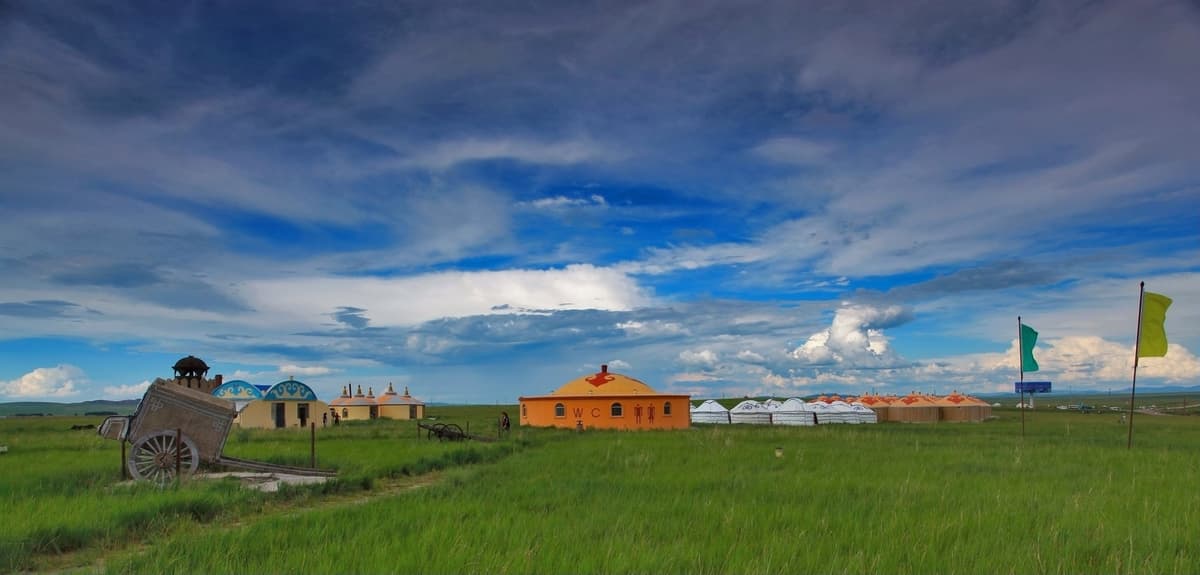
With a population of 180,000, most of Mongolians in Xinjiang live in Bayinguoleng and Bortala Mongolian Autonomous Prefecture and Hobukeser Mongolian Autonomous County.
The Xinjiang Mongolians have their own spoken and written language, which is a dialect of the Mongolian language, “the Oirat dialect”, belonging to the Mongolian group of the Altaic Language Family.
The name of Mongolian is a self - identity one, Xinjiang Mongolians are a branch of Mongolian nationality and they are offspring of Oirat Tribe. In the mid-18th century, Qing Dynasty put down the rebellions of Zhungar Mongol ruling groups in Ili and arranged the local Erutes on the basis of the Manchu Eight-Banner system. They were called Erute Mongols. In 1771, more than 100,000 Turhut Mongols lead their tribe head, Wobaxi, returned China from Volga River Valley. Their offshoots mainly live in Bayinguoleng, Hobukeser and Jinghe County. In 1764 and 1813, the Qing Court ordered a group of Chahar Mongols to move from the northern part of Hebei Province to Xinjiang, and now their descendents mainly live in Bole and Wenquan Counties in Bortala Mongolian Autonomous Prefectures.
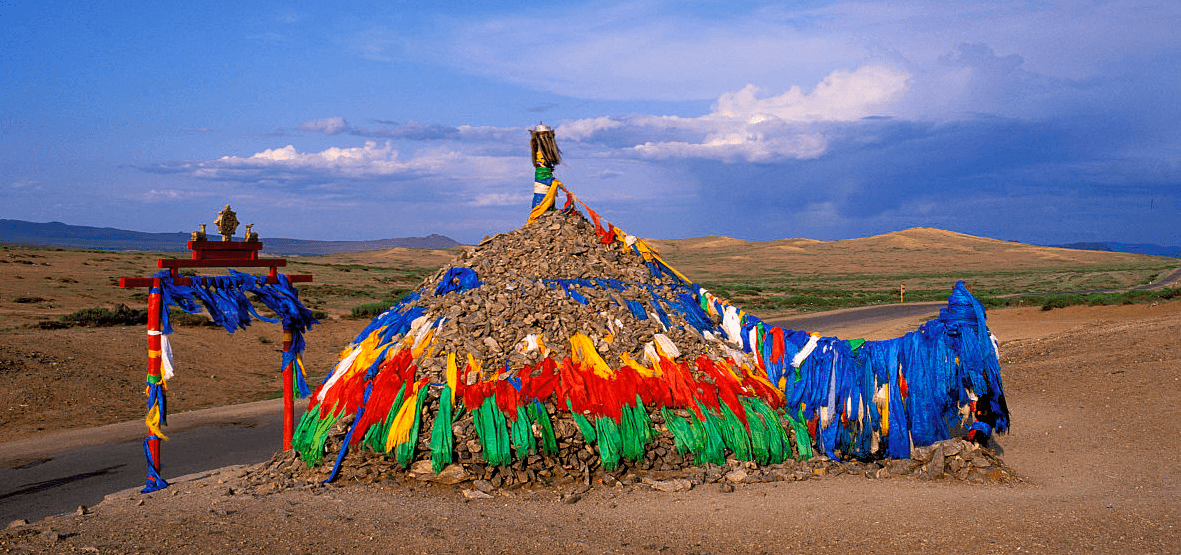
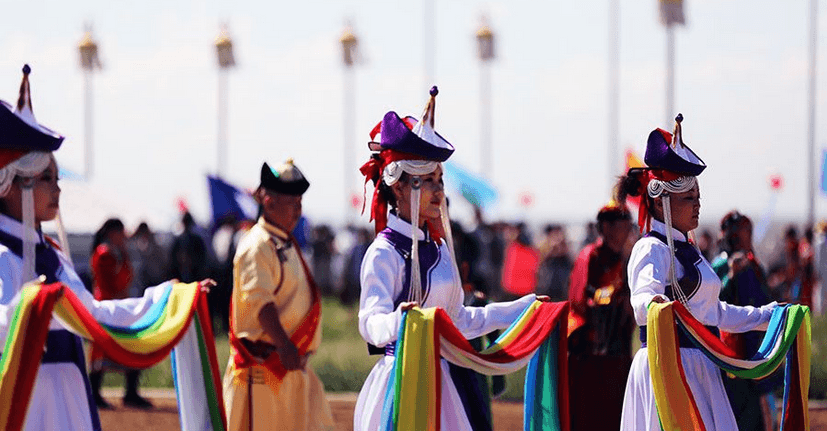
Historically, Mongolians were nomads. Beef and mutton, dairy products and food made by flour are their staple food. They like making milk wine with cow's and sheep milk. Their clothes are of Mongolian gowns. In pastoral areas, Mongolian herdsmen live in yurts, which were usually seven to eight feet high and ten feet in diameter. Mongolians believed in Shamanism in ancient times. The red sect of Lamaism began to find its followers among the Mongolian rulers in the 13th century. In the 16th century, many feudal tribe heads as well as herdsmen shifted to the yellow sect, but Shamanism still finds its traces in Mongolian tradition.
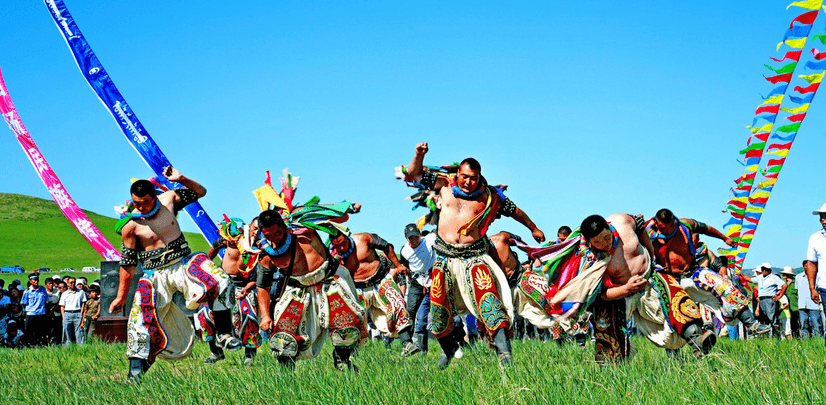
Jianger, an epic of the Oirat Mongolians, is one of the three famous epics in China. The Mongolians have been known as “a people of music and poetry”. Horse-head fiddle is a musical instrument favored by the Mongolians. Additionally, they also have two strings fiddle “Tuoburshu” in Xinjiang. “Nadam”, meaning games in Mongolian, is the name of a traditional Mongolian fair. Besides, they also celebrate another important festival - the Spring Festival.
The Xinjiang Mongolians have their own spoken and written language, which is a dialect of the Mongolian language, “the Oirat dialect”, belonging to the Mongolian group of the Altaic Language Family.
The name of Mongolian is a self - identity one, Xinjiang Mongolians are a branch of Mongolian nationality and they are offspring of Oirat Tribe. In the mid-18th century, Qing Dynasty put down the rebellions of Zhungar Mongol ruling groups in Ili and arranged the local Erutes on the basis of the Manchu Eight-Banner system. They were called Erute Mongols. In 1771, more than 100,000 Turhut Mongols lead their tribe head, Wobaxi, returned China from Volga River Valley. Their offshoots mainly live in Bayinguoleng, Hobukeser and Jinghe County. In 1764 and 1813, the Qing Court ordered a group of Chahar Mongols to move from the northern part of Hebei Province to Xinjiang, and now their descendents mainly live in Bole and Wenquan Counties in Bortala Mongolian Autonomous Prefectures.
Historically, Mongolians were nomads. Beef and mutton, dairy products and food made by flour are their staple food. They like making milk wine with cow's and sheep milk. Their clothes are of Mongolian gowns. In pastoral areas, Mongolian herdsmen live in yurts, which were usually seven to eight feet high and ten feet in diameter. Mongolians believed in Shamanism in ancient times. The red sect of Lamaism began to find its followers among the Mongolian rulers in the 13th century. In the 16th century, many feudal tribe heads as well as herdsmen shifted to the yellow sect, but Shamanism still finds its traces in Mongolian tradition.
Jianger, an epic of the Oirat Mongolians, is one of the three famous epics in China. The Mongolians have been known as “a people of music and poetry”. Horse-head fiddle is a musical instrument favored by the Mongolians. Additionally, they also have two strings fiddle “Tuoburshu” in Xinjiang. “Nadam”, meaning games in Mongolian, is the name of a traditional Mongolian fair. Besides, they also celebrate another important festival - the Spring Festival.

