
20 years of pioneer in xinjiang tourism for overseas travelers
Born Here, Know Best, Your Journey's Blessed
No Shopping. No Detour, 99% Excellent Review

contact UsOn Wechat
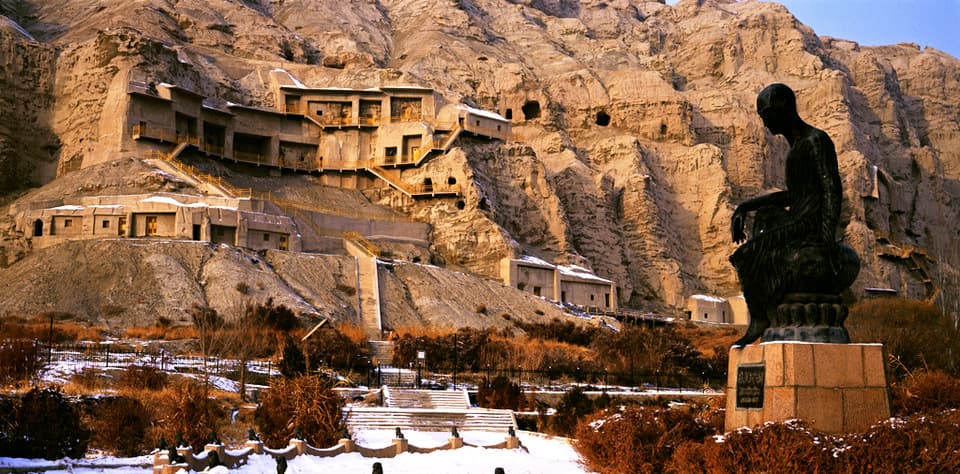
7 kilometers southeast to Kizil Town of Baicheng County and 60 kilometers east to Kuqa County, Kizil Thousand Buddha Caves are seen on the cliffs of Querdagh Mountain. Two forms of rock caves exist here: monk houses for monks to live in and to sit in mediation. The caves were structured with bedrooms with passages and the rooms had plain furniture; Buddhist Halls which were for Buddhists to lecture and discuss, of which some were very high with gates and Buddha figures standing. There are 236 caves, of which the monk houses are 64 and the Buddha Halls were 172. The two types of caves were arranged in one unit after another, and each unit may be a temple.
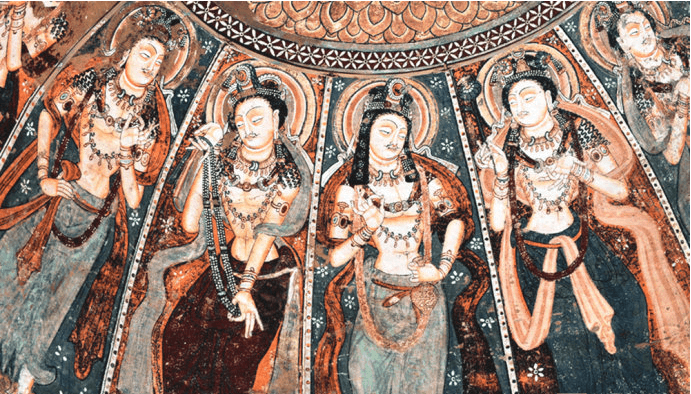
Kizil Grottoes arts were the birth place for Qiuci Grottoes arts, which consists of construction arts, sculpture arts and fresco arts, which have extremely important position in the Buddhist arts of Central Asian and the east. Although many sculptures were damaged, we still can see the very fine techniques of Qiuci grottoes arts. There are wooden sculpture, rock sculpture and relief sculpture and colored sculpture with figures of Buddha, bodhisattva, heavenly king, warrior and donators. The area of frescoes here is about ten thousand square meters. The contents of the frescoes are that of Buddha, stories of the Buddhism, animal, landscape flower and plants. It is not sure when the caves were opened but the earliest may be opened in the forth century and mid-period were opened from the fifth to sixth centuries and the later period caves were opened from the seventh to eighth centuries. Kizil Grottoes are the earliest centuries. Kizil Grottoes are the earliest and largest Buddhist caves in China in Qiuci times. In 1961, the grottoes were authorized as a major cultural relic site under state protection.
7 kilometers southeast to Kizil Town of Baicheng County and 60 kilometers east to Kuqa County, Kizil Thousand Buddha Caves are seen on the cliffs of Querdagh Mountain. Two forms of rock caves exist here: monk houses for monks to live in and to sit in mediation. The caves were structured with bedrooms with passages and the rooms had plain furniture; Buddhist Halls which were for Buddhists to lecture and discuss, of which some were very high with gates and Buddha figures standing. There are 236 caves, of which the monk houses are 64 and the Buddha Halls were 172. The two types of caves were arranged in one unit after another, and each unit may be a temple.
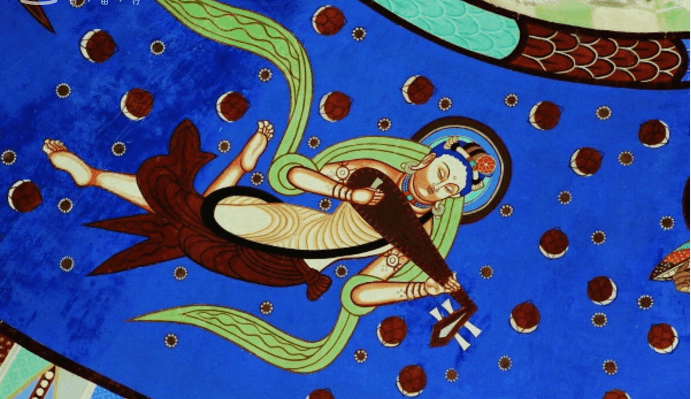
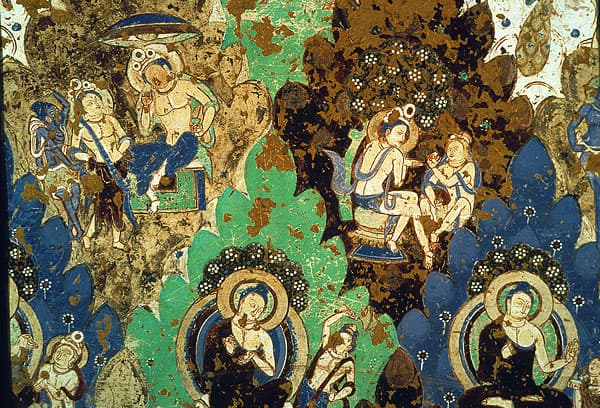
Kizil Grottoes arts were the birth place for Qiuci Grottoes arts, which consists of construction arts, sculpture arts and fresco arts, which have extremely important position in the Buddhist arts of Central Asian and the east. Although many sculptures were damaged, we still can see the very fine techniques of Qiuci grottoes arts. There are wooden sculpture, rock sculpture and relief sculpture and colored sculpture with figures of Buddha, bodhisattva, heavenly king, warrior and donators. The area of frescoes here is about ten thousand square meters. The contents of the frescoes are that of Buddha, stories of the Buddhism, animal, landscape flower and plants. It is not sure when the caves were opened but the earliest may be opened in the forth century and mid-period were opened from the fifth to sixth centuries and the later period caves were opened from the seventh to eighth centuries. Kizil Grottoes are the earliest centuries. Kizil Grottoes are the earliest and largest Buddhist caves in China in Qiuci times. In 1961, the grottoes were authorized as a major cultural relic site under state protection.

