
20 years of pioneer in xinjiang tourism for overseas travelers
Born Here, Know Best, Your Journey's Blessed
No Shopping. No Detour, 99% Excellent Review

contact UsOn Wechat
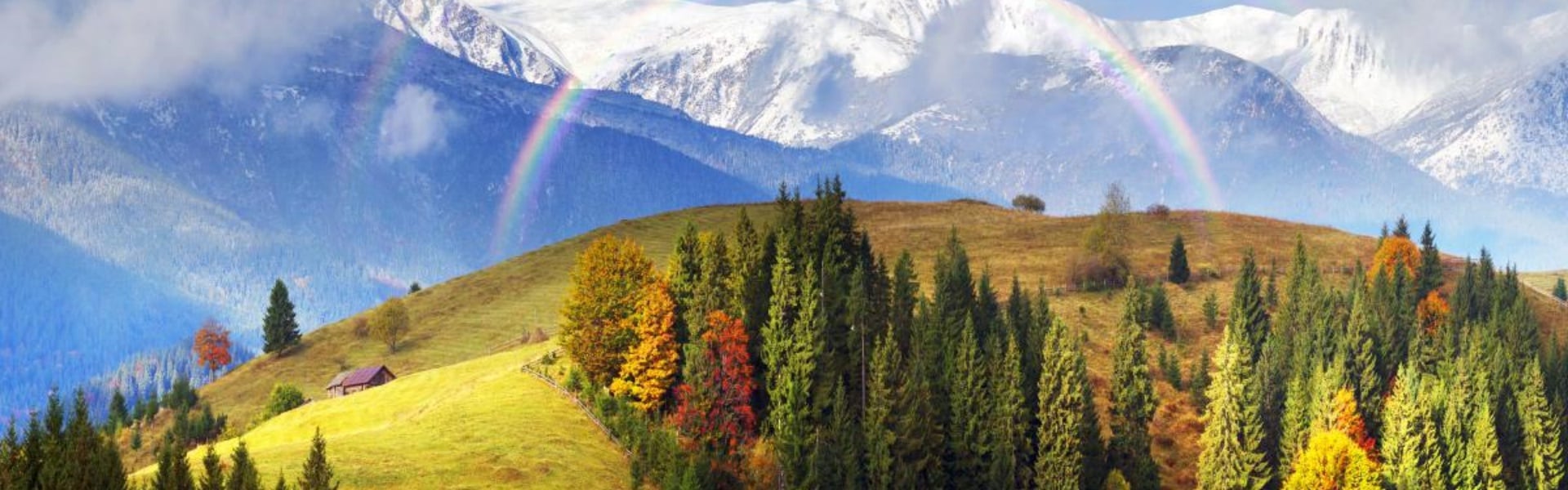
Traveling from Australia to Xinjiang is a bigger journey than hopping over from Southeast Asia — but in 2026 it has never been smoother. Four Chinese hubs offer nonstop flights from Sydney, Melbourne and Perth, each connecting onward to Urumqi in 3.5–5.5 hours, putting the Silk Road within a total flight time of around 15 hours. Better still, holders of ordinary Australian passports can enter China visa-free for up to 30 days under China’s unilateral visa-free policy, which was extended in November 2025 to run through December 31, 2026 — so a 12–15 day Xinjiang adventure needs no visa at all.
Australian travelers enjoy two bonuses most Europeans don’t. First, the time difference is tiny: Perth shares exactly the same clock as Xinjiang (UTC+8, zero jet lag), while Sydney and Melbourne are only 2–3 hours ahead — and China lies 3 hours behind during Australian daylight saving. Second, the seasons are reversed, which works in your favor: Australia’s June–July winter break is peak summer in Xinjiang’s mountains and grasslands, while the December–January summer holidays coincide with ski season in Altay. Add legendary Silk Road cities, halal Uyghur cuisine and landscapes ranging from deserts to alpine lakes, and Xinjiang is fast becoming one of the most sought-after destinations for Australians.
Check out the five most popular routes below, our tailored Xinjiang tour packages and the useful Australia-to-Xinjiang travel guide, including answers to frequently asked questions from Australian travelers.
Transfer City | Nonstop from Australia? | Flight to Urumqi | Total Travel Time* | Best For |
Via Guangzhou | Yes — China Southern (Sydney, Melbourne, Perth) | ~5 hrs | 13–16.5 hrs | Most frequent flights + city stopover |
Via Shanghai | Yes — China Eastern & Juneyao (Sydney, Melbourne) | ~5–5.5 hrs | 15.5–16.5 hrs | Bund skyline & modern China |
Via Beijing | Yes — Air China (Sydney,Melbourne) | ~4.5 hrs | 16–16.5 hrs | Great Wall & imperial history |
Via Chengdu | Yes — Sichuan Airlines (Sydney) | ~3.5–4 hrs | 14.5–15 hrs | Panda lovers & foodies |
Via Xi’an | One easy stop (via Shanghai or Guangzhou) | ~3.5 hrs | 16–18 hrs | Silk Road history from start to finish |
*Total travel time counts flight time only and varies by departure city. Flight schedules change seasonally — please confirm the latest timetable with airlines before booking.*
China Southern operates the most frequent Australia–China corridor, with daily nonstop flights to Guangzhou (CAN) from Sydney (~10 hrs) and Melbourne (~9.5–10 hrs). From November 30, 2025, China Southern also flies nonstop from Perth to Guangzhou (CZ320, ~8 hrs 10 mins) — the shortest Australia–China flight of all. Return fares from Sydney and Melbourne.
Ride up Canton Tower, stroll colonial-era Shamian Island, and sample authentic dim sum before heading west. Guangzhou is one of China’s most convenient transit points: same-city baggage check-through, abundant Cantonese restaurants, and a relaxed subtropical vibe — an easy first taste of China for first-time visitors.
China Southern operates multiple direct flights from Guangzhou to Urumqi daily, taking about 5 hours, with one-way fares from around AU$ 250. The next morning, you can even fly on to Kashgar (about 2 hours from Urumqi) to start your Southern Xinjiang adventure.
China Eastern offers up to two nonstop flights a day from Sydney to Shanghai (PVG), with Melbourne served daily by China Eastern (MU738/MU740) and Juneyao Airlines (HO1656). Flight time is about 10–11 hours, and return fares typically start around AU$ 800 if booked early. (Note: Qantas suspended its own Sydney–Shanghai service in 2024, so these SkyTeam carriers are the nonstop options.)
Spend one or two days walking the Bund, ascending Shanghai Tower, wandering Yu Garden, and eating your way through the French Concession. Shanghai’s superb rail and flight links make it a painless place to break the journey.
Direct flights from Shanghai to Urumqi take about 5–5.5 hours, with six airlines (including China Eastern, China Southern, Spring and Juneyao) offering several daily departures and one-way fares from around AU$ 250–300.
Air China flies nonstop from Sydney to Beijing Capital Airport (PEK) in about 11.5–12 hours (flight CA174, Boeing 787-9), with return fares from around AU$ 900. Landing in Beijing places you at the political and historical heart of China — and just one short domestic hop from Xinjiang.
Devote a day or two to the Forbidden City, Temple of Heaven and a morning hike on the Mutianyu Great Wall. Beijing’s imperial grandeur makes a striking contrast with Xinjiang’s frontier culture, and its extensive flight schedule north-west keeps your itinerary flexible.
The Beijing–Urumqi leg,about 4.5 hours on direct flights operated by four airlines (Air China, Hainan Airlines, Beijing Capital Airlines and Sichuan Airlines), with several departures daily and one-way fares from around AU$ 200.
Sichuan Airlines connects Sydney with Chengdu Tianfu International Airport (TFU) by nonstop flights of about 10.5–11 hours, with return fares typically from AU$ 850–1,000. As most flights land by early evening, Chengdu works beautifully as a relaxed one- or two-night stopover.
Set aside one day for the Chengdu Research Base of Giant Panda Breeding — arrive before 9:00 am when the pandas are most active during feeding time. Afterward, wander through Kuanzhai Alley, sip tea in People’s Park, and try authentic Sichuan hotpot (ask for *“wei la”* — mildly spicy — if you’re heat-sensitive).
Flights from Chengdu to Urumqi take only about 3.5–4 hours, with eight airlines offering multiple daily departures and one-way fares from around AU$ 180 if booked early. This route combines China’s beloved panda capital with its wild west in a single trip.
There is no nonstop Australia–Xi’an flight, but China Eastern connects Sydney and Melbourne to Xi’an via Shanghai, and China Southern via Guangzhou — total journey around 16–18 hours. Xi’an is the ancient starting point of the Silk Road, making it the most thematic gateway for a Xinjiang journey.
Spend one or two days visiting the Terracotta Warriors, cycling atop the Ming-era City Wall, and feasting through the Muslim Quarter, a centuries-old Hui Muslim food street where halal roujiamo, lamb soup and sweet rice cakes are served from dawn till midnight. The Big Wild Goose Pagoda and Tang-era treasures tell the story of how silk, spices and faiths once traveled west from here.
Direct flights from Xi’an to Urumqi take about 3.5 hours, with China Eastern, China Southern and Air China offering several daily departures and one-way fares from around AU$ 150. Overnight trains (about 25 hours) also connect the two cities, but flying is highly recommended due to the distance of over 2,500 km.
No. Under China’s unilateral visa-free policy — extended on 10 November 2025 to run through 31 December 2026 — holders of ordinary Australian passports (valid for at least 6 months) may enter China visa-free for up to 30 days per entry for tourism, business, family visits, exchange or transit. A 12–15 day Xinjiang itinerary fits comfortably within the visa-free window. Note that no special permit is needed for most of Xinjiang, but an Alien Travel Permit is required for border areas such as Tashkurgan County (Pamir Plateau & Khunjerab Pass) — your local guide can arrange it in Kashgar within hours using your passport. If you plan to travel after December 2026, check the latest policy before booking, as the arrangement has been renewed repeatedly.
Yes. Major tourist areas in Xinjiang are safe, with a strong police presence and very low violent crime. Simply carry your passport at all times, as it is required for hotel check-in, train stations and some attractions. Security checks are routine and quick.
We recommend booking 2–3 months in advance, since trans-Pacific-style long-haul nonstops (especially the weekly-frequency Sydney–Beijing and Sydney–Chengdu services) sell out first, and domestic China legs tighten up in peak season. July–August and mid-September to early October are peak in Xinjiang, when hotels in Kanas, Hemu and Nalati sell out quickly. Australian school holidays (the April Easter break, June–July winter break, September–October spring break and the long December–January summer holidays) and Chinese Golden Week (1–7 October) also see heavy demand, so lock in flights and hotels early.
The reversed seasons are your secret weapon — every Australian school break lands in a sweet spot:
June–July winter break = peak summer in Xinjiang: wildflowers blanket Sayram Lake, the Ili grasslands are emerald, and the Duku Highway is open. Ideal for Northern Xinjiang (Kanas, Sayram Lake, Ili).
September–October spring break = golden autumn: Kanas turns gold from mid-September to early October; the Tarim poplar forests peak in late October.
April Easter break = spring in the south: prime months for Kashgar and the Pamir Plateau (April–May).
December–January summer break = winter in Xinjiang: the year-end holidays coincide with ski season in Altay, where resorts such as Jiangjunshan and Keketuohai offer some of China’s finest powder snow — plus lower crowds and hotel prices.
Avoid Turpan in July–August, when temperatures exceed 40°C (104°F).
Almost none. Perth is on exactly the same clock as Xinjiang (UTC+8) — zero jet lag. Sydney and Melbourne sit 2 hours ahead of Beijing time (3 hours during Australian daylight saving, roughly October–April). One local quirk: despite the official clock, daily life in Xinjiang runs about 2 hours “later” — in summer the sun sets as late as 21:30–22:00 in Urumqi. Don’t be surprised by shops opening at 10:00 and dinners ending at midnight — plan your sightseeing between 10:00 and 20:00 for the best experience.
Xinjiang is roughly the size of Queensland — distances are enormous (Urumqi to Kashgar is about 1,470 km, comparable to the road distance from Melbourne to Brisbane). We recommend flying between far-flung cities (Urumqi–Kashgar is only 2 hours by air) and keeping road transfers to 4–5 hours per day. Take breaks every 2 hours, stay hydrated and pack motion sickness medicine. On the Pamir Plateau, note that Tashkurgan sits at 3,100 m — ascend slowly and drink plenty of water. Australians should also pack warm layers: even in summer, mountain mornings can drop below 10°C, and the dry, high-UV air calls for moisturizer and sunscreen.
Northern Xinjiang: Kanas Lake, Hemu Village, Sayram Lake, Nalati & Kalajun Grasslands, Duku Highway, Tianshan Tianchi, Turpan (Flaming Mountains, Jiaohe Ruins)
Southern Xinjiang: Kashgar Old City, Id Kah Mosque, Karakul Lake, Muztagh Ata, Tashkurgan Stone City, Panlong Ancient Road, Kizil Thousand-Buddha Caves
Altay in winter: Keketuohai Snow Town and ski resorts (November–March)
Plan 5–6 days for Urumqi and Turpan, 8–10 days for a Northern Xinjiang loop, 7–9 days for Southern Xinjiang, and 12–15 days to cover both — all comfortably within the 30-day visa-free stay. Add 3–5 extra days if combining with Silk Road cities like Xi’an and Dunhuang — a “Sydney–Xi’an–Dunhuang–Kashgar” grand Silk Road itinerary is the dream trip for many Australian visitors.
Link your Visa or Mastercard to Alipay or WeChat Pay before departure — both are accepted almost everywhere in China, and cash is rarely used. Multi-currency cards such as Wise or Revolut work well as a backup. Be aware that Google, Gmail, Instagram, Facebook and WhatsApp are blocked in mainland China, so install a reliable VPN or international eSIM before you fly (essential, since Google Maps and WhatsApp are daily lifelines for most Australians). Not every hotel in Xinjiang is licensed to host foreign guests; all hotels in our tour packages are foreigner-friendly and vetted.
English are rarely spoken locally, so our licensed guides (fluent in English, many also speaking Uyghur or Kazakh) handle the details — though learning a few Mandarin phrases goes a long way. As for food, this is where Xinjiang shines: Uyghur cuisine is halal by default, with lamb skewers that taste uncannily like premium souvlaki, big plate chicken (*dapanji*), hand-pulled laghman noodles, polo pilaf and naan fresh from tandoor ovens. Alcohol is rarely served in Uyghur restaurants, and mosques such as the famous Id Kah Mosque in Kashgar welcome worshippers. Vegetarian options are limited in remote areas, so mention dietary needs when booking.
Planning to travel to Xinjiang from elsewhere? Check our guides for travelers from:
l Xinjiang Tours from Singapore
l Xinjiang Tours from Malaysia
l Xinjiang Tours from United States
l Xinjiang Tours from Indonesia
l Xinjiang Tours from South Korea
From the beaches of Sydney to the ancient alleys of Kashgar, a journey to Xinjiang is easier than you think — visa-free for 30 days, one smooth connection, a time difference of three hours or less, and the Silk Road flavors that once linked West and East.
Contact Xinjiang Travel at info@xinjiangtravel.org or via Phone / WhatsApp: +86 189 9923 3079 and let us plan your seamless Australia-to-Xinjiang adventure.
Traveling from Australia to Xinjiang is a bigger journey than hopping over from Southeast Asia — but in 2026 it has never been smoother. Four Chinese hubs offer nonstop flights from Sydney, Melbourne and Perth, each connecting onward to Urumqi in 3.5–5.5 hours, putting the Silk Road within a total flight time of around 15 hours. Better still, holders of ordinary Australian passports can enter China visa-free for up to 30 days under China’s unilateral visa-free policy, which was extended in November 2025 to run through December 31, 2026 — so a 12–15 day Xinjiang adventure needs no visa at all.
Australian travelers enjoy two bonuses most Europeans don’t. First, the time difference is tiny: Perth shares exactly the same clock as Xinjiang (UTC+8, zero jet lag), while Sydney and Melbourne are only 2–3 hours ahead — and China lies 3 hours behind during Australian daylight saving. Second, the seasons are reversed, which works in your favor: Australia’s June–July winter break is peak summer in Xinjiang’s mountains and grasslands, while the December–January summer holidays coincide with ski season in Altay. Add legendary Silk Road cities, halal Uyghur cuisine and landscapes ranging from deserts to alpine lakes, and Xinjiang is fast becoming one of the most sought-after destinations for Australians.
Check out the five most popular routes below, our tailored Xinjiang tour packages and the useful Australia-to-Xinjiang travel guide, including answers to frequently asked questions from Australian travelers.
Transfer City | Nonstop from Australia? | Flight to Urumqi | Total Travel Time* | Best For |
Via Guangzhou | Yes — China Southern (Sydney, Melbourne, Perth) | ~5 hrs | 13–16.5 hrs | Most frequent flights + city stopover |
Via Shanghai | Yes — China Eastern & Juneyao (Sydney, Melbourne) | ~5–5.5 hrs | 15.5–16.5 hrs | Bund skyline & modern China |
Via Beijing | Yes — Air China (Sydney,Melbourne) | ~4.5 hrs | 16–16.5 hrs | Great Wall & imperial history |
Via Chengdu | Yes — Sichuan Airlines (Sydney) | ~3.5–4 hrs | 14.5–15 hrs | Panda lovers & foodies |
Via Xi’an | One easy stop (via Shanghai or Guangzhou) | ~3.5 hrs | 16–18 hrs | Silk Road history from start to finish |
*Total travel time counts flight time only and varies by departure city. Flight schedules change seasonally — please confirm the latest timetable with airlines before booking.*
China Southern operates the most frequent Australia–China corridor, with daily nonstop flights to Guangzhou (CAN) from Sydney (~10 hrs) and Melbourne (~9.5–10 hrs). From November 30, 2025, China Southern also flies nonstop from Perth to Guangzhou (CZ320, ~8 hrs 10 mins) — the shortest Australia–China flight of all. Return fares from Sydney and Melbourne.
Ride up Canton Tower, stroll colonial-era Shamian Island, and sample authentic dim sum before heading west. Guangzhou is one of China’s most convenient transit points: same-city baggage check-through, abundant Cantonese restaurants, and a relaxed subtropical vibe — an easy first taste of China for first-time visitors.
China Southern operates multiple direct flights from Guangzhou to Urumqi daily, taking about 5 hours, with one-way fares from around AU$ 250. The next morning, you can even fly on to Kashgar (about 2 hours from Urumqi) to start your Southern Xinjiang adventure.
China Eastern offers up to two nonstop flights a day from Sydney to Shanghai (PVG), with Melbourne served daily by China Eastern (MU738/MU740) and Juneyao Airlines (HO1656). Flight time is about 10–11 hours, and return fares typically start around AU$ 800 if booked early. (Note: Qantas suspended its own Sydney–Shanghai service in 2024, so these SkyTeam carriers are the nonstop options.)
Spend one or two days walking the Bund, ascending Shanghai Tower, wandering Yu Garden, and eating your way through the French Concession. Shanghai’s superb rail and flight links make it a painless place to break the journey.
Direct flights from Shanghai to Urumqi take about 5–5.5 hours, with six airlines (including China Eastern, China Southern, Spring and Juneyao) offering several daily departures and one-way fares from around AU$ 250–300.
Air China flies nonstop from Sydney to Beijing Capital Airport (PEK) in about 11.5–12 hours (flight CA174, Boeing 787-9), with return fares from around AU$ 900. Landing in Beijing places you at the political and historical heart of China — and just one short domestic hop from Xinjiang.
Devote a day or two to the Forbidden City, Temple of Heaven and a morning hike on the Mutianyu Great Wall. Beijing’s imperial grandeur makes a striking contrast with Xinjiang’s frontier culture, and its extensive flight schedule north-west keeps your itinerary flexible.
The Beijing–Urumqi leg,about 4.5 hours on direct flights operated by four airlines (Air China, Hainan Airlines, Beijing Capital Airlines and Sichuan Airlines), with several departures daily and one-way fares from around AU$ 200.
Sichuan Airlines connects Sydney with Chengdu Tianfu International Airport (TFU) by nonstop flights of about 10.5–11 hours, with return fares typically from AU$ 850–1,000. As most flights land by early evening, Chengdu works beautifully as a relaxed one- or two-night stopover.
Set aside one day for the Chengdu Research Base of Giant Panda Breeding — arrive before 9:00 am when the pandas are most active during feeding time. Afterward, wander through Kuanzhai Alley, sip tea in People’s Park, and try authentic Sichuan hotpot (ask for *“wei la”* — mildly spicy — if you’re heat-sensitive).
Flights from Chengdu to Urumqi take only about 3.5–4 hours, with eight airlines offering multiple daily departures and one-way fares from around AU$ 180 if booked early. This route combines China’s beloved panda capital with its wild west in a single trip.
There is no nonstop Australia–Xi’an flight, but China Eastern connects Sydney and Melbourne to Xi’an via Shanghai, and China Southern via Guangzhou — total journey around 16–18 hours. Xi’an is the ancient starting point of the Silk Road, making it the most thematic gateway for a Xinjiang journey.
Spend one or two days visiting the Terracotta Warriors, cycling atop the Ming-era City Wall, and feasting through the Muslim Quarter, a centuries-old Hui Muslim food street where halal roujiamo, lamb soup and sweet rice cakes are served from dawn till midnight. The Big Wild Goose Pagoda and Tang-era treasures tell the story of how silk, spices and faiths once traveled west from here.
Direct flights from Xi’an to Urumqi take about 3.5 hours, with China Eastern, China Southern and Air China offering several daily departures and one-way fares from around AU$ 150. Overnight trains (about 25 hours) also connect the two cities, but flying is highly recommended due to the distance of over 2,500 km.
No. Under China’s unilateral visa-free policy — extended on 10 November 2025 to run through 31 December 2026 — holders of ordinary Australian passports (valid for at least 6 months) may enter China visa-free for up to 30 days per entry for tourism, business, family visits, exchange or transit. A 12–15 day Xinjiang itinerary fits comfortably within the visa-free window. Note that no special permit is needed for most of Xinjiang, but an Alien Travel Permit is required for border areas such as Tashkurgan County (Pamir Plateau & Khunjerab Pass) — your local guide can arrange it in Kashgar within hours using your passport. If you plan to travel after December 2026, check the latest policy before booking, as the arrangement has been renewed repeatedly.
Yes. Major tourist areas in Xinjiang are safe, with a strong police presence and very low violent crime. Simply carry your passport at all times, as it is required for hotel check-in, train stations and some attractions. Security checks are routine and quick.
We recommend booking 2–3 months in advance, since trans-Pacific-style long-haul nonstops (especially the weekly-frequency Sydney–Beijing and Sydney–Chengdu services) sell out first, and domestic China legs tighten up in peak season. July–August and mid-September to early October are peak in Xinjiang, when hotels in Kanas, Hemu and Nalati sell out quickly. Australian school holidays (the April Easter break, June–July winter break, September–October spring break and the long December–January summer holidays) and Chinese Golden Week (1–7 October) also see heavy demand, so lock in flights and hotels early.
The reversed seasons are your secret weapon — every Australian school break lands in a sweet spot:
June–July winter break = peak summer in Xinjiang: wildflowers blanket Sayram Lake, the Ili grasslands are emerald, and the Duku Highway is open. Ideal for Northern Xinjiang (Kanas, Sayram Lake, Ili).
September–October spring break = golden autumn: Kanas turns gold from mid-September to early October; the Tarim poplar forests peak in late October.
April Easter break = spring in the south: prime months for Kashgar and the Pamir Plateau (April–May).
December–January summer break = winter in Xinjiang: the year-end holidays coincide with ski season in Altay, where resorts such as Jiangjunshan and Keketuohai offer some of China’s finest powder snow — plus lower crowds and hotel prices.
Avoid Turpan in July–August, when temperatures exceed 40°C (104°F).
Almost none. Perth is on exactly the same clock as Xinjiang (UTC+8) — zero jet lag. Sydney and Melbourne sit 2 hours ahead of Beijing time (3 hours during Australian daylight saving, roughly October–April). One local quirk: despite the official clock, daily life in Xinjiang runs about 2 hours “later” — in summer the sun sets as late as 21:30–22:00 in Urumqi. Don’t be surprised by shops opening at 10:00 and dinners ending at midnight — plan your sightseeing between 10:00 and 20:00 for the best experience.
Xinjiang is roughly the size of Queensland — distances are enormous (Urumqi to Kashgar is about 1,470 km, comparable to the road distance from Melbourne to Brisbane). We recommend flying between far-flung cities (Urumqi–Kashgar is only 2 hours by air) and keeping road transfers to 4–5 hours per day. Take breaks every 2 hours, stay hydrated and pack motion sickness medicine. On the Pamir Plateau, note that Tashkurgan sits at 3,100 m — ascend slowly and drink plenty of water. Australians should also pack warm layers: even in summer, mountain mornings can drop below 10°C, and the dry, high-UV air calls for moisturizer and sunscreen.
Northern Xinjiang: Kanas Lake, Hemu Village, Sayram Lake, Nalati & Kalajun Grasslands, Duku Highway, Tianshan Tianchi, Turpan (Flaming Mountains, Jiaohe Ruins)
Southern Xinjiang: Kashgar Old City, Id Kah Mosque, Karakul Lake, Muztagh Ata, Tashkurgan Stone City, Panlong Ancient Road, Kizil Thousand-Buddha Caves
Altay in winter: Keketuohai Snow Town and ski resorts (November–March)
Plan 5–6 days for Urumqi and Turpan, 8–10 days for a Northern Xinjiang loop, 7–9 days for Southern Xinjiang, and 12–15 days to cover both — all comfortably within the 30-day visa-free stay. Add 3–5 extra days if combining with Silk Road cities like Xi’an and Dunhuang — a “Sydney–Xi’an–Dunhuang–Kashgar” grand Silk Road itinerary is the dream trip for many Australian visitors.
Link your Visa or Mastercard to Alipay or WeChat Pay before departure — both are accepted almost everywhere in China, and cash is rarely used. Multi-currency cards such as Wise or Revolut work well as a backup. Be aware that Google, Gmail, Instagram, Facebook and WhatsApp are blocked in mainland China, so install a reliable VPN or international eSIM before you fly (essential, since Google Maps and WhatsApp are daily lifelines for most Australians). Not every hotel in Xinjiang is licensed to host foreign guests; all hotels in our tour packages are foreigner-friendly and vetted.
English are rarely spoken locally, so our licensed guides (fluent in English, many also speaking Uyghur or Kazakh) handle the details — though learning a few Mandarin phrases goes a long way. As for food, this is where Xinjiang shines: Uyghur cuisine is halal by default, with lamb skewers that taste uncannily like premium souvlaki, big plate chicken (*dapanji*), hand-pulled laghman noodles, polo pilaf and naan fresh from tandoor ovens. Alcohol is rarely served in Uyghur restaurants, and mosques such as the famous Id Kah Mosque in Kashgar welcome worshippers. Vegetarian options are limited in remote areas, so mention dietary needs when booking.
Planning to travel to Xinjiang from elsewhere? Check our guides for travelers from:
l Xinjiang Tours from Singapore
l Xinjiang Tours from Malaysia
l Xinjiang Tours from United States
l Xinjiang Tours from Indonesia
l Xinjiang Tours from South Korea
From the beaches of Sydney to the ancient alleys of Kashgar, a journey to Xinjiang is easier than you think — visa-free for 30 days, one smooth connection, a time difference of three hours or less, and the Silk Road flavors that once linked West and East.
Contact Xinjiang Travel at info@xinjiangtravel.org or via Phone / WhatsApp: +86 189 9923 3079 and let us plan your seamless Australia-to-Xinjiang adventure.
Traveling from Australia to Xinjiang is a bigger journey than hopping over from Southeast Asia — but in 2026 it has never been smoother. Four Chinese hubs offer nonstop flights from Sydney, Melbourne and Perth, each connecting onward to Urumqi in 3.5–5.5 hours, putting the Silk Road within a total flight time of around 15 hours. Better still, holders of ordinary Australian passports can enter China visa-free for up to 30 days under China’s unilateral visa-free policy, which was extended in November 2025 to run through December 31, 2026 — so a 12–15 day Xinjiang adventure needs no visa at all.
Australian travelers enjoy two bonuses most Europeans don’t. First, the time difference is tiny: Perth shares exactly the same clock as Xinjiang (UTC+8, zero jet lag), while Sydney and Melbourne are only 2–3 hours ahead — and China lies 3 hours behind during Australian daylight saving. Second, the seasons are reversed, which works in your favor: Australia’s June–July winter break is peak summer in Xinjiang’s mountains and grasslands, while the December–January summer holidays coincide with ski season in Altay. Add legendary Silk Road cities, halal Uyghur cuisine and landscapes ranging from deserts to alpine lakes, and Xinjiang is fast becoming one of the most sought-after destinations for Australians.
Check out the five most popular routes below, our tailored Xinjiang tour packages and the useful Australia-to-Xinjiang travel guide, including answers to frequently asked questions from Australian travelers.
Transfer City | Nonstop from Australia? | Flight to Urumqi | Total Travel Time* | Best For |
Via Guangzhou | Yes — China Southern (Sydney, Melbourne, Perth) | ~5 hrs | 13–16.5 hrs | Most frequent flights + city stopover |
Via Shanghai | Yes — China Eastern & Juneyao (Sydney, Melbourne) | ~5–5.5 hrs | 15.5–16.5 hrs | Bund skyline & modern China |
Via Beijing | Yes — Air China (Sydney,Melbourne) | ~4.5 hrs | 16–16.5 hrs | Great Wall & imperial history |
Via Chengdu | Yes — Sichuan Airlines (Sydney) | ~3.5–4 hrs | 14.5–15 hrs | Panda lovers & foodies |
Via Xi’an | One easy stop (via Shanghai or Guangzhou) | ~3.5 hrs | 16–18 hrs | Silk Road history from start to finish |
*Total travel time counts flight time only and varies by departure city. Flight schedules change seasonally — please confirm the latest timetable with airlines before booking.*
China Southern operates the most frequent Australia–China corridor, with daily nonstop flights to Guangzhou (CAN) from Sydney (~10 hrs) and Melbourne (~9.5–10 hrs). From November 30, 2025, China Southern also flies nonstop from Perth to Guangzhou (CZ320, ~8 hrs 10 mins) — the shortest Australia–China flight of all. Return fares from Sydney and Melbourne.
Ride up Canton Tower, stroll colonial-era Shamian Island, and sample authentic dim sum before heading west. Guangzhou is one of China’s most convenient transit points: same-city baggage check-through, abundant Cantonese restaurants, and a relaxed subtropical vibe — an easy first taste of China for first-time visitors.
China Southern operates multiple direct flights from Guangzhou to Urumqi daily, taking about 5 hours, with one-way fares from around AU$ 250. The next morning, you can even fly on to Kashgar (about 2 hours from Urumqi) to start your Southern Xinjiang adventure.
China Eastern offers up to two nonstop flights a day from Sydney to Shanghai (PVG), with Melbourne served daily by China Eastern (MU738/MU740) and Juneyao Airlines (HO1656). Flight time is about 10–11 hours, and return fares typically start around AU$ 800 if booked early. (Note: Qantas suspended its own Sydney–Shanghai service in 2024, so these SkyTeam carriers are the nonstop options.)
Spend one or two days walking the Bund, ascending Shanghai Tower, wandering Yu Garden, and eating your way through the French Concession. Shanghai’s superb rail and flight links make it a painless place to break the journey.
Direct flights from Shanghai to Urumqi take about 5–5.5 hours, with six airlines (including China Eastern, China Southern, Spring and Juneyao) offering several daily departures and one-way fares from around AU$ 250–300.
Air China flies nonstop from Sydney to Beijing Capital Airport (PEK) in about 11.5–12 hours (flight CA174, Boeing 787-9), with return fares from around AU$ 900. Landing in Beijing places you at the political and historical heart of China — and just one short domestic hop from Xinjiang.
Devote a day or two to the Forbidden City, Temple of Heaven and a morning hike on the Mutianyu Great Wall. Beijing’s imperial grandeur makes a striking contrast with Xinjiang’s frontier culture, and its extensive flight schedule north-west keeps your itinerary flexible.
The Beijing–Urumqi leg,about 4.5 hours on direct flights operated by four airlines (Air China, Hainan Airlines, Beijing Capital Airlines and Sichuan Airlines), with several departures daily and one-way fares from around AU$ 200.
Sichuan Airlines connects Sydney with Chengdu Tianfu International Airport (TFU) by nonstop flights of about 10.5–11 hours, with return fares typically from AU$ 850–1,000. As most flights land by early evening, Chengdu works beautifully as a relaxed one- or two-night stopover.
Set aside one day for the Chengdu Research Base of Giant Panda Breeding — arrive before 9:00 am when the pandas are most active during feeding time. Afterward, wander through Kuanzhai Alley, sip tea in People’s Park, and try authentic Sichuan hotpot (ask for *“wei la”* — mildly spicy — if you’re heat-sensitive).
Flights from Chengdu to Urumqi take only about 3.5–4 hours, with eight airlines offering multiple daily departures and one-way fares from around AU$ 180 if booked early. This route combines China’s beloved panda capital with its wild west in a single trip.
There is no nonstop Australia–Xi’an flight, but China Eastern connects Sydney and Melbourne to Xi’an via Shanghai, and China Southern via Guangzhou — total journey around 16–18 hours. Xi’an is the ancient starting point of the Silk Road, making it the most thematic gateway for a Xinjiang journey.
Spend one or two days visiting the Terracotta Warriors, cycling atop the Ming-era City Wall, and feasting through the Muslim Quarter, a centuries-old Hui Muslim food street where halal roujiamo, lamb soup and sweet rice cakes are served from dawn till midnight. The Big Wild Goose Pagoda and Tang-era treasures tell the story of how silk, spices and faiths once traveled west from here.
Direct flights from Xi’an to Urumqi take about 3.5 hours, with China Eastern, China Southern and Air China offering several daily departures and one-way fares from around AU$ 150. Overnight trains (about 25 hours) also connect the two cities, but flying is highly recommended due to the distance of over 2,500 km.
No. Under China’s unilateral visa-free policy — extended on 10 November 2025 to run through 31 December 2026 — holders of ordinary Australian passports (valid for at least 6 months) may enter China visa-free for up to 30 days per entry for tourism, business, family visits, exchange or transit. A 12–15 day Xinjiang itinerary fits comfortably within the visa-free window. Note that no special permit is needed for most of Xinjiang, but an Alien Travel Permit is required for border areas such as Tashkurgan County (Pamir Plateau & Khunjerab Pass) — your local guide can arrange it in Kashgar within hours using your passport. If you plan to travel after December 2026, check the latest policy before booking, as the arrangement has been renewed repeatedly.
Yes. Major tourist areas in Xinjiang are safe, with a strong police presence and very low violent crime. Simply carry your passport at all times, as it is required for hotel check-in, train stations and some attractions. Security checks are routine and quick.
We recommend booking 2–3 months in advance, since trans-Pacific-style long-haul nonstops (especially the weekly-frequency Sydney–Beijing and Sydney–Chengdu services) sell out first, and domestic China legs tighten up in peak season. July–August and mid-September to early October are peak in Xinjiang, when hotels in Kanas, Hemu and Nalati sell out quickly. Australian school holidays (the April Easter break, June–July winter break, September–October spring break and the long December–January summer holidays) and Chinese Golden Week (1–7 October) also see heavy demand, so lock in flights and hotels early.
The reversed seasons are your secret weapon — every Australian school break lands in a sweet spot:
June–July winter break = peak summer in Xinjiang: wildflowers blanket Sayram Lake, the Ili grasslands are emerald, and the Duku Highway is open. Ideal for Northern Xinjiang (Kanas, Sayram Lake, Ili).
September–October spring break = golden autumn: Kanas turns gold from mid-September to early October; the Tarim poplar forests peak in late October.
April Easter break = spring in the south: prime months for Kashgar and the Pamir Plateau (April–May).
December–January summer break = winter in Xinjiang: the year-end holidays coincide with ski season in Altay, where resorts such as Jiangjunshan and Keketuohai offer some of China’s finest powder snow — plus lower crowds and hotel prices.
Avoid Turpan in July–August, when temperatures exceed 40°C (104°F).
Almost none. Perth is on exactly the same clock as Xinjiang (UTC+8) — zero jet lag. Sydney and Melbourne sit 2 hours ahead of Beijing time (3 hours during Australian daylight saving, roughly October–April). One local quirk: despite the official clock, daily life in Xinjiang runs about 2 hours “later” — in summer the sun sets as late as 21:30–22:00 in Urumqi. Don’t be surprised by shops opening at 10:00 and dinners ending at midnight — plan your sightseeing between 10:00 and 20:00 for the best experience.
Xinjiang is roughly the size of Queensland — distances are enormous (Urumqi to Kashgar is about 1,470 km, comparable to the road distance from Melbourne to Brisbane). We recommend flying between far-flung cities (Urumqi–Kashgar is only 2 hours by air) and keeping road transfers to 4–5 hours per day. Take breaks every 2 hours, stay hydrated and pack motion sickness medicine. On the Pamir Plateau, note that Tashkurgan sits at 3,100 m — ascend slowly and drink plenty of water. Australians should also pack warm layers: even in summer, mountain mornings can drop below 10°C, and the dry, high-UV air calls for moisturizer and sunscreen.
Northern Xinjiang: Kanas Lake, Hemu Village, Sayram Lake, Nalati & Kalajun Grasslands, Duku Highway, Tianshan Tianchi, Turpan (Flaming Mountains, Jiaohe Ruins)
Southern Xinjiang: Kashgar Old City, Id Kah Mosque, Karakul Lake, Muztagh Ata, Tashkurgan Stone City, Panlong Ancient Road, Kizil Thousand-Buddha Caves
Altay in winter: Keketuohai Snow Town and ski resorts (November–March)
Plan 5–6 days for Urumqi and Turpan, 8–10 days for a Northern Xinjiang loop, 7–9 days for Southern Xinjiang, and 12–15 days to cover both — all comfortably within the 30-day visa-free stay. Add 3–5 extra days if combining with Silk Road cities like Xi’an and Dunhuang — a “Sydney–Xi’an–Dunhuang–Kashgar” grand Silk Road itinerary is the dream trip for many Australian visitors.
Link your Visa or Mastercard to Alipay or WeChat Pay before departure — both are accepted almost everywhere in China, and cash is rarely used. Multi-currency cards such as Wise or Revolut work well as a backup. Be aware that Google, Gmail, Instagram, Facebook and WhatsApp are blocked in mainland China, so install a reliable VPN or international eSIM before you fly (essential, since Google Maps and WhatsApp are daily lifelines for most Australians). Not every hotel in Xinjiang is licensed to host foreign guests; all hotels in our tour packages are foreigner-friendly and vetted.
English are rarely spoken locally, so our licensed guides (fluent in English, many also speaking Uyghur or Kazakh) handle the details — though learning a few Mandarin phrases goes a long way. As for food, this is where Xinjiang shines: Uyghur cuisine is halal by default, with lamb skewers that taste uncannily like premium souvlaki, big plate chicken (*dapanji*), hand-pulled laghman noodles, polo pilaf and naan fresh from tandoor ovens. Alcohol is rarely served in Uyghur restaurants, and mosques such as the famous Id Kah Mosque in Kashgar welcome worshippers. Vegetarian options are limited in remote areas, so mention dietary needs when booking.
Planning to travel to Xinjiang from elsewhere? Check our guides for travelers from:
l Xinjiang Tours from Singapore
l Xinjiang Tours from Malaysia
l Xinjiang Tours from United States
l Xinjiang Tours from Indonesia
l Xinjiang Tours from South Korea
From the beaches of Sydney to the ancient alleys of Kashgar, a journey to Xinjiang is easier than you think — visa-free for 30 days, one smooth connection, a time difference of three hours or less, and the Silk Road flavors that once linked West and East.
Contact Xinjiang Travel at info@xinjiangtravel.org or via Phone / WhatsApp: +86 189 9923 3079 and let us plan your seamless Australia-to-Xinjiang adventure.
Traveling from Australia to Xinjiang is a bigger journey than hopping over from Southeast Asia — but in 2026 it has never been smoother. Four Chinese hubs offer nonstop flights from Sydney, Melbourne and Perth, each connecting onward to Urumqi in 3.5–5.5 hours, putting the Silk Road within a total flight time of around 15 hours. Better still, holders of ordinary Australian passports can enter China visa-free for up to 30 days under China’s unilateral visa-free policy, which was extended in November 2025 to run through December 31, 2026 — so a 12–15 day Xinjiang adventure needs no visa at all.
Australian travelers enjoy two bonuses most Europeans don’t. First, the time difference is tiny: Perth shares exactly the same clock as Xinjiang (UTC+8, zero jet lag), while Sydney and Melbourne are only 2–3 hours ahead — and China lies 3 hours behind during Australian daylight saving. Second, the seasons are reversed, which works in your favor: Australia’s June–July winter break is peak summer in Xinjiang’s mountains and grasslands, while the December–January summer holidays coincide with ski season in Altay. Add legendary Silk Road cities, halal Uyghur cuisine and landscapes ranging from deserts to alpine lakes, and Xinjiang is fast becoming one of the most sought-after destinations for Australians.
Check out the five most popular routes below, our tailored Xinjiang tour packages and the useful Australia-to-Xinjiang travel guide, including answers to frequently asked questions from Australian travelers.
Transfer City | Nonstop from Australia? | Flight to Urumqi | Total Travel Time* | Best For |
Via Guangzhou | Yes — China Southern (Sydney, Melbourne, Perth) | ~5 hrs | 13–16.5 hrs | Most frequent flights + city stopover |
Via Shanghai | Yes — China Eastern & Juneyao (Sydney, Melbourne) | ~5–5.5 hrs | 15.5–16.5 hrs | Bund skyline & modern China |
Via Beijing | Yes — Air China (Sydney,Melbourne) | ~4.5 hrs | 16–16.5 hrs | Great Wall & imperial history |
Via Chengdu | Yes — Sichuan Airlines (Sydney) | ~3.5–4 hrs | 14.5–15 hrs | Panda lovers & foodies |
Via Xi’an | One easy stop (via Shanghai or Guangzhou) | ~3.5 hrs | 16–18 hrs | Silk Road history from start to finish |
*Total travel time counts flight time only and varies by departure city. Flight schedules change seasonally — please confirm the latest timetable with airlines before booking.*
China Southern operates the most frequent Australia–China corridor, with daily nonstop flights to Guangzhou (CAN) from Sydney (~10 hrs) and Melbourne (~9.5–10 hrs). From November 30, 2025, China Southern also flies nonstop from Perth to Guangzhou (CZ320, ~8 hrs 10 mins) — the shortest Australia–China flight of all. Return fares from Sydney and Melbourne.
Ride up Canton Tower, stroll colonial-era Shamian Island, and sample authentic dim sum before heading west. Guangzhou is one of China’s most convenient transit points: same-city baggage check-through, abundant Cantonese restaurants, and a relaxed subtropical vibe — an easy first taste of China for first-time visitors.
China Southern operates multiple direct flights from Guangzhou to Urumqi daily, taking about 5 hours, with one-way fares from around AU$ 250. The next morning, you can even fly on to Kashgar (about 2 hours from Urumqi) to start your Southern Xinjiang adventure.
China Eastern offers up to two nonstop flights a day from Sydney to Shanghai (PVG), with Melbourne served daily by China Eastern (MU738/MU740) and Juneyao Airlines (HO1656). Flight time is about 10–11 hours, and return fares typically start around AU$ 800 if booked early. (Note: Qantas suspended its own Sydney–Shanghai service in 2024, so these SkyTeam carriers are the nonstop options.)
Spend one or two days walking the Bund, ascending Shanghai Tower, wandering Yu Garden, and eating your way through the French Concession. Shanghai’s superb rail and flight links make it a painless place to break the journey.
Direct flights from Shanghai to Urumqi take about 5–5.5 hours, with six airlines (including China Eastern, China Southern, Spring and Juneyao) offering several daily departures and one-way fares from around AU$ 250–300.
Air China flies nonstop from Sydney to Beijing Capital Airport (PEK) in about 11.5–12 hours (flight CA174, Boeing 787-9), with return fares from around AU$ 900. Landing in Beijing places you at the political and historical heart of China — and just one short domestic hop from Xinjiang.
Devote a day or two to the Forbidden City, Temple of Heaven and a morning hike on the Mutianyu Great Wall. Beijing’s imperial grandeur makes a striking contrast with Xinjiang’s frontier culture, and its extensive flight schedule north-west keeps your itinerary flexible.
The Beijing–Urumqi leg,about 4.5 hours on direct flights operated by four airlines (Air China, Hainan Airlines, Beijing Capital Airlines and Sichuan Airlines), with several departures daily and one-way fares from around AU$ 200.
Sichuan Airlines connects Sydney with Chengdu Tianfu International Airport (TFU) by nonstop flights of about 10.5–11 hours, with return fares typically from AU$ 850–1,000. As most flights land by early evening, Chengdu works beautifully as a relaxed one- or two-night stopover.
Set aside one day for the Chengdu Research Base of Giant Panda Breeding — arrive before 9:00 am when the pandas are most active during feeding time. Afterward, wander through Kuanzhai Alley, sip tea in People’s Park, and try authentic Sichuan hotpot (ask for *“wei la”* — mildly spicy — if you’re heat-sensitive).
Flights from Chengdu to Urumqi take only about 3.5–4 hours, with eight airlines offering multiple daily departures and one-way fares from around AU$ 180 if booked early. This route combines China’s beloved panda capital with its wild west in a single trip.
There is no nonstop Australia–Xi’an flight, but China Eastern connects Sydney and Melbourne to Xi’an via Shanghai, and China Southern via Guangzhou — total journey around 16–18 hours. Xi’an is the ancient starting point of the Silk Road, making it the most thematic gateway for a Xinjiang journey.
Spend one or two days visiting the Terracotta Warriors, cycling atop the Ming-era City Wall, and feasting through the Muslim Quarter, a centuries-old Hui Muslim food street where halal roujiamo, lamb soup and sweet rice cakes are served from dawn till midnight. The Big Wild Goose Pagoda and Tang-era treasures tell the story of how silk, spices and faiths once traveled west from here.
Direct flights from Xi’an to Urumqi take about 3.5 hours, with China Eastern, China Southern and Air China offering several daily departures and one-way fares from around AU$ 150. Overnight trains (about 25 hours) also connect the two cities, but flying is highly recommended due to the distance of over 2,500 km.
No. Under China’s unilateral visa-free policy — extended on 10 November 2025 to run through 31 December 2026 — holders of ordinary Australian passports (valid for at least 6 months) may enter China visa-free for up to 30 days per entry for tourism, business, family visits, exchange or transit. A 12–15 day Xinjiang itinerary fits comfortably within the visa-free window. Note that no special permit is needed for most of Xinjiang, but an Alien Travel Permit is required for border areas such as Tashkurgan County (Pamir Plateau & Khunjerab Pass) — your local guide can arrange it in Kashgar within hours using your passport. If you plan to travel after December 2026, check the latest policy before booking, as the arrangement has been renewed repeatedly.
Yes. Major tourist areas in Xinjiang are safe, with a strong police presence and very low violent crime. Simply carry your passport at all times, as it is required for hotel check-in, train stations and some attractions. Security checks are routine and quick.
We recommend booking 2–3 months in advance, since trans-Pacific-style long-haul nonstops (especially the weekly-frequency Sydney–Beijing and Sydney–Chengdu services) sell out first, and domestic China legs tighten up in peak season. July–August and mid-September to early October are peak in Xinjiang, when hotels in Kanas, Hemu and Nalati sell out quickly. Australian school holidays (the April Easter break, June–July winter break, September–October spring break and the long December–January summer holidays) and Chinese Golden Week (1–7 October) also see heavy demand, so lock in flights and hotels early.
The reversed seasons are your secret weapon — every Australian school break lands in a sweet spot:
June–July winter break = peak summer in Xinjiang: wildflowers blanket Sayram Lake, the Ili grasslands are emerald, and the Duku Highway is open. Ideal for Northern Xinjiang (Kanas, Sayram Lake, Ili).
September–October spring break = golden autumn: Kanas turns gold from mid-September to early October; the Tarim poplar forests peak in late October.
April Easter break = spring in the south: prime months for Kashgar and the Pamir Plateau (April–May).
December–January summer break = winter in Xinjiang: the year-end holidays coincide with ski season in Altay, where resorts such as Jiangjunshan and Keketuohai offer some of China’s finest powder snow — plus lower crowds and hotel prices.
Avoid Turpan in July–August, when temperatures exceed 40°C (104°F).
Almost none. Perth is on exactly the same clock as Xinjiang (UTC+8) — zero jet lag. Sydney and Melbourne sit 2 hours ahead of Beijing time (3 hours during Australian daylight saving, roughly October–April). One local quirk: despite the official clock, daily life in Xinjiang runs about 2 hours “later” — in summer the sun sets as late as 21:30–22:00 in Urumqi. Don’t be surprised by shops opening at 10:00 and dinners ending at midnight — plan your sightseeing between 10:00 and 20:00 for the best experience.
Xinjiang is roughly the size of Queensland — distances are enormous (Urumqi to Kashgar is about 1,470 km, comparable to the road distance from Melbourne to Brisbane). We recommend flying between far-flung cities (Urumqi–Kashgar is only 2 hours by air) and keeping road transfers to 4–5 hours per day. Take breaks every 2 hours, stay hydrated and pack motion sickness medicine. On the Pamir Plateau, note that Tashkurgan sits at 3,100 m — ascend slowly and drink plenty of water. Australians should also pack warm layers: even in summer, mountain mornings can drop below 10°C, and the dry, high-UV air calls for moisturizer and sunscreen.
Northern Xinjiang: Kanas Lake, Hemu Village, Sayram Lake, Nalati & Kalajun Grasslands, Duku Highway, Tianshan Tianchi, Turpan (Flaming Mountains, Jiaohe Ruins)
Southern Xinjiang: Kashgar Old City, Id Kah Mosque, Karakul Lake, Muztagh Ata, Tashkurgan Stone City, Panlong Ancient Road, Kizil Thousand-Buddha Caves
Altay in winter: Keketuohai Snow Town and ski resorts (November–March)
Plan 5–6 days for Urumqi and Turpan, 8–10 days for a Northern Xinjiang loop, 7–9 days for Southern Xinjiang, and 12–15 days to cover both — all comfortably within the 30-day visa-free stay. Add 3–5 extra days if combining with Silk Road cities like Xi’an and Dunhuang — a “Sydney–Xi’an–Dunhuang–Kashgar” grand Silk Road itinerary is the dream trip for many Australian visitors.
Link your Visa or Mastercard to Alipay or WeChat Pay before departure — both are accepted almost everywhere in China, and cash is rarely used. Multi-currency cards such as Wise or Revolut work well as a backup. Be aware that Google, Gmail, Instagram, Facebook and WhatsApp are blocked in mainland China, so install a reliable VPN or international eSIM before you fly (essential, since Google Maps and WhatsApp are daily lifelines for most Australians). Not every hotel in Xinjiang is licensed to host foreign guests; all hotels in our tour packages are foreigner-friendly and vetted.
English are rarely spoken locally, so our licensed guides (fluent in English, many also speaking Uyghur or Kazakh) handle the details — though learning a few Mandarin phrases goes a long way. As for food, this is where Xinjiang shines: Uyghur cuisine is halal by default, with lamb skewers that taste uncannily like premium souvlaki, big plate chicken (*dapanji*), hand-pulled laghman noodles, polo pilaf and naan fresh from tandoor ovens. Alcohol is rarely served in Uyghur restaurants, and mosques such as the famous Id Kah Mosque in Kashgar welcome worshippers. Vegetarian options are limited in remote areas, so mention dietary needs when booking.
Planning to travel to Xinjiang from elsewhere? Check our guides for travelers from:
l Xinjiang Tours from Singapore
l Xinjiang Tours from Malaysia
l Xinjiang Tours from United States
l Xinjiang Tours from Indonesia
l Xinjiang Tours from South Korea
From the beaches of Sydney to the ancient alleys of Kashgar, a journey to Xinjiang is easier than you think — visa-free for 30 days, one smooth connection, a time difference of three hours or less, and the Silk Road flavors that once linked West and East.
Contact Xinjiang Travel at info@xinjiangtravel.org or via Phone / WhatsApp: +86 189 9923 3079 and let us plan your seamless Australia-to-Xinjiang adventure.

